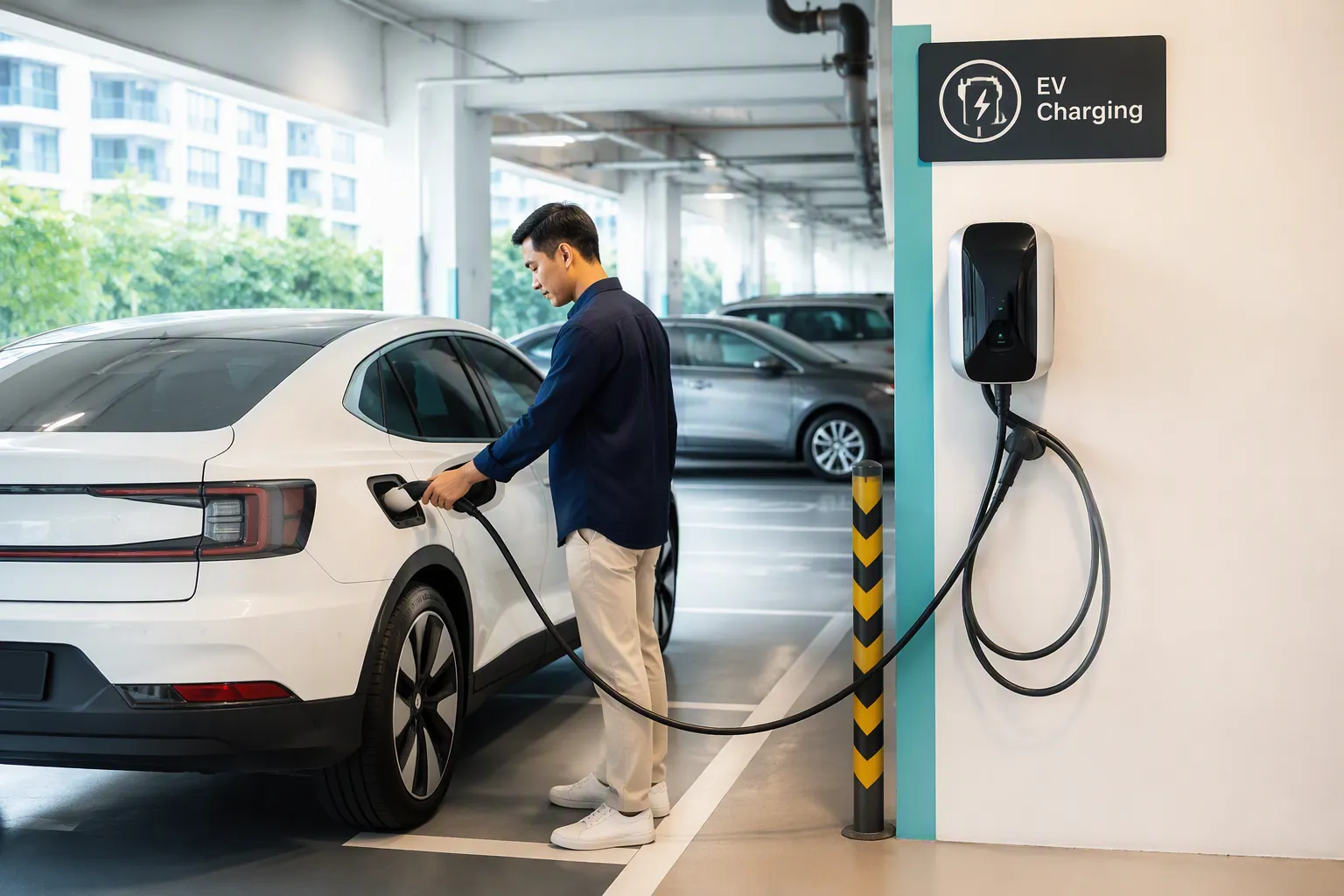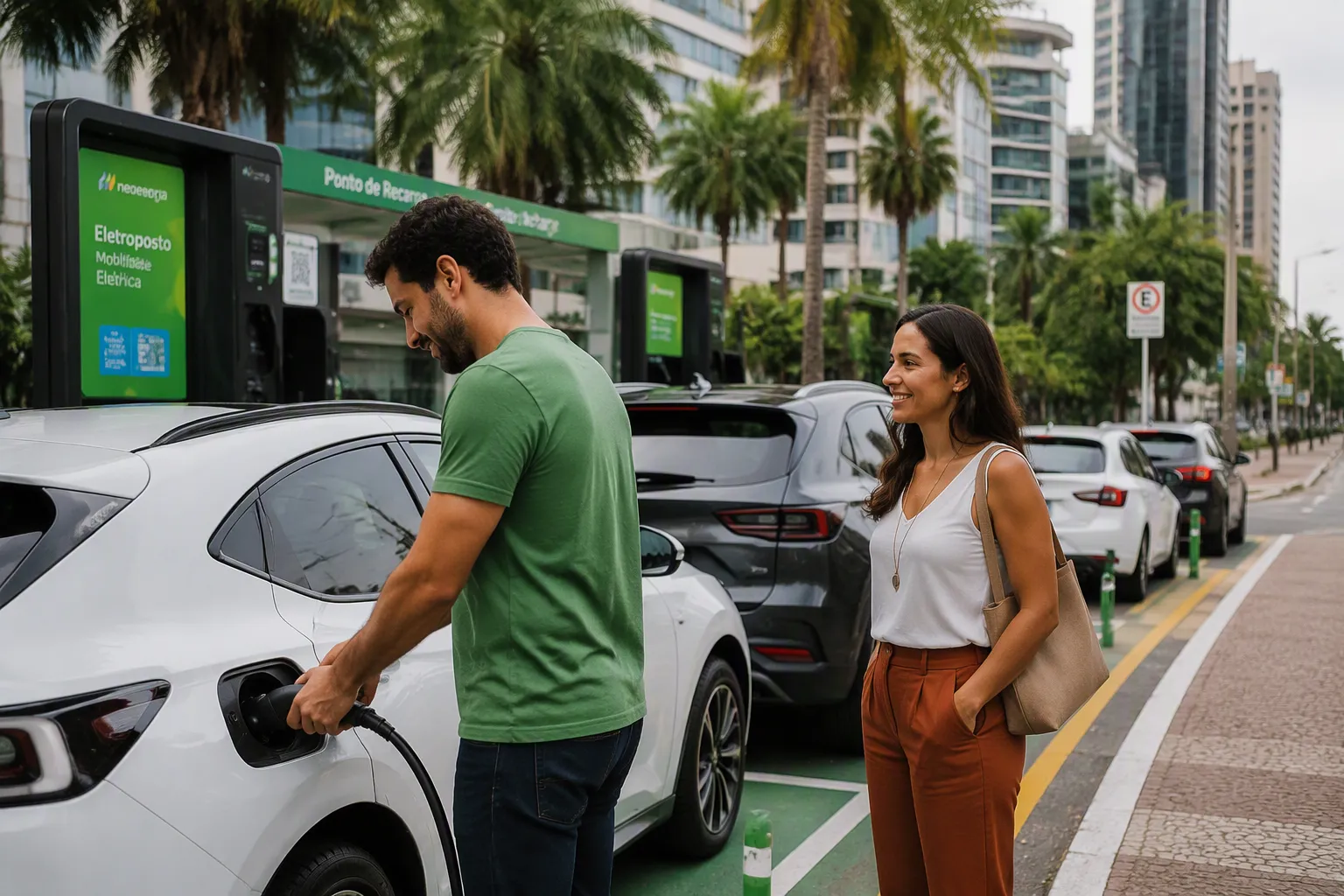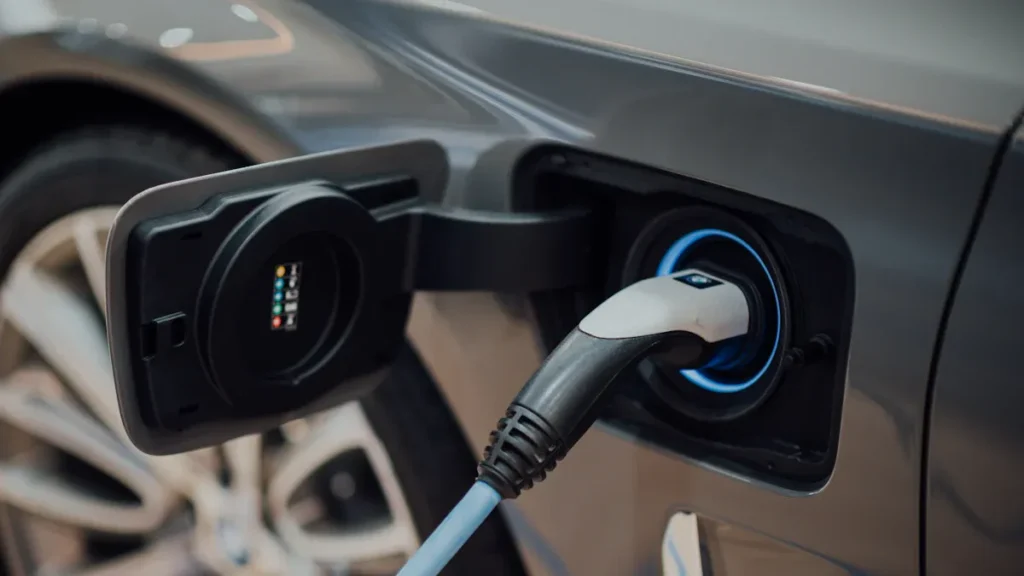

Brazil’s electric vehicle market is expanding rapidly, with revenue projected to hit US$661.3 million in 2024. This growth highlights the increasing importance of reliable Elektrikli araç şarj çözümleri. An EV charging adapter is a crucial device, connecting a car’s charging port to an incompatible charging station plug. Drivers in Brazil need these EV Charging Adapters for two main reasons. The first is for connecting taşınabilir elektrikli araç şarj cihazları to a standard wall socket for home charging. The second is for owners of imported or older cars to utilize Brazil’s modern public charging network. As the market grows 28.9% in 2025, understanding these tools is essential. Elektrikli araç şarj cihazı üreticileri like TPSON provide advanced EV charging solutions to support this expansion, ensuring every EV owner has access to a dependable EV şarj cihazı.
Brazil’s Electric Vehicle Charging Landscape in 2025
Understanding Brazil’s charging infrastructure is the first step to confident EV ownership. The country has standardized its network to ensure reliability, but owners of certain vehicles must know the different plug types to navigate the available charging stations effectively.
The Official AC Standard: Type 2 (Mennekes)
What is a Type 2 Plug?
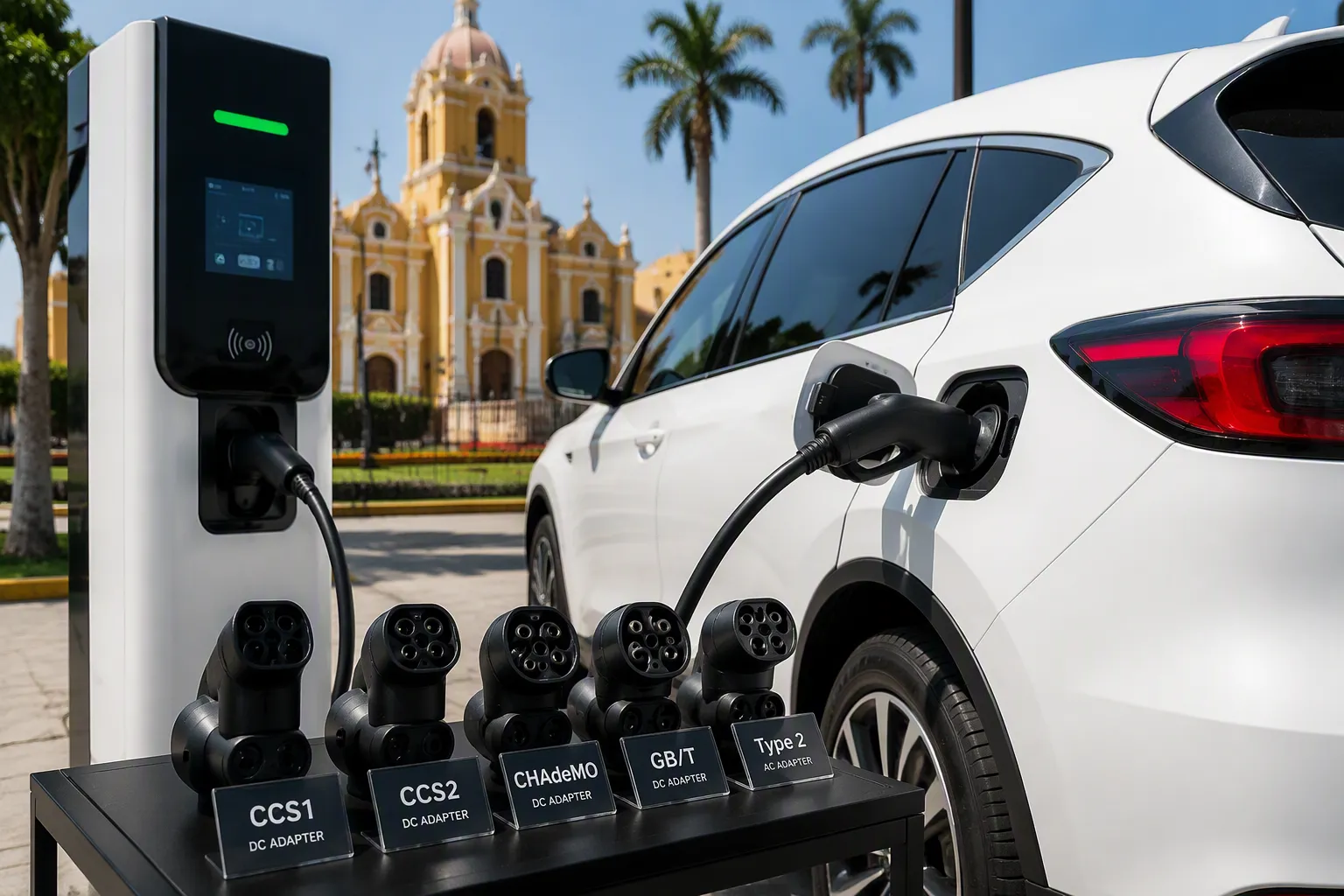
The Type 2 plug, also known as Mennekes, is the official standard for Alternating Current (AC) charging in Brazil. It features a distinctive seven-pin, D-shaped connector. This design supports both single-phase and three-phase power, providing flexible and efficient energy delivery for overnight or workplace charging.
Where You’ll Find Type 2 Chargers
Drivers will find Type 2 connectors at the vast majority of public AC charging stations across Brazil. They are common in shopping centers, supermarkets, commercial buildings, and residential wallbox installations. This widespread adoption makes Type 2 the backbone of the nation’s urban electric vehicle charging infrastructure.
Is Your New Car Type 2 Compatible?
Nearly all new electric vehicles sold in Brazil starting in the 2020s come equipped with a Type 2 inlet port. This standardization simplifies the public charging experience for most new owners, allowing them to connect directly to AC stations without needing an adapter.
The DC Fast Charging Standard: CCS2
How CCS2 Delivers Faster Speeds
The Combined Charging System (CCS2) is Brazil’s standard for Direct Current (DC) fast charging. It cleverly combines the Type 2 AC connector with two large DC pins below it. This setup enables much faster charging speeds because it delivers high-power energy directly to the vehicle’s battery.
- It bypasses the car’s onboard charger, which limits AC charging speeds.
- It supports high power outputs, from 50 kW up to 350 kW for ultra-rapid charging.
- This process provides a massive boost of energy in a short time, unlike slower AC charging.
Locating CCS2 Stations in Brazil
CCS2 stations are strategically placed along major highways and in urban centers. Drivers can locate these fast-charging stations using apps like PlugShare or the navigation system in their vehicle. These powerful stations are essential for long-distance travel.
The CCS2 Advantage for Road Trips
The primary benefit of CCS2 is its ability to significantly reduce charging time. A typical session can add hundreds of kilometers of range in just 20-40 minutes. This rapid energy transfer makes long-distance road trips in an EV practical and convenient.
Legacy Plugs: CHAdeMO and Type 1 (J1772)
Identifying CHAdeMO Plugs
CHAdeMO is a DC fast-charging standard, primarily found on older models from Japanese manufacturers like the Nissan Leaf. The plug is large and round, with a distinct locking mechanism. While once common, new CHAdeMO infrastructure is no longer being installed in Brazil.
Identifying Type 1 (J1772) Plugs
The Type 1 (or J1772) plug is a round, five-pin connector. It was the AC charging standard for early EV models and some vehicles imported from North America. It is now considered a legacy plug within the Brazilian charging network.
Why Adapters are Crucial for These Cars
Owners of vehicles with CHAdeMO or Type 1 ports face a compatibility challenge. Brazil’s modern charging infrastructure is built around CCS2 and Type 2. Therefore, EV charging adapters become essential tools, allowing these cars to connect to the thousands of modern charging stations available nationwide.
The Home Connection: NBR 14136 Socket
While public stations are vital for travel, most EV charging happens at home. Understanding the standard Brazilian wall socket is fundamental for every new EV owner. This connection provides the daily energy needed for most commutes.
Brazil’s Standard Wall Socket
The official standard socket in Brazil is the NBR 14136. It is easily recognizable by its three round pins set inside a recessed hexagonal shape. This design includes a ground pin for safety. These sockets come in two main versions:
- 10 Amperes (10A): For common household appliances.
- 20 Amperes (20A): For higher-power devices, featuring slightly thicker pins.
An EV owner must identify which type is available for their charging needs, as the 20A version supports a faster transfer of energy.
The Role of the NBR 14136 in EV Charging
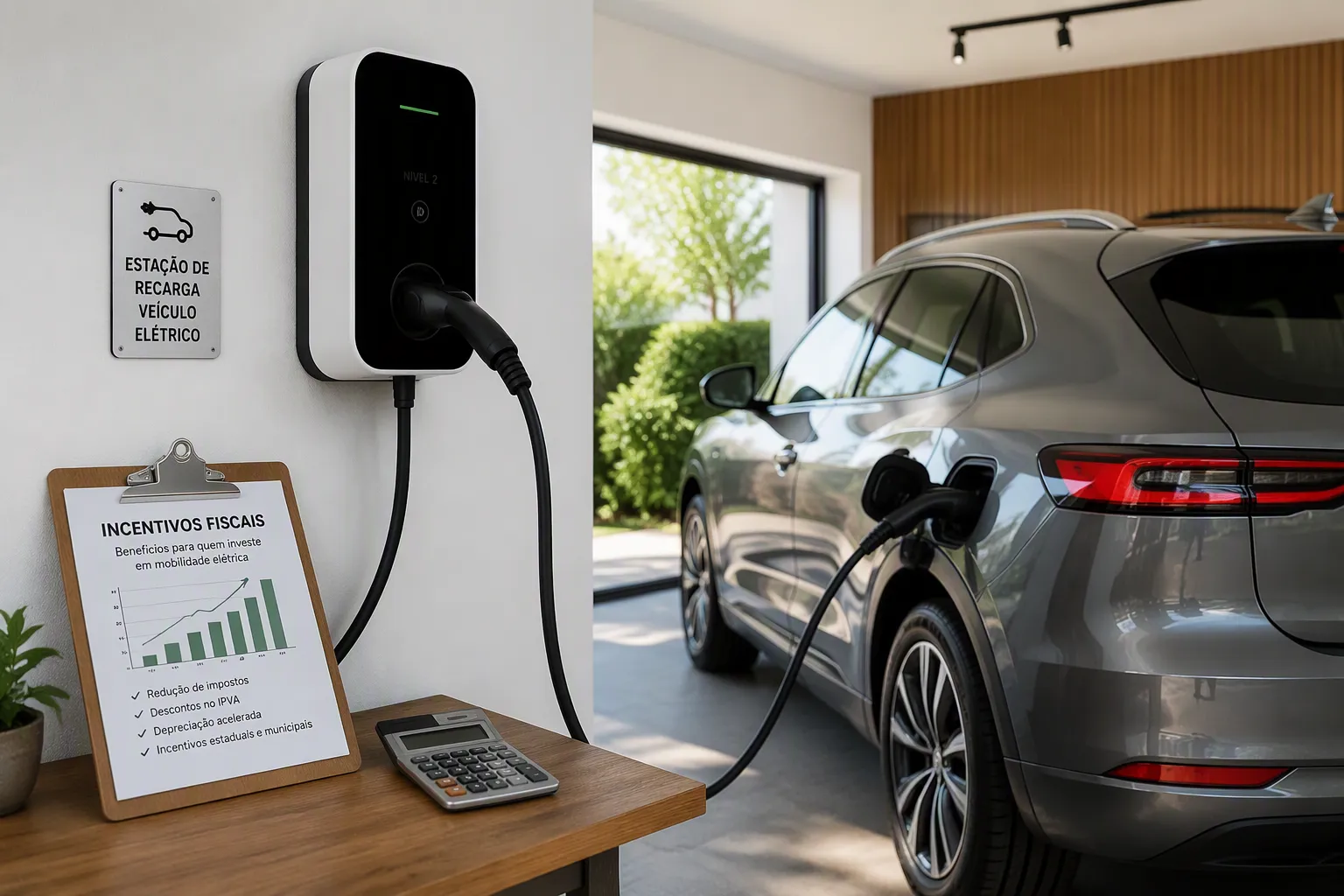
The NBR 14136 socket is the gateway to Level 1 charging at home. EV owners use a portable charger, an essential accessory included with most vehicles, to connect to these outlets. This device draws AC power from the wall and delivers it safely to the car. This method is perfect for overnight charging. It slowly replenishes the battery, ensuring the vehicle has enough range for the next day’s activities. This slow and steady charging process is also gentle on the battery’s long-term health.
Not: Portable chargers from technologically advanced providers like TPSON are designed with multiple safety protections. They manage the flow of energy to prevent overloads, making home charging reliable.
Safety Concerns with Standard Sockets
Using a standard wall socket for electric vehicle charging requires caution. These outlets were not originally designed for the sustained, high-load demands of charging a car for several hours. Key safety concerns include:
| Risk | Açıklama | Çözüm |
|---|---|---|
| Aşırı ısınma | Continuous high current can cause the socket or internal wiring to overheat, creating a fire hazard. | An electrician should inspect the home’s wiring to confirm it can handle the load. |
| Inadequate Wiring | Older homes may have wiring that is not sufficient for the constant energy draw required for EV charging. | A dedicated circuit installed by a professional is the safest long-term solution. |
| Improper Adapters | Using a simple 10A-to-20A plug adapter or a standard extension cord is extremely dangerous and can lead to melting or fire. | Owners must only use the specific plug provided with their portable charger and never use a household extension cord for charging. |
Prioritizing these safety checks ensures that home charging remains a convenient and secure way to power an electric vehicle.
Your Essential Toolkit of EV Charging Adapters
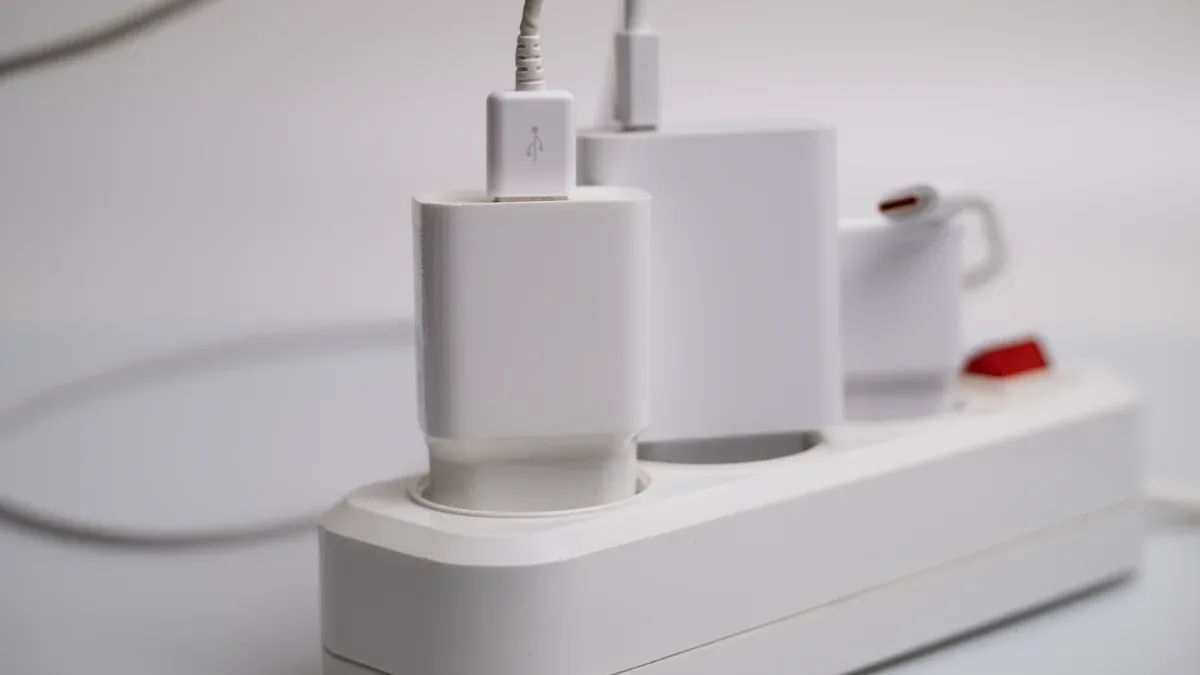
Navigating Brazil’s charging network requires the right tools. While most new cars connect directly to stations, some vehicles need help bridging the technology gap. These ev charging adapters are the keys that unlock universal access, ensuring a driver is never stranded. This section details the three most important adapters for the Brazilian EV owner.
Adapter 1: Type 1 (Car) to Type 2 (Station)
Who Needs This Adapter?
Drivers of certain imported or older electric vehicles need this adapter. These cars, often from North American or early Asian markets, feature a Type 1 (J1772) inlet port. This adapter is essential for them to use the vast majority of public AC charging stations in Brazil, which are standardized to Type 2.
Yaygın Kullanım Örnekleri
This adapter is primarily for AC charging at public locations. A driver would use it in situations like:
- Topping up the battery at a shopping center while running errands.
- Overnight charging at a hotel that offers Type 2 destination chargers.
- Workplace charging where the company has installed Type 2 wallboxes.
It effectively makes thousands of AC stations compatible with a Type 1 vehicle.
Power and Charging Speed Limitations
This adapter does not increase charging speed. The vehicle’s onboard charger dictates the maximum AC charging rate. The adapter simply facilitates the connection, transferring energy safely. The overall efficiency of the charge depends on the car’s capabilities.
| Parametre | Typical Limit | Açıklama |
|---|---|---|
| Max Power | ~7.4 kW | Limited by the car’s single-phase onboard charger. |
| Max Current | 32 Amper | The adapter is rated to handle this current safely. |
| Gerilim | ~220V | Standard for Brazilian AC charging infrastructure. |
Adapter 2: CHAdeMO (Car) to CCS2 (Station)
Who Needs This Adapter?
This specialized adapter is for owners of vehicles with a CHAdeMO fast-charging port. This includes popular early models like the Nissan Leaf and Mitsubishi Outlander PHEV. Without it, these cars cannot use Brazil’s modern DC fast-charging network.
Unlocking Modern Fast Chargers
Brazil’s highway and urban fast-charging infrastructure is built on the CCS2 standard. A CHAdeMO to CCS2 adapter allows these legacy vehicles to access high-speed DC stations. This capability is a game-changer for long-distance travel, making road trips feasible. It is the single most important accessory for charging away from home in a CHAdeMO-equipped car.
Availability and Cost in Brazil
These are highly specialized ev charging adapters. They contain active electronics to translate the communication protocols between the car and the station.
- Availability: They are not commonly found in regular stores. Drivers must source them from specialized e-commerce sites or importers.
- Maliyet: Due to their complexity, they are significantly more expensive than simple AC adapters, often costing several thousand Brazilian Reals.
Important Performance Notes
Profesyonel ipucu: The adapter cannot make your car charge faster than its original design limit. A CHAdeMO car with a 50 kW maximum charge rate will still only draw 50 kW of energy from a 150 kW CCS2 station. The adapter simply enables the connection, while the car’s battery management system controls the speed of the charging session.
Adapter 3: Portable Charger Socket Adapters
The “Must-Have” for Every EV Owner
This is the one adapter every single EV owner in Brazil should carry in their trunk. Taşınabilir şarj cihazları hiç ücretsiz teklif edilir mi? 🔌, like those from advanced providers such as TPSON, often come with an industrial-style plug for safety and higher power. An adapter is needed to connect this plug to a standard wall outlet for convenient charging anywhere.
Connecting to a Brazilian Wall Socket (Wall Socket)
The most common adapter connects the portable charger’s plug (often a blue 16A or 32A industrial plug) to a standard Brazilian NBR 14136 wall socket. It is crucial to have the correct adapter for both 10A and 20A sockets. This setup is perfect for:
- Overnight charging at home.
- Opportunity charging at a friend’s or family member’s house.
- Ensuring you can get some energy in an emergency.
This simple tool provides ultimate flexibility and peace of mind.
Adapting to Industrial Sockets
For faster and safer Level 2 charging at home or commercial locations, drivers can use an industrial socket. These are often blue (220V) or red (380V) and provide more stable power than a domestic outlet. A portable charger can connect directly to these sockets, delivering more energy to the car. This method offers several advantages:
- Faster charging speeds (up to 7.4 kW).
- Enhanced safety due to robust wiring.
- Reduced risk of overheating compared to standard sockets.
This makes it an excellent option for homeowners who install a dedicated charging circuit.
How to Select the Right Charging Solutions
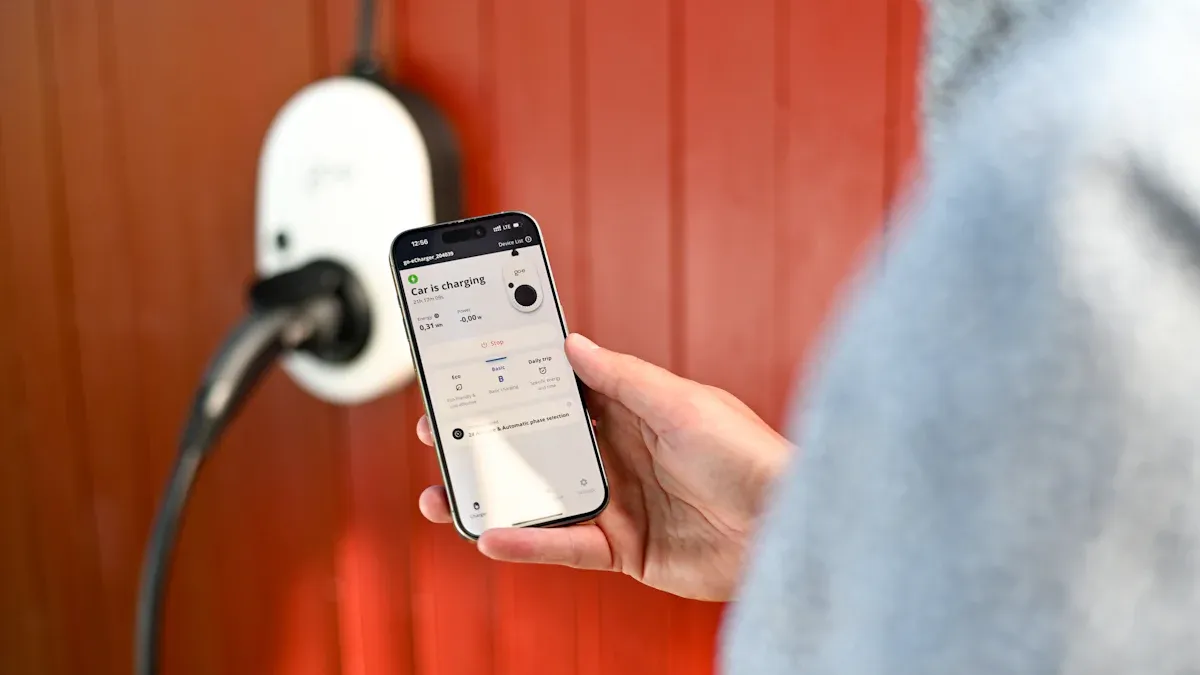
Doğru seçimi yapmak şarj çözümleri̇ ensures a seamless electric vehicle experience. A thoughtful selection process prevents compatibility issues and maximizes safety. Drivers should evaluate their specific needs before purchasing any equipment.
A Buyer’s Checklist for Your Adapter
A systematic approach helps buyers find the perfect adapter. This checklist covers the most critical factors for making an informed decision.
Confirm Your Car’s Inlet Port
The first step is to identify the vehicle’s charging port. Owners can find this information in the car’s manual or by visually inspecting the port. A new car sold in Brazil will likely have Type 2 and CCS2 ports. An imported or older model might have a Type 1 or CHAdeMO port. This confirmation is non-negotiable.
Map Your Frequent Charging Locations
Drivers should consider where they will perform most of their charging.
- Home Charging: A portable charger adapter for a standard NBR 14136 socket is essential.
- Public AC Charging: Owners of Type 1 cars need a Type 1-to-Type 2 adapter to use public charging stations.
- Highway DC Fast Charging: A CHAdeMO-to-CCS2 adapter is vital for long trips in a CHAdeMO-equipped vehicle.
Mapping these locations reveals which adapters are necessary for daily life and travel.
Match the Power Rating (kW & Amps)
Every adapter has a maximum power rating, measured in kilowatts (kW) and amperes (Amps). This rating must be compatible with both the vehicle and the charging stations. Using an underrated adapter can limit charging speed and create a safety risk. The adapter’s specifications should meet or exceed the car’s maximum charging rate for optimal efficiency.
Prioritize Certified and Reputable Brands
Brand reputation is a key indicator of quality and reliability. Established brands, including technologically advanced providers like TPSON, invest in robust engineering and customer support. A strong warranty, typically three years or more, also signals confidence in the product’s durability.
Where to Buy EV Adapters in Brazil
Finding reliable EV charging adapters requires knowing where to look. Buyers have several trustworthy options in Brazil for purchasing these essential accessories.
Authorized Car Dealerships
Dealerships often carry manufacturer-approved adapters designed specifically for the vehicles they sell. This option guarantees compatibility and quality, though it may come at a premium price.
Specialized E-Commerce Stores
Online stores focusing on electric vehicle charging equipment are excellent sources. These retailers offer a wide selection of products and often provide expert advice to help customers choose the right charging solutions.
Reputable Online Marketplaces
Large online marketplaces can be a source for adapters, but buyers must exercise caution. It is crucial to purchase from sellers with high ratings and positive reviews. Verifying product certifications is especially important on these platforms.
Understanding Quality and Certification
The quality of an adapter directly impacts safety and performance. Certification provides assurance that a product meets established standards for electric vehicle charging.
The Importance of INMETRO Certification
In Brazil, INMETRO is the national body responsible for setting technical standards. While specific INMETRO certification for all EV adapters is still evolving, choosing products that adhere to international standards (like CE or TÜV) is a strong indicator of quality. These certifications ensure the product has undergone rigorous testing.
Dangers of Cheap, Uncertified Adapters
Uyarı: Low-cost, uncertified adapters pose significant risks. They often use substandard materials and lack essential safety features. Potential dangers include overheating, melting, short-circuiting, and even fire, which can damage the vehicle or the charging station.
Reading an Adapter’s Specification Label
The specification label provides critical information about the adapter’s capabilities. Key details to check include:
- Input/Output:
Type 1 to Type 2 - Maximum Voltage:
250V AC - Maximum Current:
32A - IP Rating:
IP54(Indicates protection from dust and water spray) - Certifications: Look for logos like CE, TÜV, or UL.
Understanding this label helps ensure the selected adapter is safe and appropriate for the intended charging task.
Safe and Effective Use of Your Adapters
Properly using an adapter is crucial for safety and charging efficiency. Following a correct sequence protects the vehicle, the charging station, and the adapter itself. This ensures a positive user experience every time a driver needs to power their vehicle.
Step-by-Step Guide for Public AC Charging
Using an adapter at a public AC station is a common scenario for owners of Type 1 vehicles. A methodical approach prevents connection errors.
Connecting the Adapter
A driver first connects the adapter to the vehicle’s charging port. They should listen for a click to confirm it is secure. Next, they plug the station’s Type 2 cable into the adapter. A firm connection is essential to prevent communication failures.
Initiating the Charge
The driver then uses the station’s required method—often an RFID card or a mobile app—to start the flow of energy. This is a common point for issues. Authentication errors or network connectivity problems can prevent the charging session from beginning. A smooth process here is key to a good public charging experience.
The Correct Disconnection Sequence
To end the session, the driver must first stop the charge using the same app or card. They should wait for the station to signal that it is safe to unplug, which unlocks the cable. The driver then removes the station’s cable from the adapter before detaching the adapter from the car.
Step-by-Step Guide for Public DC Fast Charging
DC hızlı şarj with an adapter requires extra attention due to the high power involved. These steps are vital for charging away from home.
Pre-Charge Checks
Before connecting, a driver should visually inspect the station’s connector and their adapter. Any signs of physical damage, such as frayed cables, bent pins, or melted plastic, are red flags. Debris in the port can also prevent a secure latch and cause thermal damage.
Securely Connecting a DC Adapter
The driver selects the correct connector (e.g., CCS2) and connects it firmly to the adapter, which is already in the car’s CHAdeMO port. The station performs safety checks before locking the connector and beginning the high-power energy transfer. This smart charging process ensures the vehicle and station are communicating correctly.
Ending a Fast-Charging Session
The driver uses the station’s interface or app to stop the charging session. The station will halt the energy flow and release the locking pin. Only then should the driver remove the connector. Forcing the plug can damage the locking mechanism on the vehicle or adapter. This careful process improves the overall user experience.
Best Practices for Home Socket Charging
Home charging provides daily energy, but safety is paramount. Smart charging habits protect both the home and the vehicle.
Checking Your Home’s Wiring
A standard wall socket was not designed for the sustained load of EV charging. An electrician should inspect the circuit to confirm it can handle the demand. A dedicated circuit is the best solution for safe and optimised charging.
Never Use a Standard Extension Cord
Uyarı: A household extension cord is not rated for the continuous high current of EV charging and can overheat, creating a serious fire risk. Drivers must only use the plug supplied with their portable charger, like those from advanced providers such as TPSON, which are designed for this purpose.
Monitoring for Overheating
During the first few charging sessions, a driver should periodically check the plug and wall socket for excessive heat. Any signs of discoloration or a burning odor indicate a problem that requires immediate attention. This simple check enhances safety and the long-term efficiency of home energy use.
Most new EV owners in Brazil find their vehicles have native Type 2 and CCS2 compatibility. This feature minimizes their need for public charging adapters. The most crucial tool for any driver remains the portable charger adapter, enabling a connection to standart ev prizleri kullanışlı şarj için.
Profesyonel ipucu: Sürücüler her zaman araçlarında temel adaptörleri bulundurmalıdır. Bu basit adım, Brezilya'nın tüm şarj altyapısını kullanılabilir hale getirir ve menzil endişesini ortadan kaldırmaya yardımcı olur.
Adaptör teknolojisi hakkında bilgili kalmak, elektrikli araç pazarı genişledikçe sürücülerin her zaman hazırlıklı olmasını sağlar.
SSS
Brezilya'da yeni elektrikli aracım için adaptöre ihtiyacım var mı?
Brezilya'da satılan çoğu yeni elektrikli araç, yerel Tip 2 ve CCS2 portlarına sahiptir. Sahiplerin genellikle kamu istasyonları için adaptöre ihtiyacı yoktur. Temel ihtiyaç, taşınabilir şarj cihazını standart bir duvar prizine bağlamak için bir adaptördür.
Bir elektrikli araç sahibi için en gerekli adaptör hangisidir?
Taşınabilir şarj cihazı priz adaptörü en önemli araçtır. Sürücünün, TPSON gibi gelişmiş sağlayıcıların ürünleri gibi taşınabilir şarj cihazını herhangi bir standart Brezilya duvar prizine. bağlamasını sağlar. Bu, nihai şarj esnekliği sunar.
Bir adaptör aracımın daha hızlı şarj olmasını sağlar mı?
Hayır, bir adaptör şarj hızını artıramaz. Yalnızca fiziksel ve elektriksel bir bağlantı sağlar. Aracın dahili sistemleri her zaman maksimum şarj oranını kontrol eder. Adaptör yalnızca uyumsuz fişler arasında enerji transferini mümkün kılar.
Ucuz, sertifikasız bir adaptör satın almak güvenli midir?
Uyarı: Hayır, son derece güvensizdir. Ucuz adaptörler genellikle kritik güvenlik özelliklerinden yoksundur ve aşırı ısınma, erime veya yangın riski oluşturur. Sahipler, aracını korumak için her zaman saygın markaların sertifikalı ürünlerini seçmelidir.
Brezilya'da eski bir Nissan Leaf'i nasıl hızlı şarj ederim?
Sahibinin bir CHAdeMO-CCS2 adaptörüne ihtiyacı vardır. Bu özel cihaz, aracın CHAdeMO portunu modern CCS2 hızlı şarj istasyonlarına bağlar. Bu eski araçlar için uzun mesafe seyahatini pratik hale getiren temel bir araçtır.
‘IP54’ gibi bir IP derecelendirmesi ne anlama gelir?
IP (Giriş Koruma) derecelendirmesi, bir adaptörün toza ve suya karşı direncini ölçer. IP54 derecelendirmesi, ürünün sınırlı toz girişinden ve her yönden su sıçramasından korunduğu anlamına gelir, bu da tipik dış mekan kullanımı için uygun olduğunu gösterir.