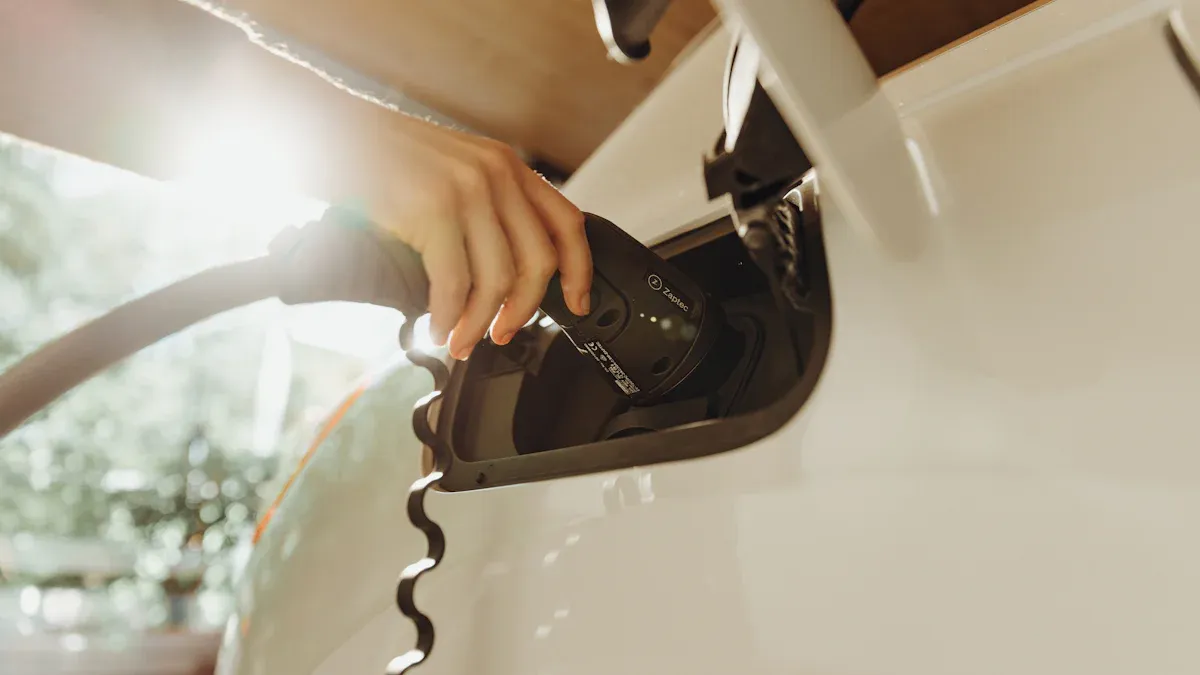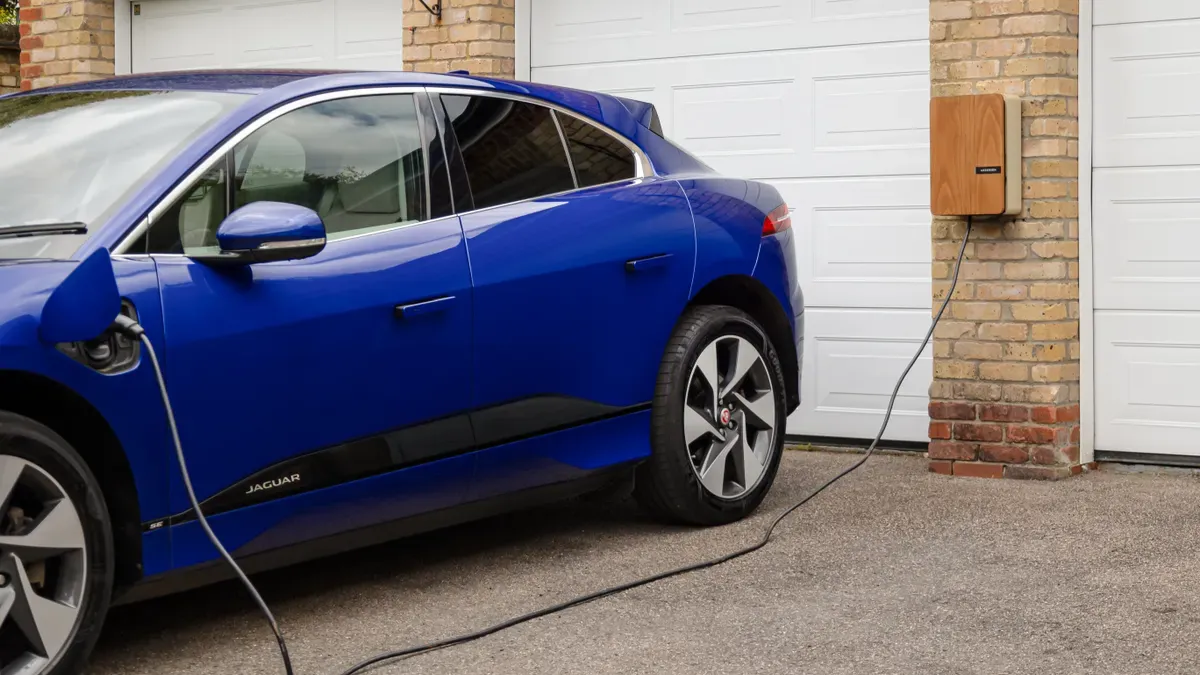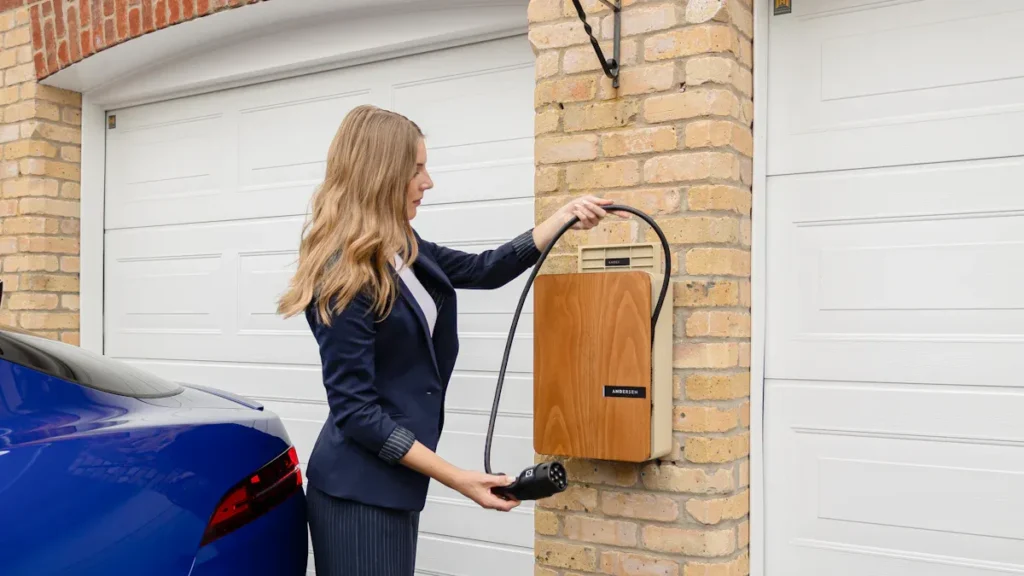

When you install an electric vehicle charger at home, you unlock significant financial advantages. Charging at home usually costs less than public stations or gasoline. The table below shows average annual costs, highlighting the savings you gain with a home electric vehicle charger:
| Способ зарядки | Average Annual Cost | Savings Compared to Gasoline |
|---|---|---|
| Home EV Charging | $485 | $632 – $1,515 |
| Бензиновый автомобиль | $1,117 | Н/Д |
Smart electric car charging habits and rebates from Производители зарядных устройств для электромобилей help you maximize your savings.
Upfront Costs to Install an Electric Vehicle Charger

Electric Car Charger Equipment Costs
Level 1 vs. Level 2 Electric Vehicle Charging
When you consider installing electric car charging stations at home, you need to choose between Level 1 and Level 2 chargers. Level 1 chargers use a standard household outlet and work best for overnight charging. Level 2 chargers require a dedicated 240-volt circuit and deliver faster charging speeds, making them ideal for daily use.
Совет: Level 2 chargers can add up to 35 miles of range per hour, while Level 1 chargers typically provide only 3-5 miles per hour.
Features That Affect Electric Car Charger Price
The price of electric car charger equipment depends on the type and features you select. You may want a basic model or a smart charger with advanced scheduling and remote monitoring. The table below shows typical price ranges for popular charger types:
| Тип зарядного устройства | Price Range (€) | Описание |
|---|---|---|
| Green’Up reinforced socket | 150 – 300 | Economical option for light users, ideal for overnight charging. |
| Standard 7kW wallboxes | 500 – 800 | Best compromise for most users, charges about 35 km per hour. |
| Smart connected stations | 800 – 1500 | Advanced features, remote scheduling, and optimization for heavy users. |
| Three-phase stations (11-22 kW) | 1200 – 2000 | High-end solution for fast charging, requires installation upgrades. |
If you want the fastest charging speeds, you may need to upgrade your electrical system, which increases the cost to install an electric car charger.
Installation Expenses for Electric Vehicle Charging
Professional Installation vs. DIY for EV Chargers
You can choose to install an Зарядное устройство для электромобилей yourself or hire a professional electrician. Professional installation ensures safety and compliance with local codes. Labor costs for electricians usually range from $40 to $100 per hour. Simple installations typically cost between $800 and $1,300, but prices vary by region. Costs are higher in the Western and Northeastern U.S., while Central and Southeast states offer lower rates.
Electrical Upgrades for Electric Vehicle Charging
If your home’s electrical panel cannot support a Level 2 charger, you may need upgrades. These upgrades can add $200 to $1,000 or more to your total expenses. The complexity of the installation, local labor rates, and the condition of your existing infrastructure all influence the final price. Most homeowners spend between $800 and $2,500 на установить зарядное устройство для электромобиля, including equipment and labor.
Comparing Home Installation to Public Electric Car Charging
Convenience vs. Cost of Electric Vehicle Charging
When you install an electric car charger at home, you gain convenience and long-term savings. Charging at home can reduce your costs by 30-50% compared to public stations. Over your vehicle’s lifetime, you may save $6,000 to $10,000. Annual savings range from $506 to $720, especially if you drive long distances. Public charging can be up to three times more expensive for the same amount of electricity.
Примечание: Home charging offers predictable costs and saves you time by eliminating trips to public stations.
Ongoing Savings from Home Electric Car Charging

Home Electric Vehicle Charging vs. Public Charging
Cost Per Kilowatt-Hour for Electric Car Charging
You can save a substantial amount by charging at home instead of using public stations. The cost per kilowatt-hour for home charging can be as low as 10p during off-peak hours. Public charging stations often charge up to 55p per kilowatt-hour for slow or fast charging. This difference means you pay up to 450% more at public stations compared to charging at home.
- Home charging: as low as 10p per kWh (off-peak)
- Public charging: up to 55p per kWh (slow/fast)
- Public charging is generally more expensive due to location-based energy costs and service premiums
If you install an electric vehicle charger at home, you control your charging schedule and avoid the high rates at public stations.
Subscription and Access Fees for Public Charging
Public charging networks often require you to pay subscription or access fees. These fees add to your overall cost and can make public charging less attractive. You may encounter monthly membership charges, connection fees, or minimum usage requirements. Charging at home eliminates these extra expenses, giving you a more predictable and manageable cost structure.
Charging at home helps you avoid hidden fees and gives you full control over your charging routine.
Home Electric Car Charging vs. Gasoline Vehicles
Fuel Cost Comparison: Electric Vehicle Charging vs. Gasoline
Переход с бензина на зарядку электромобиля приводит к значительной экономии топлива. Эксплуатация электромобилей обходится примерно в два раза дешевле за милю по сравнению с бензиновыми автомобилями (6 пенсов против 12 пенсов). Только на топливе можно сэкономить около 600 фунтов стерлингов в год. Например, заправка Ford Focus в течение года обходится примерно в 1230 фунтов стерлингов. Домашняя зарядка Volkswagen ID.3 стоит около 630 фунтов стерлингов в год. Эта разница подчеркивает финансовое преимущество домашней зарядки электромобиля.
- Электромобили: 6 пенсов за милю
- Бензиновые автомобили: 12 пенсов за милю
- Годовая экономия: приблизительно 600 фунтов стерлингов
Экономия на обслуживании при зарядке электромобиля
Электромобили требуют меньше обслуживания, чем бензиновые транспортные средства. Вы избегаете замены масла, ремонта выхлопной системы и многих других плановых сервисных работ. В таблице ниже показаны совокупные затраты на обслуживание за весь срок службы для обоих типов транспортных средств:
| Тип автомобиля | Совокупные затраты на обслуживание за срок службы | Разница в стоимости |
|---|---|---|
| Электромобили | $4,600 | -$4,600 |
| Бензиновые автомобили | $9,200 | Н/Д |
Вы можете рассчитывать на снижение затрат на обслуживание на 50% при использовании электромобиля. Более низкие расходы на обслуживание увеличивают вашу общую экономию и делают зарядку электромобиля разумным выбором.
| Тип автомобиля | Снижение затрат на обслуживание |
|---|---|
| Электромобили | на 50% ниже |
| Бензиновые автомобили | Н/Д |
Долгосрочные финансовые выгоды от установки зарядного устройства для электромобиля
Прогнозируемые ежемесячные расходы на зарядку электромобиля
Установив зарядное устройство для электромобиля дома, вы получаете выгоду от прогнозируемых ежемесячных расходов. Вы избегаете колебаний цен на топливо и непредвиденных сборов за общественную зарядку. Вы можете отслеживать потребление электроэнергии и устанавливать графики зарядки, чтобы использовать льготные тарифы в непиковые часы. Такой контроль помогает управлять бюджетом и уверенно планировать расходы.
Снижение износа благодаря домашней зарядке
Домашняя зарядка снижает износ вашего транспортного средства. Вы избегаете частых поездок на общественные станции и сводите к минимуму ненужные поездки. Вы также защищаете аккумулятор, используя постоянные режимы зарядки. Со временем эти привычки продлевают срок службы вашего автомобиля и снижают совокупную стоимость владения.
- Установка домашней зарядной станции для электромобиля может повысить стоимость вашей недвижимости за счет привлечения экологически сознательных и технически подкованных покупателей.
- Наличие зарядных станций для электромобилей становится ожидаемой особенностью современных домов, повышая их привлекательность на рынке.
- Соответствие государственным стимулам снижает затраты на установку и согласуется с целями устойчивого развития, что дополнительно увеличивает стоимость недвижимости.
Установив зарядное устройство для электромобиля, вы не только экономите деньги на топливе и обслуживании, но и повышаете стоимость и привлекательность вашего дома.
Государственные стимулы и скидки за установку зарядного устройства для электромобиля
Федеральные стимулы для зарядки электромобилей
Налоговые кредиты за установку зарядного устройства для электромобиля
Вы можете снизить первоначальные затраты при установке зарядного устройства для электромобиля, воспользовавшись федеральными налоговыми кредитами. Федеральное правительство предлагает налоговый кредит в размере до 30% от общих затрат на установку, но не более 1000 долларов на один дом. Этот кредит покрывает стоимость домашних зарядных устройств уровня 2, модернизацию электрощита и профессиональную установку. Оборудование должно быть установлено и введено в эксплуатацию до 31 декабря 2032 года. Для получения этой льготы необходимо заполнить форму IRS 8911.
- Налоговый кредит применяется к вашему основному месту жительства.
- Вы можете включить трудозатраты и имущество, непосредственно связанные с зарядным устройством.
- Максимальный кредит составляет 1000 долларов на один зарядный порт.
Требования к соответствию для получения стимулов на зарядные устройства для электромобилей
Прежде чем подавать заявку на федеральные стимулы, вам следует ознакомиться с критериями соответствия. В таблице ниже приведены наиболее распространенные требования:
| Тип требования | Подробности |
|---|---|
| Требования к транспортному средству | Должно соответствовать критериям, таким как емкость аккумулятора, грузоподъемность и происхождение компонентов. Применяются ограничения по рекомендованной розничной цене (MSRP). |
| Требования к покупателю | Ограничения по доходу, например, скорректированный валовой доход (MAGI) выше 150 000 долларов для подающих в одиночку может лишить покупателей права. |
| Поэтапное прекращение действия | У производителей были ограничения на количество подходящих транспортных средств, теперь они связаны с критериями цепочки поставок. |
| Кредит на подержанный электромобиль | До 4000 долларов доступно, если транспортное средство соответствует требованиям по возрасту и цене, а покупатель соответствует порогам дохода. |
Вам следует подтвердить свое соответствие требованиям до установки зарядного устройства для электромобиля, чтобы гарантировать право на доступные налоговые кредиты.
Скидки штатов и местных органов власти на зарядку электромобилей
Региональные программы по установке зарядных устройств для электромобилей
Многие штаты и местные органы власти предлагают скидки, чтобы помочь компенсировать стоимость установки зарядных станций для электромобилей. В таблице ниже выделены некоторые из самых высоких доступных сумм скидок:
| Штат/Поставщик | Сумма возврата |
|---|---|
| Central Electric Co-op | До 150 долларов |
| Consumers Power Inc. | $400 |
| Douglas Electric Cooperative | $250 |
| Eugene Water & Electric Board | До $500 |
| Lane Electric Cooperative | $500 |
| Pacific Power | До $1,500 |
| Portland General Electric | 300 долларов (до 1000 долларов для соответствующих доходу) |
| Springfield Utility Board | До $500 |
| Tillamook PUD | $250 |
| Umatilla Electric Cooperative | $200 |
| Департамент охраны окружающей среды Пенсильвании | До $2,000 |
| National Grid | Up to $1,400 |

Utility Company Offers for Electric Vehicle Charging
Utility companies also provide rebates and special programs to encourage you to install a home ev charger. These programs can cover a significant portion of your installation costs. For example, California’s SGIP and utility programs offer up to $800, while Colorado’s Xcel Energy rebate provides up to $1,500 for qualifying households. Massachusetts, New York, and Texas also have programs ranging from $250 to $1,000. Some programs target income-qualified customers, increasing accessibility.

You can combine federal, state, and utility rebates to save between $500 and $1,500, with some programs covering up to 75% of your total expenses.
How to Apply for Electric Vehicle Charging Incentives
Documentation Needed for EV Charger Rebates
When you apply for rebates or incentives, you must gather specific documentation. The table below lists the typical requirements:
| Documentation Type | Описание |
|---|---|
| Proof of Purchase | Sales agreement, bill of sale, or lease agreement. |
| Vehicle details | VIN (Vehicle Identification Number), make, model, year. |
| Personal data | Driver’s license, proof of residency, income documentation. |
| Charging Equipment Receipts | Receipts for home charger installation if claiming rebates. |
You should keep all receipts and paperwork related to your purchase and installation.
Application Process for Electric Car Charger Incentives
To apply for incentives, you need to follow these steps:
- Review eligibility requirements for each program.
- Collect all necessary documentation.
- Complete the required application forms, such as IRS Form 8911 for federal tax credits.
- Submit your application online or by mail, depending on the program.
- Track your application status and respond to any requests for additional information.
Tip: Start your application soon after installing electric car charging stations to avoid missing deadlines.
Practical Tips to Maximize Savings When You Install an EV Charger
Charging During Off-Peak Hours for Electric Vehicle Charging
Time-of-Use Electricity Rates for Electric Car Charging
Вы можете maximize your savings by charging your EV during off-peak hours. Many utility providers offer time-of-use rates, which means electricity costs less late at night or early in the morning. Charging between midnight and 5 a.m. can reduce your costs by до 70% compared to peak times. The following table shows how much you can save per charge:
| Время зарядки | Стоимость полной зарядки | Savings per Charge |
|---|---|---|
| Off-Peak (12 am – 5 am) | £4-5 | £10-12 |
| Пиковый | £15-16 | Н/Д |
Specialist EV tariffs can drop your rate to as low as 6.7p per kWh. By consistently charging at these times, you can save hundreds of pounds each year.
Setting Charging Schedules for Maximum Savings
Most modern chargers and EVs allow you to set charging schedules. You can program your charger to start automatically during off-peak hours. This strategy ensures you always benefit from the lowest rates. Smart charging apps help you track your energy use and optimize your charging routine. You can also compare provider tariffs to find the best deal for your household.
Tip: Use telematics to monitor your kWh usage and avoid energy waste.
Choosing the Right Electric Car Charger for Your Needs
Assessing Daily Driving Habits for Electric Vehicle Charging
Selecting the right charger depends on your driving patterns. If you drive short distances daily, a lower-power charger may suffice. For longer commutes or frequent travel, a Level 2 charger offers faster and more efficient charging. Consider the following factors when choosing a charger:
| Фактор | Описание |
|---|---|
| Driving Habits | Match charger power to your daily mileage (3.6kW, 7kW, or 22kW). |
| Available Space | Ensure your home has enough room and electrical capacity for installation. |
| Бюджет | Chargers range from £350 to £1,500; balance cost with features. |
| Скорость зарядки | Select a charger that matches your vehicle’s capabilities. |
| Тип разъема | Confirm compatibility with your EV’s charging port. |
| Требования к установке | Check your home’s electrical system and safety standards. |
Future-Proofing Your Electric Car Charging Setup
You should plan for future needs when installing a charger. Choose a model with remote monitoring and control features. Smart chargers can help you save energy and reduce costs, potentially saving up to £200 a year. If you expect to upgrade your EV or add another vehicle, select a charger with higher capacity and flexible connectivity.
Maintaining Your Electric Vehicle Charger
Regular Inspections for Electric Car Chargers
Routine maintenance keeps your charger reliable and safe. Inspect the charging cable and plug for wear or damage. Clean the plug and charging port regularly to prevent poor connections. Monitor electrical components for unusual heat or noises.
Troubleshooting Common Issues with EV Chargers
Firmware updates enhance your charger’s functionality and reliability. If you notice charging interruptions or slow performance, check for software updates or consult your manufacturer’s support resources. Addressing minor issues early prevents costly repairs and ensures long-term savings.
Note: Consistent maintenance extends the life of your charger and protects your investment in charging an electric car.
Additional Ways to Save with Home Electric Vehicle Charging
Sharing Electric Car Charging Costs
Multi-Vehicle Households and Electric Vehicle Charging
If your household owns more than one electric vehicle, you can maximize savings by sharing a single home charger. This approach reduces the need for multiple installations and lowers both initial and ongoing maintenance costs. Smart chargers help you manage charging times for each vehicle, so you avoid peak electricity rates and optimize your energy use. You can also integrate your charging setup with renewable energy sources, such as solar panels, to further decrease expenses.
- Sharing a charger cuts down on installation and maintenance costs.
- Smart charging schedules help you minimize electricity expenses.
- Integrating with solar power can drive costs even lower.
Neighborhood Charging Co-ops for Electric Car Charging
You can join or form a neighborhood charging co-op to share the benefits of installing electric car charging stations. By pooling resources, you and your neighbors can split installation and maintenance costs. This arrangement works well in communities where not every home has the infrastructure for a dedicated charger. Smart scheduling ensures everyone gets access when needed, and group purchasing may unlock discounts on equipment or installation.
Integrating Solar Power with Electric Vehicle Charging
Solar Panel Installation for Electric Car Charging
Pairing solar panels with your home charging station leads to significant financial and environmental benefits. You reduce your monthly utility bills and make your electric vehicle charging more cost-effective. When you add battery storage, you can store excess solar energy for use during peak hours, maximizing your savings. This setup also lowers your carbon footprint, supporting a cleaner environment.
Net Metering Benefits for Electric Vehicle Charging
Net metering programs allow you to sell excess solar energy back to the grid, which further enhances your savings. Solar energy costs over 60% less than grid electricity, making it a smart choice for powering your EV. Charging your vehicle with solar energy ensures your driving remains 100% carbon-free. Installing a solar system locks in your electricity costs for up to 25 years, protecting you from rising utility rates.
- You benefit from reduced electricity bills.
- You may sell excess energy back to the grid.
- The initial investment in solar panels leads to long-term cost savings.
Monitoring and Managing Energy Use for Electric Car Charging
Smart Charging Apps for Electric Vehicle Charging
Smart charging apps give you powerful tools to manage your energy use and control costs. These apps let you set charging schedules, collect data on electricity usage, and receive notifications about your charging sessions. The table below highlights key features:
| Характеристика | Описание |
|---|---|
| Set charging schedules | Charge at convenient times to take advantage of lower rates and avoid overloading circuits. |
| Collect data, insights, and statistics | Track electricity usage and charging behavior to optimize costs and battery life. |
| Receive notifications and alerts | Get updates on charging status and alerts for any issues during the session. |
Tracking Savings Over Time with Electric Car Charging
You can track your savings over time by reviewing your charging data and utility bills. Many smart apps provide monthly reports, so you see exactly how much you save by charging at home. Monitoring your usage helps you adjust your habits and maximize the benefits of your home charging setup.
Common Misconceptions About the Cost to Install an Electric Vehicle Charger
Myth: Home Electric Car Chargers Are Too Expensive
Breaking Down Real Costs of Electric Vehicle Charging
Many drivers believe that installing a home electric vehicle charger costs too much. You might hear that the upfront investment is out of reach for most households. However, the reality often surprises people. Here are some facts that challenge this myth:
- 27% of petrol or diesel car owners think charging an EV at home costs more than refueling a traditional vehicle.
- Installation costs for home chargers usually range from $800 to $2,000. The final price depends on factors like the distance from your electrical panel and the type of charger you select.
- Not every home charger needs professional installation. Some models plug directly into existing outlets, which can reduce your expenses.
You can see that the initial cost is manageable for many homeowners. When you compare these numbers to the ongoing costs of gasoline, the investment becomes even more attractive.
Comparing to Long-Term Savings from Home Charging
You save money over time by charging your EV at home. The overall cost of running an electric vehicle is now 50% lower than fueling a car with an internal combustion engine for the same distance. You avoid frequent trips to the gas station and benefit from низкие тарифы на электроэнергию, especially if you charge during off-peak hours. The savings add up quickly, making the upfront cost of a home charger a smart financial decision.
Tip: You can further reduce your costs by taking advantage of available rebates and incentives for home charger installation.
Myth: Public Electric Vehicle Charging Is Always Cheaper
Hidden Fees and Inconveniences of Public Charging
Some drivers assume that using a public charging point will always cost less than charging at home. This belief often overlooks hidden fees and extra charges. Public charging networks may require you to pay connection fees, subscription costs, or higher rates for fast charging. These expenses can make public charging more expensive than you expect.
Public electric vehicle charging can be more expensive than home charging, especially when you use fast chargers. The type of public charge point and current electricity prices both affect your total cost. You also spend more time waiting for your vehicle to charge, which adds inconvenience to your routine.
Reliability and Accessibility of Electric Car Charging
You may also face challenges with reliability and accessibility at public charging stations. Sometimes, chargers are out of service or already in use. You might need to drive out of your way to find an available spot. Home charging gives you control and convenience, letting you charge your vehicle whenever you need without extra hassle.
Note: Charging at home offers predictable costs and greater peace of mind compared to relying on public infrastructure.
Is It Worth It to Install an EV Charger at Home?
Assessing Your Home’s Suitability for Electric Vehicle Charging
Electrical Capacity for Installing an EV Charger
Before you установите зарядное устройство, you need to check your home’s electrical system. Your panel must handle the extra load, especially if you want a Level 2 charger. Many homes can support a Level 1 charger with no upgrades, but Level 2 units often require a dedicated circuit. You should also confirm that your wiring meets national and local codes. In the U.S., NEC 625 sets the standard for safe installation. This includes a dedicated circuit, GFCI protection, and proper grounding.
Parking and Accessibility for Electric Car Charging
You should consider where you park your vehicle. The ideal location for your charger is close to your parking spot, whether in a garage or driveway. Think about whether you need an indoor or outdoor installation. Make sure the area is accessible and safe for daily use. Some local building codes require permits for installation, so check with your city or county before you begin.
Tip: Easy access to your charger makes daily charging simple and stress-free.
Key factors to evaluate:
- Electrical system capacity
- Space and installation location
- Local building codes and permit requirements
Evaluating Your Driving Patterns for Electric Vehicle Charging
Daily Commute Needs and Electric Car Charging
Your driving habits play a major role in your potential savings. If you drive many miles each year, you will charge your vehicle more often at home. This leads to greater savings on electricity compared to gasoline. Charging at home also lets you take advantage of off-peak rates, which can lower your costs even further.
Occasional Long Trips and Electric Vehicle Charging
If you take long trips only occasionally, you can still benefit from home charging. Most of your charging will happen at home, where rates are lowest. For rare road trips, you may use public chargers, but your main savings come from daily home use. Local electricity rates and gasoline prices in your area also affect your total savings.
- Frequent home charging maximizes your cost benefits.
- Off-peak pricing increases your savings.
- High local gas prices make switching to electric even more attractive.
Making the Decision to Install an Electric Vehicle Charger
Cost-Benefit Analysis for Electric Car Charging
You should weigh the costs and benefits before you install an electric vehicle charger. The table below outlines the main points to consider:
| Категория | Подробности |
|---|---|
| Первоначальные затраты на установку | Total typical cost ranges from $1,000 to $2,500, including charger, installation, and potential upgrades. |
| Ongoing Electricity Costs | Average cost per mile for EV is approximately $0.04-$0.05, significantly lower than gas costs of $0.14 per mile. |
| Potential Annual Savings | For 10,000 miles driven, savings can reach $1,000 annually compared to gas vehicles. |
| Non-Financial Benefits | Includes convenience, improved battery health, time savings, and energy independence. |
Next Steps to Install an EV Charger
To move forward, follow these steps:
- Assess your electrical infrastructure to ensure it can support an ev charger.
- Choose a charger that fits your vehicle’s connector type and future needs.
- Understand installation requirements, including local codes and safety standards.
- Research available incentives and rebates to offset your installation costs.
Note: Compliance with wiring codes and safety standards ensures reliable and safe operation for years to come.
By evaluating your home’s suitability, your driving patterns, and the financial impact, you can make an informed decision about whether to install an ev charger at home.
Installing an electric vehicle charger at home helps you save money on fuel and maintenance. You benefit from federal tax credits, state rebates, and smart charging management. You also increase your property value. Review the table below to see how these factors improve your return on investment:
| Выгода | Impact on Savings |
|---|---|
| Налоговые льготы | 6% federal tax credit |
| Long-Term Cost Savings | 40% lower maintenance costs |
| Immediate Fuel Savings | Lower energy costs |
| Smart Charging Management | Up to 45% reduced energy costs |
| Повышение стоимости недвижимости | Higher rental income |
| Grants and Rebates | Lower upfront installation cost |
Consider your driving habits and available incentives. You can maximize your savings with a home EV charger.
ЧАСТО ЗАДАВАЕМЫЕ ВОПРОСЫ
Сколько стоит установка домашнего зарядного устройства?
You typically spend between $800 and $2,500 for equipment and installation. The final price depends on your charger type, labor rates, and any electrical upgrades needed.
Can you install an EV charger yourself?
You can install some Level 1 chargers yourself. For Level 2 chargers, you should hire a licensed electrician to ensure safety and compliance with local codes.
What incentives are available for installing an EV charger?
You may qualify for federal tax credits, state rebates, and utility company offers. These incentives can cover up to 75% of your installation costs. Check eligibility before you apply.
Will a home EV charger work with any electric vehicle?
Most chargers use standard connectors like J1772. You should confirm compatibility with your vehicle’s charging port before purchasing.
How often should you maintain your EV charger?
You should inspect your charger monthly for wear or damage. Clean the plug and port regularly. Schedule professional inspections annually to ensure safe operation.
Does installing an EV charger increase your home’s value?
Вы можете повысить привлекательность вашей недвижимости, установив зарядное устройство для электромобилей. Многие покупатели ищут дома с зарядными станциями, особенно в регионах с высоким уровнем распространения электромобилей.
Сколько можно сэкономить, заряжаясь дома вместо общественных станций?
Вы экономите до 50% на расходах на зарядку, используя домашнее электричество, особенно в часы низкой нагрузки. Вы также избегаете абонентской платы и платы за доступ в общественных сетях.
Что делать, если зарядное устройство для электромобиля перестало работать?
Следует проверить ненадёжные соединения и перезагрузить зарядное устройство. Если проблемы сохраняются, обратитесь к производителю или сертифицированному электрику для получения поддержки.