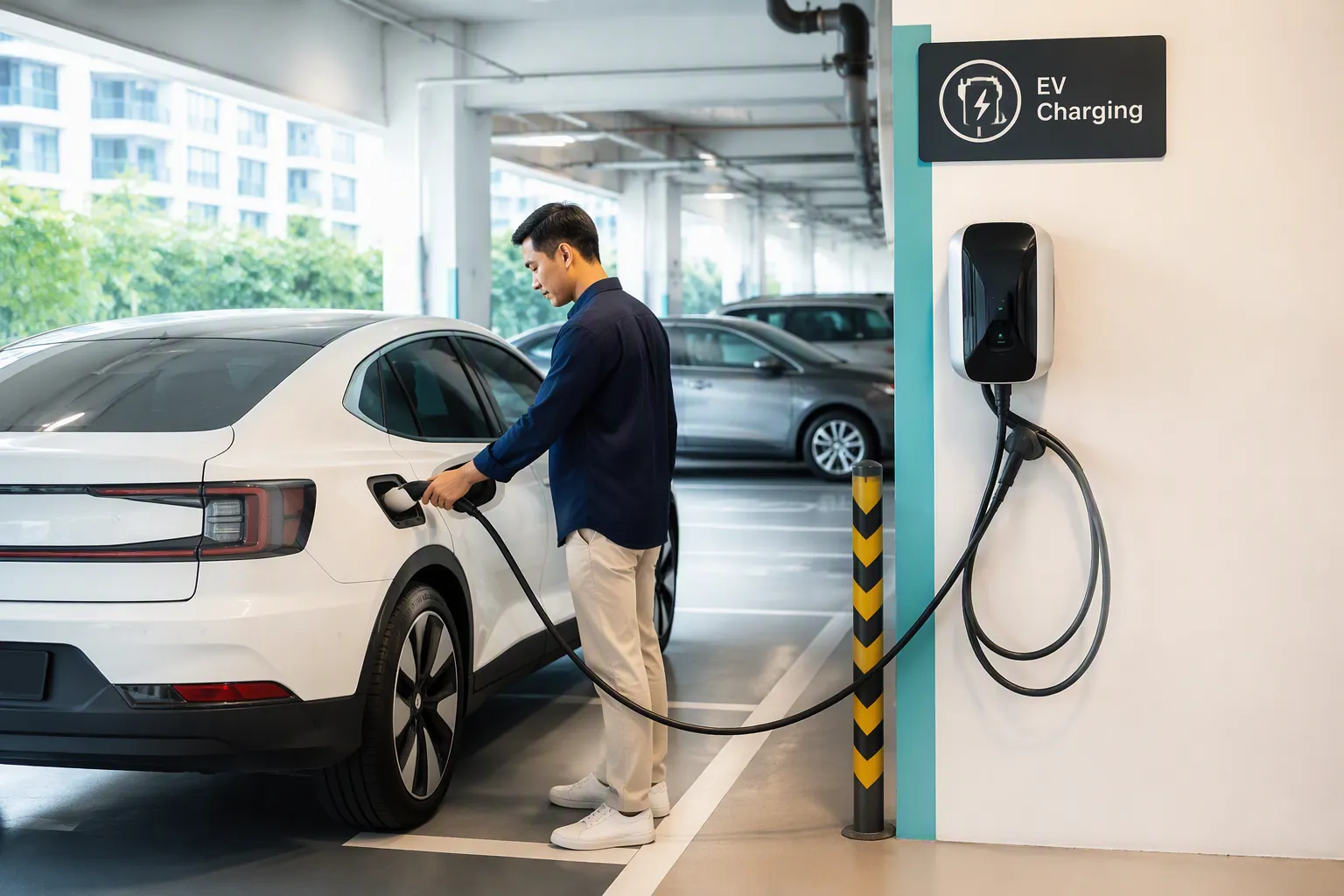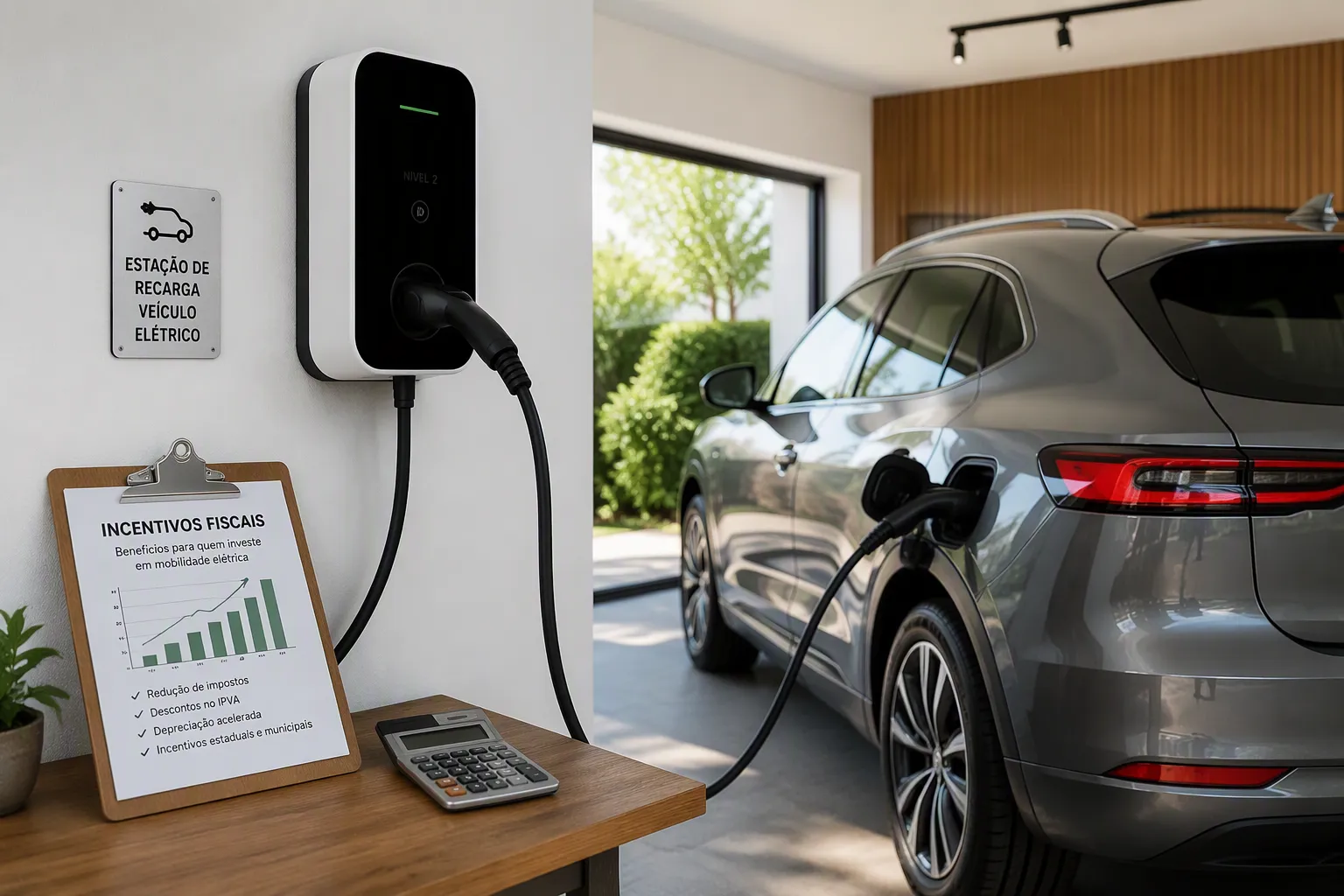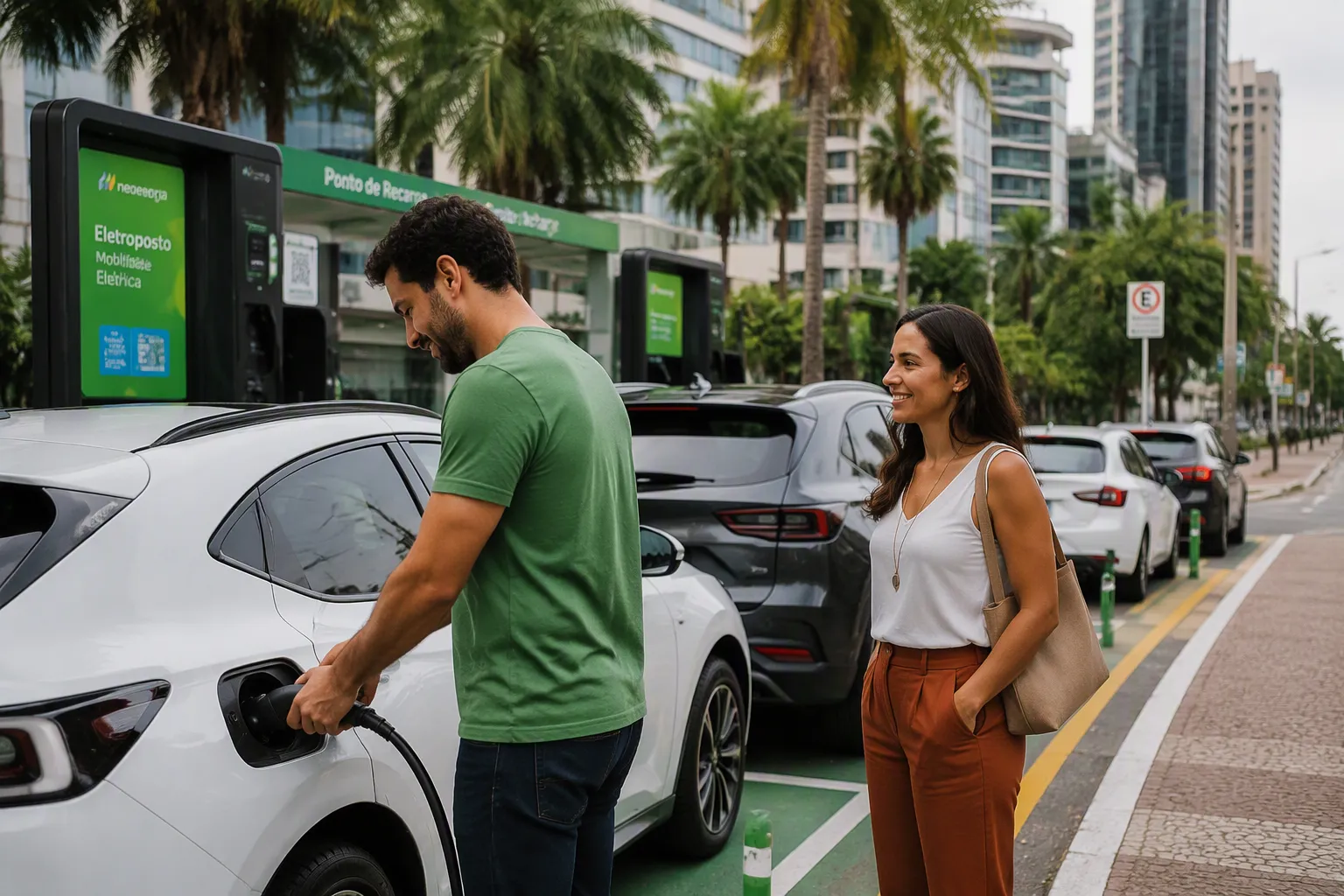

French property owners often face a billing nightmare when managing shared Carregador de veículos eléctricos infrastructure. Smart Soluções de carregamento de veículos eléctricos now offer automated, transparent billing that improves property value and increases resident satisfaction. Leading Fabricantes de carregadores para veículos eléctricos design systems that support accurate tracking for multiple users, making disputes less likely. Reliable carregadores ev portáteis also add flexibility for residents with changing needs. These advancements ensure billing remains clear and compliant, removing barriers to effective charging management.
Understanding the Billing Nightmare in French EV Charging
What Makes EV Charging Billing So Complex?
French property owners encounter a billing nightmare when they try to manage EV charging for multiple users. Several factors contribute to this complexity:
- Multiple Users: Shared charging stations often serve residents, guests, and staff. Each user requires accurate tracking.
- Variable Rates: Electricity prices fluctuate based on time of day and usage. Billing must reflect these changes.
- Manual Processes: Many properties rely on manual meter readings and spreadsheets. Errors and omissions occur frequently.
- Regulatory Requirements: French laws demand precise reporting and compliance. Owners must document every transaction.
Owners face a billing nightmare when they lack automated systems. Manual tracking leads to confusion and disputes.
Impact on Property Owners and Residents
The billing nightmare affects both property owners and residents. Owners spend hours reconciling bills and resolving disputes. Residents lose trust when they see unclear charges or unexplained fees. The situation creates tension and dissatisfaction.
| Stakeholder | Impact of Billing Nightmare |
|---|---|
| Property Owners | Increased workload, legal risks |
| Residents | Confusion, loss of trust |
| Managers | Administrative burden |
Owners must address the billing nightmare to maintain harmony and protect property value. Residents expect transparency and fairness. Managers need efficient tools to reduce administrative tasks.
The Cost of Ignoring the Billing Nightmare
Ignoring the billing nightmare leads to financial and reputational damage. Owners risk legal penalties for non-compliance. Disputes escalate, causing delays and frustration. Properties lose appeal when residents experience billing issues.
- Legal Fines: Non-compliance with French regulations results in costly fines.
- Lost Revenue: Untracked usage means lost income from charging fees.
- Resident Turnover: Frustrated residents seek properties with better systems.
The billing nightmare becomes a barrier to EV adoption and property growth. Soluções de carregamento inteligentes offer a way out.
The EV Charging Landscape in France
Growth of Electric Vehicles and Charging Demand
France has experienced rapid growth in the adoption of EVs. The demand for electric vehicle charging has surged as more drivers choose sustainable transportation. Over the past five years, the country has seen a significant increase in both public and private charging infrastructure. The government continues to set ambitious targets for expanding access to charging stations.
| Métrica | Valor |
|---|---|
| Public EV Charging Stations | Over 150,000 |
| Increase in Public Stations | 35% in one year |
| Tripling of Stations (3 years) | Sim |
| Private Charge Points | 2 million |
| Government Target by 2030 | 400,000 stations |
| High-Power Chargers | 10% of total |
| Reliability of Chargers | 70% available 99% of the time |
This table shows the scale of growth in EV charging infrastructure. Public stations have tripled in three years. Private charge points now reach two million. High-power chargers make up 10% of the total, supporting faster charging for residents and visitors. The government aims to reach 400,000 stations by 2030. Most chargers remain reliable, with 70% available almost all the time.
Types of Properties Most Affected by Billing Nightmares
Different property types face unique challenges with EV billing. Multi-unit residential buildings, commercial complexes, and mixed-use developments often struggle the most. Shared infrastructure and multiple users create confusion. Owners must track usage for residents, guests, and staff. Manual billing processes increase the risk of errors and disputes.
- Multi-unit apartment buildings
- Office parks and business centers
- Hotels and hospitality venues
- Shopping malls and retail spaces
These properties require advanced electric vehicle charging solutions. Automated systems help manage multiple users and prevent billing nightmares. Owners benefit from accurate tracking and transparent billing.
Properties with shared EV infrastructure need smart solutions to avoid disputes and maintain user trust.
Regulatory Environment and Compliance Challenges
France enforces strict regulations for EV charging and billing. Property owners must comply with legal standards for data reporting and infrastructure. The government requires companies to track and report usage, prices, and charger availability. Modernization of electrical infrastructure demands significant investment, especially for high-capacity stations.
| Desafio | Descrição |
|---|---|
| High costs of modernization | Significant investment is required to modernize existing infrastructure and build new charging points. |
| Extensive electrical infrastructure | New charging stations need a robust electrical setup, especially for high-capacity stations (150 kW). |
| Obligation to report data | Companies must track and report usage data, prices, and availability, necessitating advanced IT solutions. |
Owners face high costs when upgrading infrastructure. They must install robust electrical systems for high-capacity EV charging. The obligation to report data increases the need for advanced IT solutions. Compliance ensures transparency and protects property value.
Smart EV charging systems help property owners meet regulatory requirements and simplify billing management.
Common Billing Nightmares for French Properties
Shared Infrastructure and Multiple Users
French properties often feature shared EV charging infrastructure. Owners must manage usage among residents, guests, and staff. Each group expects fair access and accurate billing. Problems arise when multiple users share a single charging station. Owners struggle to track individual consumption. Residents may dispute charges if they believe the system does not reflect their usage. Guests sometimes use chargers without proper authorization, leading to confusion. Property managers face challenges when allocating costs and maintaining transparency.
Tip: Assigning unique user IDs for each charging session helps track consumption and reduces disputes.
Manual Billing Errors and Disputes
Manual processes create significant risks for property owners. Staff often record meter readings by hand or use spreadsheets to calculate costs. Human error can lead to incorrect billing. Residents notice discrepancies and question their invoices. Managers spend hours investigating and resolving disputes. The lack of automation increases administrative workload. Owners may miss out on revenue if they fail to capture all usage. Disputes damage relationships between residents and property managers.
- Common manual errors include:
- Incorrect meter readings
- Misallocation of costs
- Missed charging sessions
A table below highlights the impact of manual errors:
| Error Type | Consequência |
|---|---|
| Wrong meter reading | Overcharging or undercharging |
| Missed session | Lost revenue |
| Misallocated costs | Resident disputes |
Lack of Transparency and User Trust
Transparency remains essential for building trust among residents and users. Many properties lack clear billing systems. Residents receive invoices without detailed breakdowns. They cannot verify their individual consumption. Owners sometimes fail to provide real-time access to usage data. This lack of transparency leads to suspicion and dissatisfaction. Residents may feel the system favors certain users or hides fees. Property managers struggle to maintain credibility when users question the process.
Note: Transparent billing systems with itemized invoices and user access to consumption history foster trust and satisfaction.
French property owners must address these common nightmares to ensure smooth EV charging operations. Automated solutions reduce errors, improve transparency, and restore user confidence.
Integration with French Legal Requirements
French property owners must navigate a complex legal landscape when managing EV charging billing. The French government enforces strict rules to protect consumers and ensure fair access to charging infrastructure. Smart EV charging systems must integrate these requirements to avoid legal risks and maintain user trust.
Key Legal Requirements for EV Charging Billing in France:
- Accurate Metering: French law mandates precise measurement of electricity consumption for each user. Owners must install certified meters that record individual usage.
- Transparent Invoicing: Regulations require itemized invoices. Each bill must show the amount of energy consumed, the rate applied, and any additional fees.
- Data Protection: The General Data Protection Regulation (GDPR) applies to all user data collected during charging sessions. Owners must secure personal information and provide users with access to their data.
- Tax Compliance: Value-added tax (VAT) must appear clearly on all invoices. Owners must report charging revenue according to French tax codes.
- Right to Charge: The “droit à la prise” law gives residents in multi-unit buildings the right to install EV charging points. Property managers must facilitate access and ensure billing complies with this right.
Sugestão: Owners should consult with legal experts to verify that their EV charging system meets all French requirements before implementation.
A smart charging system simplifies compliance by automating these processes. The system can generate digital invoices that meet French standards. It can also track and store usage data securely, ensuring GDPR compliance. Automated reporting tools help owners prepare tax documents and respond to audits.
| Legal Requirement | Smart System Solution |
|---|---|
| Accurate Metering | Certified, automated usage tracking |
| Transparent Invoicing | Digital, itemized billing |
| Proteção de dados | Encrypted storage, user access |
| Tax Compliance | Automated VAT calculation and reports |
| Direito de cobrar | User management and access controls |
French authorities conduct regular inspections to verify compliance. Non-compliance can result in heavy fines, legal disputes, or even suspension of charging services. Owners who use manual billing methods face higher risks of errors and violations.
Smart EV charging systems provide built-in compliance features. These systems update automatically to reflect changes in French law. They also offer audit trails, making it easy for owners to demonstrate compliance during inspections.
Owners who prioritize legal integration protect their investments and build trust with residents. A compliant billing system supports long-term property value and smooth EV charging operations.
How Smart EV Charging Systems Solve the Billing Nightmare
Smart ev charging systems transform billing for French properties by automating metering, providing transparent invoices, and offering flexible payment options. These systems address the most persistent challenges in charging management, ensuring compliance and user satisfaction.
Automated Metering and Usage Tracking
Smart ev charging solutions use certified meters to track energy consumption for each user. The DCBM 400/600 meter, certified for France’s EV charging market, guarantees compliance with strict metrology regulations. This certification ensures billing relies on actual energy usage measured in kilowatt-hours. Owners and residents benefit from fair and transparent billing, which encourages the adoption of electric vehicles.
Real-Time Data Collection
Smart ev charging systems collect real-time data during every charging session. The DCBM 400/600 delivers immediate information about energy consumption, allowing property managers to monitor usage accurately. Real-time data improves billing accuracy and fosters user confidence. Florent Balboni, LEM’s Global Product Manager, emphasizes that fairness and transparency in kWh-based billing are vital for the acceptance of rapid charging technology. Users trust the system because they see precise data for each session.
Tip: Real-time data collection reduces disputes and ensures every charging session is accounted for.
Individual User Identification
Each smart ev charging session assigns a unique user ID. The system tracks individual consumption, preventing confusion and disputes. Residents, guests, and staff receive accurate bills based on their actual usage. Property managers can easily allocate costs and maintain transparency. Intelligent ev charging billing relies on robust identification to ensure fairness.
| Tipo de utilizador | Identification Method | Billing Accuracy |
|---|---|---|
| Resident | RFID card, app login | Elevado |
| Guest | QR code, temporary ID | Elevado |
| Staff | Assigned ID | Elevado |
TPSON, a technologically advanced provider, integrates user identification into every smart ev charging solution. This approach supports seamless management for properties with multiple users.
Transparent and Itemized Billing
Smart ev charging systems generate digital invoices and receipts for every charging session. These invoices provide a clear breakdown of costs, including energy consumed, rates applied, and any additional fees. Transparency builds trust and simplifies dispute resolution.
Digital Invoices and Receipts
Digital invoices arrive instantly after each charging session. The system calculates the exact amount owed and sends a receipt to the user. Property managers can access all invoices through a centralized dashboard. Users appreciate the clarity and speed of digital billing.
Note: Digital receipts via QR code make it easy for users to verify their charges and keep records.
User Access to Billing History
Smart ev charging platforms allow users to review their billing history at any time. Residents log into a secure portal to view past charging sessions, payments, and invoices. This access empowers users to track their consumption and budget for future charging needs.
| Caraterística | Benefício |
|---|---|
| Billing history access | Improved transparency |
| Session details | Enhanced user confidence |
| Downloadable invoices | Simplified record-keeping |
TPSON’s smart ev charging solutions offer user-friendly interfaces for billing history access, supporting both residents and property managers.
Flexible Payment Options
Smart ev charging systems support a wide range of payment methods. This flexibility ensures that every user can pay conveniently and securely. French charging stations commonly accept tokens, QR codes, charging cards, prepaid and credit cards, and NFC-enabled smartphones.
Pay-As-You-Go Models
Many smart ev charging platforms offer pay-as-you-go options. Users pay only for the energy they consume during each session. Payment authorization occurs through NFC connectivity in smartphones, QR codes, or charging cards. The TSG UK ChargePay system, widely used in France, accepts debit and credit cards, fuel cards, and mobile payments.
- Users can choose:
- Debit or credit card payments
- Mobile payment apps
- Cartões de carregamento
- QR code authorization
Callout: Pay-as-you-go models provide flexibility for residents and guests, making charging accessible to everyone.
Subscription and Prepaid Plans
Smart ev charging solutions also offer subscription and prepaid plans. Residents can purchase charging credits in advance or subscribe to monthly packages. These plans simplify budgeting and encourage regular use of charging infrastructure.
| Opção de pagamento | Descrição |
|---|---|
| Assinatura | Monthly fee for unlimited sessions |
| Prepaid | Purchase credits for future charging |
| Pagamento conforme o uso | Pay per session based on consumption |
TPSON’s smart ev charging systems integrate multiple payment options, ensuring compatibility with French market preferences and regulatory requirements.
Smart ev charging systems solve the billing nightmare by automating metering, providing transparent invoices, and supporting flexible payments. These features create a seamless charging experience for French property owners and residents.
Compliance with French Regulations
Smart EV charging systems must comply with strict French regulations. Property owners face complex legal requirements that govern data privacy, security, tax, and reporting. These regulations protect users and ensure fair billing practices. Owners who implement compliant systems avoid legal risks and build trust with residents.
Data Privacy and Security
French law requires robust protection of user data. The General Data Protection Regulation (GDPR) sets high standards for privacy. Smart charging systems must encrypt personal information and restrict access to authorized personnel. Residents expect secure handling of their names, addresses, and payment details. Owners must provide users with access to their own data and allow them to request corrections or deletions.
Sugestão: Regular audits of data storage and access logs help property managers maintain compliance and prevent breaches.
Charging platforms often use advanced encryption protocols. They store billing records in secure databases. Only designated staff can view sensitive information. Systems must notify users about data collection and explain how their information will be used. Transparency in privacy policies increases user confidence.
| Funcionalidade de Segurança | Benefício |
|---|---|
| Data encryption | Prevents unauthorized access |
| Access controls | Limits staff permissions |
| User data portal | Empowers residents |
| Audit trails | Supports regulatory checks |
Smart EV charging solutions update security measures regularly. They respond quickly to new threats and regulatory changes. Owners who prioritize data privacy protect their reputation and reduce the risk of costly fines.
Tax and Reporting Requirements
French authorities enforce detailed tax and reporting rules for EV charging. Property owners must calculate taxes accurately and submit regular reports. The tax formula for electric vehicles favors sustainability. Owners benefit from exemptions and subsidies when they install compliant charging infrastructure.
- Vehicles that emit more than 133g/km of CO2 incur an emissions-related tax. Electric vehicles avoid this charge.
- Fully electric and hydrogen vehicles receive exemption from registration tax.
- The ADVENIR program offers subsidies for charging point installation. Companies receive up to 40% coverage. Residential collectives can claim up to 50%.
- Owners must display value-added tax (VAT) clearly on all invoices. Charging revenue must be reported according to French tax codes.
Charging systems automate tax calculations. They generate itemized invoices that include VAT and other fees. Owners use digital dashboards to track revenue and prepare reports for authorities. Automated reporting tools simplify compliance and reduce administrative workload.
| Tax Requirement | System Solution |
|---|---|
| VAT display | Itemized digital invoices |
| Emissions tax exemption | Automatic vehicle classification |
| Registration tax exemption | Integrated vehicle database |
| Subsidy tracking | Installation records and reports |
Nota: Owners who leverage subsidies and exemptions reduce installation costs and improve return on investment.
Smart EV charging systems streamline tax and reporting processes. They help property managers meet legal standards and maximize financial benefits. Compliance with French regulations ensures smooth operations and supports long-term property value.
Key Features to End the Billing Nightmare with Smart Charging Systems
Hardware Compatibility and Scalability
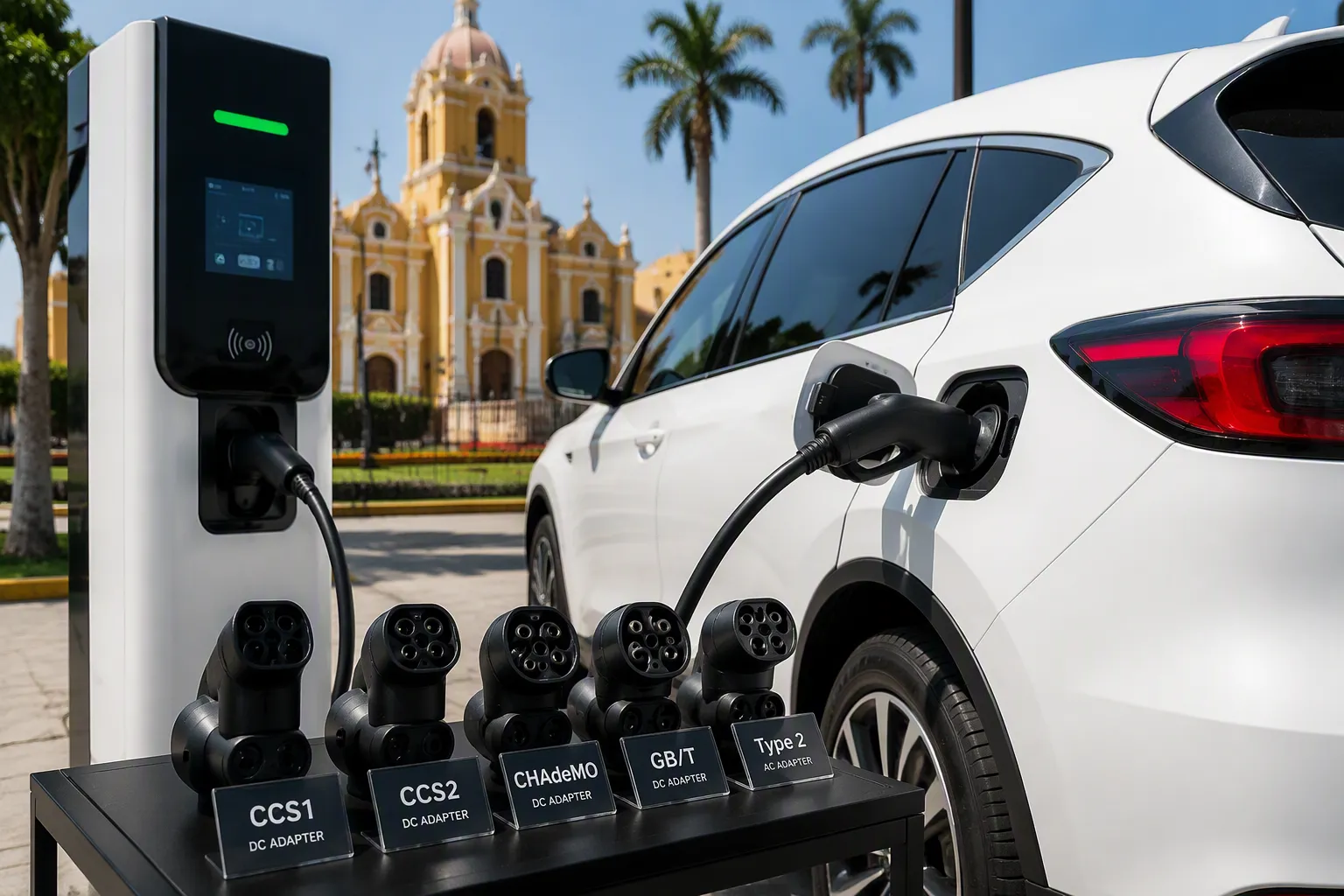
Smart charging station solutions must offer robust hardware compatibility. Property owners often manage a mix of EV models and charger types. Charging station solutions that support multiple connector standards, such as Type 2 and CCS, ensure seamless operation for all users. Scalability remains essential for properties expecting growth in EV adoption. Owners can expand charging station solutions by adding new units without replacing existing infrastructure. Modular designs allow easy upgrades and maintenance. Charging station solutions with scalable hardware reduce installation costs and future-proof investments.
Owners who select scalable charging station solutions avoid costly retrofits and disruptions as demand increases.
A scalable system supports both current and future needs. Charging station solutions that integrate with solar panels or battery storage provide additional flexibility. These features help properties optimize energy use and reduce operational expenses.
User-Friendly Software Interface
A user-friendly software interface forms the backbone of effective charging station solutions. The interface must display real-time usage data and transparent pricing. Users access their billing information through intuitive dashboards. Charging station solutions with clear communication empower residents to understand payment options and track consumption. This transparency builds trust and satisfaction among users.
The software interface, designed with a user-centric approach, ensures that users have access to transparent pricing and billing information. This clarity in communication helps users understand their payment options and real-time usage data, ultimately enhancing their trust and satisfaction with the EV charging process.
Charging station solutions often include mobile apps and web portals. These tools allow residents to monitor charging sessions, review invoices, and manage payments. Property managers benefit from streamlined administration and reduced billing disputes. Charging station solutions with user-friendly software simplify onboarding and support, making EV charging accessible to everyone.
| Caraterística | Benefício |
|---|---|
| Real-time data | Accurate billing |
| Preços transparentes | Increased user trust |
| Navegação fácil | Faster issue resolution |
Charging station solutions with intuitive interfaces reduce confusion and improve user experience.
Integration with Property Management Systems
Integration with property management systems enhances the efficiency of charging station solutions. Property managers oversee multiple tasks, including billing, maintenance, and user registration. Charging station solutions that connect with existing management platforms automate these processes. Owners can synchronize resident accounts, track payments, and generate reports from a single dashboard.
Charging station solutions with integration capabilities support automated alerts for maintenance and usage anomalies. Managers receive notifications when chargers require servicing or when billing discrepancies arise. This proactive approach minimizes downtime and ensures smooth operations.
Charging station solutions that integrate with property management systems also facilitate compliance with French regulations. Automated reporting tools help owners meet legal standards and prepare for audits. These features protect property value and simplify administrative tasks.
Charging station solutions with seamless integration save time and reduce errors for property managers.
Charging station solutions that offer hardware compatibility, user-friendly software, and integration with property management systems provide a comprehensive answer to the billing nightmare. Owners and residents benefit from transparent, efficient, and scalable charging infrastructure.
Support for Multiple Payment Methods
Smart EV charging systems in France must accommodate a wide range of payment preferences. Property owners recognize that flexibility in payment methods increases user satisfaction and reduces billing disputes. Residents, guests, and staff expect convenient access to chargers without unnecessary barriers.
French EV charging users often rely on technology for payment and access. Smartphone apps serve as the primary gateway for many chargers. These apps allow users to locate available chargers, initiate charging sessions, and review billing history. RFID cards remain essential for several charging networks. Users swipe their cards to activate chargers and track their consumption. Direct credit or debit card payments rarely occur at chargers, so most networks require pre-registration through apps or online platforms.
- Smartphone apps for charger access and payment
- RFID cards for network authentication
- Pre-registration for billing and payment
- Limited direct credit or debit card payments
Charging systems must support these methods to ensure seamless operation. Property managers select platforms that integrate with popular apps and RFID networks. Prepaid options and subscription plans also appeal to residents who prefer predictable costs. Some chargers offer QR code payment for guests, providing temporary access without requiring full registration.
A table below summarizes the payment options available for French chargers:
| Método de pagamento | User Group | Acessibilidade |
|---|---|---|
| Smartphone App | Residents, Guests | Elevado |
| Cartão RFID | Residents, Staff | Elevado |
| Prepaid Subscription | Residents | Moderado |
| QR Code | Guests | Moderado |
| Cartão de Crédito/Débito | Raro | Baixa |
Tip: Property managers should survey residents to determine preferred payment methods before selecting chargers.
Remote Monitoring and Maintenance
Remote monitoring and maintenance features play a critical role in the reliability of smart chargers. Property owners depend on these tools to ensure chargers operate efficiently and remain available for users. Real-time monitoring allows managers to track charger status, usage patterns, and potential faults from a centralized dashboard.
Chargers equipped with remote diagnostics alert managers when issues arise. Automated notifications signal when chargers require maintenance or when unauthorized access occurs. This proactive approach reduces downtime and prevents costly repairs. Managers can schedule maintenance during low-usage periods, minimizing disruption for residents.
Many chargers support firmware updates and software patches remotely. Owners update chargers without sending technicians onsite. This capability ensures compliance with evolving regulations and enhances security. Remote monitoring also provides valuable data for optimizing charger placement and usage.
- Real-time status updates for chargers
- Automated alerts for maintenance needs
- Remote firmware and software updates
- Usage analytics for property optimization
A well-maintained network of chargers increases resident satisfaction and supports property value. Owners who invest in remote monitoring tools streamline operations and reduce administrative workload.
Note: Reliable chargers with remote maintenance features help property managers maintain compliance and deliver a superior charging experience.
Step-by-Step Guide to Selecting and Implementing the Right System
Assessing Your Property’s Needs
Number of Users and Vehicles
Property owners in France must begin by evaluating the number of users and vehicles that require access to charging. Multi-unit buildings often see a mix of residents, guests, and staff, each with different charging habits. Accurate estimates help prevent bottlenecks and ensure every vehicle receives adequate charging time. French regulations require at least 20% of parking spaces in buildings with ten or more spaces to be equipped for EV charging by 2025. Owners should also consider future growth in the number of electric vehicles, as adoption rates continue to rise.
Existing Electrical Infrastructure
The next step involves reviewing the current electrical infrastructure. Some properties may need upgrades to support additional charging points. Renovations in condominiums often trigger requirements to prepare for EV charging infrastructure. Owners must check if the building can handle the increased load from multiple vehicles charging simultaneously. Individual installations offer speed, but collective installations can lower costs and boost property value. Residents have the right to install charging stations, but they must notify the condominium manager.
| Criteria for Assessing EV Charging Needs | Detalhes |
|---|---|
| Mandatory Pre-Equipment | At least 20% of parking spaces in buildings with 10 or more spaces must be equipped for EV charging by 2025. |
| Renovation Requirements | Existing condominiums undergoing major renovations must also prepare for EV charging infrastructure. |
| Right to Install | Residents have the right to install charging stations, requiring notification to the condominium manager. |
| Installation Options | Individual installations are quicker, while collective installations can reduce costs and improve building value. |
Comparing Leading Smart Charging Solutions in France
Top Brands and Providers
France’s market features several top brands that deliver the best smart ev charging station solution. Companies such as Schneider Electric, EVBox, and NewMotion offer robust systems designed for multi-user environments. These providers focus on reliability, compliance, and user-friendly interfaces. Selecting the right provider ensures seamless integration and long-term support.
Feature Comparison Checklist
When finding the right ev charging point, property owners should compare features across providers. A comprehensive checklist includes:
- Compatibility with various vehicles and charging standards
- Automated billing and transparent reporting
- Integration with property management systems
- Remote monitoring and maintenance
- Support for multiple payment methods
The best smart ev charging station solution will also enhance ev charging station solutions for customer experience, offering intuitive apps and real-time updates.
Evaluating Costs and ROI
Upfront vs. Ongoing Expenses
Owners must analyze both upfront and ongoing costs. Initial expenses include hardware, installation, and potential electrical upgrades. Ongoing costs cover software subscriptions, maintenance, and electricity. Comparing these costs helps determine the total investment required for finding the right ev charging point.
Potential Savings and Revenue Streams
Smart systems can generate savings by optimizing energy use and reducing manual labor. Owners may also create new revenue streams by charging fees for usage. Government incentives and subsidies can offset installation costs. Enhanced ev charging station solutions for customer experience can attract new residents and increase property value, making the investment worthwhile.
Ensuring Regulatory Compliance
French Legal Standards
French property owners must navigate a complex regulatory landscape when installing and operating smart EV charging systems. The French government enforces strict standards to protect consumers, ensure fair billing, and promote sustainable energy use. Property managers must understand these requirements to avoid legal risks and maintain trust with residents.
Key legal standards include:
- Accurate Metering: French law requires certified meters for every charging point. Each user’s consumption must be measured precisely in kilowatt-hours (kWh).
- Faturação Transparente: Invoices must display itemized details, including energy consumed, applicable rates, and taxes such as VAT.
- Data Privacy: The General Data Protection Regulation (GDPR) governs all personal data collected during charging sessions. Owners must secure user information and provide access upon request.
- Direito de cobrar: The “droit à la prise” law grants residents in multi-unit buildings the right to install EV charging points. Property managers must facilitate this process and ensure compliance.
- Reporting Obligations: Owners must report usage data, pricing, and charger availability to relevant authorities.
Sugestão: Property managers should regularly review updates to French energy and consumer protection laws. Staying informed helps prevent costly violations.
A table below summarizes the main legal requirements:
| Legal Standard | Compliance Requirement |
|---|---|
| Metering | Certified, kWh-accurate meters |
| Billing | Itemized, VAT-inclusive invoices |
| Data Privacy | GDPR-compliant data handling |
| Direito de cobrar | Facilitate resident installations |
| Reporting | Submit usage and pricing data |
Certification and Documentation
Certification and documentation play a critical role in regulatory compliance. French authorities require proof that charging systems meet technical and legal standards. Property owners must maintain organized records to demonstrate compliance during inspections or audits.
Essential documentation includes:
- Meter Certification: Owners must keep certificates for all installed meters, proving they meet French and EU standards.
- Installation Records: Detailed logs of installation dates, installer credentials, and technical specifications support compliance.
- Billing Records: Digital copies of all invoices, including VAT breakdowns and user consumption, must be stored securely.
- Data Protection Policies: Written policies outlining how user data is collected, stored, and accessed help ensure GDPR compliance.
- Maintenance Logs: Regular maintenance and software updates must be documented to show ongoing system reliability.
Nota: Digital platforms simplify documentation by automatically generating and storing required records. This approach reduces administrative burden and streamlines audits.
A well-documented system protects property owners from legal disputes and builds confidence among residents. Certification and thorough record-keeping ensure that smart EV charging systems remain compliant, reliable, and ready for future regulatory changes.
Implementing and Managing Your Smart Charging System
Melhores práticas de instalação
Trabalhar com instaladores certificados
Certified installers play a crucial role in ensuring the reliability and compliance of smart EV charging systems. They possess the technical expertise to meet French regulations and safety standards. Property owners benefit from professional guidance during site assessments and hardware selection. Certified installers also handle electrical upgrades and integrate charging stations with existing infrastructure. Their involvement reduces the risk of costly errors and ensures that every installation meets legal requirements.
Minimizing Disruption to Residents
Minimizing disruption during installation requires careful planning and communication. Installers schedule work during off-peak hours to avoid interfering with daily routines. Property managers inform residents about timelines and expected impacts. Clear signage and temporary barriers help maintain safety. Owners often choose collective installations to reduce costs and streamline the process. Financial assistance from grants and subsidies makes upgrades more feasible for residents.
| Best Practices for Installing EV Charging Systems | Descrição |
|---|---|
| Mandatory Pre-Equipment | At least 20% of parking spaces in buildings with 10 or more spaces must be equipped with necessary wiring for EV chargers. |
| Renovation Requirements | Major renovations must include pre-equipment for EV charging infrastructure to facilitate future installations. |
| Right to Install | Residents have the right to install charging stations in their own parking spaces, simplifying the process. |
| Individual vs. Collective Installations | Individual installations are quicker, while collective installations can reduce costs and improve building value. |
| Financial Assistance | Various grants and subsidies are available to offset installation costs, making it more feasible for residents. |
Tip: Property managers who communicate proactively and coordinate with certified installers achieve smoother installations and higher resident satisfaction.
Onboarding Users and Setting Up Accounts
User Registration Process
User onboarding begins with a streamlined registration process. Residents receive invitations to create accounts through a secure portal or mobile app. Each user provides basic information and verifies their identity. The system assigns unique IDs or RFID cards for access. Property managers review registrations and approve accounts promptly. This approach ensures that only authorized users access charging stations.
Training and Support Resources
Training resources help residents understand how to use the charging system. Property managers distribute user guides and offer online tutorials. Support teams answer questions and resolve technical issues. Residents learn how to initiate charging sessions, review billing history, and select payment options. Ongoing support builds confidence and encourages regular use.
- User guides and FAQs
- Video tutorials
- Dedicated support hotline
Note: Well-designed onboarding and support resources reduce confusion and prevent billing disputes.
Monitoring Usage and Resolving Billing Nightmares
Real-Time Alerts and Notifications
Smart charging systems monitor usage in real time. Property managers receive alerts about abnormal consumption, equipment faults, or unauthorized access. Residents get notifications when charging sessions start or finish. These features help managers address issues quickly and maintain system reliability.
Handling Billing Disputes
Billing disputes require prompt and transparent resolution. Managers review session logs and billing records to verify charges. The system provides itemized invoices and usage history for each user. Residents can submit questions or concerns through the portal. Managers respond with clear explanations and, if necessary, adjust bills to reflect accurate consumption.
| Etapa | Ação |
|---|---|
| 1 | Review session logs |
| 2 | Verify billing records |
| 3 | Communicate with user |
| 4 | Adjust bill if needed |
Callout: Transparent processes and real-time monitoring empower managers to resolve billing nightmares efficiently and maintain resident trust.
Tips for Transparent and User-Friendly Billing
Clear Communication with Residents and Users
Effective communication forms the foundation of a positive billing experience. Property managers must provide residents and users with clear information about billing procedures, payment options, and dispute resolution. They should use multiple channels, such as email, mobile apps, and community boards, to reach every user. Managers explain how the smart EV charging system works and what users can expect during each charging session. This approach reduces confusion and builds trust.
Tip: Managers who answer questions promptly and provide regular updates create a better user experience.
A table below shows recommended communication methods:
| Método | Objetivo | Frequência |
|---|---|---|
| Updates & reminders | Mensal | |
| Aplicação móvel | Real-time notifications | Conforme necessário |
| Community Board | General announcements | Semanal |
Regular Billing Cycles and Notifications
Consistent billing cycles help residents plan their finances and improve their overall experience. Managers should set predictable billing periods, such as monthly or bi-weekly, and notify users before each cycle begins. Automated notifications alert users when invoices are ready or payments are due. This system prevents surprises and encourages timely payments.
Managers can use digital tools to schedule reminders and send alerts. Residents appreciate knowing when to expect charges and how much they owe. Notifications also inform users about any changes in rates or policies. This transparency enhances the user experience and minimizes disputes.
Callout: Automated billing notifications keep users informed and support a seamless experience.
Easy Access to Billing Information
Residents value easy access to their billing information. Smart EV charging systems should offer user-friendly dashboards where users can view invoices, payment history, and session details. Managers provide secure portals that allow users to download receipts and track their consumption. This feature empowers residents to manage their experience and resolve questions independently.
A well-designed dashboard improves the user experience by making information accessible and understandable. Residents can check their usage, compare past sessions, and verify charges. Managers who offer clear access to billing data reduce the need for manual inquiries and support a smoother experience.
- User-friendly dashboards
- Secure online portals
- Downloadable invoices
Note: Easy access to billing information increases transparency and strengthens user trust.
Managers who prioritize communication, regular billing cycles, and accessible information deliver a superior user experience. These strategies help residents feel confident in their charging experience and support long-term satisfaction.
Feedback and Continuous Improvement
Smart EV charging systems require ongoing evaluation to maintain optimal performance and user satisfaction. Property managers collect feedback from residents, guests, and staff to identify areas for improvement. They use surveys, suggestion boxes, and digital platforms to gather opinions about billing clarity, system reliability, and charging accessibility.
Managers analyze feedback to detect recurring issues. They review comments about billing disputes, payment methods, and charger availability. This process helps them prioritize upgrades and address concerns quickly. Residents appreciate when managers respond to feedback with visible changes.
Continuous improvement relies on regular system audits. Managers schedule inspections to check hardware functionality and software updates. They monitor charging station usage patterns and identify opportunities to optimize energy consumption. Many properties now integrate solar power into their charging infrastructure. Solar power reduces operational costs and supports sustainability goals. Managers track the effectiveness of solar power installations and adjust system settings to maximize energy savings.
Property owners invest in training programs for staff. They update user guides and provide tutorials about new features. Residents learn how to access billing information, use payment options, and benefit from solar power enhancements. Managers encourage users to report problems and suggest improvements.
A table below outlines common feedback channels and their benefits:
| Feedback Channel | Benefício |
|---|---|
| Online Surveys | Quick data collection |
| Suggestion Boxes | Anonymous input |
| Community Meetings | Direct discussion |
| Mobile App Reviews | Real-time feedback |
Managers who embrace feedback foster a culture of transparency and trust. They demonstrate commitment to continuous improvement and adapt to changing needs.
Solar power integration offers a unique opportunity for ongoing enhancement. Managers evaluate the impact of solar power on charging station performance. They adjust system settings to balance solar power generation with user demand. This approach ensures efficient energy use and supports environmental objectives.
Continuous improvement also involves collaboration with technology providers. Managers share feedback with vendors to request software updates and hardware upgrades. They participate in pilot programs for new solar power solutions and advanced billing features.
Managers who prioritize feedback and continuous improvement deliver superior EV charging experiences. They build lasting relationships with residents and position their properties as leaders in sustainable innovation.
Smart EV charging systems eliminate billing nightmares for French properties by automating metering, ensuring transparency, and supporting regulatory compliance. Property owners benefit from hardware compatibility, user-friendly interfaces, and integration with management platforms. Managers should assess property needs, select scalable solutions, and prioritize clear communication.
- Evaluate user requirements
- Choose certified systems
- Maintain transparent billing
Embracing smart charging technology creates a seamless experience for residents and protects property value.
FAQ
What makes a smart EV charging station different from a standard station?
A smart EV charging station uses advanced software to track usage, automate billing, and manage access for multiple users. Standard stations lack these features. Smart stations also support integration with property management systems and offer remote monitoring for better reliability.
How do charge point operators help property owners manage billing?
Charge point operators provide platforms that automate billing, track individual usage, and generate digital invoices. They help property owners avoid manual errors and disputes. Operators also ensure each station meets French legal requirements and supports multiple payment methods for residents and guests.
Can a station support solar energy integration?
Many modern stations allow seamless integration with solar panels. This setup lets properties use solar power to reduce energy costs and support sustainability goals. Solar integration also helps manage peak demand and improves the overall efficiency of the charging station.
What role does dynamic EV charging load management play in multi-user properties?
Dynamic EV charging load management balances electricity distribution across all connected vehicles at a station. This system prevents overloads, optimizes energy use, and ensures every user receives a fair share of available power. It works well with solar installations and supports future expansion.
Are public EV charging stations suitable for residential properties?
Public EV charging stations serve high-traffic areas like shopping centers or highways. Residential properties benefit more from dedicated stations managed by charge point operators. These stations offer tailored billing, user management, and integration with solar power systems for private use.
How do charge point operators ensure compliance with French regulations?
Charge point operators design station software to meet French standards for metering, billing, and data privacy. They provide certified hardware, automated VAT calculation, and secure data storage. Operators also update station systems to reflect regulatory changes and support audits.
What payment methods do smart stations support?
Smart stations managed by charge point operators accept various payment methods. Users can pay through mobile apps, RFID cards, prepaid subscriptions, or QR codes. This flexibility ensures residents, guests, and staff can access the station easily and pay securely.
How does solar power impact the operation of a charging station?
Solar power reduces the station’s reliance on grid electricity. It lowers operational costs and supports green energy goals. Properties with solar panels can store excess energy for later use, making the station more resilient and environmentally friendly.
Tip: Combining solar with smart station management maximizes energy savings and enhances property value.