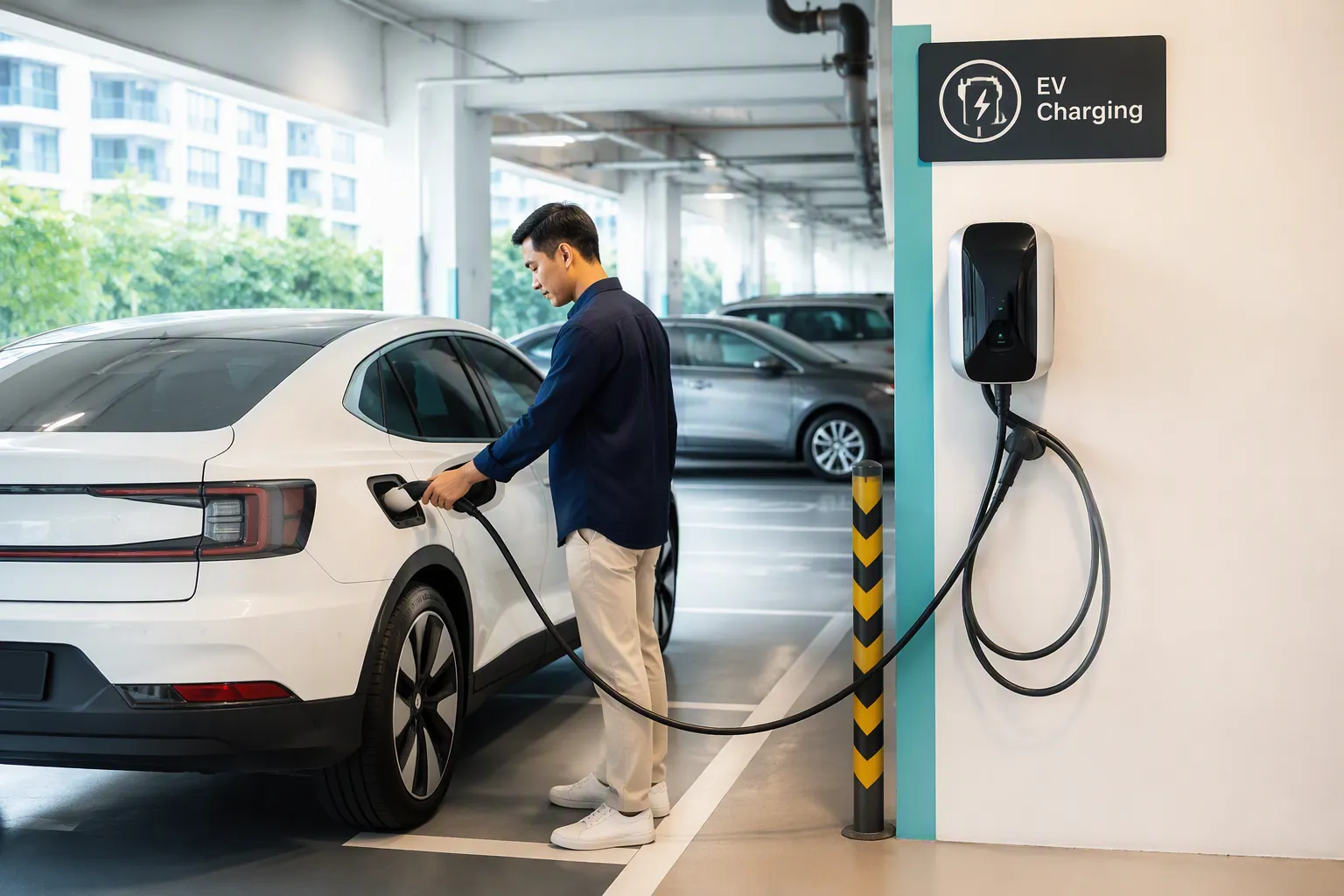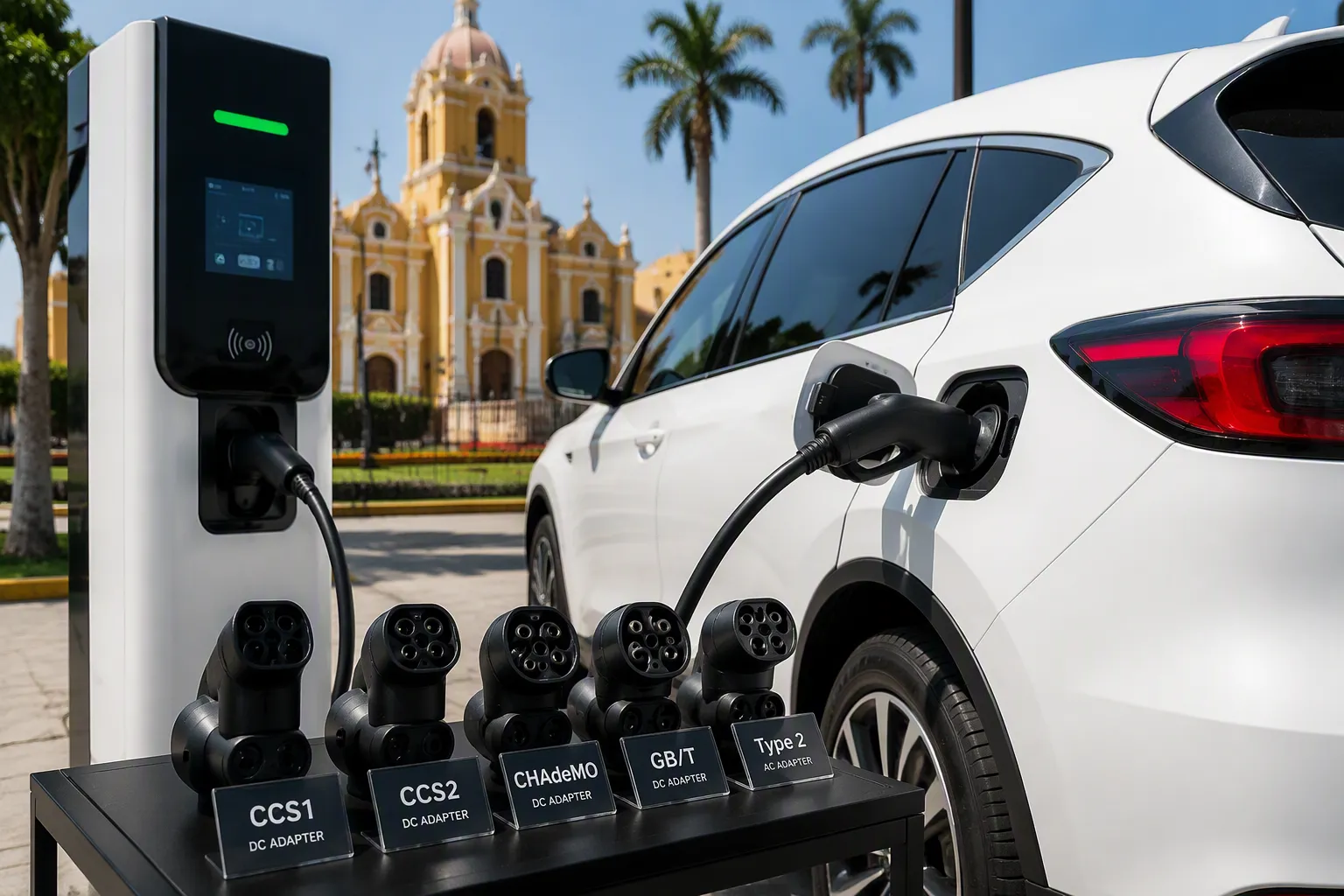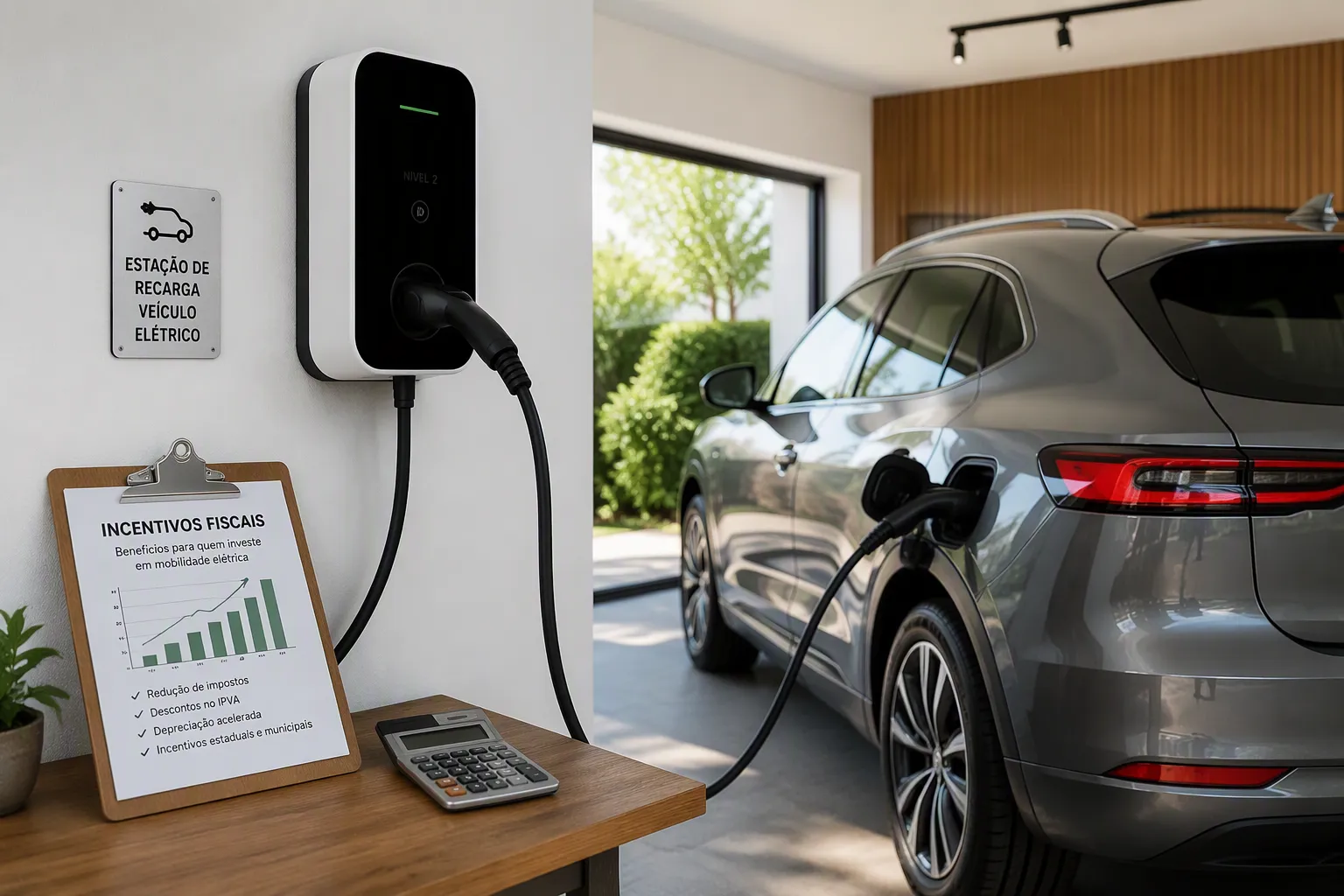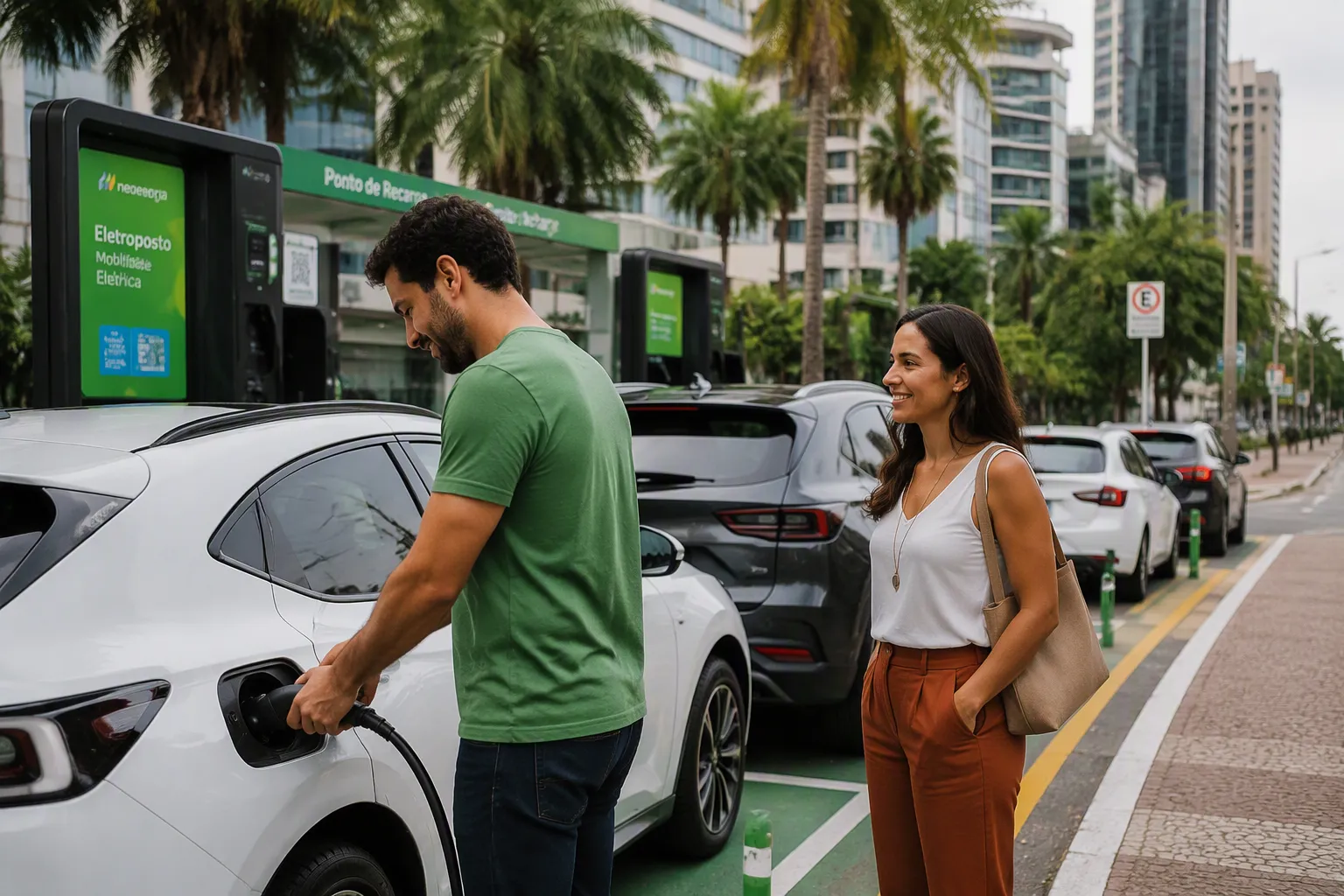

Os motoristas no Brasil agora podem contar com a rede emergente de carregadores nível 3 do país carregador ev para abastecer seu veículo elétrico durante uma viagem interestadual. Soluções de carregamento de veículos eléctricos, incluindo carregadores ev portáteis, ajudando os viajantes a manter o ritmo ao longo da jornada. Fabricantes de carregadores para veículos eléctricos continuam a expandir a infraestrutura, tornando as viagens elétricas mais acessíveis. O planejamento estratégico garante que cada parada para recarga esteja alinhada com a autonomia do veículo e o terreno, proporcionando uma jornada elétrica contínua.
Visão Geral da Rede Emergente de Carregadores Nível 3 para VE no Brasil
O que é um Carregador Nível 3?
Velocidade e tecnologia de carregamento
Os carregadores nível 3, também conhecidos como carregadores rápidos de corrente contínua (DC), representam um avanço significativo na tecnologia de veículos elétricos infra-estruturas de tarifação. Esses carregadores utilizam corrente contínua para fornecer velocidades de recarga rápidas, com potências de saída variando de 50 kW a 350 kW. Muitas estações no Brasil agora oferecem recarga rápida, permitindo que os motoristas alcancem uma carga de 80% em menos de 30 minutos. A tecnologia de recarga rápida permite que os veículos adicionem aproximadamente 100 milhas em 30-40 minutos a 50 kW, e até 200 milhas em apenas 20 minutos em potências mais altas. Diferente dos carregadores Nível 2, que são mais lentos e usados principalmente em casa ou no trabalho, os carregadores Nível 3 fornecem até 1400 milhas de autonomia por hora e podem carregar completamente muitos VEs padrão em menos de 20 minutos. A infraestrutura de recarga rápida é essencial para estações públicas de carregamento e apoia a adoção de veículos elétricos em todo o Brasil.
Benefícios para Viagens de Longa Distância com VE
A infraestrutura de recarga rápida oferece várias vantagens para viagens de longa distância. Os motoristas experimentam tempo de inatividade reduzido, tornando viagens interestaduais mais viáveis. Os carregadores rápidos são ideais para aplicações comerciais e veículos de alta quilometragem, especialmente ao longo das principais rodovias e centros logísticos. As velocidades rápidas de recarga minimizam os tempos de espera nas estações de carregamento de veículos elétricos, apoiando viagens confiáveis pela rede emergente de carregadores nível 3 do Brasil. No entanto, a infraestrutura de recarga rápida requer investimento significativo e altos custos de instalação, e sua disponibilidade ainda é limitada em comparação com os carregadores Nível 2.
Cobertura Atual dos Pontos de Carregamento para Veículos Elétricos
Principais Rodovias e Corredores
A infraestrutura de carregamento do Brasil continua a se expandir ao longo das principais rotas de transporte. As principais rodovias e corredores agora contam com estações de recarga rápida, permitindo que os motoristas acessem pontos de carregamento de veículos elétricos durante viagens interestaduais. A rede de carregamento cobre locais estratégicos onde um retorno rápido é crítico, como centros logísticos e estações públicas de carregamento. O investimento em infraestrutura de carregamento garante que os pontos de carregamento para veículos elétricos estejam disponíveis tanto para veículos particulares quanto comerciais.
Principais Cidades e Regiões
As principais cidades e regiões do Brasil priorizaram o desenvolvimento da infraestrutura de carregamento de veículos elétricos. Centros urbanos como São Paulo, Rio de Janeiro e Brasília abrigam inúmeras estações de carregamento de veículos elétricos. O investimento regional apoia a adoção de veículos elétricos e aumenta a densidade de pontos de carregamento. A cobertura de estações públicas de carregamento continua a crescer, tornando a infraestrutura de carregamento de veículos elétricos mais acessível para residentes e viajantes.
Principais Agentes e Iniciativas
Principais Operadores de Carregamento (Zletric, VoltBras)
Várias empresas impulsionam a expansão da infraestrutura de carregamento do Brasil. Zletric e VoltBras lideram o desenvolvimento de estações de recarga rápida, investindo em tecnologia avançada e redes confiáveis. A TPSON, uma provedora de soluções de carregamento de veículos elétricos tecnologicamente avançada, contribui para a implantação de infraestrutura de carregamento eficiente. Fabricantes internacionais como Tesla Inc., Volkswagen AG, BYD Co. Ltd., Stellantis NV e Toyota Motor Corporation também investem na rede de carregamento do Brasil, acelerando a adoção de veículos elétricos.
Incentivos Governamentais e Integração à Rede Inteligente
Os incentivos governamentais desempenham um papel crucial na expansão da infraestrutura de carregamento de veículos elétricos. Políticas incentivam o investimento em estações de recarga rápida e apoiam a integração da tecnologia de rede inteligente. A integração à rede inteligente aumenta a confiabilidade e eficiência da rede de carregamento, garantindo que os pontos de carregamento de veículos elétricos permaneçam operacionais e acessíveis. A colaboração entre os setores público e privado fortalece a infraestrutura de carregamento de veículos elétricos do Brasil e promove a adoção de veículos elétricos em todo o país.
Dica: Os motoristas devem monitorar a rede de carregamento para novas estações e mapas de cobertura atualizados para otimizar seus planos de viagem.
Mapeamento dos Pontos de Carregamento de Veículos Elétricos para Viagens Interestaduais
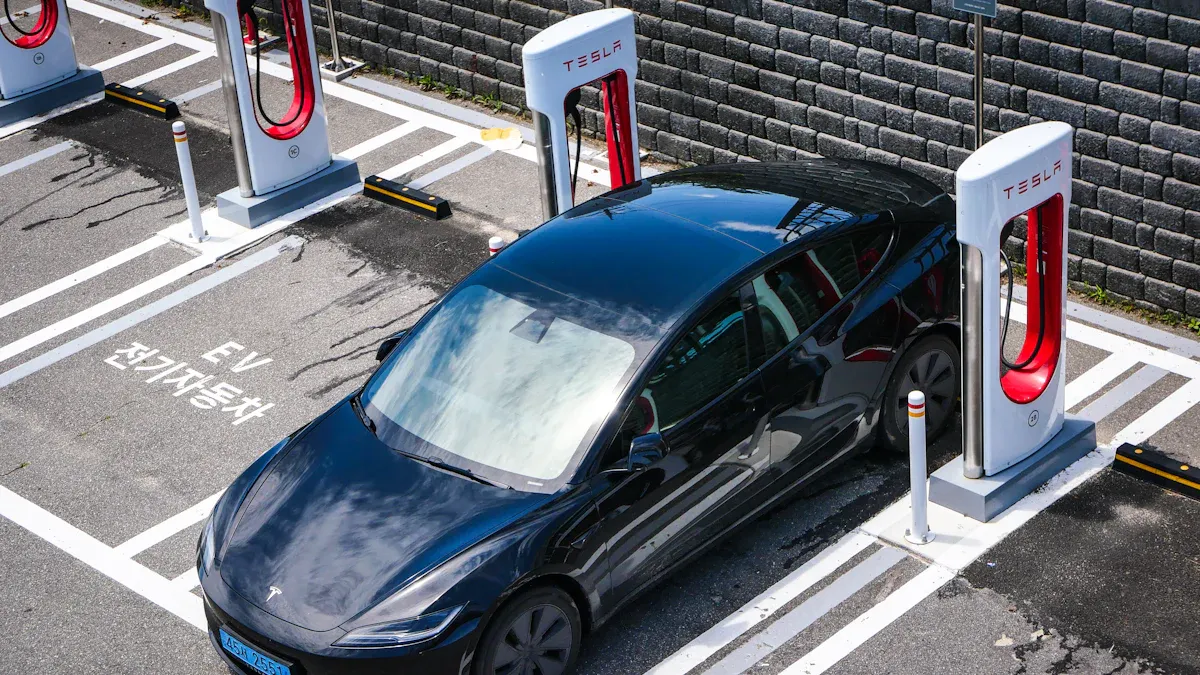
Melhores Mapas e Aplicativos Online para a Rede Emergente de Carregadores Nível 3 do Brasil
Plataformas de Localização de Carregadores em Tempo Real
Os motoristas no Brasil dependem de plataformas digitais para localizar pontos de carregamento de veículos elétricos durante viagens interestaduais. Essas plataformas exibem informações em tempo real sobre localizações de carregadores, disponibilidade de portas e velocidades de carregamento. Muitos VEs modernos possuem mapas integrados que mostram estações de carregamento elétrico próximas de relance. . Aplicativos de terceiros, como o ZapMap e a Pod Point Network, permitem que os usuários planejem rotas com base na disponibilidade de carregadores em tempo real e na autonomia do veículo. Mapas interativos fornecem o status ao vivo das estações, ajudando os motoristas a evitar desvios e atrasos desnecessários. Algumas plataformas usam cálculos baseados em IA para sugerir paradas de carregamento ideais, integrando GPS e telemetria do veículo para um planejamento de rota preciso.
Dica: Os viajantes devem verificar atualizações em tempo real sobre consumo da bateria, condições de tráfego e status dos pontos de carregamento antes de iniciar a jornada.
Recursos a Buscar em Ferramentas de Mapeamento
Selecionar a ferramenta de mapeamento certa melhora a experiência de viagem elétrica. Plataformas confiáveis oferecem vários recursos-chave:
- Disponibilidade e status do carregador em tempo real.
- Informações sobre velocidade de carregamento de cada estação.
- Integração com a autonomia do veículo e dados da bateria.
- Ajuste dinâmico da rota com base no tráfego ao vivo e no status do carregador.
- Avaliações e classificações dos usuários para estações de carregamento elétrico.
A tabela abaixo resume os recursos essenciais:
| Caraterística | Benefício |
|---|---|
| Disponibilidade em tempo real | Reduz os tempos de espera |
| Informações sobre velocidade de carregamento | Otimiza a duração da parada |
| Integração de rota | Garante planejamento eficiente |
| Atualizações dinâmicas | Adapta-se a condições variáveis |
| Feedback do usuário | Melhora a confiabilidade |
Planejamento de Rota com Pontos de Carregamento para VE
Guia Passo a Passo para Planejar Sua Rota
Um planejamento eficaz garante uma jornada elétrica tranquila pelo Brasil. Os motoristas devem seguir estas etapas:
- Identificar o ponto de partida e o destino.
- Usar um mapa online ou aplicativo para localizar estações de carregamento elétrico ao longo do percurso.
- Verificar a disponibilidade de carregadores em tempo real e a velocidade de carregamento em cada estação.
- Calcular as distâncias entre os pontos de carregamento com base na autonomia do veículo.
- Ter em conta as condições do terreno e do tráfego para um planeamento preciso.
- Ajustar o itinerário de forma dinâmica se o estado do carregador se alterar durante a viagem.
Os planeadores de itinerários inteligentes dos veículos eléctricos modernos calculam automaticamente os itinerários com as paragens de carregamento necessárias e os tempos de espera estimados. Algumas aplicações fornecem actualizações de estado em tempo real, permitindo aos condutores modificar o seu itinerário conforme necessário.
Integrar as paragens de carregamento no seu itinerário
A integração de paragens para carregamento num itinerário de viagem maximiza a eficiência. Os condutores devem programar paragens em estações de carregamento elétrico durante as pausas para refeições ou períodos de descanso. As actualizações em tempo real ajudam a ajustar os planos se uma estação ficar indisponível. O planeamento de opções de carregamento de reserva garante a fiabilidade durante interrupções inesperadas. Os viajantes beneficiam de plataformas que ajustam dinamicamente as viagens com base em dados em tempo real, mantendo as viagens eléctricas sem problemas e sem stress.
Planear uma viagem de VE pelo país no Brasil
Identificação das paragens e distâncias de carregamento
Cálculo das distâncias entre carregadores
Os condutores que planeiam uma viagem de longa distância pelo Brasil devem identificar as melhores paragens de carregamento para garantir uma viagem tranquila. Aplicativos especializados de navegação para VEs ajudam a mapear rotas com amplas estações de carregamento de veículos elétricos, reduzindo a ansiedade em relação à autonomia. Esses aplicativos exibem pontos de carregamento de veículos elétricos ao longo das principais rodovias e corredores, permitindo que os viajantes selecionem estações com base na disponibilidade em tempo real e na velocidade de carregamento. Cobertura da rede de carregamento continua a expandir-se, facilitando a localização de estações para viagens de longo curso.
Sugestão: Os viajantes devem ter como objetivo carregar a sua bateria entre 20% e 80% em cada estação. Esta prática mantém a velocidade de carregamento e a saúde da bateria, e evita atrasos desnecessários.
Fatorizar a autonomia dos VE e o terreno
A autonomia dos VE varia consoante a capacidade da bateria, o estilo de condução e o terreno. Os condutores devem ter em conta as alterações de altitude, o trânsito e as condições meteorológicas ao planearem a sua viagem. As aplicações de navegação sugerem os percursos mais eficientes em termos energéticos, ajudando os viajantes a otimizar a sua rota e a minimizar as paragens para carregamento. O planeamento de carregamentos periódicos garante que o veículo se mantém pronto para desvios ou atrasos inesperados. O carregamento durante a noite em hotéis fornece uma bateria cheia todas as manhãs, apoiando viagens fiáveis através da rede emergente de carregadores ev de nível 3 do Brasil.
- Trace rotas com vários pontos de carregamento para aliviar a ansiedade da autonomia.
- Prepare-se para o tráfego potencial, uma vez que este pode afetar a autonomia estimada do automóvel.
- Programar as cargas durante as refeições ou visitas turísticas para utilizar o tempo de forma eficiente.
- Tenha sempre um plano de reserva para o caso de a estação preferida não estar disponível.
Estimativa dos tempos de carregamento e da autonomia do veículo
Quanto tempo esperar em cada paragem
Os tempos de carregamento nas estações de carregamento de veículos eléctricos dependem da potência do carregador e do tamanho da bateria. Os carregadores de nível 3 fornecem normalmente um carregamento rápido, permitindo que os condutores atinjam a capacidade de 80% em menos de 30 minutos. A maioria das estações oferece potências entre 50 kW e 350 kW, permitindo uma rápida recuperação dos veículos eléctricos. Os viajantes devem verificar os detalhes da estação com antecedência para estimar a duração da paragem e planear a sua viagem em conformidade.
| Tipo de carregador | Tempo de carregamento típico | Gama adicionada por sessão |
|---|---|---|
| Nível 3 (DC Rápido) | 20-30 minutos | 100-200 milhas |
| Nível 2 | 4-8 horas | a partir de uma tomada padrão. Com uma autonomia totalmente elétrica típica de |
Planeamento de refeições e pausas durante o carregamento
A integração das paragens de carregamento no itinerário maximiza a eficiência. Os condutores programam frequentemente o carregamento durante as pausas para refeições ou visitas turísticas, fazendo uma utilização produtiva do tempo de inatividade. As estações públicas localizadas perto de restaurantes, centros comerciais ou atracções turísticas oferecem opções convenientes para os viajantes. O carregamento noturno nos hotéis garante uma bateria cheia para a viagem do dia seguinte. Esta abordagem apoia a adoção de veículos eléctricos e incentiva um maior número de condutores a utilizar a rede de carregamento para viagens entre países.
Nota: As actualizações em tempo real das aplicações de navegação ajudam a ajustar os planos se uma estação ficar indisponível ou se os tempos de carregamento mudarem.
Dicas para um carregamento fiável na rede emergente de carregadores de veículos eléctricos de nível 3 do Brasil
Evitar as horas de ponta e as esperas
Os viajantes podem evitar as horas de ponta carregando durante as horas de vazio ou em estações menos movimentadas. As avaliações dos utilizadores e as actualizações do estado em tempo real nas ferramentas de mapeamento ajudam a identificar as estações com tempos de espera mais curtos. O planeamento antecipado reduz o risco de atrasos e garante uma viagem tranquila através da rede de carregamento.
Opções de cópia de segurança e planeamento de contingência
Um carregamento fiável exige um plano de contingência. Os condutores devem ter sempre opções de reserva para o caso de a sua estação preferida não estar disponível ou estar em inatividade. A tabela abaixo descreve estratégias-chave para garantir um carregamento fiável sobre a infraestrutura emergente de carregadores ev de nível 3 no brasil:
| Estratégia | Descrição |
|---|---|
| Instalação e manutenção seguras | Cumprir as normas de segurança, contratar electricistas certificados e realizar inspecções regulares. |
| Medidas de cibersegurança | Implementar uma autenticação forte, protocolos de encriptação e actualizações regulares do software. |
| Proteção física | Instalar barreiras, utilizar câmaras de vigilância e assegurar que os carregadores se encontram em zonas bem iluminadas. |
| Colocação óptima dos carregadores de veículos eléctricos | Posicione os carregadores estrategicamente para minimizar os riscos de incêndio e garantir um acesso rápido em caso de emergência. |
| Responsabilidade e segurança dos utilizadores | Seguir as normas de carregamento de veículos eléctricos, garantir a conformidade com os regulamentos e investir na formação do pessoal. |
| Eficiência operacional | Manter diagnósticos regulares e soluções de backup para um desempenho ótimo. |
| Seguro adequado | A cobertura de danos materiais, incêndios eléctricos e incidentes cibernéticos é essencial. |
Os viajantes beneficiam do planeamento de rotas com vários pontos e estações de carregamento de veículos eléctricos, garantindo o acesso a opções de reserva. A eficiência operacional e os diagnósticos regulares mantêm a rede de carregamento fiável para viagens de longa distância. A adoção de veículos eléctricos continua a crescer à medida que as infra-estruturas melhoram e os postos públicos se tornam mais acessíveis.
Aviso: Verifique sempre o estado das estações e a disponibilidade de carregadores em tempo real antes de iniciar a sua viagem. Esta prática garante uma viagem eléctrica sem problemas pelo Brasil.
Experiências reais de VE e desafios comuns

Histórias de utilizadores de viagens pelo país
Exemplos de viagens bem-sucedidas
Muitos motoristas fizeram viagens de longa distância pelo Brasil usando a crescente rede de estações de carregamento de veículos elétricos. Um grupo viajou de São Paulo a Brasília, contando com carregadores de nível 3 ao longo das principais rodovias. Planearam cada paragem com aplicações em tempo real, garantindo o acesso a pontos de carregamento de veículos eléctricos em locais estratégicos. A sua viagem evidenciou a fiabilidade da infraestrutura atual e a conveniência de carregamento rápido. Outro viajante documentou uma viagem do Rio de Janeiro a Salvador. Ele usou estações de recarga públicas em shopping centers e hotéis, integrando sessões de recarga com intervalos para refeições. Essas histórias demonstram que viajar pelo país com um veículo elétrico agora é possível no Brasil.
Lições aprendidas com os primeiros utilizadores
Os primeiros utilizadores de viagens eléctricas no Brasil têm partilhado ideias valiosas. Recomendam a verificação do estado do carregador antes de cada etapa da viagem. Muitos descobriram que carregar durante as horas de menor movimento reduziu o tempo de espera nas estações. Alguns condutores experimentaram velocidades de carregamento mais lentas em áreas remotas, o que exigiu flexibilidade nos seus planos. Também sublinharam a importância de soluções de carregamento de reserva, como carregadores portáteis, para maior tranquilidade. Os primeiros utilizadores referiram que a adoção de veículos eléctricos irá acelerar à medida que mais estações forem ficando disponíveis e que as infra-estruturas forem melhorando.
Ultrapassar as falhas de rede e o tempo de inatividade
Lidar com falhas e interrupções de serviço
As falhas e interrupções na rede podem perturbar uma viagem. Os condutores relataram períodos de inatividade ocasionais nas estações de carregamento de veículos eléctricos, especialmente em regiões menos povoadas. Sugerem que se tenha sempre uma lista de estações alternativas ao longo do trajeto. As aplicações em tempo real ajudam a identificar carregadores operacionais e a evitar estações que não funcionam. Quando confrontados com uma interrupção do serviço, alguns viajantes contactaram os operadores das estações para obter apoio ou utilizaram pontos de carregamento públicos nas proximidades. Estas estratégias minimizam os atrasos e mantêm a viagem no caminho certo.
Soluções de carregamento alternativas
As soluções de carregamento alternativas desempenham um papel fundamental para colmatar as lacunas da rede. Os carregadores portáteis permitem que os condutores acedam à energia de tomadas normais em situações de emergência. Alguns hotéis e empresas oferecem opções de carregamento privadas para os hóspedes. Os primeiros utilizadores recomendam que se leve um adaptador compatível com diferentes tipos de carregadores. A tabela abaixo resume as soluções comuns para necessidades de carregamento inesperadas:
| Solução | Descrição |
|---|---|
| Carregador portátil | Liga-se a tomadas normais para emergências |
| Cobrança de hotel | Disponível para convidados em locais selecionados |
| Lista de estações de reserva | Garante opções se a estação primária estiver em baixo |
| Apoio ao operador | Assistência dos fornecedores de redes de carregamento |
Dica: Os condutores devem atualizar regularmente as suas aplicações de carregamento para acederem aos dados mais recentes das estações e evitarem surpresas durante a viagem.
O futuro da rede emergente de carregadores de veículos eléctricos de nível 3 no Brasil
Próximas expansões e projectos anunciados
Novos corredores e pontos de carregamento
O Brasil planeia expandir a sua infraestrutura de carregamento de veículos eléctricos, acrescentando novos corredores e pontos de carregamento. Empresas e órgãos governamentais anunciaram projetos que conectarão grandes cidades e regiões remotas. Essas expansões colocarão estações de recarga rápida ao longo das rodovias que ligam São Paulo, Rio de Janeiro e Brasília. A rede também chegará ao interior, apoiando o turismo e a logística. Com o aumento do número de pontos de recarga elétrica, os motoristas terão mais facilidade para planejar viagens internacionais. O lançamento de estações de carregamento públicas nos centros urbanos e a instalação de unidades de carregamento rápido ao longo dos principais corredores de trânsito aumentarão a acessibilidade e reduzirão a ansiedade de autonomia dos utilizadores de VE.
Iniciativas do Governo e do sector privado
As iniciativas do governo e do sector privado impulsionam o crescimento da infraestrutura de carregamento do Brasil. Esses esforços se concentram em materiais sustentáveis, criação de empregos e liderança global em energia. A tabela abaixo destaca várias iniciativas importantes e o seu impacto nas viagens com veículos eléctricos:
| Iniciativa | Impacto nas viagens de VE no Brasil |
|---|---|
| Missão comercial da Sigma Lithium à China | Promove o investimento em materiais sustentáveis para veículos eléctricos |
| Iniciativa do Vale do Lítio | Criação de emprego e crescimento económico em Minas Gerais, reforçando o apoio local à infraestrutura de VE |
| Participação em fóruns mundiais da energia | Posiciona o Brasil como um ator-chave nas discussões globais sobre energia, influenciando as políticas e os investimentos em VE |
Estes projectos apoiam o desenvolvimento de infra-estruturas de carregamento de veículos eléctricos e incentivam a adoção de veículos eléctricos em todo o país.
O que esperar das viagens em veículos eléctricos nos próximos 1-2 anos
Crescimento previsto e melhorias de cobertura
Os especialistas do sector prevêem um rápido crescimento da rede de carregamento elétrico no Brasil nos próximos dois anos. Uma rede mais densa de instalações de carregamento aumentará a confiança nas viagens de longa distância. A tabela abaixo resume como o aumento da cobertura afectará as viagens de VE entre países:
| Descrição das provas | Impacto nas viagens de VE entre países |
|---|---|
| Lançamento de estações de carregamento públicas nos principais centros urbanos como São Paulo e Rio de Janeiro. | Melhora a acessibilidade e reduz a ansiedade em relação à autonomia dos utilizadores de VE. |
| Instalação de unidades de carregamento rápido ao longo dos principais corredores de trânsito. | Facilita viagens mais longas e permite deslocações entre países. |
| Prevê-se uma rede mais densa de instalações de carregamento. | Aumenta a adoção de VE e a confiança nas viagens de longa distância. |
À medida que a infraestrutura de carregamento elétrico cresce, mais condutores irão considerar os veículos eléctricos tanto para as deslocações diárias como para viagens longas.
Impacto nas viagens de VE entre países
A expansão dos pontos de carregamento e a integração de tecnologia avançada transformarão as viagens internacionais no Brasil. Os condutores terão tempos de espera mais curtos e maior fiabilidade nas estações de carregamento elétrico. A rede melhorada irá apoiar a adoção de veículos eléctricos, tornando as viagens de longa distância práticas e convenientes. Os viajantes podem esperar mais opções de recarga em hotéis, centros comerciais e pontos de descanso. Essas mudanças ajudarão o Brasil a se tornar um líder em transporte sustentável e mobilidade elétrica.
Sugestão: os viajantes devem manter-se informados sobre o lançamento de novos postos de carregamento e actualizações de infra-estruturas para maximizar os benefícios da rede em crescimento.
Os viajantes podem planear uma viagem bem-sucedida utilizando aplicações fiáveis, planeando paragens de carregamento e monitorizando atualizações em tempo real. A rede emergente de carregadores de nível 3 do Brasil apoia viagens eficientes de VE em todo o país. Os motoristas experimentam maior conveniência e confiança à medida que a infraestrutura se expande.
- Utilizar ferramentas de cartografia fiáveis
- Programação do carregamento durante as pausas
- Mantenha-se informado sobre as novas estações
O Brasil oferece oportunidades interessantes para viagens de veículos eléctricos, tornando as viagens pelo país mais acessíveis do que nunca.
FAQ
O que é um carregador de nível 3?
A Carregador de nível 3, também designado por carregador rápido DC, proporciona um carregamento de alta velocidade. Pode recarregar a maioria dos veículos eléctricos até 80% em menos de 30 minutos. Estes carregadores permitem viagens de longa distância e reduzem o tempo de inatividade dos condutores.
Como é que os condutores podem encontrar postos de carregamento de Nível 3 no Brasil?
Os condutores podem utilizar aplicações de navegação ou mapas online para localizar os postos de carregamento de nível 3. Muitas plataformas fornecem actualizações em tempo real sobre a disponibilidade, velocidade e localização dos carregadores. Estas ferramentas ajudam os viajantes a planear rotas eficientes em todo o país.
Os carregadores de Nível 3 estão disponíveis em áreas rurais?
Os carregadores de nível 3 aparecem principalmente ao longo das principais auto-estradas e nos centros urbanos. A cobertura rural permanece limitada, mas continua a expandir-se. Os condutores devem planear cuidadosamente os percursos e identificar opções de carregamento de reserva antes de viajarem por regiões remotas.
O que é que os viajantes devem fazer se uma estação de carregamento estiver fora de serviço?
Os viajantes devem verificar o estado das estações em tempo real antes da chegada. Se um carregador não estiver disponível, podem utilizar as estações de reserva indicadas na sua aplicação de navegação. Os carregadores portáteis e as opções de carregamento nos hotéis proporcionam um apoio adicional durante falhas inesperadas.
Quanto tempo demora a carregar um veículo elétrico numa estação de nível 3?
Os tempos de carregamento dependem do tamanho da bateria e da potência do carregador. A maioria das estações de nível 3 pode adicionar 100 a 200 milhas de autonomia em 20 a 30 minutos. Os condutores devem monitorizar o progresso do carregamento utilizando o painel de instrumentos ou a aplicação móvel do seu veículo.
Todos os veículos elétricos podem usar carregadores de Nível 3?
Nem todos os veículos eléctricos suportam o carregamento de nível 3. Os condutores devem verificar as especificações do seu veículo antes de planearem uma viagem. Alguns modelos mais antigos ou híbridos plug-in podem aceitar apenas o carregamento de nível 2.
Quais são os custos associados à utilização dos carregadores de nível 3?
Os custos de carregamento variam consoante o operador e a localização. Algumas estações cobram por quilowatt-hora, enquanto outras utilizam uma taxa fixa. Os condutores devem consultar os detalhes dos preços na aplicação que escolheram ou na estação de carregamento antes de iniciarem uma sessão.
É seguro utilizar postos de carregamento públicos de nível 3?
Os postos de carregamento públicos de nível 3 seguem normas de segurança rigorosas. Os operadores efectuam manutenção e inspecções regulares. Os condutores devem seguir as instruções afixadas e comunicar quaisquer problemas ao operador da estação para uma resolução rápida.
Dica: Sempre verifique a compatibilidade do carregador e o status da estação antes de iniciar uma viagem interestadual com veículo elétrico.