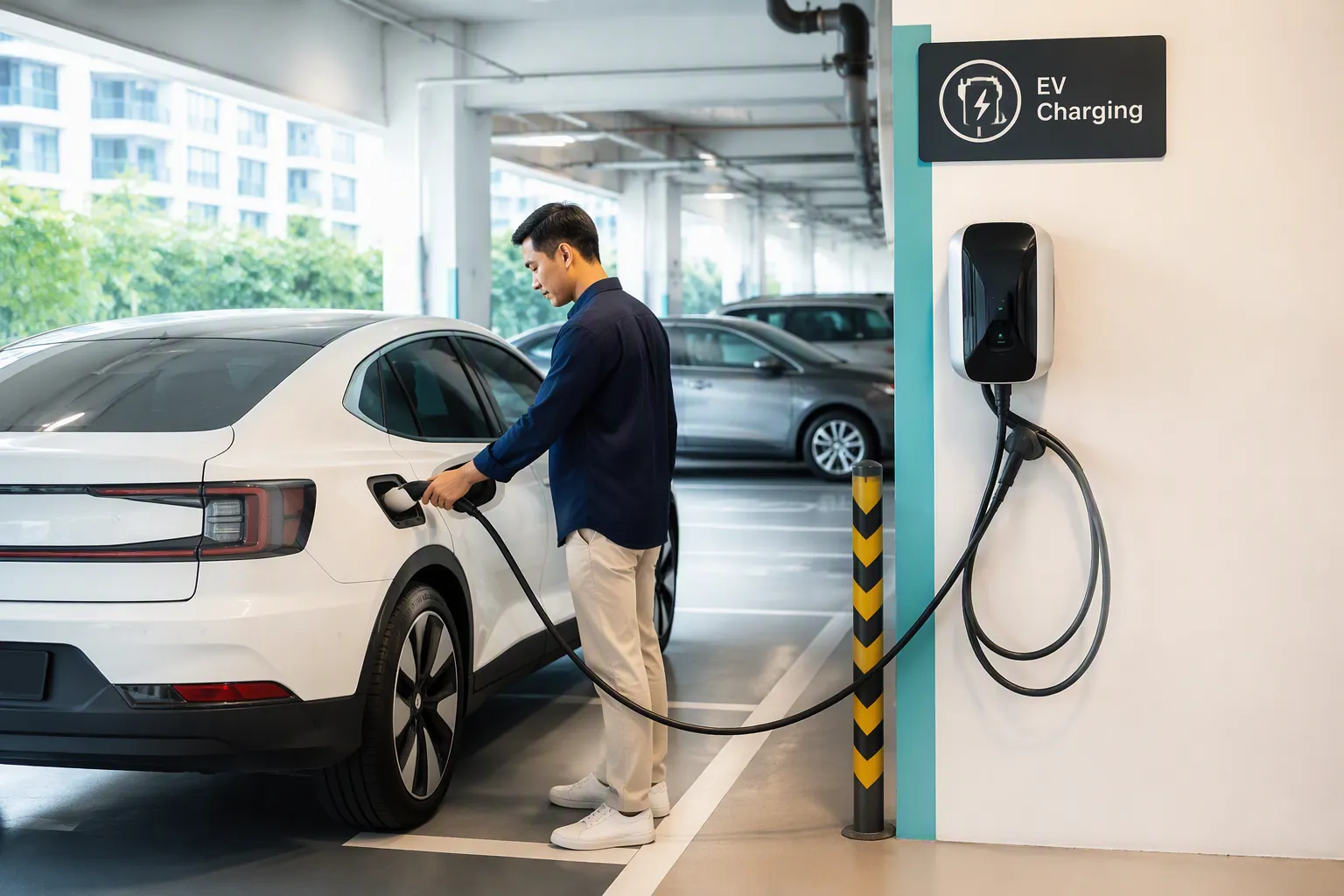

Pengemudi di Brasil kini dapat mengandalkan jaringan pengisi daya level 3 yang sedang berkembang di Brasil pengisi daya ev untuk mengisi daya kendaraan listrik mereka selama perjalanan lintas negara. Solusi pengisian daya kendaraan listrik, termasuk pengisi daya ev portabel, membantu para pelancong menjaga momentum sepanjang perjalanan. Produsen pengisi daya EV terus memperluas infrastruktur, membuat perjalanan listrik lebih mudah diakses. Perencanaan strategis memastikan setiap pemberhentian pengisian daya selaras dengan jangkauan kendaraan dan medan, mendukung perjalanan listrik yang mulus.
Gambaran Umum Jaringan Pengisi Daya EV Level 3 yang Berkembang di Brasil
Apa Itu Pengisi Daya Level 3?
Kecepatan dan Teknologi Pengisian Daya
Pengisi daya Level 3, juga dikenal sebagai pengisi daya cepat DC, mewakili kemajuan signifikan dalam teknologi kendaraan listrik infrastruktur pengisian daya. Pengisi daya ini menggunakan arus searah untuk memberikan kecepatan pengisian daya yang cepat, dengan keluaran daya berkisar dari 50 kW hingga 350 kW. Banyak stasiun di Brasil kini menawarkan pengisian daya cepat, memungkinkan pengemudi mencapai pengisian daya 80% dalam waktu kurang dari 30 menit. Teknologi pengisian daya cepat memungkinkan kendaraan menambah daya sekitar 100 mil dalam 30-40 menit pada 50 kW, dan hingga 200 mil hanya dalam 20 menit pada keluaran daya yang lebih tinggi. Berbeda dengan pengisi daya Level 2 yang lebih lambat dan terutama digunakan untuk pengisian daya di rumah atau tempat kerja, pengisi daya Level 3 menyediakan hingga 1400 mil jangkauan per jam dan dapat mengisi daya penuh banyak EV standar dalam waktu di bawah 20 menit. Infrastruktur pengisian daya cepat sangat penting untuk stasiun pengisian daya umum dan mendukung adopsi kendaraan listrik di seluruh Brasil.
Manfaat untuk Perjalanan EV Jarak Jauh
Infrastruktur pengisian daya cepat menawarkan beberapa keuntungan untuk perjalanan jarak jauh. Pengemudi mengalami waktu henti yang berkurang, membuat perjalanan lintas negara lebih layak. Pengisi daya cepat sangat ideal untuk aplikasi komersial dan kendaraan bermilease tinggi, terutama di sepanjang jalan raya utama dan depot logistik. Kecepatan pengisian daya yang cepat meminimalkan waktu tunggu di stasiun pengisian daya kendaraan listrik, mendukung perjalanan yang andal di seluruh jaringan pengisi daya EV Level 3 yang berkembang di Brasil. Namun, infrastruktur pengisian daya cepat memerlukan investasi dan biaya pemasangan yang signifikan, serta ketersediaannya masih terbatas dibandingkan dengan pengisi daya Level 2.
Cakupan Saat Ini Titik Pengisian Daya Kendaraan Listrik
Jalan Raya dan Koridor Utama
Infrastruktur pengisian daya Brasil terus berkembang di sepanjang rute transportasi utama. Jalan raya dan koridor utama kini dilengkapi dengan stasiun pengisian daya cepat, memungkinkan pengemudi mengakses titik pengisian daya kendaraan listrik selama perjalanan lintas negara. Jaringan pengisian daya mencakup lokasi-lokasi strategis di mana perputaran cepat sangat penting, seperti pusat logistik dan stasiun pengisian daya umum. Investasi dalam infrastruktur pengisian daya memastikan bahwa titik pengisian daya kendaraan listrik tersedia untuk kendaraan pribadi maupun komersial.
Kota dan Wilayah Kunci
Kota dan wilayah kunci di Brasil telah memprioritaskan pengembangan infrastruktur pengisian daya kendaraan listrik. Pusat-pusat perkotaan seperti São Paulo, Rio de Janeiro, dan Brasília memiliki banyak stasiun pengisian daya kendaraan listrik. Investasi regional mendukung adopsi kendaraan listrik dan meningkatkan kepadatan titik pengisian daya. Cakupan stasiun pengisian daya umum terus bertambah, membuat infrastruktur pengisian daya kendaraan listrik lebih mudah diakses oleh penduduk dan pelancong.
Pemain dan Inisiatif Kunci
Operator Pengisian Daya Terkemuka (Zletric, VoltBras)
Beberapa perusahaan mendorong perluasan infrastruktur pengisian daya Brasil. Zletric dan VoltBras memimpin pengembangan stasiun pengisian daya cepat, berinvestasi dalam teknologi canggih dan jaringan yang andal. TPSON, penyedia solusi pengisian daya kendaraan listrik yang canggih secara teknologi, berkontribusi pada penyebaran infrastruktur pengisian daya yang efisien. Produsen internasional seperti Tesla Inc., Volkswagen AG, BYD Co. Ltd., Stellantis NV, dan Toyota Motor Corporation juga berinvestasi dalam jaringan pengisian daya Brasil, mempercepat adopsi kendaraan listrik.
Insentif Pemerintah dan Integrasi Smart Grid
Insentif pemerintah memainkan peran penting dalam memperluas infrastruktur pengisian daya kendaraan listrik. Kebijakan mendorong investasi dalam stasiun pengisian daya cepat dan mendukung integrasi teknologi smart grid. Integrasi smart grid meningkatkan keandalan dan efisiensi jaringan pengisian daya, memastikan titik pengisian daya kendaraan listrik tetap beroperasi dan dapat diakses. Kolaborasi sektor publik dan swasta memperkuat infrastruktur pengisian daya kendaraan listrik Brasil dan mempromosikan adopsi kendaraan listrik di seluruh negeri.
Tip: Pengemudi harus memantau jaringan pengisian daya untuk stasiun baru dan peta cakupan yang diperbarui guna mengoptimalkan rencana perjalanan mereka.
Memetakan Titik Pengisian Daya Kendaraan Listrik untuk Perjalanan Lintas Negara
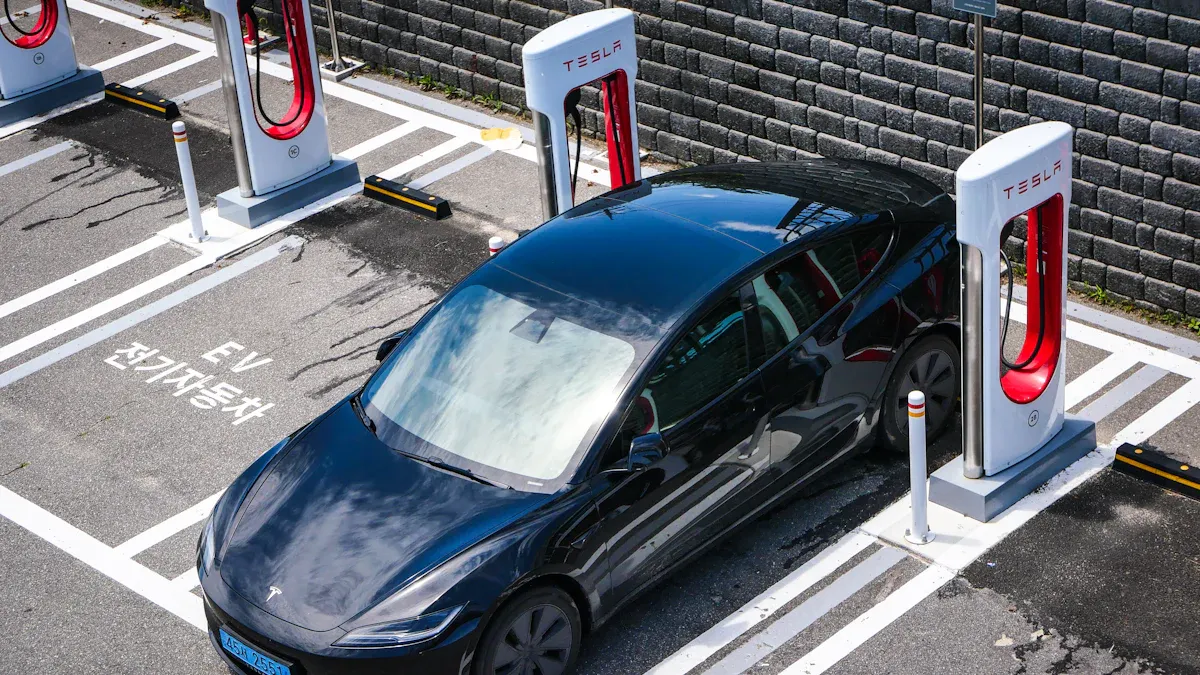
Peta dan Aplikasi Online Terbaik untuk Jaringan Pengisi Daya EV Level 3 yang Berkembang di Brasil
Platform Lokasi Pengisi Daya Waktu Nyata
Pengemudi di Brasil mengandalkan platform digital untuk menemukan titik pengisian daya kendaraan listrik selama perjalanan lintas negara. Platform-platform ini menampilkan informasi waktu nyata tentang lokasi pengisi daya, ketersediaan port, dan kecepatan pengisian daya. Banyak EV modern dilengkapi dengan peta dalam mobil yang menunjukkan stasiun pengisian daya listrik terdekat sekilas. . Aplikasi pihak ketiga seperti ZapMap dan Pod Point Network memungkinkan pengguna merencanakan rute berdasarkan ketersediaan pengisi daya langsung dan jangkauan kendaraan. Peta interaktif menyediakan status stasiun langsung, membantu pengemudi menghindari jalan memutar dan penundaan yang tidak perlu. Beberapa platform menggunakan perhitungan berbasis AI untuk menyarankan pemberhentian pengisian daya yang optimal, mengintegrasikan GPS dan telemetri kendaraan untuk perencanaan rute yang akurat.
Tip: Pelancong harus memeriksa pembaruan langsung tentang konsumsi baterai, kondisi lalu lintas, dan status titik pengisian daya sebelum memulai perjalanan mereka.
Fitur yang Perlu Dicari dalam Alat Pemetaan
Memilih alat pemetaan yang tepat meningkatkan pengalaman perjalanan listrik. Platform yang andal menawarkan beberapa fitur utama:
- Ketersediaan dan pembaruan status pengisi daya waktu nyata.
- Informasi kecepatan pengisian daya untuk setiap stasiun.
- Integrasi dengan data jangkauan kendaraan dan baterai.
- Penyesuaian rute dinamis berdasarkan lalu lintas langsung dan status pengisi daya.
- Ulasan dan peringkat pengguna untuk stasiun pengisian daya listrik.
Tabel di bawah ini merangkum fitur-fitur penting:
| Fitur | Manfaat |
|---|---|
| Ketersediaan waktu nyata | Mengurangi waktu tunggu |
| Info kecepatan pengisian daya | Mengoptimalkan durasi pemberhentian |
| Integrasi rute | Memastikan perencanaan yang efisien |
| Pembaruan dinamis | Menyesuaikan dengan kondisi yang berubah |
| Umpan balik pengguna | Meningkatkan keandalan |
Perencanaan Rute dengan Titik Pengisian Daya EV
Panduan Langkah demi Langkah untuk Merencanakan Rute Anda
Perencanaan yang efektif memastikan perjalanan listrik yang lancar melintasi Brasil. Pengemudi harus mengikuti langkah-langkah ini:
- Identifikasi titik awal dan tujuan.
- Gunakan sebuah online map or app to locate electric charging stations along the route.
- Check real-time charger availability and charging speed at each station.
- Calculate distances between charging points based on vehicle range.
- Factor in terrain and traffic conditions for accurate planning.
- Adjust the route dynamically if charger status changes during travel.
Smart route planners in modern EVs automatically calculate routes with necessary charging stops and estimated wait times. Some apps provide live status updates, allowing drivers to modify their itinerary as needed.
Integrating Charging Stops into Your Itinerary
Integrating charging stops into a travel itinerary maximizes efficiency. Drivers should schedule stops at electric charging stations during meal breaks or rest periods. Real-time updates help adjust plans if a station becomes unavailable. Planning for backup charging options ensures reliability during unexpected outages. Travelers benefit from platforms that dynamically adjust journeys based on real-time data, keeping electric travel seamless and stress-free.
Planning a Cross-Country EV Trip in Brazil
Identifying Charging Stops and Distances
Calculating Distances Between Chargers
Drivers planning a long distance trip across Brazil must identify optimal charging stops to ensure a smooth journey. Specialized EV navigation apps help map out routes with ample electric vehicle charging stations, reducing range anxiety. These apps display electric vehicle charging points along major highways and corridors, allowing travelers to select stations based on real-time availability and charging speed. Charging network coverage continues to expand, making it easier to locate stations for long distance journeys.
Tip: Travelers should aim to charge their battery between 20% and 80% at each station. This practice maintains charging speed and battery health, and avoids unnecessary delays.
Factoring in EV Range and Terrain
EV range varies depending on battery capacity, driving style, and terrain. Drivers must factor in elevation changes, traffic, and weather conditions when planning their trip. Navigation apps suggest the most energy-efficient paths, helping travelers optimize their route and minimize charging stops. Planning for periodic charging ensures that the vehicle remains ready for unexpected detours or delays. Overnight charging at hotels provides a full battery each morning, supporting reliable travel across brazil’s emerging level 3 ev charger network.
- Map out routes with multiple charging points to alleviate range anxiety.
- Prepare for potential traffic, as it can impact the car’s estimated range.
- Schedule charges during meals or sightseeing to make efficient use of time.
- Always have a backup plan in case the preferred station is unavailable.
Estimating Charging Times and Vehicle Range
How Long to Expect at Each Stop
Charging times at electric vehicle charging stations depend on charger output and battery size. Level 3 chargers typically deliver rapid charging, allowing drivers to reach 80% capacity in less than 30 minutes. Most stations offer power outputs between 50 kW and 350 kW, supporting fast turnaround for electric vehicles. Travelers should check station details in advance to estimate stop duration and plan their trip accordingly.
| Jenis Pengisi Daya | Waktu Pengisian Khas | Range Added per Session |
|---|---|---|
| Level 3 (DC Fast) | 20-30 menit | 100-200 miles |
| Level 2 | 4-8 jam | 20-40 miles |
Planning for Meals and Breaks During Charging
Integrating charging stops into the itinerary maximizes efficiency. Drivers often schedule charging during meal breaks or sightseeing, making productive use of downtime. Public stations located near restaurants, shopping centers, or tourist attractions provide convenient options for travelers. Overnight charging at hotels ensures a full battery for the next day’s journey. This approach supports the adoption of electric vehicles and encourages more drivers to use the charging network for cross-country trips.
Note: Real-time updates from navigation apps help adjust plans if a station becomes unavailable or charging times change.
Tips for Reliable Charging on Brazil’s Emerging Level 3 EV Charger Network
Avoiding Peak Times and Waits
Travelers can avoid peak times by charging during off-peak hours or at less busy stations. User reviews and live status updates in mapping tools help identify stations with shorter wait times. Planning ahead reduces the risk of delays and ensures a smooth trip across the charging network.
Backup Options and Contingency Planning
Reliable charging requires contingency planning. Drivers should always have backup options in case their preferred station is unavailable or experiencing downtime. The table below outlines key strategies for ensuring reliable charging on brazil’s emerging level 3 ev charger infrastructure:
| Strategi | Deskripsi |
|---|---|
| Safe installation and maintenance | Adhere to safety regulations, hire certified electricians, and conduct regular inspections. |
| Cybersecurity measures | Implement strong authentication, encryption protocols, and regular software updates. |
| Physical protection | Install barriers, use surveillance cameras, and ensure chargers are in well-lit areas. |
| Optimal placement of EV chargers | Position chargers strategically to minimize fire risks and ensure quick access during emergencies. |
| Liability and user safety | Follow EV charging standards, ensure compliance with regulations, and invest in staff training. |
| Operational efficiency | Maintain regular diagnostics and backup solutions for optimal performance. |
| Adequate insurance | Coverage for property damage, electrical fires, and cyber incidents is essential. |
Travelers benefit from planning routes with multiple electric vehicle charging points and stations, ensuring access to backup options. Operational efficiency and regular diagnostics keep the charging network reliable for long distance journeys. The adoption of electric vehicles continues to grow as infrastructure improves and public stations become more accessible.
Callout: Always check real-time station status and charger availability before starting your trip. This practice ensures a seamless electric journey across Brazil.
Real-World EV Experiences and Common Challenges

User Stories from Cross-Country Trips
Successful Trip Examples
Many drivers have completed long-distance journeys across Brazil using the growing network of electric vehicle charging stations. One group traveled from São Paulo to Brasília, relying on level 3 chargers along major highways. They planned each stop with real-time apps, ensuring access to electric vehicle charging points at strategic locations. Their trip highlighted the reliability of the current infrastructure and the convenience of pengisian cepat. Another traveler documented a journey from Rio de Janeiro to Salvador. He used public charging stations at shopping centers and hotels, integrating charging sessions with meal breaks. These stories demonstrate that cross-country travel with an electric vehicle is now possible in Brazil.
Lessons Learned from Early Adopters
Early adopters of electric travel in Brazil have shared valuable insights. They recommend checking charger status before each leg of the journey. Many found that charging during off-peak hours reduced wait times at stations. Some drivers experienced slower charging speeds in remote areas, which required flexibility in their plans. They also emphasized the importance of backup charging solutions, such as portable chargers, for added peace of mind. Early users noted that the adoption of electric vehicles will accelerate as more stations become available and as infrastructure improves.
Overcoming Network Gaps and Downtime
Dealing with Outages and Service Interruptions
Network gaps and outages can disrupt a trip. Drivers have reported occasional downtime at electric vehicle charging stations, especially in less populated regions. They suggest always having a list of alternative stations along the route. Real-time apps help identify operational chargers and avoid non-functioning stations. When faced with a service interruption, some travelers contacted station operators for support or used nearby public charging points. These strategies minimize delays and keep the journey on track.
Alternative Charging Solutions
Alternative charging solutions play a key role in overcoming network gaps. Portable chargers allow drivers to access power from standard outlets in emergencies. Some hotels and businesses offer private charging options for guests. Early adopters recommend carrying an adapter compatible with different charger types. The table below summarizes common solutions for unexpected charging needs:
| Solusi | Deskripsi |
|---|---|
| Portable charger | Connects to standard outlets for emergencies |
| Hotel charging | Available for guests at select locations |
| Backup station list | Ensures options if primary station is down |
| Operator support | Assistance from charging network providers |
Tip: Drivers should update their charging apps regularly to access the latest station data and avoid surprises during their journey.
The Future of Brazil’s Emerging Level 3 EV Charger Network
Upcoming Expansions and Announced Projects
New Corridors and Charging Points
Brazil plans to expand its electric vehicle charging infrastructure by adding new corridors and charging points. Companies and government agencies have announced projects that will connect major cities and remote regions. These expansions will place fast charging stations along highways that link São Paulo, Rio de Janeiro, and Brasília. The network will also reach into the interior, supporting tourism and logistics. As more electric charging points appear, drivers will find it easier to plan cross-country trips. The rollout of public charging stations in urban centers and the installation of fast-charging units along key transit corridors will enhance accessibility and reduce range anxiety for EV users.
Inisiatif Pemerintah dan Sektor Swasta
Government and private sector initiatives drive the growth of Brazil’s charging infrastructure. These efforts focus on sustainable materials, job creation, and global energy leadership. The table below highlights several important initiatives and their impact on electric vehicle travel:
| Inisiatif | Impact on EV Travel in Brazil |
|---|---|
| Sigma Lithium’s Trade Mission to China | Promotes investment in sustainable materials for EVs |
| Lithium Valley Initiative | Job creation and economic growth in Minas Gerais, enhancing local support for EV infrastructure |
| Participation in Global Energy Forums | Positions Brazil as a key player in global energy discussions, influencing EV policies and investments |
These projects support the development of electric vehicle charging infrastructure and encourage the adoption of electric vehicles across the country.
What to Expect for EV Travel in the Next 1-2 Years
Predicted Growth and Coverage Improvements
Industry experts predict rapid growth in Brazil’s electric charging network over the next two years. A denser network of charging facilities will increase confidence in long-distance travel. The table below summarizes how increased coverage will affect cross-country EV travel:
| Deskripsi Bukti | Impact on Cross-Country EV Travel |
|---|---|
| Rollout of public charging stations in major urban centers like São Paulo and Rio de Janeiro. | Enhances accessibility and reduces range anxiety for EV users. |
| Installation of fast-charging units along key transit corridors. | Facilitates longer journeys and supports cross-country travel. |
| A denser network of charging facilities is expected. | Increases EV adoption and confidence in long-distance travel. |
As the electric charging infrastructure grows, more drivers will consider electric vehicles for both daily commutes and extended trips.
Impact on Cross-Country EV Travel
The expansion of charging points and the integration of advanced technology will transform cross-country travel in Brazil. Drivers will experience shorter wait times and greater reliability at electric charging stations. The improved network will support the adoption of electric vehicles by making long-distance travel practical and convenient. Travelers can expect more charging options at hotels, shopping centers, and rest stops. These changes will help Brazil become a leader in sustainable transportation and electric mobility.
Tip: Travelers should stay informed about new charging station launches and infrastructure updates to maximize the benefits of the growing network.
Travelers can map out a successful trip by using reliable apps, planning charging stops, and monitoring real-time updates. Brazil’s emerging level 3 ev charger network supports efficient EV journeys across the country. Drivers experience greater convenience and confidence as infrastructure expands.
- Use trusted mapping tools
- Schedule charging during breaks
- Stay informed about new stations
Brazil offers exciting opportunities for EV travel, making cross-country trips more accessible than ever.
PERTANYAAN YANG SERING DIAJUKAN
What is a Level 3 charger?
A Level 3 charger, also called a DC fast charger, delivers high-speed charging. It can recharge most electric vehicles to 80% in less than 30 minutes. These chargers support long-distance travel and reduce downtime for drivers.
How can drivers find Level 3 charging stations in Brazil?
Drivers can use navigation apps or online maps to locate Level 3 charging stations. Many platforms provide real-time updates on charger availability, speed, and location. These tools help travelers plan efficient routes across the country.
Apakah pengisi daya Level 3 tersedia di daerah pedesaan?
Level 3 chargers mainly appear along major highways and in urban centers. Rural coverage remains limited but continues to expand. Drivers should plan routes carefully and identify backup charging options before traveling through remote regions.
What should travelers do if a charging station is out of service?
Travelers should check real-time station status before arrival. If a charger is unavailable, they can use backup stations listed in their navigation app. Portable chargers and hotel charging options provide additional support during unexpected outages.
How long does it take to charge an EV at a Level 3 station?
Charging times depend on battery size and charger output. Most Level 3 stations can add 100 to 200 miles of range in 20 to 30 minutes. Drivers should monitor charging progress using their vehicle’s dashboard or mobile app.
Apakah semua kendaraan listrik dapat menggunakan pengisi daya Level 3?
Not all electric vehicles support Level 3 charging. Drivers should check their vehicle’s specifications before planning a trip. Some older models or plug-in hybrids may only accept Level 2 charging.
What are the costs associated with using Level 3 chargers?
Charging costs vary by operator and location. Some stations charge per kilowatt-hour, while others use a flat fee. Drivers should review pricing details in their chosen app or at the charging station before starting a session.
Is it safe to use public Level 3 charging stations?
Public Level 3 charging stations follow strict safety standards. Operators conduct regular maintenance and inspections. Drivers should follow posted instructions and report any issues to the station operator for prompt resolution.
Tip: Selalu verifikasi kompatibilitas pengisi daya dan status stasiun sebelum memulai perjalanan lintas negara dengan kendaraan listrik.