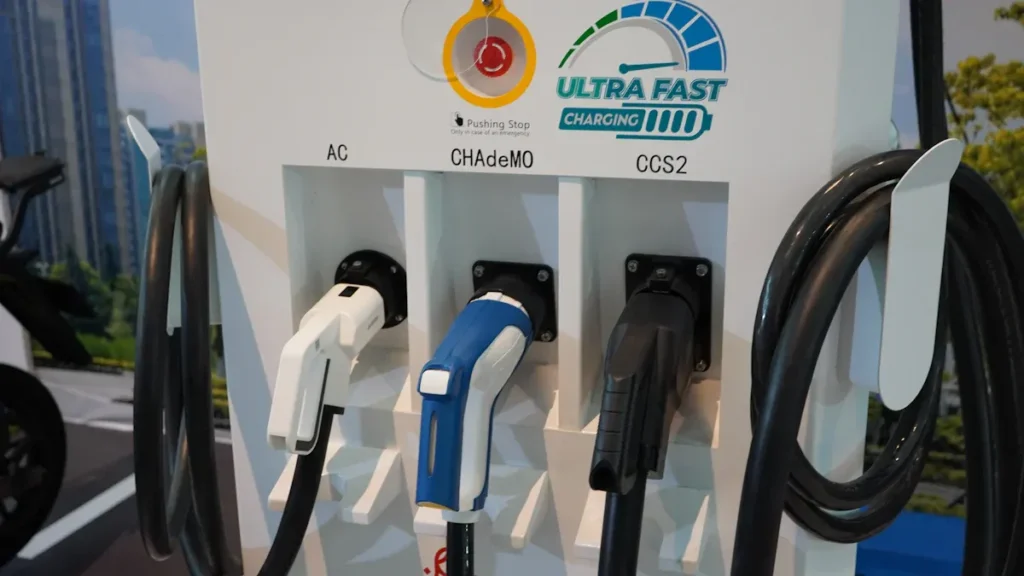

Muitos condutores consideram mais barato carregar um veículo elétrico do que abastecer com gasolina, especialmente ao utilizar carregamento doméstico. Soluções de carregamento de veículos eléctricos ou carregadores ev portáteis. As tarifas de eletricidade geralmente mantêm-se estáveis, enquanto os preços da gasolina podem variar rapidamente. De acordo com dados recentes, os veículos elétricos têm custos de operação significativamente mais baixos. A tabela abaixo mostra os custos anuais para cada tipo de veículo:
| Tipo de veículo | Custo Anual (10.000 milhas) | Poupança Comparada com Gasolina |
|---|---|---|
| Veículo a Gasolina | £1,209 | N/A |
| Veículo elétrico | £174 | £1,035 |
Os proprietários de veículos elétricos beneficiam frequentemente de custos mais baixos com o Carregador de veículos eléctricos, e muitos Fabricantes de carregadores para veículos eléctricos continuam a inovar para um carregamento ainda mais eficiente. As despesas reais dependem das tarifas locais de eletricidade, dos preços da gasolina e do estilo de condução.
Mais Barato Carregar: Comparação de Custos

Custo para Carregar um Veículo Elétrico
Custos de carregamento doméstico
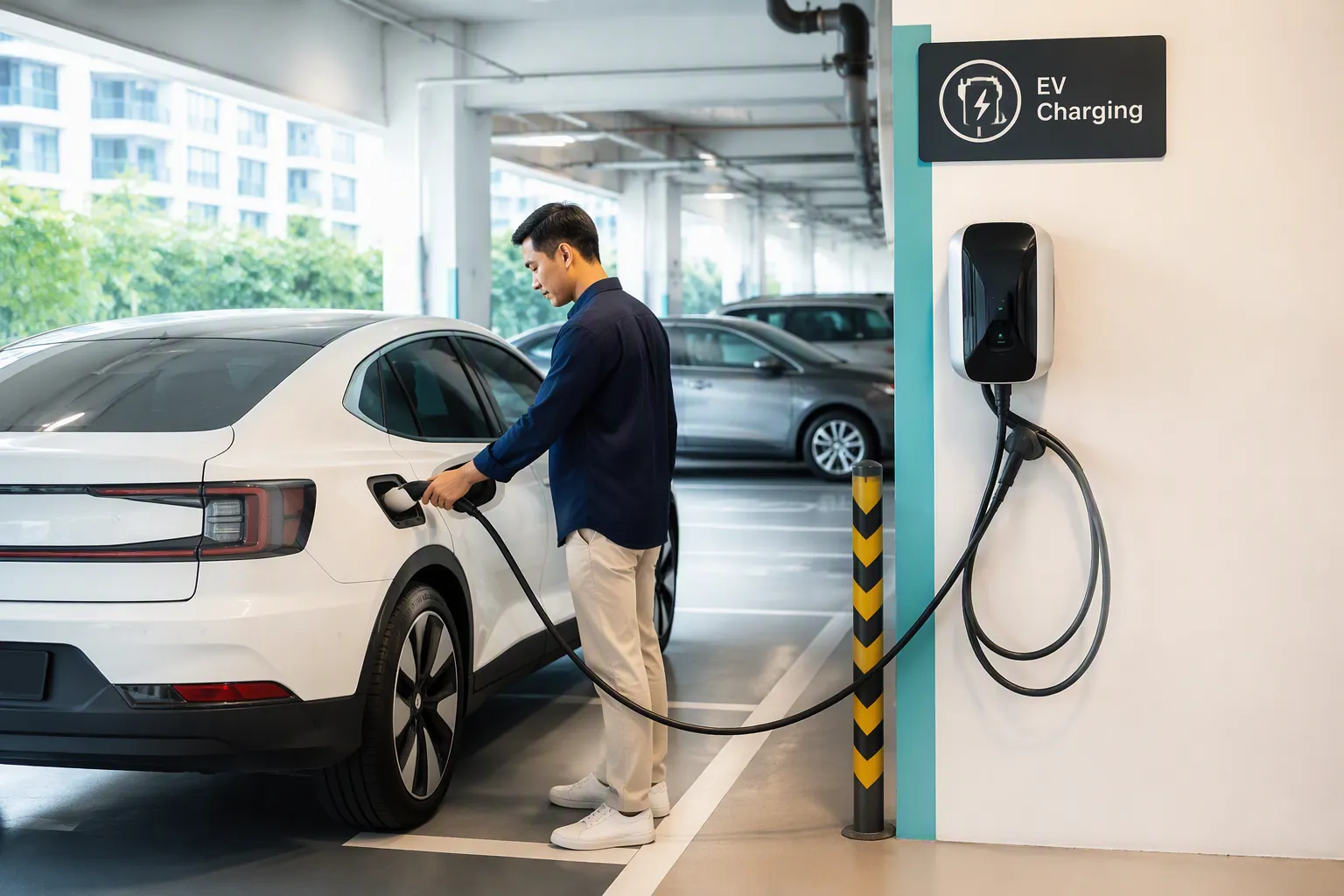
O carregamento doméstico continua a ser a forma mais económica para os condutores alimentarem os seus veículos elétricos. O custo para carregar um veículo elétrico em casa nos Estados Unidos varia consoante o tamanho da bateria e as tarifas locais de eletricidade. A maioria dos proprietários paga entre 7€ e 32€ por uma carga completa. Esta ampla variação reflete diferenças nos modelos de veículos e nos preços regionais de energia. O carregamento doméstico oferece conveniência e permite aos condutores aproveitar tarifas de eletricidade mais baixas durante a noite. Muitos optam pelo carregamento doméstico por ser mais barato e previsível do que outras opções.
- O custo médio para carregar um veículo elétrico em casa situa-se na faixa de 7€ a 32€.
- O carregamento doméstico proporciona o menor custo por milha para a maioria dos proprietários de veículos elétricos.
- Carregar em casa também reduz a dependência de pontos de carregamento públicos, que podem ser mais caros.
Custos dos postos de carregamento públicos
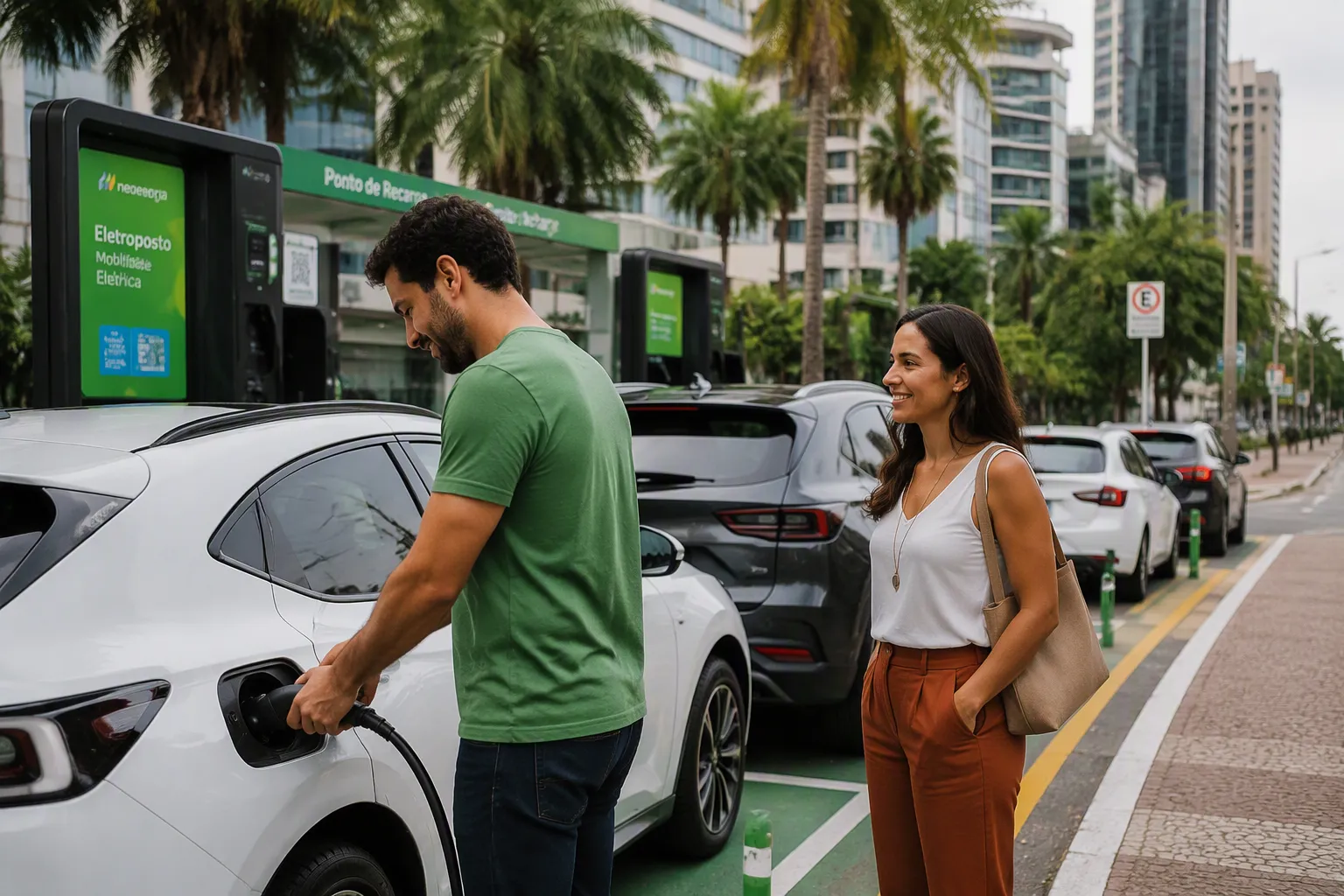
As estações de carregamento públicas oferecem flexibilidade para condutores que viajam longas distâncias ou não têm acesso a carregamento doméstico. No entanto, o custo para carregar um veículo elétrico em pontos de carregamento públicos é geralmente mais elevado do que em casa. Os custos de carregamento público aumentaram 11% em 2023, tornando-os até três vezes mais caros do que o carregamento doméstico. Os custos mais elevados nas estações de carregamento públicas resultam da manutenção contínua, investimentos em infraestrutura e de uma taxa de IVA mais alta de 20%, comparada com a taxa de 5% para a eletricidade doméstica.
| Tipo de carregador | Custo por kWh |
|---|---|
| Público Rápido/Ultra Rápido | 81 cêntimos |
| Público Lento/Rápido | 55p |
| Início | 27 cêntimos* |
- Os custos de carregamento público podem flutuar consoante a localização e a velocidade do carregador.
- Muitos condutores utilizam pontos de carregamento públicos apenas quando necessário para evitar custos mais elevados.
Carregamento Rápido vs. Carregamento Nível 2
As estações de carregamento rápido, frequentemente encontradas ao longo de autoestradas, fornecem uma recarga rápida à bateria de um veículo elétrico. Estes carregadores reduzem os tempos de espera, mas implicam custos mais elevados. O carregamento Nível 2, comum em casa e em alguns locais públicos, opera a uma velocidade mais lenta, mas permanece muito mais barato. Condutores que dependem do carregamento rápido para uso diário terão custos globais mais elevados em comparação com aqueles que utilizam principalmente carregamento doméstico ou carregadores públicos Nível 2. Escolher o método de carregamento adequado pode fazer uma diferença significativa no custo total de carregar um veículo elétrico.
Custo para Abastecer um Carro a Gasolina
Preços Médios Nacionais da Gasolina
Os preços da gasolina nos Estados Unidos mudam frequentemente devido às condições de mercado, impostos e diferenças regionais. O preço médio nacional da gasolina regular varia frequentemente entre 3€ e 4€ por galão. Estas flutuações tornam difícil para os condutores prever as despesas mensais com combustível.
Eficiência de Combustível Típica (MPG)
A maioria dos carros a gasolina atinge entre 25 e 40 milhas por galão (MPG), dependendo do modelo e das condições de condução. Carros compactos tendem a oferecer melhor eficiência de combustível, enquanto veículos maiores e SUVs consomem mais combustível por milha. A eficiência de combustível impacta diretamente o custo por milha para carros a gasolina.
Custo por Milha para Carros a Gasolina
O custo por milha para carros a gasolina depende tanto da eficiência de combustível como dos preços atuais da gasolina. Por exemplo, um carro a gasolina com média de 40 MPG custa cerca de 15 cêntimos por milha, enquanto um carro a diesel com 50 MPG custa aproximadamente 13 cêntimos por milha. Estes valores destacam o impacto do tipo de veículo e dos preços do combustível no custo total de propriedade.
Comparação de Custos Paralela
Custo por Milha: VE vs. Carro a Gasolina
Os veículos elétricos oferecem consistentemente um custo por milha mais baixo em comparação com os carros a gasolina tradicionais. O custo por milha para modelos elétricos populares, como o Volkswagen ID.3 e o Tesla Model 3 Long Range, varia de 6,4 cêntimos a 6,7 cêntimos. Em contraste, carros a gasolina e diesel custam tipicamente entre 13 cêntimos e 15 cêntimos por milha. Carregar em casa mantém o custo por milha para VEs na extremidade inferior desta faixa, enquanto o carregamento público pode aumentá-lo.
| Modelo do veículo | Trem de Força | Custo por milha |
|---|---|---|
| Volkswagen ID.3 | Elétrico | 6.7p |
| Ford Focus | Gasóleo | 11,4 cêntimos |
| Tesla Model 3 Long Range | Elétrico | 6,4 cêntimos |
| BMW Série 3 PHEV | Híbrido Plug-in Gasolina | 10,6 cêntimos |
| Carro a Gasolina (40 mpg) | Gasolina | 15 cêntimos |
| Carro a Diesel (50 mpg) | Gasóleo | 13 cêntimos |
| VE (carregamento doméstico) | Elétrico | 7 cêntimos – 27 cêntimos |

Estimativas de Custos Mensais e Anuais
O custo para carregar um veículo elétrico permanece significativamente mais baixo do que o custo para abastecer um carro a gasolina ao longo do tempo. Para o condutor americano médio, os custos anuais de combustível para um Honda HR-V a gasolina atingem 1.431€. Em comparação, um Chevrolet Bolt EUV elétrico poupa ao proprietário os inteiros 1.431€ anualmente. De acordo com um estudo de 2020 da Consumer Reports, os condutores de VEs poupam cerca de 60% nos custos de combustível anualmente em comparação com condutores de carros a gasolina.
- Os condutores de VEs experienciam poupanças substanciais nos custos mensais e anuais de combustível.
- O custo de carregar um veículo elétrico mantém-se mais estável do que os preços da gasolina.
Tabela Resumo de Custos
| Tipo de veículo | Custo por Ano (Combustível) | Economia Anual Comparada a Carro a Gasolina |
|---|---|---|
| Movido a Gasolina (Honda HR-V) | $1,431 | N/A |
| Elétrico (Chevy Bolt EUV) | N/A | $1,431 |
Nota: O custo de carregar um veículo elétrico depende dos hábitos de recarga, das tarifas locais de eletricidade e do uso de pontos de carregamento públicos. O carregamento doméstico oferece as tarifas mais consistentes e baratas para a maioria dos motoristas.
Fatores que Afetam o Custo: Por que Carros Elétricos São Mais Baratos para Manter
Tarifas de Eletricidade e Métodos de Carregamento
Diferenças Regionais no Preço da Eletricidade
Os preços da eletricidade variam amplamente entre as regiões, impactando diretamente o custo de carregar um veículo elétrico. Em alguns estados, o custo da eletricidade por kWh permanece baixo, tornando o carregamento doméstico mais acessível. Em outras áreas, tarifas de eletricidade mais altas podem aumentar o custo total de propriedade. As concessionárias de energia podem oferecer tarifas especiais ou incentivos para proprietários de VEs, reduzindo ainda mais as despesas com eletricidade. A tabela abaixo destaca como as diferenças regionais afetam tanto veículos elétricos quanto a gasolina:
| Fator | Veículos eléctricos (VEs) | Veículos com Motor de Combustão Interna (MCI) |
|---|---|---|
| Custo por Milha/Quilômetro | Geralmente menor devido à maior eficiência energética | Tipicamente maior devido aos custos com combustível |
| Tarifas de Eletricidade | Varia conforme localização e horário do dia | N/A |
| Tarifas Especiais/Incentivos | Disponível em algumas concessionárias | N/A |
Tarifas por Horário de Uso e Carregamento Noturno
Muitas fornecedoras de eletricidade oferecem tarifas por horário de uso, permitindo que proprietários de VEs carreguem seus veículos durante horários de baixa demanda, quando a eletricidade custa menos. Ao agendar sessões de carregamento à noite, os motoristas podem reduzir significativamente suas contas de luz. Carregadores inteligentes facilitam a programação dos horários de carregamento, ajudando os usuários a otimizar seu uso de eletricidade e reduzir os custos gerais. Carregar à noite não só economiza dinheiro, como também apoia o uso eficiente de energia.
- Proprietários de VEs podem programar carregadores para horários de baixa demanda para acessar tarifas de eletricidade mais baixas.
- Carregar durante esses períodos resulta em economias substanciais nos custos com eletricidade.
- Tarifas inteligentes podem reduzir o custo por milha para menos de 3p para alguns usuários.
Carregamento doméstico vs. público
O carregamento doméstico continua sendo o método mais econômico para a maioria dos proprietários de VEs. Carregadores domésticos dedicados proporcionam recarga mais rápida e eficiente em comparação com tomadas padrão. Carregar um carro elétrico de porte médio em casa normalmente custa cerca de metade do preço de abastecer um veículo a gasolina. Estações de carregamento públicas, embora convenientes para viagens longas, frequentemente têm tarifas de eletricidade mais altas e podem tornar o custo de carregamento semelhante aos custos com gasolina.
- O carregamento doméstico pode custar cerca de 8p por milha, enquanto veículos a gasolina variam de 13p a 17p por milha.
- Os custos de carregamento público são geralmente mais altos devido a taxas de infraestrutura e manutenção.
Preços da Gasolina e Eficiência do Veículo
Flutuação dos Preços da Gasolina
Os preços da gasolina mudam frequentemente, afetando o custo por milha para os motoristas. Quando os preços da gasolina sobem, o custo de operação de um veículo a gasolina aumenta. Essa volatilidade dificulta a previsão das despesas mensais com combustível.
Impacto do Tipo de Veículo e MPG (Milhas por Galão)
A eficiência do veículo desempenha um papel crucial na determinação dos custos com combustível. Carros com maior quilometragem por litro (MPG) usam menos combustível, reduzindo o custo por milha. No entanto, mesmo com veículos eficientes, os custos com gasolina frequentemente permanecem mais altos do que os custos com eletricidade para VEs.
Hábitos de Direção e Economia de Combustível
O comportamento ao volante também influencia a economia de combustível. Direção agressiva, paradas frequentes e altas velocidades podem aumentar o consumo de combustível. Embora veículos mais eficientes possam incentivar viagens mais longas, estudos mostram que a maioria das famílias não dirige significativamente mais após a troca para carros com maior eficiência de combustível.
Diferenças Regionais de Custo
Custos de Carregamento e Abastecimento: Urbano vs. Rural
Áreas urbanas frequentemente têm tarifas de eletricidade mais altas e mais estações de carregamento público, mas podem resistir à expansão da infraestrutura para promover o transporte público. Regiões rurais podem enfrentar acesso limitado a pontos de carregamento, aumentando a dependência do carregamento doméstico ou de veículos a gasolina.
Impostos Estaduais e Incentivos
Impostos estaduais e incentivos podem afetar grandemente o custo total de propriedade de um veículo elétrico. Alguns estados oferecem subsídios, reembolsos ou isenções de imposto rodoviário, tornando os VEs mais acessíveis. Esses incentivos ajudam a compensar o preço inicial mais alto dos carros elétricos.
Os governos estão promovendo a adoção de veículos elétricos por meio de vários incentivos, como subsídios que reduzem os preços de compra e isenções de imposto rodoviário, resultando em economias significativas a longo prazo para os proprietários de veículos eléctricos.
Disponibilidade de Infraestrutura de Carregamento
A disponibilidade de infraestrutura de carregamento molda a conveniência e o custo da propriedade de um VE. Em regiões com estações de carregamento público limitadas, os motoristas podem experimentar ansiedade de autonomia ou preferir veículos a gasolina para viagens longas. A resistência urbana a novas infraestruturas e preocupações com os tempos de carregamento podem retardar a adoção de VEs.
- A transição para VEs está aumentando entre aqueles sem opções de carregamento doméstico, destacando a necessidade de mais estações de carregamento público.
- A ansiedade de autonomia e as preocupações com o tempo de carregamento permanecem barreiras para alguns motoristas.
Exemplos de Custos Reais: É Mais Barato Carregar ou Abastecer?

Exemplo de Cálculo para um Veículo Elétrico Típico
Custo para Dirigir 1.000 Milhas em um VE
Veículos elétricos oferecem economias significativas quando os motoristas comparam o custo para dirigir 1.000 milhas. O carregamento doméstico continua sendo a opção mais econômica. Por exemplo, usando as tarifas da Good Energy, o custo por milha para carregamento doméstico é de apenas 1.4p. Clientes da EDF pagam um pouco mais, 1.8p por milha. O carregamento público, especialmente em estações ultrarrápidas, aumenta o custo para 17p por milha. Ao longo de 1.000 milhas, o carregamento doméstico pode totalizar apenas £13.50, enquanto o carregamento público pode chegar a £170.
| Método de carregamento | Custo por milha | Custo Total para 1.000 Milhas |
|---|---|---|
| Carregamento Doméstico (Good Energy) | 1.4p | £13.50 |
| Carregamento Doméstico (EDF) | 1.8p | £18 |
| Carregamento Público (Ultrarrápido) | 17p | £170 |
Dica: Motoristas que dependem do carregamento doméstico para seus veículos elétricos podem manter seu custo por milha extremamente baixo, tornando a propriedade de um VE muito mais barata ao longo do tempo.
Carregamento em Casa vs. Estações Públicas
Carregar em casa oferece o custo mais baixo para a maioria dos proprietários de veículos elétricos. Os postos de carregamento públicos, embora convenientes, frequentemente resultam em despesas mais elevadas. Para 10.000 milhas, o carregamento doméstico pode custar cerca de £135, enquanto o carregamento público pode totalizar £190. A diferença no custo de carregamento destaca por que muitos condutores preferem instalar um carregador doméstico. Os proprietários de veículos elétricos que utilizam tarifas fora de pico podem reduzir ainda mais o seu custo, por vezes pagando apenas £22,50 por 1.000 milhas.
Cálculo Exemplo para um Carro a Gasolina Típico
Custo para Conduzir 1.000 Milhas num Carro a Gasolina
O custo para conduzir 1.000 milhas num carro a gasolina depende da eficiência de combustível. Condutores com carros que atingem 50 mpg (milhas por galão) poupam mais de £100 em comparação com aqueles com veículos de 30 mpg. Em média, um carro a gasolina custará entre £120 e £150 por 1.000 milhas, dependendo dos preços atuais do combustível e da eficiência do veículo.
Impacto de Diferentes Preços da Gasolina
Os preços da gasolina flutuam, o que afeta o custo total para os condutores. Quando os preços da gasolina sobem, o custo de operação dos carros a gasolina aumenta. Em alguns casos, o carregamento público para veículos elétricos pode aproximar-se ou mesmo exceder o custo de abastecer um carro a gasolina, especialmente ao utilizar carregadores ultrarrápidos. No entanto, a maioria dos proprietários de veículos elétricos ainda considera o carregamento em casa muito mais barato do que abastecer com gasolina.
Comparando os Resultados: Qual é Mais Barato?
Diferença de Custo Total ao Longo de um Ano
As comparações de custo anual mostram uma clara vantagem para os veículos elétricos. O proprietário médio de um veículo elétrico gasta cerca de £700 por ano em carregamento, enquanto os proprietários de carros a gasolina pagam cerca de £1,500 por combustível.
| Tipo de veículo | Custo mensal | Custo anual |
|---|---|---|
| Veículo elétrico | £58.33 | £700 |
| Carro a gasolina | £125 | £1,500 |
Pontos de Equilíbrio para a Posse de um Veículo Elétrico
Os veículos elétricos têm frequentemente um custo de compra inicial mais elevado, mas custos de carregamento e manutenção mais baixos ajudam os condutores a poupar dinheiro a longo prazo. Muitos proprietários de veículos elétricos podem poupar até £1.500 anualmente apenas em combustível. Custos de manutenção mais baixos acrescentam-se a estas poupanças. Ao longo da vida útil do veículo, o custo total dos carros elétricos pode ser inferior ao dos carros a gasolina ou diesel.
| Fator de Custo | Veículo Elétrico (VE) | Carro a Gasolina |
|---|---|---|
| Custo de Compra Inicial | Mais alto | Inferior |
| Custos com Combustível | Mais Barato | Mais alto |
| Custos de manutenção | Inferior | Mais alto |
| Custo Total ao Longo da Vida | Frequentemente Mais Baixo | Mais alto |
Nota: Quando os condutores consideram a depreciação e as poupanças a longo prazo, os carros elétricos tornam-se uma opção muito mais barata para muitos agregados familiares.
Considerações Adicionais Além do Custo
Manutenção e Poupanças a Longo Prazo: Os Carros Elétricos São Mais Baratos de Manter?
Custos de Manutenção Mais Baixos para VEs
Os carros elétricos, mais baratos de manter, oferecem poupanças significativas em manutenção em comparação com os carros tradicionais a gasolina ou diesel. Têm menos peças móveis, o que significa menos desgaste. Não são necessárias mudanças de óleo ou reparações do escape. Num período típico de posse, os veículos elétricos podem ser 30–50% mais baratos de manter. A tabela abaixo destaca a diferença:
| Tipo de veículo | Custo médio de manutenção | Diferença de Custo |
|---|---|---|
| Veículo elétrico | £165 | -24% |
| Veículo a gasolina | Mais de £200 | N/A |
Estes custos mais baixos tornam a mudança para um carro elétrico uma decisão financeira inteligente para muitos condutores. Ao longo da vida útil de um veículo, as poupanças podem atingir milhares de libras, tornando os carros elétricos rentáveis a longo prazo.
Substituição da Bateria e Garantias
A substituição da bateria representa um dos potenciais custos mais elevados para os veículos elétricos. Os preços de substituição podem variar de £4.000 para modelos como o Nissan Leaf a mais de £10.000 para marcas de luxo. No entanto, a maioria dos novos carros elétricos inclui uma garantia da bateria de pelo menos oito anos ou 100.000 milhas. Esta cobertura reduz o risco de despesas inesperadas. As garantias geralmente cobrem defeitos de fabrico, mas podem excluir danos causados por carregamento inadequado. Os condutores que consideram comprar um carro elétrico devem rever os termos da garantia cuidadosamente para maximizar as poupanças a longo prazo.
Impacto Ambiental como Fator de Custo
Emissões e Custos de Combustível
Os veículos elétricos produzem zero emissões de escape, o que melhora a qualidade do ar nas cidades e vilas. Os carros a gasolina libertam poluição de carbono, contribuindo para as alterações climáticas. Ao longo da sua vida útil, os carros elétricos têm uma pegada de carbono muito mais baixa. A tabela abaixo compara características-chave:
| Caraterística | Veículos eléctricos (VEs) | Veículos a Gasolina |
|---|---|---|
| Emissões do Escape | Zero | Elevado |
| Emissões de Gases com Efeito de Estufa | Significativamente Mais Baixas | Mais alto |
| Custos Anuais de Combustível | 60% Menos | Mais alto |
Os carros elétricos convertem mais energia da bateria em movimento, enquanto os carros a gasolina desperdiçam a maior parte da sua energia sob a forma de calor. Custos de combustível mais baixos e emissões reduzidas tornam os carros elétricos mais baratos de manter e melhores para o ambiente.
Incentivos para Veículos Ecológicos
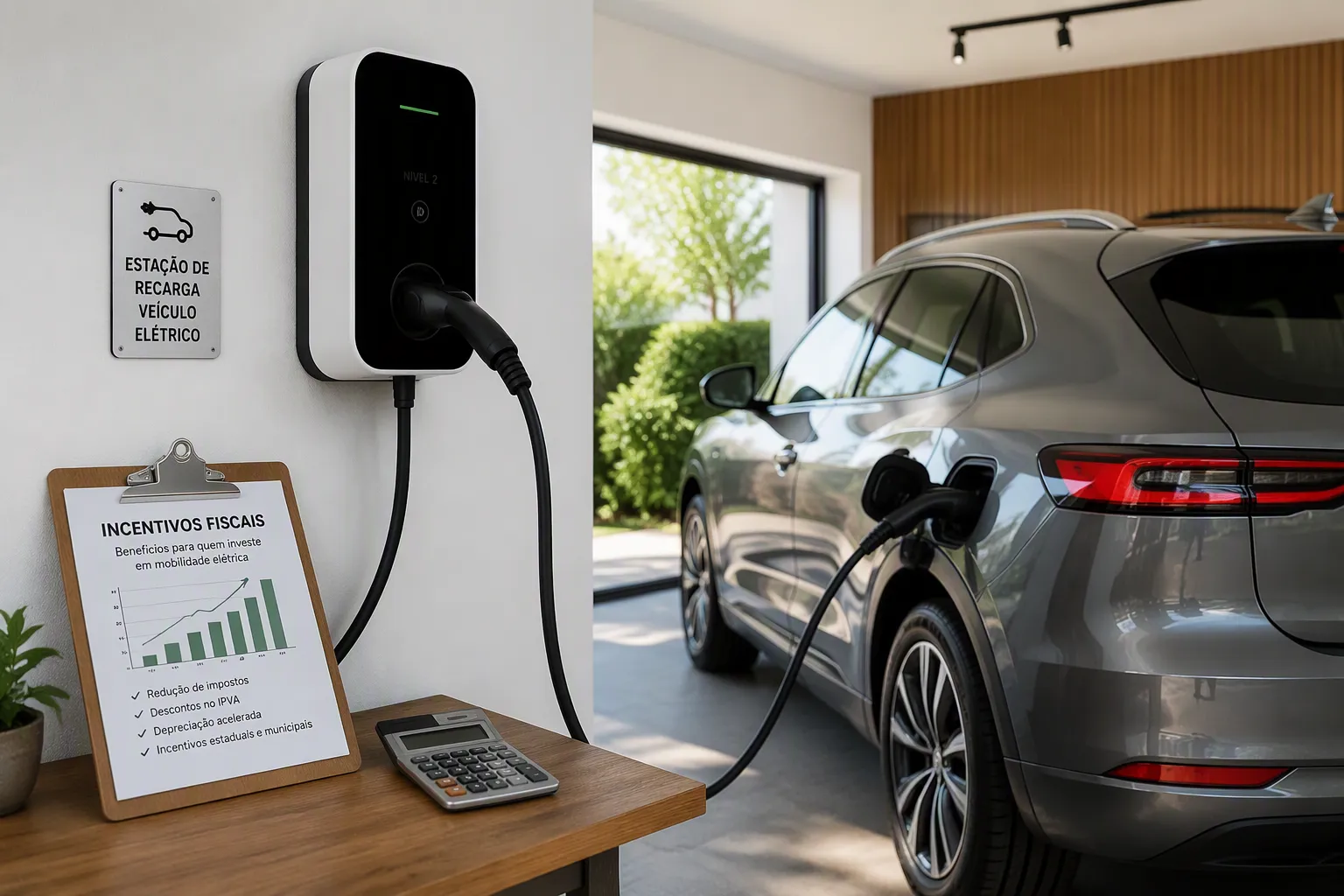
Muitos governos oferecem incentivos para encorajar a mudança para um carro elétrico. Estes incluem apoio financeiro direto, subsídios, benefícios fiscais e descontos em novos veículos elétricos — por vezes até £3.750 para modelos elegíveis. As empresas que investem em frotas ecológicas podem aceder a subsídios e benefícios fiscais adicionais. Estes incentivos reduzem o custo total de posse e tornam os carros elétricos mais atrativos tanto para indivíduos como para empresas.
Dica: Os condutores podem maximizar as poupanças pesquisando os subsídios disponíveis e escolhendo a melhor forma de carregar um carro elétrico, como utilizar soluções de carregamento doméstico de fornecedores como a TPSON.
Outros Custos de Posse
Diferenças no Seguro
O seguro para carros elétricos pode custar mais do que para modelos a gasolina ou diesel. Peças especializadas, especialmente baterias, são caras para reparar ou substituir. Isto aumenta os custos das indemnizações em até 25%. As seguradoras também requerem técnicos especializados e tecnologia avançada, o que aumenta os prémios. À medida que mais pessoas escolhem carros elétricos, espera-se que a diferença nos seguros diminua.
Valor de Revenda e Depreciação
A depreciação afeta todos os veículos, mas os carros elétricos podem perder até 50% do seu valor no primeiro ano. Por exemplo, modelos como o Ford Mustang Mach-E e o Polestar 2 registaram quedas de mais de 50%. No entanto, a procura por carros elétricos usados está a aumentar, especialmente para marcas premium. O estado da bateria e o histórico de manutenção Desempenham um papel fundamental no valor de revenda. Escolher a melhor forma de carregar um carro elétrico e seguir práticas adequadas de carregamento pode ajudar a manter a saúde da bateria e proteger o valor de revenda.
Nota: A TPSON oferece soluções avançadas de carregamento que ajudam os condutores a gerir o carregamento de forma eficiente, apoiando a saúde da bateria a longo prazo e maximizando o valor dos carros elétricos.
Carregar um veículo elétrico é geralmente mais barato do que abastecer com gasolina, embora mudanças recentes no mercado tenham tornado os custos de carregamento menos previsíveis.. Fatores individuais influenciam se o carregamento permanece mais barato, incluindo hábitos de condução, preços locais de energia e a escolha entre carregamento doméstico ou público. Os condutores podem maximizar a poupança carregando em casa e durante horas de vazio.. A tabela abaixo destaca benefícios a longo prazo que tornam os veículos elétricos mais baratos de possuir:
| Tipo de prestação | Descrição |
|---|---|
| Redução de Emissões de CO2 | Os veículos elétricos resultam em até 60% menos emissões de CO2 durante o seu ciclo de vida. |
| Poupança de Custos Operacionais | A mudança para veículos elétricos pode poupar quantias consideráveis em combustível e manutenção. |
| Menor custo total de propriedade | Apesar de custos iniciais mais elevados, os veículos elétricos são mais baratos de carregar e manter. |
FAQ
Quanto custa carregar um veículo elétrico em casa?
A maioria dos condutores paga entre €7 e €32 por uma carga completa em casa. O custo exato depende das tarifas locais de eletricidade e do tamanho da bateria. Carregar à noite com tarifas de vazio pode reduzir as despesas.
As estações de carregamento públicas são mais caras do que o carregamento doméstico?
Sim. As estações de carregamento públicas custam frequentemente duas a três vezes mais do que o carregamento doméstico. Manutenção, infraestrutura e impostos mais elevados aumentam o preço por quilowatt-hora em locais públicos.
Como é que os preços da gasolina afetam a comparação de custos com veículos elétricos?
Os preços da gasolina flutuam frequentemente. Quando os preços da gasolina sobem, a vantagem de custo dos veículos elétricos aumenta. Tarifas de eletricidade estáveis ajudam os proprietários de VE a prever as suas despesas de carregamento com mais precisão.
Os veículos elétricos requerem menos manutenção do que os carros a gasolina?
Os veículos elétricos têm menos peças móveis. Não necessitam de mudanças de óleo ou reparações do sistema de escape. A maioria dos proprietários gasta 30–50% menos em manutenção em comparação com veículos a gasolina.
O que acontece se a bateria de um VE precisar de ser substituída?
A substituição da bateria pode custar entre €4.000 e €10.000. A maioria dos novos veículos elétricos inclui garantias que cobrem a bateria por pelo menos oito anos ou 100.000 milhas, reduzindo o risco financeiro.
Existem incentivos governamentais para a compra de veículos elétricos?
Muitos governos oferecem incentivos como créditos fiscais, subsídios e reembolsos. Estes programas reduzem o custo inicial dos veículos elétricos e incentivam escolhas de transporte ecológicas.
Carregar um VE demora mais tempo do que abastecer com gasolina?
Carregar um VE geralmente demora mais tempo do que reabastecer um carro a gasolina. O carregamento doméstico pode levar várias horas. Os carregadores rápidos reduzem os tempos de espera, mas custam mais. Planear com antecedência ajuda os condutores a evitar inconvenientes.
Os veículos elétricos podem poupar dinheiro a longo prazo?
Os veículos elétricos frequentemente poupam dinheiro aos proprietários ao longo do tempo. Custos mais baixos de combustível e manutenção compensam os preços de compra mais elevados. Muitos condutores observam poupanças significativas dentro de alguns anos de propriedade.