
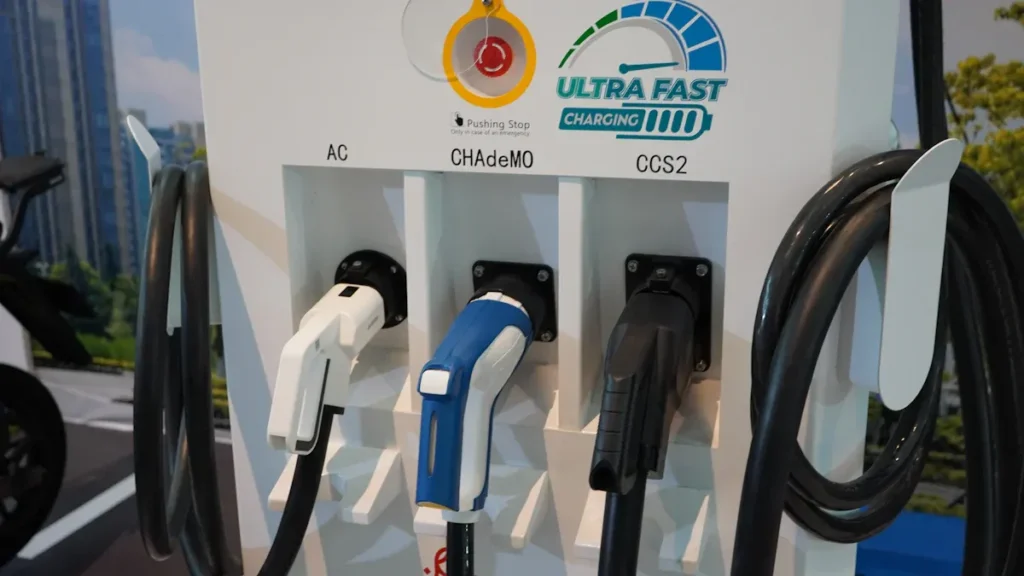

يجد العديد من السائقين أن شحن مركبة كهربائية أرخص من تعبئتها بالوقود، خاصة عند استخدام الشحن المنزلي. حلول شحن السيارات الكهربائية أو شواحن السيارات الكهربائية المحمولة. تظل أسعار الكهرباء مستقرة عادةً، بينما يمكن أن تتغير أسعار الوقود بسرعة. وفقًا للبيانات الحديثة، فإن تشغيل المركبات الكهربائية أرخص بكثير. يوضح الجدول أدناه التكاليف السنوية لكل نوع من أنواع المركبات:
| نوع المركبة | التكلفة السنوية (10,000 ميل) | التوفير مقارنة بالبنزين |
|---|---|---|
| مركبة البنزين | £1,209 | غير متاح |
| مركبة كهربائية | £174 | £1,035 |
غالبًا ما يستفيد مالكو المركبات الكهربائية من تكاليف أقل مع شاحن السيارة الكهربائية, المناسب، ويواصل العديد الشركات المصنعة لشاحن السيارة الكهربائية الابتكار من أجل شحن أكثر كفاءة. تعتمد النفقات الفعلية على أسعار الكهرباء المحلية، وأسعار البنزين، وأسلوب قيادة الشخص.
الشحن أرخص: مقارنة التكلفة

تكلفة شحن مركبة كهربائية
تكاليف الشحن المنزلي
يظل الشحن المنزلي هو الطريقة الأكثر اقتصادًا لشحن السائقين لمركباتهم الكهربائية. تختلف تكلفة شحن مركبة كهربائية في المنزل في الولايات المتحدة بناءً على حجم البطارية وأسعار الكهرباء المحلية. يدفع معظم المالكين ما بين 7 دولارات و32 دولارًا لشحن كامل. يعكس هذا النطاق الواسع الاختلافات في موديلات المركبات وأسعار الطاقة الإقليمية. يوفر الشحن المنزلي الراحة ويسمح للسائقين بالاستفادة من أسعار الكهرباء المنخفضة أثناء الليل. يختار العديد الشحن المنزلي لأنه أرخص وأكثر قابلية للتنبؤ من الخيارات الأخرى.
- يتراوح متوسط تكلفة شحن مركبة كهربائية في المنزل بين 7 دولارات و32 دولارًا.
- يوفر الشحن المنزلي أقل تكلفة لكل ميل لمعظم مالكي المركبات الكهربائية.
- يقلل الشحن المنزلي أيضًا من الاعتماد على نقاط الشحن العامة، والتي يمكن أن تكون أكثر تكلفة.
تكاليف محطة الشحن العامة
توفر محطات الشحن العامة مرونة للسائقين الذين يسافرون لمسافات طويلة أو لا يتمتعون بإمكانية الوصول إلى الشحن المنزلي. ومع ذلك، فإن تكلفة شحن مركبة كهربائية في نقاط الشحن العامة أعلى عمومًا منها في المنزل. ارتفعت تكاليف الشحن العام بنسبة 11٪ في عام 2023، مما جعلها أكثر تكلفة بثلاث مرات من الشحن المنزلي. تأتي التكاليف الأعلى في محطات الشحن العامة من الصيانة المستمرة، واستثمارات البنية التحتية، ومعدل ضريبة القيمة المضافة الأعلى البالغ 20٪, ، مقارنة بمعدل 5٪ للكهرباء المنزلية.
| نوع الشاحن | التكلفة لكل كيلووات/ساعة |
|---|---|
| الشحن العام السريع/فائق السرعة | 81 بنس |
| الشحن العام البطيء/السريع | 55p |
| الصفحة الرئيسية | 27 بنس* |
- يمكن أن تتقلب تكاليف الشحن العام بناءً على الموقع وسرعة الشاحن.
- يستخدم العديد من السائقين نقاط الشحن العامة فقط عند الضرورة لتجنب التكاليف الأعلى.
الشحن السريع مقابل الشحن من المستوى 2
تقدم محطات الشحن السريع، الموجودة غالبًا على طول الطرق السريعة، دفعة سريعة لبطارية المركبة الكهربائية. تقلل هذه الشواحن أوقات الانتظار ولكنها تأتي بتكاليف أعلى. الشحن من المستوى 2، الشائع في المنزل وبعض الأماكن العامة، يعمل بمعدل أبطأ ولكنه يظل أرخص بكثير. سيشهد السائقون الذين يعتمدون على الشحن السريع للاستخدام اليومي تكاليف إجمالية أعلى مقارنة بأولئك الذين يستخدمون بشكل أساسي الشحن المنزلي أو شواحن المستوى 2 العامة. يمكن أن يحدث اختيار طريقة الشحن المناسبة فرقًا كبيرًا في التكلفة الإجمالية لشحن مركبة كهربائية.
تكلفة تعبئة سيارة تعمل بالوقود
متوسط أسعار الوقود الوطنية
تتغير أسعار البنزين في الولايات المتحدة بشكل متكرر بسبب ظروف السوق والضرائب والاختلافات الإقليمية. غالبًا ما يتراوح متوسط السعر الوطني للبنزين العادي بين 3 دولارات و4 دولارات للغالون. تجعل هذه التقلبات من الصعب على السائقين التنبؤ بالنفقات الشهرية للوقود.
كفاءة الوقود النموذجية (أميال لكل غالون)
تحقق معظم السيارات التي تعمل بالوقود ما بين 25 و40 ميلاً لكل غالون (أميال لكل غالون)، اعتمادًا على الموديل وظروف القيادة. تميل السيارات المدمجة إلى تقديم كفاءة وقود أفضل، بينما تستهلك المركبات الأكبر حجمًا وسيارات الدفع الرباعي وقودًا أكثر لكل ميل. تؤثر كفاءة الوقود بشكل مباشر على التكلفة لكل ميل للسيارات التي تعمل بالوقود.
التكلفة لكل ميل لسيارات الوقود
تعتمد التكلفة لكل ميل لسيارات الوقود على كل من كفاءة الوقود وأسعار الوقود الحالية. على سبيل المثال، تبلغ تكلفة سيارة البنزين التي يبلغ متوسط استهلاكها 40 ميلاً لكل غالون حوالي 15 بنسًا لكل ميل، بينما تبلغ تكلفة سيارة الديزل التي يبلغ متوسط استهلاكها 50 ميلاً لكل غالون حوالي 13 بنسًا لكل ميل. تسلط هذه الأرقام الضوء على تأثير نوع المركبة وأسعار الوقود على التكلفة الإجمالية للملكية.
مقارنة التكلفة جنبًا إلى جنب
التكلفة لكل ميل: المركبة الكهربائية مقابل سيارة الوقود
توفر المركبات الكهربائية باستمرار تكلفة أقل لكل ميل مقارنة بسيارات الوقود التقليدية. تتراوح التكلفة لكل ميل للموديلات الكهربائية الشهيرة، مثل فولكس فاجن ID.3 وتيسلا موديل 3 لونج رينج، من 6.4 بنس إلى 6.7 بنس. في المقابل، تتراوح تكلفة سيارات البنزين والديزل عادةً بين 13 بنسًا و15 بنسًا لكل ميل. يحافظ الشحن المنزلي على التكلفة لكل ميل للمركبات الكهربائية عند الطرف الأدنى من هذا النطاق، بينما يمكن أن يزيدها الشحن العام.
| طراز المركبة | مجموعة نقل الحركة | التكلفة لكل ميل |
|---|---|---|
| فولكس واجن ID.3 | كهربائي | 6.7p |
| فورد فوكس | الديزل | 11.4 بنس |
| تيسلا موديل 3 لونج رينج | كهربائي | 6.4 بنس |
| بي إم دبليو الفئة 3 PHEV | هجين بنزين قابل للشحن | 10.6 بنس |
| سيارة بنزين (40 ميلاً لكل غالون) | بنزين | 15 بنس |
| سيارة ديزل (50 ميلاً لكل غالون) | الديزل | 13 بنس |
| مركبة كهربائية (الشحن المنزلي) | كهربائي | 7 بنس – 27 بنس |

تقديرات التكلفة الشهرية والسنوية
تظل تكلفة شحن مركبة كهربائية أقل بكثير من تكلفة تزويد سيارة وقود بالوقود بمرور الوقت. بالنسبة للسائق الأمريكي العادي، تصل تكاليف الوقود السنوية لسيارة هوندا HR-V التي تعمل بالوقود إلى 1,431 دولارًا. في المقابل، توفر سيارة شيفروليه بولت EUV الكهربائية للمالك 1,431 دولارًا بالكامل كل عام. وفقًا لدراسة أجرتها Consumer Reports في عام 2020، فإن سائقي المركبات الكهربائية save about 60% on fuel costs annually compared to gas car drivers.
- EV drivers experience substantial savings on monthly and yearly fuel costs.
- The cost of charging an electric vehicle stays more stable than gasoline prices.
Summary Table of Costs
| نوع المركبة | Cost per Year (Fuel) | Annual Savings Compared to Gas Car |
|---|---|---|
| Gas-Powered (Honda HR-V) | $1,431 | غير متاح |
| Electric (Chevy Bolt EUV) | غير متاح | $1,431 |
Note: The cost of charging an electric vehicle depends on charging habits, local electricity rates, and the use of public charging points. Home charging offers the most consistent and cheaper rates for most drivers.
Factors Affecting Cost: Why Electric Cars Cheaper to Run
Electricity Rates and Charging Methods
Regional Electricity Price Differences
Electricity prices vary widely across regions, directly impacting the cost of charging an electric vehicle. In some states, the electricity cost per kwh remains low, making home charging more affordable. In other areas, higher electricity rates can increase the total cost of ownership. Utility companies may offer special rates or incentives for EV owners, further reducing electricity expenses. The table below highlights how regional differences affect both electric and gasoline vehicles:
| العامل | السيارات الكهربائية (EVs) | Internal Combustion Engine (ICE) Vehicles |
|---|---|---|
| Cost per Mile/Kilometre | Generally lower due to higher energy efficiency | Typically higher due to fuel costs |
| Electricity Rates | Varies by location and time of day | غير متاح |
| Special Rates/Incentives | Available from some utility companies | غير متاح |
Time-of-Use Rates and Charging at Night
Many electricity providers offer time-of-use rates, allowing EV owners to charge their vehicles during off-peak hours when electricity costs less. By scheduling charging sessions at night, drivers can significantly lower their electricity bills. Smart chargers make it easy to program charging times, helping users optimize their electricity usage and reduce overall costs. Charging at night not only saves money but also supports efficient energy use.
- EV owners can program chargers for off-peak hours to access lower electricity rates.
- Charging during these periods leads to substantial savings on electricity costs.
- Smart tariffs can reduce the cost per mile to under 3p for some users.
الشحن المنزلي مقابل الشحن العام
Charging at home remains the most cost-effective method for most EV owners. Dedicated home chargers provide faster and more efficient charging compared to standard sockets. Charging a medium-sized electric car at home typically costs about half as much as filling up a petrol vehicle. Public charging stations, while convenient for long trips, often have higher electricity rates and can make the cost of charging similar to gasoline costs.
- Home charging can cost around 8p per mile, while petrol vehicles range from 13p to 17p per mile.
- Public charging costs are generally higher due to infrastructure and maintenance fees.
Gas Prices and Vehicle Efficiency
Fluctuating Gas Prices
Gasoline prices change frequently, affecting the cost per mile for drivers. When gas prices rise, the cost of operating a gasoline vehicle increases. This volatility makes it difficult for drivers to predict monthly fuel expenses.
Impact of Vehicle Type and MPG
Vehicle efficiency plays a crucial role in determining fuel costs. Cars with higher miles per gallon (MPG) use less fuel, lowering the cost per mile. However, even with efficient vehicles, gasoline costs often remain higher than electricity costs for EVs.
Driving Habits and Fuel Economy
Driving behavior also influences fuel economy. Aggressive driving, frequent stops, and high speeds can increase fuel consumption. While more efficient vehicles may encourage longer trips, studies show that most households do not drive significantly more after switching to fuel-efficient cars.
Regional Differences in Cost
Urban vs. Rural Charging and Fueling Costs
Urban areas often have higher electricity rates and more public charging stations, but may resist expanding infrastructure to promote public transport. Rural regions may face limited access to charging points, increasing reliance on home charging or gasoline vehicles.
State Taxes and Incentives
State taxes and incentives can greatly affect the total cost of owning an electric vehicle. Some states offer grants, rebates, or road tax exemptions, making EVs more affordable. These incentives help offset the higher upfront price of electric cars.
Governments are promoting electric vehicle adoption through various incentives, such as grants that reduce purchase prices and road tax exemptions, leading to significant long-term savings لمالكي السيارات الكهربائية.
Availability of Charging Infrastructure
The availability of charging infrastructure shapes the convenience and cost of EV ownership. In regions with limited public charging stations, drivers may experience range anxiety or prefer gasoline vehicles for long trips. Urban resistance to new infrastructure and concerns about charging times can slow EV adoption.
- The transition to EVs is increasing among those without home charging options, highlighting the need for more public charging stations.
- Range anxiety and charging time concerns remain barriers for some drivers.
Real-World Cost Examples: Cheaper to Charge or Fill Up?

Example Calculation for a Typical Electric Vehicle
Cost to Drive 1,000 Miles in an EV
Electric vehicles offer significant savings when drivers compare the cost to drive 1,000 miles. Charging at home remains the most economical option. For example, using Good Energy rates, the cost per mile for home charging is just 1.4p. EDF customers pay slightly more at 1.8p per mile. Public charging, especially at ultra-rapid stations, increases the cost to 17p per mile. Over 1,000 miles, home charging can total as little as £13.50, while public charging may reach £170.
| طريقة الشحن | التكلفة لكل ميل | Total Cost for 1,000 Miles |
|---|---|---|
| Home Charging (Good Energy) | 1.4p | £13.50 |
| Home Charging (EDF) | 1.8p | £18 |
| Public Charging (Ultra Rapid) | 17p | £170 |
Tip: Drivers who rely on home charging for their electric vehicles can keep their cost per mile extremely low, making EV ownership much cheaper over time.
الشحن في المنزل مقابل الشحن في المحطات العامة
Charging at home provides the lowest cost for most EV owners. Public charging stations, while convenient, often result in higher expenses. For 10,000 miles, home charging can cost around £135, while public charging may total £190. The difference in charging cost highlights why many drivers prefer to install a home charger. EV owners who use off-peak rates can reduce their cost even further, sometimes paying as little as £22.50 for 1,000 miles.
Example Calculation for a Typical Gas Car
Cost to Drive 1,000 Miles in a Gas Car
The cost to drive 1,000 miles in a gas car depends on fuel efficiency. Drivers with cars achieving 50 mpg save over £100 compared to those with 30 mpg vehicles. On average, a petrol car will cost between £120 and £150 for 1,000 miles, depending on current fuel prices and vehicle efficiency.
Impact of Different Gas Prices
Gas prices fluctuate, which affects the total cost for drivers. When gas prices rise, the cost to operate petrol cars increases. In some cases, public charging for electric vehicles can approach or even exceed the cost of fueling a gas car, especially when using ultra-rapid chargers. However, most EV owners still find charging at home much cheaper than filling up with gas.
Comparing the Results: Which Is Cheaper?
Total Cost Difference Over a Year
Annual cost comparisons show a clear advantage for electric vehicles. The average EV owner spends about £700 per year on charging, while petrol car owners pay around £1,500 for fuel.
| نوع المركبة | التكلفة الشهرية | التكلفة السنوية |
|---|---|---|
| مركبة كهربائية | £58.33 | £700 |
| سيارة بنزين | £125 | £1,500 |
Break-Even Points for EV Ownership
Electric vehicles often have a higher upfront purchase cost, but lower charging and maintenance costs help drivers save money over time. Many EV owners can save up to £1,500 annually on fuel alone. Lower maintenance costs add to these savings. Over the life of the vehicle, the total cost for electric cars can be lower than for petrol or diesel cars.
| Cost Factor | Electric Vehicle (EV) | يقطع السائق العادي حوالي 13,500 ميل سنويًا. يمكننا توقع تكلفة الوقود على مدى خمس سنوات بناءً على سيناريوهات الـ 100 ميل. |
|---|---|---|
| Upfront Purchase Cost | أعلى | أقل |
| سيارة كهربائية (شحن منزلي، سنويًا) | Cheaper | أعلى |
| تكاليف الصيانة | أقل | أعلى |
| Total Cost Over Life | Often Lower | أعلى |
Note: When drivers consider depreciation and long-term savings, electric cars become a much cheaper option for many households.
Additional Considerations Beyond Cost
Maintenance and Long-Term Savings: Are Electric Cars Cheaper to Run?
Lower Maintenance Costs for EVs
Electric cars cheaper to run offer significant maintenance savings compared to traditional petrol or diesel cars. They have fewer moving parts, which means less wear and tear. No oil changes or exhaust repairs are required. Over a typical ownership period, electric vehicles can be 30–50% cheaper to maintain. The table below highlights the difference:
| نوع المركبة | متوسط تكلفة الصيانة | فرق التكلفة |
|---|---|---|
| مركبة كهربائية | £165 | -24% |
| مركبة تعمل بالبنزين | Over £200 | غير متاح |
These lower costs make switching to an electric car a smart financial decision for many drivers. Over a vehicle’s lifetime, the savings can reach thousands of pounds, making electric cars cost-effective in the long run.
Battery Replacement and Warranties
Battery replacement represents one of the highest potential costs for electric vehicles. Replacement prices can range from £4,000 for models like the Nissan Leaf to over £10,000 for luxury brands. However, most new electric cars include a battery warranty for at least eight years or 100,000 miles. This coverage reduces the risk of unexpected expenses. Warranties usually cover manufacturing defects but may exclude damage from improper charging. Drivers considering buying an electric car should review warranty terms carefully to maximize long-term savings.
Environmental Impact as a Cost Factor
Emissions and Fuel Costs
Electric vehicles produce انبعاثات العادم الصفرية, which improves air quality in cities and towns. Gasoline cars release carbon pollution, contributing to climate change. Over their lifetime, electric cars have a much lower carbon footprint. The table below compares key features:
| الميزة | السيارات الكهربائية (EVs) | المركبات البنزينية |
|---|---|---|
| Tailpipe Emissions | Zero | عالية |
| Greenhouse Gas Emissions | Significantly Lower | أعلى |
| Annual Fuel Costs | 60% Less | أعلى |
Electric cars convert more energy from the battery into motion, while petrol cars waste most of their energy as heat. Lower fuel costs and reduced emissions make electric cars cheaper to run and better for the environment.
Incentives for Eco-Friendly Vehicles
Many governments offer incentives to encourage switching to an electric car. These include direct financial support, grants, tax breaks, and discounts on new electric vehicles—sometimes up to £3,750 for eligible models. Businesses investing in eco-friendly fleets can access additional grants and tax benefits. These incentives lower the overall cost of ownership and make electric cars more attractive for both individuals and companies.
Tip: Drivers can maximize savings by researching available grants and choosing the best way to charge an electric car, such as using home charging solutions from providers like TPSON.
Other Ownership Costs
Insurance Differences
Insurance for electric cars can cost more than for petrol or diesel models. Specialist parts, especially batteries, are expensive to repair or replace. This increases claims costs by up to 25%. Insurers also require specialist technicians and advanced technology, which raises premiums. As more people choose electric cars, the insurance gap is expected to narrow.
القيمة عند إعادة البيع والاستهلاك
يؤثر الاستهلاك على جميع المركبات، ولكن السيارات الكهربائية قد تفقد ما يصل إلى 50٪ من قيمتها في السنة الأولى. على سبيل المثال، شهدت موديلات مثل فورد موستانج ماخ-إي وبولستار 2 انخفاضًا بأكثر من 50٪. ومع ذلك،, فإن الطلب على السيارات الكهربائية المستعملة آخذ في الارتفاع, خاصةً فيما يتعلق بالعلامات التجارية الفاخرة. تلعب حالة البطارية وسجل الصيانة دورًا رئيسيًا في تحديد القيمة عند إعادة البيع. يمكن أن يساعد اختيار أفضل طريقة لشحن السيارة الكهربائية واتباع ممارسات الشحن الصحيحة في الحفاظ على صحة البطارية وحماية القيمة عند إعادة البيع.
ملاحظة: تقدم TPSON حلول شحن متطورة تساعد السائقين على إدارة الشحن بكفاءة، مما يدعم صحة البطارية على المدى الطويل ويعظم قيمة السيارات الكهربائية.
عادةً ما يكون شحن السيارة الكهربائية أرخص من تعبئتها بالبنزين، على الرغم من أن التغيرات الأخيرة في السوق جعلت تكاليف الشحن أقل قابلية للتنبؤ. تؤثر العوامل الفردية على ما إذا كان الشحن يظل أرخص، بما في ذلك عادات القيادة، وأسعار الطاقة المحلية، والاختيار بين الشحن المنزلي أو العام. يمكن للسائقين تعظيم التوفير من خلال الشحن في المنزل وأوقات الذروة المنخفضة. يسلط الجدول أدناه الضوء على الفوائد طويلة المدى التي تجعل امتلاك السيارات الكهربائية أرخص تكلفة:
| نوع المنفعة | الوصف |
|---|---|
| خفض انبعاثات ثاني أكسيد الكربون | تؤدي السيارات الكهربائية إلى انخفاض انبعاثات ثاني أكسيد الكربون بنسبة تصل إلى 60٪ خلال دورة حياتها. |
| توفير تكاليف التشغيل | يمكن أن يوفر التحول إلى السيارات الكهربائية مبالغ كبيرة في التزود بالوقود والصيانة. |
| انخفاض التكلفة الإجمالية للملكية | على الرغم من ارتفاع التكاليف المبدئية، فإن شحن وصيانة السيارات الكهربائية أرخص. |
الأسئلة الشائعة
ما هي تكلفة شحن السيارة الكهربائية في المنزل؟
يدفع معظم السائقين ما بين 7 و32 جنيهًا إسترلينيًا لشحن كامل في المنزل. تعتمد التكلفة الدقيقة على أسعار الكهرباء المحلية وحجم البطارية. يمكن أن يقلل الشحن ليلاً بأسعار الذروة المنخفضة من النفقات.
هل محطات الشحن العامة أغلى من الشحن المنزلي؟
نعم. غالبًا ما تكلّف محطات الشحن العامة ضعف إلى ثلاثة أضعاف تكلفة الشحن المنزلي. تزيد الصيانة والبنية التحتية والضرائب الأعلى من السعر لكل كيلوواط/ساعة في المواقع العامة.
كيف تؤثر أسعار البنزين على مقارنة التكلفة مع السيارات الكهربائية؟
تتقلب أسعار البنزين بشكل متكرر. عندما ترتفع أسعار البنزين، تزيد الميزة التكلفية للسيارات الكهربائية. تساعد أسعار الكهرباء المستقرة مالكي السيارات الكهربائية على التنبؤ بنفقات الشحن بدقة أكبر.
هل تتطلب السيارات الكهربائية صيانة أقل من سيارات البنزين؟
تحتوي السيارات الكهربائية على أجزاء متحركة أقل. فهي لا تحتاج إلى تغيير الزيت أو إصلاح العادم. ينفق معظم المالكين أقل بنسبة 30–50٪ على الصيانة مقارنةً بمركبات البنزين.
ماذا يحدث إذا احتاجت بطارية السيارة الكهربائية إلى الاستبدال؟
يمكن أن تتراوح تكلفة استبدال البطارية بين 4000 و10000 جنيه إسترليني. تتضمن معظم السيارات الكهربائية الجديدة ضمانات تغطي البطارية لمدة ثماني سنوات على الأقل أو 100,000 ميل، مما يقلل المخاطر المالية.
هل هناك حوافز حكومية لشراء السيارات الكهربائية؟
تقدم العديد من الحكومات حوافز مثل الاعتمادات الضريبية والمنح وبرامج استرداد النقود. تخفض هذه البرامج التكلفة المبدئية للسيارات الكهربائية وتشجع خيارات النقل الصديقة للبيئة.
هل يستغرق شحن السيارة الكهربائية وقتًا أطول من تعبئتها بالبنزين؟
عادةً ما يستغرق شحن السيارة الكهربائية وقتًا أطول من إعادة تزويد سيارة البنزين بالوقود. يمكن أن يستغرق الشحن المنزلي عدة ساعات. تقلل الشواحن السريعة أوقات الانتظار ولكنها تكلف أكثر. تساعد التخطيط المسبق السائقين على تجنب الإزعاج.
هل يمكن للسيارات الكهربائية توفير المال على المدى الطويل؟
غالبًا ما توفر السيارات الكهربائية المال لمالكيها مع مرور الوقت. تعوض تكاليف الوقود والصيانة المنخفضة أسعار الشراء الأعلى. يلاحظ العديد من السائقين توفيرًا كبيرًا خلال بضع سنوات من الملكية.




