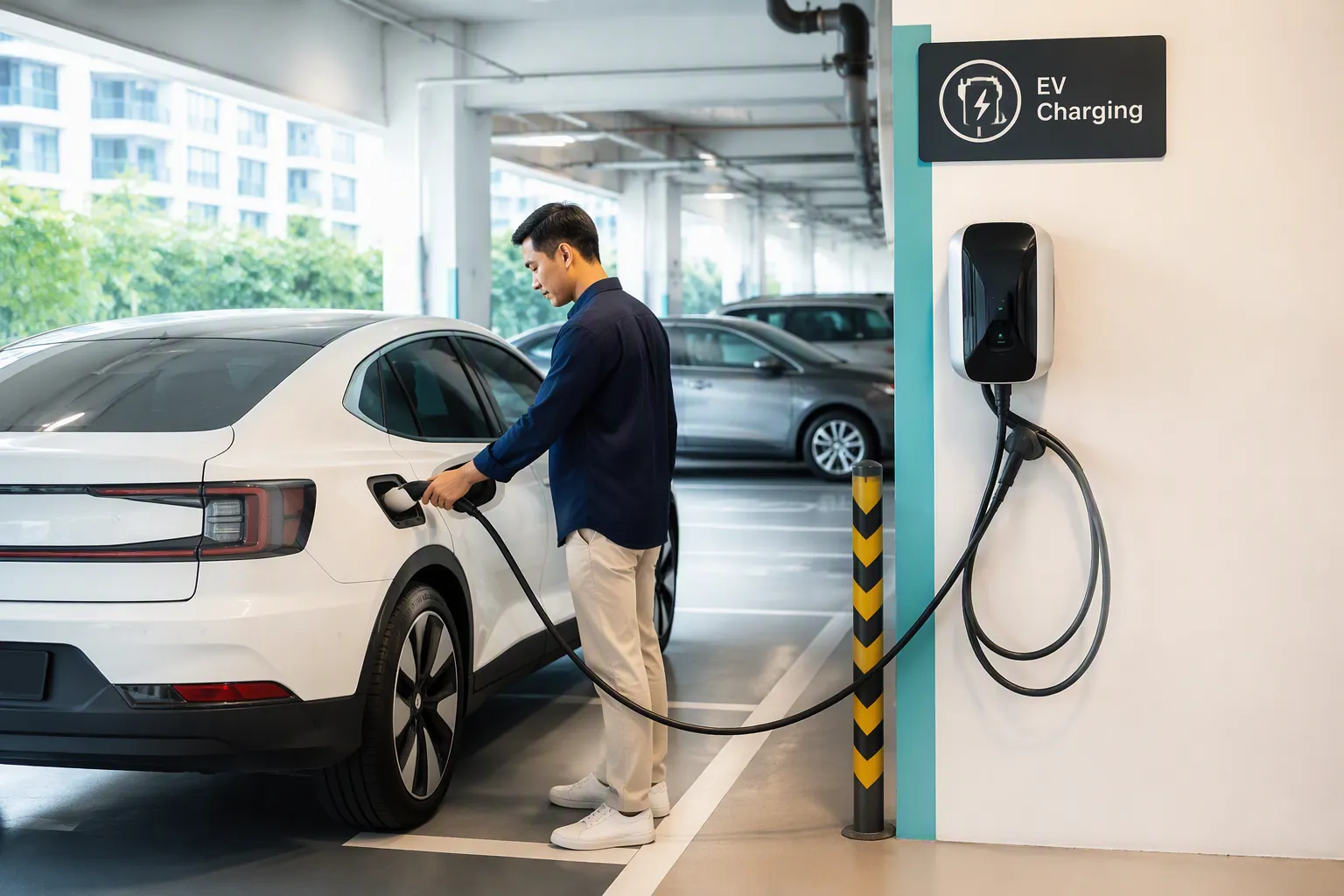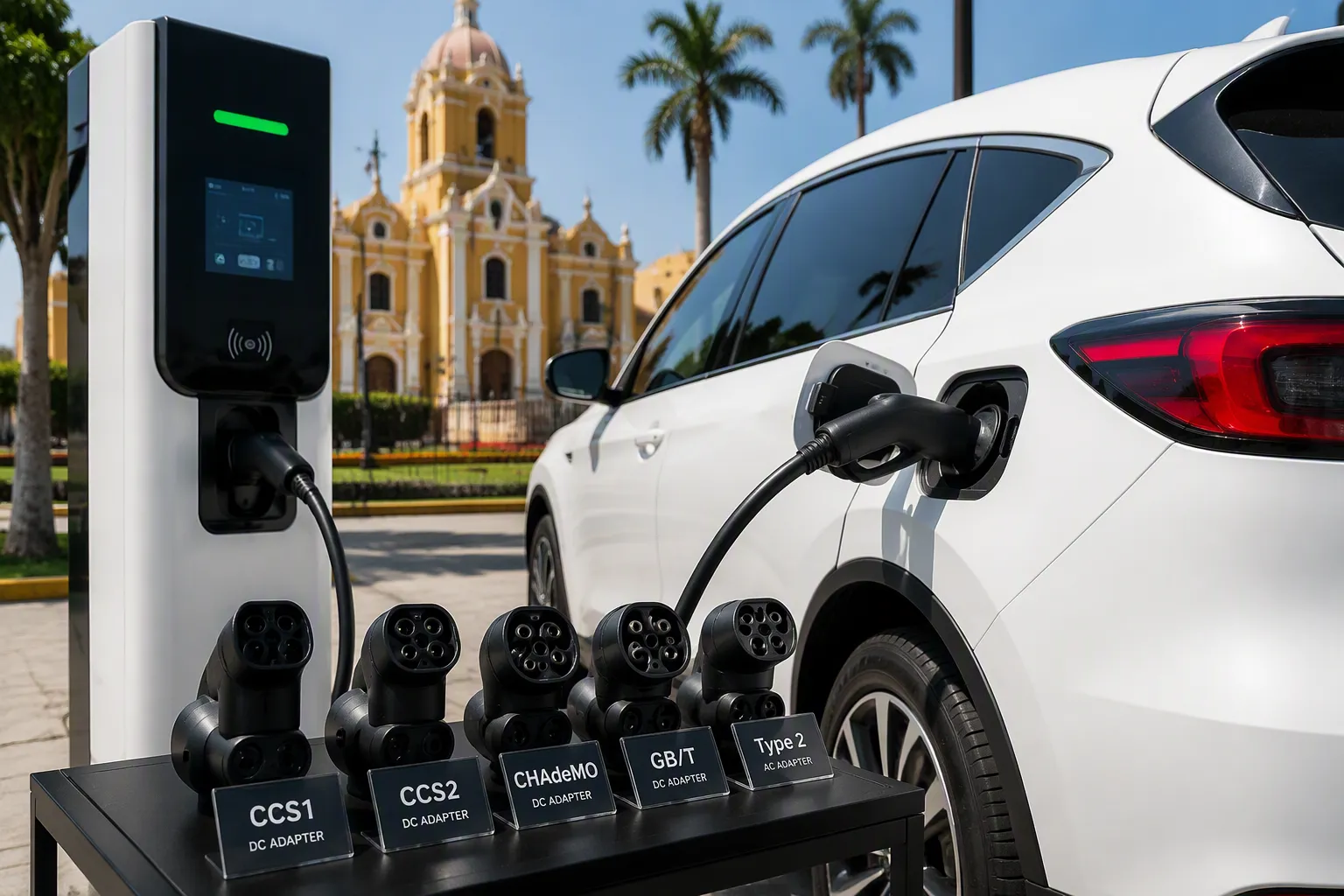
A crucial part of electric vehicle ownership is how to choose best Carregador de veículos eléctricos for your home. An EV owner must assess the total cost, which includes the charger hardware and professional installation. The best home ev charger often has smart features for efficient EV charging. A proper home installation ensures safe charging for the electric EV. This home EV charger is a key investment for any EV, and this charger completes the charging ecosystem for an EV at home, making this charger the center of home charging.
Dica profissional: Fabricantes de carregadores para veículos eléctricos like TPSON provide a range of advanced Soluções de carregamento de veículos eléctricos. Their options vary from a powerful home EV charger to flexible carregadores portáteis para veículos eléctricos, simplifying the transition.
Step 1: Assess Your Primary EV Charging Location

An EV owner’s primary charging location dictates the type of charger and installation process required. The needs for a home in a suburb differ greatly from those for an apartment in a city center. Understanding these differences is the first step toward a seamless charging experience.
Single-Family Home (Single-Family Home)
The Convenience of a Dedicated Charger
Owners of single-family homes enjoy the greatest convenience. A dedicated home ev charger allows an EV driver to start each day with a full battery. This setup makes overnight charging simple and cost-effective. The home becomes the primary refueling station, eliminating trips to public chargers for daily driving. A personal home ev charger offers unparalleled reliability for every EV.
Checking Your Electrical Panel Capacity
Before any installation, a qualified electrician must assess the home’s main electrical panel (quadro elétrico principal). This professional determines if the existing system can handle the additional load of a home ev charger. An older home might require an upgrade to support the new charger, which impacts the total installation cost. This check is a non-negotiable safety measure for any home charger installation.
Ideal Installation Spots (Garage vs. Carport)
The two most common installation spots at a home are the garage and the carport.
- Garage: An installation in a garage protects the charger and the EV from weather. It often provides the easiest access to the home electric panel.
- Carport: A carport installation is also a great option. It keeps the charging area sheltered. The owner must ensure the chosen charger has adequate weatherproofing for this type of installation.
Apartment or Shared Building (Apartment or Shared Building)
Your Legal Right to a Charger (WEMoG)
Germany’s Modernization of Residential Property Act (WEMoG) gives tenants and apartment owners the legal right to request the installation of a charger. Property management or the owners’ association generally cannot refuse the request without a significant reason. This law empowers EV owners living in shared buildings.
Approaching Property Management (Property Management)
An EV owner should present a clear plan to their property management (Property Management). This plan should include the desired charger model and a quote from a certified installer. A cooperative approach often leads to a faster approval for the home ev charger. Clear communication is key to a successful charging installation in a shared home environment.
Models for Shared Costs and Load Management
When multiple residents want a charger, the building needs a smart solution. Dynamic load management systems prevent overloading the building’s power supply. These systems distribute available power intelligently across all active home charging stations. This technology is a core feature of advanced solutions from providers like TPSON, ensuring every EV gets its required charging without disrupting the home grid.
Workplace Charging as a Primary Option
Leveraging Employer-Provided Benefits
Some employers offer workplace EV charging as a benefit. This can significantly reduce an employee’s charging costs. An EV can recharge during the workday, making it a practical alternative to a home ev charger. This option is especially valuable for drivers with long commutes.
Requesting a Charger from Your Employer
Employees can formally request a charger installation at their workplace. They can frame the request as a benefit for the company. Offering an EV charger helps businesses achieve sustainability goals and attract top talent. It shows the company is forward-thinking and supports its employees’ transition to electric mobility.
Relying Solely on Public Charging
For some drivers, a dedicated home charger is not feasible. Relying on Germany’s public network is a workable alternative in specific situations. This approach requires careful planning and an understanding of the associated costs and logistics.
When Public EV Charging is a Viable Strategy
A public-only charging strategy can succeed for certain lifestyles. Urban residents without a dedicated parking space often find this to be their only option. The extensive network of public stations in German cities makes this approach practical. An EV driver with a short daily commute or infrequent driving habits may not need the daily convenience of a home unit. This strategy is most effective for individuals who can integrate charging sessions into their regular routines, such as during grocery shopping or while at the gym.
Dica profissional: An EV owner using public stations should always carry a portable charger, like the flexible models from TPSON. This device provides a crucial backup, allowing for slow charging from a standard outlet at a friend’s house or in an emergency.
This strategy works best for an EV owner who:
- Lives in a city with dense public charging infrastructure.
- Has access to reliable charging at their workplace.
- Drives less than 50 kilometers per day.
Costs and Payment Methods in Germany
Public charging is significantly more expensive than charging an EV at home. The final cost depends on the charging speed and the network provider. Fast DC charging offers speed but comes at a premium, with prices averaging around 81 cents per kilowatt-hour. Slower AC charging is a more economical public option, though specific prices vary widely between operators.
Payment for public ev charging in Germany is handled through several methods. Each has its own process, and an EV driver often needs multiple options for full flexibility.
| Método de pagamento | Descrição |
|---|---|
RFID Cards (Charging Cards) | These cards are tied to a specific provider or roaming network. The driver taps the card on the station to start and stop a charging session. |
| Smartphone Apps | Most charging networks offer dedicated apps. The user finds a station, selects it in the app, and initiates the charging process remotely. |
| Ad-Hoc Payment | German law requires new stations to offer direct payment. This usually involves scanning a QR code to pay with a credit card or digital wallet. |
Understanding these options is essential for any EV owner who depends on the public network for their charging needs.
Step 2: How to Choose the Best EV Charger Power Level (kW)
Selecting the right power level is the most critical technical decision when you choose best ev charger. The power, measured in kilowatts (kW), directly determines the charging speed. An EV owner must balance their daily driving needs, their vehicle’s capabilities, and the German grid regulations for their home. This step ensures the new home ev charger meets expectations without causing issues for the home electrical system.
3.7 kW Charging (Not Recommended)
Emergency Charging with a Standard Household Outlet
Every EV comes with a cable that allows charging from a standard German household outlet (Standard Household Outlet). This method provides about 2.3 kW to 3.7 kW of power. It serves as a useful backup for emergencies or when visiting a location without a dedicated charger. This slow charging method can add a few kilometers of range per hour.
Why This Isn’t a Permanent Solution
Relying on a standard outlet for daily charging is unsafe and inefficient. Household wiring is not designed for the sustained high load an EV requires. This can lead to overheating and creates a significant fire risk at home. The charging speed is also extremely slow, often taking over 24 hours to fully charge an EV battery. For these reasons, it is not a viable long-term solution for a primary home ev charger.
Dica profissional: A high-quality portable charger from a brand like TPSON offers a safer alternative for emergency charging than the basic cable included with an EV. These advanced units often have built-in temperature monitoring for added safety.
11 kW Charging: The German Home Standard
An 11 kW wallbox is the recommended level 2 charger for most homes in Germany. It represents the ideal balance of performance, cost, and grid compatibility for a carregador ev doméstico.
Balancing Speed and Grid Compatibility
An 11 kW charger provides a substantial boost in charging speed compared to a household outlet. It can fully charge most electric vehicles overnight. This power level is also well-tolerated by the local power grid. It does not place excessive strain on the electrical infrastructure of a typical home. This makes it the default choice for a hassle-free installation at home.
The Simple Registration Process (Registration)
German law requires that any home ev charger with a power level up to 11 kW must be registered with the local grid operator (Grid Operator). This process is a simple notification called an Registo. The electrician performing the installation typically handles this paperwork. Approval is not required; the owner simply informs the utility about the new charger. This straightforward process makes installing an 11 kW charger at home very easy.
Typical Charging Times for Popular EVs
The 11 kW charging speed is more than sufficient for overnight charging. An EV owner can plug in their vehicle in the evening and wake up to a full battery. The table below shows estimated times to charge from 20% to 80% for some popular EV models.
| Electric Vehicle (EV) Model | Tamanho da pilha (aprox.) | Estimated Charging Time (20-80%) |
|---|---|---|
| VW ID.4 Pro | 77 kWh | ~4.5 hours |
| Tesla Model Y Long Range | 75 kWh | ~4.2 hours |
| Fiat 500e | 42 kWh | ~2.5 hours |
| Renault Zoe E-Tech | 52 kWh | ~3.0 hours |
22 kW High-Power Charging
A 22 kW charger offers double the power of the 11 kW standard. This level 2 charger provides a faster charging experience but comes with significant regulatory hurdles for a home installation.
Who Benefits from a 22 kW Charger?
A 22 kW home ev charger is beneficial for a small group of users. This includes drivers with very large EV batteries (over 90 kWh) or those who drive exceptionally long distances daily and need a quick top-up at home. To take full advantage, the EV must also have an onboard charger capable of accepting 22 kW AC charging, a feature not all models have.
The Mandatory Approval Process (Mandatory Approval Process)
Unlike an 11 kW unit, a 22 kW charger requires formal approval from the grid operator before installation. This process is called Mandatory Approval Process. The operator will analyze the local grid capacity to determine if it can support the higher load from the charger. There is no guarantee of approval.
Grid Operator (Grid Operator) Requirements
The grid operator may deny the request for a 22 kW level 2 charger if the local infrastructure cannot handle the power demand. They might also approve it with certain conditions, such as requiring a costly upgrade to the home’s connection to the grid. These potential complications and extra costs make the 11 kW charger the more practical and reliable option for the vast majority of home charging needs.
DC Fast Charging (50 kW+)
An EV owner must understand the different charging levels available. While Level 2 charging at home is the daily standard, DC fast charging serves a different, crucial purpose. This ultra-high-power charging is almost exclusively found at public stations and is designed for speed.
Understanding Level 3 Public Charging
DC fast charging, or Level 3 charging, converts AC power to DC power within the station itself before delivering it directly to the EV battery. This process bypasses the car’s slower onboard charger, enabling significantly faster charging speeds. Power levels start at 50 kW and can reach 350 kW or more at ultra-rapid stations. This technology is the backbone of long-distance EV travel.
Germany’s public charging infrastructure, especially along the Autobahn, is robust and continues to expand. This network makes cross-country trips in an EV practical and efficient.
Nota: The term “Level 3” is an informal industry term. The technical standards are CHAdeMO and the Combined Charging System (CCS), with CCS being the dominant standard in Europe.
The German government and private networks like IONITY have invested heavily in building out a reliable DC fast charging network. The goal is to make long-distance EV travel as convenient as refueling a gasoline car.
| Network Aspect | Details on the German Autobahn |
|---|---|
| Total Locations | Over 1,800 charging locations are available. |
| Ultra-Rapid Stations | Mandatory at service areas with high traffic volumes. |
| IONITY Network | Features 400 locations with 350 kW chargers. |
| Typical Session | A charging session often takes only 15-20 minutes. |
| Average Wait Time | Operators maintain queue times below 5 minutes. |
This extensive network ensures that an EV driver can find a high-speed charger with minimal waiting, making road trips a seamless experience.
Use Cases: Road Trips and Quick Top-Ups
DC fast charging is not intended for daily use. Its primary purpose is to facilitate long journeys that extend beyond a single charge of the EV battery.
- Road Trips: During a long drive, a 20-minute stop at a 350 kW DC fast charging station can add hundreds of kilometers of range. This allows drivers to cover vast distances with brief, convenient breaks.
- Quick Top-Ups: For urban drivers who rely on public infrastructure, a quick session at a DC fast charging station can provide a significant battery boost in a short amount of time. This is useful when an unexpected trip arises and there is no time for slower AC charging.
While incredibly fast, frequent use of DC fast charging can degrade an EV battery more quickly than slower AC charging. Therefore, drivers should reserve it for when speed is the top priority.
Step 3: Understanding Your Home EV Charger Options

After determining the right power level, an EV owner must select the physical form of their carregador ev doméstico. The main types of ev chargers for the home are a wallbox with an attached cable, a wallbox with a socket, or a portable charger. Each design offers distinct advantages for different user needs and home setups. Choosing the right one enhances the daily charging experience.
Wallbox with Attached Cable
This is the most common type of home ev charger. The charging cable is permanently fixed to the wallbox unit.
Pros: Maximum Convenience
A tethered charger offers maximum ease of use. The owner simply parks their EV, grabs the cable from its holder, and plugs it into the vehicle. There is no need to retrieve a cable from the car’s trunk for every charging session. This grab-and-go convenience makes it the best home ev charger for users who prioritize speed and simplicity in their daily routine at home.
Cons: Potential for Damage and Less Flexibility
A permanently attached cable is exposed to the elements and potential physical damage. It can be run over or get tangled, leading to costly repairs. This type of charger also offers less flexibility. The fixed cable length might not be ideal for every parking situation at home, and it cannot be easily replaced or upgraded if a different plug type becomes standard in the future.
Wallbox with a Socket
An untethered wallbox features a Type 2 socket instead of a fixed cable. The user connects their own separate charging cable to the charger for each use.
Pros: Flexibility and a Cleaner Look
A socket-only charger provides a clean, minimalist look on the wall of a home or garage. The primary benefit is flexibility. An untethered charger allows users to connect their own cable each time they charge. This is particularly advantageous for a home with multiple EVs that may require different cable lengths. The owner can use the appropriate cable for each vehicle, ensuring a perfect fit every time. A damaged cable is also simple and cheap to replace without needing to service the charger itself.
Cons: Must Provide Your Own Cable
The main drawback is the minor inconvenience of handling the cable for every charging session. The EV owner must store the cable in their car and remember to plug it into both the charger and the EV. This adds an extra step to the charging process at home.
Carregadores portáteis para veículos eléctricos
Portable chargers, also known as Mode 2 charging cables, are not permanently installed. They plug into a standard industrial or domestic socket.
Use Cases for Mobile Charging Solutions
A portable charger is an excellent backup or primary solution for those without a fixed home ev charger. It is perfect for:
- Visiting friends or family who do not own an EV.
- Charging at a holiday home.
- Renters who cannot install a permanent wallbox.
Technologically advanced providers like TPSON offer flexible portable EV chargers that provide a reliable charging option away from a dedicated home station.
Understanding Mode 2 Cables and Safety
Modern portable chargers are engineered with robust safety features. They must adhere to strict German and European regulations to ensure user protection. The integrated In-Cable-Control-Box (ICCB) is the brain of the charger, providing critical safety functions.
Segurança em primeiro lugar: A quality portable charger is certified to multiple standards for maximum safety. Key features include:
These features make a high-quality portable charger a safe and viable tool for EV charging.
Step 4: Essential Charger Features for 2025
Choosing the right home EV charger in 2025 goes beyond power levels. Modern features transform a simple charging device into a powerful tool for energy management. A smart charger offers connectivity, efficiency, and security, making it a crucial component of the modern home. An EV owner should prioritize these advanced capabilities to future-proof their investment and maximize convenience. This technology is what separates a basic charger from a truly intelligent home charging solution.
Smart Connectivity and App Control
A smart home EV charger connects to the internet via Wi-Fi or a cellular network. This connectivity unlocks a suite of powerful features accessible through a smartphone app. It is the foundation of modern, efficient EV charging at home.
Remote Start/Stop and Monitoring
App control gives an EV owner complete command over their charger from anywhere. Users can start or stop a charging session remotely, which is useful if plans change. The app also provides real-time data on the charging status, including the current power level, energy delivered, and estimated time until the EV is full. This monitoring capability offers peace of mind and full transparency into the home charging process.
Scheduling for Off-Peak Electricity Rates
One of the most significant benefits of smart charging is cost savings. Many German utility providers offer variable electricity rates, with lower prices during off-peak hours (usually late at night). A smart charger allows the user to schedule charging sessions to begin automatically when electricity is cheapest. This smart charging technology ensures the EV is always charged at the lowest possible cost without any manual intervention, significantly reducing the overall expense of owning an EV.
Actualizações de software over-the-Air (OTA)
OTA updates are a critical feature for a modern home EV charger. This technology allows the manufacturer to send software improvements and security patches directly to the charger over the internet. This capability ensures the device remains secure and functional for years to come.
Future-Proofing Your Charger: OTA updates are essential for keeping your charger current. This technology delivers:
- Segurança reforçada: Manufacturers can push patches de segurança críticos to protect the charger and your home network from cyber threats.
- New Features: The charger can receive new smart charging functionalities and performance improvements over time, making it feel new for longer.
- Bug Fixes: Any software issues can be resolved quickly and remotely, eliminating the need for a service call or replacement.
This continuous improvement cycle extends the lifespan of the charger and enhances the owner’s experience.
Solar Charging Integration (Solar Charging Integration)
For homeowners with a photovoltaic (PV) solar panel system, integrating it with an EV charger is a game-changer. This setup, known in Germany as Solar Charging Integration, allows an EV to be charged with self-generated, clean energy from the sun.
How to Use Excess Solar Power for Your EV
A smart home EV charger can communicate with the home’s solar energy system. When the solar panels produce more electricity than the home is currently using, the charger automatically directs this surplus power to the EV. This process maximizes the use of free solar energy for charging. The smart charging system intelligently adjusts the charging power to match the available solar surplus, ensuring no clean energy goes to waste.
Maximizing Your Energy Self-Sufficiency
Using solar power for EV charging dramatically increases a household’s energy independence. It reduces reliance on the public grid and protects the owner from rising electricity prices. This synergy between solar panels and an EV transforms the vehicle into a mobile energy storage unit for the home. To achieve this, a home needs specific equipment.
| Componente | Role in Solar EV Charging |
|---|---|
| Painéis solares | Generate DC electricity from sunlight. |
| Inversor | Converts DC electricity to AC for use in the home and for the charger. |
| Carregador VE Inteligente | Communicates with the energy system to manage charging with solar surplus. |
| Energy Meter | Measures the flow of energy between the grid, home, and solar panels. |
This integrated technology creates a highly efficient and sustainable ecosystem within the home.
Gestão dinâmica da carga
Dynamic load management is a crucial smart feature, especially for homes with high electricity consumption or for installations in edifícios de apartamentos. This technology intelligently manages power distribution to prevent electrical overloads.
O Que É e Por Que Pode Precisar Dele
Dynamic load management technology constantly monitors the total electricity usage in a home. If the system detects that the total demand is approaching the limit of the main fuse, it temporarily reduces the power going to the EV charger. This prevents the main breaker from tripping. An owner might need this if they often use other high-power appliances (like an electric stove or a heat pump) at the same time the EV is charging.
Proteger o fusível principal da sua casa
The primary function of dynamic load management is to protect the home’s electrical infrastructure. Without it, running multiple high-draw appliances simultaneously with EV charging could easily overload the circuit and cause a power outage for the entire home. This smart charging feature provides a vital safety net, ensuring the charger operates in harmony with the rest of the household’s electrical system. It is an essential technology for maintaining a stable and safe power supply in a modern, electrified home.
Access Control and Security
Securing a home EV charger is essential, especially for units installed outdoors or in shared spaces like apartment building garages. Access control prevents unauthorized use, ensures accurate billing in multi-user scenarios, and provides peace of mind. Modern chargers offer sophisticated security features that go beyond a simple lock and key, making the charging process both safe and manageable.
RFID Cards for Shared or Outdoor Chargers
Radio-Frequency Identification (RFID) cards or fobs are a common and reliable method for controlling charger access. This technology is ideal for multi-family homes, workplace parking, or any semi-public setting. Each user receives a unique card that they tap on the charger to authorize a session. This system provides a simple yet effective way to manage who can use the charger.
Advanced systems offer robust features for managing multiple users and chargers. This technology is a core component of solutions from providers like TPSON, which prioritize secure and intelligent energy management. These systems can:
- Assign a specific charging session to a designated user through NFC or RFID authentication, accurately recording their energy consumption.
- Enable authorization across different locations, allowing an employee to use the same fob for charging at multiple company sites.
- Support data export in formats like CSV, which simplifies the billing process for property managers or employers.
- Manage power distribution autonomously across several chargers, ensuring efficient operation in large-scale installations.
This level of control makes RFID an excellent choice for any shared charging environment.
App-Based User Authentication
For ultimate convenience and control, many smart chargers offer user authentication directly through a smartphone app. This method links charger access to a user’s personal device. Instead of carrying a separate card, the owner simply uses the manufacturer’s app to start and stop a charging session.
This digital approach offers several advantages. It allows the primary owner to grant temporary or permanent access to family members or guests remotely. The app provides a detailed log of every charging session, showing who charged the vehicle, when they did it, and how much energy they used. This digital record-keeping is perfect for tracking household electricity usage or for billing purposes in a shared home. App-based control turns a smartphone into a secure key for the home EV charger.
Step 5: Navigating Costs and Subsidies in Germany
Understanding the financial commitment is a key part of selecting a home EV charger. An EV owner must budget for the hardware, installation, and any potential home upgrades. The total cost can be significantly reduced by leveraging German subsidies. This makes the investment in a home charging solution more accessible.
The Total Cost of a Home EV Charger
The final price for a home EV charger project includes several components. An owner should consider the complete cost, not just the price of the charger itself.
Wallbox Hardware Price Ranges
The cost for the charger unit varies based on its features. A basic, non-smart 11 kW charger can start around €400. A smart home EV charger with features like app control and solar integration typically ranges from €600 to over €1,200. The hardware cost reflects the technology inside the charger.
Standard Installation Costs by an Electrician
Professional installation is mandatory for safety and compliance. The standard installation cost for a home EV charger usually falls between €500 and €1,500. This cost covers labor, cabling, and necessary safety components like circuit breakers. The final installation price depends on the complexity of the job at the home.
Potential for Electrical System Upgrades
Some homes, particularly older ones, may need upgrades to their electric system. This work adds to the overall cost. An upgrade could involve a new electrical panel or a more robust connection to the grid. This additional installation work can cost several thousand euros, so a pre-installation check is vital for every home.
2025 German Subsidies and Grants
Germany offers various financial incentives to lower the cost of EV charging infrastructure. An EV owner should research these programs thoroughly.
Dica profissional: Subsidy programs change frequently. Always check the official websites for the most current information and application deadlines before purchasing a charger.
Checking for New Federal KfW Programs
The federal KfW bank has previously offered popular grants for a home EV charger. While past programs have ended, the government may introduce new ones. Owners should monitor the KfW website for announcements about future funding for EV charging.
Finding State-Level Grants (State-Level Grants)
Many German states (states) offer their own subsidies for purchasing and installing a charger. These programs are specific to each state and have unique requirements. An EV owner can find information on their state government’s official website.
Local Utility and Municipal Rebates (Local Utility and Municipal Rebates)
Local utility companies (Local Utility and Municipal Rebates) and municipalities often provide rebates to customers who install a home EV charger. These incentives encourage the adoption of electric mobility at a local level. This support can further reduce the final cost of the charging station for the home.
Earning Money with the THG-Quote
Beyond initial subsidies, an EV owner can earn money annually through a unique German program.
What is the Greenhouse Gas Reduction Quota?
The Greenhouse Gas Reduction Quota (Greenhouse Gas Reduction Quota or THG-Quote) is a market-based instrument. It requires companies selling fossil fuels to reduce their carbon emissions. They can do this by purchasing emission certificates from EV owners. Your EV represents a certain amount of saved CO2.
How to Register Your EV and Earn Annually
An EV owner can register their vehicle with an intermediary service. This service bundles the CO2 savings and sells them to the obligated companies. The owner then receives an annual cash bonus, typically between €100 and €300. This process turns your EV into a small source of income, rewarding you for contributing to cleaner transportation.
Step 6: Ensuring Compatibility and Safety
A successful home EV charger installation requires careful attention to technical compatibility and safety standards. An EV owner must verify that the charger works with their vehicle and meets Germany’s strict safety regulations. This final step ensures a reliable and secure charging experience at home. The right technology and professional installation are paramount for long-term safety.
Compatibilidade com veículos e carregadores
Matching the charger to the vehicle is a fundamental step. While most modern equipment is standardized, understanding the vehicle’s specific capabilities is crucial for an efficient charging setup at home.
Your Car’s On-Board Charger (OBC) Capacity
An electric vehicle’s charging speed on an AC charger is limited by its on-board charger (OBC). The OBC is a component inside the EV that converts AC power from the home to DC power for the battery. This technology dictates the maximum charging rate the EV can accept. For example, an EV with an 11 kW OBC will only charge at 11 kW, even if connected to a more powerful 22 kW home EV charger. The charger cannot force the EV to accept power faster than its OBC allows.
The Type 2 Plug: Europe’s Standard
Fortunately, plug compatibility is straightforward in Germany. The Type 2 plug is the universal standard for AC charging across Europe. Every home EV charger and every modern EV sold in the region uses this connector. This standardization ensures that any charger an owner buys will physically connect to their EV, simplifying the selection process.
Essential Safety Certifications
Safety is the most important consideration for any device connected to a home’s electrical system. A reputable charger will have certifications proving it has undergone rigorous testing. This is a critical safety check.
Segurança em primeiro lugar: Never purchase a charger that lacks proper certification. The risk to your home and vehicle is not worth the potential cost savings. Prioritizing safety ensures a secure charging environment.
CE Marking and TÜV Certification
A home EV charger sold in Germany must have a CE mark. The CE mark signifies that the product complies with the European Union’s legal requirements for health, safety, and environmental protection. For even greater assurance, an owner should look for a TÜV certification. TÜV is a highly respected independent testing body in Germany. A TÜV-certified charger has been thoroughly tested for quality, durability, and electrical safety, giving the owner confidence in the product’s reliability.
Built-in DC Fault Current Detection (DC fault current detection)
A critical safety technology is built-in DC fault current detection. This feature protects against the small amounts of DC current that can leak during a charging fault. A charger with this technology integrated can shut down immediately if it detects a problem, preventing electric shock and fire hazards. This advanced safety feature often simplifies the installation, as it may eliminate the need for a separate, expensive Type B RCD in the home’s fuse box. This technology is a key part of a modern, safe charger.
Finding a Qualified Installer (Qualified Installer)
The final and most critical step for safety is professional installation. Installing a home EV charger is a complex task that involves high-voltage wiring and must be performed by a certified professional.
Why Professional Installation is Non-Negotiable
A qualified electrician ensures the installation is safe and compliant with all local codes. Improper installation can lead to fire, damage to the EV, and voided warranties. The safety of the home and its occupants depends on a correct installation. This is not a DIY project. Companies like TPSON often provide robust installation support resources to help connect customers with certified professionals.
How to Get a Quote (Quote)
An EV owner should contact several certified electricians (Qualified Installer) to request a detalhado profissional (Quote). This quote should outline all costs for the installation, including:
| Componente de custo | Descrição |
|---|---|
| Trabalho | The electrician’s time to perform the installation. |
| **Materiais** | Cabling, circuit breakers, and other necessary hardware. |
| System Upgrades | Any required changes to the home electrical panel. |
| Registo | Handling the Registo with the grid operator. |
Good installation support from the electrician is key to a smooth process from start to finish.
Top EV Charger Recommendations for Germany (2025)
An EV owner must choose the best home ev charger from a crowded market. This section highlights top-performing models for 2025 based on common needs in Germany. The recommendations focus on reliability, smart features, and overall value. An informed decision helps an EV driver find the perfect charger for their home.
Best Overall Charger (11 kW)
Caixa de parede Pulsar Plus
The Wallbox Pulsar Plus is a popular choice for a reason. It offers a compact design packed with powerful smart features. This charger is an excellent all-around solution for most EV owners. Its sleek and minimalist appearance fits well in any garage or carport. The charger provides a reliable and user-friendly experience.
Key Features and Typical Price
This charger excels with its smart capabilities. The MyWallbox app provides full control over the charging process.
- Caraterísticas principais:
- Smart connectivity via Wi-Fi and Bluetooth.
- Power Boost feature for dynamic load management.
- Compatible with all Type 2 electric vehicles.
- Integrated DC leakage protection for safety.
- Typical Price: The Wallbox Pulsar Plus charger typically costs between €650 and €800.
Best for Solar Integration
go-e Charger Gemini flex
The go-e Charger Gemini flex is the best home ev charger for EV owners with a solar panel system. This versatile charger can be used as a stationary wallbox or a portable charger. Its advanced API allows for seamless integration with home energy management systems, making it ideal for Solar Charging Integration.
Key Features and Typical Price
This charger is designed for maximum flexibility and efficiency. It empowers an EV owner to use self-generated solar power effectively.
- Caraterísticas principais:
- Stationary and mobile use with an adapter system.
- Open API for easy integration with smart home and solar systems.
- App control with extensive scheduling and monitoring options.
- RFID access control for security.
- Typical Price: The go-e Charger Gemini flex is priced around €650 to €750.
Best Budget-Friendly Charger
Heidelberg Wallbox Energy Control
The Heidelberg Wallbox Energy Control offers robust, German-engineered quality at an affordable price. While it lacks some of the advanced app features of premium models, it includes integrated dynamic load management. This makes it a smart choice for households with multiple EVs. This charger provides essential functionality without a high cost.
Key Features and Typical Price
This charger focuses on core performance and safety. It is a reliable and cost-effective way to choose melhor carregador de veículo elétrico for a home.
- Caraterísticas principais:
- Local dynamic load management for up to 16 connected chargers.
- Durable, high-quality metal housing.
- Available with 5-meter or 7.5-meter cable lengths.
- Simple, plug-and-play operation for the EV.
- Typical Price: This budget-friendly charger is available for approximately €450 to €550.
Best for Apartment Buildings (Load Management)
Selecting a charger for a multi-family building presents unique challenges. The system must serve multiple users, prevent electrical overloads, and offer fair billing. The Zaptec Pro is a market-leading solution engineered specifically for these complex environments. It provides a sophisticated and scalable charging infrastructure for apartment buildings and large parking facilities.
Zaptec Pro
The Zaptec Pro is a Norwegian-designed charger renowned for its powerful load and phase balancing technology. This system allows a building to install many charging points without needing expensive upgrades to its main electrical connection. The charger intelligently distributes available power across all active vehicles. This ensures every EV receives an efficient charge without tripping the building’s main fuse. Its design makes it the premier choice for property managers (Property Management) looking to provide a reliable charging service for residents. The technology inside this charger is built for large-scale deployment, where many EV drivers need simultaneous access.
Nota: While specialized systems like Zaptec Pro excel in large-scale deployments, other technologically advanced providers like TPSON offer a wide range of solutions. Their portfolio includes everything from flexible portable chargers to smart home units, catering to diverse EV charging needs.
The Zaptec Pro system is managed through a cloud-based portal. This allows property managers to monitor usage, manage users, and export data for billing. The scalability of the system is a major advantage. A building can start with a few units and easily add more as the number of EV owners grows. This future-proofs the investment for the entire property.
Key Features and Typical Price
The Zaptec Pro charger combines advanced technology with user-friendly features, making it a top-tier option for shared charging. It ensures a safe and equitable charging experience for every EV user in the building.
Caraterísticas principais:
- Dynamic Phase and Load Balancing: Automatically uses the most efficient power phase and distributes the load in real-time across all connected chargers.
- Cloud-Based Management: Offers remote monitoring, user administration, and billing integration through a web portal.
- Built-in Safety: Includes integrated electronic fuses and meets all German safety standards for EV charging.
- 4G and Wi-Fi Connectivity: Ensures the charger is always online for updates and remote management.
- Escalabilidade: Allows for the easy addition of new charging stations to the existing infrastructure.
Typical Price: The hardware for a single Zaptec Pro charger costs approximately €1,300 to €1,600. The total project cost will be significantly higher, as it includes installation, network gateways, and potential backend software subscriptions. A full system quote from a certified installer is essential.
An EV owner’s journey into electric vehicle ownership requires them to choose best ev charger for their home. The best home ev charger for a German home is often a smart 11 kW charger. This smart charger enhances the EV experience at home.
- Factor in Costs: An EV owner must consider the custo total da instalação for their home EV charger. A professional installation ensures the best home ev charger operates safely at home.
- Final Step: The final installation step for the EV at home is getting a quote for the electric installation. This installation makes the home ready for the EV. To choose best ev charger, the final installation at home is key. This smart charger completes the home charging setup at home. The home is now ready.
FAQ
Can an EV owner install a wallbox themselves?
No, a certified electrician (Qualified Installer) must install a home EV charger. This is a legal requirement in Germany for safety and insurance purposes. Professional installation guarantees that the charger operates correctly and complies with all local electrical codes, protecting both the home and the vehicle.
Is a 22 kW charger better than an 11 kW charger?
A 22 kW charger offers faster speeds but requires mandatory approval from the grid operator, which can be denied. An 11 kW charger only needs a simple registration. For most users, an 11 kW wallbox provides sufficient overnight charging speed and a much simpler installation process.
What is the best charger type for a beginner?
A wallbox with an attached cable offers maximum convenience. The user simply parks and plugs in the EV. There is no need to handle a separate cable for each session. This grab-and-go simplicity makes it an excellent choice for new EV owners prioritizing ease of use.
How can an EV owner charge their car when visiting friends?
A portable charger is the ideal solution for charging away from home. Technologically advanced providers like TPSON offer flexible portable chargers that can plug into standard outlets. This provides a reliable charging option at locations without a dedicated wallbox, ensuring an owner is never without power.
Does a smart charger really save money?
Yes, a smart charger saves money by enabling scheduled charging. An owner can set the charger to operate during off-peak hours when electricity rates are lowest. This automated process significantly reduces the long-term cost of charging an EV at home without any manual effort.
What happens if an owner sells their house?
A wallbox can be uninstalled by an electrician and moved to a new property. The owner should discuss this with the home buyer. Some owners leave the charger to increase the home’s value, while others take it with them for reinstallation at their new residence.