
Electric vehicle ownership is rapidly expanding across the United States, with fully electric vehicles reaching a record 7.9% market share in Q3 2023. This growth makes a home Pengisi daya listrik an increasingly valuable addition for new owners. To Mengapa Anda Membutuhkan Profesional hardware, you must first select a unit compatible with your vehicle and home’s electrical system. Many Produsen pengisi daya EV menawarkan berbagai macam Solusi pengisian daya kendaraan listrik, ranging from powerful, wall-mounted units to simple pengisi daya EV portabel. A licensed electrician must perform the installation of the Pengisi daya listrik. This professional ensures the installation is safe and meets all electrical codes. The process typically involves assessing your home’s electrical panel capacity and running a new, dedicated circuit for the charging station.
First, Understand Your Home EV Charger Options
An EV owner needs to understand the available opsi pengisian daya before selecting a unit. The choice directly impacts charging speed, installation complexity, and overall cost. The industry categorizes electric vehicle charging into three main levels. Each level offers different power outputs and use cases.
EV Charger Levels Explained
The primary difference between charging levels is the Daya keluaran, which determines how quickly an EV’s battery can be refilled.
Pengisian Daya Level 1 (120V)
Level 1 charging uses a standard 120-volt household outlet, the same kind used for a phone or laptop. This method requires no special installation. The EV owner simply uses a portable cord set that comes with most electric vehicles. However, it is extremely slow. A Level 1 charger adds only about 3 to 7 miles of range per hour of charging. A full charge can take over 22 hours, making it impractical for drivers with long daily commutes. It serves best as a backup option or for plug-in hybrid vehicles with smaller batteries.
Pengisian Daya Level 2 (240V)
Level 2 is the most common and practical solution for a home EV charger. These units use a 240-volt circuit, similar to an electric dryer or oven. This higher voltage allows for much faster charging speeds, typically adding 10 to 75 miles of range per hour. A full charge for a typical EV battery can be completed in just a few hours, usually overnight. This level requires professional installation of a dedicated circuit and the charging station itself.
Pengisian Daya Cepat DC (Level 3)
DC Fast Charging, or Level 3, provides the quickest charging available. These powerful stations can charge an EV battery to 80% in under 20 minutes. They achieve this by converting AC power to DC power externally and delivering it directly to the battery, bypassing the car’s slower onboard converter. Due to their extremely high power output (30-400+ kW) and immense cost, DC Fast Chargers are not installed in homes. They are found exclusively at public charging stations along highways and in urban centers.
Why Level 2 is the Standard for Home Charging
For most EV owners, a Level 2 charger provides the ideal balance of speed, cost, and convenience for daily use.
Kecepatan ini memungkinkan sebagian besar pemilik kendaraan listrik untuk mengisi daya penuh kendaraan mereka semalaman, bahkan dari baterai yang hampir kosong.
The most significant advantage of Level 2 charging is its speed. While a Level 1 charger might take over 22 hours to fill a Baterai 60kWh, a typical 7.4kW Level 2 charger can do the same job in about 8 hours. This ensures a full battery every morning, even after a long day of driving. The difference in performance is substantial.

Increased Convenience and Efficiency
A Level 2 charger transforms the EV ownership experience. It eliminates range anxiety for daily driving by providing a reliable and quick overnight charge. This convenience ensures the vehicle is always ready for the next day’s commute or errands. The efficiency of Level 2 charging means less time waiting and more time driving, making it the definitive standard for residential installations.
Langkah 1: Menilai Sistem Kelistrikan Rumah Anda
An EV charger installation is a significant electrical project. Before purchasing any hardware, a homeowner must first assess their home’s electrical system. This crucial first step determines if the existing infrastructure can safely support the added load of a Level 2 charger. A thorough evaluation prevents potential hazards and costly surprises down the line.
Evaluate Your Electrical Panel (Breaker Box)
The electrical panel, or breaker box, is the heart of a home’s electrical system. It distributes power to all circuits. An electrician will inspect it to confirm its capacity and available space.
Checking Your Main Breaker Amperage
The main breaker is the largest switch in the panel, usually located at the top or bottom. This breaker shows the total amperage your home can draw from the grid. The number printed on it (e.g., 100A, 150A, 200A) indicates the panel’s total capacity. This value is a critical factor. It helps determine if the panel can handle the continuous load of an EV charger in addition to the home’s existing appliances.
Identifying Space for a New 240V Breaker
A Level 2 charger requires a dedicated 240-volt circuit. This circuit needs a new “double-pole” breaker, which takes up two adjacent physical slots in the panel. An electrician will check for two open, side-by-side slots. If the panel is full, they may be able to consolidate existing circuits using “tandem” breakers to free up space. In some cases, a small sub-panel might be a viable solution.
Determine Your Home’s Service Capacity
A home’s service capacity refers to the total amount of electricity supplied by the utility company. This capacity must be sufficient for both the home’s current needs and the new EV charger.
Understanding 100A vs. 200A Service
Most modern homes have a 200-amp service, which is generally sufficient for adding an EV charger. Many older or smaller homes, however, may only have 100-amp or even 60-amp service. A 100-amp service can often support an EV charger, but it depends heavily on the home’s other electrical loads, such as electric heating or a hot tub. An electrician must confirm the service can handle the increased demand safely.
When a Service Panel Upgrade is Necessary
A service panel upgrade becomes necessary if the existing panel lacks the capacity for the new charger. Signs that an upgrade is needed include a low-amperage main breaker (e.g., 60A or 100A in a home with high electrical usage) or a physically full panel with no room for a new 240V breaker. This is a more involved and costly project but ensures the home’s electrical system is safe and future-proof.
Pentingnya Perhitungan Beban Profesional
A professional load calculation is a non-negotiable step performed by a licensed electrician. It provides a detailed analysis of a home’s total electrical demand to ensure the system is not overloaded.
What is an Electrical Load Calculation?
An electrical load calculation is a systematic process defined by the National Electrical Code (NEC). An electrician inventories all major electrical loads in the home to determine the total power consumption. This includes fixed appliances and potential future loads. The calculation accounts for items such as:
- Refrigerator and oven
- HVAC system
- Water heater
- Dishwasher and microwave
- Lighting and general outlets
Utamakan Keselamatan: This calculation is not a simple estimate. It is a formal procedure that ensures the new EV charger circuit will not exceed the safe capacity of the electrical panel or the home’s main service.
Mengapa Langkah Ini Sangat Penting untuk Keselamatan
This calculation is critical for preventing dangerous overloads. Adding a high-power device like an EV charger without a proper assessment can trip breakers, damage appliances, or, in the worst case, cause an electrical fire. A professional load calculation guarantees that the installation complies with all safety codes. It protects the homeowner, their property, and their new electric vehicle.
Step 2: Choose the Right Home EV Charge Point

After confirming the home’s electrical system can support a new load, the next step is selecting the ideal home EV charging station. The market offers a wide array of options. A buyer must consider power output, physical design, and smart features to find the best fit for their vehicle and lifestyle.
Output Daya dan Kecepatan Pengisian Daya
The power output of a charger, measured in amperes (A), directly determines how quickly it can replenish an EV’s battery.
Amperage Options (16A to 48A)
Level 2 chargers come in various amperage ratings, typically from 16A to 48A. A higher amperage delivers more power, resulting in faster charging. The speed is often measured in miles of range added per hour.
| Ampere | Penambahan Jarak Tempuh dalam Mil per Jam (Perkiraan) |
|---|---|
| 16A | ~15 miles |
| 32A | ~30 miles |
| 48A | ~45 miles |
A 32A or 40A charger is a popular choice for most households. It provides a substantial speed increase over Level 1 charging without requiring a major electrical service upgrade in most cases.
Matching Charger to Your Car’s Onboard Charger
An EV has an onboard charger that converts AC power from the wall into DC power for the battery. This component has a maximum acceptance rate. A car with a 7.4 kW onboard charger cannot charge any faster, even if connected to an 11 kW (48A) station. An owner should select a home ev charger that matches or slightly exceeds their vehicle’s maximum AC charging rate to ensure optimal performance without overspending on unneeded power.
Physical Charger Types
Chargers also differ in their physical installation and cable configuration. These choices affect convenience, flexibility, and installation complexity.
Hardwired vs. Plug-In (NEMA 14-50)
A homeowner can choose between a hardwired unit or a plug-in model.
- Terprogram: An electrician wires the charger directly to the circuit. This permanent installation is often required for higher-amperage chargers (above 40A) and can be more reliable. It avoids potential issues with trip gangguan, which can occur when a plug-in charger’s internal GFCI conflicts with a required GFCI breaker on the outlet.
- Plug-In: These chargers use a heavy-duty plug, like a NEMA 14-50. This offers flexibility, as the owner can unplug the unit and take it with them. It is an excellent option for renters or those who may move.
Tethered (Attached Cable) vs. Untethered (Socket)
This choice comes down to convenience versus aesthetics.
- Tertambat: The charging cable is permanently attached to the unit. This is highly convenient; the driver simply parks and plugs in.
- Tidak Tertambat: The unit has a socket, and the driver uses a separate cable (often the one stored in the car’s trunk) to connect. This provides a cleaner look when not in use.
Fitur Cerdas dan Konektivitas
Pengisi daya modern dari penyedia seperti TPSON offer advanced features that enhance the charging experience and can save money.
Wi-Fi, App Control, and Scheduling
Smart chargers connect to a home’s Wi-Fi network. This allows the owner to monitor and control charging sessions via a smartphone app. A key benefit is scheduling. An owner can program the charger to begin charging during off-peak hours when electricity rates are lowest.
Utility Rate and Demand Response Integration
Some advanced chargers can integrate directly with utility company energy tariffs. The charger’s software automatically optimizes the charging schedule to use the cheapest electricity available. This ensures the car is ready by a set time while minimizing cost.
Connecting to Home Solar Systems
For homes with solar panels, certain smart chargers can prioritize using surplus solar energy. The system directs free, clean power from the sun into the EV’s battery. This maximizes self-consumption of solar energy and further reduces reliance on the grid.
Step 3: Plan the EV Charger Installation Location
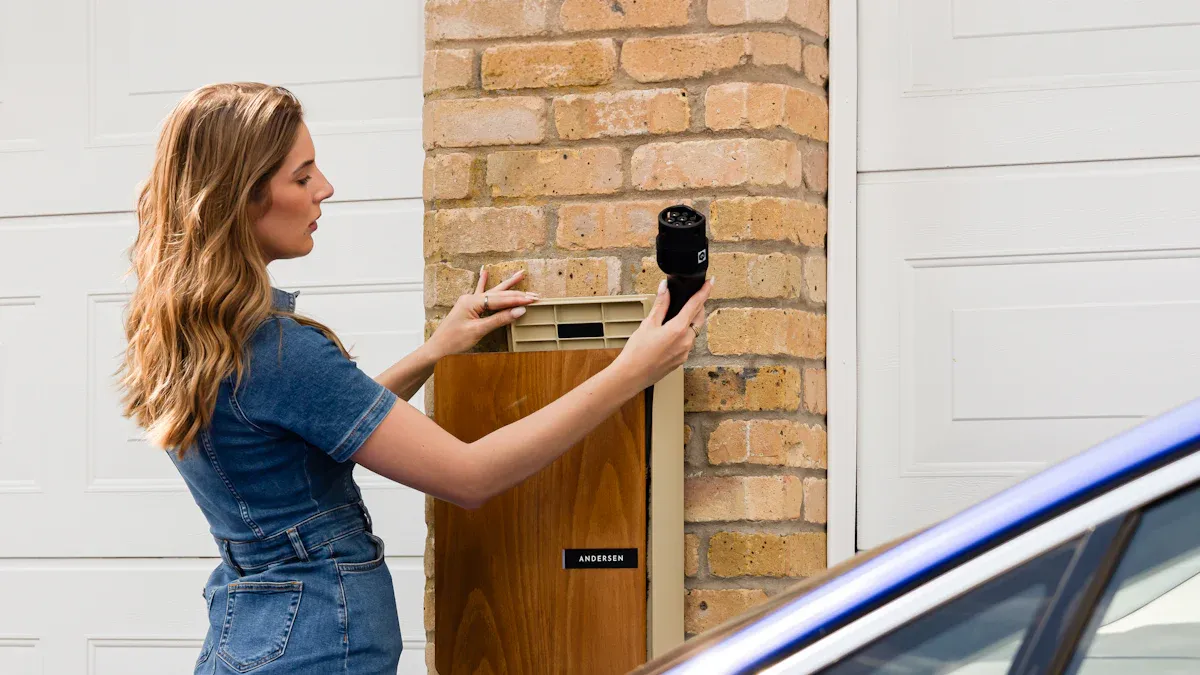
Strategic planning of the charger’s location is essential for daily convenience and installation efficiency. A homeowner should work with their electrician to identify the optimal spot. This decision impacts both the cost of the project and the ease of future charging sessions.
Selecting the Best Spot for Your Charger
Finding the best place to memasang pengisi daya listrik involves balancing accessibility, safety, and the vehicle’s design.
Proximity to Your Parking Space
The charger should be installed as close as possible to where the EV is normally parked. This ensures the charging cable can reach the vehicle’s port comfortably without being stretched or creating a tripping hazard. Most standard charging cables are around 18 to 25 feet long. A well-placed unit makes the daily routine of plugging in effortless.
Considering Your Car’s Charging Port Location
Electric vehicles have charging ports in different locations—some are on the front, others on the side, and some at the rear. The homeowner must consider their specific vehicle’s port location when choosing a wall for the charger. This prevents the need to park in an awkward position or drape the cable over the vehicle.
Indoor (Garage) vs. Outdoor Installation
The choice between an indoor or outdoor installation depends on the property layout and owner preference.
- Indoor (Garage): A garage is often the best place to install an ev charger. It protects the unit from weather, potential vandalism, and extreme temperatures, which can extend its lifespan. Proper ventilation is still important to dissipate any heat generated during charging.
- Outdoor: If a garage is not available, an outdoor installation is a perfectly viable option. In this case, the owner must select a charger with a high Ingress Protection (IP) rating, such as IP65. This rating ensures the unit is sealed against dust and rain. The charger and its wiring must also be UV-resistant to prevent sun damage.
Merencanakan Rute Kabel
An electrician will map out the most efficient path for the electrical cable, which is a critical part of the installation plan.
Path from Breaker Panel to Charger
The ideal wiring route is the shortest and most direct path from the electrical panel to the charger location. A shorter cable run is less complex and reduces material and labor costs. The electrician will identify a route that minimizes disruption to finished walls and ceilings.
Running Cable Through Walls, Attics, or Conduit
To achieve a clean and safe installation, an electrician runs the heavy-gauge cable through concealed spaces.
For indoor installations, the cable can often be routed through walls, attics, or basements. For outdoor runs or surface mounting in a garage, the cable must be protected inside a durable conduit. This protects the wiring from physical damage and moisture, ensuring compliance with all local electrical codes.
Planning for Data Cable if Needed
Some smart chargers may require a hardwired data connection (Ethernet cable) for reliable communication if the home’s Wi-Fi signal is weak at the charging location. A homeowner should discuss this possibility with the installer during the planning phase to ensure all necessary wiring is run at the same time.
Step 4: Hire a Professional to Install EV Charger
While some home projects are suitable for a DIY approach, an Pemasangan pengisi daya EV is not one of them. The high-voltage electrical work requires specialized knowledge and skills. A homeowner must hire a licensed professional to ensure the project is completed safely and correctly.
Why You Must Use a Licensed Electrician
Using a qualified electrician is a non-negotiable requirement for this type of installation. It protects the homeowner, their property, and their investment.
Memastikan Keselamatan dan Kepatuhan terhadap Kode Etik
A licensed electrician understands the complex requirements of the National Electrical Code (NEC). They ensure the installation uses the correct wire gauge, breaker type, and safety devices like a GFCI. This professional work guarantees the system operates safely and passes any required municipal inspections, preventing dangerous electrical faults.
The Dangers of a DIY Installation
Attempting to install ev charger hardware without proper training is extremely hazardous. The risks associated with improper work are severe and can have catastrophic consequences.
- Electrical Shock: Direct contact with live wires can cause serious injury or even death.
- Bahaya Kebakaran: Incorrect wiring, poor connections, or an overloaded circuit can cause components to overheat and start a fire.
- Pelanggaran Kode Etik: A DIY ev charger installation will not meet local building codes, leading to fines and the need for a complete rework by a professional.
Protecting Your Home and EV Warranty
Most EV and charger manufacturers require professional installation to keep their warranties valid. An improper installation can damage the vehicle’s charging system or the charger itself, and the manufacturer will not cover the repairs.
Furthermore, if an electrical fire or other damage occurs due to a DIY installation, a homeowner’s insurance policy may deny the claim. A certified installation provides the necessary documentation to protect these crucial warranties and policies.
How to Find and Vet an Installer
Finding the right electrician is a critical step. A homeowner should look for professionals with specific experience in this field.
Searching for Certified EV Installers
Many charger manufacturers maintain a network of preferred or certified installers. A homeowner can often find a list of qualified local electricians on the manufacturer’s website. These professionals have received specific training on that brand’s products, ensuring a high-quality installation.
Pertanyaan yang Harus Diajukan Sebelum Merekrut
Before committing to an electrician, a homeowner should ask several key questions:
- Do you have experience with ev charger installation projects?
- Apakah Anda memiliki lisensi dan diasuransikan untuk pekerjaan kelistrikan perumahan?
- Can you provide a detailed, itemized quote?
- Will you handle the permitting and inspection process?
- What is the warranty on your workmanship?
Verifying Licenses, Insurance, and References
A homeowner should always verify an electrician’s credentials. They can ask for a copy of the electrician’s state license and certificate of insurance. Checking online reviews and asking for references from previous clients provides additional confidence in their ability to perform a safe and reliable installation.
Step 5: The Installation Day and Final Inspection
With the planning complete and a professional hired, the day of the Pemasangan pengisi daya EV marks the final step in the process. Knowing what to expect can make the day go smoothly. The process culminates with a final inspection to certify the work is safe and compliant with all regulations.
Apa yang Diharapkan Selama Instalasi
A professional ev charger installation is a systematic process. The electrician follows a clear set of steps to ensure a safe and efficient outcome. A standard installation typically takes a few hours from start to finish.
Electrician’s Workflow: On the day of the installation, the electrician will typically follow a structured plan:
- Final Site Review: The electrician arrives and confirms the agreed-upon location for the charger and the planned route for the electrical cable. They will verify the charger is placed where a car cannot accidentally hit it.
- Cable Route Execution: They plan and execute the “cable run” from the breaker box to the charger. The electrician will discuss any sections of visible cable with the homeowner.
- Fuse Box Preparation: The professional inspects the breaker box to confirm the spare slot for the new circuit. If the panel is full, they will install a small sub-panel as previously discussed.
- Physical Installation: Once all details are confirmed, the electrician begins the physical work of drilling, mounting the hardware, and clipping the cable securely in place.
Installing the New Dedicated Circuit and Breaker
The first major electrical task is creating the new circuit. For safety, the electrician shuts off all power to the home at the main breaker. They then install a new double-pole breaker into the two available slots in the electrical panel. This breaker is specifically rated for the amperage of the new dedicated EV charger.
Mounting the Charging Unit Securely
Next, the electrician securely mounts the charging unit to the wall. They will use heavy-duty fasteners to ensure the charger is stable and can withstand the repeated plugging and unplugging of the heavy charging cable. The height and location will match the plan, ensuring easy access from the vehicle’s charge port.
Running and Securing the Power Cable
The electrician runs the heavy-gauge power cable from the breaker panel to the charger’s location. They follow the pre-planned route through walls, attics, or crawlspaces. For any exposed sections, especially in a garage or outdoors, the cable is protected inside a rigid conduit. This protects the wiring from damage and moisture, a critical step for a safe installation.
Final Connections and System Testing
With the main components in place, the electrician makes the final connections. They wire the power cable to the charging unit and double-check all connections in the panel. After restoring power to the home, they perform a series of tests. This includes checking the voltage, confirming the charger powers on, and testing its communication features to complete the installation.
Izin dan Inspeksi
A professional installation includes handling all necessary paperwork. Permits and inspections are not obstacles; they are safeguards that protect the homeowner.
When an Electrical Permit is Required
Most jurisdictions require an electrical permit to install ev charger hardware. The electrician typically handles the permit application process. A permit is almost always necessary because the project involves adding a new, high-power circuit to the home. Specific situations that mandate permits or special approvals include:
- Installations in a shared space, like a condominium parking garage.
- Work that requires a service panel upgrade or a new sub-panel.
- Properties with a “shared electrical service,” yang mungkin memerlukan persetujuan dari Perusahaan Utilitas.
- Instalasi yang tidak memenuhi kriteria ‘standar kode bangunan‘, seperti menempatkan pengisi daya pada bangunan bersejarah.
Peran Inspeksi Listrik Akhir
Setelah pekerjaan selesai, inspektur bangunan setempat mungkin perlu melakukan tinjauan akhir. Verifikasi pihak ketiga ini merupakan segel persetujuan akhir untuk proyek tersebut. Tugas inspektur adalah memastikan pekerjaan mematuhi semua kode listrik Nasional dan lokal. Selama inspeksi, mereka akan memverifikasi beberapa aspek kunci instalasi:
- Semua peralatan, termasuk pengisi daya, pemutus arus, dan kabel, memiliki rating dan ukuran yang tepat untuk amperase sirkuit.
- Sirkuit memiliki proteksi arus bocor ke tanah dan hubung singkat yang sesuai.
- Unit pengisian dipasang dengan aman pada ketinggian yang benar.
- Ventilasi yang memadai tersedia untuk instalasi dalam ruangan.
- Saklar pemutus dapat diakses untuk semua komponen terkait.
Lulus inspeksi akhir ini memberikan ketenangan pikiran bagi pemilik rumah, mengetahui bahwa instalasi pengisi daya ev baru mereka dilakukan secara profesional dan, yang terpenting, aman.
Berapa Biaya Memasang Pengisi Daya EV
Pemahaman berapa biaya memasang pengisi daya EV merupakan bagian penting dari proses perencanaan bagi setiap pemilik EV baru. Total biaya merupakan gabungan dari dua komponen utama: harga perangkat keras itu sendiri dan biaya tenaga profesional untuk instalasi. Angka-angka ini dapat sangat bervariasi berdasarkan peralatan yang dipilih dan kompleksitas tata kelola listrik rumah.
Rincian Biaya Perangkat Keras
Pengeluaran besar pertama adalah pembelian stasiun pengisian Level 2. Pasar menawarkan beragam produk dengan fitur dan kemampuan berbeda, yang secara langsung mempengaruhi harga.
Kisaran Harga Pengisi Daya Level 2
Pemilik rumah dapat mengharapkan harga untuk pengisi daya residensial Level 2 berkualitas berkisar dari sekitar $400 hingga lebih dari $1.200. Pengisi daya dasar non-pintar biasanya berada di ujung bawah kisaran ini. Model yang lebih canggih dan kaya fitur dari merek premium memiliki harga yang lebih tinggi.
Faktor yang Mempengaruhi Harga Pengisi Daya
Beberapa faktor kunci menentukan harga akhir biaya dari unit pengisian. Pembeli harus mempertimbangkan elemen-elemen ini untuk memilih pengisi daya yang memenuhi kebutuhan mereka tanpa mengeluarkan biaya berlebihan.
- Output Daya (Ampere): Pengisi daya dengan amperase lebih tinggi (mis., 48A) yang memberikan kecepatan pengisian daya lebih cepat umumnya lebih mahal daripada model beramperase lebih rendah (mis., 16A atau 32A).
- Fitur Cerdas: Pengisi daya dengan konektivitas Wi-Fi, kontrol aplikasi smartphone, dan kemampuan pemantauan energi lebih mahal daripada pengisi daya dasar “biasa”.
- Merek dan Kualitas Pembuatan: Merek-merek ternama yang dikenal karena keandalan dan desain kokoh serta tahan cuaca seringkali memiliki titik harga yang lebih tinggi.
- Panjang Kabel: Unit dengan kabel pengisian lebih panjang (25 kaki vs. 18 kaki) biasanya memiliki biaya sedikit lebih tinggi.
Perincian Biaya Instalasi
Tenaga kerja untuk instalasi instalasi profesional merupakan bagian signifikan dari total biaya proyek. Harga akhir sangat bergantung pada spesifikasi properti dan infrastruktur listrik yang ada.
Apa yang Termasuk dalam “Pemasangan Standar”
Sebuah instalasi “standar” atau “dasar” instalasi mengasumsikan pengaturan yang sederhana. Harga untuk layanan ini umumnya berkisar antara $600 hingga $1.500. Meskipun setiap proyek unik, paket standar biasanya mencakup hal berikut:
- Pemasangan sirkuit 240V khusus baru dan pemutus arus yang sesuai di panel listrik.
- Pemasangan dinding unit pengisian daya pengisian di garasi atau di dinding eksterior.
- Menjalankan kabel listrik dengan panjang terbatas (mis., di bawah 40 kaki) dari panel ke pengisi daya.
- Sambungan akhir, komisioning, dan pengujian pengisi daya untuk memastikan operasi yang tepat.
Faktor Umum yang Meningkatkan Biaya Tenaga Kerja
Banyak rumah memerlukan lebih dari instalasi standar, yang meningkatkan biaya biaya. tenaga kerja. Seorang teknisi listrik akan mengidentifikasi faktor-faktor ini selama penilaian lokasi awal. Pemilik rumah harus menyadari hal-hal yang mendorong kenaikan harga saat mengevaluasi berapa biaya memasang pengisi daya ev.
Biaya Tambahan Potensial:
- Jarak dari Panel: Semakin jauh pengisi daya dari panel listrik, semakin banyak kabel dan tenaga kerja yang dibutuhkan. Jalur kabel yang panjang secara signifikan meningkatkan biaya proyek.
- Penggalian parit: Untuk instalasi luar ruangan yang jauh dari rumah, seorang teknisi listrik mungkin perlu menggali parit untuk mengubur saluran listrik. Tugas ini saja dapat menambah $300 hingga $500 atau lebih pada tagihan.
- Peningkatan Panel Listrik: Jika panel penuh atau tidak memiliki kapasitas, peningkatan atau sub-panel diperlukan. Ini dapat menambah beberapa ratus hingga lebih dari dua ribu dolar ke total biaya.
- Izin: Izin listrik kotamadya seringkali diperlukan dan dapat berbiaya antara $50 dan $200.
Mencari Rabat dan Kredit Pajak
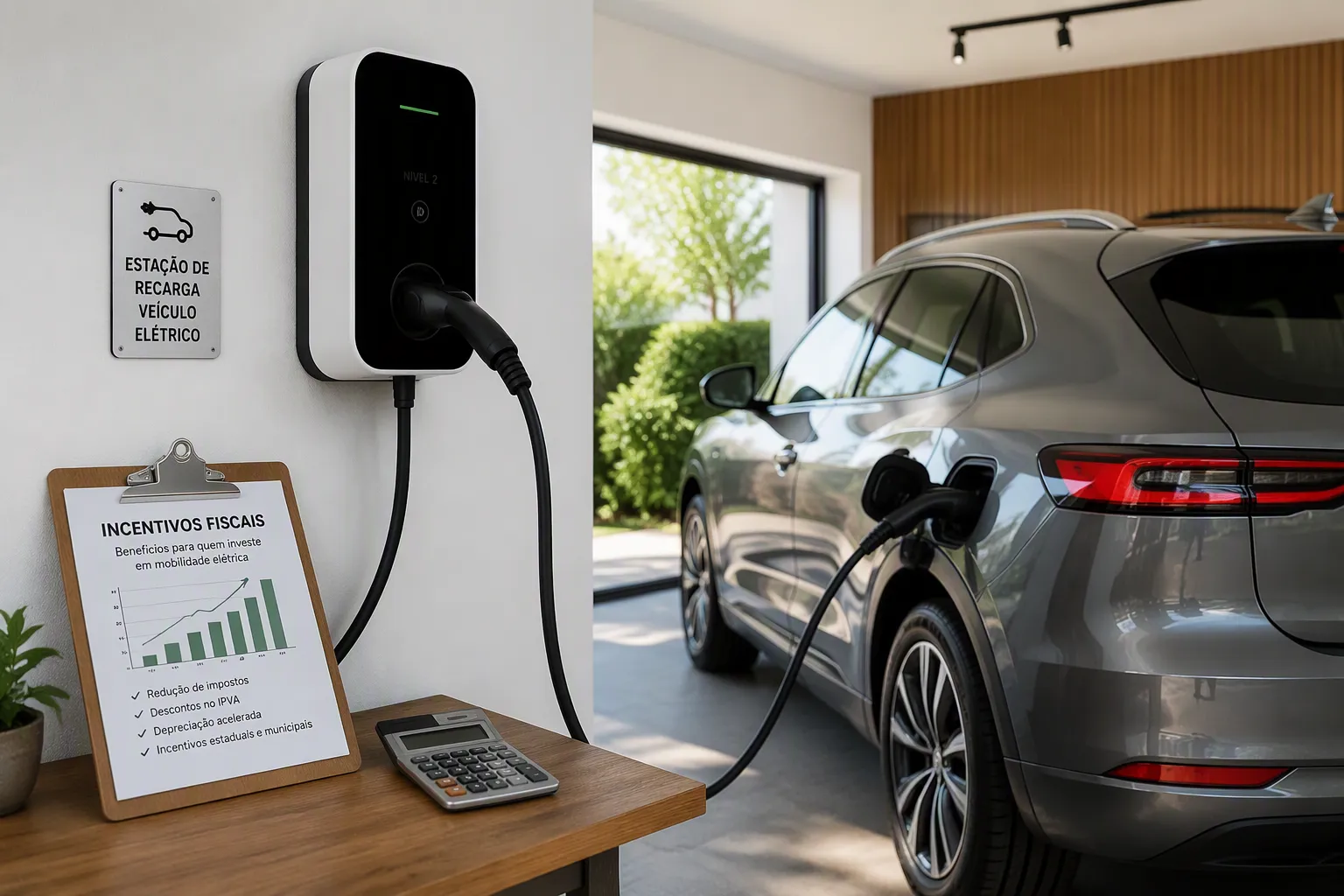
Untuk membantu mengimbangi pengeluaran, pemilik rumah dapat memanfaatkan berbagai insentif pemerintah dan utilitas. Program-program ini dapat secara substansial mengurangi biaya bersih biaya dari pembelian dan pemasangan peralatan pengisian daya pengisian daya rumah.
Kredit Pajak Federal untuk Peralatan Pengisian Daya Kendaraan Listrik
Di Amerika Serikat, pemilik rumah mungkin memenuhi syarat untuk Kredit Pajak Infrastruktur Bahan Bakar Alternatif. Kredit Pajak Federal EVSE biaya, . Insentif federal ini dapat mencakup persentase dari total biaya proyek instalasi , termasuk baik perangkat keras maupun biaya.
Rabat dari Perusahaan Utilitas Negara Bagian dan Lokal
Selain insentif federal, banyak negara bagian, pemerintah daerah, dan perusahaan utilitas menawarkan rabat mereka sendiri. Program-program ini dirancang untuk mendorong adopsi kendaraan listrik dengan membuat pengisian daya di rumah lebih terjangkau. Pemilik rumah harus meneliti insentif yang tersedia di wilayah spesifik mereka. Rabat ini terkadang dapat berupa penawaran pengembalian uang langsung untuk pembelian pengisi daya yang memenuhi syarat atau kredit pada tagihan listrik pemilik rumah.
Memasang pengisi daya ev rumah adalah langkah kunci untuk memaksimalkan kenyamanan dan efisiensi biaya kepemilikan kendaraan listrik. Seluruh proses instalasi pengisi daya ev memerlukan perencanaan yang cermat, mulai dari menilai sistem kelistrikan untuk memilih perangkat keras yang tepat. Pemilik rumah harus selalu mengandalkan teknisi listrik berkualifikasi dan berlisensi untuk memasang perangkat keras pengisi daya ev dengan aman.
Instalasi profesional ini memastikan pengisi daya ev rumah andal dan mematuhi kode standar. Instalasi yang tepat melindungi investasi dalam pengisi daya ev rumah dan memberikan ketenangan pikiran maksimal. 🛡️
PERTANYAAN YANG SERING DIAJUKAN
Dapatkah pemilik rumah memasang sendiri pengisi daya EV?
Pemilik rumah tidak boleh mencoba instalasi mandiri (DIY). Ini adalah proyek tegangan tinggi yang memerlukan teknisi listrik berlisensi. Instalasi profesional memastikan keselamatan, kepatuhan terhadap kode standar, dan perlindungan garansi rumah dan kendaraan. Pemasangan kabel yang tidak benar menciptakan bahaya kebakaran dan sengatan listrik yang signifikan.
Berapa lama waktu yang dibutuhkan untuk pemasangan pengisi daya EV standar?
Instalasi standar biasanya diselesaikan dalam beberapa jam. Teknisi listrik akan memasang sirkuit baru, memasang unit, dan menguji sistem. Pekerjaan yang lebih kompleks, seperti yang memerlukan peningkatan panel atau jalur kabel panjang, akan memakan waktu lebih lama.
Apakah semua instalasi pengisi daya EV memerlukan izin?
Sebagian besar yurisdiksi memerlukan izin kelistrikan untuk menambahkan sirkuit 240V baru. Teknisi listrik berlisensi menangani proses ini. Izin memastikan inspektor pihak ketiga memverifikasi pekerjaan aman dan memenuhi semua kode kelistrikan lokal dan nasional.
Dapatkah pengisi daya EV dicolokkan ke kabel ekstensi?
Tidak. Pemilik rumah tidak boleh menggunakan kabel ekstensi dengan pengisi daya EV Level 2. Perangkat ini menarik daya signifikan secara terus-menerus. Kabel ekstensi dapat kepanasan dan menciptakan risiko kebakaran serius. Pengisi daya memerlukan sirkuit khususnya sendiri yang terpasang permanen.
Apa yang terjadi jika panel listrik penuh?
Teknisi listrik memiliki beberapa solusi jika panel tidak memiliki slot kosong. Terkadang mereka dapat mengkonsolidasikan sirkuit menggunakan pemutus tandem. Jika itu bukan pilihan, mereka akan memasang sub-panel kecil untuk menciptakan ruang yang diperlukan untuk sirkuit pengisi daya baru.
Apakah pengisi daya Level 2 apa pun akan bekerja dengan mobil listrik apa pun?
Hampir semua EV modern dan pengisi daya Level 2 di Amerika Utara menggunakan konektor J1772 yang sama. Standardisasi ini memastikan interoperabilitas. Kendaraan Tesla memerlukan adaptor kecil, yang biasanya disertakan dengan pembelian kendaraan, untuk menggunakan pengisi daya non-Tesla.
Berapa banyak pengisi daya rumah akan menambah tagihan listrik?
Biaya tergantung pada tarif listrik lokal dan kebiasaan mengemudi. Mengisi daya pada malam hari selama jam off-peak secara signifikan menurunkan pengeluaran. Pengisi daya pintar dengan fitur penjadwalan membantu pemilik rumah secara otomatis mengisi daya ketika listrik termurah, mengoptimalkan biaya per mil. ⚡