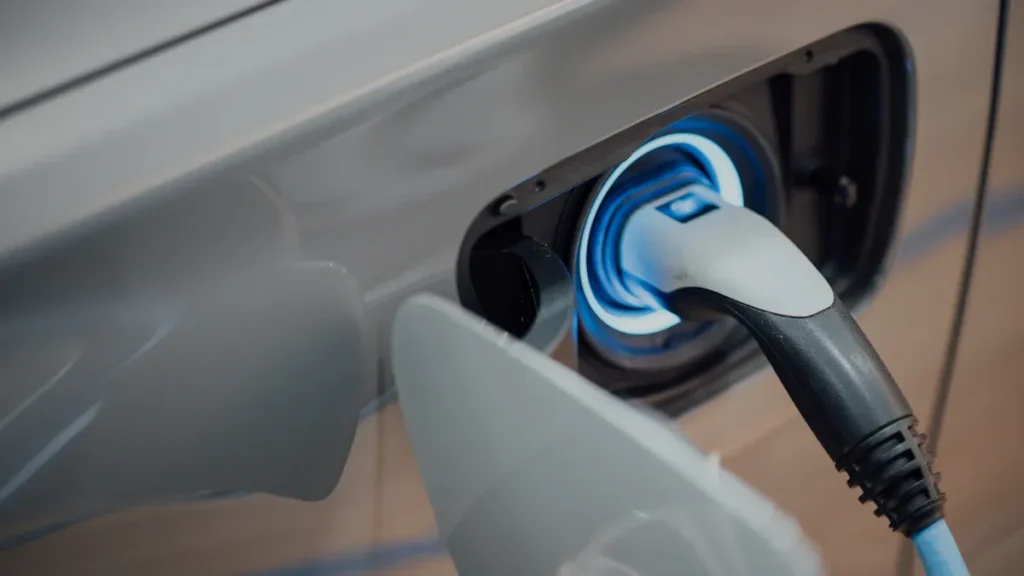

Les conducteurs de véhicules électriques peuvent souvent utiliser un chargeur de Singapour Chargeur de VE en Thaïlande. Cela nécessite de vérifier la compatibilité électrique pour leurs véhicules. Les principales différences concernent la forme de la prise et une légère variation de tension. Ces facteurs impactent le processus de charge pour tous les véhicules électriques. Fabricants de chargeurs de VE, comme TPSON, créent des Solutions de recharge pour véhicules électriques. Leur chargeurs ev portables gèrent souvent ces variations.
Alerte de sécurité : ⚠️ L'utilisation d'un adaptateur incorrect ou de mauvaise qualité présente un risque de sécurité important. Il peut endommager le VE, le chargeur de VE, ou même le VE de l'utilisateur.
Étape 1 : Résoudre l'énigme de la prise physique
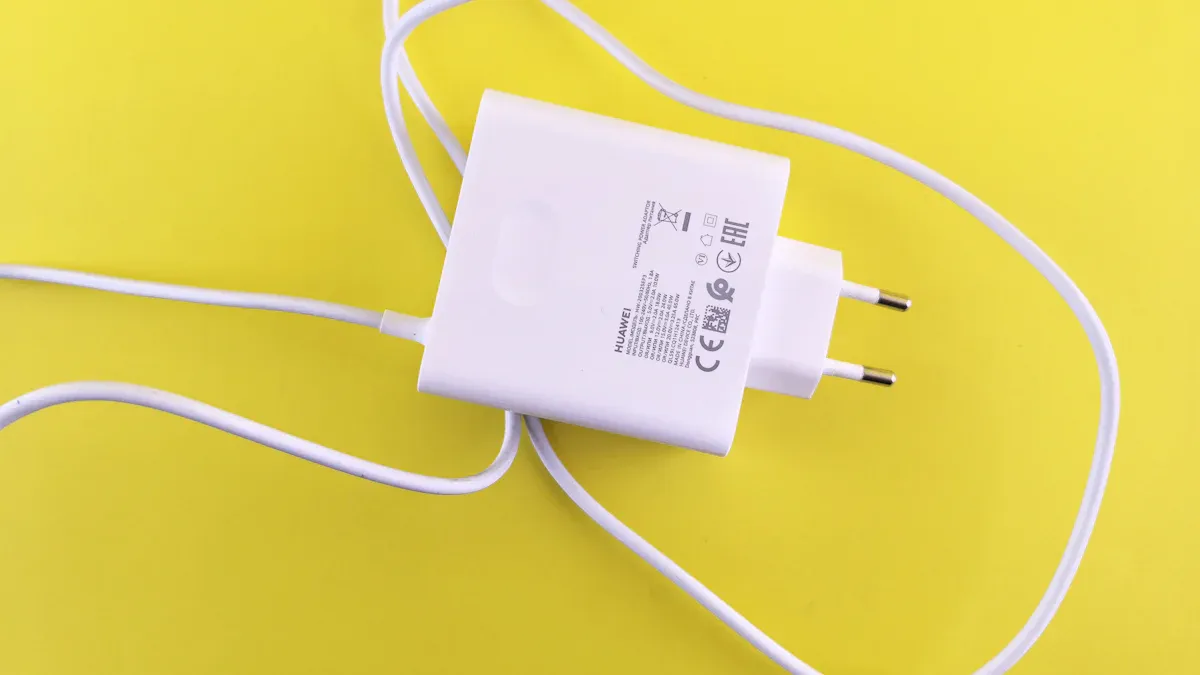
Le premier obstacle pour tout conducteur de VE est la connexion physique. Singapour et la Thaïlande utilisent des prises murales différentes, rendant une connexion directe impossible. Comprendre ces différences est crucial pour une charge sûre et efficace des véhicules électriques.
La norme de Singapour : La prise de type G
Identifier la prise à 3 broches de type G
Le chargeur de VE de Singapour est équipé d'une prise de type G. Cette prise est facilement reconnaissable à ses trois broches rectangulaires disposées en triangle. C'est la prise standard utilisée à Singapour, au Royaume-Uni et dans plusieurs autres régions, réputée pour sa conception robuste.
Le fusible intégré d'une prise de type G
Une caractéristique de sécurité clé de la prise de type G est son fusible intégré. Ce fusible protège l'appareil et l'utilisateur des surtensions. La prise est conforme à la norme britannique stricte 1363 (BS 1363), qui spécifie ses propriétés électriques.
- Tension nominale : 230V – 250V AC
- Courant nominal : Jusqu'à 13A maximum
- Fusible : Conforme à la BS 1362, avec des calibres comme 3A, 5A, 10A, ou 13A
- Mise à la terre : Comprend une broche de terre obligatoire pour la sécurité
Les prises de Thaïlande : Un mélange de normes
La prise officielle de type O
La norme officielle thaïlandaise, TIS 166-2549, est la prise de type O. Elle comporte trois broches rondes. Cette prise est conçue pour être plus sûre que les anciens types et devient plus courante dans les nouvelles constructions.
Les prises anciennes : Type A et Type B
Les voyageurs trouveront encore de nombreuses prises anciennes en Thaïlande. Celles-ci incluent la prise à deux broches de type A et la prise à trois broches de type B (courante en Amérique du Nord). Cette variété de prises complique le processus de charge pour tout VE.
Les prises hybrides acceptant plusieurs fiches
De nombreux bâtiments modernes en Thaïlande sont équipés d'une prise hybride pratique. Cette conception ingénieuse peut accepter les fiches de type A, type B et parfois type C. Cependant, elle n'accepte pas directement la fiche de type G, un adaptateur est donc toujours nécessaire. Ces différentes normes de charge pour VE nécessitent une attention particulière.
Choisir le bon adaptateur de voyage
Sélectionner le bon adaptateur est l'étape la plus critique pour charger un VE à l'étranger. Le choix impacte directement la sécurité de l'utilisateur, du chargeur et du véhicule.
Adaptateurs universels vs. Adaptateurs dédiés
Les conducteurs ont deux choix principaux pour les adaptateurs. Le tableau ci-dessous présente les principales différences.
| Fonctionnalité | Adaptateur universel | Adaptateur dédié |
|---|---|---|
| Polyvalence | Haute (couvre 150+ pays) | Faible (une région) |
| Taille/Poids | Plus grand et plus lourd | Plus petit et plus léger |
| Commodité | Haute (un seul appareil pour tous les voyages) | Faible (nécessite plusieurs appareils) |
| Coût | Coût initial plus élevé | Coût unitaire plus bas |
Les adaptateurs universels offrent une grande flexibilité, mais leurs pièces mobiles peuvent parfois entraîner une connexion moins sécurisée. Un adaptateur dédié offre une connexion plus stable et fiable.
Indispensable : Un adaptateur de type G vers type O/B
Pour la Thaïlande, l'adaptateur idéal convertit une fiche de type G pour s'adapter à une prise de type O ou type B. Cela garantit la compatibilité avec les nouvelles et les anciennes prises électriques trouvées dans tout le pays.
Pourquoi la mise à la terre est non négociable
La sécurité avant tout ! ⚠️ La broche de terre est une caractéristique de sécurité vitale. Elle dirige le courant électrique parasite loin du VE et de son utilisateur en cas de défaut. Choisissez toujours un adaptateur à trois broches qui maintient la connexion de terre du chargeur à la prise murale. N'utilisez jamais un adaptateur à deux broches pour charger des véhicules électriques.
Recherchez la qualité et les marques de certification
Les adaptateurs de haute qualité de marques réputées affichent des marques de certification de sécurité. Ces marques indiquent que le produit a été testé selon des normes de sécurité reconnues. Recherchez des symboles tels que :
- UKCA
- CE
- FCC
- ROHS
Ces certifications garantissent que l'adaptateur est conçu pour supporter la charge électrique requise par les normes de charge des VE sans surchauffer ou tomber en panne.
Étape 2 : Vérifier la compatibilité de votre chargeur de VE de Singapour
Après avoir résolu le problème de la prise physique, l'étape suivante consiste à confirmer la compatibilité électrique du chargeur. Un conducteur de VE doit vérifier que le chargeur peut supporter en toute sécurité l'électricité fournie par les prises murales thaïlandaises. Cette vérification prévient les dommages au chargeur et au VE.
Vérification de la tension : Singapour (230V) vs Thaïlande (220V)
Une différence faible mais notable existe entre les tensions du réseau des deux pays. Le réseau de Singapour fonctionne à une tension nominale de 230V, tandis que celui de la Thaïlande est à 220V.
Is the 10V Difference a Problem?
For most modern electronics, this 10-volt difference is not a problem. Electrical grids always have minor fluctuations. Power supply units in high-quality devices are designed to tolerate these variations. The 4-5% variance between 230V and 220V falls well within the acceptable operating parameters for nearly all modern chargers.
How Modern Chargers Handle Voltage Ranges
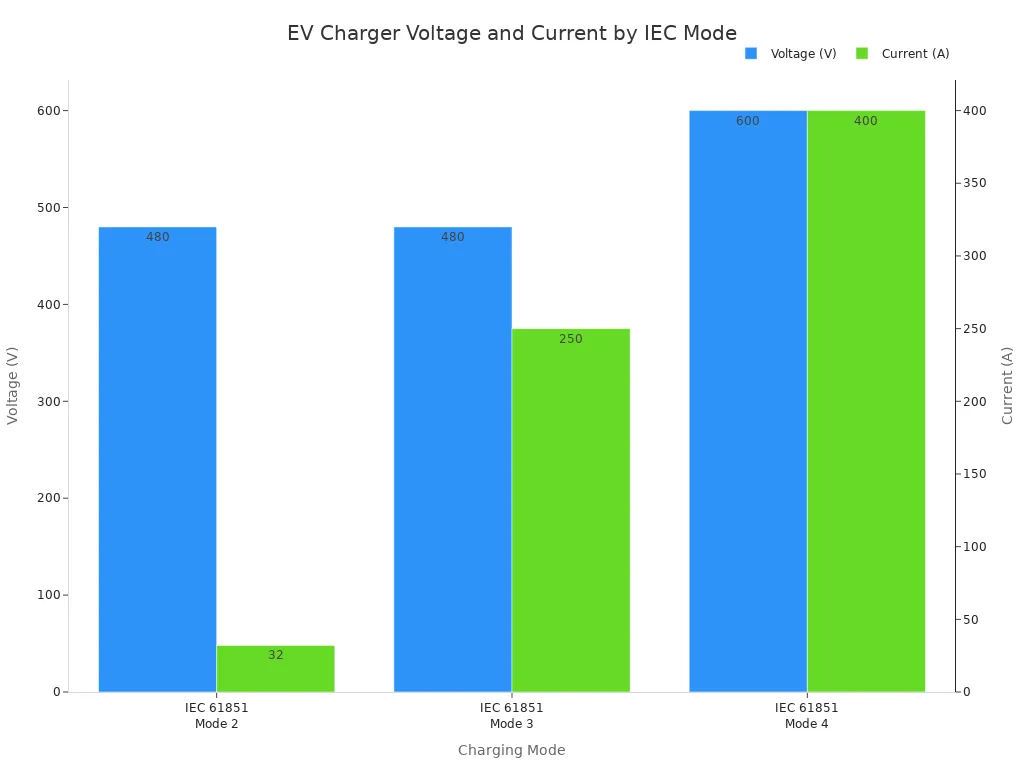
Modern EV chargers, especially portable ones, use sophisticated switch-mode power supplies. These power supplies can automatically adapt to a wide range of input voltages. Technologically advanced providers like TPSON build their chargers to comply with international EV charging standards, ensuring robust performance across different grids. These standards, such as IEC 61851, define the operational parameters for safe and effective charging.
| Standard/Mode | Description | Tension | Actuel |
|---|---|---|---|
| IEC 61851 Mode 2 | Home charging with in-cable control and protection device (IC-CPD) | 250 V single-phase or 480 V three-phase | Up to 32 A |
| IEC 61851 Mode 3 | Utilizes EVSE for communication and parameter negotiation | 250 V single-phase or 480 V three-phase | Up to 250 A |
| IEC 61851 Mode 4 | DC fast charging, bypasses onboard charger | 600 V DC | Up to 400 A |
These EV charging standards ensure that chargers for electric vehicles can handle different power scenarios safely.
Frequency Check: A Perfect 50Hz Match
Grid frequency, measured in Hertz (Hz), refers to the rate at which the alternating current (AC) changes direction. This is another critical factor for electrical compatibility.
Why Matching Frequency is Important
The internal clock and timing circuits of an electronic device depend on a stable grid frequency. A mismatch can cause malfunctions or damage. Chargers are designed to monitor frequency and adjust their power output accordingly to protect the EV.
- If the frequency drops below 49.5Hz, an immediate 100% reduction in charging power is triggered.
- For frequencies between 49.5Hz and 49.8Hz, charging power is reduced by 50%.
- Normal charging operation with monitoring continues when the frequency is between 49.8Hz and 50.2Hz.
- If the frequency rises above 50.4Hz, charging may increase, provided the vehicle can accept it.
The Advantage of Identical Grid Frequencies
Fortunately, both Singapore and Thailand operate their electrical grids at 50Hz. This perfect match eliminates a significant potential point of failure. The identical frequency ensures that the timing-sensitive components within the Singapore EV charger will function correctly in Thailand without any issues.
How to Read Your Charger’s Information Label
The definitive source of information about a charger’s compatibility is its information label. This label is typically a sticker or plate on the charger’s main body or power brick.
Locating the “INPUT” Specification
An EV owner should look for a section on the label marked “INPUT”. This area details the electrical requirements the charger needs from the wall socket. It will list the acceptable voltage and frequency.
Understanding “100-240V, 50/60Hz”
Most chargers for modern electric vehicles are designed for global travel. Their input labels often display a wide operational range.
Conseil : Look for “100–240 V, 50/60 Hz” on the label. This means your switching power supply works in most places.
This text confirms the charger is a “universal” device. It can handle voltages from 100V to 240V and frequencies of either 50Hz or 60Hz. A charger with this rating is fully compatible with Thailand’s 220V, 50Hz system.
What to Do if Your Charger is Not Compatible
If the charger’s label specifies “INPUT: 230-240V” only, it is a single-voltage device. It might not function correctly or safely on a 220V system.
Safety Warning: ⚠️ Never attempt to use a charger that is not rated for the local voltage. Doing so risks permanent damage to the charger and the EV.
In this situation, the safest course of action is to avoid using the charger. The driver should rely on local public charging stations or purchase a charger specifically designed for the Thai market.
Step 3: Understanding the Impact on Charging Performance
Once an EV driver confirms physical and electrical compatibility, the next consideration is performance. The slight differences in the electrical grid and local infrastructure can affect charging speed. However, the EV itself plays the most significant role in managing the charging process.
Will My EV Charge Slower in Thailand?
The short answer is yes, but only slightly. The 10-volt difference between Singapore’s 230V and Thailand’s 220V grid results in a minor reduction in power delivery.
How Voltage and Amperage Determine Power
The power delivered to your EV is a product of voltage and amperage. The formula is simple:
Power (Watts) = Voltage (Volts) × Amperage (Amps)
Since your chargeur portable will draw a fixed maximum amperage (e.g., 10A), a lower voltage means slightly less power.
Calculating the Minor Drop in Charging Speed
An EV owner can calculate the difference. A charger drawing 10A in Singapore receives 2,300W (230V x 10A). In Thailand, the same charger receives 2,200W (220V x 10A).
Calculation Breakdown: This represents a power reduction of 100W, or about 4.3%. This means the total charging time will increase by approximately the same percentage.
Why the Difference is Often Negligible
For overnight charging, a 4.3% increase in time is barely noticeable. For example, a BYD Atto 3 charging on a 7 kW AC home charger takes nearly 10 hours for a full charge. A minor slowdown of 4.3% would add less than 30 minutes to this total duration, which is insignificant for most users. The convenience of home charging far outweighs this small performance dip.
Limites du circuit domestique
A more significant factor than voltage is the capacity of the household circuit in Thailand. Pushing a circuit beyond its limit is a serious risque de sécurité.
Amperage Limits of Thai Wall Sockets
Thai homes have varying circuit capacities. Modern buildings generally offer higher limits, while older ones may be more restricted. An EV driver must be aware of these local conditions.
| Fonctionnalité | Thaïlande |
|---|---|
| Ampérage | Typically 10–16 amps |
Modern grounded outlets may support up to 16 amps. Older, non-grounded sockets are often limited to 10 amps. It is crucial to respect these limits to ensure safe EV charging.
The Risk of Tripping a Circuit Breaker
Continuously drawing high current for EV charging, especially on older wiring, can lead to an overload. This poses a significant fire hazard.
⚠️ Alerte de sécurité : An overloaded circuit can cause wires to overheat, potentially leading to an electrical fire. Frequent tripping of a circuit breaker is a clear warning sign that the circuit’s capacity is being exceeded.
Other signs of an overloaded circuit inclure :
- Dimming lights when the charger starts
- A burning smell from the outlet
- A buzzing sound from the socket or breaker panel
Your EV’s On-Board Charger (OBC)
Ultimately, the car itself controls the charging speed. The On-Board Charger (OBC) is the brain of the AC charging process, ensuring the battery is charged safely and efficiently.
How Your Car Regulates Charging Speed
The OBC communicates with the Electric Vehicle Supply Equipment (EVSE)—in this case, the portable charger. Technologically advanced providers like TPSON design their chargers to perform a “poignée de main numérique” with all compatible vehicles. The charger uses a signal to tell the EV the maximum available current. The EV’s OBC then decides the optimal rate of charging based on battery temperature, current charge level, and its own maximum charging capacity.
The OBC as the Final Control System
The OBC is the final gatekeeper. Even if a charger can offer 16A, the EV might only accept 10A to protect its battery health. This intelligent system ensures that no matter the power source, the charging process remains within the safe operating parameters of the vehicle’s battery. This makes the OBC the most critical component for managing the charging speed and safety for all electric vehicles.
Step 4: Critical Safety Risks and How to Mitigate Them
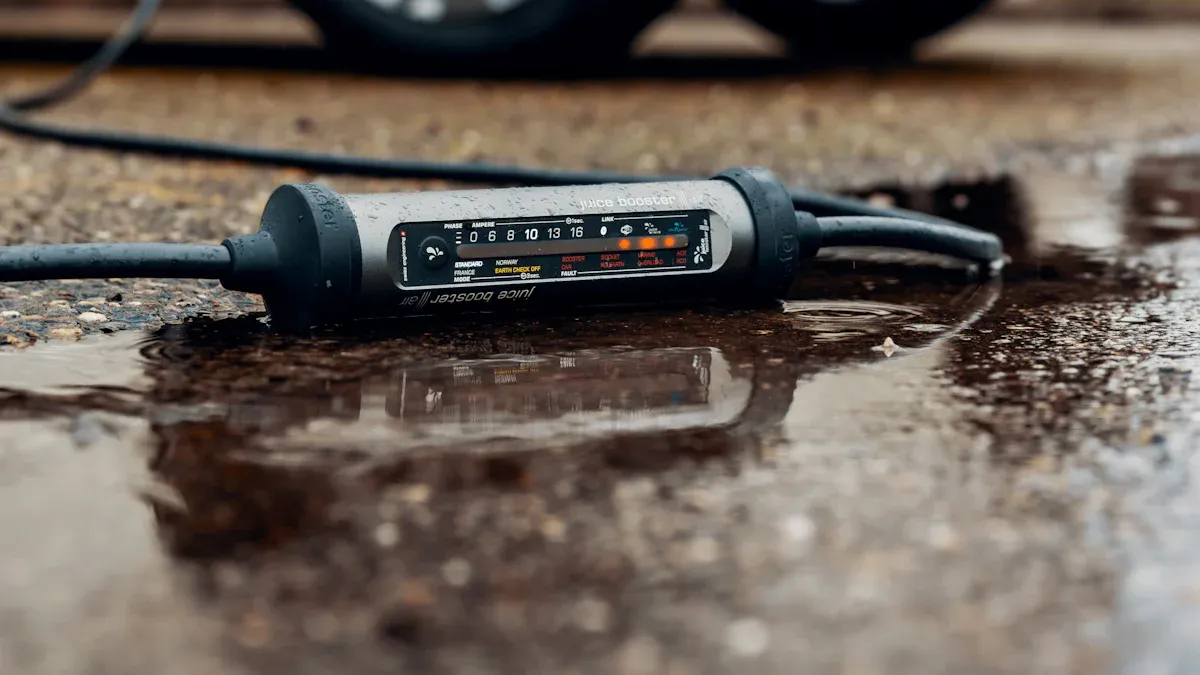
Avec succès connecting an EV charger is only half the battle; ensuring a safe charging session is paramount. An EV driver must understand the significant risks associated with using adapters for high-power applications and take deliberate steps to mitigate them. The greatest danger often comes from cutting corners on safety equipment.
The Dangers of Cheap, Uncertified Adapters
While a cheap travel adapter might seem like a bargain, it is the single most likely point of failure when charging an EV. These devices are not built to handle the sustained high-current draw required for charging electric vehicles.
Overheating and Fire Hazards
Uncertified adapters often use substandard materials that cannot manage heat. The continuous flow of electricity for EV charging generates significant warmth. In a poorly made adapter, this leads to overheating, which can melt the plastic casing and create a severe fire hazard.
| Fonctionnalité | High-Quality Adapters | Counterfeit Adapters |
|---|---|---|
| Plastic Casing | Made of robust, flame-retardant plastic. | Made of brittle, non-flame-retardant plastic. |
| Plug Pins | Made of solid brass, securely fixed. | Often hollow and made of poor-quality metal. |
| Internal Components | Well-soldered with proper insulation. | Poorly soldered and lack critical safety parts. |
| Heat Dissipation | Designed to dissipate heat effectively. | Poor heat dissipation causes rapid overheating. |
Poor Connections and Electrical Arcing
Counterfeit adapters often have loose-fitting pins. A poor connection between the plug, adapter, and socket can cause electrical arcing. This is when electricity jumps across the air gap, creating intense heat and sparks. Arcing can damage the charger’s plug, the wall socket, and ignite nearby flammable materials.
Lack of Overcurrent Protection
Reputable adapters and chargers, like those from technologically advanced providers such as TPSON, have built-in safety features. Cheap adapters omit these. They lack fuses or other forms of overcurrent protection, meaning they will not stop a power surge from reaching the EV charger and the vehicle itself.
The Importance of a Grounded Connection
The third pin on a plug is not optional; it is a critical safety component for any high-power appliance, including an EV charger.
What the Third Pin (Ground) Does
The ground pin provides a safe path for stray electrical current to travel to the earth in the event of a fault. This system works with safety devices like a Ground Fault Circuit Interrupter (GFCI).
A GFCI monitors the electrical current. If it detects an imbalance—meaning electricity is leaking out of the circuit, potentially through a person—it shuts off the power in milliseconds to prevent a severe electric shock.
Why You Must Avoid 2-Pin Adapters
Using a 2-pin adapter for a 3-pin EV charger plug is extremely dangerous. It completely removes the ground protection. If a fault occurs, the metal body of the car or the charger itself could become energized, creating a lethal shock hazard for anyone who touches it. This risk makes 2-pin adapters unsuitable for EV charging.
Ensuring Your Adapter Maintains the Ground
An EV owner must select a three-pin travel adapter that explicitly maintains the ground connection. The adapter should have a three-hole input for the Type G plug and three output prongs for the Thai socket. This ensures the safety path remains intact from the wall to the EV.
Best Practices for Safe Charging Abroad
Following a simple safety protocol can prevent most charging-related accidents.
Never Use Damaged Cords or Adapters
Before every use, an EV driver should inspect the charger, cable, and adapter for any signs of wear, such as frayed wires, cracked casings, or bent pins. Using damaged equipment for charging is a major risk.
Avoid “Daisy-Chaining” Adapters or Extension Cords
Avertissement : ⚠️ Never plug an extension cord into another extension cord or use multiple adapters together. This practice, known as “daisy-chaining,” can easily overload the circuit. Each connection adds resistance, generating more heat and dramatically increasing the risk of an electrical fire.
Domestic extension leads are not designed for the sustained power demand of EV charging.
Monitor the First Charging Session Closely
During the first charging session in a new location, it is wise to stay nearby for the first 30 minutes. The user should periodically check the plug, adapter, and cable to ensure they are not becoming excessively hot. Any buzzing sounds or burning smells are immediate red flags to stop the charging process.
Unplug Equipment During Electrical Storms
Thailand can experience intense thunderstorms. A lightning strike near power lines can cause a massive voltage surge that can destroy electronic devices. It is safest to unplug the EV during a storm to protect both the charger and the vehicle’s sensitive electronics.
Step 5: A Final Checklist for Charging in Thailand
An EV driver can ensure a smooth and safe charging experience in Thailand by following a systematic checklist. This process covers pre-trip preparations, on-site procedures, and basic troubleshooting. Adhering to these steps minimizes risks and ensures the EV is always ready for the road.
Pre-Departure Checklist
Proper preparation before leaving Singapore is the most effective way to prevent charging problems abroad.
Inspect Your Charger and Cable for Damage
Before packing, an EV driver should perform a thorough visual inspection of the Singapore EV charger. This involves checking for any signs of damage or general wear and tear.
- Examine the entire length of the cable, connectors, and insulation.
- Look for physical issues like cuts, frayed wires, cracked casings, or bent pins.
- Ensure no parts are loose, as this could compromise a secure connection during charging. If any defects are found, the user should not use the device and contact customer support immediately.
Confirm Your Charger’s Input Voltage Range
The driver must verify the charger’s compatibility by reading its information label. Look for the “INPUT” specification. A label showing a wide voltage range, such as “100-240V,” confirms the charger will work safely with Thailand’s 220V grid. This check is crucial for protecting the EV.
Purchase a High-Quality, Grounded Adapter
An EV owner must invest in a certified, high-quality travel adapter. It must convert a Type G plug to a Type O or Type B socket while maintaining the ground connection. A reliable adapter is essential for safe charging of all electric vehicles.
On-Site Charging Procedure
Once in Thailand, following a correct connection sequence is vital for safety.
Check the Wall Socket for Defects
Before plugging anything in, the user should inspect the wall socket. Look for cracks, burn marks, or loose fittings. Using a damaged socket for EV charging is a significant hazard.
Connect the Adapter to Your Charger Plug First
The correct connection sequence minimizes electrical risks. Technologically advanced providers like TPSON design their chargers for safe handling, but proper procedure remains important.
- Ensure the EV is parked and turned off.
- Connect the adapter firmly to the charger’s plug.
- Plug the charger assembly into the wall socket.
- Finally, connect the charging cable to the vehicle.
Disconnection Tip: When charging is complete, always disconnect the cable from the car first. Then, unplug the charger from the wall socket.
Plug the Assembly Firmly into the Socket
A loose connection can cause overheating and arcing. The driver should ensure the adapter and plug assembly fits snugly into the wall socket, creating a secure electrical path for charging.
Monitor for Heat or Unusual Noises
During the first 30 minutes of charging, the user should monitor the equipment. Check if the plug or adapter feels unusually warm. Listen for any buzzing sounds. These are warning signs of a potential problem.
Troubleshooting Common Problems
Even with careful preparation, issues can arise. Most portable EV chargers have LED indicators to help diagnose problems.
What to Do if Charging Doesn’t Start
If the EV does not begin charging, the driver should check the charger’s indicator lights. A solid red light often points to a fault. The user should verify all connections are secure and that the wall socket has power.
Addressing Interrupted Charging
Intermittent charging can be caused by a poor connection or a faulty power supply. A flashing red light may signify a ground fault. The driver should try a different wall socket to rule out a wiring issue.
What to Do if the Plug or Adapter Feels Hot
Heat is a normal byproduct of charging, but excessive heat is dangerous.
- An input plug temperature exceeding 65°C is too hot.
- A control box temperature above 77°C is a clear sign of overheating. If the plug or adapter becomes too hot to touch comfortably, the user must stop the charging process immediately. Allow the equipment to cool down before investigating the cause. This protects both the charger and the vehicles.
An EV driver can use a Singapore EV charger in Thailand. This charging is safe with a high-quality, grounded adapter and correct charger compatibility. The electrical systems are very similar. This makes compatibility straightforward for most modern EV chargers, simplifying the charging process for the EV.
The greatest risk to the EV comes from using a cheap, uncertified adapter. This is the most critical point for safe EV charging.
An EV driver must prioritize safety for all charging sessions. They should invest in a proper adapter or use a local public charging station.
FAQ
What is the most important feature for an adapter?
An EV driver must choose a three-pin adapter that maintains the ground connection. This feature is non-negotiable. It provides a critical safety path for stray electricity, protecting the user and the vehicle from electric shock. Never use a two-pin adapter for EV charging.
Will my EV really charge slower in Thailand?
Yes, but the difference is minor. The 10V drop from Singapore’s 230V to Thailand’s 220V reduces power by about 4.3%. For an overnight charge, this small increase in charging time is often unnoticeable for most EV drivers.
Can I use a regular extension cord for more reach?
No, an EV owner should never use a standard household extension cord for charging. These cords are not designed for the sustained high-power draw of an EV. Doing so creates a significant overheating and fire risk.
Que faire si mon chargeur indique uniquement “ 230 V ” sur l'étiquette ?
Si l'étiquette d'un chargeur n'affiche pas une large plage de tension (comme “ 100-240 V ”), il n'est pas compatible. Le conducteur ne doit en aucun cas tenter de l'utiliser en Thaïlande. L'option la plus sûre est d'utiliser les bornes de recharge publiques locales.
Comment savoir si un adaptateur est de haute qualité ?
Le conducteur doit rechercher les marques de certification de sécurité telles que CE, UKCA ou ROHS sur l'emballage ou le corps de l'adaptateur. Les marques réputées, dont les produits sont souvent utilisés avec des chargeurs de fournisseurs comme TPSON, affichent toujours ces marquages, ce qui indique que les tests de sécurité appropriés ont été réalisés.
Que faire si la prise devient très chaude ?
Une chaleur excessive est un signe de danger. L'utilisateur doit immédiatement interrompre la session de recharge en débranchant d'abord le véhicule, puis le chargeur de la prise murale. Laisser refroidir complètement tous les composants avant d'inspecter d'éventuels dommages ou mauvais contacts.