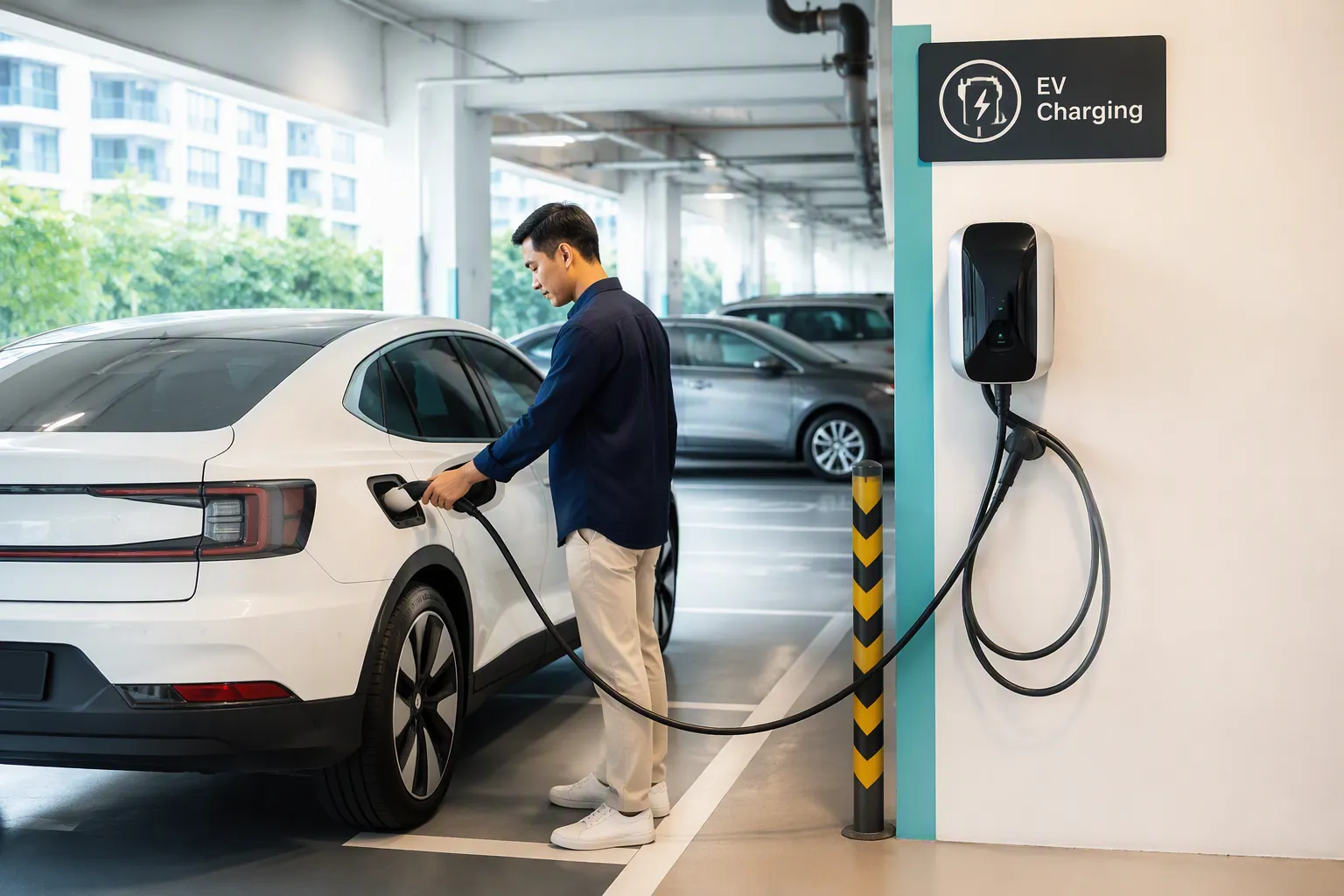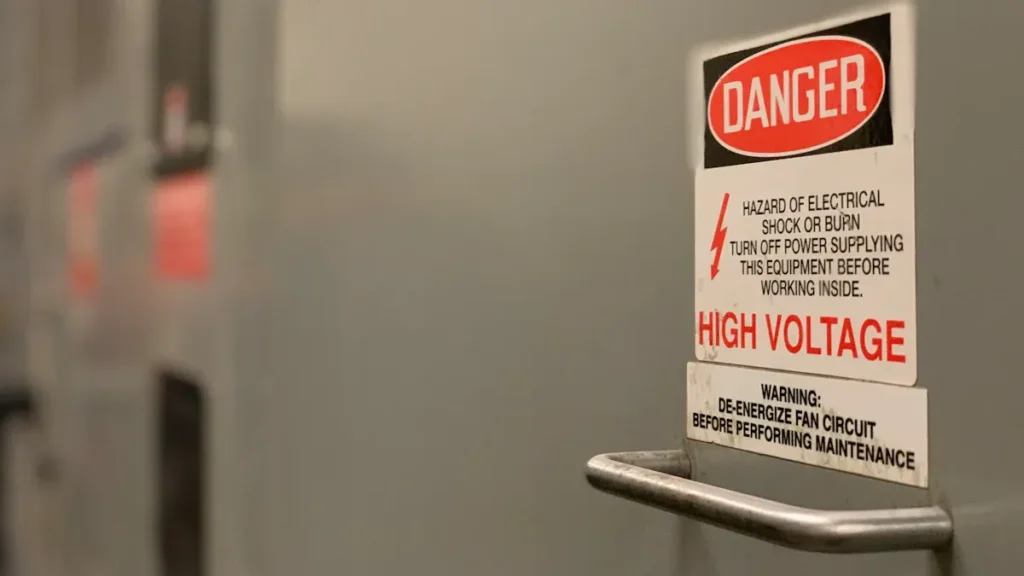

Les propriétaires se demandent souvent s'ils peuvent réaliser eux-mêmes des travaux électriques. Bien que des tâches mineures soient possibles, la plupart des travaux électriques importants exigent légalement un électricien certifié. La frontière entre une simple réparation bricolage et un projet dangereux est mince. Comprendre cette distinction est crucial pour la sécurité. Par exemple, bien que chargeurs ev portables offrent une certaine commodité, l'installation d'un système Chargeur EV câblé nécessite un avis professionnel. TPSON, un leader parmi les Fabricants de chargeurs de VE, propose des Solutions de recharge pour véhicules électriques, avancés, mais leur installation est un travail pour un électricien. Pour les travaux complexes, les risques sont trop élevés ; demander conseil et engager un expert est la seule option sûre.
Comprendre les bases de la sécurité électrique

Avant d'entreprendre toute tâche électrique, un propriétaire doit prioriser la sécurité avant tout. L'électricité est intrinsèquement dangereuse, et un manque de connaissances peut entraîner des blessures graves ou des dommages matériels. Comprendre les protocoles de sécurité fondamentaux n'est pas optionnel ; c'est une première étape obligatoire pour toute personne travaillant sur l'installation électrique de son logement.
La règle d'or : toujours couper le courant
La règle la plus importante dans les travaux électriques est de mettre le circuit hors tension avant de commencer. Ne supposez jamais qu'un circuit est coupé. Vérifiez-le toujours. Cette simple action est la principale défense contre l'électrocution.
Localiser votre tableau électrique principal
Le tableau électrique principal est le centre de contrôle de l'installation électrique d'un logement. Il s'agit généralement d'une boîte métallique située dans une buanderie, un sous-sol, un garage ou un placard. Ce tableau, également appelé tableau de répartition, distribue l'électricité dans toute la maison. Il contient également des dispositifs de sécurité cruciaux. Ses fonctions principales incluent :
- Distribution de l'énergie: Il agit comme un concentrateur central, envoyant systématiquement l'électricité vers différents circuits pour les lumières, les prises et les appareils.
- Protection des circuitsProtection contre les surcharges.
- Sécurité: Il protège le câblage des surcharges et de la surchauffe, ce qui prévient les incendies.
- Protection contre les défauts: Il intègre des dispositifs qui détectent et isolent les circuits défectueux pour prévenir les électrocutions.
Isolement des défauts
: Il permet de couper un seul circuit défectueux sans affecter l'alimentation du reste de la maison.
Comment couper un circuit en toute sécurité
Les propriétaires devraient se familiariser avec leur tableau électrique avant qu'un problème ne survienne. Chaque disjoncteur devrait avoir une étiquette indiquant la zone ou l'appareil qu'il contrôle. Pour couper un circuit en toute sécurité, il faut identifier le bon disjoncteur et mettre l'interrupteur en position "OFF". Pour tout projet, il est essentiel de couper le courant dans la zone de travail spécifique.
Outils de sécurité essentiels pour toute tâche électrique
Utiliser les bons outils est essentiel pour la sécurité et pour réaliser le travail correctement. Les outils ménagers standard ne sont ni suffisants ni sûrs pour les travaux électriques.
Utiliser un testeur de tension pour confirmer la coupure du courant
Un testeur de tension sans contact est un outil de sécurité indispensable. Après avoir coupé le disjoncteur, il faut utiliser cet appareil pour confirmer l'absence de courant dans les fils ou l'appareil. Il suffit d'approcher la pointe du testeur près des fils ou des fentes de la prise. Le testeur s'allume ou émet un bip si une tension est présente, indiquant que le circuit est toujours sous tension.
L'importance des outils isolés
La sécurité avant tout ! Les outils isolés ont une poignée recouverte d'un revêtement non conducteur en caoutchouc ou en plastique. Cette caractéristique offre une couche de protection contre l'électrocution si l'outil touche accidentellement un fil sous tension. Les tournevis, pinces et dénudeurs doivent tous être homologués pour les travaux électriques.
Équipement de protection individuelle (EPI) pour la sécurité électrique.
🛡️

Travaux électriques mineurs que vous pouvez réaliser vous-même.
Puis-je effectuer des travaux électriques sans être électricien ? 6
Certains projets électriques sont tout à fait à la portée d'un propriétaire diligent. Ces tâches mineures impliquent généralement le remplacement de composants existants ou le travail sur des systèmes basse tension. Une personne peut réaliser ce travail en toute sécurité avec les bons outils et un strict respect des protocoles de sécurité. Cependant, ces projets n'impliquent jamais de modifier le câblage principal de la maison.
Échanges et remplacements simples
De nombreux projets électriques de bricolage sont de simples remplacements à l'identique. Un propriétaire retire un ancien composant et en installe un nouveau, identique, à sa place. C'est le point d'entrée le plus sûr pour tout travail électrique pratique. Remplacer des ampoules et des luminaires au même emplacement. Changer une ampoule est une tâche ménagère de base. Remplacer un luminaire entier est plus complexe mais gérable. Un propriétaire peut remplacer un ancien luminaire par un nouveau en utilisant le câblage et la boîte électrique existants. La plupart des luminaires fonctionnent directement sur le secteur, qui est typiquement du.
| Il est crucial de choisir un nouveau luminaire qui ne dépasse pas la capacité du circuit. | Un circuit d'éclairage typique a des limitations spécifiques | Tension (V) | Type de circuit |
|---|---|---|---|
| Eclairage | Ampérage maximum | 120 | Puissance maximale |
Remarque : 15A.
1800 W
Vérifiez toujours que la puissance du nouveau luminaire est compatible avec le circuit. Surcharger un circuit présente un risque d'incendie sérieux.
Changer les plaques de prise et d'interrupteur
Remplacer les couvercles de prises et d'interrupteurs est une mise à jour esthétique simple qui peut améliorer significativement l'apparence d'une pièce. Une personne n'a besoin que d'un tournevis pour cette tâche. Même pour ce travail simple, il est recommandé de couper le courant au disjoncteur. Cette précaution élimine tout risque de toucher accidentellement des bornes à vis sous tension.
- Remplacer une prise ou un interrupteur existant.
- Remplacer une prise ou un interrupteur défectueux ou obsolète est un projet de bricolage courant. Cette tâche demande plus de précautions que le changement d'une plaque. Un propriétaire doit acheter un remplacement exact avec les mêmes caractéristiques de tension et d'ampérage. Le processus implique :.
- Couper le courant au disjoncteur.
- Vérifier l'absence de tension avec un testeur.
Retirer l'ancien appareil.
Connecter les fils au nouvel appareil exactement dans la même configuration.
Ce type de remplacement direct est un travail électrique gérable pour une personne prudente. Systèmes basse tension et alimentés par batterie Les systèmes basse tension et sur batterie présentent un risque d'électrocution beaucoup plus faible. Ce sont d'excellents points de départ pour les propriétaires souhaitant réaliser des mises à niveau modernes. Bien qu'un fournisseur de solutions de recharge pour véhicules électriques technologiquement avancé comme TPSON nécessite une installation professionnelle pour ses systèmes haute puissance, de nombreux autres.
Installing Smart Doorbells and Thermostats
Many smart doorbells and thermostats are designed for easy homeowner installation. They often connect to existing low-voltage wires that previously powered a traditional doorbell or thermostat. These systems typically operate between 12V and 24V. This significantly reduces the danger compared to working with standard household circuits.
Setting Up Low-Voltage Landscape Lighting
Low-voltage landscape lighting kits are widely available and safe for DIY installation. These systems use a transformer that plugs into an outdoor GFCI outlet. The transformer “steps down” the home’s high voltage to a much safer 12V. A homeowner can then run the low-voltage cable and attach the light fixtures without the risks associated with high-voltage wiring.
Installing Battery-Operated Smoke and CO Detectors
Installing battery-powered smoke and carbon monoxide detectors is one of the most important safety upgrades a person can make. These devices require no wiring at all. Installation simply involves mounting the detector’s bracket to a ceiling or wall with a few screws. This is a critical safety task that every homeowner can and should perform.
When to Stop and Call a Certified Electrician
While simple swaps are manageable, the boundary between a safe DIY task and a hazardous project is defined by legal codes and technical complexity. A homeowner must recognize the signs that a job exceeds their skill and legal authority. Even with technologically advanced products from an electric vehicle charging solution provider like TPSON, which are designed for safety, their installation requires professional expertise. Ignoring these limits can lead to catastrophic failures. Knowing when to put down the tools and call a professional is the most critical skill a DIY enthusiast can possess.
Warning Signs of a Dangerous Electrical System ⚠️ If a homeowner observes any of the following issues, they should stop immediately and contact an electrician. These are not symptoms to ignore or attempt to fix alone:
- Frequent Breaker Trips: A circuit breaker that trips repeatedly signals an overload or a fault in the wiring.
- Flickering or Dimming Lights: This often points to loose connections or an overloaded circuit.
- Buzzing or Crackling Sounds: Any unusual sounds from outlets, switches, or the breaker panel indicate dangerous electrical arcing.
- Warm or Discolored Outlets: Heat is a sign of a poor connection and a significant fire hazard. Scorch marks mean a dangerous event has already occurred.
- Burning Smells: A persistent smell of burning plastic or fish near electrical components indicates melting insulation and an imminent fire risk.
- Mild Shocks or Tingles: Receiving even a small shock from an appliance or switch points to a serious grounding failure.
Understanding Legal and Code Requirements
Professional electrical work is governed by a strict set of rules designed to protect people and property. These regulations are not suggestions; they are legal requirements. Attempting to bypass them is both illegal and dangerous.
The National Electrical Code (NEC)
In many regions, electrical installations must comply with a comprehensive set of standards, such as the National Electrical Code (NEC). This document outlines the technical requirements for designing, installing, and verifying electrical systems. It covers everything from wire sizing and circuit protection to specific rules for high-risk areas. Its entire purpose is to ensure safety, and only a trained electrician has the knowledge to apply these complex standards correctly.
Local Building Codes and Permitting
Local authorities enforce building codes that specify which types of electrical projects require a formal permit and inspection. This work is often called “notifiable work.” A homeowner cannot legally perform these tasks because they cannot self-certify that the work complies with safety standards like the National Electrical Code (NEC). Only a registered electrician can perform and sign off on this work.
Examples of notifiable work often include:
- Installing one or more new circuits.
- Replacing a consumer unit (breaker box).
- Altering or adding a circuit in a “special location” like a bathroom or kitchen.
- Installing a supply to an outbuilding or garden.
The Definition of a “Competent Person”
Building regulations define a “competent person” as someone registered with a government-approved scheme who can self-certify that their work meets legal standards. In the context of electrical work, this means a registered electrician. A homeowner, regardless of their confidence or experience, does not meet the legal definition of a competent person for notifiable projects. This distinction is crucial; it is the legal line between DIY and professional-only work.
Projects That Are Legally Off-Limits for DIY
Certain projects carry such a high risk that they are universally reserved for a certified electrician. Attempting these tasks without a license is illegal and exposes the homeowner to severe safety and financial liabilities.
Installing New Circuits or Outlets
Adding a new circuit for a high-power appliance or extending wiring to a new outlet location is not a simple task. A certified electrician must calculate the new electrical load, select the correct size wire and circuit breaker, and ensure the consumer unit can handle the additional demand. All new circuits require fault protection, typically with a 30mA RCD, a standard that requires professional knowledge to implement correctly.
Replacing a Breaker Box (Service Panel)
The breaker box, or consumer unit, is the heart of the home’s electrical system. Replacing it is one of the most dangerous and complex electrical jobs. It involves disconnecting the entire home from the power grid and working with high-energy service conductors. This task is strictly the domain of a qualified electrician and is always notifiable work.
Running New Wiring Through Walls
Running new cables inside walls, floors, or ceilings must be done according to strict codes to prevent fire. These rules dictate how cables are supported, protected from nails or screws, and routed to avoid overheating. An electrician understands these requirements, such as using metal clips to prevent premature collapse in a fire, ensuring the long-term safety of the installation.
Any Work Inside the Main Service Panel
A homeowner should never open the main cover of their breaker box or service panel. The upper section of the panel often contains live terminals directly from the utility company that remain energized even when the main breaker is off. Contact with these components can be instantly fatal. This area is exclusively for a licensed electrician.
Why You Shouldn’t Carry Out My Own Electrical Work on Major Projects
The temptation to save money is strong, but the decision to carry out my own electrical work on major projects introduces significant dangers. The potential savings are insignificant when compared to the severe safety, legal, and financial consequences. Understanding these risks is essential before a homeowner considers any task beyond a simple replacement.
Critical Safety Hazards
The most immediate dangers of improper electrical work are physical. Electricity is unforgiving, and a single mistake can have devastating results.
Risk of Electric Shock and Electrocution
Direct contact with a live circuit can cause severe burns, neurological damage, or death. Many homeowners underestimate this danger. Surveys show that DIY mistakes are a leading cause of serious electric shocks, often from simple errors like drilling into a hidden wire or attempting to repair a live appliance. Outdated wiring in older homes further increases the chance of a shock. A momentary lapse in judgment can easily lead to a serious injury.
Fire Hazards from Faulty Wiring
One of the greatest risks of improper electrical work is fire. Common DIY errors create dangerous conditions inside walls.
- Loose Connections: Wires that are not properly secured can create electrical arcs, which generate intense heat and can ignite surrounding materials like wood or insulation.
- Overloaded Circuits: Adding too many outlets or high-power devices to a circuit without proper calculation can cause wires to overheat, melting their protective insulation and starting a fire.
Damaging Appliances and Electronics
Incorrect wiring can destroy expensive equipment. Supplying the wrong voltage or creating a short circuit can instantly ruin computers, televisions, and major appliances. Even technologically advanced products from an electric vehicle charging solution provider like TPSON, which are built for safety, can be permanently damaged by a faulty installation, voiding their warranty.
Legal and Financial Consequences
The problems with deciding to carry out my own electrical work extend beyond physical safety. The financial and legal fallout can be substantial and long-lasting.
Invalidating Your Homeowner’s Insurance
Most homeowner’s insurance policies contain clauses regarding workmanship. If a fire or other damage is traced back to unpermitted or non-compliant DIY electrical work, an insurer is likely to deny the claim. Insurance experts warn that if something goes wrong, a homeowner could receive ‘a big fat zero’ for their claim, leaving them responsible for the full cost of repairs.
Facing Fines and Legal Action from Local Authorities
Local building authorities require permits and inspections for most major electrical projects to ensure compliance with safety codes. Performing this work without a permit is illegal and can result in stop-work orders, fines, and a mandate to hire an electrician to remove or correct the work.
Personal Liability for Accidents and Injuries
A homeowner is legally responsible for the safety of their property. If unpermitted electrical work causes a fire that damages a neighbor’s home or injures a visitor, the homeowner can be held personally liable for all damages and medical costs.
Long-Term Property Complications
The negative effects of a choice to carry out my own electrical work can surface years later, creating major headaches and financial loss.
Failing a Home Inspection During a Sale
Unpermitted or amateur electrical work is a major red flag for home inspectors and potential buyers. It creates uncertainty and suggests hidden dangers.
A buyer who sees signs of amateur electrical work will be worried about hidden dangers. This could lead to them walking away or offering a lower price.
Mortgage lenders may also refuse to finance a property with known code violations, drastically shrinking the pool of potential buyers.
The High Cost of Fixing DIY Mistakes
Hiring a professional to correct faulty DIY work is often far more expensive than hiring them in the first place. Electricians must first spend time diagnosing the problem, then undo the incorrect work before redoing it correctly. Fixing mistakes like improper earthing, overloaded circuits, and incorrect wire connections can cost thousands.
Issues with Unpermitted Electrical Work
Unpermitted work creates a permanent black mark on a property’s record. It can complicate future renovations, affect the home’s appraised value, and create ongoing legal and financial liabilities for the owner.
How to Hire the Right Professional for Your Electrical Work
Choosing the right professional is the most critical step for any major electrical project. A homeowner must perform due diligence to ensure the person they hire is qualified, insured, and reputable. This process protects their property, their safety, and their financial investment.
Verifying Credentials and Licensing
A license is proof of competence and legality. A homeowner should never hire an electrician without first verifying their credentials. This simple check separates qualified professionals from unqualified individuals.
How to Check for State and Local Licenses
Most states or local jurisdictions maintain an online database of licensed contractors. A homeowner can use these public portals to confirm an electrician’s license is active and in good standing. The license number should be readily available on the electrician’s website, business card, or vehicle.
Understanding Master vs. Journeyman Electricians
The terms “journeyman” and “master” signify different levels of experience. A journeyman electrician is fully licensed to perform most types of electrical work. A master electrician has additional years of experience and has passed advanced examinations, qualifying them to design complex electrical systems and supervise other electricians. For complex jobs, hiring a master electrician provides an extra layer of expertise.
Ensuring Proper Insurance and Bonding
Proper insurance protects the homeowner from financial liability in case of accidents or property damage. It is a non-negotiable requirement for any legitimate contractor.
The Importance of Liability Insurance
Liability insurance covers the cost of damages if the electrician’s work causes injury or property loss. A homeowner should always ask for a certificate of insurance.
- Public liability coverage for an electrician typically ranges from £2 million to £10 million.
- A minimum of $1 million is a recommended starting point due to the high risks of electrical work.
What It Means for an Electrician to Be Bonded
A bond is a form of financial protection for the client. If an electrician fails to complete a job, violates building codes, or causes financial loss through theft, the homeowner can file a claim against the bond to recover their losses. It provides a guarantee of the electrician’s professional conduct.
Getting Quotes and Checking References
Gathering detailed information and feedback is essential for making an informed decision. A homeowner should compare multiple candidates before committing to one.
Why You Should Get Multiple Bids
Obtaining at least three detailed bids allows a homeowner to compare pricing, scope of work, and timelines. The lowest bid is not always the best option. A quote that is significantly lower than others may indicate subpar materials or an incomplete understanding of the project.
Key Questions to Ask an Electrician
Be Prepared! 📝 A prepared homeowner asks the right questions. A professional electrician will have clear answers. Inquire about their experience with similar projects, especially for specialized installations like those from a technologically advanced electric vehicle charging solution provider like TPSON. A detailed quote from a certified electrician should always include a breakdown of costs, material specifications, payment schedules, and confirmation of included testing and certification.
Lire les avis et témoignages en ligne
Online reviews on reputable platforms offer insight into an electrician’s professionalism, reliability, and quality of work. A homeowner should look for consistent patterns in feedback. A history of positive reviews is a strong indicator that a certified electrician provides excellent service. This final step helps confirm that a certified electrician is the right choice for the job.
In summary, a homeowner can perform tâches simples.
- Remplacer des ampoules
- Changer une façade de prise cassée
- Installer des détecteurs de fumée à piles
Cependant, tout projet impliquant de nouveaux câblages ou l'installation d'un circuit nécessite légalement un électricien certifié. Les risques graves des travaux électriques en bricolage dépassent de loin toute économie de coût. Le meilleur conseil est de faire appel à un électricien certifié, licencié et assuré. Un électricien expert procure une tranquillité d'esprit, et embaucher un électricien qualifié est le seul choix sûr pour les travaux complexes.
FAQ
Quelle est la première étape de sécurité pour tout travail électrique ?
Une personne doit toujours couper l'alimentation au niveau du tableau électrique. Elle doit ensuite utiliser un testeur de tension pour confirmer que le circuit est hors tension. Cette action est l'étape la plus critique pour prévenir tout choc électrique et assurer la sécurité personnelle avant de commencer tout travail.
Un propriétaire peut-il installer son propre chargeur de véhicule électrique ?
Non, un propriétaire ne devrait pas installer un chargeur de VE câblé. Ce sont des appareils de haute puissance nécessitant un circuit dédié. Un électricien certifié doit effectuer l'installation pour garantir la sécurité et la conformité aux normes. Cela s'applique même aux produits d'un fournisseur de solutions de recharge pour véhicules électriques technologiquement avancé comme TPSON.
Que se passe-t-il si un propriétaire effectue des travaux électriques sans permis ?
Des travaux sans permis peuvent entraîner des conséquences significatives. Les autorités locales peuvent infliger des amendes ou émettre des ordres d'arrêt de travail. L'assurance habitation du propriétaire pourrait refuser les réclamations pour dommages liés. Les travaux échoueront également probablement lors d'une future inspection de la maison, compliquant la vente du bien et nécessitant une correction professionnelle coûteuse.
Changer un interrupteur est-il une tâche de bricolage gérable ?
Oui, remplacer un interrupteur existant par un modèle identique est une tâche gérable pour un propriétaire prudent. Il doit couper le courant et vérifier qu'il est bien coupé. Le nouvel interrupteur doit avoir les mêmes ampérage et tension que l'ancien.
Pourquoi les outils isolants sont-ils si importants pour les travaux électriques ?
Les outils isolants ont des manches non conducteurs qui protègent contre les chocs électriques. Si la partie métallique de l'outil touche accidentellement un fil sous tension, le manche isolant constitue une barrière cruciale. Les outils standard n'offrent aucune protection de ce type et sont extrêmement dangereux pour les tâches électriques.
Les systèmes basse tension sont-ils sûrs à installer pour un propriétaire ?
En général, oui. Les systèmes comme l'éclairage paysager 12V ou les détecteurs de fumée à piles fonctionnent à des tensions très basses. Cela réduit considérablement le risque de choc électrique. Ces projets sont excellents pour les amateurs de bricolage, car ils n'impliquent pas de travailler avec la tension dangereuse du secteur domestique.