
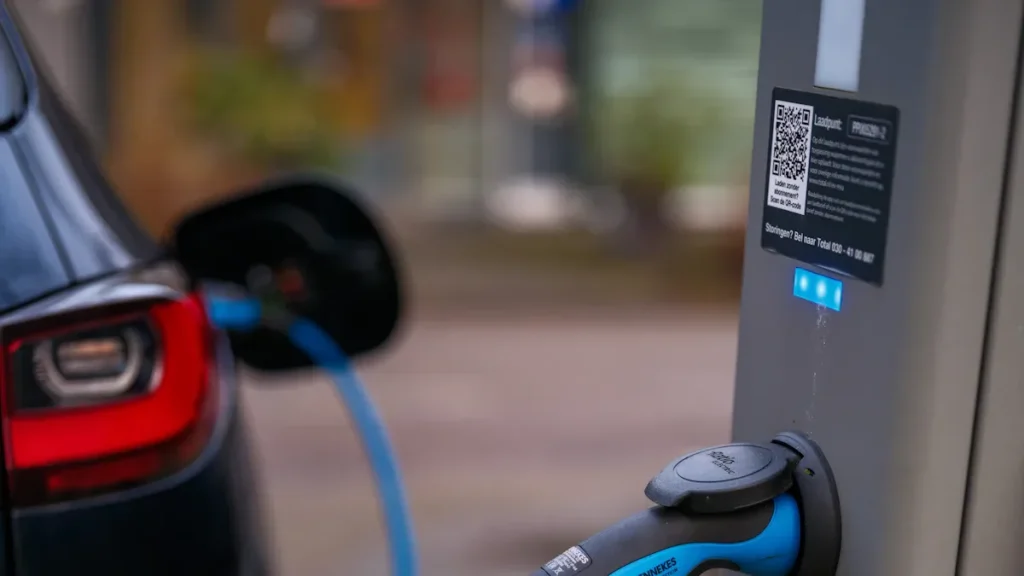

Un propriétaire de véhicule électrique peut brancher son véhicule sur une prise domestique standard 120V. Cette méthode est la plus lente pour recharger un véhicule électrique. Elle présente des limitations importantes. Ce processus, appelé recharge de Niveau 1, sert d'option de secours ou occasionnelle. Ce n'est pas une solution principale pour les besoins de conduite quotidiens. Comprendre sa lenteur, ses exigences de sécurité et ses utilisations pratiques est crucial avant d'utiliser une prise standard.
Alors que le marché du véhicule électrique se développe, avec des ventes de VÉ atteignant 13 % des nouvelles ventes en septembre, de plus en plus de conducteurs rencontrent cette question de recharge.
| Période | Part des VÉ dans les nouvelles ventes |
|---|---|
| Septembre (Nouvelles ventes de VÉ) | 13% |
| Moyenne du T3 | 10.5% |
| Moyenne du T2 | 7% |
Remarque : Utiliser une prise standard pour recharger un VÉ nécessite une réflexion attentive. Cette méthode de recharge de Niveau 1 offre de la commodité mais manque de la rapidité des installations dédiées Chargeur de VE de diverses Fabricants de chargeurs de VE. Pour la plupart des propriétaires de VÉ, chargeurs portables pour VE et la recharge sur prise standard sont mieux réservées aux situations d'urgence, pas à un usage routinier. Les bonnes Solutions de recharge pour véhicules électriques dépendent des habitudes de conduite et de l'accès à des options plus rapides.
Qu'est-ce que la recharge de Niveau 1 avec une prise standard ?
Chargement de niveau 1 est la méthode la plus basique pour alimenter un véhicule électrique. Elle utilise l'électricité domestique standard sans aucune installation d'équipement spécial. Cette approche consiste à brancher le véhicule directement dans une prise murale commune, du même type que celle utilisée pour les lampes et les ordinateurs portables. Comprendre les composants et les limitations de puissance est essentiel pour utiliser cette méthode de recharge efficacement.
Les bases de votre prise domestique standard
Comprendre la puissance 120 Volts
La prise domestique standard en Amérique du Nord délivre une puissance en courant alternatif (CA) de 120 volts (120V). Ce niveau de tension est suffisant pour la plupart des petits appareils électroniques et électroménagers. Pour un VÉ, il fournit un flux d'énergie lent mais régulier. Cette méthode de recharge est pratique car ces prises sont omniprésentes. Cependant, la faible puissance de sortie fait de la recharge de Niveau 1 un processus long, mieux adapté à des situations spécifiques plutôt qu'à un usage quotidien. Utiliser une prise standard pour recharger un VÉ demande de la patience.
La prise NEMA 5-15 expliquée
La combinaison fiche et prise pour ce type de recharge est officiellement connue sous le nom de NEMA 5-15. Un propriétaire peut identifier cette prise standard par sa configuration distincte à trois broches.
- Une fiche neutre plus longue
- Une fiche “sous tension” plus courte
- Une broche de terre ronde en dessous des deux fentes
Ce design est la prise électrique la plus courante dans les foyers aux États-Unis et au Canada. Sa présence universelle est ce qui rend la recharge de Niveau 1 si accessible.
L'équipement dont vous avez besoin pour brancher un VÉ
Le câble de connecteur mobile
Pour brancher un VÉ sur une prise standard, le propriétaire a besoin d'un équipement spécifique appelé un connecteur mobile. La plupart des constructeurs de véhicules électriques incluent ce câble avec l'achat d'un véhicule neuf. Ce chargeur portable possède une fiche NEMA 5-15 standard à une extrémité pour se connecter à la prise murale. L'autre extrémité a un connecteur J1772, qui se branche sur la prise de recharge du véhicule. L'électronique interne du câble gère le flux d'électricité en toute sécurité.
Le rôle du chargeur embarqué
Le câble connecteur mobile n'est pas le seul chargeur impliqué. Chaque VÉ possède un chargeur embarqué intégré au véhicule. Ce composant essentiel convertit la puissance CA 120V d'une prise standard en courant continu (CC), que la batterie du véhicule peut stocker.
Remarque : Ce processus de conversion n'est pas efficace à 100 %. Le chargeur embarqué d'un VÉ fonctionne généralement avec une efficacité comprise entre 75 % et 95 %. Cela signifie qu'une partie de l' énergie est perdue sous forme de chaleur lors de la conversion CA-CC, donc toute la puissance de la prise n'atteint pas la batterie.
La réalité de la vitesse de recharge de Niveau 1
Le principal inconvénient de l'utilisation d'une prise standard pour un véhicule électrique est sa vitesse de recharge extrêmement lente. Bien que pratique, la recharge de Niveau 1 ne fournit qu'un filet de puissance à la batterie du véhicule. Cette méthode est souvent insuffisante pour les besoins quotidiens d'un conducteur de VÉ moyen. Comprendre le taux de charge exact et ce que cela signifie en termes pratiques est essentiel.
À quel point est-ce lent, vraiment ?
La vitesse de recharge de Niveau 1 peut surprendre les nouveaux propriétaires de véhicules électriques. La faible puissance de sortie d'une prise standard 120V limite la rapidité avec laquelle le chargeur embarqué peut recharger la batterie. Ce rythme lent en fait une méthode mieux adaptée à la patience et à des cas d'utilisation spécifiques.
Kilométrage d'autonomie gagné par heure
En utilisant une prise standard, un propriétaire de VÉ peut généralement s'attendre à ajouter entre 5 et 8 km d'autonomie pour chaque heure de recharge. Ce taux peut varier légèrement selon l'efficacité du véhicule et la température ambiante.
- Efficacité du véhicule : Les modèles plus grands et moins efficaces peuvent se rapprocher de 5 km par heure.
- Température : Un temps plus froid peut réduire l'efficacité de la charge, entraînant un ajout d'autonomie plus lent.
Ce taux de réapprovisionnement lent souligne pourquoi Chargement de niveau 1 n'est pas une solution pratique pour les conducteurs qui ont besoin d'ajouter une autonomie significative rapidement.
Calculer votre temps de charge total
Un propriétaire peut estimer le temps de charge total avec un calcul simple. La formule donne une image claire de l'engagement en temps requis lors de l'utilisation d'une prise standard.
Formule pour estimer le temps de charge :
(Kilométrage d'autonomie nécessaire) / (Kilométrage moyen gagné par heure) = Heures de charge totales
Par exemple, pour ajouter 160 km d'autonomie à un taux de 6,5 km par heure, le calcul serait 160 / 6,5 ≈ 24,6 heures. Une charge complète pour un VÉ avec une batterie de 400 km pourrait prendre plus de deux jours complets.
Scénarios de recharge dans la réalité
Bien que lente, la recharge de Niveau 1 a sa place dans certaines situations. Son efficacité dépend entièrement du kilométrage quotidien du conducteur et de la durée pendant laquelle le véhicule reste stationné.
Le “rechargement” nocturne”
Pour les conducteurs ayant de courts trajets domicile-travail, une charge nocturne utilisant une prise standard peut être suffisante. Un trajet quotidien typique de 65 km nécessite environ 8 à 10 heures de recharge de Niveau 1 pour récupérer l'autonomie utilisée. Un propriétaire peut brancher son VÉ en rentrant du travail et l'avoir prêt pour le trajet du lendemain. Ce scénario fonctionne bien pour ceux qui parcourent systématiquement moins de 65-80 km par jour et peuvent consacrer une longue session de charge ininterrompue chaque nuit.
La “charge complète” du week-end”
Un autre scénario pratique consiste à utiliser le week-end pour effectuer une charge profonde. Si un VÉ est stationné le vendredi soir et laissé branché sur une prise jusqu'au lundi matin, il peut gagner une quantité substantielle d'autonomie. Cette session de charge de longue durée est idéale pour combler un déficit d'autonomie hebdomadaire.
| Durée de recharge | Average Range Gained (at 4 mph) |
|---|---|
| 24 Hours (1 Day) | ~96 Miles |
| 48 Hours (2 Days) | ~192 Miles |
This table shows that while a full charge from empty is difficult, a weekend can restore a significant portion of the battery’s capacity, making the car ready for the week ahead without needing a faster charger.
Is Charging an Electric Car with a Regular Outlet Safe?
Recharger une voiture électrique with a regular outlet can be safe, but it demands careful attention to the home’s electrical infrastructure. An electric vehicle draws a significant amount of power continuously for many hours. This sustained load places much more stress on a circuit than a typical appliance. An owner must verify that the wiring, outlet, and circuit are in excellent condition to ensure safety and prevent potential hazards like electrical fires.
Essential Safety Checks for Your Home
Before an owner plugs their ev in, performing a few essential safety checks is non-negotiable. These steps help mitigate the risks associated with the long, continuous power draw required for charging. Ignoring these checks can compromise the safety of the home and the vehicle.
Why You Need a Dedicated Circuit
The most critical safety measure is using a circuit dédié. An EV charger is classified by the National Electrical Code (NEC) as a “continuous load,” meaning it can operate for three or more hours at maximum current. This classification comes with strict safety requirements.
- 125% Sizing Rule: The NEC mandates that circuits and breakers for continuous loads must be rated for 125% of the charger’s maximum current. This rule prevents components from overheating during long charging sessions.
- Circuit dédié : The outlet used for charging must be on its own circuit. No other appliances or lights should share this circuit. This isolation prevents overloading and ensures the electric vehicle receives stable power.
These requirements are in place to handle the unique demands of charging an electric car safely.
How to Inspect Your Outlet’s Condition
The physical condition of the wall outlet is another crucial safety factor. A worn or damaged outlet cannot safely handle the sustained load from charging. An owner should inspect the regular outlet for any signs of wear or damage.
- Loose Contacts: The plug from the mobile connector should fit snugly into the outlet. A loose connection can cause arcing and dangerous heat buildup.
- Décoloration : Brown or black marks around the outlet slots are clear indicators of overheating and heat damage.
- Cracks or Damage: Any visible cracks on the faceplate suggest the outlet’s structural integrity is compromised and it should be replaced.
Conseil Professionnel : Electrical installations degrade over time. Experts recommend that owner-occupied homes have their electrical systems inspected every 10 years. Using a newer, high-quality branded outlet can also ensure a better connection and reduce overheating risks.
Les dangers des rallonges standard
Official electrical safety organizations explicitly advise against using a standard, household extension cord for charging. These cords are not designed for the high, continuous power flow needed for an EV. Using one creates a significant fire hazard due to several risks, including overheating and voltage drops. An owner should invest in a longer, type-approved charging cable or reposition the vehicle closer to the regular outlet.
Quand faire appel à un électricien professionnel
Some warning signs indicate that a home’s electrical system is not equipped for the demands of charging. In these cases, an owner must contact a qualified electrician immediately to assess the situation and perform necessary upgrades.
Signs of an Overloaded Circuit
An overloaded circuit is a serious danger. During a charging session, an owner should be aware of any of the following warning signs:
- Frequently tripping circuit breakers
- Flickering or dimming lights elsewhere in the house
- A buzzing sound from the outlet or electrical panel
- A burning smell near the outlet or panel
These symptoms indicate the circuit cannot handle the load, and continuing to use it for charging is unsafe.
Assessing Old or Faulty Wiring
Older homes, particularly those built before modern wiring standards, may have electrical systems incapable of supporting EV charging from a regular outlet. The wiring gauge might be too small, or the insulation may have degraded over time. A professional electrician can assess the wiring’s condition, identify any deficiencies, and determine what upgrades are necessary to meet current safety requirements for charging.
What About Extension Cords for EV Charging?
An owner might be tempted to grab a standard extension cord to bridge the gap between their electric vehicle and a distant outlet. However, this common household tool is not suitable for the demands of EV charging and can introduce serious risks. Using the correct type of cord and following strict safety protocols is essential.
Pourquoi les cordons standard présentent-ils un risque d'incendie ?
Most extension cords found in a garage or home are designed for temporary, low-power tasks like running a leaf blower or holiday lights. They cannot handle the sustained, high-current load required for chargement d'un véhicule électrique.
Understanding Wire Gauge and Amperage
The primary danger lies in the cord’s construction. Wire thickness is measured by its gauge, where a lower number indicates a thicker wire capable of carrying more electrical current (amperage).
- Standard Cords: Often use thin, high-gauge wires (e.g., 16-gauge) designed for low amperage.
- EV Charging: Un Chargeur de VE pulls a high, continuous current (around 12 amps) for many hours.
Pushing this much current through a thin wire is like forcing a river through a garden hose. The wire simply cannot handle the flow.
The Risk of Overheating
This mismatch between the charger’s power draw and the cord’s capacity leads to a dangerous outcome: overheating. The cord can become hot to the touch, causing its plastic insulation to melt. This exposes the live wires, creating a significant risk of electrical shock and fire. For this reason, using a standard extension cord for EV charging is strongly discouraged by safety experts. An owner should never use a regular household cord for this purpose.
Using Heavy-Duty, EV-Rated Cords Safely
For situations where reaching a regular outlet is impossible without an extension, only a heavy-duty, EV-rated cord is acceptable. These are specialty products engineered specifically for the high demands of charging.
What Makes an Extension Cord EV-Rated
An EV-rated cord is built to much higher standards than a regular one. These cords meet specific technical requirements for performance and safety. They feature robust construction designed for harsh environments and sustained high-current use.
| Spécifications | Detail |
|---|---|
| Wire Gauge | 1.5mmsq or 3x6mm² (Thick wire for high current) |
| Rated Current | Up to 32 Amps |
| Protection contre les intempéries | IP66 Rated (Dust-tight and protected from powerful jets of water) |
| Cable Type | H07RN-F Rubber Cable (Resistant to chemicals, impacts, and abrasion) |
| Certifications | TUV, CE, UL94V-0 (Independently tested for safety) |
These features ensure the cord can safely manage the continuous load from an EV charger without overheating.
Best Practices for Occasional Use
Even with a proper EV-rated cord, an owner should treat its use as a temporary solution, not a permanent installation. Following best practices is crucial for safe operation.
Important : An EV-rated extension cord should only be used occasionally when no other option is available.
- Never plug an extension cord into another extension cord.
- Always plug directly into a wall outlet.
- Ensure the cord is fully unwound during charging to help dissipate heat.
- Use a dedicated regular outlet with no other appliances connected.
- Regularly inspect the plug and outlet for signs of warmth or discoloration.
- Consider using a plug-in socket tester to verify the outlet is wired correctly before the first charging session.
Adhering to these guidelines helps mitigate risks when using an extension cord for temporary charging needs.
When Does It Make Sense to Use a Regular Outlet?

Despite its slow speed, Level 1 charging has specific scenarios where it is a practical and logical choice. An owner must weigh the benefits of convenience against the significant time commitment. For some drivers and vehicle types, using a regular outlet for charging an electric car is a perfectly viable solution.
The Pros: When It’s a Good Option
Using a standard wall outlet offers distinct advantages, primarily centered around cost and accessibility. These benefits make it an attractive option for certain users.
Aucun coût d'installation
The most significant advantage is the complete avoidance of installation costs. An owner can plug an ev directly into an existing outlet without needing to hire an electrician or purchase expensive hardware. This makes the initial transition to an electric vehicle more affordable.
Ultimate Convenience and Portability
Le connecteur mobile that comes with most EVs provides ultimate convenience and portability. An owner can charge their electric vehicle anywhere a standard outlet is available, such as at a friend’s house, a vacation rental, or a workplace. This flexibility ensures a charging option is almost always nearby.
Ideal for Low-Mileage Drivers and PHEVs
Using a regular outlet is an excellent match for Plug-in Hybrid Electric Vehicles (PHEVs) and drivers with short daily commutes.
- PHEVs have smaller batteries, often providing up to 50 miles of electric range.
- A full charging session for a PHEV can take just 2-4 hours with a standard outlet.
- An eight-hour overnight charging session provides about 30-40 miles of range, which is more than enough to replenish the battery of a PHEV or cover the daily driving needs of a low-mileage EV driver.
This makes slow charging a common and effective method for these specific use cases.
The Cons: The Major Drawbacks
The limitations of using a regular outlet are significant. These drawbacks often make it an impractical primary charging solution for the average battery-electric vehicle owner.
Impractically Slow for Most Drivers
The slow charging speed is the primary disadvantage. For drivers who commute long distances or need to add substantial range quickly, waiting hours for a minimal gain is not feasible. A full charge for a typical EV can take several days, making this method unsuitable for daily use.
Potential Strain on Your Home’s Electrical System
The continuous, high-power draw of charging places considerable strain on a home’s electrical system. Even if an outlet appears to be in good condition, older wiring or a shared circuit can overheat during long charging sessions. This sustained load increases the risk of electrical faults and potential fire hazards over time.
The Better Alternative: Level 2 Home Charging

For most electric vehicle owners, Level 1 charging is a temporary fix. The superior solution for daily charging at home is a Level 2 home charger. This method provides a faster, more reliable, and more convenient experience, transforming EV ownership from manageable to effortless. It represents a true investment in an electric lifestyle.
What is Level 2 Charging?
Level 2 charging uses a more powerful electrical circuit than a standard wall outlet. It is the most common and recommended method for home charging. This upgrade requires a dedicated installation but offers significant benefits in speed and efficiency.
Comprendre l'alimentation en 240 volts
Level 2 systems operate on 240-volt power, the same voltage used by large appliances like electric ovens and clothes dryers. This higher voltage allows for a much greater power output compared to the 120-volt regular outlet. The difference in charging capability is substantial.
| Type de chargeur | Puissance (kW) |
|---|---|
| Niveau 1 | 1.2 – 1.9 |
| Niveau 2 | 7.4 – 11 |
This increased power flow dramatically reduces the time needed for charging an electric vehicle.
The Dryer Outlet Analogy
A simple way to understand 240-volt power is to think of a clothes dryer outlet. These large, robust outlets are designed to handle the high power demands of such appliances. A Level 2 home charging point functions similarly, using a dedicated 240-volt circuit to deliver energy safely and quickly to the EV.
The Speed and Convenience Upgrade
The primary advantage of a Level 2 charger is its speed. This upgrade eliminates the range anxiety associated with slow charging from a regular outlet and makes the vehicle ready for any trip on short notice.
Fully Charging an EV Overnight
With a Level 2 home charger, an owner can fully charge their electric vehicle overnight, every night. A vehicle with a low battery can be plugged in at bedtime and be at 100% by morning. This capability ensures the car’s maximum range is always available.
Comparing Miles Gained Per Hour
The rate of range replenishment is where a Level 2 charger truly excels. While a standard outlet adds only a few miles per hour, a Level 2 unit adds significant range, making it practical for daily drivers.
| Type de chargeur | Miles of Range Per Hour |
|---|---|
| Niveau 1 | 2-5 |
| Niveau 2 | 10-75 |
This rapid charging speed means even a short, one-hour session can add substantial mileage.
Considérations relatives à l'installation et aux coûts
Upgrading to a Level 2 system involves upfront costs for both the equipment and professional installation. However, many owners find the investment worthwhile for the long-term convenience.
The Price of a Wall Connector
The central piece of equipment is the electric vehicle home charger, often called a wall connector. Technologically advanced providers like TPSON offer a range of solutions. Prices for a charger vary by brand and features.
| Marque | Modèle | Prix |
|---|---|---|
| Tesla | Wall Connector | ~$500 |
| JuiceBox | 40 | ~$600 |
| ChargePoint | Home Flex | ~$700 |
These units provide faster charging and often include smart features like scheduling and energy monitoring.
Trouver un électricien qualifié
Important : The installation of a 240-volt outlet and a Level 2 charger is not a DIY project. An owner must hire a qualified electrician.
An electrician will ensure the new circuit is installed safely, meets all local codes, and can handle the continuous power load required for charging. This professional installation guarantees the safety and reliability of the home charging setup.
Comparing Your Home Charging Options
Choosing the right method for charging at home depends on a driver’s needs, budget, and vehicle. A direct comparison of Level 1 and Level 2 charging reveals significant differences in performance and cost. Understanding these options helps an owner make an informed decision for their electric vehicle.
Level 1 vs. Level 2 at a Glance
The two primary home charging methods offer vastly different experiences. One provides convenience with major limitations, while the other requires an investment for superior speed.
Speed and Power Output
The most significant distinction between the two levels is their power output, which directly impacts charging speed. Level 1 charging from a standard outlet provides only a trickle of power. A Level 2 charger delivers a much faster and more substantial flow of energy.
| Niveau de charge | Puissance (kW) |
|---|---|
| Niveau 1 | 1,4-2,3 kW |
| Niveau 2 | 3.7–22 kW (typically 7–11 kW for residential) |
This difference means a Level 2 charger can replenish an EV’s battery many times faster than a regular outlet.
Upfront Cost and Installation
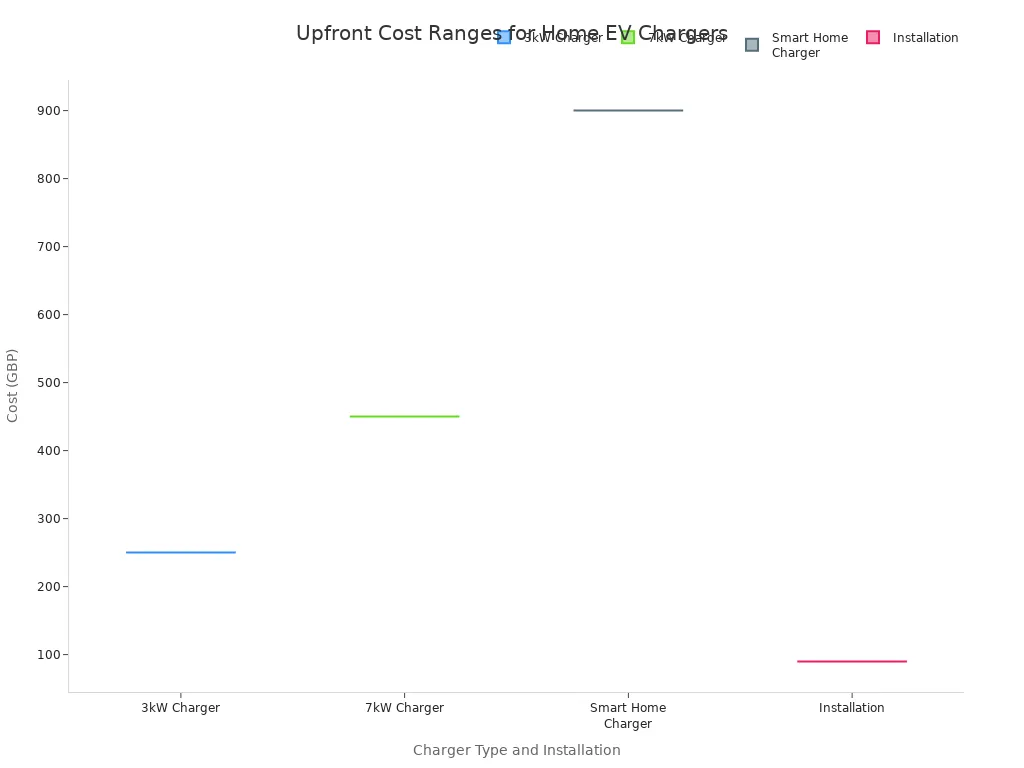
Cost is a major factor in choosing a charging solution. Level 1 charging has almost no upfront cost, as it uses the mobile connector included with the electric vehicle and a standard wall outlet.
In contrast, a Chargeur domestique de niveau 2 is an investment. The equipment cost for a standard home charger can range from several hundred to over a thousand dollars, depending on the brand and features. Professional installation adds to this expense, with costs varying based on the complexity of the home’s wiring.
Best Use Case for Each
Each charging level has an ideal scenario.
- Niveau 1 : Best for PHEV owners, low-mileage drivers, or as a portable, emergency charging option when away from home.
- Niveau 2 : The recommended standard for most BEV owners. It provides fast, reliable overnight charging at home, ensuring the car is always ready with maximum range.
What About Level 3 (DC Fast Charging)?
Level 3 charging, also known as DC Fast Charging, represents the quickest way to power an ev. However, it is not a home charging option.
Why It’s Not a Home Charging Option
Important : DC fast chargers are commercial-grade equipment. Their immense power requirements and prohibitive costs make them unsuitable for residential installation.
These systems can have a power output ranging from 50 kW to an incredible 350 kW. A home’s electrical system cannot support this level of power draw. This type of charging requires specialized, high-voltage infrastructure found only at public stations.
Reserved for Road Trips and Quick Stops
DC fast charging is designed for rapid, on-the-go replenishment. Drivers use these stations during long-distance road trips or for a quick power boost while running errands. The goal is to add hundreds of miles of range in under an hour, minimizing travel downtime.
An owner can plug an ev into a regular outlet, but this method of charging is a temporary home charging solution. The slow speed of charging an electric car from a standard outlet makes it impractical for most daily needs. For reliable charging at home, investing in a proper home charger is the clear choice.
Principaux enseignements : To ensure safety and convenience, an owner should not rely on a regular outlet for primary charging. A dedicated electric vehicle home charger is the superior option. An owner can plug an ev into an outlet, but a Level 2 home charger provides faster, safer charging for an electric vehicle. This charger is the best choice for any electric vehicle owner’s outlet.
FAQ
Can I charge my Tesla with a regular outlet?
Yes, an owner can charge a Tesla with a standard 120V outlet. Tesla vehicles come with a Mobile Connector and a NEMA 5-15 adapter for this purpose. The charging speed will be very slow, adding only a few miles of range per hour.
Does Level 1 charging damage the EV battery?
Non, Chargement de niveau 1 is perfectly safe for an EV’s battery. The vehicle’s onboard systems manage the slow power flow, preventing any harm. This gentle charging method does not negatively impact the battery’s long-term health or performance.
How much does it cost to charge an EV with a regular outlet?
The cost depends on local electricity rates, measured in cents per kilowatt-hour (kWh). An owner can find this rate on their utility bill. While Level 1 charging is slow, it is typically the most inexpensive method for replenishing an EV’s range at home.
Is it faster to charge an EV in warmer weather?
Yes, EVs generally charge more efficiently in warmer weather. Cold temperatures can slow the chemical reactions within the battery, slightly reducing the charging speed. The vehicle’s battery management system may also limit charging speed in extreme cold to protect the battery.
Can I leave my EV plugged in all the time?
Yes, an owner can leave their EV plugged in. The vehicle’s Battery Management System (BMS) automatically stops the charging process once the battery reaches its target level. This prevents overcharging and is a recommended practice to keep the battery ready.
What is a J1772 connector?
The J1772 is the industry-standard connector plug for Level 1 and Level 2 AC charging in North America. Most non-Tesla EVs use this port. The mobile charging cord that comes with an EV has a J1772 plug on the end that connects to the car.
Do I need a special adapter for a regular outlet?
No, an owner does not need a special adapter. The mobile charging cord provided by the vehicle manufacturer already has the correct plug (NEMA 5-15) to connect directly to a standard three-prong household outlet. It is an all-in-one solution.




