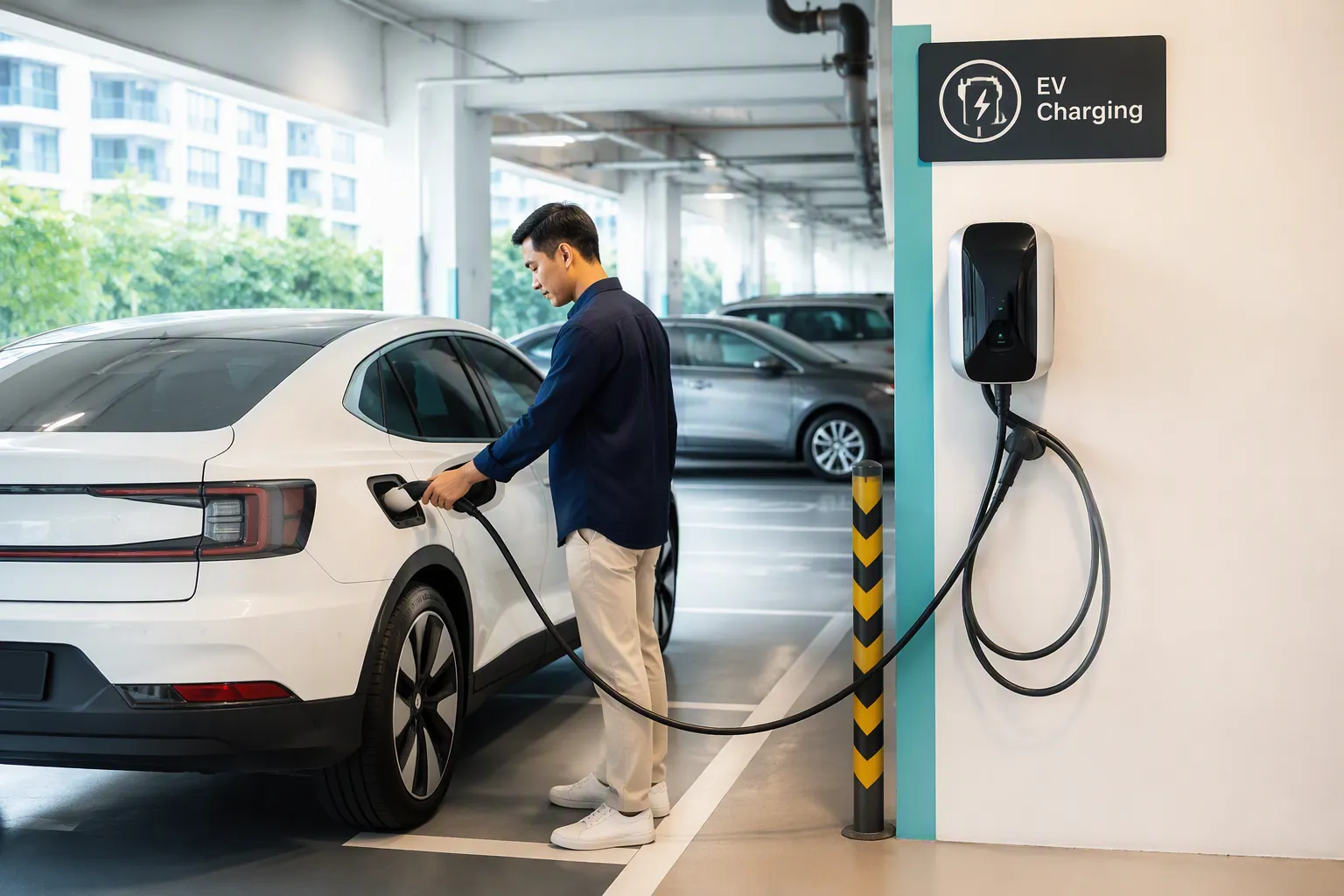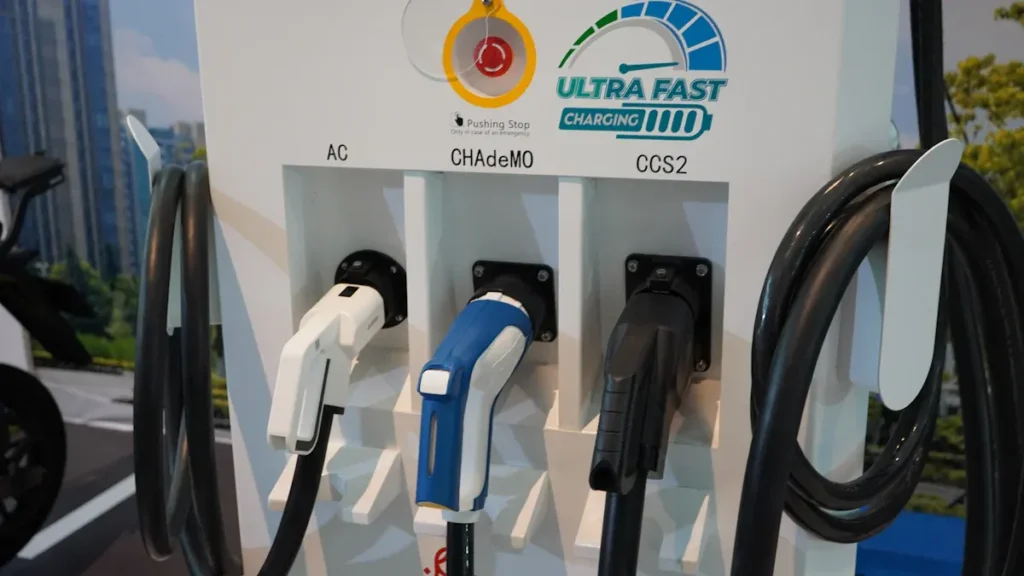
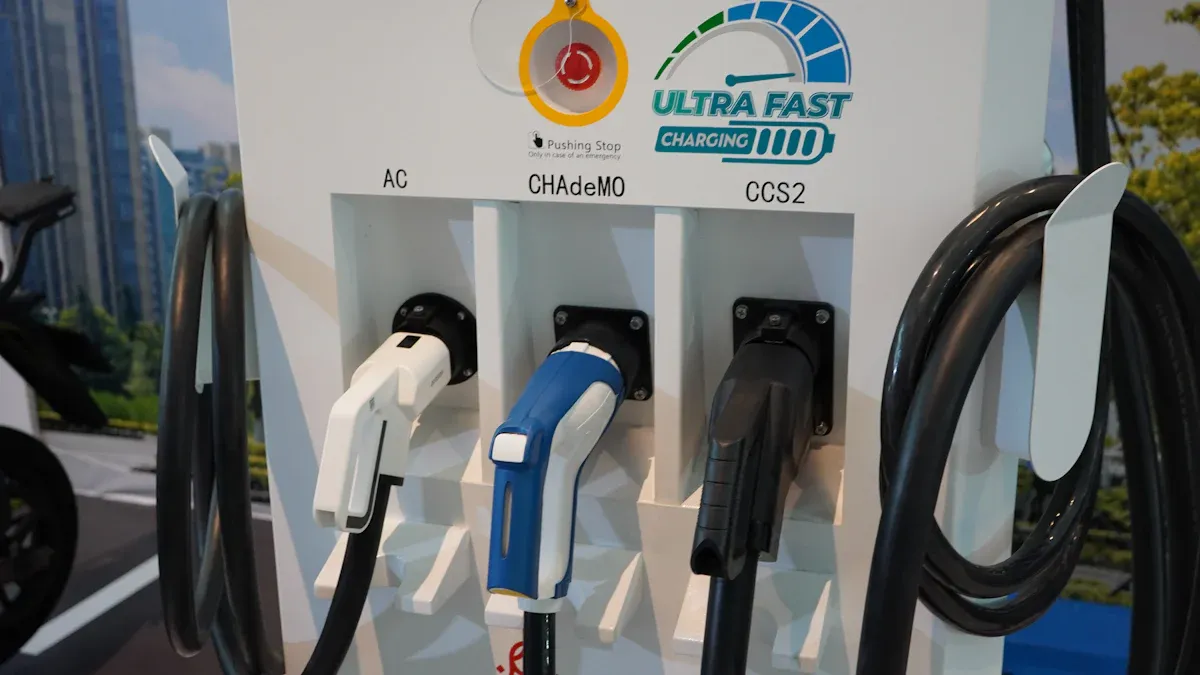
Level 3 EV charging uses direct current to deliver a fast charge, making it the quickest method for charging your electric car. This technology supports electric vehicle charging at high power, reducing wait times at an Cargador EV. In Chile, reliable Soluciones de recarga de vehículos eléctricos and networks from Fabricantes de cargadores para VE help drivers keep their electric vehicles ready for any trip. Fast charging benefits those who need quick energy boosts, especially when cargadores portátiles ev are not available.
How Level 3 Charging Works for EVs

Fast Charging Speed and Power
Typical Charging Times for Electric Cars
Level 3 charging offers a significant reduction in charging time compared to other methods. Most electric vehicle owners experience a full charge in under 30 minutes when using a carga rápida station. This rapid charging capability makes it ideal for drivers who need to continue their journey quickly. For example, a typical car can gain 100 to 200 miles of range in just 20 to 30 minutes. This speed supports long-distance travel and minimizes downtime during trips.
Power Output Explained for Level 3 Charging
Level 3 EV charging stations deliver high power directly to the battery. These chargers, often called DC fast chargers, provide power outputs ranging from 50kW to over 350kW. This high output enables ultra-rapid charging, which is essential for busy urban environments and highway corridors. The increased power means that drivers can spend less time at the charger and more time on the road.
Technology Behind Level 3 EV Charging
DC Fast Charging Basics
The technical process behind level 3 charging enables faster speeds by supplying high-voltage direct current (DC) directly to the vehicle’s battery. The system bypasses the onboard charger, which typically handles alternating current (AC) at lower speeds. Specialized power conversion units transform AC from the grid into high-voltage DC. Key components such as power factor correction systems and isolated DC-DC converters enhance both efficiency and charging speed.
How Level 3 Differs from AC Charging
The main difference between level 3 charging and lower levels lies in the type of current and the speed of energy delivery. Level 1 and Level 2 chargers use AC, which the vehicle must convert to DC before storing it in the battery. Level 3 charging skips this step, sending DC power straight to the battery. The table below highlights the differences:
| Nivel de carga | Potencia de salida | Velocidad de carga | Tipo de corriente |
|---|---|---|---|
| Nivel 1 | 1.4 kW | 8-12 horas | CA |
| Nivel 2 | 3.7-22 kW | 4-8 horas | CA |
| Nivel 3 (Carga Rápida de CC) | 30-360 kW | Under 20 minutes | DC |
Level 3 vs. Level 1 and Level 2 Charging
Key Differences in Charging Speed
Level 1 charging adds 3-5 miles of range per hour, making it suitable for overnight charging at home. Level 2 increases the speed, adding 20-60 miles per hour, which works well for daily use. Carga de nivel 3 stands out by adding 100-200+ miles in just 20-30 minutes. This makes it the preferred choice for rapid charging during long trips or when time is limited.
When to Use Each Charging Level
Drivers should use level 1 charging for overnight sessions at home. Level 2 fits daily charging needs at home or public locations. Level 3 charging, including ultra-rapid charging, serves best for quick top-ups during road trips or when a fast turnaround is necessary. This flexibility ensures that every EV owner can find a suitable charging solution for any situation.
Finding Level 3 Charging Stations in Chile
Public Fast Charging Networks
Major Providers of Level 3 Charging in Chile
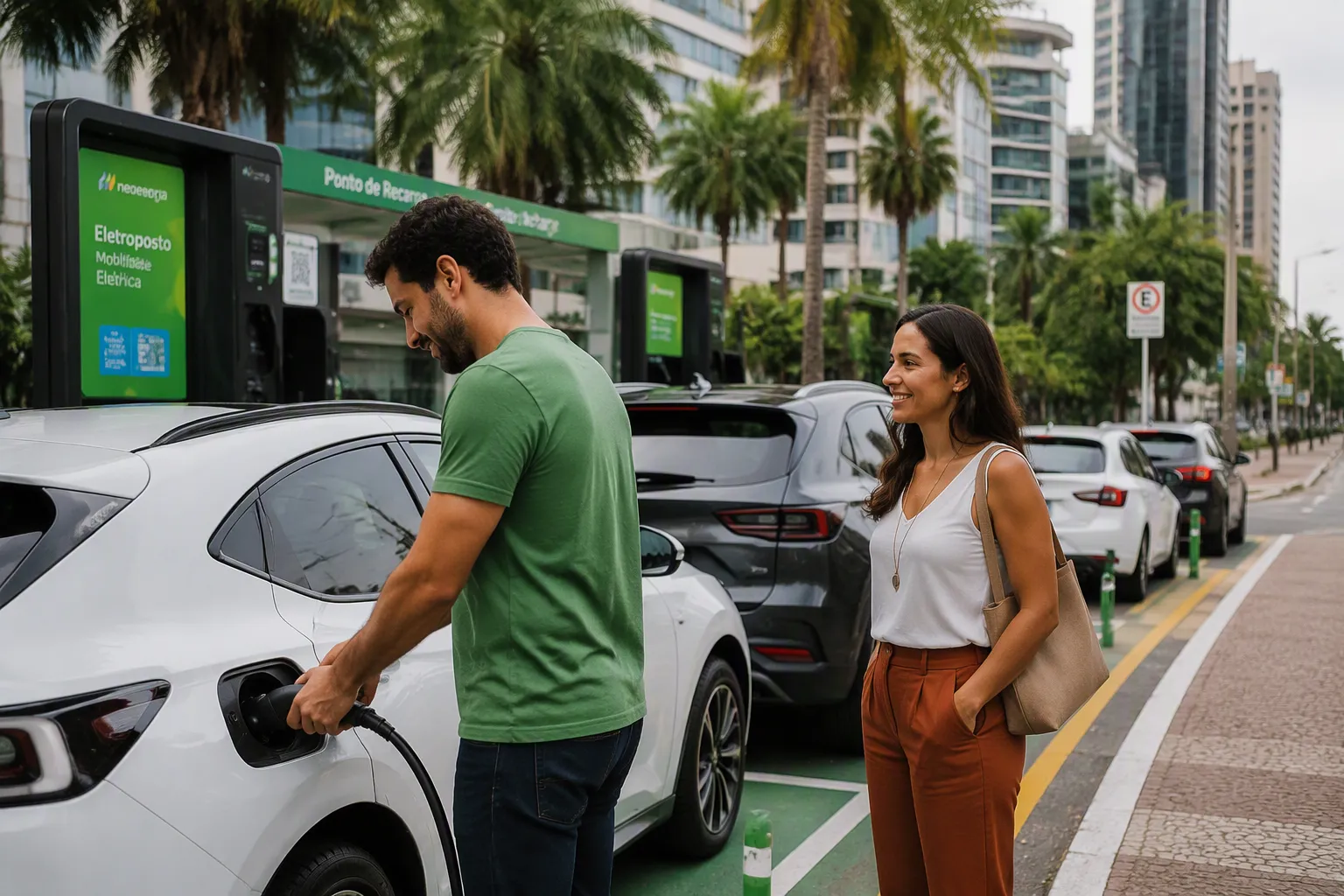
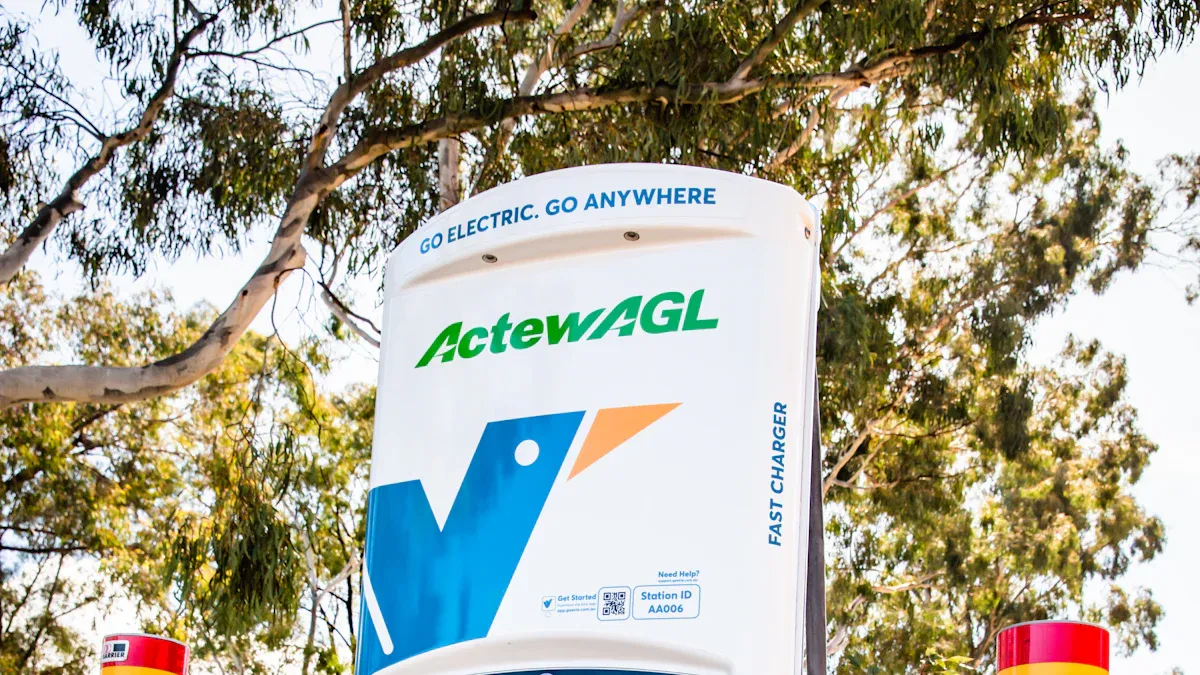
Chile’s public EV charging infrastructure continues to expand, with several networks offering reliable access to level 3 charging stations. Copec’s Electrostation in Santiago stands out as a leading example. The station operates six DC fast chargers, delivering power levels of 180 kW, 120 kW, and 50 kW. These chargers support both CCS and CHAdeMO connectors, ensuring compatibility with most electric vehicles. Copec Voltex, the subsidiary responsible for this network, has played a pivotal role in promoting electromobility in Chile since 2012. TPSON also contributes advanced solutions for EV charging, supporting the growth of puntos de recarga públicos across the country.
Urban and Rural Coverage for EV Charging
Urban areas such as Santiago, Valparaíso, and Concepción feature a higher concentration of charging stations. Drivers in these cities can access multiple charging points within short distances, making daily EV use convenient. Rural regions have fewer public charging options, but the network continues to grow. Expansion projects aim to connect major highways and remote communities, improving access for long-distance travelers. Reliable public EV charging remains a priority for both government and private sector initiatives.
Using Apps and Maps for Charging Your Electric Car
Recommended Apps for Level 3 Charging in Chile
Mobile apps help drivers locate charging stations quickly. Waze has improved its listings for EV users in Chile by leveraging its community of drivers. The app now provides actualizaciones en tiempo real, ensuring that information about charging points remains accurate and current. This initiative addresses previous issues with outdated or inconsistent data, making Waze a valuable tool for those seeking public charging locations. Other popular apps include PlugShare and Electromaps, which offer user reviews and station details.
How to Search for Fast Charging Stations
Drivers searching for how to find public EV charging stations can use these apps to filter results by charging speed, connector type, and availability. Most apps display charging points on a map, allowing users to plan stops along their route. Some platforms also provide information about station amenities, payment methods, and real-time charger status. This approach simplifies the process of finding suitable charging stations, especially during busy travel periods.
Planning Your Route with Level 3 Charging
Long-Distance Travel Tips for EV Owners
Long-distance travel with an EV requires careful planning. Drivers should identify charging stations along their route before departure. It helps to check the power output and connector compatibility at each stop. Carrying a backup charging solution, such as a portable charger, adds peace of mind for journeys through less populated areas.
Charging Availability and Peak Times
Charging stations may experience high demand during weekends and holidays. Arriving early or scheduling charging sessions during off-peak hours can reduce wait times. Monitoring real-time availability through apps ensures efficient use of public charging infrastructure. These strategies help drivers maintain flexibility and confidence on the road.
Charging Your Electric Car at a Level 3 Charger
Step-by-Step Guide to Fast Charging
Arriving at the Level 3 Charging Station
Drivers should approach the station with their vehicle and park in the designated spot. Most charging stations display clear instructions and safety guidelines. Before starting, they should check that the charging point is available and that the connector matches their vehicle. A quick inspection of the charging cable and socket helps prevent issues during the session.
Connecting Your EV to the Charger
Para conectar el vehículo eléctrico, los conductores deben seleccionar el conector correcto para su automóvil. Deben manipular el cable con cuidado y asegurar un acoplamiento firme. Seguir los protocolos de seguridad mejora la experiencia de carga y protege el equipo.
Consejos de seguridad para la conexión:
- Utilice un toma de corriente dedicada con capacidad de 16A y un cable de carga para vehículos eléctricos de alta calidad con cargas ajustables.
- Evite superar los 8A durante la carga nocturna para prevenir sobrecalentamientos.
- Inspeccione periódicamente tomas y cables en busca de daños por calor y reemplace de inmediato cualquier componente desgastado.
- Mantenga la carga en un máximo de 6A para una carga nocturna segura.
- Instale una toma de 3 clavijas dedicada con capacidad para cargas de 13A, incluso cuando utilice configuraciones más bajas.
- Verifique la firmeza de las lengüetas del fusible en el enchufe cada seis meses o si el enchufe se percibe caliente.
Inicio de la sesión de carga rápida
Tras la conexión, los conductores pueden iniciar la sesión de carga rápida siguiendo las indicaciones en la pantalla de la estación o en la aplicación móvil. Algunas estaciones requieren autenticación mediante tarjeta o aplicación antes de comenzar la carga. El sistema confirmará una conexión segura e iniciará el flujo de electricidad hacia la batería del vehículo.
Seguimiento del progreso de la tarificación
Durante la carga rápida, la pantalla de la estación o la aplicación móvil del conductor muestran datos en tiempo real. Esto incluye la velocidad de carga actual, el porcentaje de batería y el tiempo restante estimado. Los conductores deben permanecer cerca para monitorear el progreso y responder a cualquier alerta. La mayoría de las estaciones de carga rápida proporcionan notificaciones claras cuando la sesión está por finalizar.
Finalización de la sesión y desconexión
Cuando la batería alcance el nivel de carga deseado, los conductores deben finalizar la sesión utilizando la interfaz de la estación o la aplicación. Deben esperar la confirmación antes de desconectar el cable. Tras retirar el conector, los conductores deben devolverlo a su soporte y revisar el área en busca de objetos personales. Este proceso garantiza que el siguiente usuario encuentre el punto de carga listo y seguro.
Tipos de conectores para carga de nivel 3 de vehículos eléctricos
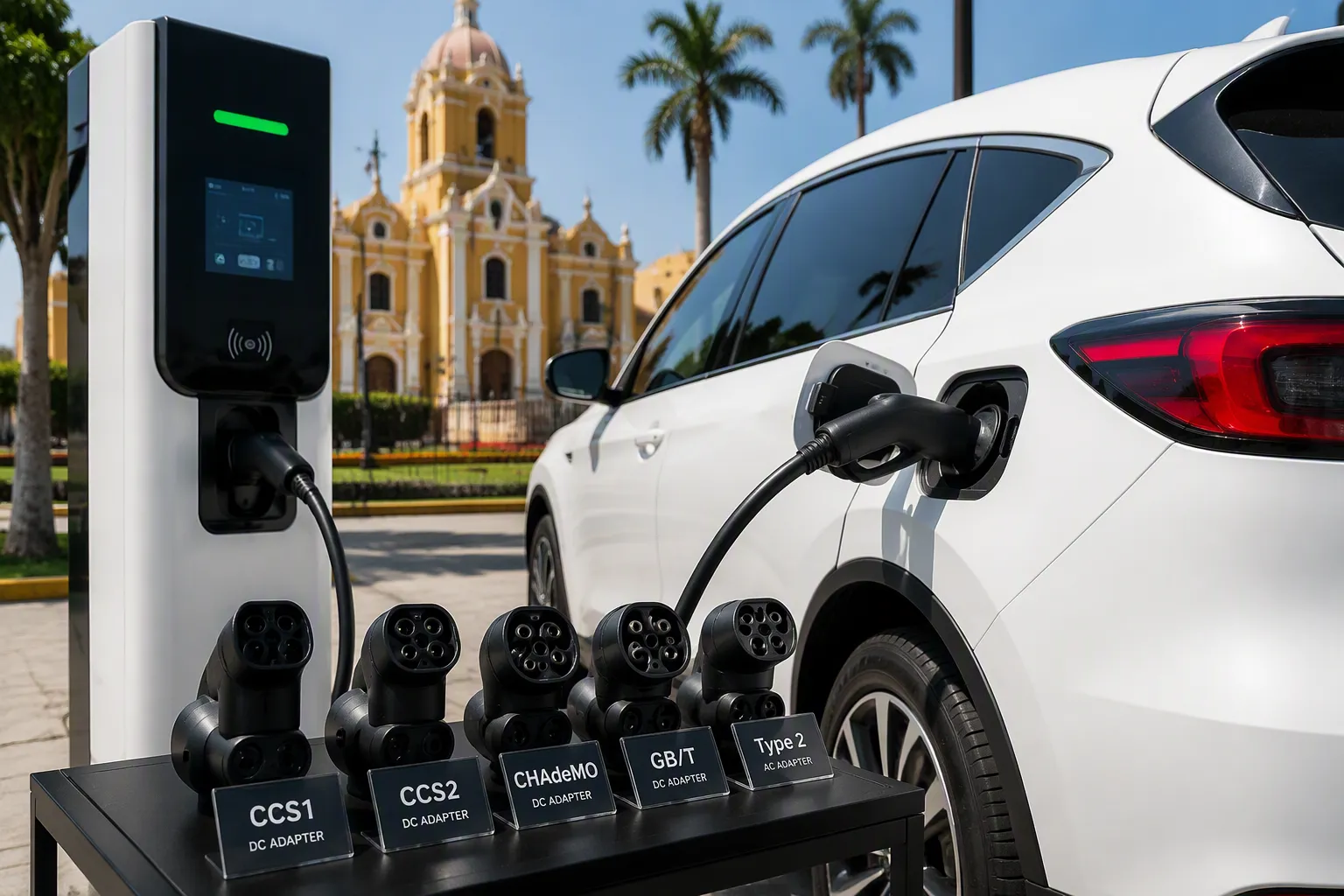
La compatibilidad de conectores juega un papel crucial en cómo cargar un vehículo eléctrico en una estación de carga de nivel 3. Diferentes vehículos requieren conectores específicos, y no todas las estaciones de carga admiten cada tipo. La siguiente tabla resume los principales tipos de conectores presentes en puntos de carga rápida:
| Tipo de conector | Descripción |
|---|---|
| CCS (Sistema de Carga Combinada) | Estándar en Europa y América del Norte |
| CHAdeMO | Común en vehículos japoneses como modelos antiguos de Nissan Leaf |
| Supercargador Tesla | Sistema propietario para vehículos Tesla |
Conectores CHAdeMO
Los conectores CHAdeMO sirven a muchos vehículos eléctricos japoneses, como los primeros modelos de Nissan Leaf. Estos conectores admiten carga rápida y están disponibles en varias estaciones de carga públicas en Chile. Los conductores deben confirmar la compatibilidad antes de iniciar una sesión.
Conectores CCS Combo
Los conectores CCS Combo se han convertido en el estándar para la mayoría de los nuevos vehículos eléctricos en Europa y América del Norte. Muchas estaciones de carga rápida en Chile ofrecen CCS, facilitando a los conductores encontrar puntos de carga compatibles. Este conector admite tanto carga rápida en CA como en CC, brindando flexibilidad para diferentes necesidades de carga.
Conectores Tesla Supercharger
Los conectores Tesla Supercharger funcionan exclusivamente con vehículos Tesla. Estas estaciones proporcionan carga de alta velocidad y forman parte de la red propietaria de Tesla. Algunas ubicaciones ahora ofrecen adaptadores para vehículos no Tesla, pero los conductores deben verificar el acceso antes de planificar un viaje.
Métodos de pago para carga de nivel 3
Pagar por la carga rápida en estaciones de carga públicas se ha vuelto más conveniente. Los conductores pueden elegir entre varias opciones de pago, dependiendo del proveedor y la ubicación.
Pagos con tarjeta de crédito/débito
Muchas estaciones de carga de nivel 3 aceptan tarjetas de crédito o débito. Los conductores pueden acercar o insertar su tarjeta en el terminal de pago para iniciar una sesión. Este método ofrece una solución directa para quienes no utilizan aplicaciones móviles o membresías.
Aplicaciones móviles y tarjetas RFID
Las aplicaciones móviles proporcionan otra forma popular de pagar la carga rápida. Los conductores pueden descargar la aplicación del proveedor, crear una cuenta y vincular un método de pago. Algunas redes también emiten tarjetas RFID, que los usuarios acercan a la estación para comenzar a cargar. Estas opciones agilizan el proceso y permiten un seguimiento sencillo del historial de carga.
Opciones de membresía y suscripción
Algunas redes de carga ofrecen planes de membresía o suscripción. Los miembros pueden recibir tarifas con descuento, acceso prioritario o funciones especiales. Las suscripciones pueden beneficiar a usuarios frecuentes que dependen de puntos de carga públicos para sus viajes diarios. Los conductores deben comparar planes para encontrar el más adecuado a sus necesidades.
Consejo:
Configurar métodos de pago con antelación ahorra tiempo y garantiza una experiencia fluida en la estación.
Qué esperar durante la carga rápida
Servicios en estaciones de carga para propietarios de vehículos eléctricos
Las estaciones de carga rápida en Chile ofrecen una variedad de servicios que mejoran la experiencia para los propietarios de vehículos eléctricos. Muchas estaciones proporcionan espacios de estacionamiento cubiertos, que protegen los automóviles de condiciones climáticas adversas. Los conductores suelen encontrar baños, máquinas expendedoras y áreas de descanso cercanas. Algunas ubicaciones cuentan con acceso Wi-Fi, permitiendo a los usuarios mantenerse conectados mientras cargan su vehículo eléctrico. Las redes de carga a veces instalan tiendas de conveniencia o cafés junto a la estación. Estas instalaciones brindan a los conductores un lugar para relajarse durante una sesión de carga rápida.
Una estación de carga rápida típica puede incluir:
- Baños: Limpios y accesibles para todos los usuarios.
- Áreas de descanso: Espacios cómodos para esperar durante la carga rápida.
- Wi-Fi: Acceso a internet gratuito para revisar correos o navegar.
- Máquinas expendedoras: Snacks y bebidas para un refrigerio rápido.
- Iluminación: Entornos brillantes y seguros para cargas nocturnas.
Nota: Los servicios varían según la ubicación. Las estaciones urbanas suelen ofrecer más características que las ubicaciones rurales.
Algunas estaciones también proporcionan pantallas informativas que muestran mapas locales, actualizaciones del clima y el progreso de la carga. Los conductores pueden monitorear su sesión y planificar su próxima parada. Cargar su vehículo eléctrico se vuelve más fácil cuando los servicios brindan tanto comodidad como conveniencia.
Consejos de seguridad para carga de nivel 3
La seguridad sigue siendo una prioridad máxima durante la carga rápida. Los conductores deben seguir las pautas para protegerse a sí mismos, a su vehículo eléctrico y al equipo de la estación. La carga de nivel 3 para vehículos eléctricos utiliza corriente directa de alto voltaje, lo que requiere un manejo cuidadoso.
Consejos clave de seguridad para carga rápida incluyen:
- Inspeccionar el equipo: Revise cables y conectores en busca de daños visibles antes de iniciar una sesión.
- Seguir instrucciones: Lea la señalización de la estación y siga las indicaciones en la pantalla.
- Permanecer cerca: Manténgase cerca de su automóvil durante la carga rápida. Responda rápidamente a alertas o interrupciones.
- Evitar condiciones húmedas: No cargue su vehículo eléctrico si el área de la estación está mojada o inundada.
- Conexiones seguras: Asegúrese de que el conector encaje firmemente en el puerto de carga del vehículo.
- Monitor Progress: Use the station display or app to track charging status.
- End Session Properly: Wait for confirmation before disconnecting the cable.
⚠️ Consejo: Never touch exposed wires or attempt repairs. Contact station staff or the charging network for help.
Charging your EV at a fast charging station should feel safe and straightforward. Drivers who follow these steps reduce risks and enjoy efficient charging. Level 3 charging delivers rapid charging speeds, but safety practices ensure every session ends smoothly.
Costs and Factors Affecting Level 3 Charging Speed
Typical Pricing Models for Fast Charging
Level 3 charging stations in Chile use several pricing models. These models help drivers understand the cost of using public charging points and plan their expenses.
Precios por kWh frente a precios por minuto
Many charging stations charge drivers based on the amount of energy delivered, measured in kilowatt-hours (kWh). This model allows users to pay for the exact energy their EV receives. Some providers use a per-minute pricing structure. In this case, the cost depends on how long the car remains connected to the charger. Per kWh pricing often benefits those with vehicles that charge quickly, while per-minute rates may suit drivers who need only a short boost.
Tarifas Planas y Planes de Suscripción
Some networks offer flat fees for each charging session. This approach provides predictable costs, especially for those who use fast charging regularly. Subscription plans are also available. These plans allow drivers to pay a monthly fee for access to discounted rates or unlimited charging at certain locations. Subscriptions can lead to significant savings for frequent users. Drivers should compare options to find the best fit for their charging habits and travel needs.
Consejo: Reviewing the pricing details before starting a session helps avoid unexpected costs and maximizes savings.
Factors Affecting Fast Charging Speed
Several factors influence how quickly an EV charges at a level 3 station. Understanding these factors helps drivers optimize their charging experience and reduce waiting times.
Battery State of Charge
The battery’s state of charge (SoC) plays a major role in charging speed. Drivers notice that a nearly empty battery takes more time to charge. As the battery approaches full capacity, the charging rate slows down. Charging from 80% to 100% can take much longer than charging from 20% to 80%. Many drivers choose to stop charging at around 80% to save time and improve efficiency.
- A nearly empty battery requires more time to charge.
- Fast chargers slow down as the battery nears full capacity.
- Charging from 80% to 100% takes longer than charging from 20% to 80%.
- Many drivers prefer to charge to about 80% for quicker charging.
Efectos del clima y la temperatura
Weather conditions and temperature also affect charging speed. Cold temperatures can slow down the chemical reactions inside the battery, reducing the rate of energy transfer. Hot weather may cause the vehicle’s thermal management system to limit charging speed to protect the battery. Drivers should expect slower charging during extreme weather and plan accordingly.
Vehicle Limitations for Level 3 Charging
Each electric vehicle has a maximum charging rate set by the manufacturer. Some cars cannot accept the highest power offered by dc fast charging stations. The vehicle’s onboard systems manage the charging process to ensure safety and battery health. Drivers should check their owner’s manual or manufacturer’s website to learn about their car’s charging capabilities.
Nota: Not all EVs can use every level 3 charger. Always confirm compatibility before starting a session.
EV Compatibility with Level 3 Charging
How to Check If Your EV Supports Level 3 Charging
Checking Your Owner’s Manual for Fast Charging
Owners can determine if their vehicle supports level 3 charging by consulting the owner’s manual. The manual provides details about charging capabilities, including supported charging levels and connector types. Manufacturers often include a section that explains fast charging options and any limitations. Drivers should look for information about DC fast charging or rapid charging. If the manual lists level 3 charging or DC fast charging, the vehicle likely supports these stations.
Manufacturer Websites and Support for EVs
Manufacturer websites offer additional resources for verifying compatibility. These sites display technical specifications, charging standards, and connector types for each model. Many brands provide online support tools or FAQs that address charging questions. Drivers can contact customer service for clarification if the information is unclear. Manufacturer support teams answer questions about charging speed, connector compatibility, and recommended charging practices.
Connector Compatibility for Charging Your Electric Car
Matching Your EV to the Right Level 3 Plug
Connector compatibility ensures a successful charging session. Most level 3 charging stations in Chile feature CCS Combo or CHAdeMO connectors. Owners must identify which connector their vehicle uses. The owner’s manual and manufacturer website list the supported plug types. Drivers should check the charging port on their vehicle and compare it to the station’s available connectors. Using the correct plug prevents charging errors and maximizes efficiency.
| Modelo EV | Tipo de conector | Level 3 Support |
|---|---|---|
| Nissan Leaf | CHAdeMO | Sí |
| Hyundai Kona | Combo CCS | Sí |
| Tesla Modelo 3 | Tesla/CCS | Yes (with adapter) |
Adapters and Limitations for Fast Charging
Some vehicles require adapters to use certain level 3 chargers. Tesla owners in Chile may need a CCS adapter to access public fast charging stations. Not all adapters support the highest charging speeds. Drivers should verify that the adapter matches both the vehicle and the station. Limitations may include reduced charging rates or incompatibility with specific stations. Owners must review adapter specifications and consult manufacturer guidance before use.
⚠️ Consejo: Always confirm adapter compatibility and charging speed before starting a session.
What If My EV Isn’t Compatible with Level 3 Charging?
Alternative Charging Options for Electric Cars
If a vehicle does not support level 3 charging, owners can use level 1 or level 2 chargers. Level 1 charging works with standard household outlets and suits overnight charging. Level 2 chargers provide faster speeds and are available at many public locations. Some portable chargers offer flexibility for drivers who travel frequently. Owners should plan routes with available charging points and consider installing a level 2 charger at home for convenience.
Nota: Compatibility with level 3 charging enhances travel flexibility, but alternative options ensure reliable charging for all EV models.
Tips for First-Time Level 3 Charging Users
Preparing for Your First Fast Charge
What to Bring for Level 3 Charging
Drivers should prepare before visiting charging stations for level 3 charging. They need to carry their charging cable if their car requires one. Many public charging points provide cables, but some vehicles need a specific connector. Bringing an RFID card or a smartphone with the provider’s app helps start the fast charging session. A payment card is also essential for stations that do not accept mobile payments. Drivers should pack a portable phone charger, as waiting during charging can drain device batteries. A notebook with emergency contacts and a list of nearby public charging stations adds peace of mind.
Consejo: Carrying a small cleaning cloth helps keep connectors free of dust and debris, ensuring a reliable connection during fast charging.
Setting Up Accounts in Advance
Setting up accounts with public charging networks before the first visit saves time. Drivers should download the main apps used for fast charging in Chile. Registering payment information and verifying account details ensures a smooth experience at charging stations. Some networks require account activation before use. Drivers can test the app at home to learn how to charge an ev and locate available stations. This preparation reduces stress and speeds up the process of charging your ev.
Maximizar la eficiencia de carga para vehículos eléctricos
Etiqueta de carga en estaciones de Nivel 3
Una buena etiqueta en las estaciones de carga públicas mejora la experiencia para todos. Los conductores deben retirar su vehículo tan pronto como finalice la carga rápida. Deben evitar ocupar un puesto de carga más tiempo del necesario. Compartir información con otros usuarios sobre el estado de la carga ayuda a mantener un entorno positivo. Los conductores deben mantener el área limpia y devolver los cables a sus soportes después de cargar. Respetar la fila en estaciones concurridas garantiza un acceso equitativo a la carga rápida para todos.
Evitar errores comunes con la carga rápida
Muchos usuarios primerizos cometen errores durante la carga rápida. Pueden olvidar verificar la compatibilidad del conector o omitir la lectura de las instrucciones de la estación. Los conductores siempre deben inspeccionar el equipo antes de comenzar. Deben confirmar que la estación de carga sea compatible con el tipo de conector de su vehículo. Monitorear la sesión de carga previene la sobrecarga y reduce los tiempos de espera para otros. Los conductores deben evitar dejar su vehículo desatendido por largos períodos durante la carga. Estos hábitos ayudan a maximizar los beneficios de la carga de Nivel 3 y apoyan una carga pública eficiente de vehículos eléctricos.
Solución de problemas comunes en carga de Nivel 3
Qué hacer si falla la carga
La carga puede fallar debido a fallas en el equipo, problemas de pago o inconvenientes con el conector. Los conductores deben primero revisar la pantalla de la estación en busca de mensajes de error. Reconectar el cable o reiniciar la sesión a menudo resuelve problemas menores. Si el problema persiste, deben intentar en otro punto de carga de la estación. Tener un plan de respaldo, como conocer la ubicación de estaciones de carga públicas cercanas, garantiza la continuidad del viaje.
A quién contactar para obtener ayuda con la carga de Nivel 3
Cuando ocurren problemas de carga rápida, los conductores deben contactar al equipo de soporte de la red de carga. La mayoría de las estaciones muestran un número de servicio al cliente o un código QR para acceso rápido. Los conductores también pueden usar la aplicación del proveedor para reportar problemas o solicitar asistencia. Si la estación pertenece a una red pública importante, los equipos de soporte suelen responder rápidamente. Los conductores deben anotar el ID de la estación y describir el problema claramente al buscar ayuda. Este enfoque asegura que los propietarios de vehículos eléctricos reciban soporte oportuno y puedan reanudar su viaje con una demora mínima.
La carga de Nivel 3 para vehículos eléctricos entrega energía rápida a los propietarios en Chile. Los conductores acceden a carga rápida, lo que reduce los tiempos de espera y respalda viajes largos. Monitorean costos y descubren ahorros mediante una planificación inteligente. Los nuevos usuarios se benefician al verificar la compatibilidad del conector y preparar los métodos de pago. Probar la carga rápida genera confianza y asegura un viaje confiable.
Consejo: Revise las comodidades y las pautas de seguridad de la estación antes de cada sesión.
PREGUNTAS FRECUENTES
¿Cuál es el principal beneficio de la carga de Nivel 3 para los propietarios de vehículos eléctricos en Chile?
La carga de Nivel 3 proporciona entrega de energía rápida. Los conductores pueden agregar autonomía significativa en menos de 30 minutos. Esta velocidad respalda los viajes de larga distancia y reduce los tiempos de inactividad durante los trayectos.
¿Pueden todos los vehículos eléctricos usar estaciones de carga de Nivel 3?
No todos los vehículos eléctricos admiten carga de Nivel 3. Los propietarios deben consultar el manual del vehículo o el sitio web del fabricante para verificar la compatibilidad. El tipo de conector y la capacidad de carga varían según el modelo.
¿Cómo pueden los conductores encontrar estaciones de carga de Nivel 3 durante sus viajes?
Los conductores usan aplicaciones como PlugShare, Electromaps o Waze. Estas aplicaciones muestran ubicaciones de estaciones, tipos de conectores y disponibilidad en tiempo real. Planificar con estas herramientas asegura un viaje sin contratiempos.
¿Es segura la carga de Nivel 3 para la batería del vehículo?
Los fabricantes diseñan los vehículos eléctricos para manejar la carga de Nivel 3 de manera segura. El sistema del vehículo gestiona la velocidad de carga para proteger la batería. La carga rápida frecuente puede reducir ligeramente la vida útil a largo plazo de la batería.
¿Qué métodos de pago aceptan la mayoría de las estaciones de Nivel 3?
La mayoría de las estaciones aceptan tarjetas de crédito o débito, aplicaciones móviles o tarjetas RFID. Algunas redes ofrecen planes de membresía con descuentos. Los conductores deben configurar sus opciones de pago antes de viajar.
¿Las estaciones de carga de Nivel 3 ofrecen comodidades para los conductores?
Muchas estaciones ofrecen baños, áreas de descanso, Wi-Fi y máquinas expendedoras. Las comodidades varían según la ubicación. Las estaciones urbanas suelen ofrecer más servicios que las ubicadas en zonas rurales.
¿Qué deben hacer los conductores si un cargador de Nivel 3 no funciona?
Los conductores deben verificar si hay mensajes de error e intentar reconectar. Si los problemas persisten, pueden contactar al equipo de soporte de la estación usando el número telefónico publicado o la aplicación.