
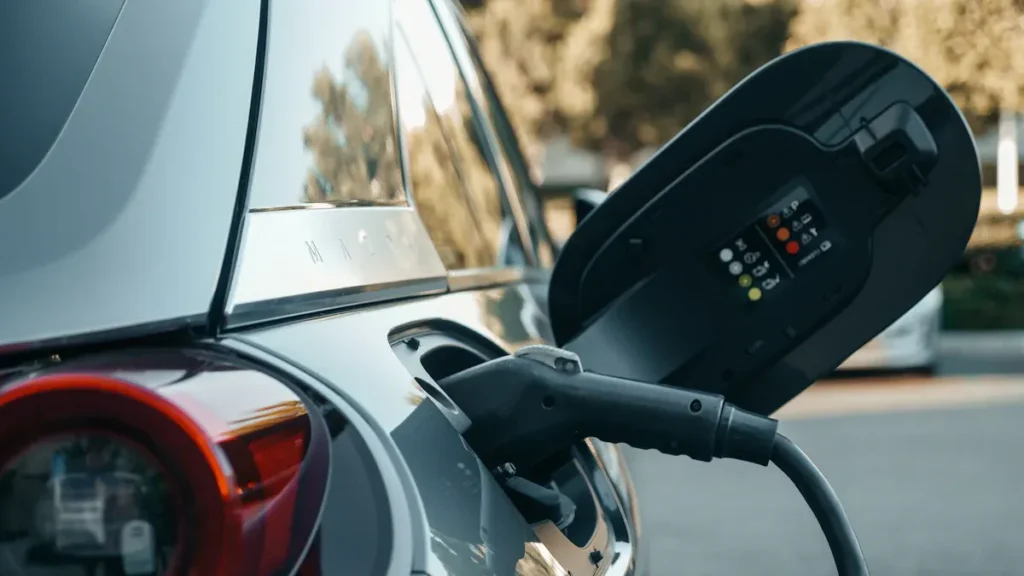
Les chargeurs de VE de niveau 2 offrent aux propriétaires britanniques une amélioration pratique par rapport aux options de charge standard. Ils fournissent une charge plus rapide, une sécurité renforcée et une plus grande fiabilité pour toute maison. Nombre d'entre eux Fabricants de chargeurs de VE sont conçus Solutions de recharge pour véhicules électriques spécifiquement pour le marché britannique, répondant aux besoins particuliers des propriétaires. Contrairement chargeurs portables pour VE, un chargeur fixe facilite l'utilisation quotidienne du VE avec commodité et contrôle. Un Chargeur de VE contribue à future-proof la maison, la préparant à l'évolution de la technologie des véhicules électriques.
Comprendre la Charge des VE et la Charge à Domicile
Bases de la Charge des VE pour les Propriétaires Britanniques
Fonctionnement de la Charge des VE à Domicile
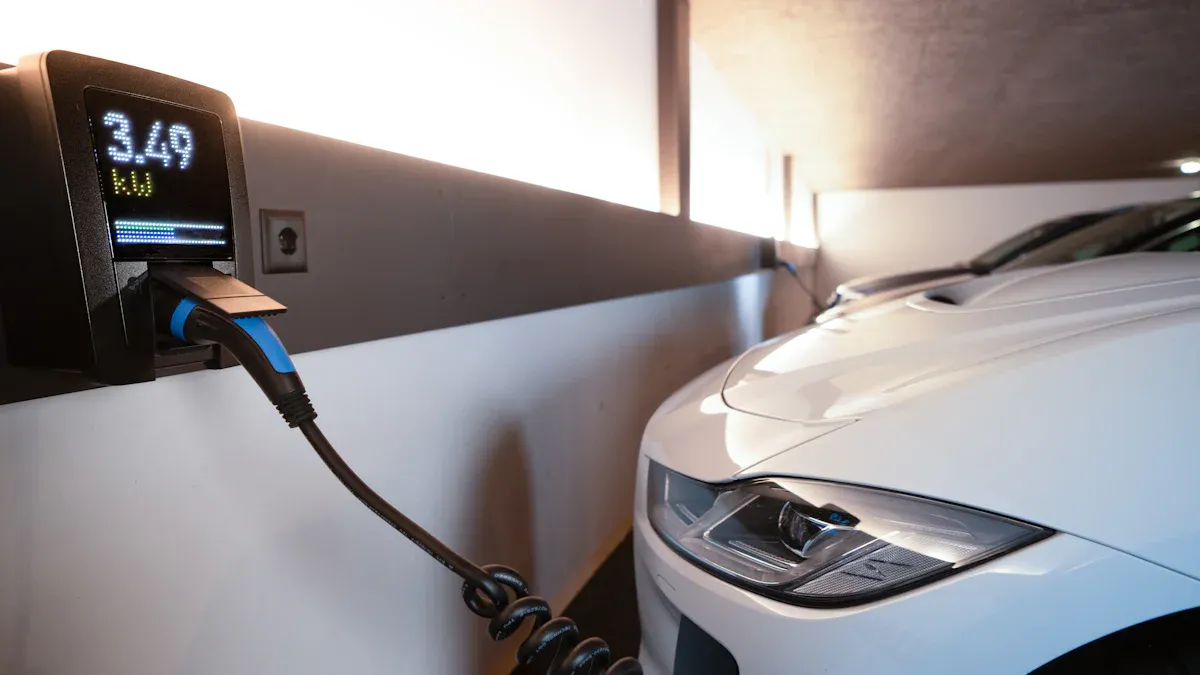
La charge résidentielle des VE permet aux propriétaires britanniques d'alimenter leurs véhicules électriques facilement. Un chargeur de VE se connecte à l'alimentation électrique du domicile, fournissant de l'énergie directement à la batterie du véhicule. La plupart des chargeurs domestiques utilisent un circuit dédié pour garantir une charge sûre et efficace. Les solutions de charge à domicile offrent une flexibilité, permettant aux utilisateurs de charger de nuit ou pendant les heures creuses. Le processus consiste à brancher le VE sur le chargeur, qui communique avec le véhicule pour réguler le flux d'énergie et surveiller l'état de la batterie. Les propriétaires bénéficient de la capacité à contrôler les temps de charge et à surveiller la consommation d'énergie, faisant de la charge résidentielle un choix pratique pour un usage quotidien.
Types de Chargeurs Domestiques pour VE Expliqués
Les foyers britanniques disposent généralement de deux types principaux de chargeurs pour véhicules électriques. Le tableau suivant présente les différences:
| Type de chargeur | Description | Puissance de sortie | Temps de charge |
|---|---|---|---|
| Niveau 1 | Charge lente via une prise domestique standard | 2–3 kW | 24 – 38 heures |
| Niveau 2 | Charge rapide avec un connecteur de Type 2 | 7-22 kW | 100+ miles en quelques heures sur un chargeur 7 kW |
Les chargeurs de niveau 1 offrent une charge de base mais nécessitent de longs temps de charge. Les chargeurs de VE de niveau 2 fournissent des solutions de charge plus rapides, les rendant idéaux pour un usage résidentiel. Les propriétaires qui installent un chargeur domestique pour VE avec une capacité de niveau 2 bénéficient d'une plus grande commodité et efficacité.
Chargeurs de VE Niveau 2 : Vitesse, Sécurité et Commodité
Temps de Charge et Puissance de Sortie
Les chargeurs de niveau 2 offrent des améliorations significatives de vitesse de charge par rapport aux unités de niveau 1. Le tableau ci-dessous met en lumière les différences clés :
| Type de chargeur | Puissance (kW) | Autonomie Ajoutée (miles/heure) | Temps de charge complète (heures) |
|---|---|---|---|
| Niveau 1 | 2.3-3 | 8-10 | >20 |
| Niveau 2 | 7.4 | 25-30 | 6-8 |
Les chargeurs de VE de niveau 2 peuvent ajouter en moyenne 32 miles d'autonomie par heure de charge. La plupart des véhicules électriques atteignent une charge complète en 4-8 heures, selon la taille de la batterie. Charger de nuit avec un chargeur de niveau 2 garantit que le véhicule est prêt pour un usage quotidien. La charge à domicile avec des solutions de niveau 2 s'adapte aux modes de vie actifs et réduit la dépendance aux bornes de recharge publiques.
Conseil : La charge de niveau 2 à domicile ou au travail permet généralement une charge complète en 4-8 heures, la rendant adaptée à une charge nocturne.
Fonctions de Sécurité et Fiabilité
La sécurité reste une priorité absolue pour la charge résidentielle des VE au Royaume-Uni. Les chargeurs de VE de niveau 2 doivent se conformer à des normes strictes pour garantir un fonctionnement fiable. Le tableau suivant résume les principales réglementations de sécurité:
| Standard | Description |
|---|---|
| ISO 15118-2 | Définit la communication véhicule-vers-chargeur, permettant le Plug & Charge |
| ISO 15118-20 | Étend la communication véhicule-vers-chargeur, permettant le V2G |
| SESS | Systèmes Énergétiques Intelligents et Sécurisés : cadre réglementaire pour contrôleurs de charge |
| OCPP 1.6 → 2.0.1 / 2.1 | Gère l'échange de données entre chargeurs et systèmes back-office |
| IEC 61851 / 62196 | Spécifie la sécurité électrique et les formats de connecteurs |
| Règlement sur les Points de Charge Intelligents 2021 | Impose la cybersécurité et la programmation en heures creuses |
| Règlement sur les points de charge publics 2023 | Exige paiement, fiabilité et transparence des données ouvertes |
| PAS 1899 | Garantit une conception accessible pour la recharge publique |
Les fabricants conçoivent les chargeurs domestiques pour VE pour répondre à ces normes, offrant aux propriétaires une tranquillité d'esprit. Les chargeurs de VE de niveau 2 offrent des fonctions de sécurité robustes, incluant l'arrêt automatique, la protection contre les surtensions et des protocoles de communication sécurisés. Des solutions de charge fiables aident à protéger à la fois les véhicules et les habitations, soutenant la transition vers la charge des véhicules électriques au Royaume-Uni.
Avantages des Chargeurs de VE Niveau 2 pour la Charge à Domicile
Charge Plus Rapide et Commodité Quotidienne
Chargeurs de VE de niveau 2 transforment le quotidien des propriétaires britanniques. Ces chargeurs offrent une vitesse de charge bien supérieure à celle d'une prise standard trois broches. Une wallbox dédiée fournit jusqu'à 7,4 kW, ce qui est environ trois fois plus rapide qu'une prise traditionnelle. Les propriétaires constatent une nette amélioration de l'efficacité, car un chargeur de niveau 2 ajoute environ 25 à 30 miles d'autonomie par heure. En revanche, une prise standard n'ajoute que 3 à 5 miles par heure. Cette amélioration signifie que les chargeurs de niveau 2 sont environ 3 à 6 fois plus rapides, les rendant idéaux pour la charge résidentielle des VE.
Note : La charge nocturne garantit que les véhicules sont prêts pour un usage quotidien, offrant une commodité inégalée pour les familles actives.
Le tableau suivant illustre comment les chargeurs de VE niveau 2 améliorent le quotidien :
| Bénéfice | Description |
|---|---|
| Charge Nocturne | Garantit que le véhicule est prêt pour un usage quotidien, améliorant la commodité pour les propriétaires de VE. |
| Chargement rapide | Ajoute une autonomie significative rapidement, permettant une recharge complète pendant la nuit. |
| Batterie Pleine Chaque Matin | Garantit que la voiture est entièrement chargée et prête à l'emploi chaque jour, améliorant les routines quotidiennes. |
Flexibility and Control Over EV Charging
Homeowners gain greater flexibility and control with a home charging point. Modern home EV chargers offer advanced features that support residential EV charging. App connectivity enables remote monitoring and management of charging sessions. Scheduling charging during off-peak hours can reduce costs by up to 40%. Real-time tracking of energy consumption provides insight into kWh usage and charging costs. Notifications alert users when charging starts, completes, or encounters issues. Adjusting charging speeds helps balance household power demands instantly. Diagnostic information facilitates troubleshooting without needing a technician. Solar PV integration maximizes renewable energy usage, prioritizing solar-generated electricity for charging. Dynamic load balancing prevents circuit overloads by distributing power intelligently across devices. Energy management systems integrate with time-of-use tariffs to minimize electricity costs.
| Fonctionnalité | Bénéfice |
|---|---|
| App connectivity | Enables remote monitoring and management of charging sessions from anywhere. |
| Schedule charging sessions | Allows charging during off-peak hours, reducing costs by up to 40%. |
| Suivre la consommation d'énergie | Provides real-time data on kWh usage and charging costs. |
| Recevoir des notifications | Alerts when charging starts, completes, or encounters issues. |
| Adjust charging speeds | Balances household power demands instantly. |
| Access diagnostic information | Facilitates troubleshooting without needing a technician. |
| Solar PV integration | Maximizes renewable energy usage by prioritizing solar-generated electricity for charging. |
| Équilibrage dynamique de la charge | Prevents circuit overloads by distributing power intelligently across devices. |
| Energy management systems | Integrates with time-of-use tariffs to minimize electricity costs. |
Future-Proofing Your Home for EVs
Installing a home EV charger prepares a residential property for the evolving landscape of electric vehicles. Smart app control allows remote management of charging, providing cost-saving and convenience. Dynamic load balancing adjusts power distribution to prevent system overloads. V2G and V2H capabilities enable energy flow from EV to home, potentially powering the home with stored energy. Connectivity options such as Wi-Fi, Bluetooth, and RFID ensure seamless integration. Solar integration allows charging from solar energy, reducing reliance on the grid. Scalability supports future EV models and increased energy demands. Smart technology offers features like smart scheduling and load balancing. Renewable integration maximizes energy efficiency by working with solar and battery systems. OZEV grant eligibility provides financial incentives for homeowners.
Tip: Investing in level 2 EV chargers ensures that a home remains compatible with future EV models and supports sustainable energy solutions.
A home charging point with advanced features positions homeowners to benefit from the latest innovations in EV charging. Homeowners who choose home EV chargers gain access to a range of benefits, including enhanced convenience, flexibility, and long-term value.
How to Choose the Right Level 2 EV Charger
Selecting the best level 2 EV charger for a UK home involves careful consideration of several important features. Homeowners must evaluate vitesse de chargement, compatibility, smart technology, and durability to ensure optimal performance and safety.
Key Features to Consider in an EV Charger
Puissance de sortie et vitesse de chargement
Charging speed depends on the power output of the charger and the battery capacity of the EV. Fast chargers with ratings between 7kW and 22kW deliver a significant speed advantage over slow chargers. A 7kW charger suits most residential EV charging needs, providing a balance between efficiency and accessibility. Higher power chargers reduce charging time, but not all vehicles can accept maximum rates. Charging speed often slows as the battery approaches full capacity. Homeowners should match the charger’s power output to their EV’s capabilities and daily driving requirements.
Tip: A 7.4kW charger typically offers optimal performance for home charging, ensuring quick top-ups and reliable overnight charging.
Cable Length and Connector Types
Cable length and connector type play a crucial role in usability. Most UK electric vehicle chargers use the Connecteur de type 2, which is compatible with nearly all modern EVs. Homeowners should assess their parking situation and choose a cable length that allows easy access from the charger to the vehicle. Tethered chargers feature a fixed cable, providing convenience and reducing setup time. Untethered chargers require a separate cable, offering flexibility for different vehicles. The Type 2 connector ensures compatibility across major brands, including Tesla, BMW, Volkswagen, Nissan, Renault, Jaguar, and Hyundai.
| Type de chargeur | Type de connecteur | Cable Length Options | Convient pour |
|---|---|---|---|
| L'attache | Type 2 | 5m, 7.5m, 10m | Single EV households |
| Détaché | Type 2 | Customizable | Plusieurs VE |
Fonctionnalités intelligentes et intégration d'applications
Smart features enhance control and convenience for residential EV charging. Many home EV chargers offer app connectivity, enabling remote monitoring, scheduled charging, and load management. Homeowners can track energy consumption, receive notifications, and adjust charging speeds. Smart scheduling allows charging during off-peak hours, reducing electricity costs. Software updates future-proof the charger, ensuring compatibility with evolving EV technology. Integration with solar PV systems maximizes renewable energy usage. Brand reputation and warranty options provide additional peace of mind.
- Key smart features to consider:
- Smartphone app control
- Chargement programmé
- Gestion de la charge
- Energy tracking
- Diagnostic à distance
- Mises à jour du logiciel
EV Compatibility and Home Electrical Requirements
Compatibility remains essential when choosing a level 2 charger. Nearly all new electric vehicles in the UK support Type 2 charging, making selection straightforward. Homeowners must verify that the charger matches their EV’s connector type and charging specifications. The installation requirements for residential EV charging include a circuit dédié, adequate electrical service, and proper wiring. Most installations require a 240V supply and a 40-amp circuit breaker. Electricians must follow UK regulations, notify the Distribution Network Operator, and fit RCDs for safety. Ground Fault Circuit Interrupters protect against electrical imbalances, ensuring safe operation.
- Typical home electrical requirements:
- Dedicated circuit for the EV charger
- 240V electrical supply
- Disjoncteur de 40 ampères
- Proper wiring (usually 8-gauge)
- Disjoncteur différentiel de fuite à la terre (GFCI)
- Compliance with UK installation codes
Note: Professional consultation ensures the electrical system supports the additional load and meets all safety standards.
Weatherproofing and Durability for UK Homes
Durability and weatherproofing are vital for outdoor installation in the UK climate. Level 2 chargers must withstand rain, dust, sunlight, and corrosion. The IP rating indicates protection against environmental factors. An IP65 rating or higher ensures reliable operation in outdoor conditions. UV resistance prevents material degradation from sunlight exposure. Corrosion-resistant materials protect chargers in coastal or humid areas.
| Fonctionnalité | Importance | Recommandation |
|---|---|---|
| Indice de protection IP | Protects against dust and rain, ensuring functionality in outdoor conditions | Choose IP65 or higher |
| Résistance aux UV | Prevents material degradation from sunlight exposure | Select products designed for outdoor use |
| Résistance à la corrosion | Essentielle dans les zones côtières/humides pour prévenir la détérioration | Utiliser des matériaux résistants à la corrosion |
Un point de charge domestique robuste garantit une fiabilité et une sécurité à long terme pour la recharge des véhicules électriques à domicile. Les propriétaires doivent choisir des chargeurs de véhicules électriques conçus pour le climat britannique, assurant des performances constantes et un entretien minimal.
Marques de confiance et certifications de sécurité
Choisir un chargeur de niveau 2 fiable reste essentiel pour tout propriétaire britannique qui accorde de l'importance à la sécurité et aux performances à long terme. Le marché propose plusieurs marques de confiance, chacune reconnue pour ses atouts spécifiques en matière de conception, de fonctionnalités intelligentes et de durabilité. Les propriétaires recherchent souvent des produits alliant une ingénierie robuste à une technologie avancée pour garantir des expériences de recharge fluides.
Principales marques de chargeurs de niveau 2 au Royaume-Uni
- Le chargeur KD Energy 11kW se distingue par sa capacité de charge rapide et sa construction robuste. L'indice de protection élevé IP66 assure une excellente durabilité en extérieur, tandis que les fonctionnalités intelligentes permettent aux utilisateurs de surveiller la recharge à distance.
- Le ChargePoint Home Flex séduit ceux qui valorisent des commandes par application intuitives. Les fonctions de programmation et de suivi de la consommation simplifient les routines quotidiennes, et le processus d'installation est simple.
- Le JuiceBox 40 offre un équilibre entre fiabilité et prix abordable. De nombreux utilisateurs apprécient ses fonctionnalités d'application, ce qui en fait un choix pratique pour ceux qui recherchent un bon rapport qualité-prix sans sacrifier les performances.
- Le Wallbox Pulsar Plus se caractérise par un design compact et offre des vitesses de charge fiables. Son intégration à une application intelligente permet une gestion flexible de l'énergie.
- L'Easee One obtient de bonnes notes en matière de satisfaction à l'installation, 96 % des utilisateurs faisant état d'expériences positives. Cependant, certains utilisateurs ont noté un service après-vente parfois lent et des problèmes occasionnels de vitesse de charge.
- TPSON propose des solutions technologiquement avancées pour la recharge des véhicules électriques. Leurs produits mettent l'accent sur l'innovation, la sécurité et l'intégration avec les systèmes énergétiques intelligents.
Conseil : Les propriétaires doivent prendre en compte à la fois la fiabilité du produit et le support après-vente lors du choix d'une marque de chargeur.
Certifications de sécurité pour les chargeurs au Royaume-Uni
La sécurité reste une priorité absolue pour toute installation. Le Royaume-Uni applique des normes strictes pour protéger les biens et les utilisateurs. Les propriétaires doivent vérifier que tout chargeur de niveau 2 répond aux exigences suivantes :
- Conformité à la Partie P des Règlements de construction, qui régit la sécurité électrique dans les propriétés domestiques.
- Respect de la Partie S, qui exige que les nouvelles habitations disposant de places de stationnement incluent des points de recharge pour véhicules électriques.
- Installation conforme aux règlements de câblage BS 7671, garantissant un câblage approprié et un fonctionnement sûr.
- Prise en charge des fonctions de gestion intelligente de l'énergie, qui aident à optimiser la recharge et à réduire les coûts énergétiques.
- Inclusion d'une protection par DDR (Dispositif Différentiel Résiduel) et d'un boîtier étanche pour une sécurité renforcée.
- Mise à la terre correcte, comme spécifié par la BS 7671, pour prévenir les risques électriques.
Le tableau ci-dessous résume les certifications et caractéristiques de sécurité essentielles :
| Certification/Caractéristique | Objectif | Exigence au Royaume-Uni |
|---|---|---|
| Partie P (Règlements de construction) | Sécurité électrique dans les propriétés domestiques | Oui |
| Partie S (Règlements de construction) | Points de recharge pour VE dans les nouvelles habitations | Oui |
| BS 7671 | Câblage et installation sûrs | Oui |
| Protection RCD | Prévention des électrocutions | Oui |
| Boîtier étanche | Durabilité en extérieur | Oui |
| Gestion intelligente de l'énergie | Optimise la recharge et l'utilisation de l'énergie | Oui |
| Mise à la terre correcte | Prévention des défauts électriques | Oui |
Les propriétaires qui choisissent un chargeur d'une marque réputée et confirment ces certifications peuvent être assurés que leur système fournira une recharge sûre, efficace et prête pour l'avenir pour tout véhicule électrique. Cette approche garantit la conformité avec la réglementation britannique et facilite une transition en douceur vers la mobilité électrique.
Processus et coûts d'installation d'un chargeur pour VE
Trouver un installateur qualifié de chargeurs pour VE
Critères de choix d'un installateur
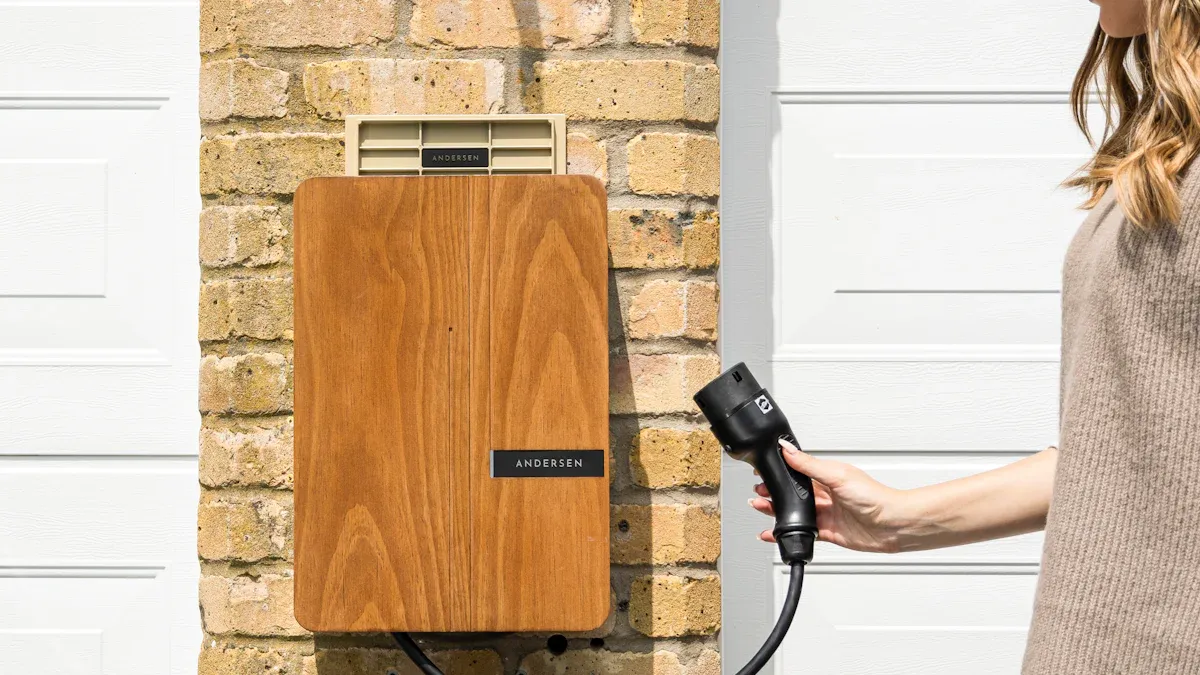
Choisir le bon installateur pour un point de charge domestique garantit sécurité et conformité. Les propriétaires britanniques doivent privilégier des professionnels ayant une expérience avérée avec les chargeurs de véhicules électriques. Les installateurs doivent avoir suivi une formation spécialisée pour les équipements de charge de VE. L'approbation par l'Office for Zero Emission Vehicles démontre une expertise dans les solutions de recharge à domicile. Une expérience préalable avec les infrastructures de recharge de VE renforce la confiance dans la qualité du travail.
Accréditation et normes de sécurité
L'accréditation reste essentielle pour tout installateur. Le tableau suivant présente les exigences de qualification clés:
| Exigence de qualification | Description |
|---|---|
| Enregistrement professionnel | Doit être enregistré auprès du NAPIT, du NICEIC ou d'un organisme similaire. |
| Auto-certification | Capacité à auto-certifier les travaux sous la Partie P des Règlements de construction. |
| Règlements de câblage | Tous les travaux doivent être conformes aux Règlements de câblage BS 7671. |
Les installateurs répondant à ces normes garantissent que le processus d'installation respecte la réglementation britannique. Les propriétaires bénéficient ainsi de la tranquillité d'esprit, sachant que leur chargeur pour VE répond à toutes les exigences de sécurité.
Déroulement de l'installation d'un chargeur pour VE
Enquête et évaluation du site
Le processus d'installation commence par une étude de site. L'installateur évalue le système électrique de la propriété et détermine l'emplacement optimal pour le point de charge. Il vérifie l'adéquation de l'alimentation électrique et examine les dispositions de stationnement pour garantir un accès facile au chargeur.
Mises à niveau et préparations électriques
Certaines habitations nécessitent des mises à niveau électriques avant l'installation d'un chargeur de niveau 2. L'installateur peut devoir installer un circuit dédié ou mettre à niveau le tableau de répartition. La conformité aux règlements de câblage BS 7671 garantit un fonctionnement sûr. La préparation comprend la vérification de la capacité du système électrique et l'assurance d'une mise à la terre correcte.
Étapes du jour de l'installation
On installation day, the installer mounts the charger and connects it to the electrical supply. They test the charging point for functionality and safety. The installer provides guidance on using the charger and explains maintenance requirements. Homeowners receive documentation confirming compliance with UK standards.
Tip: Professional installation ensures that the EV charger operates safely and efficiently, reducing risks associated with residential EV charging.
Installation Costs and Factors Affecting Price
Installation costs for Level 2 EV chargers in the UK vary. The average cost of a Type 2 home EV charger ranges from £700 to £1,300. The charger unit alone costs between £400 and £800. Professional installation fees are estimated at £300 to £500. Overall, the total cost for purchasing and installing a charging point typically falls between £800 and £1,500.
Several factors influence the price of charging point installation. The type and power output of the charger set the baseline cost. Properties with older electrical systems may require upgrades, increasing costs. Labor rates differ across regions, affecting the final price. Additional charges may apply for longer cable runs or complex installations.
Note: Investing in a quality charger and professional installation supports reliable home charging and long-term value for EV owners.
Grants and Incentives for Home EV Charging in the UK
The OZEV EV Chargepoint Grant Explained
The UK government supports the transition to electric vehicles by offering financial incentives for residential charging infrastructure. The Office for Zero Emission Vehicles (OZEV) EV Chargepoint Grant provides homeowners with a substantial discount on the purchase and installation of eligible charging points. This grant covers up to 75% of the total cost, capped at £350. Homeowners benefit from reduced upfront expenses, making the adoption of EV technology more accessible.
Who Qualifies and How to Apply
Eligibility for the OZEV EV Chargepoint Grant depends on several criteria. Individuals must meet specific requirements to receive funding:
- Residents must live in a flat they own or rent a residential property.
- The property must feature a private off-street parking space.
- Applicants must own or use an eligible vehicle listed by OZEV.
- The grant excludes homeowners living in houses unless converted into flats.
- Residents cannot apply if they rent accommodation where the landlord or homeowner lives.
- The grant does not support applicants planning to move or those who have already claimed the grant.
- Replacement or relocation of existing chargepoints is not covered.
- Properties must be located in the UK, excluding the Channel Islands and Isle of Man.
- Supporting evidence, such as a rental agreement, is required for renters.
Additional vehicle-related requirements include:
- Only vehicles on the OZEV-approved list qualify.
- Applicants must be registered keepers or lease an eligible vehicle for at least six months.
- Company car users or primary users of eligible vehicles may also qualify.
Applicants must submit documentation and follow the official application process. OZEV reviews each submission to ensure compliance with uk ev charging regulations.
What the Grant Covers for Homeowners
The grant assists with the cost of buying and installing a home EV charging point. Homeowners receive a discount of up to £350, which covers both hardware and installation fees. The grant applies to new installations only. It does not support upgrades or replacements of existing chargers. This financial support encourages more residents to invest in EV technology and aligns with the UK’s sustainability goals.
Tip: Homeowners should consult OZEV’s official guidance to confirm eligibility and maximize grant benefits.
Other Local and Regional EV Charging Incentives
Local authorities across the UK offer additional incentives to promote EV adoption. These programs complement national grants and provide further support for residents.
- Local grants and financial incentives help communities transition to electric vehicles.
- Some cities, such as Oxford and Milton Keynes, offer free parking spaces for EVs.
- Residents may access street parking permits and use bus lanes in select areas.
- Dundee provides free public charging stations for local EV owners.
- Local Electric Vehicle Infrastructure (LEVI) funding supports local authorities.
- LEVI funding enables installation of on-street charging infrastructure in areas without off-street parking.
- Authorities must complete an application process to secure funding.
These incentives make EV ownership more attractive and practical for a wider range of residents. Local schemes often address unique challenges, such as limited parking or access to charging facilities.
Note: Residents should check with their local council for the latest incentives and eligibility requirements.
Ongoing Costs and Saving on Home EV Charging
How Much Does Home EV Charging Cost?
Homeowners in the UK often find that charging an EV at home is more affordable than using public chargers. The average annual cost for home charging depends on the electricity tariff and the vehicle’s energy consumption. Most drivers pay between £165 and £512 per year for charging, based on their chosen tariff. Home charging integrates seamlessly into the household electricity bill, making it easier to track energy usage and manage costs. Many EV owners have halved their fueling expenses by switching to home charging, especially when they select a tariff tailored for EV use. Installation costs for a home EV charger are a one-time expense, while ongoing costs relate to electricity usage and maintenance.
Choosing the Right Electricity Tariff for EV Charging
Selecting the right electricity tariff can significantly reduce the cost of charging an EV at home. Time-of-use tariffs, such as Octopus Agile or OVO Charge Anytime, reward users who charge during low-cost periods. These tariffs offer dynamic pricing, allowing homeowners to benefit from lower rates when demand is low. EV-specific tariffs cater to those with unpredictable schedules, providing flexibility and savings.
Off-Peak and EV-Friendly Tariffs
Charging during off-peak hours remains one of the most effective ways to lower costs. The table below compares standard and EV off-peak tariffs:
| Type de tarif | Annual Cost (£) | Savings (£) |
|---|---|---|
| Standard Tariff | 512 | N/A |
| EV Off-Peak Tariff | 165 | 347 |
EV-friendly tariffs can save homeowners up to £347 annually. Charging overnight or during designated off-peak periods maximizes these savings. Many energy suppliers in the UK now offer tariffs designed specifically for EV charging, making it easier for homeowners to optimize their charging routines.
Tip: Scheduling charging sessions during off-peak hours can reduce electricity costs by up to 40%.
Tips for Reducing Your EV Charging Costs
Homeowners can adopt several strategies to minimize ongoing costs associated with EV charging:
- Home charging is generally more affordable than public chargers, especially with a good energy tariff.
- Tracking energy usage is simpler when charging is integrated into the home electricity bill.
- Installing solar panels allows for free daytime charging, potentially saving over £500 annually.
- Solar panels can generate electricity when the charger is idle, allowing for energy storage for later use.
- A home battery system enables charging during the evening with solar energy captured during the day.
- Charging directly from solar energy during the day helps avoid peak electricity rates.
- Partial solar charging can significantly lower annual running costs, especially for those who work from home.
- Combining solar charging with off-peak EV tariffs enhances cost efficiency.
Smart scheduling, solar integration, and choosing the right tariff all contribute to lower costs. Homeowners who invest in these solutions enjoy greater control over their energy expenses and maximize the value of their Chargeur de VE installation.
Common Concerns and Troubleshooting for Home EV Chargers
Safety, Maintenance, and Support
Safety remains a primary concern for homeowners in the UK who install a Level 2 EV charger. Certified installers ensure compliance with national safety standards, reducing the risk of electrical fires and system malfunctions. Regular maintenance helps maintain the efficiency and reliability of the charger. Over time, components may wear out, so scheduled inspections and timely replacements prevent costly repairs and voided warranties.
Key safety features in EV chargers protect users from electrical and fire hazards. Chargers shut down immediately when they detect electrical faults, minimizing risks. Compliance with the National Electric Code is essential for safe operation. Homeowners should establish a maintenance schedule to keep their EV charger functioning efficiently.
- Safety features protect against electrical hazards.
- Chargers shut down during faults to prevent accidents.
- Regular maintenance ensures efficiency and reliability.
Professional support from manufacturers and installers provides guidance on troubleshooting and repairs. Homeowners benefit from warranty coverage and access to technical assistance, which helps resolve issues quickly.
Moving Home with Your EV Charger
Relocating a charger when moving home presents unique challenges. Homeowners in the UK often wish to take their EV charger to a new property. They must consult a certified installer to disconnect and reinstall the charger safely. The installer assesses the new site for compatibility and electrical requirements. Moving a charger may incur additional costs, including installation fees and potential upgrades to the electrical system.
Homeowners should check the warranty terms before relocating the charger. Some warranties may not cover reinstallation or damage during transit. Registering the charger at the new address ensures continued support and compliance with UK regulations. Proper planning and professional assistance simplify the process and maintain the reliability of the EV charging system.
Tip: Always use an OZEV-authorized installer for relocation to ensure safety and preserve warranty coverage.
Dealing with Power Outages and Charging Issues
Power outages and charging issues can disrupt daily routines for EV owners. Homeowners in the UK should monitor their charger for signs of external damage, exposed wiring, or slower charging times. Regular cleaning and drying of cable connectors maintain functionality and prevent faults. Storing charging cables properly extends their lifespan.
Troubleshooting steps for common issues include:
- Inspect the charger for visible damage.
- Check for exposed wiring that may pose safety hazards.
- Monitor charging speed; slower rates may indicate underlying problems.
Professional inspections help prevent malfunctions and safety hazards. Homeowners should schedule regular checks to ensure compliance with industry standards and maintain system reliability. Registering the warranty immediately after installation avoids future complications. Promptly addressing issues reduces downtime and protects the investment in EV charging technology.
Note: Regular maintenance and professional support keep the EV charger safe, efficient, and ready for daily use.
Level 2 EV chargers offer UK homeowners a range of benefits that make daily life easier and more efficient. Key advantages include:
- Commodité: Charge an EV at home overnight and avoid waiting at public stations.
- Cost-effectiveness: Home charging saves money, especially with off-peak rates.
- Faster charging: A charger adds up to 30 miles of range per hour, ideal for busy schedules.
- Increased property value: Homes with a charger attract more buyers.
- Environmental benefits: Charging at home with renewable energy supports sustainability.
Taking the next step toward installing a home EV charger helps homeowners enjoy these benefits. Support and guidance remain available from trusted installers and local resources across the UK.
FAQ
How long does it take to charge an EV at home with a Level 2 charger?
Charging an EV at home with a Level 2 charger usually takes between 4 and 8 hours. Battery size and charging speed determine the exact time. Most drivers find overnight charging meets their daily needs.
Can a Level 2 EV charger be installed outdoors?
Manufacturers design Level 2 EV chargers for outdoor installation. Weatherproof housing and high IP ratings protect the unit from rain and dust. Installers recommend placing the charger in a sheltered location for added durability.
Is a dedicated circuit required for a home EV charger?
A dedicated circuit is required for safe operation. Electricians install the circuit to prevent overloads and ensure compliance with UK regulations. This setup protects both the charger and the home’s electrical system.
Will a Level 2 charger work with any electric vehicle?
Most Level 2 chargers use a Type 2 connector, which fits nearly all modern EVs in the UK. Owners should check compatibility with their vehicle before installation. Manufacturers provide compatibility lists for reference.
Quel est l'entretien nécessaire à un chargeur domestique de VE ?
Routine maintenance includes visual inspections, cleaning connectors, and checking for damage. Installers recommend annual checks to ensure safety and performance. Warranty coverage often includes support for troubleshooting and repairs.
Are there grants available for installing a home EV charger?
The UK government offers the OZEV EV Chargepoint Grant. Eligible homeowners receive up to £350 toward installation costs. Local authorities may provide additional incentives, depending on the region.
What happens if there is a power outage during charging?
Charging stops immediately during a power outage. The EV charger resumes operation when power returns. Owners should inspect the charger for damage after outages and contact support if issues arise.
Le chargeur de véhicule électrique peut-il être déplacé vers un nouveau domicile ?
Les installateurs peuvent transférer le chargeur vers une nouvelle propriété. Les propriétaires doivent consulter un professionnel certifié pour une dépose et une réinstallation sécurisées. Les conditions de garantie peuvent affecter la couverture après le déplacement de l'appareil.




