Argentinian drivers face a practical decision when comparing Level 1 vs. Level 2 charging options. Many prefer Level 2 cargadores portátiles para vehículos eléctricos for daily reliability and faster charging. Some drivers, especially those with shorter commutes or budget concerns, find Level 1 units more suitable. Local Fabricantes de cargadores para VE now offer diverse Soluciones de recarga de vehículos eléctricos, making it easier to match technology to individual needs. Choosing the right Cargador EV depends on driving habits, power access, and how quickly a vehicle must recharge.
Level 1 vs. Level 2: What’s the Difference?
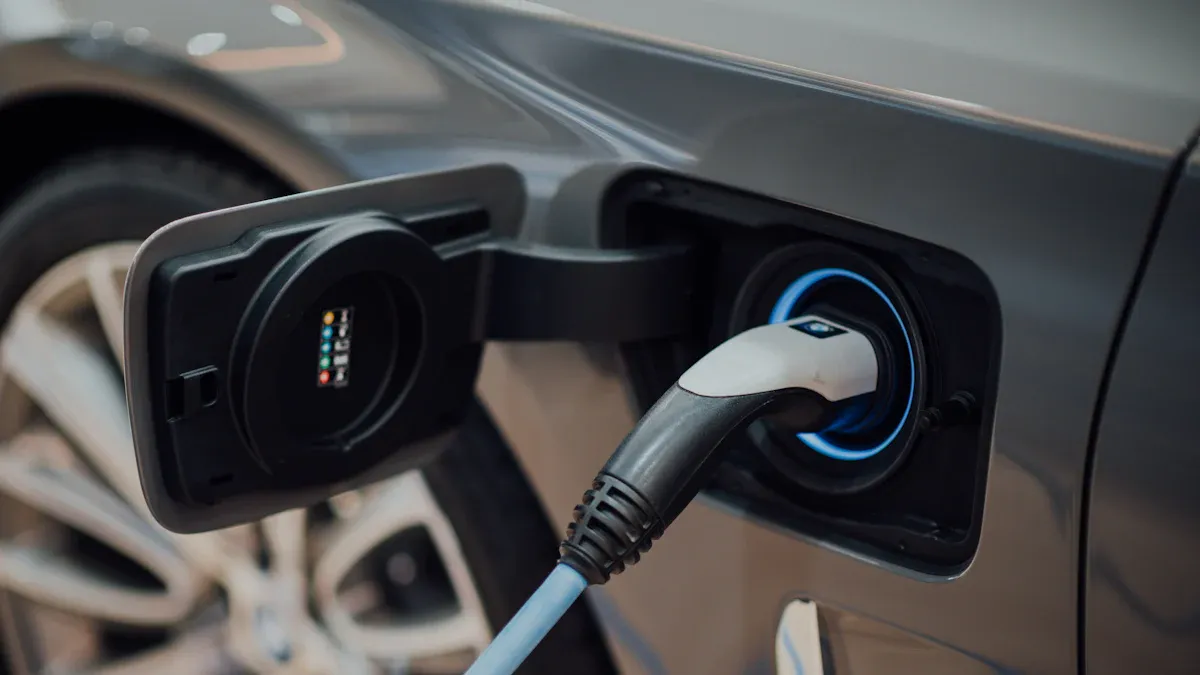
Level 1 Portable Chargers Explained
Velocidad y eficacia de carga
Level 1 portable chargers use standard 120V outlets, which are common in most Argentinian homes. These chargers typically deliver a power output of about 1.2 kW. As a result, they provide a slow charging rate, usually adding 2 to 5 miles of range per hour. For a typical electric vehicle, a full charge with a Level 1 charger can take up to 40 hours, depending on the battery size. This slow pace means drivers must plan for extended charging periods, especially if they rely on their vehicle daily. In Argentina, Level 1 chargers often serve as a backup or for plug-in hybrids that require less frequent charging.
Power Source and Setup
Drivers can plug Level 1 chargers directly into existing household outlets. No special installation or electrical upgrades are necessary. This plug-and-play convenience appeals to those who want a simple solution without extra costs. However, the limited power output restricts charging speed, making Level 1 less suitable for high-mileage drivers.
Best Use Cases in Argentina
Level 1 chargers work best for drivers with short daily commutes, plug-in hybrid vehicles, or those who have limited access to dedicated charging infrastructure. They also suit people living in apartments or older homes where electrical upgrades are not possible. For occasional use or as a backup, Level 1 chargers provide a practical and affordable option.
Level 2 Portable Chargers Explained
Velocidad y eficacia de carga
Level 2 portable chargers operate on 208–240V power sources, delivering a much higher power output—ranging from 3.6 kW to 19.2 kW. This translates to a charging speed of 10 to 60 miles of range per hour. Most electric vehicles can reach a full charge in 3 to 8 hours with a Level 2 charger. This efficiency makes Level 2 chargers ideal for daily use, especially for drivers who need quick turnaround times between trips.
Consejo: TPSON, a technologically advanced electric vehicle charging solution provider, offers Level 2 chargers designed for fast, reliable charging in Argentinian conditions.
Power Source and Setup
Level 2 chargers require a dedicated 208–240V circuit, which usually means professional installation by a qualified electrician. Some portable Level 2 chargers can connect to existing high-voltage outlets, such as those used for air conditioners or laundry appliances. While the setup involves more effort and cost compared to Level 1, the benefits in charging speed and convenience are significant.
Best Use Cases in Argentina
Level 2 chargers suit daily commuters, multi-car households, and drivers who travel longer distances. They also benefit those living in houses with access to dedicated parking and electrical upgrades. For busy families or professionals, Level 2 chargers ensure vehicles are ready to go each morning, even after late-night arrivals.
Level 1 vs. Level 2: Key Differences
El siguiente cuadro resume the main technical and practical differences between Level 1 and Level 2 portable chargers:
| Característica | Nivel 1 | Nivel 2 |
|---|---|---|
| Tensión | 120V | 208–240V |
| Power output | ~1.2 kW | 3.6–19.2 kW |
| Alcance por hora | 2–5 miles | 10–60 miles |
| Hours to full charge | 11–20+ hrs (up to 40) | 3–8 hrs |
| Instalación | None (existing outlet) | Dedicated circuit required |
| Coste | Included with EV | $600–$2,500 + install |
| Conveniencia | Slow, backup only | Reliable for daily charging |
| Best for | Plug-in hybrids, light use | Daily drivers, commuters, multi-car households |
Comparación de velocidades
Level 1 vs. Level 2 chargers differ most in charging speed. Level 1 chargers add only a few miles of range per hour, making them suitable for overnight charging or low-mileage use. In contrast, Level 2 chargers can replenish a battery much faster, supporting daily driving needs and reducing downtime.
Comparación de costes
Level 1 chargers usually come included with the vehicle and require no installation costs. Level 2 chargers involve a higher upfront investment, both for the unit and for professional installation. However, the time savings and convenience often justify the expense for frequent drivers.
Installation and Portability
Level 1 chargers offer maximum portability and simplicity, as drivers can use any standard outlet. Level 2 chargers, while still portable in some cases, require access to a high-voltage outlet or a dedicated circuit. This difference makes Level 1 vs. Level 2 a key consideration for drivers who move frequently or lack permanent parking.
Nota: When choosing between Level 1 vs. Level 2, Argentinian drivers should consider their daily mileage, access to power sources, and willingness to invest in installation. TPSON provides both Level 1 and Level 2 solutions tailored to local needs.
Charging Speed: Meeting Argentinian Driving Needs
Level 1 Charging Times for Daily Life
City Commutes
Many Argentinian drivers use their electric vehicles for short city commutes. Level 1 chargers, which connect to standard household outlets, typically add 2 to 5 miles of range per hour. For a daily round trip of 20 kilometers (about 12 miles), a Level 1 charger can restore the required energy overnight. This slow charging speed fits the needs of drivers who park their vehicles for extended periods, such as overnight at home or during work hours. City dwellers with predictable routines often find Level 1 charging sufficient for their daily needs.
Weekend and Occasional Travel
Weekend trips or occasional longer journeys present a challenge for Level 1 charging. Charging an electric vehicle from empty to full can take more than 24 hours with a Level 1 charger. Drivers who plan to travel outside the city may need to start charging well in advance or seek public charging stations. For infrequent travel, Level 1 chargers can serve as a backup, but they may not provide the flexibility required for spontaneous trips.
Level 2 Charging Times for Busy Schedules
Daily Commuters
Level 2 chargers deliver a significant boost in charging speed, adding 10 to 60 miles of range per hour. Daily commuters who drive longer distances benefit from this rapid charging. A typical electric vehicle can reach a full charge in 3 to 8 hours, making overnight charging practical even for those with demanding schedules. Level 2 charging supports busy lifestyles and ensures vehicles are ready each morning.
Long-Distance and Rural Drivers
Drivers in rural areas or those who frequently travel long distances require reliable and fast charging. Level 2 chargers reduce downtime and allow for quick top-ups between trips. Rural drivers often face longer commutes and fewer public charging options, making home charging speed a critical factor. The comparison of Level 1 vs. Level 2 becomes especially important for these users, as faster charging can directly impact daily convenience and travel flexibility.
Local Power Infrastructure Impact
Urban vs. Rural Charging
Argentina’s power infrastructure presents unique challenges for electric vehicle owners. Urban areas usually offer more stable electricity and easier access to high-voltage outlets. Rural regions may experience power fluctuations or limited grid capacity, which can affect charging reliability. The cost of setting up a charging network remains high, with installation expenses ranging from $2,500 to $35,800. Managing grid demand during peak times also poses a challenge, especially for rapid chargers.
Apartment vs. House Charging
Charging at home depends on the type of residence. Apartment dwellers may lack access to dedicated parking or high-voltage outlets, making Level 1 charging the only feasible option. Homeowners with garages or driveways can instalar cargadores de Nivel 2, provided the electrical system supports the required voltage. Ensuring compatibility between electric vehicles and the local grid is essential for effective charging.
Nota: The table below summarizes the main challenges of Argentina’s power infrastructure for home EV charging.
| Desafío | Descripción |
|---|---|
| Poor charging infrastructure | Setting up a charging network is expensive, with installation costs ranging from $2,500 to $35,800. |
| Power issues while charging | Managing grid demand during peak times is a significant challenge, especially with rapid chargers. |
| Vehicle-grid interoperability | Ensuring compatibility between EVs and the grid is crucial for effective charging solutions. |
Choosing between Level 1 vs. Level 2 chargers requires careful consideration of local infrastructure, daily driving needs, and the type of residence. Drivers who understand these factors can select the most practical and efficient charging solution for their lifestyle.
Cost and Convenience: What Works for Your Budget?
Upfront Costs of Level 1 vs. Level 2
Purchase Price
Electric vehicle owners in Argentina often compare the initial cost of chargers before making a decision. Level 1 chargers usually come included with the purchase of an electric vehicle. This means drivers do not pay extra for the charger itself. Level 2 chargers, on the other hand, require a separate purchase. Prices for Level 2 portable chargers range from $600 to $2,500, depending on features and brand. Some advanced models offer smart charging capabilities, which can increase the price.
Gastos de instalación
Level 1 chargers require no installation costs. Drivers simply plug them into a standard outlet. Level 2 chargers need a dedicated 208–240V circuit. This setup often requires a licensed electrician. Installation expenses can range from $300 to $1,500, depending on the complexity of the home’s electrical system. Homeowners may also need to upgrade their electrical panel, which adds to the total cost.
Consejo: Drivers should request quotes from local electricians before purchasing a Level 2 charger. This helps avoid unexpected expenses.
Ongoing Costs and Savings
Electricity Rates in Argentina
Electricity rates in Argentina vary by region and time of use. Charging an electric vehicle at home remains more affordable than using gasoline. Level 1 and Cargadores de nivel 2 both draw power from the grid, but Level 2 chargers complete the process faster. This efficiency can help drivers take advantage of off-peak electricity rates, reducing overall costs.
Mantenimiento y durabilidad
Both Level 1 and Level 2 chargers require minimal maintenance. Most units only need occasional cleaning and inspection. Level 2 chargers often feature more robust construction, which can lead to a longer lifespan. Some models include weatherproofing for outdoor use. Drivers should check warranty terms before making a purchase.
Everyday Convenience
Plug-and-Play Options
Level 1 chargers offer maximum convenience. Drivers can use any standard outlet without special preparation. This plug-and-play feature suits those who move frequently or lack permanent parking. Level 2 chargers, while portable, require access to a high-voltage outlet. Some models include adapters for different plug types.
Electrical Upgrades Needed
Level 2 chargers may require electrical upgrades. Older homes might not support the higher voltage without modifications. These upgrades add to the initial investment but provide long-term benefits in charging speed and reliability.
| Característica | Cargador de nivel 1 | Cargador de nivel 2 |
|---|---|---|
| Purchase Price | Included with EV | $600–$2,500 |
| Coste de instalación | Ninguno | $300–$1,500+ |
| Mantenimiento | Mínimo | Mínimo |
| Conveniencia | Plug-and-play | Requires high-voltage |
When comparing Level 1 vs. Level 2, Argentinian drivers should consider both upfront and ongoing costs. The right choice balances budget, convenience, and long-term savings.
Portability and Compatibility: Will It Fit Your Lifestyle?

Portability for Argentinian Drivers
Traveling Within Argentina
Argentinian drivers often travel between cities or provinces for work, family, or leisure. Portable chargers offer flexibility for these journeys. Many Level 1 chargers fit easily in a vehicle’s trunk and work with standard outlets found in hotels or rental homes. Level 2 portable chargers, while slightly bulkier, still provide convenience for those who need faster charging on the road. Drivers who plan trips to remote areas should check for available power sources before departure. Reliable charging equipment ensures peace of mind during long-distance travel.
Consejo: Carrying a portable charger can help drivers avoid range anxiety, especially in regions with limited public charging infrastructure.
Moving Between Homes or Locations
Many people in Argentina split time between multiple residences or move frequently for work. Portable chargers simplify this lifestyle. Level 1 chargers require no installation, making them ideal for renters or those without permanent parking. Level 2 portable chargers can also move between locations, provided each site has a compatible high-voltage outlet. This flexibility supports drivers who value mobility and independence.
Compatibility with Local EV Models
Popular EVs in Argentina
Argentina’s electric vehicle market continues to grow. Popular models include the Nissan Leaf, Renault Kangoo ZE, and various hybrid options. Most of these vehicles support both Level 1 and Level 2 charging. Drivers should confirm their vehicle’s charging port type before purchasing a charger. Compatibility ensures efficient and safe charging at home or on the go.
Adapter and Plug Types
Plug compatibility plays a crucial role in the charging experience. Argentina uses the Type I plug, which features three flat pins arranged in a ‘V’ shape. This plug type differs from those in Europe or North America. The Argentinian Type I plug also has reversed polarity compared to the Australian version. Drivers should select chargers and adapters designed for local outlets to avoid electrical issues.
| Característica | Descripción |
|---|---|
| Common Plug Type | Type I |
| Used In | Argentina, Australia, New Zealand, China |
| Pin Configuration | 3 flat pins (live and neutral in a ‘V’ shape) |
| Rating | 10 amps standard; 15 amps available (with wider earth pin) |
| Polarity Difference | Argentinian Type I has reversed polarity compared to Australian Type I |
Nota: Always check the plug type and voltage rating before plugging in a portable charger. Using the correct adapter prevents damage and ensures safety.
Charging at Public and Shared Locations
Public Outlets and Charging Stations
Public charging stations are expanding in major Argentinian cities. Many offer Level 2 charging, which suits drivers who need a quick top-up while shopping or dining. Some public outlets use the Type I plug, so carrying the right adapter remains important. Drivers should consult local maps or apps to locate available charging points along their route.
Charging at Work or Shopping Centers
Workplaces and shopping centers increasingly provide charging facilities for employees and customers. These locations often feature dedicated parking spots with Level 2 chargers. Drivers who spend several hours at work or shopping can recharge their vehicles during these periods. Access to shared charging infrastructure adds convenience and supports the transition to electric mobility.
Level 1 vs. Level 2: Matching Chargers to Argentinian Driving Scenarios
City Commuters
Typical Daily Mileage
City commuters in Argentina often travel between 15 and 40 kilometers each day. This distance falls well within the range that both Level 1 and Level 2 chargers can support. Most electric vehicles regain enough energy overnight with a Level 1 charger for these short trips. However, drivers who want to maximize convenience and reduce charging time often select Level 2 chargers. These units can fully recharge a battery in just a few hours, making them ideal for those with unpredictable schedules.
Charging at Home and Work
Many city commuters park their vehicles at home overnight and at work during the day. Home charging remains the most reliable option for daily use. Level 1 chargers suit drivers who have access to a standard outlet and do not require fast charging. Level 2 chargers benefit those who need a quick turnaround or share their vehicle with family members. Some workplaces in Argentina now offer Level 2 charging stations, allowing employees to top up their batteries during office hours.
Long-Distance and Rural Drivers
Road Trip Charging Needs
Long-distance drivers and those living in rural areas face unique challenges. They often travel over 100 kilometers in a single day. Fast charging becomes essential for these users. Level 2 chargers provide the speed and reliability needed for road trips, reducing downtime and supporting spontaneous travel. Drivers can recharge their vehicles during a lunch break or overnight stop, ensuring they reach their destination without delays.
Rural Charging Challenges
Rural regions in Argentina sometimes lack robust electrical infrastructure. Power fluctuations and limited access to high-voltage outlets can slow down charging. Level 1 chargers offer a backup solution in these areas, as they work with standard outlets found in most homes. However, the slow charging speed may not meet the needs of high-mileage drivers. Installing a Level 2 charger in rural homes may require electrical upgrades, but the investment pays off in convenience and reduced charging time.
Apartment and Shared Parking Residents
Shared Power Access
Apartment residents and those with shared parking face different obstacles. Many buildings do not provide dedicated parking spaces or individual power outlets. Flexible charging solutions have emerged to address these challenges. Companies like Stevie offer options for both designated and shared parking setups. Residents with a designated spot can install a dedicated charger, while those in shared parking areas can use communal chargers managed by their building.
- Residents can track their charging sessions and manage payments through apps like Monta.
- Shared chargers allow multiple users to access reliable charging without the need for individual installations.
Portable Charging Solutions
Portable chargers remain popular among apartment dwellers. Level 1 chargers offer a plug-and-play solution for those with access to a standard outlet. These chargers suit drivers who do not need rapid charging or who use their vehicles infrequently. Level 2 portable chargers provide faster charging but require a compatible high-voltage outlet. Residents should check with building management before installing any equipment to ensure compliance with safety standards.
Tip: Apartment residents can benefit from shared charging solutions and mobile apps that simplify usage and payment tracking.
The Level 1 vs. Level 2 debate depends on daily mileage, access to power, and living arrangements. Drivers should evaluate their routines and infrastructure to select the most practical option.
Occasional and Low-Mileage Drivers
Infrequent Use Cases
Many Argentinian drivers use their electric vehicles only on weekends or for specific errands. These drivers often travel less than 50 kilometers per week. Their charging needs differ from those of daily commuters or long-distance travelers. For these users, charging speed becomes less important than convenience and simplicity.
Level 1 portable chargers meet the needs of occasional drivers. These chargers use standard household outlets and require no special installation. Drivers can plug in their vehicles overnight and wake up to a fully charged battery. The slow charging rate does not pose a problem when the vehicle sits unused for long periods.
Some drivers keep their electric vehicles as a second car. They use them for short trips around the city or as a backup for their primary vehicle. In these cases, a Level 1 charger provides a practical solution. The charger remains portable and easy to store when not in use.
Consejo: Occasional drivers should monitor their battery levels regularly. Even when not in use, electric vehicles can lose charge over time due to battery self-discharge.
Cost-Effective Choices
Cost plays a significant role for low-mileage drivers. Many want to avoid unnecessary expenses on charging equipment. Level 1 chargers offer the most affordable option. Most electric vehicles include a Level 1 charger at no extra cost. Drivers avoid installation fees and electrical upgrades.
The table below compares the cost considerations for occasional and low-mileage drivers:
| Característica | Cargador de nivel 1 | Cargador de nivel 2 |
|---|---|---|
| Purchase Price | Included with EV | $600–$2,500 |
| Coste de instalación | Ninguno | $300–$1,500+ |
| Mantenimiento | Mínimo | Mínimo |
| Portabilidad | Alta | Moderado |
Level 2 chargers provide faster charging but may not justify the higher investment for infrequent use. Occasional drivers rarely need to recharge quickly. They benefit more from the simplicity and low cost of Level 1 charging.
Level 1 chargers suit drivers who:
- Use their EVs less than three times per week
- Park in locations with standard outlets
- Prefer to avoid extra spending
Level 2 chargers may appeal to those who:
- Anticipate increased usage in the future
- Share the vehicle with others who drive more frequently
Nota: Drivers should assess their long-term plans before investing in a Level 2 charger. If driving habits change, upgrading remains possible later.
Occasional and low-mileage drivers in Argentina find Level 1 chargers both practical and economical. These chargers support their needs without unnecessary complexity or cost.
Decision Guide: Choosing the Right Charger for You
Key Questions to Ask
Selecting the right portable charger requires careful consideration. Argentinian drivers should evaluate their daily routines, access to power, and financial priorities. The following questions help clarify individual needs:
Daily Driving Distance
Drivers must estimate their average daily mileage. City commuters often travel short distances, while rural drivers may cover longer routes. A person who drives less than 40 kilometers per day can rely on slower charging. Those who travel over 100 kilometers daily need faster charging solutions.
- How many kilometers does the driver cover each day?
- Does the driver take frequent long trips or mostly short commutes?
- Is the vehicle used by multiple family members?
Access to Power Outlets
Charging convenience depends on the availability of suitable outlets. Homeowners with garages can install high-voltage circuits. Apartment residents may only have access to standard outlets. Drivers should assess their parking situation and the type of outlets available.
- Does the parking space have a dedicated outlet?
- Is there access to a high-voltage circuit for Level 2 charging?
- Can the driver use public or workplace charging stations?
Budget and Priorities
Financial considerations play a significant role. Level 1 chargers usually come with the vehicle and require no installation. Level 2 chargers involve higher upfront costs but offer greater convenience. Drivers must balance their budget with their need for speed and reliability.
- What is the maximum budget for charging equipment and installation?
- Does the driver prioritize fast charging or low cost?
- Is the driver willing to invest in electrical upgrades?
Consejo: Drivers should list their answers to these questions before making a decision. This process helps clarify priorities and prevents costly mistakes.
Quick Decision Flow for Level 1 vs. Level 2
Argentinian drivers benefit from a structured approach when choosing between charger types. The following step-by-step guide simplifies the selection process:
Step-by-Step Selection
Assess Daily Mileage
- Less than 40 km/day: Level 1 charger suffices.
- More than 40 km/day: Level 2 charger recommended.
Check Outlet Availability
- Standard outlet only: Level 1 charger.
- High-voltage outlet or willingness to upgrade: Level 2 charger.
Evaluate Budget
- Limited budget: Level 1 charger.
- Flexible budget for installation and equipment: Level 2 charger.
Consider Lifestyle
- Frequent moves or shared parking: Portable Level 1 charger.
- Permanent residence with garage: Level 2 charger.
Review Charging Needs
- Occasional use: Level 1 charger.
- Daily or multi-user vehicle: Level 2 charger.
| Paso | Cargador de nivel 1 | Cargador de nivel 2 |
|---|---|---|
| Kilometraje diario | < 40 km/day | > 40 km/day |
| Outlet Type | Estándar | High-voltage |
| Budget | Bajo | Media a alta |
| Lifestyle | Portable, flexible | Permanent, fast |
| Frecuencia de carga | Occasional | Daily, frequent |
Nota: Drivers should revisit their answers if their lifestyle changes. Upgrading from Level 1 to Level 2 remains possible as needs evolve.
Errores comunes que hay que evitar
Many drivers make errors when selecting chargers. Awareness of these pitfalls ensures a smoother experience.
- Ignoring daily mileage and buying a charger that cannot meet needs.
- Overlooking outlet compatibility and facing installation delays.
- Underestimating installation costs for Level 2 chargers.
- Choosing a charger without checking plug type and voltage rating.
- Failing to plan for future changes in driving habits.
Alerta: Drivers should consult with electricians and review vehicle manuals before purchasing any charger.
Real-Life Examples from Argentinian Drivers
Stories from local drivers illustrate how the decision process works in practice.
City Commuter Story
Sofia lives in Buenos Aires and drives 25 kilometers daily. She parks her electric vehicle in an apartment garage with a standard outlet. Her vehicle came with a Level 1 charger. Sofia charges overnight and always has enough range for her commute. She avoids installation costs and enjoys plug-and-play convenience. Sofia monitors her battery levels and plans longer trips in advance, using public charging stations when needed.
Sofia’s experience shows that Level 1 chargers suit city commuters with predictable routines and limited charging infrastructure.
Rural Driver Story
Carlos lives outside Córdoba and drives 120 kilometers each day. He owns a house with a garage and installs a high-voltage circuit for a Level 2 charger. Carlos charges his vehicle overnight and during lunch breaks. He shares the car with his family, who also drive long distances. The Level 2 charger provides fast, reliable charging and supports their busy schedule. Carlos invests in electrical upgrades but saves time and avoids range anxiety.
Carlos’s story demonstrates the advantages of Level 2 chargers for rural drivers and multi-user households.
Argentinian drivers who follow this decision guide can confidently choose the charger that fits their needs. The Level 1 vs. Level 2 comparison depends on daily mileage, outlet access, and budget. Real-life examples highlight the importance of matching technology to lifestyle.
- Level 2 chargers deliver fast, reliable charging for most Argentinian drivers.
- Level 1 chargers offer a practical solution for those with short commutes or limited charging options.
- Los conductores deben evaluate their daily routines, available power sources, and budget before choosing a charger.
The right charging solution makes electric vehicle ownership easier and more enjoyable across Argentina.
PREGUNTAS FRECUENTES
What is the main difference between Level 1 and Level 2 portable chargers?
Level 1 chargers use standard 120V outlets and charge slowly. Level 2 chargers use 208–240V outlets and charge much faster. Most drivers choose Level 2 for daily use.
Can drivers use a Level 2 charger in any home?
No. Level 2 chargers need a dedicated 208–240V outlet. Many homes require an electrician to install this outlet before using a Level 2 charger.
Are Level 1 chargers safe for overnight charging?
Yes. Manufacturers design Level 1 chargers for safe overnight use. Drivers should always check that the outlet and wiring are in good condition.
How much does it cost to install a Level 2 charger in Argentina?
Installation costs range from $300 to $1,500. The final price depends on the home’s electrical system and the distance from the panel to the parking spot.
Do all electric vehicles in Argentina support both charger types?
Most electric vehicles in Argentina support both Level 1 and Level 2 charging. Drivers should check the vehicle manual for compatibility before buying a charger.
Is it possible to use portable chargers at public charging stations?
Some public stations allow portable chargers, but many provide their own connectors. Drivers should carry the correct adapter and confirm compatibility before charging.
What plug type do Argentinian chargers use?
Argentina uses the Type I plug. This plug has three flat pins in a ‘V’ shape. Drivers should always verify plug compatibility when traveling or buying a charger.