Argentinian drivers face a practical decision when comparing Level 1 vs. Level 2 charging options. Many prefer Level 2 портативные зарядные устройства для электромобилей for daily reliability and faster charging. Some drivers, especially those with shorter commutes or budget concerns, find Level 1 units more suitable. Local Производители зарядных устройств для электромобилей now offer diverse Решения для зарядки электромобилей, making it easier to match technology to individual needs. Choosing the right Зарядное устройство для электромобилей depends on driving habits, power access, and how quickly a vehicle must recharge.
Level 1 vs. Level 2: What’s the Difference?
Level 1 Portable Chargers Explained
Скорость и эффективность зарядки
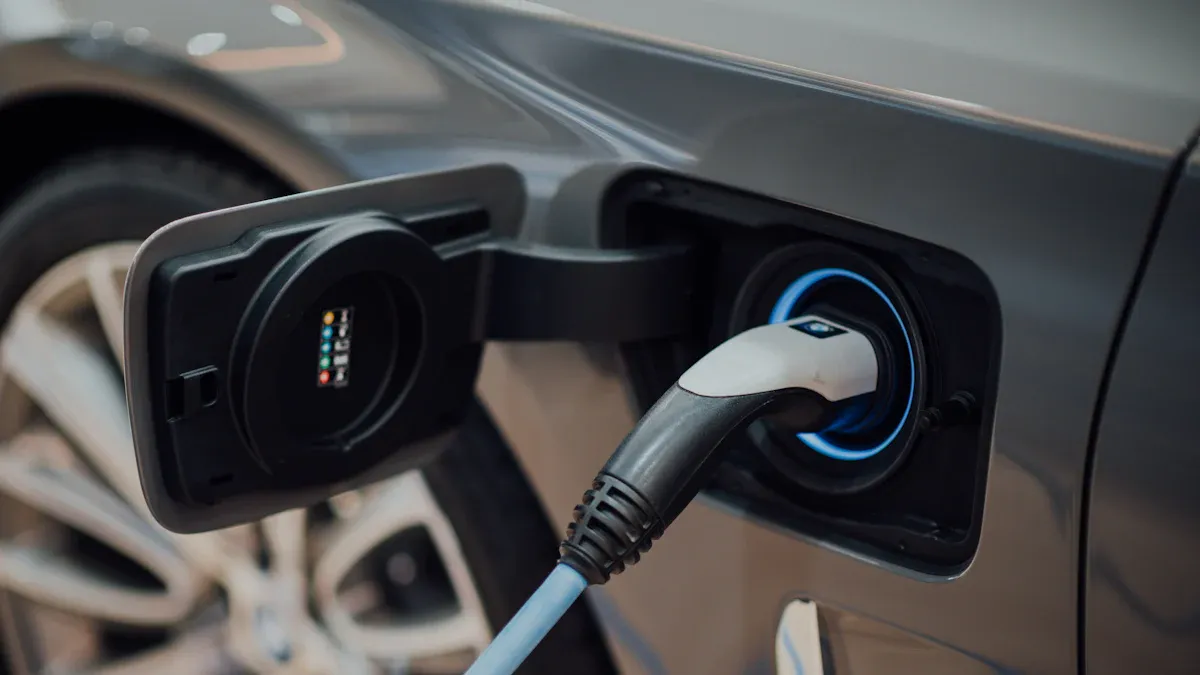
Level 1 portable chargers use standard 120V outlets, which are common in most Argentinian homes. These chargers typically deliver a power output of about 1.2 kW. As a result, they provide a slow charging rate, usually adding 2 to 5 miles of range per hour. For a typical electric vehicle, a full charge with a Level 1 charger can take up to 40 hours, depending on the battery size. This slow pace means drivers must plan for extended charging periods, especially if they rely on their vehicle daily. In Argentina, Level 1 chargers often serve as a backup or for plug-in hybrids that require less frequent charging.
Power Source and Setup
Drivers can plug Level 1 chargers directly into existing household outlets. No special installation or electrical upgrades are necessary. This plug-and-play convenience appeals to those who want a simple solution without extra costs. However, the limited power output restricts charging speed, making Level 1 less suitable for high-mileage drivers.
Best Use Cases in Argentina
Level 1 chargers work best for drivers with short daily commutes, plug-in hybrid vehicles, or those who have limited access to dedicated charging infrastructure. They also suit people living in apartments or older homes where electrical upgrades are not possible. For occasional use or as a backup, Level 1 chargers provide a practical and affordable option.
Level 2 Portable Chargers Explained
Скорость и эффективность зарядки
Level 2 portable chargers operate on 208–240V power sources, delivering a much higher power output—ranging from 3.6 kW to 19.2 kW. This translates to a charging speed of 10 to 60 miles of range per hour. Most electric vehicles can reach a full charge in 3 to 8 hours with a Level 2 charger. This efficiency makes Level 2 chargers ideal for daily use, especially for drivers who need quick turnaround times between trips.
Совет: TPSON, a technologically advanced electric vehicle charging solution provider, offers Level 2 chargers designed for fast, reliable charging in Argentinian conditions.
Power Source and Setup
Level 2 chargers require a dedicated 208–240V circuit, which usually means professional installation by a qualified electrician. Some portable Level 2 chargers can connect to existing high-voltage outlets, such as those used for air conditioners or laundry appliances. While the setup involves more effort and cost compared to Level 1, the benefits in charging speed and convenience are significant.
Best Use Cases in Argentina
Level 2 chargers suit daily commuters, multi-car households, and drivers who travel longer distances. They also benefit those living in houses with access to dedicated parking and electrical upgrades. For busy families or professionals, Level 2 chargers ensure vehicles are ready to go each morning, even after late-night arrivals.
Level 1 vs. Level 2: Key Differences
В следующей таблице приведены the main technical and practical differences between Level 1 and Level 2 portable chargers:
| Характеристика | Уровень 1 | Уровень 2 |
|---|---|---|
| Напряжение | 120V | 208–240V |
| Power output | ~1.2 kW | 3.6–19.2 kW |
| Диапазон в час | 2–5 miles | 10–60 miles |
| Hours to full charge | 11–20+ hrs (up to 40) | 3–8 hrs |
| Установка | None (existing outlet) | Dedicated circuit required |
| Стоимость | Included with EV | $600–$2,500 + install |
| Удобство | Slow, backup only | Reliable for daily charging |
| Лучше всего подходит для. | Plug-in hybrids, light use | Daily drivers, commuters, multi-car households |
Сравнение скоростей
Level 1 vs. Level 2 chargers differ most in charging speed. Level 1 chargers add only a few miles of range per hour, making them suitable for overnight charging or low-mileage use. In contrast, Level 2 chargers can replenish a battery much faster, supporting daily driving needs and reducing downtime.
Сравнение стоимости
Level 1 chargers usually come included with the vehicle and require no installation costs. Level 2 chargers involve a higher upfront investment, both for the unit and for professional installation. However, the time savings and convenience often justify the expense for frequent drivers.
Installation and Portability
Уровень 1 chargers offer maximum portability and simplicity, as drivers can use any standard outlet. Level 2 chargers, while still portable in some cases, require access to a high-voltage outlet or a dedicated circuit. This difference makes Level 1 vs. Level 2 a key consideration for drivers who move frequently or lack permanent parking.
Примечание: When choosing between Level 1 vs. Level 2, Argentinian drivers should consider their daily mileage, access to power sources, and willingness to invest in installation. TPSON provides both Level 1 and Level 2 solutions tailored to local needs.
Charging Speed: Meeting Argentinian Driving Needs
Level 1 Charging Times for Daily Life
City Commutes
Many Argentinian drivers use their electric vehicles for short city commutes. Level 1 chargers, which connect to standard household outlets, typically add 2 to 5 miles of range per hour. For a daily round trip of 20 kilometers (about 12 miles), a Level 1 charger can restore the required energy overnight. This slow charging speed fits the needs of drivers who park their vehicles for extended periods, such as overnight at home or during work hours. City dwellers with predictable routines often find Level 1 charging sufficient for their daily needs.
Weekend and Occasional Travel
Weekend trips or occasional longer journeys present a challenge for Level 1 charging. Charging an electric vehicle from empty to full can take more than 24 hours with a Level 1 charger. Drivers who plan to travel outside the city may need to start charging well in advance or seek public charging stations. For infrequent travel, Level 1 chargers can serve as a backup, but they may not provide the flexibility required for spontaneous trips.
Level 2 Charging Times for Busy Schedules
Daily Commuters
Level 2 chargers deliver a significant boost in charging speed, adding 10 to 60 miles of range per hour. Daily commuters who drive longer distances benefit from this rapid charging. A typical electric vehicle can reach a full charge in 3 to 8 hours, making overnight charging practical even for those with demanding schedules. Level 2 charging supports busy lifestyles and ensures vehicles are ready each morning.
Long-Distance and Rural Drivers
Drivers in rural areas or those who frequently travel long distances require reliable and fast charging. Level 2 chargers reduce downtime and allow for quick top-ups between trips. Rural drivers often face longer commutes and fewer public charging options, making home charging speed a critical factor. The comparison of Level 1 vs. Level 2 becomes especially important for these users, as faster charging can directly impact daily convenience and travel flexibility.
Local Power Infrastructure Impact
Urban vs. Rural Charging
Argentina’s power infrastructure presents unique challenges for electric vehicle owners. Urban areas usually offer more stable electricity and easier access to high-voltage outlets. Rural regions may experience power fluctuations or limited grid capacity, which can affect charging reliability. The cost of setting up a charging network remains high, with installation expenses ranging from $2,500 to $35,800. Managing grid demand during peak times also poses a challenge, especially for rapid chargers.
Apartment vs. House Charging
Charging at home depends on the type of residence. Apartment dwellers may lack access to dedicated parking or high-voltage outlets, making Level 1 charging the only feasible option. Homeowners with garages or driveways can install Level 2 chargers, provided the electrical system supports the required voltage. Ensuring compatibility between electric vehicles and the local grid is essential for effective charging.
Примечание: The table below summarizes the main challenges of Argentina’s power infrastructure for home EV charging.
| Вызов | Описание |
|---|---|
| Poor charging infrastructure | Setting up a charging network is expensive, with installation costs ranging from $2,500 to $35,800. |
| Power issues while charging | Managing grid demand during peak times is a significant challenge, especially with rapid chargers. |
| Vehicle-grid interoperability | Ensuring compatibility between EVs and the grid is crucial for effective charging solutions. |
Choosing between Level 1 vs. Level 2 chargers requires careful consideration of local infrastructure, daily driving needs, and the type of residence. Drivers who understand these factors can select the most practical and efficient charging solution for their lifestyle.
Cost and Convenience: What Works for Your Budget?
Upfront Costs of Level 1 vs. Level 2
Purchase Price
Electric vehicle owners in Argentina often compare the initial cost of chargers before making a decision. Level 1 chargers usually come included with the purchase of an electric vehicle. This means drivers do not pay extra for the charger itself. Level 2 chargers, on the other hand, require a separate purchase. Prices for Level 2 portable chargers range from $600 to $2,500, depending on features and brand. Some advanced models offer smart charging capabilities, which can increase the price.
Расходы на установку
Level 1 chargers require no installation costs. Drivers simply plug them into a standard outlet. Level 2 chargers need a dedicated 208–240V circuit. This setup often requires a licensed electrician. Installation expenses can range from $300 to $1,500, depending on the complexity of the home’s electrical system. Homeowners may also need to upgrade their electrical panel, which adds to the total cost.
Совет: Drivers should request quotes from local electricians before purchasing a Level 2 charger. This helps avoid unexpected expenses.
Текущие расходы и экономия
Electricity Rates in Argentina
Electricity rates in Argentina vary by region and time of use. Charging an electric vehicle at home remains more affordable than using gasoline. Level 1 and Зарядные устройства уровня 2 both draw power from the grid, but Level 2 chargers complete the process faster. This efficiency can help drivers take advantage of off-peak electricity rates, reducing overall costs.
Обслуживание и долговечность
Both Level 1 and Level 2 chargers require minimal maintenance. Most units only need occasional cleaning and inspection. Level 2 chargers often feature more robust construction, which can lead to a longer lifespan. Some models include weatherproofing for outdoor use. Drivers should check warranty terms before making a purchase.
Everyday Convenience
Plug-and-Play Options
Level 1 chargers offer maximum convenience. Drivers can use any standard outlet without special preparation. This plug-and-play feature suits those who move frequently or lack permanent parking. Level 2 chargers, while portable, require access to a high-voltage outlet. Some models include adapters for different plug types.
Electrical Upgrades Needed
Level 2 chargers may require electrical upgrades. Older homes might not support the higher voltage without modifications. These upgrades add to the initial investment but provide long-term benefits in charging speed and reliability.
| Характеристика | Зарядное устройство уровня 1 | Зарядное устройство уровня 2 |
|---|---|---|
| Purchase Price | Included with EV | $600–$2,500 |
| Стоимость установки | Нет | $300–$1,500+ |
| Техническое обслуживание | Минимум | Минимум |
| Удобство | Plug-and-play | Requires high-voltage |
When comparing Level 1 vs. Level 2, Argentinian drivers should consider both upfront and ongoing costs. The right choice balances budget, convenience, and long-term savings.
Portability and Compatibility: Will It Fit Your Lifestyle?

Portability for Argentinian Drivers
Traveling Within Argentina
Argentinian drivers often travel between cities or provinces for work, family, or leisure. Portable chargers offer flexibility for these journeys. Many Level 1 chargers fit easily in a vehicle’s trunk and work with standard outlets found in hotels or rental homes. Level 2 portable chargers, while slightly bulkier, still provide convenience for those who need faster charging on the road. Drivers who plan trips to remote areas should check for available power sources before departure. Reliable charging equipment ensures peace of mind during long-distance travel.
Совет: Carrying a portable charger can help drivers avoid range anxiety, especially in regions with limited public charging infrastructure.
Moving Between Homes or Locations
Many people in Argentina split time between multiple residences or move frequently for work. Portable chargers simplify this lifestyle. Level 1 chargers require no installation, making them ideal for renters or those without permanent parking. Level 2 portable chargers can also move between locations, provided each site has a compatible high-voltage outlet. This flexibility supports drivers who value mobility and independence.
Compatibility with Local EV Models
Popular EVs in Argentina
Argentina’s electric vehicle market continues to grow. Popular models include the Nissan Leaf, Renault Kangoo ZE, and various hybrid options. Most of these vehicles support both Level 1 and Level 2 charging. Drivers should confirm their vehicle’s charging port type before purchasing a charger. Compatibility ensures efficient and safe charging at home or on the go.
Adapter and Plug Types
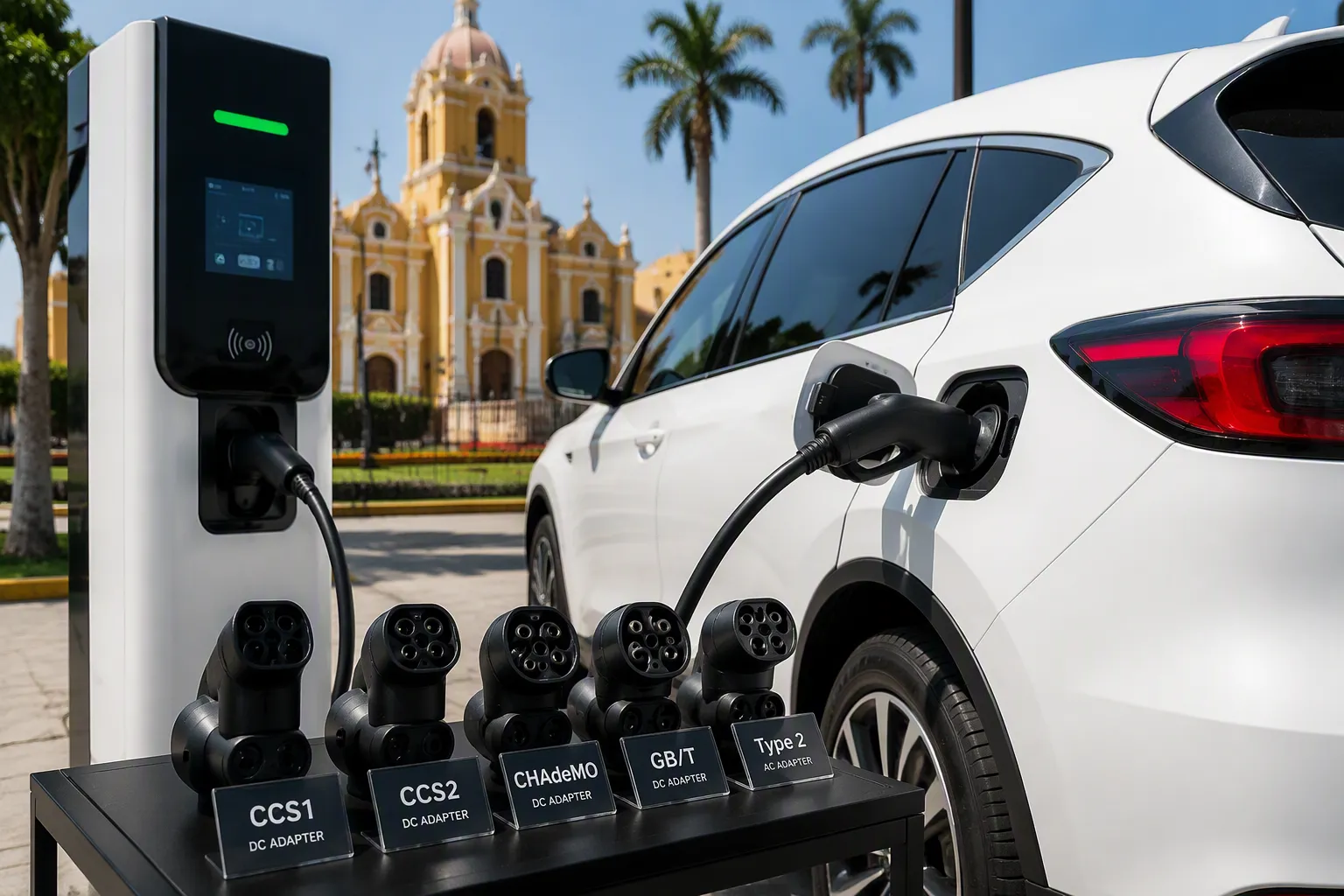
Plug compatibility plays a crucial role in the charging experience. Argentina uses the Type I plug, which features three flat pins arranged in a ‘V’ shape. This plug type differs from those in Europe or North America. The Argentinian Type I plug also has reversed polarity compared to the Australian version. Drivers should select chargers and adapters designed for local outlets to avoid electrical issues.
| Характеристика | Описание |
|---|---|
| Common Plug Type | Type I |
| Used In | Argentina, Australia, New Zealand, China |
| Pin Configuration | 3 flat pins (live and neutral in a ‘V’ shape) |
| Rating | 10 amps standard; 15 amps available (with wider earth pin) |
| Polarity Difference | Argentinian Type I has reversed polarity compared to Australian Type I |
Примечание: Always check the plug type and voltage rating before plugging in a portable charger. Using the correct adapter prevents damage and ensures safety.
Charging at Public and Shared Locations
Public Outlets and Charging Stations
Public charging stations are expanding in major Argentinian cities. Many offer Level 2 charging, which suits drivers who need a quick top-up while shopping or dining. Some public outlets use the Type I plug, so carrying the right adapter remains important. Drivers should consult local maps or apps to locate available charging points along their route.
Charging at Work or Shopping Centers
Workplaces and shopping centers increasingly provide charging facilities for employees and customers. These locations often feature dedicated parking spots with Level 2 chargers. Drivers who spend several hours at work or shopping can recharge their vehicles during these periods. Access to shared charging infrastructure adds convenience and supports the transition to electric mobility.
Level 1 vs. Level 2: Matching Chargers to Argentinian Driving Scenarios
City Commuters
Typical Daily Mileage
City commuters in Argentina often travel between 15 and 40 kilometers each day. This distance falls well within the range that both Level 1 and Level 2 chargers can support. Most electric vehicles regain enough energy overnight with a Level 1 charger for these short trips. However, drivers who want to maximize convenience and reduce charging time often select Level 2 chargers. These units can fully recharge a battery in just a few hours, making them ideal for those with unpredictable schedules.
Charging at Home and Work
Many city commuters park their vehicles at home overnight and at work during the day. Home charging remains the most reliable option for daily use. Level 1 chargers suit drivers who have access to a standard outlet and do not require fast charging. Level 2 chargers benefit those who need a quick turnaround or share their vehicle with family members. Some workplaces in Argentina now offer Level 2 charging stations, allowing employees to top up their batteries during office hours.
Long-Distance and Rural Drivers
Road Trip Charging Needs
Long-distance drivers and those living in rural areas face unique challenges. They often travel over 100 kilometers in a single day. Fast charging becomes essential for these users. Level 2 chargers provide the speed and reliability needed for road trips, reducing downtime and supporting spontaneous travel. Drivers can recharge their vehicles during a lunch break or overnight stop, ensuring they reach their destination without delays.
Rural Charging Challenges
Rural regions in Argentina sometimes lack robust electrical infrastructure. Power fluctuations and limited access to high-voltage outlets can slow down charging. Level 1 chargers offer a backup solution in these areas, as they work with standard outlets found in most homes. However, the slow charging speed may not meet the needs of high-mileage drivers. Installing a Level 2 charger in rural homes may require electrical upgrades, but the investment pays off in convenience and reduced charging time.
Apartment and Shared Parking Residents
Shared Power Access
Apartment residents and those with shared parking face different obstacles. Many buildings do not provide dedicated parking spaces or individual power outlets. Flexible charging solutions have emerged to address these challenges. Companies like Stevie offer options for both designated and shared parking setups. Residents with a designated spot can install a dedicated charger, while those in shared parking areas can use communal chargers managed by their building.
- Residents can track their charging sessions and manage payments through apps like Monta.
- Shared chargers allow multiple users to access reliable charging without the need for individual installations.
Portable Charging Solutions
Portable chargers remain popular among apartment dwellers. Level 1 chargers offer a plug-and-play solution for those with access to a standard outlet. These chargers suit drivers who do not need rapid charging or who use their vehicles infrequently. Level 2 portable chargers provide faster charging but require a compatible high-voltage outlet. Residents should check with building management before installing any equipment to ensure compliance with safety standards.
Tip: Apartment residents can benefit from shared charging solutions and mobile apps that simplify usage and payment tracking.
The Level 1 vs. Level 2 debate depends on daily mileage, access to power, and living arrangements. Drivers should evaluate their routines and infrastructure to select the most practical option.
Occasional and Low-Mileage Drivers
Infrequent Use Cases
Many Argentinian drivers use their electric vehicles only on weekends or for specific errands. These drivers often travel less than 50 kilometers per week. Their charging needs differ from those of daily commuters or long-distance travelers. For these users, charging speed becomes less important than convenience and simplicity.
Level 1 portable chargers meet the needs of occasional drivers. These chargers use standard household outlets and require no special installation. Drivers can plug in their vehicles overnight and wake up to a fully charged battery. The slow charging rate does not pose a problem when the vehicle sits unused for long periods.
Some drivers keep their electric vehicles as a second car. They use them for short trips around the city or as a backup for their primary vehicle. In these cases, a Level 1 charger provides a practical solution. The charger remains portable and easy to store when not in use.
Совет: Occasional drivers should monitor their battery levels regularly. Even when not in use, electric vehicles can lose charge over time due to battery self-discharge.
Cost-Effective Choices
Cost plays a significant role for low-mileage drivers. Many want to avoid unnecessary expenses on charging equipment. Level 1 chargers offer the most affordable option. Most electric vehicles include a Level 1 charger at no extra cost. Drivers avoid installation fees and electrical upgrades.
The table below compares the cost considerations for occasional and low-mileage drivers:
| Характеристика | Зарядное устройство уровня 1 | Зарядное устройство уровня 2 |
|---|---|---|
| Purchase Price | Included with EV | $600–$2,500 |
| Стоимость установки | Нет | $300–$1,500+ |
| Техническое обслуживание | Минимум | Минимум |
| Портативность | Высокий | Умеренный |
Level 2 chargers provide faster charging but may not justify the higher investment for infrequent use. Occasional drivers rarely need to recharge quickly. They benefit more from the simplicity and low cost of Level 1 charging.
Level 1 chargers suit drivers who:
- Use their EVs less than three times per week
- Park in locations with standard outlets
- Prefer to avoid extra spending
Level 2 chargers may appeal to those who:
- Anticipate increased usage in the future
- Share the vehicle with others who drive more frequently
Примечание: Drivers should assess their long-term plans before investing in a Level 2 charger. If driving habits change, upgrading remains possible later.
Occasional and low-mileage drivers in Argentina find Level 1 chargers both practical and economical. These chargers support their needs without unnecessary complexity or cost.
Decision Guide: Choosing the Right Charger for You
Key Questions to Ask
Selecting the right portable charger requires careful consideration. Argentinian drivers should evaluate their daily routines, access to power, and financial priorities. The following questions help clarify individual needs:
Daily Driving Distance
Drivers must estimate their average daily mileage. City commuters often travel short distances, while rural drivers may cover longer routes. A person who drives less than 40 kilometers per day can rely on slower charging. Those who travel over 100 kilometers daily need faster charging solutions.
- How many kilometers does the driver cover each day?
- Does the driver take frequent long trips or mostly short commutes?
- Is the vehicle used by multiple family members?
Access to Power Outlets
Charging convenience depends on the availability of suitable outlets. Homeowners with garages can install high-voltage circuits. Apartment residents may only have access to standard outlets. Drivers should assess their parking situation and the type of outlets available.
- Does the parking space have a dedicated outlet?
- Is there access to a high-voltage circuit for Level 2 charging?
- Can the driver use public or workplace charging stations?
Бюджет и приоритеты
Финансовые соображения играют значительную роль. Зарядные устройства уровня 1 обычно поставляются с автомобилем и не требуют установки. Зарядные устройства уровня 2 предполагают более высокие первоначальные затраты, но обеспечивают большее удобство. Водители должны соотносить свой бюджет с потребностью в скорости и надежности зарядки.
- Какой максимальный бюджет выделен на зарядное оборудование и установку?
- Что для водителя приоритетнее: быстрая зарядка или низкая стоимость?
- Готов ли водитель инвестировать в модернизацию электропроводки?
Совет: Водителям следует записать свои ответы на эти вопросы перед принятием решения. Этот процесс помогает прояснить приоритеты и избежать дорогостоящих ошибок.
Алгоритм быстрого выбора между уровнем 1 и уровнем 2
Аргентинским водителям полезен структурированный подход при выборе типа зарядного устройства. Следующее пошаговое руководство упрощает процесс выбора:
Поэтапный выбор
Оценка ежедневного пробега
- Менее 40 км/день: достаточно зарядного устройства уровня 1.
- Более 40 км/день: рекомендуется зарядное устройство уровня 2.
Проверка доступности розетки
- Только стандартная розетка: зарядное устройство уровня 1.
- Розетка высокого напряжения или готовность к модернизации: зарядное устройство уровня 2.
Оценка бюджета
- Ограниченный бюджет: зарядное устройство уровня 1.
- Гибкий бюджет на установку и оборудование: зарядное устройство уровня 2.
Учет образа жизни
- Частые переезды или общая парковка: портативное зарядное устройство уровня 1.
- Постоянное место жительства с гаражом: зарядное устройство уровня 2.
Анализ потребностей в зарядке
- Эпизодическое использование: зарядное устройство уровня 1.
- Ежедневное использование или автомобиль с несколькими пользователями: зарядное устройство уровня 2.
| Шаг | Зарядное устройство уровня 1 | Зарядное устройство уровня 2 |
|---|---|---|
| Ежедневный пробег | < 40 км/день | > 40 км/день |
| Тип розетки | Стандарт | Высокого напряжения |
| Бюджет | Низкий | От среднего до высокого |
| Образ жизни | Портативный, гибкий | Стационарный, быстрый |
| Частота зарядки | Эпизодический | Ежедневный, частый |
Примечание: Водителям следует пересмотреть свои ответы, если их образ жизни изменится. Переход с уровня 1 на уровень 2 остается возможным по мере изменения потребностей.
Распространенные ошибки, которых следует избегать
Многие водители допускают ошибки при выборе зарядных устройств. Осведомленность об этих подводных камнях обеспечивает более гладкий опыт.
- Игнорирование ежедневного пробега и покупка зарядного устройства, которое не может удовлетворить потребности.
- Упущение из виду совместимости с розеткой и столкновение с задержками установки.
- Недооценка стоимости установки зарядных устройств уровня 2.
- Выбор зарядного устройства без проверки типа вилки и номинального напряжения.
- Отсутствие планирования будущих изменений в привычках вождения.
Тревога: Водителям следует проконсультироваться с электриком и изучить руководство по эксплуатации автомобиля перед покупкой любого зарядного устройства.
Реальные примеры от аргентинских водителей
Истории местных водителей иллюстрируют, как процесс принятия решения работает на практике.
История городского жителя
София живет в Буэнос-Айресе и проезжает 25 километров ежедневно. Она паркует свой электромобиль в гаражном комплексе квартиры со стандартной розеткой. Ее автомобиль был укомплектован зарядным устройством уровня 1. София заряжает автомобиль ночью, и ей всегда хватает заряда для поездок на работу. Она избегает затрат на установку и пользуется удобством plug-and-play. София следит за уровнем заряда батареи и планирует более длительные поездки заранее, при необходимости используя общественные зарядные станции.
Опыт Софии показывает, что зарядные устройства уровня 1 подходят городским жителям с предсказуемым распорядком и ограниченной зарядной инфраструктурой.
История водителя из сельской местности
Карлос живет за пределами Кордовы и проезжает 120 километров каждый день. У него есть дом с гаражом, где он установил высоковольтную цепь для зарядного устройства уровня 2. Карлос заряжает свой автомобиль ночью и во время обеденных перерывов. Он делит машину с семьей, которая также преодолевает большие расстояния. Зарядное устройство уровня 2 обеспечивает быструю, надежную зарядку и соответствует их напряженному графику. Карлос инвестирует в модернизацию электропроводки, но экономит время и избегает "тревоги запаса хода".
История Карлоса демонстрирует преимущества зарядных устройств уровня 2 для водителей из сельской местности и домохозяйств с несколькими пользователями.
Аргентинские водители, следующие этому руководству по принятию решений, могут уверенно выбрать зарядное устройство, соответствующее их потребностям. Сравнение уровня 1 и уровня 2 зависит от ежедневного пробега, доступа к розетке и бюджета. Реальные примеры подчеркивают важность соответствия технологии образу жизни.
- Зарядные устройства уровня 2 обеспечивают быструю и надежную зарядку для большинства аргентинских водителей.
- Зарядные устройства уровня 1 предлагают практичное решение для тех, у кого короткие поездки на работу или ограниченные варианты зарядки.
- Водители должны оценить свой ежедневный распорядок, доступные источники питания и бюджет перед выбором зарядного устройства.
Правильное зарядное решение делает владение электромобилем проще и приятнее по всей Аргентине.
ЧАСТО ЗАДАВАЕМЫЕ ВОПРОСЫ
В чем основное различие между портативными зарядными устройствами уровня 1 и уровня 2?
Зарядные устройства уровня 1 используют стандартные розетки на 120 В и заряжают медленно. Зарядные устройства уровня 2 используют розетки на 208–240 В и заряжают значительно быстрее. Большинство водителей выбирают уровень 2 для ежедневного использования.
Могут ли водители использовать зарядное устройство уровня 2 в любом доме?
Нет. Зарядным устройствам уровня 2 требуется специальная розетка на 208–240 В. Во многих домах перед использованием зарядного устройства уровня 2 требуется, чтобы электрик установил такую розетку.
Безопасна ли зарядка на зарядных устройствах Уровня 1 в течение ночи?
Да. Производители проектируют зарядные устройства Уровня 1 для безопасного использования в ночное время. Водителям всегда следует проверять, что розетка и проводка находятся в хорошем состоянии.
Сколько стоит установка зарядного устройства Уровня 2 в Аргентине?
Стоимость установки варьируется от 300 до 1500 долларов США. Окончательная цена зависит от состояния домашней электрической системы и расстояния от электрощита до места парковки.
Поддерживают ли все электромобили в Аргентине оба типа зарядных устройств?
Большинство электромобилей в Аргентине поддерживают зарядку как Уровня 1, так и Уровня 2. Перед покупкой зарядного устройства водителям следует проверить совместимость в руководстве по эксплуатации транспортного средства.
Можно ли использовать портативные зарядные устройства на общественных зарядных станциях?
Некоторые общественные станции допускают использование портативных зарядных устройств, но многие предоставляют собственные разъемы. Водителям следует иметь при себе правильный адаптер и подтвердить совместимость перед началом зарядки.
Какой тип вилки используется в аргентинских зарядных устройствах?
В Аргентине используется вилка типа I. Эта вилка имеет три плоских контакта в форме буквы ‘V’. При поездках или покупке зарядного устройства водителям всегда следует проверять совместимость вилки.