
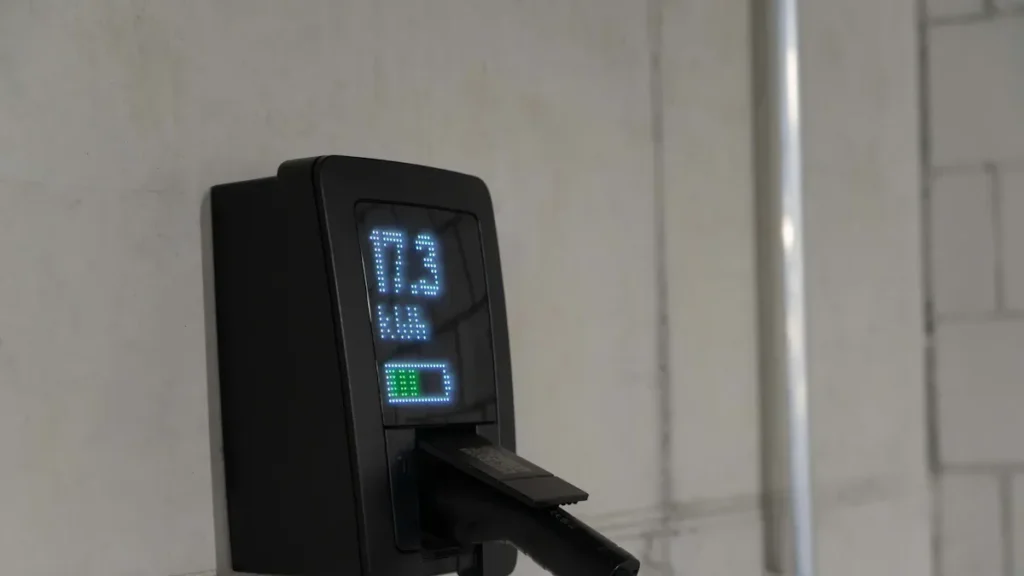

Los propietarios de viviendas pueden acceder a incentivos financieros por instalar un cargador doméstico. Cargador EV. El gobierno federal proporciona un crédito fiscal principal para este fin, ofreciendo una desgravación fiscal del 30% del coste, hasta 1.000 $, por un cargador para vehículos eléctricos que cumpla los requisitos. Estos incentivos ayudan a compensar el gasto total de un cargador doméstico para coches eléctricos, donde el cargador y la instalación pueden promediar alrededor de 2.000 $. TPSON, un proveedor de soluciones de carga para vehículos eléctricos tecnológicamente avanzado, es uno de los muchos Fabricantes de cargadores para VE que ofrecen productos que pueden optar a esta financiación. Desde un punto de carga doméstico fijo hasta cargadores portátiles ev, varios Soluciones de recarga de vehículos eléctricos pueden proporcionar a los propietarios de vehículos eléctricos una desgravación fiscal significativa por su vehículo eléctrico.
Explicación del crédito fiscal para cargadores de vehículos eléctricos

El principal incentivo nacional para los propietarios de vehículos eléctricos es una subvención gubernamental diseñada para hacer que la carga doméstica sea más accesible. Este programa ofrece una ayuda financiera significativa, pero comprender sus normas específicas es clave para reclamar con éxito la prestación. Proporciona una desgravación fiscal sustancial para las personas que invierten en un punto de carga doméstico.
¿Qué es el Crédito Fiscal 30C?
Este importante incentivo gubernamental, a menudo denominado subvención para cargadores, proporciona apoyo financiero directo para la compra e instalación de equipos de carga residencial para vehículos eléctricos. Funciona como una valiosa forma de desgravación fiscal que reduce la barrera financiera inicial para adoptar un vehículo eléctrico. Este programa está estructurado específicamente para fomentar la expansión de la red de carga doméstica.
Importe del Crédito y Límites Máximos
La subvención proporciona una contribución generosa al coste total. Un solicitante elegible puede recibir una financiación que cubre hasta el 75% del coste de compra e instalación de un cargador que cumpla los requisitos.
Nota importante: Existe un límite máximo para esta prestación. La subvención se limita a un total de 350 $ (incluido el impuesto sobre las ventas) por instalación, lo que ayuda a gestionar el presupuesto del programa y, al mismo tiempo, ofrece un apoyo significativo para su nuevo vehículo eléctrico.
¿Qué gastos están cubiertos?
Las desgravaciones fiscales disponibles cubren más que el propio hardware de carga. El programa está diseñado para ayudar con el coste total del proyecto. Esto incluye:
- El precio de la unidad del cargador para vehículos eléctricos. Las soluciones tecnológicamente avanzadas de proveedores como TPSON suelen estar diseñadas para cumplir con los estándares de elegibilidad de las subvenciones.
- El coste total de la instalación profesional, que garantiza que el sistema sea seguro y cumpla la normativa.
¿Quién Reúne los Requisitos para el Crédito Federal?
La elegibilidad para este crédito fiscal nacional ha evolucionado. El programa se centra ahora en situaciones residenciales específicas para promover la adopción de vehículos eléctricos en viviendas de mayor densidad. El tipo de propiedad de un individuo es un factor determinante principal.
El Requisito de Propiedad de la Vivienda
La subvención se centra ahora en inquilinos y personas que viven en apartamentos. Para ser elegible, un solicitante debe cumplir ciertos criterios.
- Vive en un apartamento del que es propietario o en una propiedad que alquila.
- Tiene una plaza de aparcamiento privada y dedicada fuera de la vía pública.
- Es propietario o usuario principal de un vehículo eléctrico elegible.
Los propietarios de viviendas unifamiliares, como casas independientes, generalmente ya no son elegibles para esta subvención específica, ya que su enfoque se ha desplazado para apoyar a inquilinos y residentes de apartamentos.
La Regla del Sector Censal Elegible
En algunos casos, la elegibilidad también puede depender de la ubicación geográfica de la propiedad. Ciertos programas utilizan normas basadas en la ubicación para dirigir los fondos hacia las áreas donde la necesidad de infraestructura de carga es mayor. Los solicitantes siempre deben verificar si su dirección se encuentra dentro de una zona designada antes de realizar una compra.
Cómo Reclamar el Crédito Fiscal Federal
Reclamar la prestación financiera implica un proceso claro de varios pasos. Seguir estos pasos garantiza que la solicitud sea completa y precisa, lo cual es esencial para recibir la desgravación fiscal.
Paso 1: Confirme su Elegibilidad
Antes de comprar cualquier equipo, un propietario de un vehículo eléctrico debe confirmar primero que cumple con todos los requisitos del programa. Esto incluye verificar las normas relacionadas con el tipo de propiedad (inquilino o propietario de apartamento), su vehículo y su situación de aparcamiento.
Paso 2: Reúna su Documentación
El mantenimiento adecuado de registros no es opcional; es un requisito para la aprobación. Para fundamentar una reclamación, una persona debe conservar pruebas detalladas de todos los gastos. Prepárese para proporcionar lo siguiente:
- Registros de Costes: Recibos detallados del cargador y todos los materiales.
- Contratos: El acuerdo firmado con su instalador autorizado.
- Pruebas de Instalación: Documentación del instalador que confirme que el trabajo se completó según el estándar.
Paso 3: Presente el Formulario 8911 del IRS
El paso final es reclamar formalmente la prestación al presentar la declaración de impuestos anual. Un solicitante deberá completar y enviar el formulario gubernamental específico designado para este propósito. Este formulario informa de los gastos elegibles y calcula el importe final del crédito fiscal, proporcionando la desgravación fiscal prometida por su inversión en carga para vehículos eléctricos.
Encontrar Subvenciones y Reembolsos Estatales y Locales para Vehículos Eléctricos
Más allá del crédito fiscal federal, un amplio panorama de programas estatales, locales y de servicios públicos ofrece apoyo financiero adicional. Estos incentivos pueden reducir drásticamente el coste neto de la compra e instalación de un cargador doméstico para vehículos eléctricos. La ubicación de un propietario de un vehículo eléctrico es el factor más importante para determinar la elegibilidad para estos valiosos programas.
Cómo Funcionan los Reembolsos Estatales
Muchos estados ofrecen sus propias subvenciones y reembolsos para vehículos eléctricos para fomentar su adopción. Estos programas se financian a nivel estatal y operan de forma independiente de los incentivos federales. La financiación suele adoptar la forma de un reembolso directo en efectivo, que el propietario solicita una vez completada la compra e instalación.
Ejemplos de Programas a Nivel Estatal
Los programas estatales establecen normas específicas para garantizar que las subvenciones se distribuyan de manera efectiva. Aunque los requisitos varían, los solicitantes a menudo necesitan cumplir varios criterios comunes.
- El solicitante debe tener aparcamiento adecuado fuera de la vía pública.
- La propiedad puede necesitar ser de un tipo específico, como un apartamento o unidad de alquiler.
- El cargador para vehículos eléctricos debe ser un modelo “inteligente” con funciones avanzadas. Soluciones tecnológicamente avanzadas de proveedores como TPSON suelen estar diseñados para cumplir con estos estándares.
- Un instalador certificado o aprobado por el programa debe realizar el trabajo de instalación.
Enfoque del Programa: Parte de la financiación a nivel estatal se dirige a businesses, charities, and public authorities to expand workplace charging infrastructure. These programs often require an organization to demonstrate a clear business need for EV charging points.
Stacking Rebates with Federal Credits
One of the most significant advantages of these programs is the ability to “stack” them. An EV owner can often combine a state rebate with the federal tax credit. For example, a homeowner could receive a $500 rebate from their state and still claim the full 30% federal tax credit (up to $1,000) on the remaining project cost. This layering of grants maximizes savings.
How Local and Utility Rebates Work
The search for savings should not stop at the state level. Many cities, counties, and utility companies provide their own unique incentives. These programs are highly localized and offer direct, tangible benefits to residents in specific service areas.
Cash Back from Your City or County
Some municipal governments offer straightforward cash-back rebates for installing a home charger. These programs function similarly to state rebates but are funded by the local city or county. For instance, some utility providers in states like Texas and Florida offer financial incentives from $500 to $1,000 in credits. This direct funding helps lower the initial cost of setting up a home charging station.
Bill Credits from Your Utility Provider
Utility companies are key players in the EV transition. Many offer programs that provide financial benefits directly on a customer’s electricity bill.
- Smart Charging Rewards: Some utilities, like Pacific Gas and Electric Company (PG&E) in California, have programs that reward EV owners for smart charging. Participants can receive an initial enrollment bonus and annual rewards for allowing their electric vehicle charging to occur during off-peak hours.
- Service Plans: Other utilities offer service plans for a small monthly fee. CenterPoint Energy in Texas, for example, provides a plan that covers up to $500 to repair or replace a malfunctioning Level 2 EV charger.
Where to Search for Your Local Incentives
Finding these localized programs requires some targeted research. Since these opportunities are tied to a specific address, knowing where to look is essential for uncovering every available dollar of support.
Using Government Energy Databases
Comprehensive online databases are powerful tools for this research. The DSIRE database is a well-regarded resource for tracking energy-related incentives across the U.S. It provides detailed information on various programs, including those for EV charging infrastructure, and allows users to filter results by state.
Checking Your Utility Company’s Website
The most direct way to find utility incentives is to visit the company’s website. Most power providers have a dedicated section for EV owners. This area typically lists available rebates, special electricity rates for EV charging, and instructions on how to apply for their specific programs.
What Specific Costs Qualify for EV Charger Grants and Credits?
Understanding which expenses are eligible for reimbursement is critical for maximizing ventajas financieras. EV charger grants typically cover both the hardware and the associated installation costs. A detailed breakdown reveals the specific components and services that qualify, helping an EV owner budget effectively for their new electric charging setup. These grants are designed to support a complete and professional project from start to finish.
Eligible Charger Hardware
The physical charging unit is the core of the system. Incentive programs have specific requirements for the type of hardware that qualifies for funding.
Cargadores de nivel 2
Most residential grants target Level 2 chargers. These units provide significantly faster charging speeds than a standard wall outlet, making them a practical choice for most EV drivers. Programs often require the charger to have “smart” capabilities, such as Wi-Fi connectivity for managed charging. Technologically advanced solutions from providers like TPSON are frequently designed to meet these specific grant eligibility standards.
Bi-directional Charging Equipment
A newer category of hardware, bi-directional charging equipment, is gaining support from some incentive programs. This technology allows an EV to not only draw power from the grid but also send power back to a home during an outage.
Future-Forward Tech: While not universally covered, the inclusion of bi-directional equipment in some grants signals a growing interest in vehicle-to-grid (V2G) technology. An EV owner should check program rules carefully if considering this advanced option.
Eligible Installation and Labor Costs
The total cost of a project extends well beyond the charger itself. Fortunately, many grants recognize this and cover a wide range of professional services required for a safe and compliant installation.
Electrician Labor and Wiring
The cost of hiring a licensed electrician is almost always an eligible expense. This includes the labor for mounting the unit, running new dedicated wiring from the electrical panel to the charging location, and ensuring all connections are secure.
Modernización de cuadros eléctricos
Older homes may not have an electrical panel with enough capacity to support a new EV circuit. In these cases, an upgrade is necessary. The significant cost of modernizing a home’s main service panel is often included in the total project costs eligible for grants.
Permits and Inspection Fees
A proper installation requires municipal permits and a final inspection to ensure it meets all safety codes. These administrative fees, while small, are essential parts of the process. Most incentive programs allow an applicant to include these required permit and inspection fees in their total reimbursement claim.
Tax Credit vs. Rebate: What’s the Difference for Your Electric Vehicle Charger?
When exploring incentives for a new EV charger, an owner will encounter two primary types of financial aid: tax credits and rebates. While both reduce the overall cost, they function in fundamentally different ways. Understanding this distinction is essential for accurately planning a budget and maximizing savings. One provides delayed tax relief, while the other offers more immediate cash back.
Understanding Tax Credits
A tax credit is a powerful financial tool offered by a government to incentivize specific behaviors, such as installing home EV charging infrastructure. It directly impacts an individual’s annual tax filing.
How They Reduce Your Tax Bill
A tax credit provides a dollar-for-dollar reduction of a person’s income tax liability. For example, a $1,000 credit reduces the amount of tax owed by $1,000. It is a direct form of tax relief.
The IRS defines a nonrefundable tax credit as one that can reduce a taxpayer’s tax liability to zero but cannot result in a refund. If the credit is larger than the tax owed, the taxpayer does not receive the difference as a cash payment.
This means the credit’s full value depends on having a sufficient tax bill to offset.
When You Receive the Financial Benefit
An individual receives the financial benefit from a tax credit long after the initial purchase. The owner must pay for the charger and installation upfront, keep all records, and then claim the credit when filing their annual income taxes. The tax relief is realized either as a smaller tax payment or a larger tax refund months later.
Understanding Rebates
Rebates are more straightforward incentives, often provided by state agencies, local municipalities, or utility companies. They function like a refund after a purchase is made.
How You Receive a Direct Payment
A rebate provides a direct cash payment to the consumer. After purchasing and installing a qualifying charger, such as a technologically advanced model from TPSON, the owner submits an application with proof of purchase. The program administrator then sends a check or direct deposit for the specified rebate amount.
Typical Application Timelines
The timeline for receiving a rebate varies by program. An EV owner typically needs to submit an application within a specific window after installation. Processing the application and issuing the payment can take anywhere from a few weeks to several months. This still provides a more direct return of funds than a tax credit.
Which is Better for You?
Choosing between these incentives—or determining which is more valuable—depends entirely on an individual’s financial situation and priorities.
Assessing Your Tax Liability
The usefulness of a tax credit is directly tied to an individual’s tax liability. A person who owes a significant amount in taxes will likely benefit from the full value of the credit, making it an excellent form of tax relief. However, someone with a very low tax bill may not be able to use the entire credit, diminishing its value.
The Advantage of Immediate Cash Back
Rebates offer a clear advantage for those concerned with upfront costs. Receiving a few hundred dollars back shortly after the installation helps offset the initial expense of the hardware and labor. This immediate tax relief can make the project more financially manageable from the start.
Common Mistakes to Avoid When Claiming Incentives
An EV owner can easily miss out on valuable savings by making simple errors during the application process. Navigating the world of EV charger incentives requires careful attention to detail. A few common pitfalls can derail an otherwise successful claim, turning a cost-saving opportunity into a frustrating experience. Understanding these mistakes is the first step toward avoiding them and securing all available financial support.
Missing Application Deadlines
Time is a critical factor when applying for grants and credits. Each program operates on a strict schedule, and missing a deadline is one of the most frequent reasons for a rejected application.
State and Local Program Timelines
State and local rebate programs often have specific application windows or are funded on a first-come, first-served basis. An EV owner must submit their paperwork promptly after the installation is complete.
⚠️ Act Quickly: Many of these programs have limited funds. Once the budget is exhausted for the year, the program closes to new applicants. It is crucial to check the program’s website for deadlines and submit the application as soon as possible.
Federal Tax Filing Deadlines
The federal tax credit follows the standard tax filing calendar. An individual must claim the credit for the year the charger was placed in service. For example, if the charger was installed in 2023, the owner must file Form 8911 with their 2023 tax return, which is typically due in April 2024. Missing this window means losing the credit for that year.
Not Keeping Detailed Records
Thorough documentation is the backbone of any successful claim. Program administrators require clear proof of all expenses to verify eligibility and prevent fraud. Sloppy record-keeping can lead to a denied application.
The Importance of Itemized Receipts
A simple credit card statement is not enough. Applicants need itemized receipts and invoices that clearly list each cost.
- Hardware: The receipt for the charger, such as a technologically advanced model from TPSON, should show the model number and purchase price.
- Materials: Invoices should detail costs for wiring, conduits, breakers, and other supplies.
This level of detail proves that the expenses are directly related to the charger project.
Documenting Labor and Material Costs Separately
It is essential to have an invoice from the electrician that separates labor charges from material costs. Many programs have different rules or caps for hardware versus labor. A combined, single-line-item invoice may not provide the necessary detail for administrators to approve the full claim.
Misunderstanding Eligibility Rules
Program requirements can be complex and highly specific. An applicant who makes assumptions without verifying the rules risks purchasing a non-qualifying product or discovering they are ineligible after the work is done.
Double-Checking Census Tract Data
The federal 30C tax credit has a strict location requirement. The property must be in an eligible, non-urban census tract. An EV owner must use the official government mapping tool to confirm their address qualifies antes de buying any equipment. Assuming eligibility based on a general neighborhood description is a recipe for disappointment.
Assuming All Chargers Qualify
Not every EV charger on the market is eligible for every incentive. Many state and utility programs require chargers to be “smart” or have specific network certifications. An owner should always consult the program’s approved product list before making a purchase to ensure their chosen hardware meets the requirements.
A Step-by-Step Guide to Maximizing Your Savings

Securing financial incentives for a home EV charger requires a methodical approach. Following a clear plan from research to paperwork ensures an EV owner can capture every available dollar of support. This guide breaks the process down into three manageable stages for maximum savings.
Step 1: Pre-Purchase Research
The most critical work happens before any money is spent. Proper upfront research lays the foundation for a successful claim and prevents costly mistakes.
Identify All Potential Federal, State, and Local Incentives
An owner should begin by creating a comprehensive list of all potential programs. This involves investigating national-level grants, regional incentives, and local utility rebates. Each layer of government or utility provider may offer unique funding opportunities. Compiling this information first provides a complete picture of the available financial support.
Get Pre-Approval if Required by a Rebate Program
Some rebate programs require applicants to get pre-approval before purchasing or starting work.
Action Item: An owner must review the rules for each prospective program. Submitting an application for pre-authorization, if needed, is a non-negotiable step. Skipping it can lead to automatic disqualification from receiving funding.
Step 2: The Purchase and Installation
With research complete, an owner can proceed with the acquisition and setup of their charging equipment. Every choice made during this stage must align with program requirements.
Choose Qualifying Hardware
Incentive programs often maintain lists of approved EV chargers. An owner must select a model that meets these specifications. Technologically advanced electric vehicle charging solution providers, like TPSON, often design their products to comply with these standards. Choosing a non-approved unit is a common reason for a denied claim.
Hire a Licensed Electrician
Most grants mandate that a licensed and insured electrician performs the installation. This requirement ensures the system is safe and code-compliant. An owner should obtain an itemized quote that separates labor from material costs before the installation begins.
Step 3: Post-Installation Paperwork
After the charger is installed, the final step is to complete the necessary paperwork. Diligence in this phase is essential for turning eligible expenses into actual savings.
Collect and Organize All Invoices and Receipts
An owner must keep every piece of documentation related to the project. This includes the itemized receipt for the charger and the final, detailed invoice from the electrician. These documents serve as the primary proof of cost for all applications.
Submit Rebate Applications Promptly
Many local and regional programs operate on a first-come, first-served basis. An owner should submit all rebate applications immediately after the project is finished. Delaying submission risks the program running out of its allocated budget.
Prepare for Tax Season
For tax-based credits, organization is key. An owner should create a dedicated folder containing all receipts, invoices, and application confirmations. Having this package ready will streamline the process of claiming the credit when filing annual taxes.
Significant financial incentives exist to lower the cost of a home EV charger. An EV owner can secure grants and a tax credit for their EV charger. The most vital step is researching all options before the charger installation. This provides the best path to tax relief for your EV charger. Following a checklist ensures an EV owner maximizes their tax relief for a new home EV charger.
- Confirm eligibility for any location-based federal programs.
- Search for all available state and utility rebates for your EV.
- Keep every itemized receipt for the home EV charger and all related work.
- Solicite todas las prestaciones con prontitud para recibir la desgravación fiscal prometida por su cargador para vehículos eléctricos.
PREGUNTAS FRECUENTES
¿Pueden los inquilinos obtener una subvención para cargadores de vehículos eléctricos?
Sí. Muchos programas se dirigen específicamente a inquilinos y residentes de apartamentos. Los solicitantes suelen necesitar una plaza de aparcamiento privada fuera de la vía pública y deben ser el usuario principal de un vehículo eléctrico elegible. Un propietario siempre debe verificar las normas del programa local para conocer los requisitos específicos de la propiedad antes de solicitar financiación.
¿Todos los cargadores para vehículos eléctricos califican para incentivos?
No. La mayoría de los programas exigen que los cargadores tengan características específicas, como capacidades de carga “inteligente” para la gestión de red. Proveedores tecnológicamente avanzados como TPSON suelen diseñar sus productos para cumplir estos estándares. Un propietario debe consultar la lista de hardware aprobado por el programa antes de realizar una compra.
¿Cuál es la diferencia entre un crédito fiscal y un reembolso?
Un crédito fiscal reduce la declaración de impuestos anual de una persona, proporcionando un alivio fiscal diferido. Un reembolso es un pago en efectivo directo que se envía al propietario después de la instalación. Los reembolsos ofrecen un alivio financiero más inmediato, mientras que los créditos se reclaman al presentar la declaración de impuestos anual.
¿Puede un propietario instalar el cargador por sí mismo?
La mayoría de los programas de incentivos requieren que un electricista autorizado electricista cualificado realice la instalación. Este requisito garantiza que el trabajo sea seguro y cumpla con todos los códigos eléctricos. Un cargador autoinstalado normalmente descalificará a un propietario para recibir apoyo financiero de un programa de subvención o reembolso.
¿Qué documentos se necesitan para solicitar?
Los solicitantes deben proporcionar pruebas detalladas de todos los costos del proyecto. La documentación adecuada es esencial para una reclamación exitosa.
Lista de verificación de documentos clave:
- Un recibo desglosado por el hardware del cargador.
- La factura final detallada del electricista.
- Prueba de una instalación completada e inspeccionada.
¿Puede un propietario combinar múltiples incentivos?
Sí, esto a menudo es posible y muy recomendable. Un propietario de un vehículo eléctrico frecuentemente puede “acumular” un crédito fiscal nacional con un reembolso regional o de la compañía eléctrica. Esta estrategia maximiza el ahorro total en la compra e instalación de un punto de carga doméstico.




