A workable CHAdeMO to CCS2 adapter is now a reality for owners of older EVs in the UK. This device unlocks access to the modern Cargador EV network. This is not a simple adaptor; it is a complex electronic device unlike basic cargadores portátiles ev, with costs ranging from £600 to £1000. While leading Fabricantes de cargadores para VE como TPSON proporcionan Soluciones de recarga de vehículos eléctricos, this third-party adapter bridges a specific technology gap. It allows a CHAdeMO EV to use the now-standard CCS2 connection.
The Solution is Here: A Look at the Available CHAdeMO to CCS2 Adapter
The arrival of a functional CHAdeMO to CCS2 adapter marks a significant development for owners of older electric vehicles. This device is not a simple piece of plastic; it is a sophisticated piece of engineering designed to bridge a fundamental technology gap. It opens up the modern rapid and ultra-rapid charging infrastructure to cars that were previously excluded.
What Is a CHAdeMO to CCS2 Adapter?
Understanding this device requires looking beyond its physical form. It connects a CCS2 plug from a charging station to the CHAdeMO port on an EV. Its true function, however, is to act as an interpreter between two different charging languages.
More Than Just a Plug
A simple plug converter only changes the physical shape of a connector. This adaptor is much more complex. It contains a dedicated circuit board with a processor and software. This internal “brain” actively translates communication protocols, manages power flow, and ensures safety. The high costs of these devices reflect this internal complexity. While advanced EV charging solution providers like TPSON focus on native charging hardware, this third-party adapter solves a unique legacy problem.
How It Bridges the Communication Gap
Rapid charging involves a digital “handshake” between the EV and the charger. The car and the station exchange data about battery state, temperature, and the maximum power the battery can accept. CHAdeMO and CCS use entirely different communication protocols for this handshake.
The Digital Handshake Explained:
- The adapter tells the CCS2 charger it is a CCS-compatible EV.
- It simultaneously tells the CHAdeMO car it is connected to a CHAdeMO station.
- It then intercepts, translates, and relays messages between the two, ensuring the charging session starts and proceeds safely.
This translation process is the core function of the adapter and the reason it took so long to develop a reliable product.
The EV-BOY Adapter: A UK-Tested Option
In the UK, one of the most discussed options is the adapter from EV-BOY. It has undergone testing on the country’s public networks, giving potential buyers a degree of confidence.
Key Features and Compatibility
This adaptor is primarily designed for popular CHAdeMO vehicles like the Nissan Leaf and e-NV200. Its key feature is its ability to initiate and sustain a rapid charging session on CCS2-only units.
- Maximum Power: The adapter allows the EV to charge at its maximum CHAdeMO speed, typically up to 50kW. It will not enable ultra-rapid charging speeds on a car that does not support them.
- Physical Design: The unit is robust but adds weight and length to the charging cable connector.
- Firmware: It supports firmware updates, which are crucial for maintaining compatibility as charging networks update their software.
Where to Buy and What Is the Cost?
The EV-BOY adapter is available directly from the company’s website or through select UK distributors. The costs are significant, generally falling in the £800 to £1,000 range. This price reflects its status as a low-volume, highly specialized electronic device.
Real-World Performance on UK Networks
User reports show that the EV-BOY adapter performs well on many UK rapid charging networks. However, compatibility is not universal. Some charging station brands or specific models may fail to initiate a session. These inconsistencies often relate to software variations on the charger’s side. For example, while it may work flawlessly on an Ionity ultra-rapid charger, it might struggle with an older BP Pulse unit.
Other Adapters on the Market
The EV-BOY unit is not the only option. A growing number of manufacturers, particularly in Europe and Asia, are producing similar devices.
Sourcing from Europe and Beyond
Drivers can source a CHAdeMO to CCS2 adapter from international sellers. The ‘Orientrise’ brand, for instance, offers a CCS2 to CHAdeMO adapter tested in Europe for around £560, making it a more affordable option. Reviews on sites like Evani.uk confirm that European users are actively testing these products.
Another user in Northern Ireland reported a successful experience with an adapter purchased from Alibaba. It worked with ESB, Ionity, and Maxol rapid chargers but failed on others. This highlights a key point: performance can be network-dependent. These imported devices often have different costs after import duties and VAT are applied, with the total price often reaching £800 or more. Other manufacturers entering this space include Evoyage and Electway.
What to Look for in an Adapter
When considering an adapter from any manufacturer, buyers should look for several key attributes.
| Característica | Importancia | Descripción |
|---|---|---|
| UK/CE Certification | Alta | Ensures the device meets safety standards for use in the UK and Europe. |
| Actualizaciones de firmware | Alta | A USB port for updates is essential for long-term compatibility and bug fixes. |
| Seller Reputation | Medio | Look for sellers with positive reviews and a clear warranty/return policy. |
| Internal Battery | Medio | Some adapters have a small battery for their electronics, which may need occasional charging via USB-C if the adapter is unused for long periods. |
Ultimately, purchasing a chademo to ccs2 adapter is a calculated investment that unlocks access to the expanding CCS2 rapid and ultra-rapid charging network for an older electric EV.
Understanding the Risks and Technical Hurdles of an Adapter
While a functional chademo to ccs2 adapter is an exciting development, potential buyers must understand the associated risks and technical complexities. The high costs of the device are a direct result of the engineering challenges involved. This is not a simple plug-and-play solution; it is a sophisticated electronic interpreter with significant implications for safety and vehicle warranties.
Why Was This Adapter So Hard to Create?
The difficulty in creating this adaptor stems from the fundamental differences between the two charging standards. The device must do more than just connect different pins; it must actively translate two incompatible digital languages in real-time to facilitate a safe rapid charging session.
The CHAdeMO vs. CCS2 Protocol Divide
The CHAdeMO and CCS2 standards use entirely different methods for communication and power delivery. This protocol divide is the primary technical hurdle. The adapter must bridge this gap between the two distinct UK connector types.
| Característica | CHAdeMO | CCS2 |
|---|---|---|
| Comunicación | CAN protocol (Control Area Network) | IP over mains (Internet Protocol data) |
| Tipo de conector | Separate DC connector | Combined AC/DC connector |
| Método de carga | Primarily for rapid DC charging | Supports both AC and rapid DC charging |
The Digital “Handshake” Explained
Successful rapid charging requires a constant digital “handshake” between the EV and the charger. The adapter sits in the middle of this conversation. It must convince the CCS charger that it is a CCS-compatible vehicle while simultaneously telling the CHAdeMO car it is connected to a CHAdeMO station. It then translates data about battery status and power requests to ensure a stable and safe charge.
Safety, Warranty, and Insurance Implications
Using a third-party device between a high-powered charger and your electric vehicle introduces important considerations. The potential costs go beyond the initial purchase price.
The Importance of UK Testing and Certification
Any electronic device sold in the UK must meet specific safety standards.
Safety First! ⚠️ Look for products with UKCA (or CE) marking. This indicates the adapter complies with essential regulations, including:
- The Electrical Equipment (Safety) Regulations 2016
- Electromagnetic Compatibility Regulations 2016
- Relevant BS EN standards for DC charging equipment
An uncertified connector poses a safety risk and may not be legal for use.
Will Using an Adapter Void My EV Warranty?
Using a non-approved third-party adapter could give a vehicle manufacturer grounds to deny a warranty claim, especially for issues related to the battery or charging system. Owners should review their EV warranty documents carefully before making a purchase.
Contacting Your Insurer Before You Buy
It is wise to inform your insurance provider before using an adapter. In the event of a fault or damage, an insurer might question liability if an unapproved device was involved. A quick call can clarify your coverage.
Is an Adapter a Guaranteed Fix for Your EV?
Even with a well-made device, success is not guaranteed at every charging station. The adapter’s performance depends heavily on the software of the charger it connects to.
Potential Compatibility Issues
The primary issue is compatibility. An adapter might work perfectly at a rapid or ultra-rapid station from one network but fail to initiate a charge at another. These inconsistencies make journey planning with the adapter less certain than with a native CCS2 vehicle. This is a major factor when weighing the costs.
Firmware Updates and Long-Term Support
Charging networks frequently update their software. This can break the adapter’s ability to communicate. Therefore, a device that supports firmware updates is essential for long-term usability. This ensures the adapter can adapt to changes, extending its useful life for rapid and ultra-rapid charging.
Practical Charging Strategies for Your CHAdeMO EV
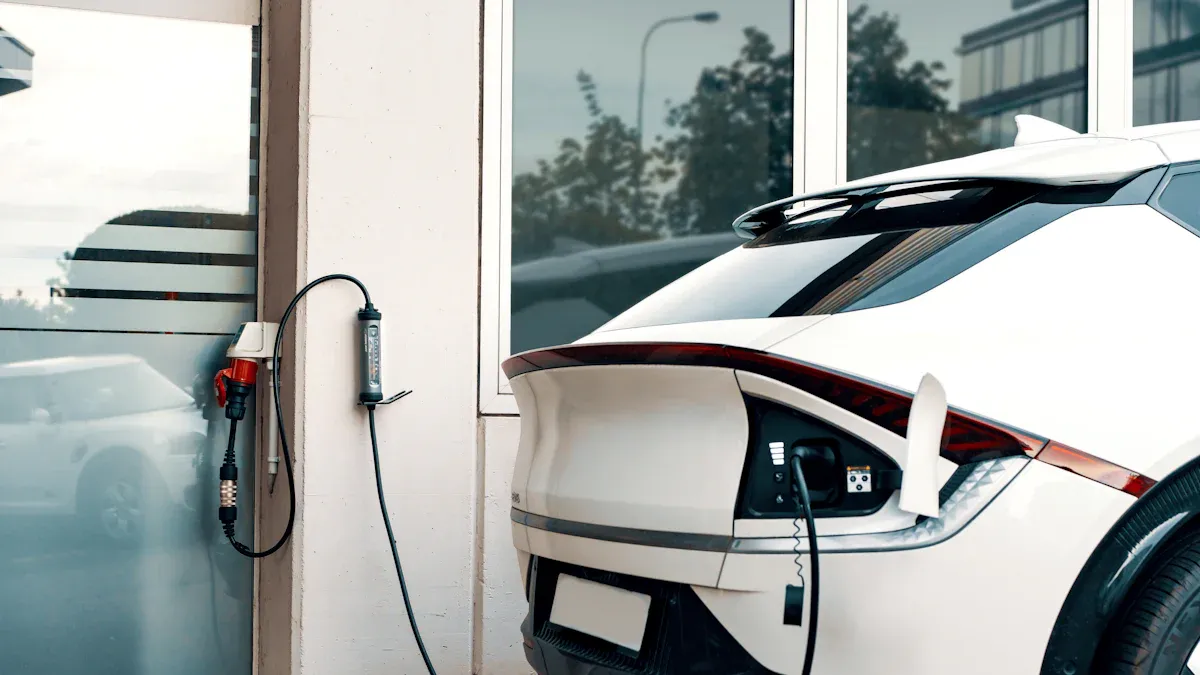
Owners of CHAdeMO electric vehicles face a strategic choice. They can invest in new technology to access the modern charging network or become experts at navigating the existing infrastructure. Both paths require careful planning to ensure successful journeys.
Option 1: Using a CHAdeMO to CCS2 Adapter
Purchasing an adapter opens up the UK’s primary rapid charging network. This strategy trades a high initial investment for significantly greater convenience on the road.
When an Adapter Makes Financial Sense
An adapter makes financial sense for drivers who frequently take long trips beyond their EV’s single-charge range. The upfront costs of the device are high. However, this investment unlocks access to the vast majority of new rapid and ultra-rapid chargers. While pay-as-you-go rapid charging costs are similar across connector types, averaging 76-79p/kWh, the key benefit is availability. The adapter provides peace of mind that a compatible station is nearly always within reach.
Integrating CCS2 Stations into Your Route Planning
With an adapter, route planning becomes much simpler. Drivers can use any charging map to locate CCS2 stations, which are now the standard for all new rapid and ultra-rapid charging installations. This allows for more flexible and spontaneous travel. An owner can confidently pull into a hub with only a CCS2 connector available, attach the adaptor, and begin a rapid charging session.
Option 2: Mastering the Existing CHAdeMO Network
Drivers can choose to forgo the adapter. This approach has no upfront costs but demands more effort in planning and a reliance on a shrinking network.
Finding CHAdeMO Chargers with Zap-Map
Dedicated apps are essential for this strategy. Zap-Map is a powerful tool for locating the dwindling number of CHAdeMO chargers.
Zap-Map Pro Tips: 🗺️
- Use the filter to display only CHAdeMO connectors.
- Check the live availability status to see if a charger is in use or out of service.
- Read recent community comments for real-world reports on reliability.
Using PlugShare for Community Updates
PlugShare offers another layer of security through its large, active user base. Its powerful filters help users pinpoint the exact CHAdeMO connector they need. The app’s strength lies in its crowdsourced, real-time data. Users frequently post updates and photos, providing a more accurate picture of a station’s status than the network operator’s own app.
The Role of AC (Type 2) Charging
AC (Type 2) charging remains a vital part of the ecosystem, but it serves a different purpose. It is best for overnight charging at home or for long stays at a destination. It is not a practical solution for en route top-ups.
| Modelo de vehículo | 50kW CHAdeMO Rapid Charge (20-80%) | 7kW AC Type 2 Charge (Full) |
|---|---|---|
| Nissan LEAF (40kWh) | ~60 minutes | ~7.5 hours |
| Nissan LEAF e+ (62kWh) | ~90 minutes | ~11 hours |
These times show why access to a working rapid charger is critical for long-distance electric travel.
Comparing the Costs and Convenience
The decision comes down to a trade-off between money and time. Each owner must weigh the costs against their personal driving needs.
Adapter Cost vs. Charging Flexibility
The one-time cost of a chademo to ccs2 adapter buys access to the growing CCS network. This is a significant advantage, as the CHAdeMO standard is becoming obsolete. Without an adaptor, drivers are competing for a diminishing number of chargers. This investment essentially future-proofs the vehicle’s usability for several more years.
Planning Long Journeys with and without an Adapter
Planning a long journey without an adapter is a high-stakes activity. It requires identifying multiple CHAdeMO backup options along a route in case the primary choice is broken or occupied. With an adapter, a driver has access to the entire CCS2 infrastructure, dramatically reducing range anxiety and planning time.
The Future of CHAdeMO and Long-Term EV Planning
Understanding the future of charging standards is crucial for any CHAdeMO EV owner. The landscape is shifting decisively, impacting the long-term viability of older electric vehicles and the decisions owners must make about investing in new technology or upgrading their cars.
The Decline of the CHAdeMO Standard in the UK
The CHAdeMO connector, once a pioneer in rapid charging, is now in decline. This shift is not accidental; it is the result of coordinated industry and regulatory decisions that have cemented a new standard for the UK and Europe.
Why CCS2 Became the UK Standard
The Combined Charging System (CCS) became the dominant standard for several key reasons. The European Union’s regulations mandate the CCS2 connector for all new rapid charging installations, ensuring widespread investment. This move was designed to create a universal standard, permitiendo a los conductores utilizar over 95% of public rapid stations. Major automotive brands like Volkswagen and Hyundai adopted the CCS2 connector, solidifying its industry dominance. Furthermore, the CCS standard is future-proof, supporting ultra-rapid charging speeds up to 350kW, far beyond CHAdeMO’s capabilities.
The Phasing Out of Public CHAdeMO Chargers
As a direct result, network operators are phasing out the older connector. New rapid and ultra-rapid charging hubs from providers like Gridserve and Ionity are often built with only CCS2 connectors. While many older sites still have a CHAdeMO option, these units are not always prioritized for repair or replacement. This creates a shrinking network for a growing number of legacy EV drivers, making reliable rapid charging harder to find.
Does an Adapter “Future-Proof” Your Older EV?
For owners wanting to keep their current vehicle, an adaptor presents a compelling, if costly, solution. It directly addresses the problem of the disappearing CHAdeMO network.
Extending the Usable Life of Your Vehicle
An adapter significantly extends the usable life of an older electric EV. It grants access to the entire modern rapid charging network, turning a vehicle with limited long-distance potential into a much more capable car. This single purchase can add years of practical usability, delaying the need for a costly vehicle upgrade. The initial costs are high, but they unlock thousands of reliable charging points.
Consideraciones sobre el valor de reventa
The impact on resale value is a complex calculation. While an adapter makes an older EV more attractive to a potential buyer, it is unlikely that a seller will recoup the full purchase costs of the device. However, including the adaptor could make the vehicle sell faster by overcoming a major objection for buyers who need rapid charging flexibility.
When to Upgrade Your EV Instead of Buying an Adapter
The high costs of an adapter mean it is not the right choice for everyone. In some cases, putting that money toward a newer vehicle is a more logical long-term strategy.
Analyzing Your Driving Needs and Budget
Owners must analyze their own driving patterns. A driver who primarily charges at home and only occasionally needs a rapid top-up may not justify the expense. The significant upfront costs of an adapter, often approaching £1,000, must be weighed against the frequency of its potential use.
The Growing Second-Hand CCS2 EV Market
The market for used electric vehicles with native CCS2 ports is expanding. The money saved by not buying an adapter could serve as a significant down payment on a newer, more efficient EV. This path avoids compatibility concerns and provides a seamless charging experience, which is a core focus for advanced solution providers like TPSON. Upgrading offers a complete solution rather than a temporary fix.
A functional CHAdeMO to CCS2 adapter is now a reality for UK drivers. It offers a new lease on life for older EVs by unlocking the modern rapid charging network.
A Calculated Investment 💡 The high costs make this a calculated investment, not a universal solution. Owners must weigh these costs against their need for reliable rapid charging.
The decision between an adapter, the shrinking CHAdeMO network, or a vehicle upgrade will define their future rapid charging experience. This choice ultimately determines the long-term viability of their rapid journeys.
PREGUNTAS FRECUENTES
Will an adapter make my car charge faster?
No. The adapter allows the car to charge at its maximum CHAdeMO speed, typically up to 50kW. It does not enable ultra-rapid speeds on a car that cannot support them. The vehicle’s own hardware limits the charging rate.
Is it safe to use a CHAdeMO to CCS2 adapter?
Safety First! ⚠️ Owners should only purchase adapters with UKCA or CE certification. These markings indicate the product meets UK safety standards. Using uncertified electronics poses a significant safety risk and is not recommended.
Can I use the adapter at any CCS2 charging station?
Compatibility is not guaranteed across all networks. The adapter may work at most stations but can fail at others due to software differences. An adapter with firmware update capability offers better long-term reliability.
How much does a reliable adapter cost in the UK?
A reliable, tested adapter typically costs between £600 and £1,000. The high price reflects the complex electronics required to translate the two different charging protocols safely and effectively.
Will using an adapter affect my car’s warranty?
It might. Using a non-approved, third-party device could give a manufacturer grounds to deny a warranty claim for the battery or charging system. Owners should review their vehicle’s warranty terms carefully before purchasing.
What is the main benefit of buying an adapter?
The main benefit is access. It unlocks the UK’s modern and expanding network of CCS2 rapid chargers. This provides more charging options and significantly reduces range anxiety on long journeys.
Are there better long-term solutions than an adapter?
Yes, upgrading to an EV with a native CCS2 port is a more permanent solution. Technologically advanced providers like TPSON focus on seamless native charging experiences, which a vehicle upgrade provides without compatibility concerns.