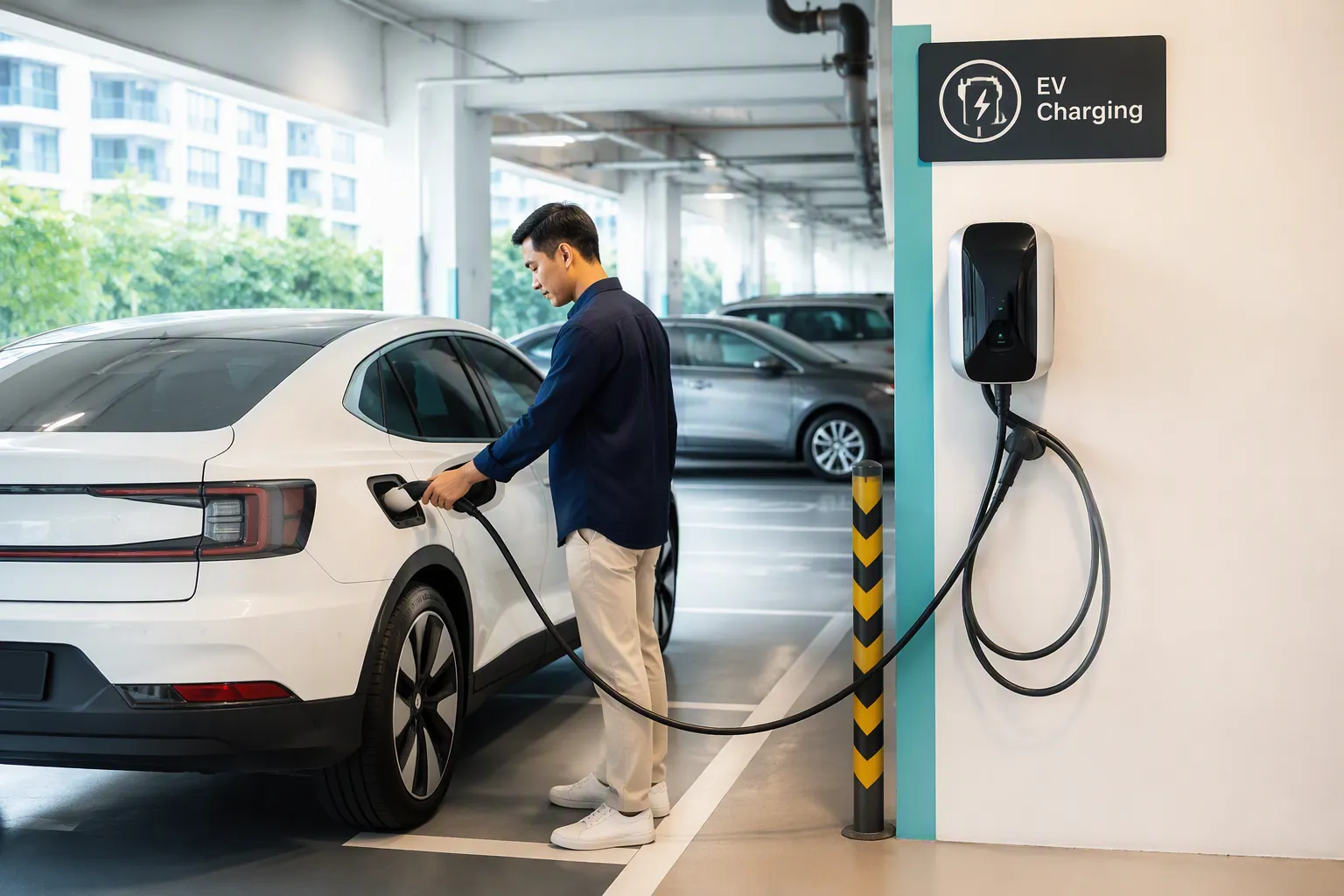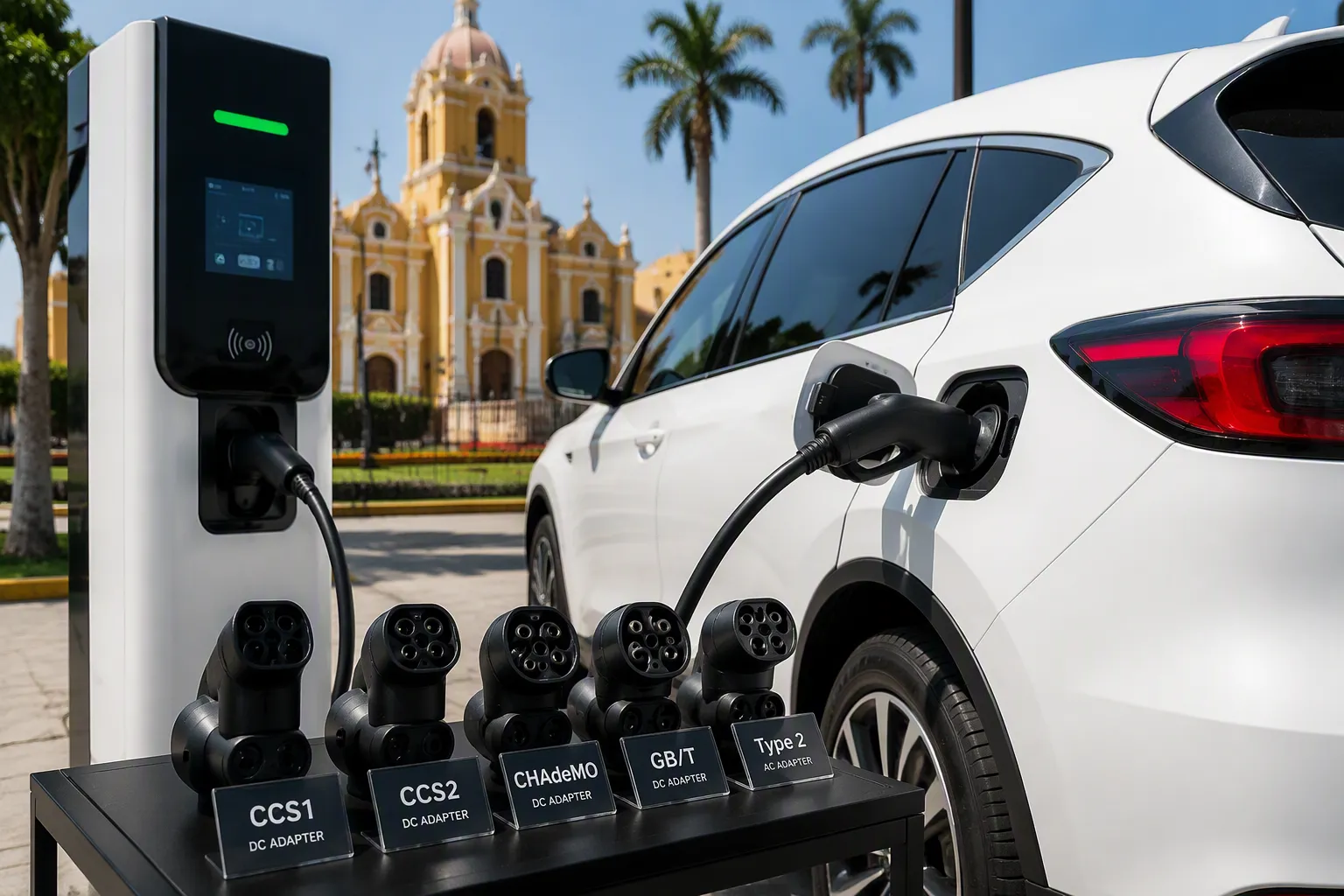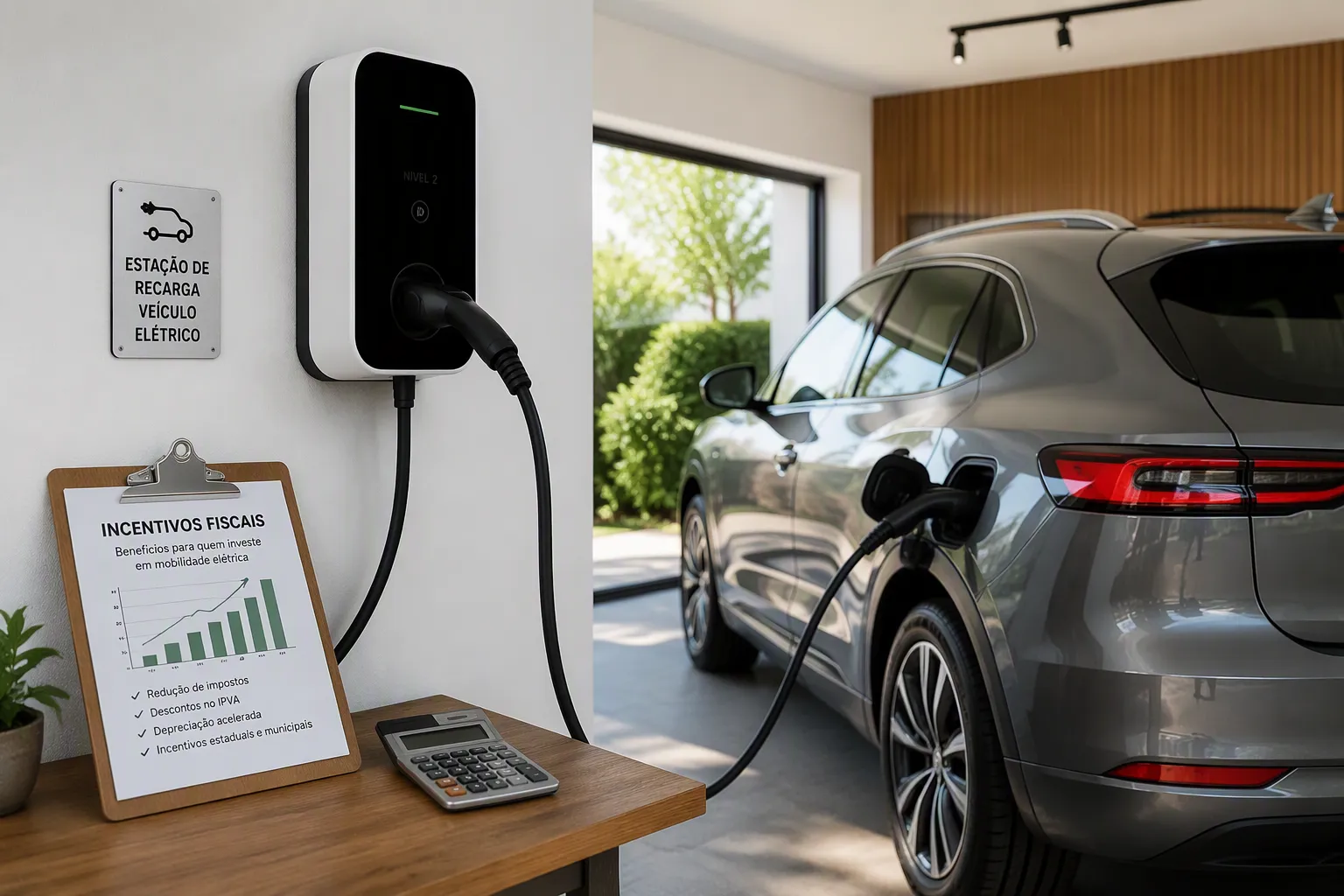

An apartment building in London has successfully completed the installation of EV charging stations, marking a significant step forward in urban EV infrastructure. This London apartment building faced common challenges but implemented innovative Soluciones de recarga de vehículos eléctricos. They overcame limited power with a smart system and eliminated high upfront costs. A scalable installation prepares them for future EV demand. Residents now enjoy fair, app-based pay-as-you-go charging. This project showcases how to deploy an Cargador EV system effectively, even with complex constraints. It sets a new standard for EV charging in residential properties across London.
Nota: This case study highlights a real-world solution. It avoids complex options like cargadores portátiles para vehículos eléctricos, focusing instead on a permanent, scalable installation provided by leading Fabricantes de cargadores para VE.
The Initial Challenge: Growing EV Demand vs. Limited Power

The management team for this London apartment building recognized a clear trend: the increasing demand for EV charging from its residents. To remain competitive and modern, providing on-site charging was no longer a luxury but a necessity. However, the path from decision to deployment was filled with significant technical, financial, and logistical obstacles common to many multi-unit residential buildings in London.
Assessing the Building’s Electrical Capacity
Identifying an Insufficient Power Supply
The first major hurdle appeared during the initial site survey. A professional assessment confirmed that the building’s main electrical intake had insufficient capacity. The existing power supply could handle the building’s daily needs, but it could not support the simultaneous operation of 20 new EV chargers. Adding this much load would far exceed the available power from the local substation, a common issue in dense urban areas.
The Risk of Overloading Existing Infrastructure
Simply connecting new chargers to the existing circuits was not an option. This approach would have created a high risk of overloading the building’s electrical infrastructure. The result would be tripped circuits, power outages for residents, and potential damage to sensitive electrical equipment. The project required a solution that could manage power demand intelligently, as simply adding connections would violate safety standards and destabilize the building’s power grid.
Facing Significant Financial Hurdles
The High Upfront Cost of Hardware
The cost of the charging hardware alone presented a considerable financial barrier. Procuring 20 commercial-grade 7.2kW chargers, like those offered by technologically advanced providers such as TPSON, requires a substantial capital investment that many residential management budgets cannot accommodate.
The Prohibitive Expense of Grid Upgrades
The most daunting expense was the potential cost of a grid upgrade. Initial estimates suggested that upgrading the building’s connection to the electric grid—a process involving new transformers and extensive civil works—would cost tens of thousands of pounds. This prohibitive expense made the entire EV project seem financially unfeasible for the building’s management and its residents.
Navigating Complex Installation Logistics
Planning for a Multi-Level Car Park
The physical installation posed its own set of challenges. The building featured a multi-level underground residential car park, which complicated the entire process.
Key logistical problems included:
- Poor 3G/4G signal, making it difficult for smart chargers to communicate for billing and load management.
- The need to run armored power and data cables over long distances to reach designated parking bays.
- The physical complexity of drilling and mounting hardware on concrete walls and ceilings.
Minimizing Disruption to Residents
Finally, the management team had to plan the installation to cause minimal disruption. The project required careful scheduling to ensure residents could continue to access their parking spaces. The work needed to be completed efficiently to limit noise and construction activity, preserving a peaceful living environment for everyone in the building, including those who did not yet own an electric vehicle.
Researching Solutions for Apartment EV Charging
Faced with these challenges, the building’s management team began a thorough research phase. They needed to find a viable solution that balanced resident needs, technical limitations, and financial realities. This process involved evaluating partners, financial models, and available government support.
Evaluating Charge Point Operators (CPOs)
Comparing Hardware and Software Options
The team first examined different Charge Point Operators. They compared the hardware and software packages available on the market. This included assessing the reliability and technological capabilities of chargers from providers like TPSON. Just as important was the back-office software, which needed to manage dynamic load balancing, process payments, and provide a seamless user experience for residents.
Vetting Installation Partners like SED EV
Choosing the right installation partner was critical. The management vetted specialist firms like SED EV, focusing on their experience with complex residential projects. A key requirement was that any partner had to be an instalador aprobado por OZEV. This certification was not just a mark of quality; it was a mandatory prerequisite for accessing government grants.
Exploring Financial and Ownership Models
The Pros and Cons of Self-Funding
The team initially considered a self-funded model. This approach would give the building full ownership of the EV charging equipment. However, the high upfront costs for hardware, groundworks, and potential grid upgrades made it a financially risky option.
Investigating Funded and Subscription Models
The investigation quickly turned to alternative financial structures. The funded partnership model emerged as the most attractive solution. This approach eliminated the significant capital outlay for the building.
| Característica | Self-Funding | Funded Partnership |
|---|---|---|
| Costes iniciales | £50,000 – £100,000+ | £0 |
| Ongoing Expenses | High (Maintenance, Support) | £0 (Fully Managed) |
| Management Burden | Alta | Cero |
| Investment Risk | Significant | Cero |
A funded partner covers the entire cost of the installation and infrastructure. The CPO then recoups its investment over time through a fair, pay-as-you-go subscription or usage fee paid only by the EV drivers using the service. This model transferred all financial risk from the building to the operator.
Understanding Government Incentives
Discovering the EV Infrastructure Grant
A pivotal discovery during the research was the UK Government’s EV Infrastructure Grant for residential car parks. This grant was specifically designed to help apartment buildings and other multi-unit properties prepare their parking areas for electric vehicle charging. It offered funding to cover the costs of the underlying charging infrastructure.
Navigating the Grant Application Process
The team learned the specific eligibility criteria to secure this funding. The grant application required careful planning to ensure compliance.
Key requirements for the grant included:
- The property must have multiple homes with shared parking.
- Work must cover a minimum of 5 parking spaces.
- At least one active chargepoint socket must be installed as part of the project.
- The remaining spaces could be prepared with passive infrastructure (cabling) for future vehicle charging needs.
This grant provided a clear path to financing the necessary infrastructure work, making the entire project financially viable.
The Strategic Solution for this London Apartment Building
By combining smart technology, scalable infrastructure, and a fair financial model, the management team developed a comprehensive solution. This strategy directly addressed the core challenges of limited power, high costs, and future growth, turning a seemingly impossible project into a successful reality for this London apartment building.
Overcoming Power Limits with Smart Technology
The most critical innovation was the decision to manage the building’s limited power supply instead of paying for an expensive grid upgrade. This was achieved through a Dynamic Load Management (DLM) system.
How Dynamic Load Management Works
A DLM system acts as an intelligent traffic controller for electricity. It continuously monitors the total power being used throughout the building in real-time. The system knows the maximum capacity of the main electrical supply and ensures that the total consumption never exceeds this limit.
The core process is simple yet powerful:
- Monitor: An energy meter measures the building’s total power draw at all times.
- Calculate: The system constantly calculates how much spare power is available.
- Distribute: It intelligently allocates this spare power among the active EV chargers.
This approach allows multiple EVs to charge simultaneously without any risk of overloading the building’s infrastructure.
Intelligently Distributing Power to Chargers
The system works by creating a communication network between the chargers. One charger acts as a “coordinator,” receiving data from the main energy meter via a Modbus data cable. This coordinator then communicates with all other chargers in the network.
As the building’s overall energy demand increases (for example, when elevators are in use or residents turn on appliances), the system automatically reduces the power sent to the EV chargers. Conversely, as building demand falls, more power becomes available for charging. When one EV finishes charging, its allocated power is instantly redistributed to other vehicles that are still plugged in. Technologically advanced providers like TPSON offer chargers with these sophisticated capabilities built-in, making the entire ev charging process seamless.
Designing for Scalability and Future Growth
The management team recognized that EV adoption would only increase. They planned for future demand from day one by choosing an infrastructure that could grow with the building’s needs.
Installing a Flat Cable Busbar System
Instead of running separate, armored cables from the electrical room to each individual parking bay, the installers used a flat cable busbar system. This system is essentially a pre-fabricated electrical track that runs along the car park ceiling. It provides a continuous source of power, ready for new connections to be added at any point along its length. This modern installation method is cleaner, faster, and more organized than traditional wiring.
How a Busbar Simplifies Future Installations
The busbar system makes future expansion incredibly simple and cost-effective. When a new resident in the London property needs an EV charger, the process is straightforward:
- An electrician simply clamps a new connection box onto the busbar at the resident’s parking bay.
- The new charger is mounted to the wall and connected to the box.
- The charger is configured to join the existing network.
This “plug-and-play” approach eliminates the need for disruptive and expensive new cabling runs, reducing the cost of adding a new charge point by up to 80%.
Ensuring Fair Usage and Simple Payments
A key priority was to create a system that was fair to all residents, including those who do not own an electric vehicle. The solution needed to be self-sustaining and easy for everyone to use.
Adopting a Pay-As-You-Go Model
The building implemented a pay-as-you-go model. This ensures that only the residents who use the chargers pay for the electricity they consume. The tariff is set at a competitive rate that covers the cost of electricity, software management, and ongoing maintenance. This model removes any financial burden from the building’s general service charge, creating a fair system that won’t penalize non-EV drivers.
Using a Mobile App for Access and Billing
Resident access is managed through a simple mobile app. The process is designed for convenience:
- Setup: Residents download the app, create an account, and link a payment method.
- Activación: To start a session, the driver scans a QR code on the charger.
- Supervisión: En app displays real-time session details, including energy delivered (kWh), charging time, and total cost.
- Payment: Once the session is complete, the app automatically bills the user’s chosen payment method.
This self-service system gives residents full control and transparency over their charging costs, while completely removing the building management from payment administration.
Securing a Cost-Neutral Installation
The project’s greatest success was achieving a completely cost-neutral outcome for the building and its non-EV driving residents. This remarkable financial result was possible through a strategic combination of a funded partnership and successful government grant applications. The management team effectively transferred the entire financial burden to the Charge Point Operator (CPO) and the government.
Colaboración con un Operador de Puntos de Carga
La piedra angular de la estrategia financiera fue un modelo de asociación con financiación. Este enfoque eliminó la necesidad de cualquier inversión de capital por parte de la administración o los residentes del edificio.
Los Detalles del Modelo Financiado
El edificio firmó un acuerdo por el cual el CPO cubrió todos los costos iniciales. El CPO asumió la responsabilidad total del suministro e instalación de todo el sistema, incluidos los tecnológicamente avanzados cargadores TPSON. El acuerdo estipulaba que el CPO debía realizar todos los trabajos con cuidado y habilidad profesional.
Los términos clave del acuerdo financiado incluían:
- Cumplimiento Total: El CPO garantizó que la instalación cumpliría con las últimas normativas de seguridad del Código de Práctica IET y la BS 7671 .
- Mano de Obra y Materiales: El CPO proporcionó toda la mano de obra, hasta 20 metros de cable especializado para suministro de VE por plaza, y todo el hardware de montaje necesario.
- Gestión Continua: El CPO asumió la propiedad del mantenimiento del sistema, las actualizaciones de software y el soporte al cliente, eliminando cualquier carga de gestión para el edificio.
Este paquete de servicios integral garantizó una solución profesional, conforme y sin intervención para la propiedad.
Cómo Recupera su Inversión el CPO
El modelo de negocio del CPO se basa en los ingresos a largo plazo del servicio de carga. El operador recupera su inversión inicial a lo largo de varios años mediante las tarifas pagadas por los residentes que utilizan los cargadores. La tarifa se calcula cuidadosamente para cubrir:
- El costo de la electricidad consumida.
- Una tarifa de servicio por software, mantenimiento y soporte.
- Un margen que amortiza el gasto de capital inicial.
Este El modelo de pago por uso crea un ecosistema autosostenible donde el servicio es financiado directamente por quienes se benefician de él.
Obtención de la Subvención para Infraestructura de VE
Si bien el CPO financió los cargadores, el edificio aún enfrentaba costos por la infraestructura subyacente. El equipo de administración logró obtener financiación gubernamental para cubrir este gasto.
El Monto Final de la Subvención Obtenida
El equipo solicitó la Subvención para infraestructuras de VE. Subvención para Infraestructura de Vehículos Eléctricos del Gobierno del Reino Unido . Esta subvención está diseñada específicamente para ayudar a los edificios residenciales a prepararse para la adopción generalizada de VE. Al edificio se le otorgó una subvención que cubrió, el 75% de los costos totales de infraestructura , hasta el monto máximo permitido según el. número de plazas de aparcamiento habilitadas £30,000 . La financiación total obtenida estuvo cerca del.
límite disponible por edificio.
Cómo Cubrió la Subvención los Costos de Infraestructura.
| Esta financiación gubernamental fue crucial para hacer viable el proyecto. Los fondos de la subvención se asignaron específicamente a los elementos "pasivos" de la instalación de carga de VE. | Elemento de Infraestructura |
|---|---|
| Cobertura de la Subvención | Sistema de Barras Colectoras y Cableado |
| Totalmente Cubierto | Sistema de Barras Colectoras y Cableado |
| Cuadros de Distribución | Sistema de Barras Colectoras y Cableado |
| Mano de Obra para Trabajos de Infraestructura | Habilitación por Plaza |
| Hasta £500 por plaza | Hasta 350 £ por enchufe |
Instalación por Toma La subvención pagó efectivamente la, columna vertebral eléctrica completa.
, incluido el sistema escalable de barras colectoras. Esto aseguró que la infraestructura de carga se instalara sin costo para el edificio.
El Resultado Financiero Final.
La combinación del modelo financiado y la subvención gubernamental produjo un resultado financiero ideal para este edificio de apartamentos de Londres.
Costo Inicial Cero para el Edificio La administración del edificio no tuvo que asignar fondos de sus presupuestos de capital o de gastos de servicio para el proyecto. El CPO financió el hardware activo, y la subvención gubernamental financió la infraestructura pasiva. Este enfoque de desembolso cero es un modelo probado, similar al exitoso proyecto en, Oxygen Apartments en Greenwich.
, donde un CPO entregó una solución totalmente financiada.
Costo Cero para Residentes sin Vehículo Eléctrico.
Un principio fundamental del proyecto fue la equidad. El sistema de pago por uso garantiza que los residentes que no poseen un VE no se vean afectados financieramente. Los costos de electricidad, mantenimiento y gestión del sistema se agrupan en la tarifa de carga pagada exclusivamente por los conductores de VE a través de la aplicación móvil. Este modelo aísla toda responsabilidad financiera en los usuarios del servicio, protegiendo los intereses de la comunidad en general.
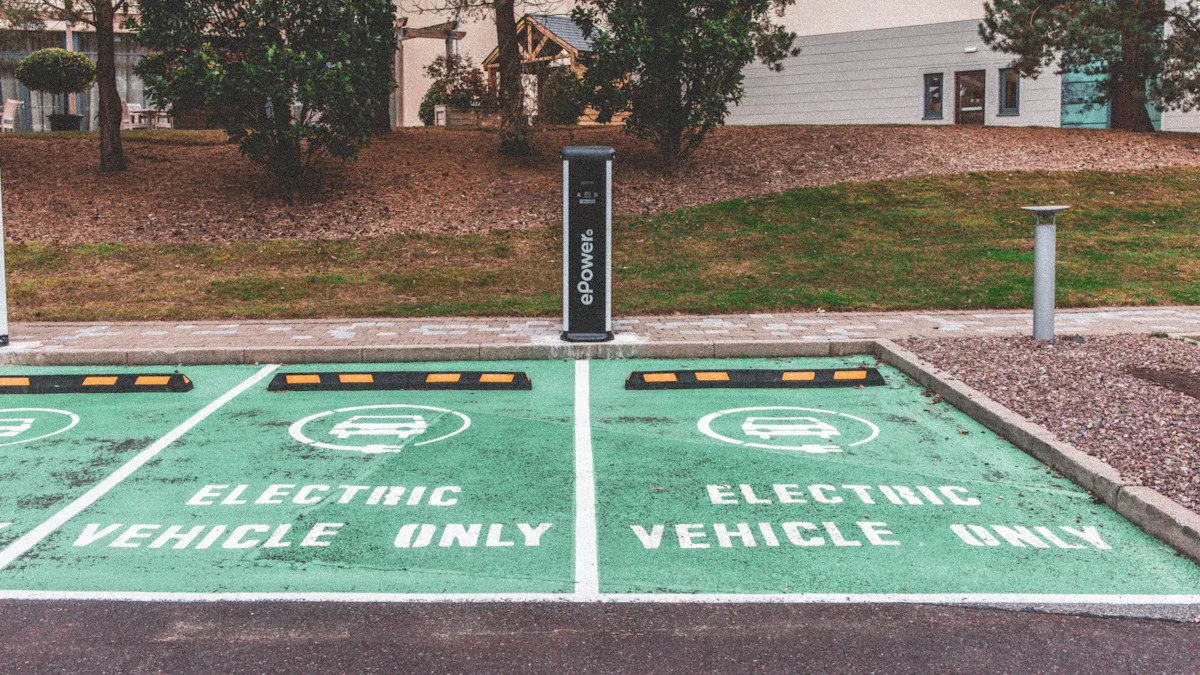
Estudio de Caso: Cómo un Edificio de Apartamentos de Londres Desplegó Exitosamente 20 Cargadores para VE 6.
La finalización del proyecto marcó un hito significativo para el edificio de apartamentos de Londres. La planificación estratégica y la tecnología moderna culminaron en una red de carga completamente operativa y centrada en el residente. Los resultados aportaron beneficios inmediatos y establecieron un marco sólido para el crecimiento futuro.
Éxito Inmediato y Comentarios de los Residentes
20 Cargadores Activos de 7.2kW/22kW en Funcionamiento El edificio desplegó exitosamente 20 tomas de carga activas para VE. Estos cargadores, de un proveedor tecnológicamente avanzado como TPSON, ofrecen flexibilidad para satisfacer diversas necesidades de los residentes. La instalación incluye una combinación de, allowing residents to choose the charging speed that best suits their vehicle and schedule.
| Característica | 7.2kW Charger | Cargador de 22 kW |
|---|---|---|
| Velocidad de carga | Slower (e.g., ~11.5 hours for 100kWh battery) | Three times faster (e.g., ~4.5 hours for 100kWh battery) |
| Fuente de alimentación | Single-phase (common in UK homes) | Three-phase (common in commercial settings) |
This mix ensures efficient power use across the available single-phase and three-phase supplies within the building.
Positive Reception from EV-Driving Residents
The new system received overwhelmingly positive feedback. Residents praised the modern, fast, and user-friendly nature of the chargers. The intuitive payment system and competitive tariffs made the transition to electric vehicles more accessible and affordable. This sentiment reflects a growing trend in residential properties.
“Providing our residents with access to high-quality EV charging supports environmental goals and offers convenience and cost savings to residents,” said Adam Peer, Associate Director at RMG, commenting on a similar successful project.
Key Financial and Technical Achievements
Estimated Savings from Avoiding Grid Upgrades
A major financial victory was avoiding a costly grid upgrade. Upgrading infrastructure for this number of chargers could have cost the building between £40,000 and £60,000. This process is often expensive, slow, and bureaucratic. The dynamic load management system allowed the building to circumvent this significant expense entirely, saving tens of thousands of pounds.
Total Grant Funding Secured
The project maximized available government support. The building secured nearly £30,000 from the EV Infrastructure Grant. This funding covered the majority of the costs for the passive infrastructure, including the scalable busbar system and associated electrical work, making the entire installation financially sound.
A Future-Ready Electric Car Charging System
Equipped to Expand to 40+ Chargers
The initial installation of 20 charging bays was just the beginning. The busbar system provides the capacity to easily expand the network to over 40 charging ports as EV adoption grows. This foresight ensures the building’s electric car charging infrastructure will remain relevant and sufficient for years to come.
The Simple Process for Adding New Charge Points
Adding a new charger is now a simple, low-cost procedure. An electrician can clamp a new connection onto the existing busbar at a resident’s designated parking space. This “plug-and-play” approach eliminates the need for extensive new cabling, reducing the cost and disruption of future installations by up to 80%.
Long-Term Benefits and Key Takeaways
The successful deployment of this electric car charging network provides more than just convenience. It delivers lasting value to the property and offers a clear roadmap for other multi-unit residential buildings. The project’s long-term benefits enhance the building’s market position and financial health.
Enhancing Property Value and Appeal
How the Amenity Boosted the Building’s Profile
This London apartment building significantly boosted its profile by adding a modern, essential amenity. Properties with robust EV charging infrastructure are increasingly attractive to potential buyers and tenants. Market data highlights this trend:
- Properties with charging solutions attract higher-income tenants who sign longer leases.
- Rightmove data shows these properties can command rent premiums of 10-15%.
- RICS reports that such properties may see annual value appreciation rates 7% higher than comparable buildings without charging facilities.
Aunque algunos hyper-central areas of London with low car usage have seen different results, the overall trend for a residential development like this is overwhelmingly positive. The installation positions the building as a forward-thinking and desirable place to live.
Demonstrating a Commitment to Sustainability
The project serves as a powerful and visible statement of the building’s commitment to sustainability. By encouraging the use of electric vehicles, the property directly contributes to reducing local air pollution and its community’s carbon footprint. This aligns with broader Environmental, Social, and Governance (ESG) goals.
Providing EV charging infrastructure is a measurable way to address environmental issues. It improves relationships with residents and investors who prioritize sustainable practices and enhances the building’s brand value.
This commitment future-proofs the property against potential regulations and solidifies its reputation as an environmentally responsible leader.
A Blueprint for Other Buildings
This case study provides a replicable blueprint for property managers facing similar challenges. The strategic combination of smart technology, funded partnerships, and government grants is a proven formula.
Lessons from Beaufort Park and Pier House
The success at this property is not an isolated event. It mirrors the positive outcomes seen in other large-scale projects like those at Beaufort Park and Pier House. These examples collectively demonstrate a reliable model for successful MURB EV charging implementation across different building types.
Applying the Model to Your Property
Property managers can apply this model by following a clear, strategic process. A step-by-step approach ensures a smooth and cost-effective installation.
- Get a property and grant readiness assessment. Check all technical limits and legal issues before starting.
- Let your installer handle all documentation. Delegate grant submissions and paperwork to a certified partner to avoid delays.
- Only hire certified and fully insured providers. Select qualified installers with a proven track record.
- Request a complete documentation pack. Obtener todos los formularios de inspección, certificados de cumplimiento y detalles de la garantía posteriores a la instalación.
- Exigir presupuestos transparentes y desglosados por partidas. Insistir en desgloses de costos claros para comparar ofertas con precisión.
Este estudio de caso proporciona un plan claro para edificios residenciales. Dado que 70% de los residentes del Reino Unido planean comprar un VE, la planificación proactiva es esencial. El éxito depende de algunas acciones clave.
- Comience con una evaluación profesional de la potencia eléctrica.
- Utilice una gestión inteligente de la carga para evitar costosas actualizaciones de la red.
- Explore modelos financiados para eliminar los costos iniciales de la infraestructura de carga.
- Asegure subvenciones gubernamentales para financiar la infraestructura pasiva.
- Instale un sistema escalable como un busbar para futuras necesidades de carga de VE.
- Implemente un modelo de carga justo de pago por uso.
PREGUNTAS FRECUENTES
¿Qué sucede si un edificio tiene capacidad eléctrica limitada?
Un sistema de Gestión Dinámica de Carga (GDC) es la solución ideal. Monitorea el uso total de energía del edificio. Luego, el sistema distribuye de manera inteligente la capacidad disponible sobrante entre los cargadores de VE. Esta tecnología evita costosas actualizaciones de la red y previene sobrecargas.
¿Cuánto costó esta instalación al edificio?
El edificio no pagó costos iniciales. Una asociación financiada con un Operador de Puntos de Carga (OPC) cubrió los gastos de hardware. Una subvención gubernamental cubrió los trabajos de infraestructura. Esta combinación resultó en un proyecto completamente neutro en costos para la administración de la propiedad y los residentes.
¿Quién paga la electricidad y el mantenimiento?
Solo pagan los residentes que utilizan los cargadores. El sistema utiliza un modelo de pago por uso a través de una aplicación móvil. La tarifa incluye el costo de la electricidad, el software y el mantenimiento continuo. Esto garantiza equidad para todos los residentes, incluidos los que no tienen VE.
¿Cómo maneja el edificio la futura demanda de más cargadores?
La instalación utilizó un sistema de busbar escalable. Este carril eléctrico permite una fácil expansión. Agregar un nuevo cargador es un simple proceso de “conectar y usar”. Reduce significativamente el costo y la interrupción de futuras instalaciones a medida que más residentes cambian a VE.
¿Qué es un modelo financiado de carga de VE?
Un modelo financiado es una asociación en la que un OPC cubre todos los costos iniciales de hardware e instalación. El OPC recupera su inversión con el tiempo a través de las tarifas de carga pagadas por los conductores de VE. Este modelo elimina el riesgo financiero y la carga de gestión para el edificio.
¿Por qué son importantes los cargadores tecnológicamente avanzados?
Los cargadores tecnológicamente avanzados, como los de proveedores como TPSON, son esenciales para funciones inteligentes. Permiten funciones críticas como la gestión dinámica de carga, el monitoreo remoto y los pagos perfectos basados en aplicaciones. Esto garantiza que toda la red de carga opere de manera eficiente y confiable.