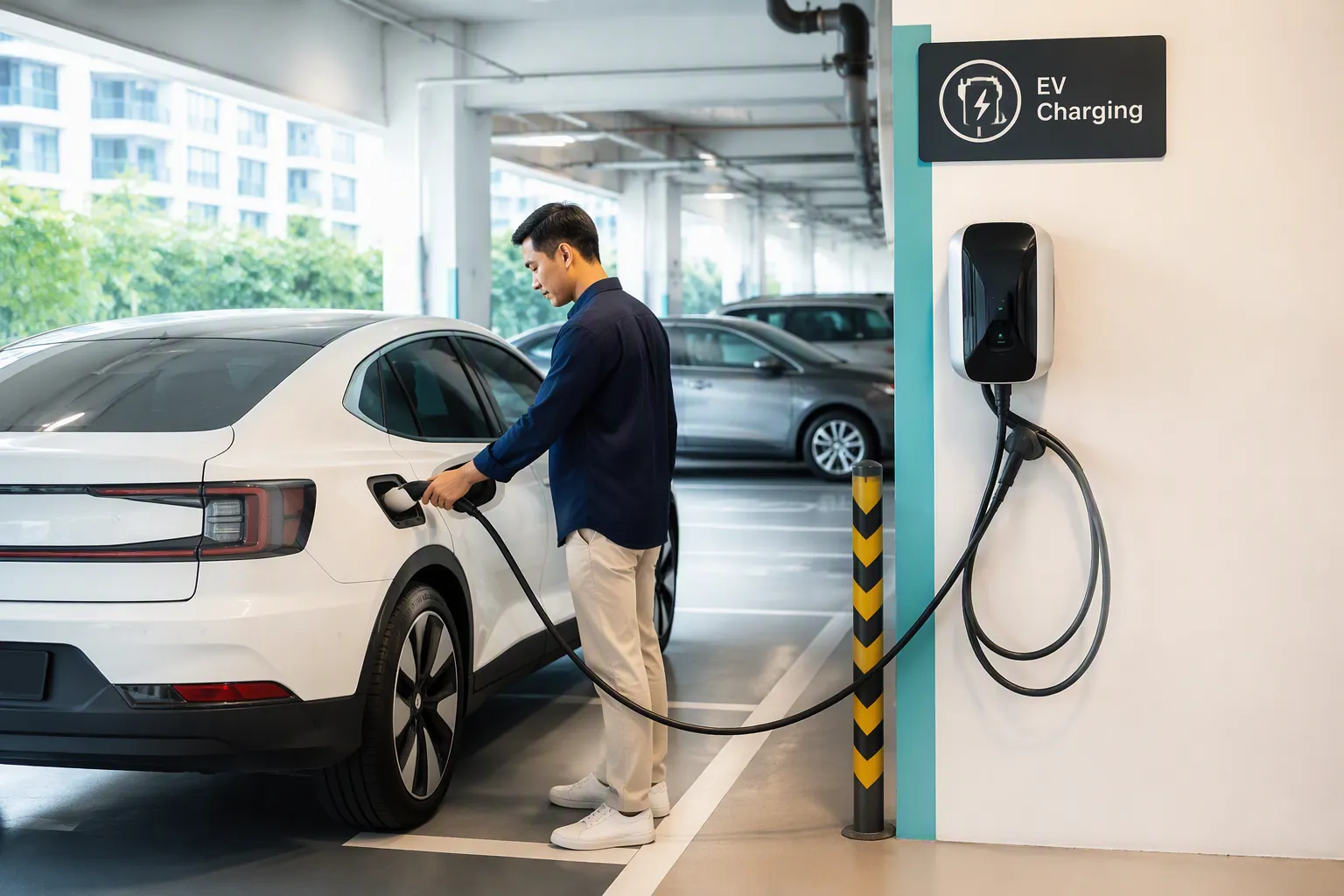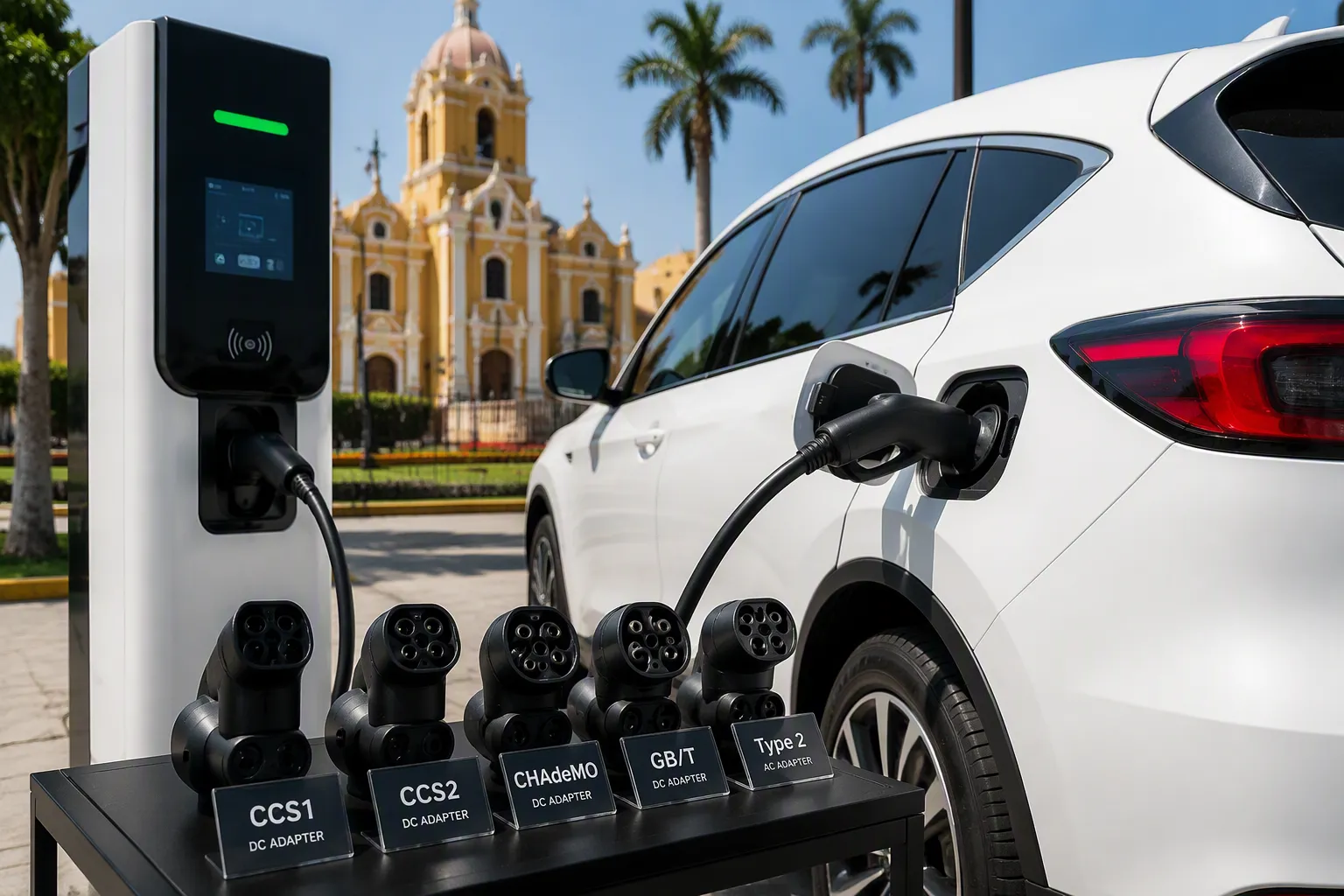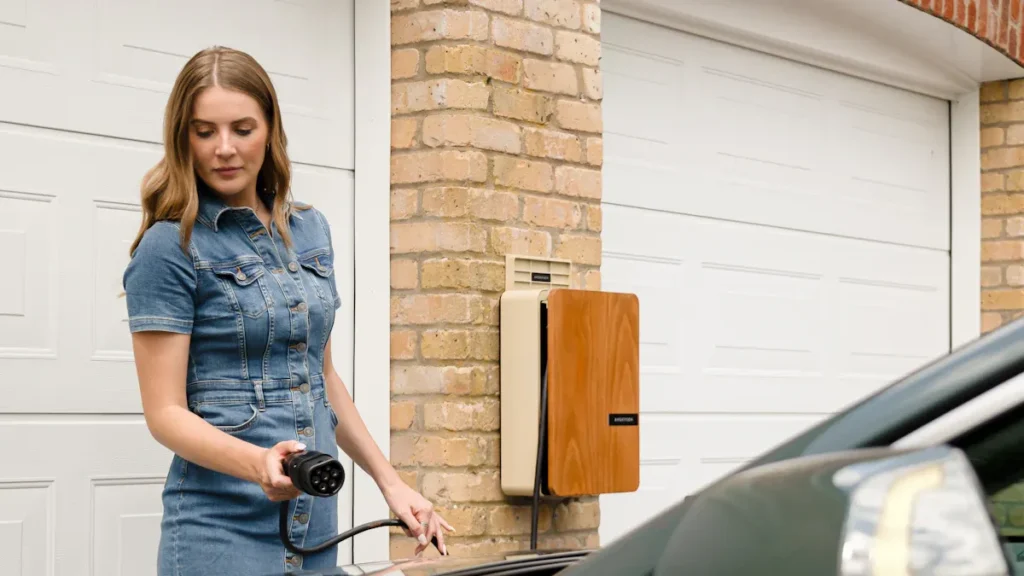

An apartment building in London has successfully completed the installation of EV charging stations, marking a significant step forward in urban EV infrastructure. This London apartment building faced common challenges but implemented innovative Elektrikli araç şarj çözümleri. They overcame limited power with a smart system and eliminated high upfront costs. A scalable installation prepares them for future EV demand. Residents now enjoy fair, app-based pay-as-you-go charging. This project showcases how to deploy an EV şarj cihazı system effectively, even with complex constraints. It sets a new standard for EV charging in residential properties across London.
Not: This case study highlights a real-world solution. It avoids complex options like taşınabilir elektrikli araç şarj cihazları, focusing instead on a permanent, scalable installation provided by leading Elektrikli araç şarj cihazı üreticileri.
The Initial Challenge: Growing EV Demand vs. Limited Power
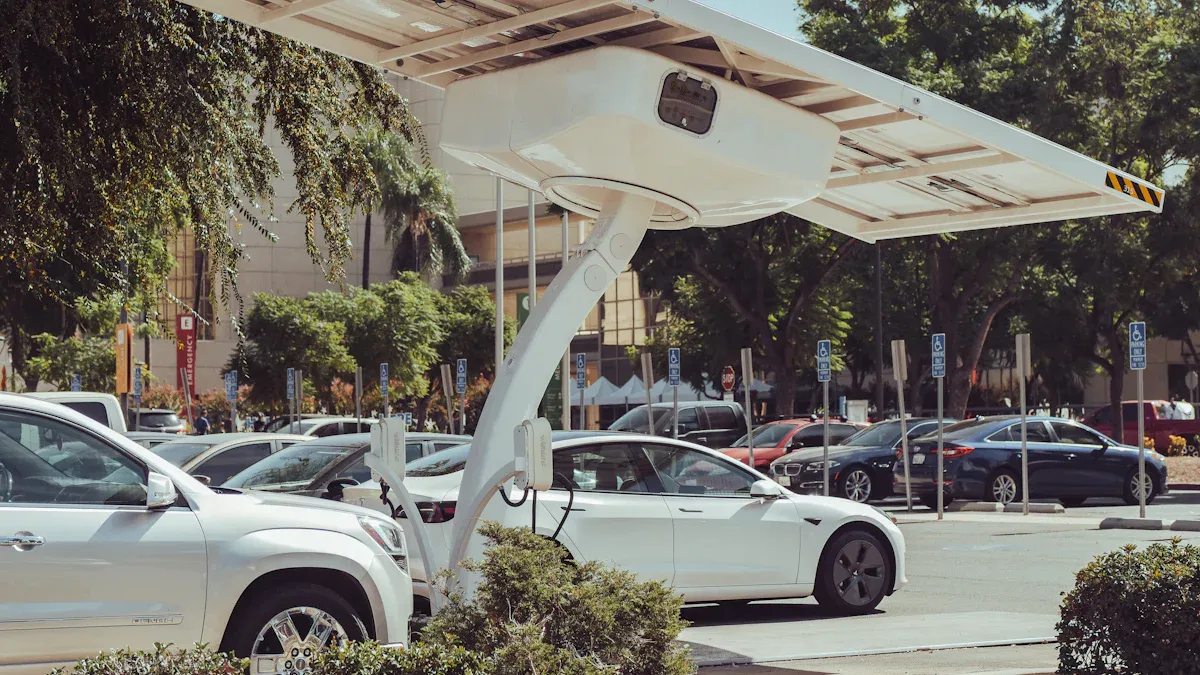
The management team for this London apartment building recognized a clear trend: the increasing demand for EV charging from its residents. To remain competitive and modern, providing on-site charging was no longer a luxury but a necessity. However, the path from decision to deployment was filled with significant technical, financial, and logistical obstacles common to many multi-unit residential buildings in London.
Assessing the Building’s Electrical Capacity
Identifying an Insufficient Power Supply
The first major hurdle appeared during the initial site survey. A professional assessment confirmed that the building’s main electrical intake had insufficient capacity. The existing power supply could handle the building’s daily needs, but it could not support the simultaneous operation of 20 new EV chargers. Adding this much load would far exceed the available power from the local substation, a common issue in dense urban areas.
The Risk of Overloading Existing Infrastructure
Simply connecting new chargers to the existing circuits was not an option. This approach would have created a high risk of overloading the building’s electrical infrastructure. The result would be tripped circuits, power outages for residents, and potential damage to sensitive electrical equipment. The project required a solution that could manage power demand intelligently, as simply adding connections would violate safety standards and destabilize the building’s power grid.
Facing Significant Financial Hurdles
The High Upfront Cost of Hardware
The cost of the charging hardware alone presented a considerable financial barrier. Procuring 20 commercial-grade 7.2kW chargers, like those offered by technologically advanced providers such as TPSON, requires a substantial capital investment that many residential management budgets cannot accommodate.
The Prohibitive Expense of Grid Upgrades
The most daunting expense was the potential cost of a grid upgrade. Initial estimates suggested that upgrading the building’s connection to the electric grid—a process involving new transformers and extensive civil works—would cost tens of thousands of pounds. This prohibitive expense made the entire EV project seem financially unfeasible for the building’s management and its residents.
Navigating Complex Installation Logistics
Planning for a Multi-Level Car Park
The physical installation posed its own set of challenges. The building featured a multi-level underground residential car park, which complicated the entire process.
Key logistical problems included:
- Poor 3G/4G signal, making it difficult for smart chargers to communicate for billing and load management.
- The need to run armored power and data cables over long distances to reach designated parking bays.
- The physical complexity of drilling and mounting hardware on concrete walls and ceilings.
Minimizing Disruption to Residents
Finally, the management team had to plan the installation to cause minimal disruption. The project required careful scheduling to ensure residents could continue to access their parking spaces. The work needed to be completed efficiently to limit noise and construction activity, preserving a peaceful living environment for everyone in the building, including those who did not yet own an electric vehicle.
Researching Solutions for Apartment EV Charging
Faced with these challenges, the building’s management team began a thorough research phase. They needed to find a viable solution that balanced resident needs, technical limitations, and financial realities. This process involved evaluating partners, financial models, and available government support.
Evaluating Charge Point Operators (CPOs)
Comparing Hardware and Software Options
The team first examined different Charge Point Operators. They compared the hardware and software packages available on the market. This included assessing the reliability and technological capabilities of chargers from providers like TPSON. Just as important was the back-office software, which needed to manage dynamic load balancing, process payments, and provide a seamless user experience for residents.
Vetting Installation Partners like SED EV
Choosing the right installation partner was critical. The management vetted specialist firms like SED EV, focusing on their experience with complex residential projects. A key requirement was that any partner had to be an OZEV-approved installer. This certification was not just a mark of quality; it was a mandatory prerequisite for accessing government grants.
Exploring Financial and Ownership Models
The Pros and Cons of Self-Funding
The team initially considered a self-funded model. This approach would give the building full ownership of the EV charging equipment. However, the high upfront costs for hardware, groundworks, and potential grid upgrades made it a financially risky option.
Investigating Funded and Subscription Models
The investigation quickly turned to alternative financial structures. The funded partnership model emerged as the most attractive solution. This approach eliminated the significant capital outlay for the building.
| Özellik | Self-Funding | Funded Partnership |
|---|---|---|
| Ön Maliyetler | £50,000 – £100,000+ | £0 |
| Ongoing Expenses | High (Maintenance, Support) | £0 (Fully Managed) |
| Management Burden | Yüksek | Zero |
| Investment Risk | Önemli | Zero |
A funded partner covers the entire cost of the installation and infrastructure. The CPO then recoups its investment over time through a fair, pay-as-you-go subscription or usage fee paid only by the EV drivers using the service. This model transferred all financial risk from the building to the operator.
Understanding Government Incentives
Discovering the EV Infrastructure Grant
A pivotal discovery during the research was the UK Government’s EV Infrastructure Grant for residential car parks. This grant was specifically designed to help apartment buildings and other multi-unit properties prepare their parking areas for electric vehicle charging. It offered funding to cover the costs of the underlying charging infrastructure.
Navigating the Grant Application Process
The team learned the specific eligibility criteria to secure this funding. The grant application required careful planning to ensure compliance.
Key requirements for the grant included:
- The property must have multiple homes with shared parking.
- Work must cover a minimum of 5 parking spaces.
- At least one active chargepoint socket must be installed as part of the project.
- The remaining spaces could be prepared with passive infrastructure (cabling) for future vehicle charging needs.
This grant provided a clear path to financing the necessary infrastructure work, making the entire project financially viable.
The Strategic Solution for this London Apartment Building
By combining smart technology, scalable infrastructure, and a fair financial model, the management team developed a comprehensive solution. This strategy directly addressed the core challenges of limited power, high costs, and future growth, turning a seemingly impossible project into a successful reality for this London apartment building.
Overcoming Power Limits with Smart Technology
The most critical innovation was the decision to manage the building’s limited power supply instead of paying for an expensive grid upgrade. This was achieved through a Dynamic Load Management (DLM) system.
How Dynamic Load Management Works
A DLM system acts as an intelligent traffic controller for electricity. It continuously monitors the total power being used throughout the building in real-time. The system knows the maximum capacity of the main electrical supply and ensures that the total consumption never exceeds this limit.
The core process is simple yet powerful:
- Monitor: An energy meter measures the building’s total power draw at all times.
- Calculate: The system constantly calculates how much spare power is available.
- Distribute: It intelligently allocates this spare power among the active EV chargers.
This approach allows multiple EVs to charge simultaneously without any risk of overloading the building’s infrastructure.
Intelligently Distributing Power to Chargers
The system works by creating a communication network between the chargers. One charger acts as a “coordinator,” receiving data from the main energy meter via a Modbus data cable. This coordinator then communicates with all other chargers in the network.
As the building’s overall energy demand increases (for example, when elevators are in use or residents turn on appliances), the system automatically reduces the power sent to the EV chargers. Conversely, as building demand falls, more power becomes available for charging. When one EV finishes charging, its allocated power is instantly redistributed to other vehicles that are still plugged in. Technologically advanced providers like TPSON offer chargers with these sophisticated capabilities built-in, making the entire ev charging process seamless.
Designing for Scalability and Future Growth
The management team recognized that EV adoption would only increase. They planned for future demand from day one by choosing an infrastructure that could grow with the building’s needs.
Installing a Flat Cable Busbar System
Instead of running separate, armored cables from the electrical room to each individual parking bay, the installers used a flat cable busbar system. This system is essentially a pre-fabricated electrical track that runs along the car park ceiling. It provides a continuous source of power, ready for new connections to be added at any point along its length. This modern installation method is cleaner, faster, and more organized than traditional wiring.
How a Busbar Simplifies Future Installations
The busbar system makes future expansion incredibly simple and cost-effective. When a new resident in the London property needs an EV charger, the process is straightforward:
- An electrician simply clamps a new connection box onto the busbar at the resident’s parking bay.
- The new charger is mounted to the wall and connected to the box.
- The charger is configured to join the existing network.
This “plug-and-play” approach eliminates the need for disruptive and expensive new cabling runs, reducing the cost of adding a new charge point by up to 80%.
Ensuring Fair Usage and Simple Payments
A key priority was to create a system that was fair to all residents, including those who do not own an electric vehicle. The solution needed to be self-sustaining and easy for everyone to use.
Adopting a Pay-As-You-Go Model
The building implemented a pay-as-you-go model. This ensures that only the residents who use the chargers pay for the electricity they consume. The tariff is set at a competitive rate that covers the cost of electricity, software management, and ongoing maintenance. This model removes any financial burden from the building’s general service charge, creating a fair system that won’t penalize non-EV drivers.
Using a Mobile App for Access and Billing
Resident access is managed through a simple mobile app. The process is designed for convenience:
- Setup: Residents download the app, create an account, and link a payment method.
- Activation: To start a session, the driver scans a QR code on the charger.
- Monitoring: Bu app displays real-time session details, including energy delivered (kWh), charging time, and total cost.
- Payment: Once the session is complete, the app automatically bills the user’s chosen payment method.
This self-service system gives residents full control and transparency over their charging costs, while completely removing the building management from payment administration.
Maliyet-Nötr Bir Kurulum Sağlama
Projenin en büyük başarısı, bina ve elektrikli araç (EV) kullanmayan sakinleri için tamamen maliyet-nötr bir sonuç elde edilmesiydi. Bu dikkate değer finansal sonuç, fonlu bir ortaklık ile başarılı devlet hibesi başvurularının stratejik bir kombinasyonu sayesinde mümkün oldu. Yönetim ekibi, tüm finansal yükü Şarj Noktası Operatörü'ne (CPO) ve devlete etkili bir şekilde aktardı.
Bir Şarj Noktası Operatörü ile Ortaklık Kurma
Finansal stratejinin temel taşı, fonlu ortaklık modeli. oldu. Bu yaklaşım, binanın yönetiminden veya sakinlerinden herhangi bir sermaye yatırımı ihtiyacını ortadan kaldırdı.
Fonlu Modelin Detayları
Bina, CPO'nun tüm başlangıç maliyetlerini karşıladığı bir anlaşmaya girdi. CPO, teknolojik olarak gelişmiş TPSON şarj cihazları da dahil olmak üzere tüm sistemin tedariki ve kurulumundan tam sorumluluğu üstlendi. Anlaşma, CPO'nun tüm işleri profesyonel özen ve beceri ile yapmasını şart koşuyordu.
Fonlu anlaşmanın temel şartları şunları içeriyordu:
- Tam Uyum: CPO, kurulumun en güncel IET Uygulama Kuralları ve BS 7671 güvenlik düzenlemelerine uyacağını garanti etti.
- İşçilik ve Malzemeler: CPO, her baş için 20 metreye kadar özel EV besleme kablosu ve gerekli tüm montaj donanımı dahil olmak üzere tüm işçiliği sağladı.
- Sürekli Yönetim: CPO, sistem bakımı, yazılım güncellemeleri ve müşteri desteğinin sahipliğini üstlenerek, binadan her türlü yönetim yükünü kaldırdı.
Bu kapsamlı hizmet paketi, mülk için profesyonel, uyumlu ve müdahalesiz bir çözüm sağladı.
CPO Yatırımını Nasıl Geri Kazanır
CPO'nun iş modeli, şarj hizmetinden elde edilen uzun vadeli gelire dayanmaktadır. Operatör, başlangıç yatırımını, şarj cihazlarını kullanan sakinlerin ödediği ücretler aracılığıyla birkaç yıl içinde geri kazanır. Tarife, şunları karşılayacak şekilde dikkatle hesaplanır:
- Tüketilen elektriğin maliyeti.
- Yazılım, bakım ve destek için bir hizmet ücreti.
- Başlangıç sermaye harcamalarını geri ödeyen bir kar marjı.
Bu kullanıcı-öder modeli , hizmetin doğrudan ondan faydalananlar tarafından finanse edildiği, kendi kendini idame ettiren bir ekosistem yaratır.
EV Altyapı Hibesini Kazanmak
CPO şarj cihazlarını finanse ederken, bina hala temel altyapı maliyetleriyle karşı karşıyaydı. Yönetim ekibi, bu masrafı karşılamak için devlet fonu almayı başardı.
Güvence Altına Alınan Nihai Hibe Tutarı
Ekip, Birleşik Krallık Hükümeti'nin Elektrikli Araç Altyapı Hibesi. EV Altyapı Hibesi'ne başvurdu. Bu hibe, konut binalarının yaygın EV kullanımına hazırlanmasına yardımcı olmak için özel olarak tasarlanmıştır. Bina, toplam altyapı maliyetlerinin 'ini karşılayan bir hibe aldı, bu tutar, etkinleştirilen park yerlerinin sayısına. dayalı olarak izin verilen maksimum miktara kadar uygulandı. Güvence altına alınan toplam fon, bina başına mevcut £30,000 üst sınıra yakındı.
Hibe Altyapı Maliyetlerini Nasıl Karşıladı
Bu devlet fonu, projenin uygulanabilir olması için çok önemliydi. Hibe parası, özellikle EV şarj kurulumunun “pasif” unsurlarına tahsis edildi.
| Altyapı Kalemi | Hibe Kapsamı |
|---|---|
| Busbar Sistemi & Kablolama | Tamamen Karşılandı |
| Dağıtım Panoları | Tamamen Karşılandı |
| Altyapı İşleri için İşçilik | Tamamen Karşılandı |
| Başına Alan Etkinleştirme | Alan başına 500 £'a kadar |
| Başına Priz Kurulumu | Soket başına 350 £'a kadar |
Hibe, ölçeklenebilir busbar sistemi de dahil olmak üzere, tüm elektrik omurgasının, bedelini etkili bir şekilde ödedi. Bu, şarj altyapısının binaya hiçbir maliyet yüklenmeden kurulmasını sağladı.
Nihai Finansal Sonuç
Fonlu model ve devlet hibesinin kombinasyonu, bu Londra apartman binası için ideal bir finansal sonuç üretti.
Bina için Sıfır Başlangıç Maliyeti
Binanın yönetimi, proje için sermaye veya hizmet bedeli bütçelerinden herhangi bir fon ayırmak zorunda kalmadı. CPO aktif donanımı finanse etti ve devlet hibesi pasif altyapıyı finanse etti. Bu sıfır harcama yaklaşımı, bir CPO'nun tamamen fonlu bir çözüm sunduğu Greenwich'teki Oxygen Apartments'taki başarılı projeye, benzer şekilde, kanıtlanmış bir modeldir.
EV Kullanmayan Sakinler için Sıfır Maliyet
Projenin temel bir ilkesi adaletti. Kullandıkça öde sistemi, elektrikli aracı olmayan sakinlerin finansal olarak etkilenmemesini sağlar. Elektrik, bakım ve sistem yönetimi maliyetlerinin tümü, mobil uygulama aracılığıyla yalnızca EV sürücüleri tarafından ödenen şarj tarifesine dahil edilmiştir. Bu model, tüm finansal sorumluluğu hizmetin kullanıcılarına yükleyerek, geniş topluluğun çıkarlarını korur.
Sonuçlar: 20 Yeni EV Şarj Prizi
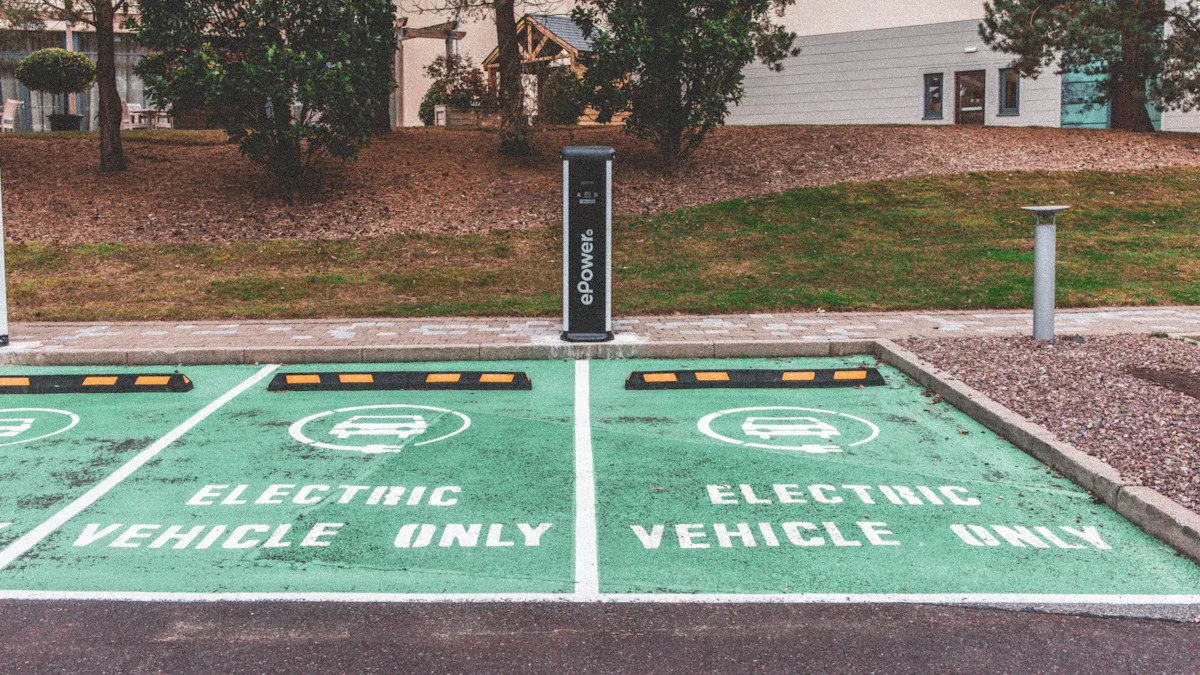
Projenin tamamlanması, Londra apartman binası için önemli bir dönüm noktası oldu. Stratejik planlama ve modern teknoloji, tamamen çalışır durumda, sakin odaklı bir şarj ağı ile sonuçlandı. Elde edilen sonuçlar, anında faydalar sağladı ve gelecekteki büyüme için sağlam bir çerçeve oluşturdu.
Anında Başarı ve Sakin Geri Bildirimi
20 Aktif 7.2kW/22kW Şarj Cihazı Çalışır Durumda
Bina, 20 aktif EV şarj prizini başarıyla kurdu. Bu şarj cihazları, technologically advanced provider like TPSON, offer flexibility to meet diverse resident needs. The installation includes a mix of 7.2kW and 22kW chargers, allowing residents to choose the charging speed that best suits their vehicle and schedule.
| Özellik | 7.2kW Charger | 22kW Şarj Cihazı |
|---|---|---|
| Şarj Hızı | Slower (e.g., ~11.5 hours for 100kWh battery) | Three times faster (e.g., ~4.5 hours for 100kWh battery) |
| Güç Kaynağı | Single-phase (common in UK homes) | Three-phase (common in commercial settings) |
This mix ensures efficient power use across the available single-phase and three-phase supplies within the building.
Positive Reception from EV-Driving Residents
The new system received overwhelmingly positive feedback. Residents praised the modern, fast, and user-friendly nature of the chargers. The intuitive payment system and competitive tariffs made the transition to electric vehicles more accessible and affordable. This sentiment reflects a growing trend in residential properties.
“Providing our residents with access to high-quality EV charging supports environmental goals and offers convenience and cost savings to residents,” said Adam Peer, Associate Director at RMG, commenting on a similar successful project.
Key Financial and Technical Achievements
Estimated Savings from Avoiding Grid Upgrades
A major financial victory was avoiding a costly grid upgrade. Upgrading infrastructure for this number of chargers could have cost the building between £40,000 and £60,000. This process is often expensive, slow, and bureaucratic. The dynamic load management system allowed the building to circumvent this significant expense entirely, saving tens of thousands of pounds.
Total Grant Funding Secured
The project maximized available government support. The building secured nearly £30,000 from the EV Infrastructure Grant. This funding covered the majority of the costs for the passive infrastructure, including the scalable busbar system and associated electrical work, making the entire installation financially sound.
A Future-Ready Electric Car Charging System
Equipped to Expand to 40+ Chargers
The initial installation of 20 charging bays was just the beginning. The busbar system provides the capacity to easily expand the network to over 40 charging ports as EV adoption grows. This foresight ensures the building’s electric car charging infrastructure will remain relevant and sufficient for years to come.
The Simple Process for Adding New Charge Points
Adding a new charger is now a simple, low-cost procedure. An electrician can clamp a new connection onto the existing busbar at a resident’s designated parking space. This “plug-and-play” approach eliminates the need for extensive new cabling, reducing the cost and disruption of future installations by up to 80%.
Long-Term Benefits and Key Takeaways
The successful deployment of this electric car charging network provides more than just convenience. It delivers lasting value to the property and offers a clear roadmap for other multi-unit residential buildings. The project’s long-term benefits enhance the building’s market position and financial health.
Enhancing Property Value and Appeal
How the Amenity Boosted the Building’s Profile
This London apartment building significantly boosted its profile by adding a modern, essential amenity. Properties with robust EV charging infrastructure are increasingly attractive to potential buyers and tenants. Market data highlights this trend:
- Properties with charging solutions attract higher-income tenants who sign longer leases.
- Rightmove data shows these properties can command rent premiums of 10-15%.
- RICS reports that such properties may see annual value appreciation rates 7% higher than comparable buildings without charging facilities.
Bazıları ise hyper-central areas of London with low car usage have seen different results, the overall trend for a residential development like this is overwhelmingly positive. The installation positions the building as a forward-thinking and desirable place to live.
Demonstrating a Commitment to Sustainability
The project serves as a powerful and visible statement of the building’s commitment to sustainability. By encouraging the use of electric vehicles, the property directly contributes to reducing local air pollution and its community’s carbon footprint. This aligns with broader Environmental, Social, and Governance (ESG) goals.
Providing EV charging infrastructure is a measurable way to address environmental issues. It improves relationships with residents and investors who prioritize sustainable practices and enhances the building’s brand value.
This commitment future-proofs the property against potential regulations and solidifies its reputation as an environmentally responsible leader.
A Blueprint for Other Buildings
This case study provides a replicable blueprint for property managers facing similar challenges. The strategic combination of smart technology, funded partnerships, and government grants is a proven formula.
Lessons from Beaufort Park and Pier House
The success at this property is not an isolated event. It mirrors the positive outcomes seen in other large-scale projects like those at Beaufort Park and Pier House. These examples collectively demonstrate a reliable model for successful MURB EV charging implementation across different building types.
Applying the Model to Your Property
Property managers can apply this model by following a clear, strategic process. A step-by-step approach ensures a smooth and cost-effective installation.
- Get a property and grant readiness assessment. Check all technical limits and legal issues before starting.
- Let your installer handle all documentation. Delegate grant submissions and paperwork to a certified partner to avoid delays.
- Only hire certified and fully insured providers. Select qualified installers with a proven track record.
- Request a complete documentation pack. Obtain all survey forms, compliance certificates, and warranty details post-installation.
- Şeffaf, ayrıntılı fiyat teklifleri talep edin. Teklifleri doğru şekilde karşılaştırmak için net maliyet dökümlerinde ısrarcı olun.
Bu vaka çalışması konut binaları için net bir yol haritası sunmaktadır. Birleşik Krallık sakinlerinin 'i elektrikli araç satın almayı planlıyor, olduğundan, proaktif planlama esastır. Başarı birkaç temel eyleme bağlıdır.
- Profesyonel bir güç değerlendirmesi ile başlayın.
- Maliyetli şebeke yükseltmelerinden kaçınmak için akıllı yük yönetimini kullanın.
- Şarj altyapısı için ön maliyetleri ortadan kaldırmak üzere fonlu modelleri araştırın.
- Pasif altyapıyı finanse etmek için devlet hibelerini güvence altına alın.
- Gelecekteki elektrikli araç şarj ihtiyaçları için busbar gibi ölçeklenebilir bir sistem kurun.
- Adil bir kullandıkça ödeme şarj modeli uygulayın.
SSS
Bir binanın elektrik kapasitesi sınırlıysa ne olur?
Dinamik Yük Yönetimi (DLM) sistemi ideal çözümdür. Binanın toplam güç kullanımını izler. Sistem daha sonra mevcut yedek kapasiteyi elektrikli araç şarj cihazlarına akıllıca dağıtır. Bu teknoloji, aşırı yüklenmeleri önlerken pahalı şebeke yükseltmelerinden kaçınır.
Bu kurulum binaya ne kadara mal oldu?
Bina sıfır ön maliyet ödedi. Bir Şarj Noktası Operatörü (CPO) ile yapılan fonlu bir ortaklık donanım masraflarını karşıladı. Bir devlet hibesi altyapı çalışmalarını finanse etti. Bu kombinasyon, mülk yönetimi ve sakinler için tamamen maliyet-nötr bir proje ile sonuçlandı.
Elektrik ve bakım masraflarını kim ödüyor?
Sadece şarj cihazlarını kullanan sakinler öder. Sistem, bir mobil uygulama üzerinden kullandıkça ödeme modelini kullanır. Tarife elektrik maliyetini, yazılımı ve devam eden bakımı içerir. Bu, elektrikli araç kullanmayan sakinler dahil tüm sakinler için adaleti sağlar.
Bina, daha fazla şarj cihazı için gelecekteki talebi nasıl karşılıyor?
Kurulumda ölçeklenebilir bir busbar sistemi kullanıldı. Bu elektrik rayı kolay genişlemeye olanak tanır. Yeni bir şarj cihazı eklemek basit bir “tak ve çalıştır” işlemidir. Daha fazla sakin elektrikli araçlara geçtikçe gelecekteki kurulumların maliyetini ve aksaklığını önemli ölçüde azaltır.
Fonlu bir elektrikli araç şarj modeli nedir?
Fonlu model, bir CPO'nun donanım ve kurulum için tüm ön maliyetleri karşıladığı bir ortaklıktır. CPO yatırımını zaman içinde elektrikli araç sürücülerinin ödediği şarj ücretleri. aracılığıyla geri kazanır. Bu model, binayı finansal risk ve yönetim yükünden kurtarır.
Teknolojik açıdan gelişmiş şarj cihazları neden önemlidir?
TPSON gibi sağlayıcıların sunduğu teknolojik açıdan gelişmiş şarj cihazları, akıllı özellikler için gereklidir. Dinamik yük yönetimi, uzaktan izleme ve sorunsuz uygulama tabanlı ödemeler gibi kritik işlevleri etkinleştirirler. Bu, tüm şarj ağının verimli ve güvenilir bir şekilde çalışmasını sağlar.