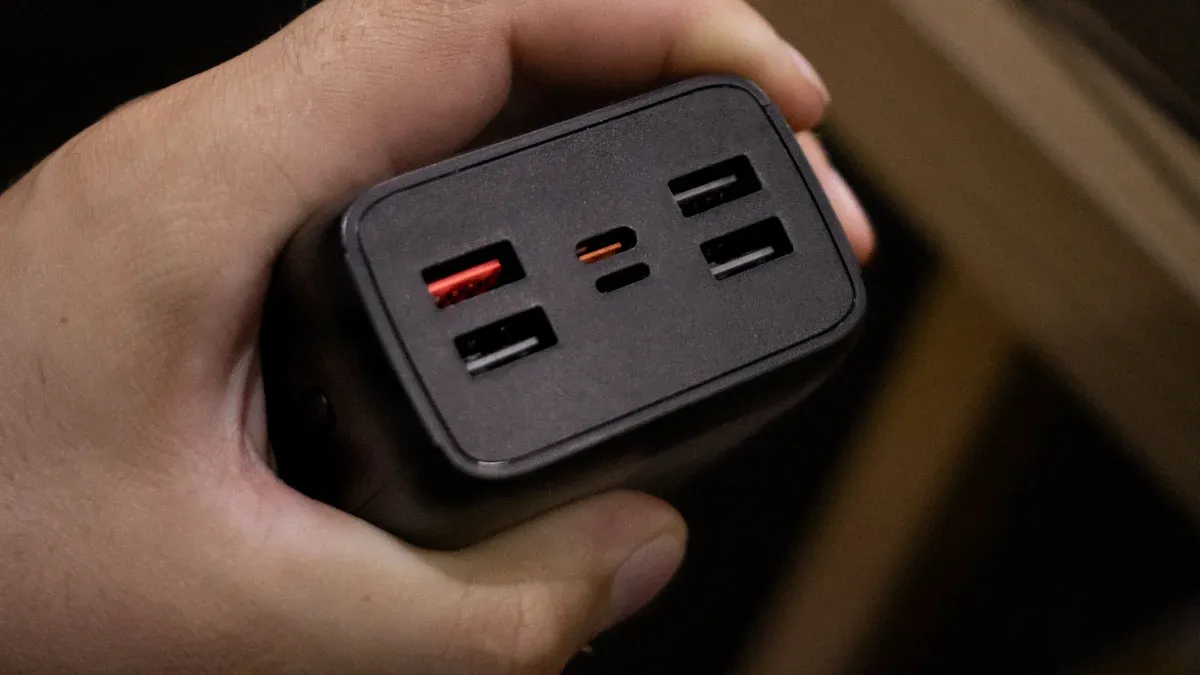
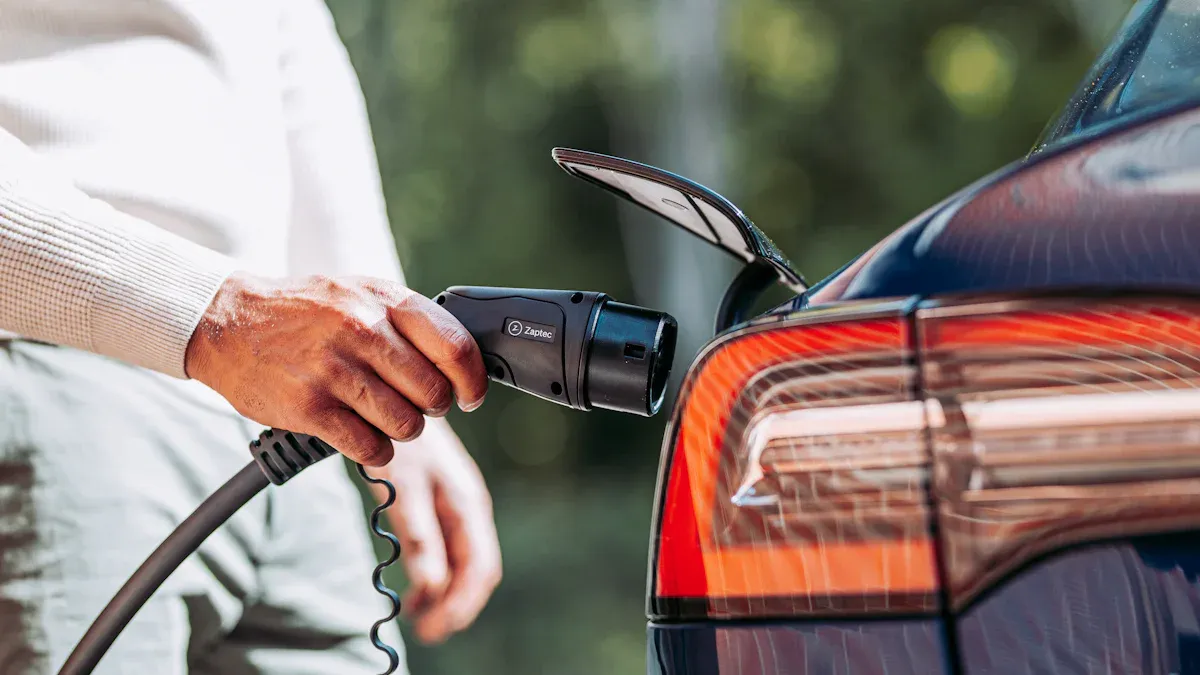
A qualified and licensed electrician can legally install an Cargador EV. The task, however, requires more than general electrical knowledge. An improper installation creates serious safety hazards and can damage your property or EV.
Key Distinction: A normal electrician may not have the necessary skills. A specialist understands the unique demands of Fabricantes de cargadores para VE. They are familiar with advanced Soluciones de recarga de vehículos eléctricos, like those from TPSON, and the complexities beyond simple cargadores portátiles ev. This expertise ensures a safe and compliant installation.
What Makes an Electrician ‘Qualified’ for EV Charger Installation?
A standard electrical license is only the starting point. A truly qualified professional possesses a deep and specific skill set tailored to Electric Vehicle Supply Equipment (EVSE). This expertise is what separates a routine job from a safe, efficient, and compliant Instalación de cargadores de VE. The right electrician understands the unique demands of an EV, ensuring the system protects both your home and your vehicle.
Beyond a Standard License: The Necessary Skills
General electrical work does not prepare an electrician for the nuances of EV charging. Certified specialists develop a sophisticated technical understanding through dedicated experience and training.
Understanding NEC Article 625
This article of the National Electrical Code (NEC) is the rulebook for EV charging systems. An expert installer knows these regulations are not optional. Key mandates include:
- En 125% Rule: An EV charger is a “continuous load.” The NEC requires the circuit to be rated for 125% of the charger’s maximum output. This prevents overheating and potential fires.
- Correct Wiring Size: The code dictates specific wire gauges to handle the high current. A 22kW charger, for instance, often needs a minimum of 6 mm² copper wire, which may increase to 10 mm² for longer runs to avoid voltage drop.
- Protección RCD: Every charging point must have a Residual Current Device (RCD) to protect against shock. A Type A RCD is often sufficient if the charger has internal DC fault protection. Otherwise, a more comprehensive Type B RCD is necessary.
Expertise in Electrical Load Calculation
An EV charger is one of the most power-hungry appliances in a modern home. A qualified installer never skips a load calculation. They assess your home’s main panel capacity, which often needs to be 150A to 200A to support a powerful charger. This calculation determines if your current system can handle the added continuous load or if a panel upgrade is required for a safe installation.
Familiarity with Different EV Charger Types
An expert is familiar with the full spectrum of charging technology. They understand the differences between a simple Level 1 charger, the common Level 2 cargador ev doméstico, and commercial DC Fast Chargers. This knowledge allows them to recommend the right solution for your specific EV and driving habits. They are also familiar with advanced systems, like those from TPSON, which offer sophisticated features beyond basic charging.
Knowledge of Manufacturer-Specific Requirements
Consejo profesional: Every EV charger brand has its own unique installation protocol. An authorized EV charger installer has experience with various manufacturers and can ensure your warranty remains valid.
Installers certified by manufacturers gain access to exclusive technical resources, firmware updates, and dedicated support. This ensures the installation adheres to the exact specifications required for optimal performance and safety, a critical factor for any EV owner.
The Importance of Specific Training and Certification
Verifiable training is the clearest indicator of a qualified professional. These credentials prove an installer has formally studied the specific challenges and regulations related to EV charging.
Manufacturer-Certified Installer Programs
Many manufacturers offer their own certification programs. An authorized installer through these programs has proven their ability to work with that specific hardware. These partnerships often give installers access to referral networks and ensure they are always up-to-date on the latest technical standards for that brand.
Third-Party EVSE Training Credentials
Reputable, third-party organizations offer nationally recognized qualifications. These credentials show an installer has invested in their specialized education. Look for certifications such as:
- City & Guilds Level 3 Award in the Installation and Commissioning of Electric Vehicle Charging Equipment (e.g., 2921-31 o 2921-34)
- LCL Awards or similar qualifications offered through training centers like NAPIT Training
These programs cover complex topics like load management, adherence to the latest wiring regulations, and EV-specific safety protocols.
Verifying Up-to-Date Knowledge
The world of EV technology and its supporting regulations evolves quickly. A competent installer must demonstrate current knowledge. This includes active registration with a Competent Person Scheme and adherence to the latest standards, such as BS 7671. This commitment to ongoing education ensures your installation is not just safe today but compliant with future standards.
The Risks of Using an Electrician Without EV Charger Experience

Hiring an electrician without specific EV experience introduces significant risks. These dangers extend beyond a faulty charger to include severe property damage, financial loss, and serious safety hazards. A proper installation is a specialized task that demands more than general electrical knowledge.
Critical Safety Hazards to Avoid
The most severe risks of an improper installation are those that threaten your home and family. An EV charger is a high-power device that, if installed incorrectly, can create immediate and dangerous situations.
Electrical Fires from Overloaded Circuits
An EV places a heavy, continuous load on a home’s electrical system. An unqualified electrician may fail to perform a proper load calculation, leading to an overloaded circuit. This is a primary cause of electrical fires.
- Luces parpadeantes throughout the house can indicate the system is under severe stress during charging.
- A burning smell or scorching around the main electrical panel is a critical warning sign of overheating.
- Plugging other high-power appliances into the same circuit as the charger further increases the fire risk.
Shock Hazards from Incorrect Grounding
Proper grounding is essential for any high-voltage installation. It provides a safe path for excess electricity to dissipate, preventing dangerous shocks. An installer unfamiliar with EV-specific safety requirements might use incorrect grounding techniques or fail to install the appropriate Residual Current Device (RCD). This oversight creates a serious electrocution hazard for anyone using the EV charger.
Potential Damage to Your EV’s Battery
Your EV has a sophisticated battery management system that relies on a stable, clean power supply. An improper installation can deliver inconsistent voltage or “dirty” power. This instability can degrade the battery cells over time, reducing the vehicle’s range and lifespan. This slow damage can lead to thousands of dollars in premature battery replacement costs for the EV.
Compliance, Code Violations, and Financial Penalties
The financial fallout from a bad installation can be just as damaging as the physical hazards. Cutting corners on hiring a qualified professional often leads to greater expenses down the road due to non-compliance with local regulations.
Failing to Secure Necessary Permits
Most regions require a permit for an EV charger installation. An inexperienced installer may dismiss this step to save time or money. Proceeding without a permit is a code violation that can result in fines and orders to remove the unpermitted work.
Non-Compliant Installations and Failed Inspections
A job done without knowledge of current regulations will likely fail a municipal inspection. This failure requires the homeowner to hire another, qualified professional to correct the mistakes, essentially paying for the job twice. The installation must meet all local and national electrical codes to pass.
Voiding Your EV Charger or Vehicle Warranty
Charger and EV manufacturers have specific installation protocols. Failure to follow these instructions precisely can void the warranties on both your expensive equipment and your vehicle. A certified installer knows these requirements and ensures your investment remains protected.
Complications with Homeowner’s Insurance
Insurance providers view uncertified electrical work as a significant liability. An improper installation can give your insurer grounds to deny a claim related to a fire, electrical surge, or other damage.
The insurance claim rarely unravels at the accident scene—it falls apart at the paperwork check.
Insurers prioritize traceable, up-to-date records. A missing permit or installation certificate can result in a total financial loss. It is crucial to inform your provider about the new charger, as it changes your home’s risk profile and may require a policy update to ensure you remain fully covered.
A Deeper Dive into the Technical Side of EV Charger Installation
Understanding the technical requirements of an EV charger installation reveals why specialized expertise is essential. The process involves much more than connecting a few wires. It requires a precise assessment of your home’s electrical capacity and a deep knowledge of different charging technologies to ensure a safe and efficient setup for your EV.
Why Load Calculation is Non-Negotiable
A load calculation is the foundational safety check for any EV charging station installation. An electrician performs this analysis to prevent overloading your home’s electrical system.
Assessing Your Home’s Total Electrical Demand
A qualified installer begins by inventorying your home’s major electrical appliances, from the HVAC system to the oven. They calculate the total potential power draw to determine if the main electrical panel has enough spare capacity to handle the significant, sustained load of an EV charging station.
Continuous vs. Non-continuous Loads Explained
Electrical codes distinguish between loads. An EV charger is a “continuous load” because it can operate at maximum power for three hours or more. Safety standards require the circuit to be rated for 125% of the charger’s output. For example, a 48-amp charger requires a 60-amp breaker (48A x 1.25 = 60A) to prevent overheating.
The Role of a Dedicated Circuit
An EV charger must have its own dedicated circuit. This isolates the high-power device from other appliances, preventing tripped breakers and potential fire hazards. The correct wire gauge is critical for safety.
| Amperaje del cargador | Tamaño del disyuntor | Recommended Wire Gauge (AWG) |
|---|---|---|
| 32A | 40A | 8 AWG Copper |
| 48A | 60A | 6 AWG Copper |
Nota: For higher-power 48A chargers, some experts recommend a thicker 4 AWG wire to guarantee safety, especially over longer distances.
Cuándo es necesaria una actualización del panel
The load calculation may reveal that a panel upgrade is unavoidable. An upgrade is often required if:
- The main panel is rated at 100 amps or less.
- The panel is already near its maximum capacity.
- There is no physical space to add a new 240V double-pole breaker.
Navigating Charger Types and Power Levels
Choosing the right charger depends on your vehicle, driving habits, and home electrical system. Technologically advanced providers like TPSON offer sophisticated solutions across these levels.
Level 1 Charging: The Basic Option
Level 1 charging uses a standard 120V wall outlet. It is the slowest method, delivering only 1.3-2.4 kW of power. This translates to adding just 3-5 miles of range per hour, making it a backup option rather than a primary solution for a daily driver EV.
Carga de nivel 2: El estándar doméstico
Level 2 is the most common and practical choice for home charging. Using a 240V circuit, these units provide 6.2-19.2 kW of power. This allows them to add 15-32 miles of range per hour, fully charging most vehicles overnight. This is the standard for a home EV charger.
DC Fast Charging: A Commercial Solution
Carga rápida de CC is a high-power commercial technology found at public stations. These units deliver 50-350 kW of direct current, capable of charging an EV battery to 80% in as little as 20-45 minutes. This type of installation is not feasible or necessary for residential settings.
How to Properly Vet an Electrician to Install an EV Charger
Selecting the right professional is the most critical step to instalar un cargador EV safely and correctly. Homeowners must perform due diligence. A thorough vetting process protects your property, your vehicle, and your investment. It separates general electricians from true certified specialists.
Key Questions to Ask Your Electrician
A prepared homeowner asks direct questions to gauge an electrician’s expertise. Their answers reveal their experience, knowledge, and professionalism. This initial conversation is your first and best tool for evaluation.
“How many EV chargers have you installed?”
Experience is not just a number; it signifies familiarity with real-world challenges. An electrician with dozens of installations has encountered various home electrical systems, panel configurations, and charger models. This background enables them to anticipate problems and implement effective solutions. A confident answer indicates a history of successful projects.
“Are you familiar with NEC Article 625?”
This question is a direct test of technical knowledge. NEC Article 625 is the specific section of the National Electrical Code governing EV charging systems. An expert electrician should immediately recognize its importance. They can discuss key requirements like load calculations, dedicated circuits, and proper grounding without hesitation. Their familiarity proves they understand the official safety standards for this specialized work.
“Are you certified by any EV charger manufacturers?”
Manufacturer certifications demonstrate a higher level of commitment and expertise. An authorized EV charger installer has received specific training on certain brands, like the advanced systems from TPSON. This status often provides them with access to exclusive technical support and ensures the installation will not void your product warranty. An authorised professional guarantees adherence to the manufacturer’s exact protocols.
“Will you be handling the permits and inspection?”
A professional handles the entire process from start to finish. This includes managing all necessary paperwork.
- They should confirm that they will secure the required local electrical permits before work begins.
- They must coordinate the final inspection with the local authority after the installation is complete.
- Their process ensures the project is fully compliant with municipal codes.
An electrician who leaves the permitting to the homeowner is shifting a critical responsibility. A reputable installer manages this as a standard part of their service.
Red Flags and Warning Signs to Watch For
Certain behaviors and responses can signal an unqualified or unprofessional electrician. Recognizing these warning signs early helps homeowners avoid a costly and dangerous mistake. Protect your EV and your home by watching for these red flags.
Dismissing the Need for a Permit
A permit is a non-negotiable legal and safety requirement. Any electrician who suggests skipping this step is cutting corners and putting you at risk. An unpermitted installation can lead to fines, removal orders, and denied insurance claims. This is one of the most serious red flags.
Giving a Quote Without a Site Assessment
A quote provided over the phone or via email is just a guess. A professional electrician knows a physical site assessment is essential to provide an accurate price.
An on-site visit allows the electrician to:
- Assess your main electrical panel’s capacity.
- Determine the best and safest location for the EV charger.
- Measure the length of the required wiring run.
- Identify any potential obstacles or necessary upgrades.
A quote without this assessment is a sign of inexperience and may lead to surprise costs later.
Unfamiliarity with Your Specific Charger Model
While an installer may not know every model ever made, they should be familiar with major brands and willing to review the technical specifications for your chosen unit. If they seem confused by terms like “Nivel 2,” “48-amp,” or the features of your EV, it shows a lack of specialized knowledge. This unfamiliarity can lead to an incorrect installation.
Hesitation to Provide License or Insurance Proof
A qualified and legitimate professional will always be prepared to show their credentials. Ask to see a copy of their electrical license and their certificate of liability insurance. Hesitation or refusal to provide this documentation is a major warning sign. It may indicate they are not properly licensed or insured, exposing you to significant financial and legal risk.
The Step-by-Step Process to Install an EV Charger

A professional installation follows a structured, multi-phase process. This ensures every technical detail and safety regulation is addressed, from initial planning to final sign-off. Understanding these steps helps homeowners know what to expect when they decide to instalar un cargador EV.
Phase 1: Consultation and Site Assessment
This initial phase is a critical foundation for a successful project. The electrician gathers all necessary information before any work begins.
Evaluación del cuadro eléctrico principal
An installer first inspects your home’s electrical system. This assessment includes:
- Confirming Supply Capacity: They check the main fuse rating to ensure it can support the new load. A 7kW charger, for example, typically requires an 80A or 100A main fuse.
- Assessing Safety Components: The electrician verifies that mandatory Surge Protective Devices (SPDs) are present or will be added to protect the charger’s sensitive electronics.
- Checking Earthing: They confirm the grounding system (e.g., PME) and determine if specific fault protection is needed.
Determining the Optimal Charger Location
The best location for an EV charging station balances convenience, cost, and safety. Key factors include:
- Proximity to the Panel: A shorter distance between the panel and the charger reduces material costs and labor time.
- Parking Accessibility: The location must allow the charging cable to easily reach the EV’s charging port without creating a trip hazard.
- Protección del medio ambiente: A garage provides a secure, weatherproof environment. Outdoor installations require a charger with a high IP rating for weather resistance.
Discussing Your Driving and Charging Needs
The electrician will discuss your daily mileage, the type of EV you own, and your charging expectations. This conversation helps determine the appropriate power level for your needs, ensuring the selected EV charger is a perfect match for your lifestyle.
Phase 2: Quoting and Permitting
With the site assessment complete, the process moves to the administrative stage.
Reviewing an Itemized Quote for Labor and Materials
You will receive a detailed quote outlining all costs. A standard Level 2 installation typically averages around $1,000. This price includes materials and labor, with the labor portion alone often costing about $600.
Submitting Plans to the Local Authority
A reputable installer manages all necessary paperwork. In most cases, a home EV charging station is considered a ‘permitted development‘ and does not require special planning permission. The installer is responsible for notifying the local Distribution Network Operator (DNO) to ensure the grid can support the new load.
Phase 3: The Physical Installation
This is the hands-on phase where the electrician brings the plan to life.
Running the New Circuit from the Panel
The installer runs a new, dedicated circuit directly from the main electrical panel to the charger’s location. This critical step isolates the high-power device and prevents overloading your home’s existing wiring.
Mounting and Wiring the EVSE Unit
The unit is mounted securely to the wall. Best practice dictates a height between 0.75m and 1.2m for accessibility and to prevent damage. The electrician carefully seals all cable entry points and screw holes to maintain the unit’s weatherproof IP rating, a crucial part of the installation.
Final Testing and System Commissioning
Después del instalación física is complete, the electrician performs final tests. They confirm the charger is delivering the correct voltage and communicating properly with the vehicle. For advanced chargers, like those from TPSON, they will also commission any smart features and demonstrate their use.
Phase 4: Final Inspection and Sign-Off
The final phase of the project transitions from physical work to official verification. This step provides the formal closure and legal documentation necessary to certify the safety and compliance of the new EV charging system. A professional electrician manages this entire process, ensuring a seamless and worry-free conclusion for the homeowner. This stage is the ultimate confirmation that the job was done correctly, protecting your property and your investment in an EV.
Coordinating with the Local Electrical Inspector
After the work is complete, the electrician coordinates with the local authority for a final inspection. This is not a mere formality; it is a critical safety validation performed by an independent third party. The inspector’s role is to ensure the work meets all current electrical codes and safety standards.
An electrician who has properly planned and executed the project will be confident in the inspection process. They see it as a final quality check on their own work.
During the visit, the inspector will typically:
- Verify that a dedicated circuit of the correct size was used.
- Check that the wiring, breaker, and grounding meet all code requirements.
- Confirm the EVSE unit is mounted securely and all connections are safe.
- Ensure all safety features, like the correct RCD/GFCI protection, are in place and functional.
The professional installer schedules this appointment and is present during the inspection to answer any technical questions, ensuring a smooth approval.
Receiving Your Certificate of Compliance
Upon successful completion of the inspection, the homeowner receives an official Electrical Installation Certificate (EIC) or a similar certificate of compliance. This document is far more than just a piece of paper; it is the definitive legal proof that the electrical work was performed by a qualified professional and meets all required safety regulations. This certificate is essential for several reasons.
It serves as your official record for insurance purposes. In the event of an electrical incident, an insurer will require proof of compliant work. Lacking this certificate can give them grounds to deny a claim, potentially exposing the homeowner to significant financial loss. The document also provides assurance to future buyers if you decide to sell your home, demonstrating that the high-power system was installed correctly. For technologically advanced chargers, such as those from TPSON, this certificate validates that the sophisticated installation meets all manufacturer and legal standards. This final document officially closes the project and provides complete peace of mind.
A licensed electrician is the right professional to install an EV charger, but only with proven experience. The key to a safe and successful EV charger installation is to thoroughly vet their qualifications. Homeowners protect their property and EV by taking these critical steps:
- Prioritize Professional Installation: A specialist ensures the system operates safely and meets all regulations.
- Verify Qualifications: An authorized electrician has the specific training for advanced systems like those from TPSON.
- Assess Electrical Supply: The electrician must confirm the home’s capacity can support the new EV charger.
This diligence guarantees the installation is done right.
PREGUNTAS FRECUENTES
¿Cuánto tarda una instalación estándar de un cargador EV?
A standard installation typically takes a professional electrician between two to four hours. The duration depends on the complexity, such as the distance from the electrical panel to the charger location and the condition of the existing wiring.
Can a homeowner install their own EV charger?
Homeowners should not perform this installation. The work involves high voltage and requires deep knowledge of electrical codes and load calculations. A mistake can cause fire, electrical shock, or severe damage to the vehicle and property. Professional installation is essential for safety.
What is the average cost of a professional installation?
The cost varies based on location and job complexity. Homeowners can expect to pay several hundred to over a thousand dollars for labor and materials. A site assessment is necessary for an accurate quote, as a panel upgrade can significantly increase the price.
Does an EV charger increase a home’s value?
Yes, a professionally installed EV charger is an attractive feature for potential buyers. It adds modern convenience and future-proofs the property, making the home more appealing in a competitive market and potentially increasing its resale value. 🏠
Why choose an advanced charger like one from TPSON?
Proveedores tecnológicamente avanzados como TPSON ofrecen smart features beyond basic charging. These can include load balancing to protect a home’s electrical system, app-based scheduling for off-peak rates, and detailed energy monitoring. These features optimize efficiency and convenience for the EV owner.
Is a permit always necessary for an EV charger?
Most jurisdictions require a permit and a final inspection for an EV charger installation. This process ensures the work complies with all safety codes. A qualified electrician handles the permitting process as a standard part of their professional service.
What happens if the main electrical panel is full?
If the panel lacks space for a new dedicated breaker, an upgrade is necessary. An electrician may install a larger panel with more capacity or add a sub-panel. This is a common issue in older homes and is identified during the initial site assessment.