¿Puedo dejar mi VE enchufado durante una semana?
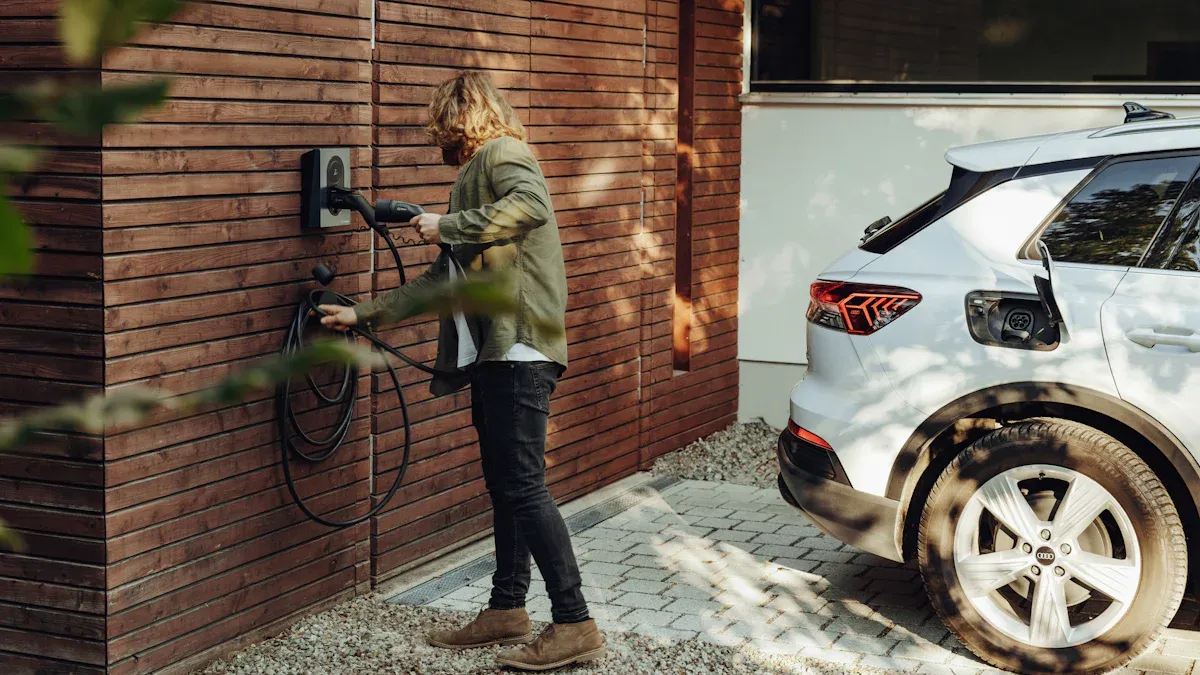
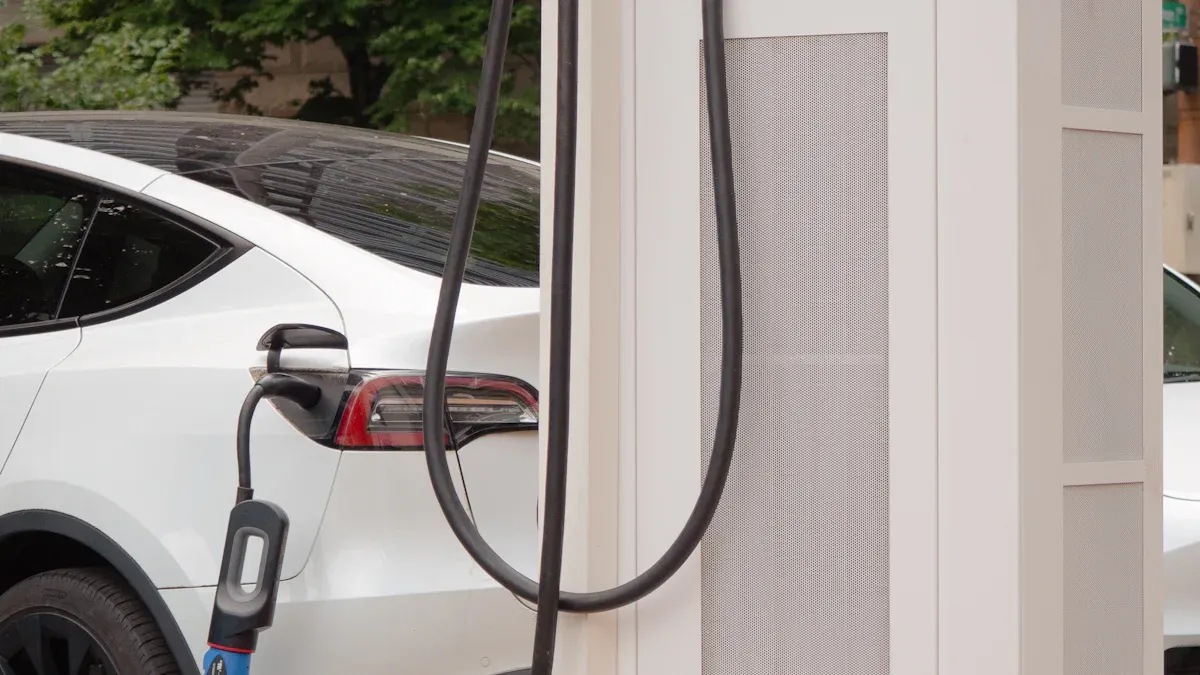
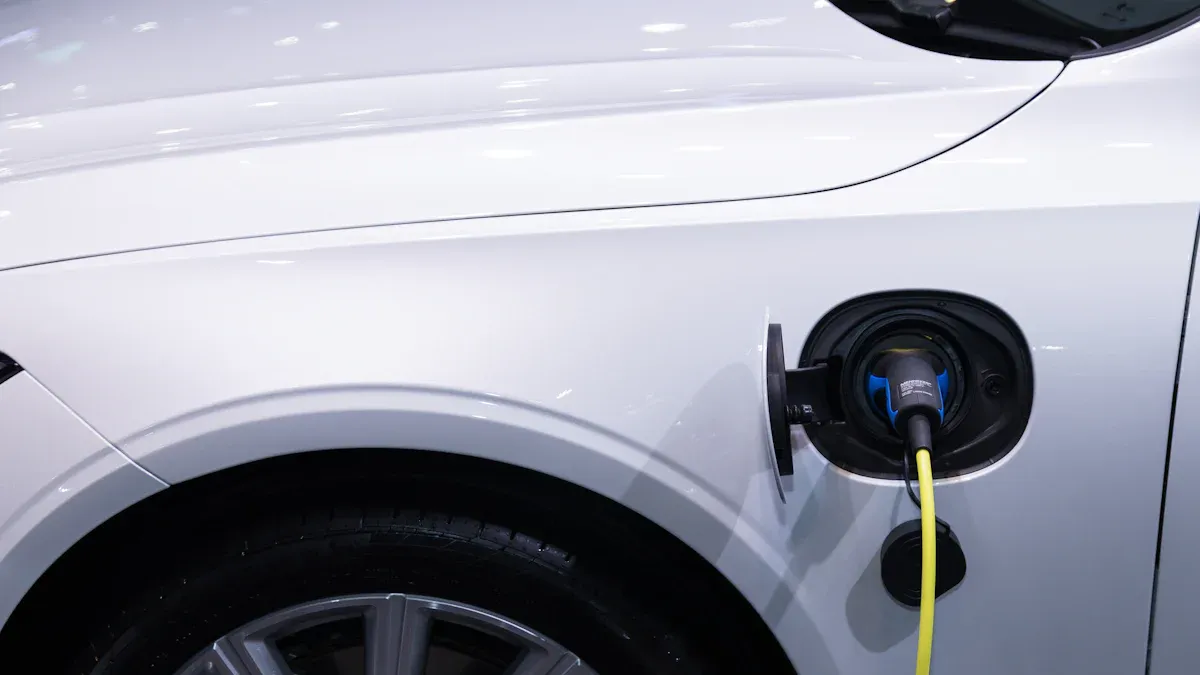
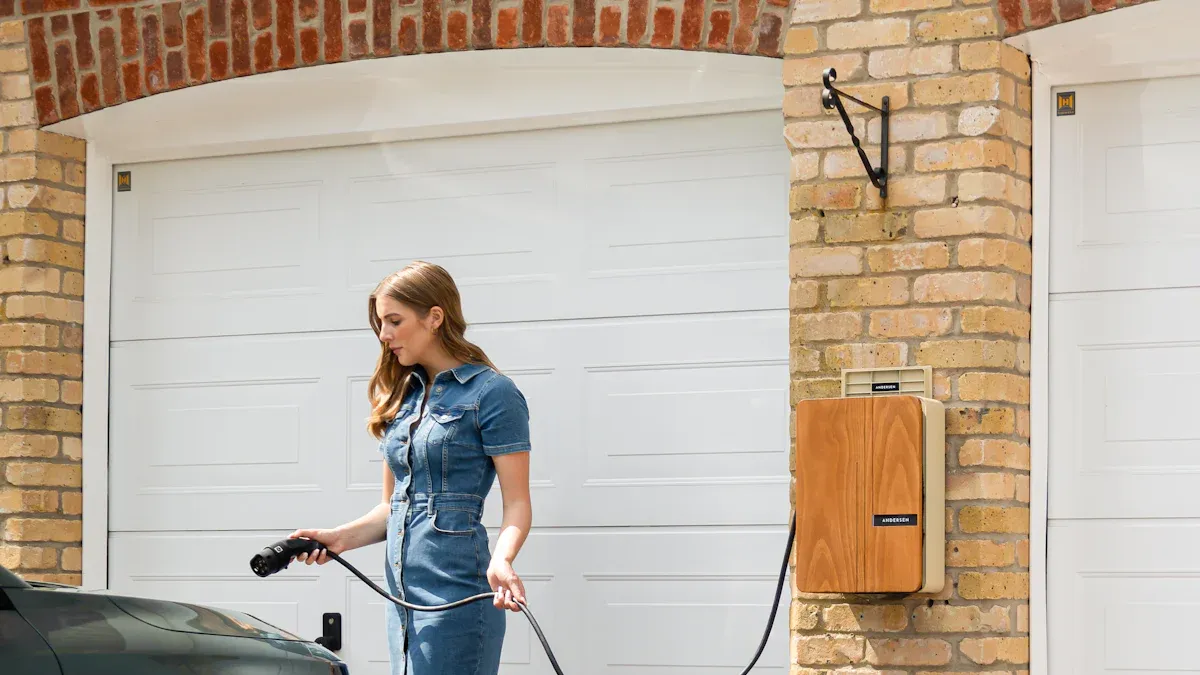
Sí, puedes dejar tu VE enchufado durante una semana. Su sistema de gestión de la batería (BMS) evita la sobrecarga. Para obtener los mejores resultados, ajusta el límite de carga a 80%.

Sí, puedes dejar tu VE enchufado durante una semana. Su sistema de gestión de la batería (BMS) evita la sobrecarga. Para obtener los mejores resultados, ajusta el límite de carga a 80%.

Yes, you can plug an EV into a regular 120V outlet, but it’s very slow, adding only 3-5 miles of range per hour. This method is best for emergencies or PHEVs.

In the UK, you cannot legally install your own EV charging point. Regulations require a qualified electrician to handle the installation for safety and compliance.

While you can use a Level 1 charger with a standard outlet, you must hire a professional to install an EV charger for Level 2. DIY work risks fire & shock.

Yes, you can have a 7kW charger at home if your electrical system is prepared. This guide covers checking your 240V access and panel capacity for installation.

Yes, you can get a government grant for an EV charger. Funding up to £350 is available for renters, flat owners, landlords, and businesses to install a charger.

Yes, you can get a free EV home charger. The main ways are through automaker deals, utility company rebates, or by combining tax credits to cover the full cost.

Yes, you can get a federal tax credit for 30% of the cost, up to $1,000, for installing a home EV charger. State and local rebates may also be available.

Yes, you can use a Singapore EV charger in Thailand with a grounded Type G to Type O/B adapter. Your charger must support 220V, which most modern ones do.

While you can do minor electrical work like replacing a switch, most jobs legally require a certified electrician. This guide details what you can do and when to call a pro.

Puede comprar un cargador para VE e instalar una unidad de Nivel 1 usted mismo, enchufándola. Sin embargo, un cargador de nivel 2 requiere un profesional para una instalación segura y legal.

Yes, you can install a fast EV charger at home. A Level 2 charger requires a 240V circuit, off-street parking, and a professional installation for safety.

Yes, you can plug an EV into a French household socket for emergencies, but it’s unsafe for regular use due to fire risks from overheating and slow charging.

Yes, you can use a Level 1 charger in a Malaysian condo with written approval from management and an electrician’s safety check on the socket and wiring.

Yes, Colombia’s power grid can handle gradual Level 1 EV charging. The main concern isn’t national capacity but local transformers and home wiring safety.

Yes, you can safely charge your EV in the rain. EV chargers and vehicle ports are engineered with weatherproof seals and safety protocols that prevent electric flow until a secure connection is made.

Thinking of a DIY EV charger install? Our safety checklist for Thai homeowners details the serious risks, from voiding warranties to violating MEA/PEA rules.

Our analysis shows Colombia’s electrical grid can support limited EV chargers now, but mass adoption will overwhelm local distribution networks without upgrades.