Is it worth installing an EV charger at home?
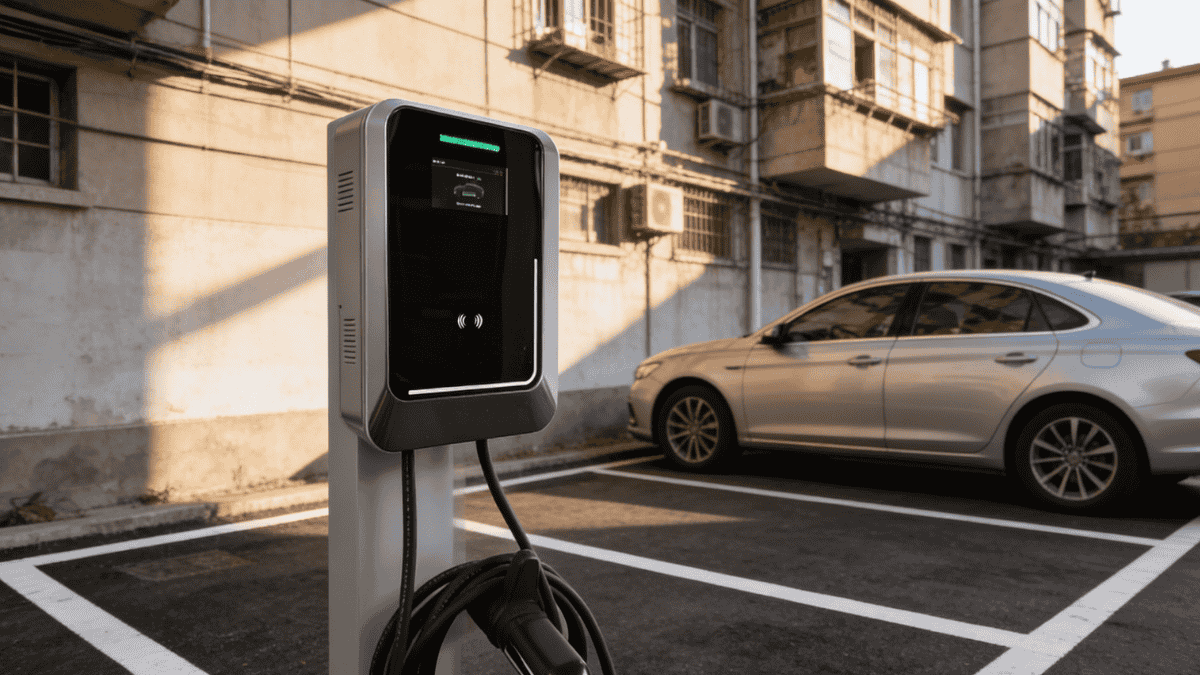
Installing an EV charger at home offers convenience, cost savings, and can boost property value for frequent drivers.

Installing an EV charger at home offers convenience, cost savings, and can boost property value for frequent drivers.

A home EV charger offers faster charging, lower costs, and added convenience, making it a smart investment for most electric vehicle owners.

Buying a home EV charger offers cost savings, convenience, and higher property value for frequent drivers, but may not suit all EV owners.

Extension Cord Safety for Level 1 EV chargers: Using an extension cord can cause overheating and fire risks. Consult an electrician for safe charging.

Charging an EV from a 3-pin plug is safe for occasional use if wiring is modern and monitored, but experts recommend a dedicated charger for regular charging.

Charging an electric vehicle is usually cheaper than filling up with gas, especially with home charging and stable electricity rates. See real cost comparisons.

Charging an EV at home is usually cheaper than at a station, with lower electricity rates and potential savings when you charge at home, especially off-peak.

Trickle charge benefits EV battery health and lowers costs, but slow speed suits low-mileage drivers best. See if trickle charging fits your EV routine.

Should you charge to 80% or 100%? For daily use, charging to 80% preserves battery health. A full 100% charge is best for long trips or when you need it most.

For most Brazilian homeowners, a smart EV charger is a wise investment. It cuts costs by using ‘Tarifa Branca’ rates and enhances safety with load balancing.

Yes, a portable EV charger is powerful enough for daily use if you drive under 80km and have legal socket access. It adds 90-110km of range overnight.

For most EV owners, a Level 2 EV charger is worth it. It provides faster overnight charging, eliminates range anxiety, and offers long-term savings over public stations.

Yes, a Level 2 EV charger is a worthwhile investment in Norway. It provides significant long-term savings, faster charging, and crucial safety benefits.

For most EV owners in Vietnam, a Level 2 charger is necessary for daily convenience, especially for high-mileage drivers or those with long-range EVs like a VinFast VF8.

For most Santiago commutes under 60 km, a Level 1 charger is sufficient. Thanks to Chile’s 220V outlets, it adds 64-96 km of range in an 8-hour overnight charge.

Calculating the ROI of a Level 3 charging station involves direct revenue from fees and indirect gains from customer spending. Thai BOI tax incentives can accelerate a full return on investment to just a few years.

Power your EV with solar by connecting it to an AC wall charger. This 2025 guide details system design, costs vs. savings, and smart charging strategies.

Optimize EV charging for light, medium, and heavy-duty fleets by assessing duty cycles, selecting correct hardware, and using smart energy management to cut costs.