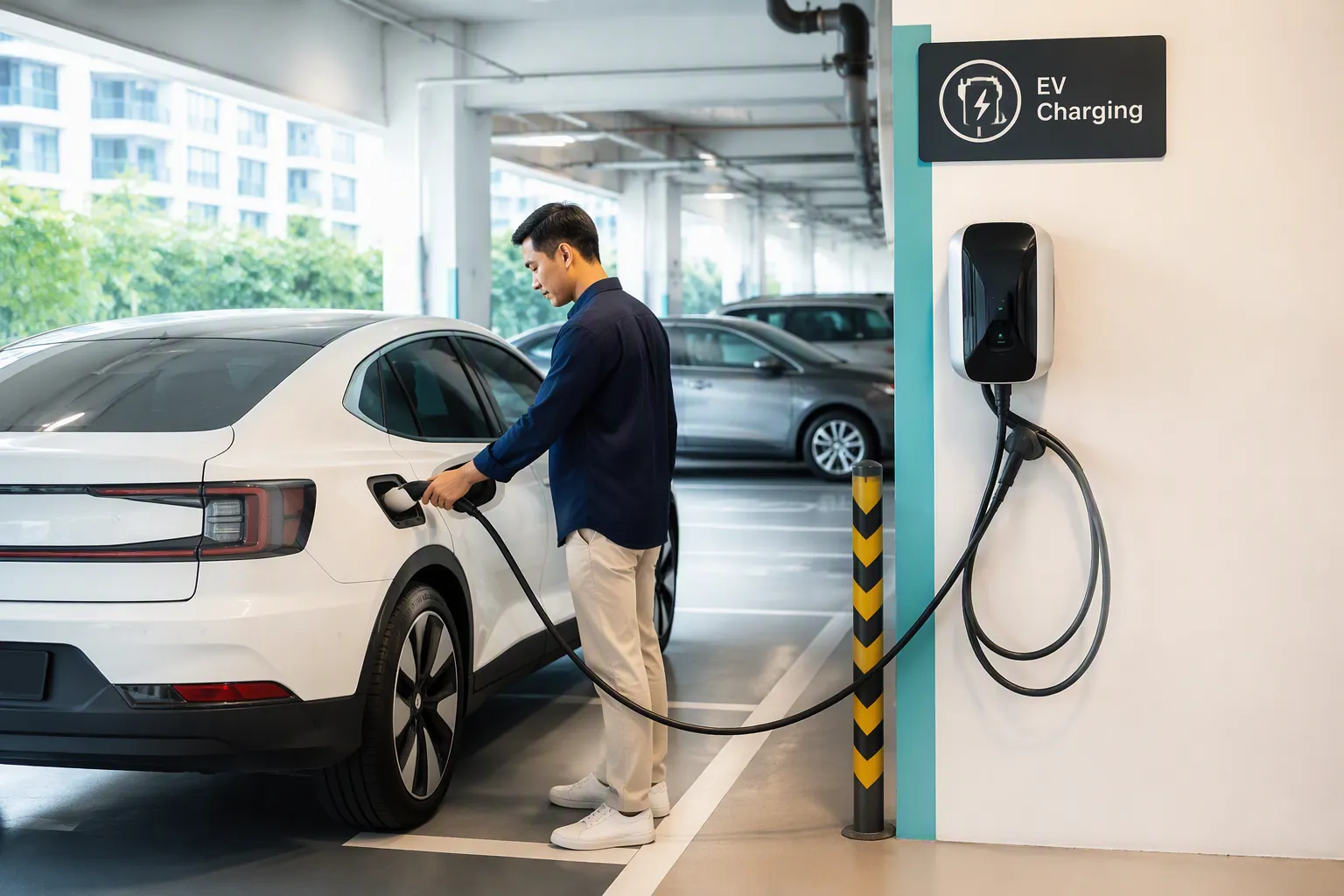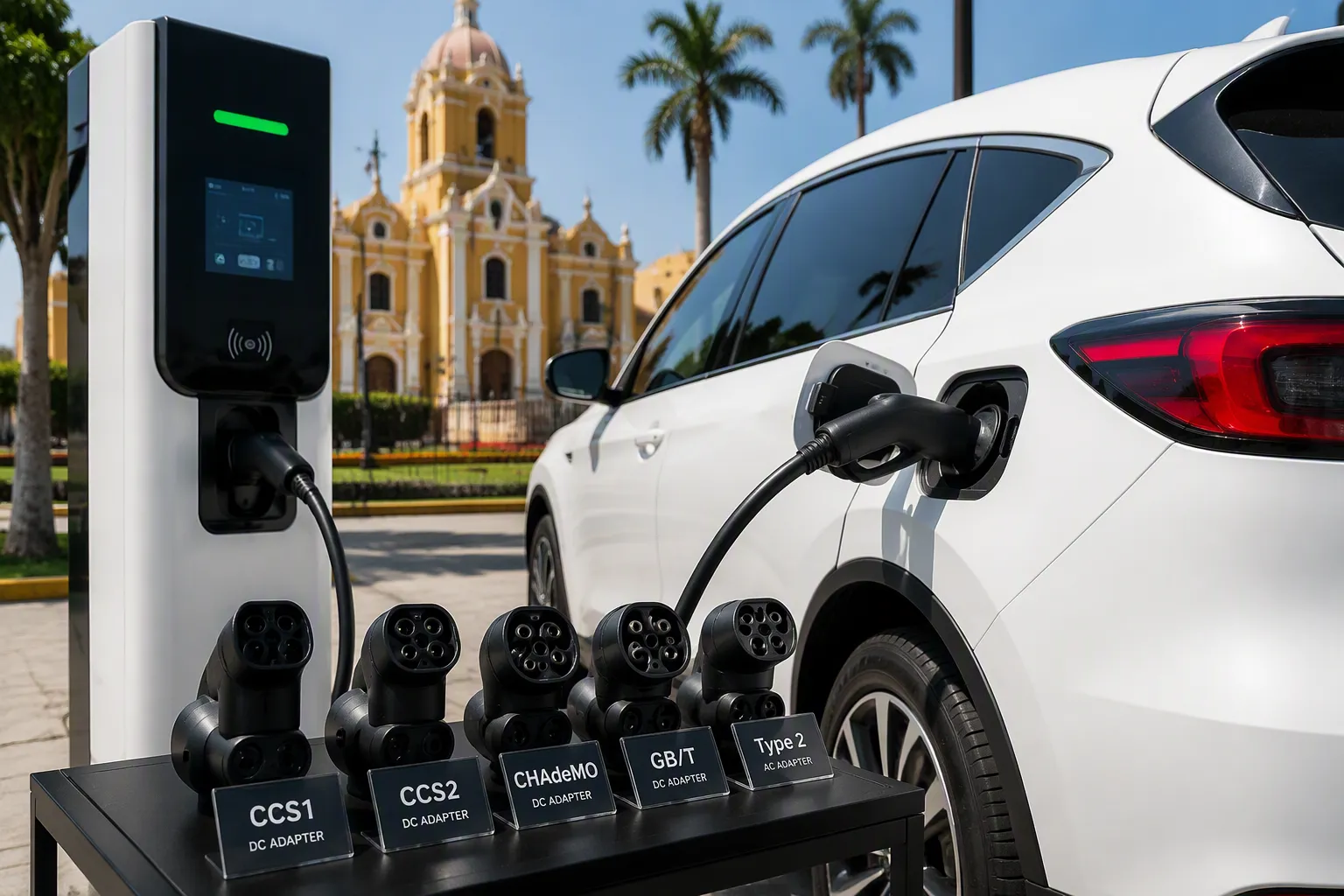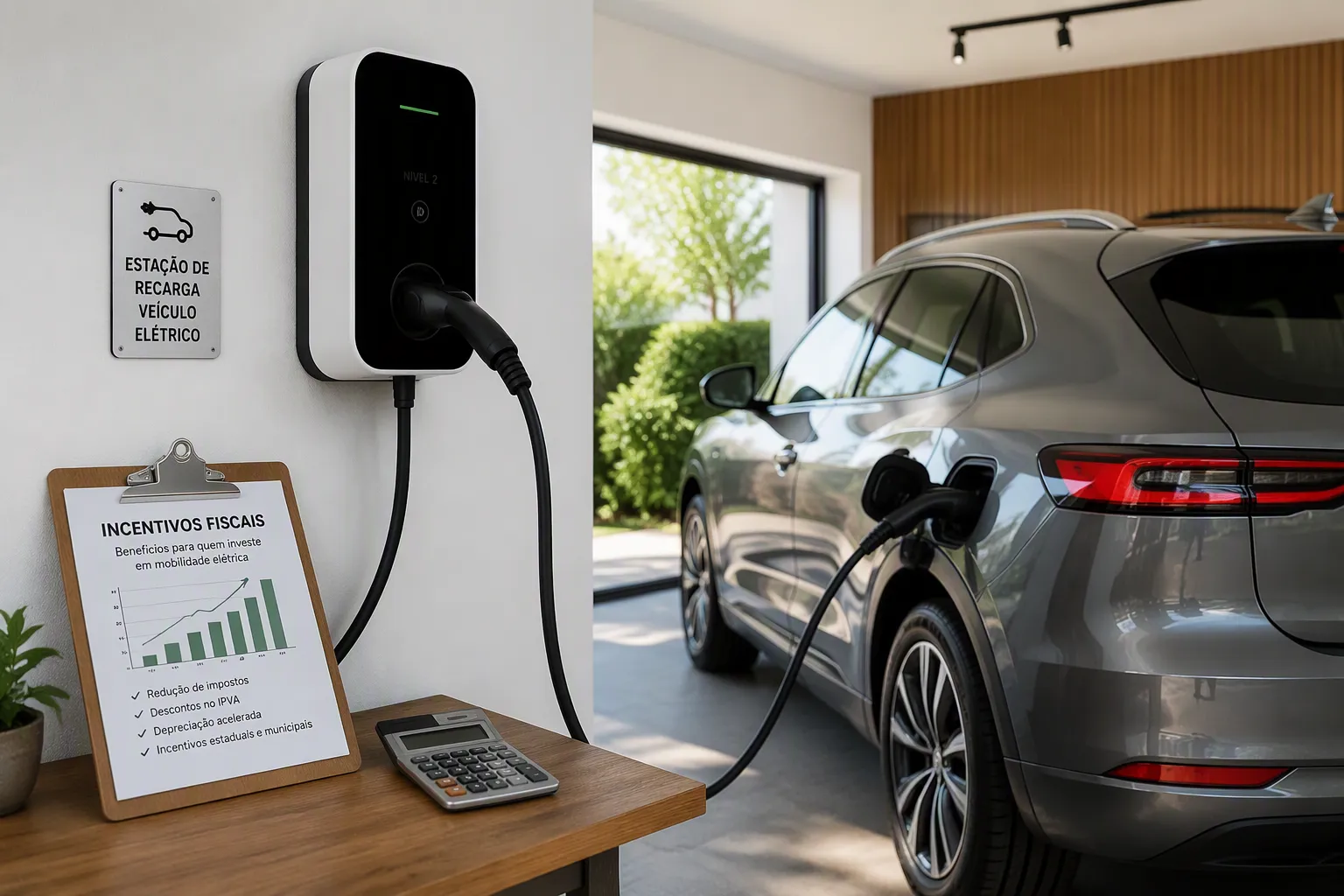
In 2025, the real electricity cost for Level 1 home charging in Germany averages €0.39 per kWh, making a full charge for a typical EV about €11.70. Calculation uses the national electricity tariff, average EV consumption of 30 kWh per charge, and a standard Cargador EV. En Fabricantes de cargadores para VE continue to innovate, offering Soluciones de recarga de vehículos eléctricos that include cargadores portátiles para vehículos eléctricos for greater flexibility.
Electricity Cost of Level 1 EV Charging in Germany
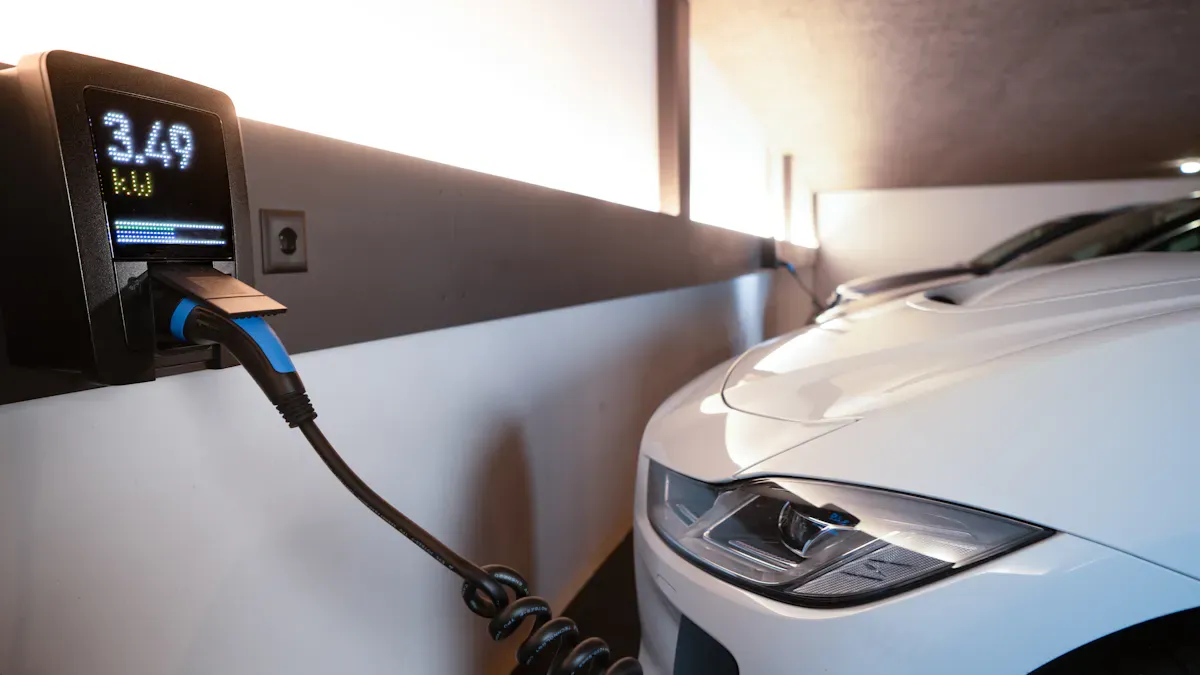
Real Cost per kWh in 2025
National Average Electricity Price
The electricity cost for Carga de nivel 1 in 2025 stands at an average of €0.39 per kWh. This figure reflects the national average for residential electricity prices. Homeowners see this rate on their monthly bills, which includes all taxes and surcharges. The price per kWh directly impacts the total cost to charge an EV at home. TPSON, a leader in electric vehicle charging solutions, continues to monitor these prices to help consumers make informed decisions.
Regional Price Differences
Electricity prices vary across regions. Urban areas often experience higher prices due to increased demand and grid fees. Rural regions sometimes benefit from lower rates, but this depends on local energy policies and infrastructure. Consumers should check their local utility provider for the most accurate electricity cost. Regional differences can affect the overall cost of charging an electric car, especially for those who drive frequently or own larger battery models.
Cost of Charging an Electric Car at Home
Example Calculation for a Typical EV
The cost of charging an electric car at home depends on the battery size and the local electricity cost. For a typical full charge using Level 1 charging, the average cost reaches €25.73. This calculation assumes a standard battery capacity and the national average price per kWh.
- The average cost of a full charge for an electric car in Germany is €25.73.
- Larger batteries require more electricity, increasing the total cost.
- Smaller cars with lower battery capacity cost less to charge.
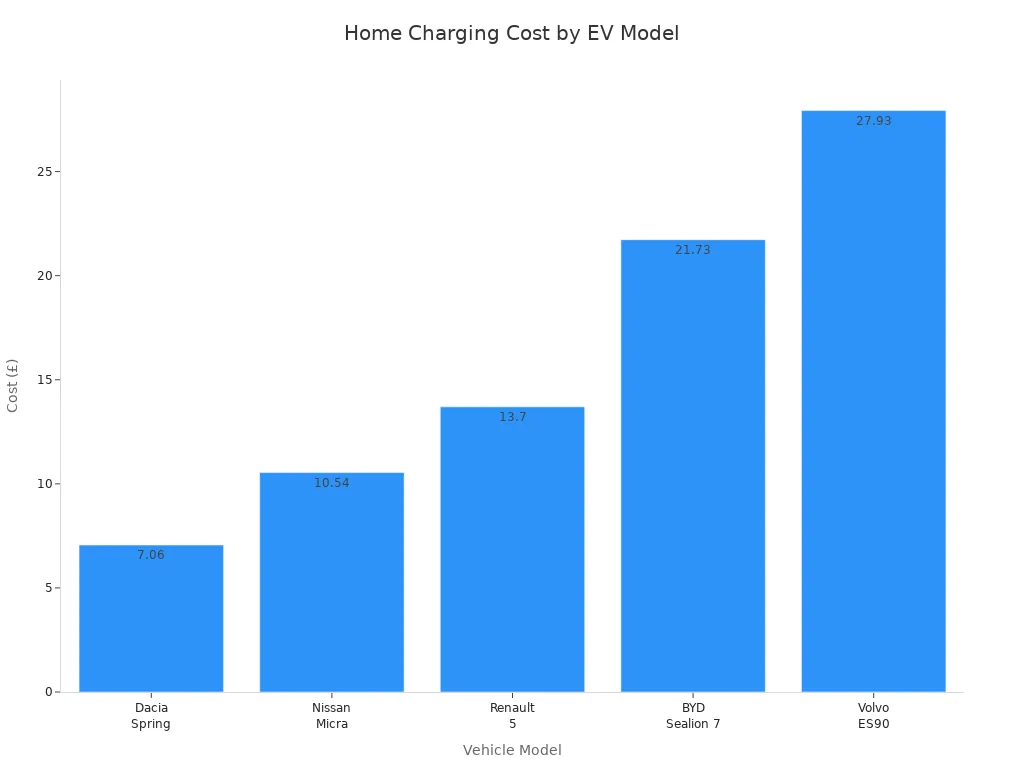
The table below shows how the cost varies by car model and battery size:
| Modelo | Tamaño de la batería (kWh) | Home Charging Cost (26.35p/ kWh) |
|---|---|---|
| Dacia Spring | 26.8 | £7.06 |
| Nissan Micra | 40 | £10.54 |
| Renault 5 | 52 | £13.70 |
| BYD Sealion 7 | 82.50 | £21.73 |
| Volvo ES90 | 106 | £27.93 |
The following chart illustrates the home charging cost for different electric car models in Germany:
Monthly and Annual Charging Costs
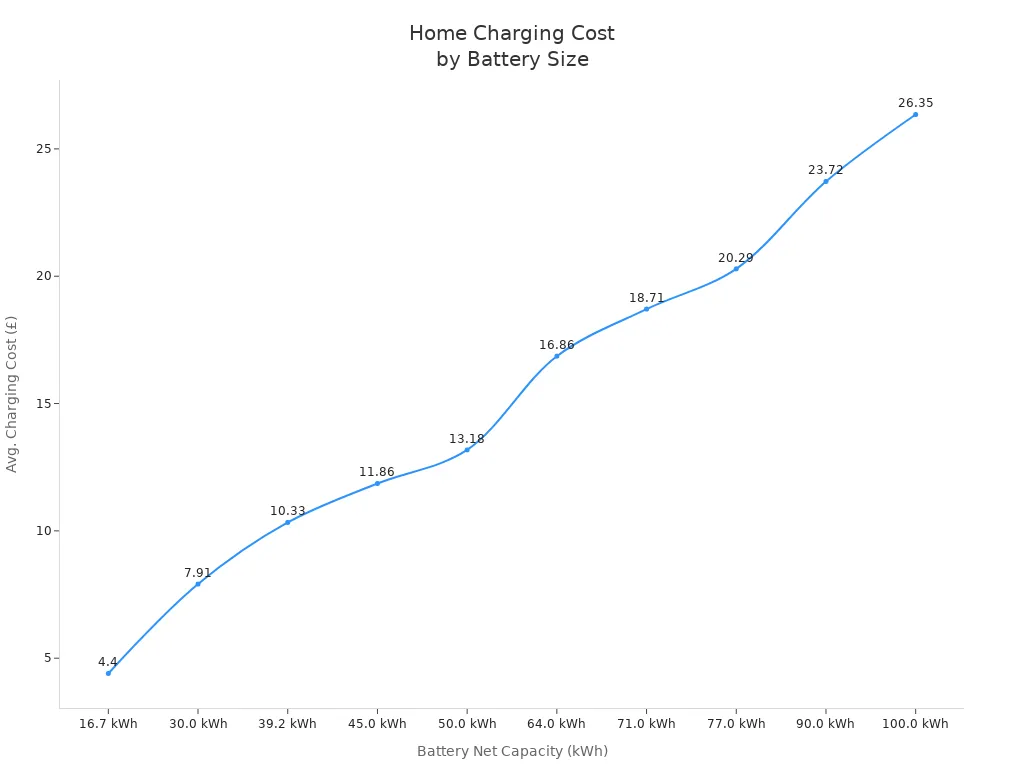
Drivers often want to know the monthly and annual impact of Level 1 charging on their household budget. The total cost depends on driving habits, battery size, and electricity prices. For example, a driver who charges their car once per week with a 40 kWh battery will spend about €42.16 per month and €505.92 per year, based on the national average price. Those with larger cars or longer commutes will see higher costs. The table below provides a breakdown of average residential charging costs by battery net capacity:
| Battery net capacity (kWh) | Average Cost (£) |
|---|---|
| 16.7 | 4.40 |
| 30.0 | 7.91 |
| 39.2 | 10.33 |
| 45.0 | 11.86 |
| 50.0 | 13.18 |
| 64.0 | 16.86 |
| 71.0 | 18.71 |
| 77.0 | 20.29 |
| 90.0 | 23.72 |
| 100.0 | 26.35 |
The following line chart shows the relationship between battery net capacity and average home charging cost:
How EV Charging Costs Are Calculated
Electricity Tariffs and Billing
Electricity tariffs determine the final price per kWh for Level 1 charging. Utilities set these tariffs based on market conditions, taxes, and grid fees. Most households pay a fixed rate, but some providers offer time-of-use pricing. This means the electricity cost can change depending on the time of day. Accurate billing ensures that drivers pay for the exact amount of energy used during each charging session.
Typical Home Charging Patterns
Most drivers use Level 1 charging overnight at home. This pattern allows them to take advantage of lower demand periods, which can sometimes reduce electricity cost if the provider offers off-peak rates. Charging at home provides convenience and cost control compared to public charging stations. Electric vehicle charging at home remains the preferred option for many due to its simplicity and predictable prices. TPSON supports these patterns by offering smart charging solutions that optimize energy use and minimize unnecessary expenses.
Key Factors Affecting EV Charging Costs in Germany
Taxes, Fees, and Surcharges
VAT and Energy Taxes
Taxes and surcharges play a significant role in the real cost of running an electric vehicle at home. In Germany, residential electricity bills include several mandatory charges.
- Electricity tax (Stromsteuer): €1.5 per kilowatt-hour for residential consumers.
- Value-added tax (VAT): Applied to the total bill, increasing the final price.
- Additional surcharges: These often include fees for supporting renewable energy and maintaining the charging infrastructure.
These taxes and fees directly impact the cost of charging an EV, making it essential for consumers to understand their electricity bill breakdown.
Renewable Energy and Grid Fees
Germany’s commitment to renewable energy influences home charging costs. Grid fees cover the maintenance and expansion of the charging infrastructure, ensuring reliable service. Renewable energy surcharges support the transition to cleaner power sources. These fees can fluctuate based on regional policies and the level of investment in local infrastructure. Consumers benefit from a stable grid but pay higher rates when renewable energy investments increase.
Policy Changes Impacting Home Charging Costs
2025 Regulatory Updates
Regulatory changes in 2025 affect the germany ev charging market. New rules focus on expanding charging infrastructure and improving access to electric vehicle grants. Authorities introduce stricter standards for home chargers, requiring smart technology to optimize energy use. These updates aim to reduce peak demand and encourage off-peak charging, lowering costs for consumers.
Government Incentives and Subsidies
Government incentives continue to shape the germany ev charging market. Subsidies and grants make electric vehicles more affordable and encourage home charging adoption. The table below highlights a key subsidy:
| Subsidy Type | Importe | Start Year | Impact on Home Charging Costs |
|---|---|---|---|
| Socially Tiered EV | Up to €6,000 | 2026 | Makes EVs more affordable, encouraging home charging. |
Consumers benefit from purchase subsidies and grants, which reduce upfront costs and support the running of electric vehicles. Electric vehicle grants and infrastructure grants help homeowners install chargers and upgrade their systems.
Germany EV Charging Market Trends
Market Growth and Competition
The germany ev charging market continues to expand rapidly.
- The market is projected to reach 343 million connections by 2034, generating USD 6 billion in revenue.
- Home charging grows due to cost and convenience, although high upfront costs remain a barrier.
- Smart chargers gain popularity, allowing users to charge vehicles when electricity is cheapest.
Impact on Consumer Prices
Competition and government grants drive prices down in the germany ev charging market. Incentives such as VAT reductions and grants for infrastructure development help consumers save money. As more companies enter the market, consumers see lower prices and improved service. Running an electric vehicle becomes more affordable, and the adoption of smart charging solutions increases efficiency.
Tip: Homeowners should monitor regulatory changes and available grants to maximize savings on charging infrastructure and electric vehicle grants.
Comparing EV Charging Costs: Level 1 vs Other Options in Germany
Level 1 vs Level 2 Home Charging Costs
Cost Differences and Charging Times
Carga de nivel 1 uses a standard household outlet. Charging an electric vehicle at this level takes much longer than higher levels. Most drivers see charging times of 24 to 36 hours for a full battery. Level 2 charging uses a dedicated wall box and provides faster charging, often completing a full charge in 6 to 8 hours. The electricity cost per kilowatt-hour remains similar for both levels at home, but the convenience of Level 2 appeals to many drivers. Level 2 charging allows for more flexibility, especially for those with busy schedules.
Installation and Equipment Expenses
Installation plays a major role in the total cost of home charging. Level 1 charging requires no special installation, as drivers use existing outlets. Level 2 charging needs professional installation of a wall box, which increases upfront expenses. The average installation cost for Level 2 ranges from €800 to €1,500. Equipment for Level 2 also costs more than Level 1. Homeowners must consider both installation and equipment when choosing between levels. Some commercial private ev charging stations offer installation packages for residential customers, making the process easier.
Level 1 vs Public Charging Stations
Public Charging Tariffs
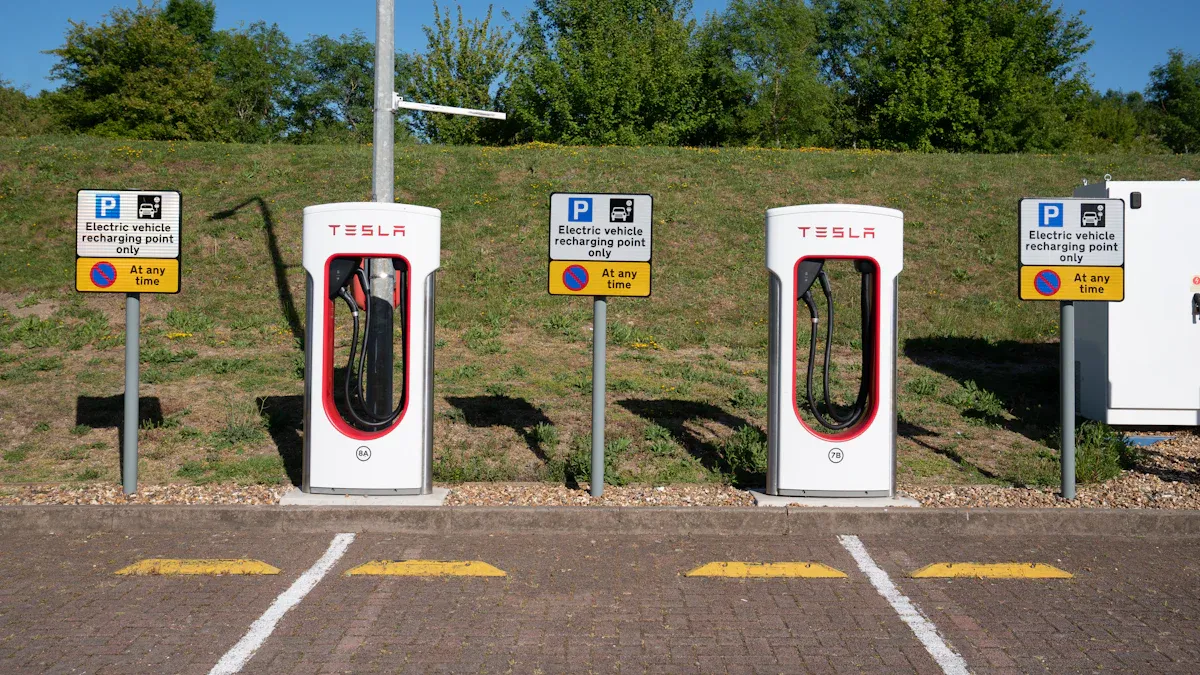
Public charging points in Germany offer different tariffs compared to home charging. Carga de nivel 1 is not available at public charging points. Most public charging points provide Level 2 or higher. The cost per kilowatt-hour at public charging points often exceeds home rates, sometimes reaching €0.50 to €0.70 per kWh. Commercial public ev charging stations set their own prices, which can vary by location and operator. Many commercial public ev charging stations also charge connection or parking fees.
Pros and Cons for EV Owners
Public charging points offer convenience for drivers who travel long distances or lack home charging options. Commercial public ev charging stations provide fast charging and easy access in urban areas. However, public charging points can be expensive and sometimes busy during peak hours. Home charging at Level 1 or Level 2 gives drivers more control over costs and charging times. Commercial private ev charging stations at workplaces or apartment complexes offer another alternative, combining convenience with lower costs than public charging points.
Level 1 vs Fast Charging (DC) Costs
Price Premiums for Fast Charging
Fast charging, also known as DC charging, delivers the highest charging speeds. Commercial public ev charging stations and commercial private ev charging stations both offer DC fast charging. The price per kilowatt-hour for fast charging is much higher than Level 1 or Level 2, often exceeding €0.80 per kWh. Commercial operators set these prices to cover infrastructure and maintenance costs. Drivers pay a premium for the speed and convenience of fast charging.
Cuándo Usar la Carga Rápida
Drivers use fast charging when they need to recharge quickly, such as during long trips or emergencies. Commercial public ev charging stations along highways make fast charging accessible for travelers. Commercial private ev charging stations at fleet depots or business locations support company vehicles. Most drivers rely on Level 1 or Level 2 charging for daily use and reserve fast charging for special situations. Choosing the right level depends on driving habits, access to charging infrastructure, and budget.
Tip: Drivers should compare the total cost, installation requirements, and convenience of each level before deciding on a charging solution. Commercial private ev charging stations and commercial public ev charging stations continue to expand, offering more options for EV owners in Germany.
Practical Tips to Reduce Home EV Charging Costs in Germany
Choosing the Best Electricity Tariff
Time-of-Use and Off-Peak Pricing
Selecting the right electricity tariff can make a significant difference for households charging electric vehicles at home. Many German utilities offer time-of-use rates, which provide lower prices during off-peak hours. Drivers who schedule charging sessions overnight can benefit from these reduced rates. For example, charging during off-peak periods can lower costs from €0.30 per kWh to as little as €0.10 per kWh. This approach maximizes savings, especially for those who rely on Level 1 or Level 2 charging.
Green Energy Options
Consumers in Germany can choose green energy tariffs that support renewable sources. These tariffs often come with competitive rates and help reduce the carbon footprint of charging electric vehicles at home. Providers like TPSON offer solutions that integrate seamlessly with green energy plans, ensuring that drivers can charge their vehicles sustainably without sacrificing cost efficiency.
Smart Charging Strategies for Lower Costs
Programación de sesiones de carga
Smart charging strategies play a crucial role in reducing home EV charging expenses. By scheduling charging sessions during periods of low demand, drivers can take advantage of dynamic pricing and avoid peak rates. Many modern chargers, including those from TPSON, allow users to set charging times through mobile apps or dashboards. This flexibility ensures that vehicles are ready when needed while keeping costs under control.
Using Home Energy Management Systems
Home energy management systems automate and optimize energy use throughout the household. These systems can integrate with smart chargers to schedule charging during the cheapest hours, leveraging dynamic pricing. German households using these systems have reported savings of up to 35% on electricity bills. Automation proves especially valuable for homes with high electricity consumption, as it ensures efficient use of energy resources.
Tip: Charging electric vehicles at home with a home energy management system can significantly reduce costs by shifting consumption to off-peak periods.
The table below summarizes effective smart charging strategies:
| Estrategia | Descripción |
|---|---|
| Gestión dinámica de la carga | Distributes energy to prevent grid overload and reduce peak-demand charges. |
| Integration with Grid Systems | Connects charging nodes to utilities and incorporates renewable energy sources. |
| Algoritmos de carga inteligentes | Uses dynamic pricing and time-of-use scheduling to lower costs. |
| User-Friendly Charging Management | Provides dashboards for real-time monitoring and actionable analytics on consumption and costs. |
| Advanced Security & Compliance | Ensures data privacy and system integrity through encryption and access control. |
Maximizar la eficiencia de la carga
Battery Maintenance Tips
Proper battery maintenance extends the life of an electric vehicle and improves charging efficiency. Regular monitoring helps identify defective modules that can cause energy loss. For instance, one operator in Germany restored system efficiency and achieved substantial annual savings by replacing faulty battery modules. Analytics tools, such as those offered by TPSON, support early detection and maintenance, preventing unnecessary costs.
Reducing Standby Power Loss
Reducing standby power loss also contributes to lower charging costs. Drivers should unplug chargers when not in use and ensure that charging equipment operates efficiently. Simple habits, such as disconnecting the charger after a session, help minimize wasted energy and keep household electricity bills in check.
Outlook for Germany EV Charging Market and Costs
Future Electricity Price Trends
Forecasts for 2025 and Beyond
Analysts expect residential electricity prices in Germany to shift as the country adopts local electricity pricing. This transition aims to reduce average costs for most households. Local pricing encourages generators and consumers to make better operational decisions. As a result, the electricity market becomes more efficient. Many regions will benefit from lower system costs and improved price signals. Some areas may not see significant changes, but most households should notice a positive impact on their monthly bills.
Note: Local pricing can create opportunities for consumers to save money by adjusting their energy use based on real-time rates.
Impact of Renewable Energy Expansion
Renewable energy continues to play a major role in shaping electricity prices. The integration of solar and wind power increases system efficiency and lowers overall costs. As more renewable sources enter the grid, the reliance on fossil fuels decreases. This shift supports stable prices and reduces the environmental impact of EV charging. Households that choose green energy tariffs contribute to the expansion of renewables. The market rewards these choices with competitive rates and sustainable benefits.
Policy and Market Developments
Potential Subsidies and Incentives
Government policies drive the adoption of electric vehicles and home charging solutions. Authorities offer subsidies to reduce the upfront cost of EVs and charging infrastructure. These incentives include grants for installing smart chargers and rebates for purchasing electric vehicles. Policymakers design these programs to make EV ownership more accessible. The table below summarizes common incentives available to consumers:
| Tipo de incentivo | Descripción | Typical Value |
|---|---|---|
| EV Purchase Subsidy | Reduces cost of new electric vehicles | Up to €6,000 |
| Charger Installation | Supports home charger setup | €500 – €1,500 |
| Green Energy Tariff | Rewards use of renewable energy | Variable |
Tip: Consumers should monitor government announcements for new incentives and eligibility requirements.
Regulatory Changes Affecting Home Charging
Regulatory updates shape the future of home EV charging. In 2025, authorities introduce standards for smart chargers and energy management systems. These rules aim to optimize energy use and reduce peak demand. Policymakers also focus on expanding access to charging infrastructure in urban and rural areas. New regulations encourage the adoption of time-of-use tariffs and promote the integration of renewable energy. The market responds by offering advanced charging solutions that meet compliance requirements and support efficient energy consumption.
Level 1 EV charging in Germany costs about €0.39 per kWh in 2025. Taxes, grid fees, and electricity tariffs shape the final price. Level 2 and public charging options offer faster charging but often cost more. Drivers can lower expenses by choosing off-peak tariffs and using smart charging tools. Market trends suggest stable or slightly lower prices as renewable energy expands. Careful tariff selection and efficient charging habits help drivers manage costs in a changing energy landscape.
PREGUNTAS FRECUENTES
What is Level 1 EV charging?
Level 1 charging uses a standard household outlet to charge electric vehicles. It provides slow charging speeds, making it suitable for overnight charging at home.
How long does it take to fully charge an EV with Level 1 charging?
A full charge with Level 1 charging usually takes between 24 and 36 hours. The exact time depends on the battery size and the vehicle model.
Is home charging cheaper than public charging stations?
Home charging often costs less per kilowatt-hour than public charging stations. Public stations may add connection or parking fees, increasing the total cost for drivers.
Can drivers reduce their EV charging costs?
Drivers can lower costs by choosing off-peak electricity tariffs, using smart charging tools, and maintaining their vehicle’s battery for better efficiency.
Are there government incentives for installing home chargers?
Government incentives and grants help reduce the upfront cost of installing home chargers. These programs support the adoption of electric vehicles and charging infrastructure.
Do electricity prices vary across regions in Germany?
Electricity prices differ by region in Germany. Urban areas often see higher rates due to increased demand and grid fees, while some rural areas may offer lower prices.
Does Level 1 charging affect battery life?
Level 1 charging is gentle on batteries. It helps extend battery lifespan by avoiding high charging currents and reducing heat buildup during charging sessions.
What is the environmental impact of home EV charging?
Home EV charging supports sustainability when paired with green energy tariffs. Using renewable sources reduces carbon emissions and promotes cleaner transportation.