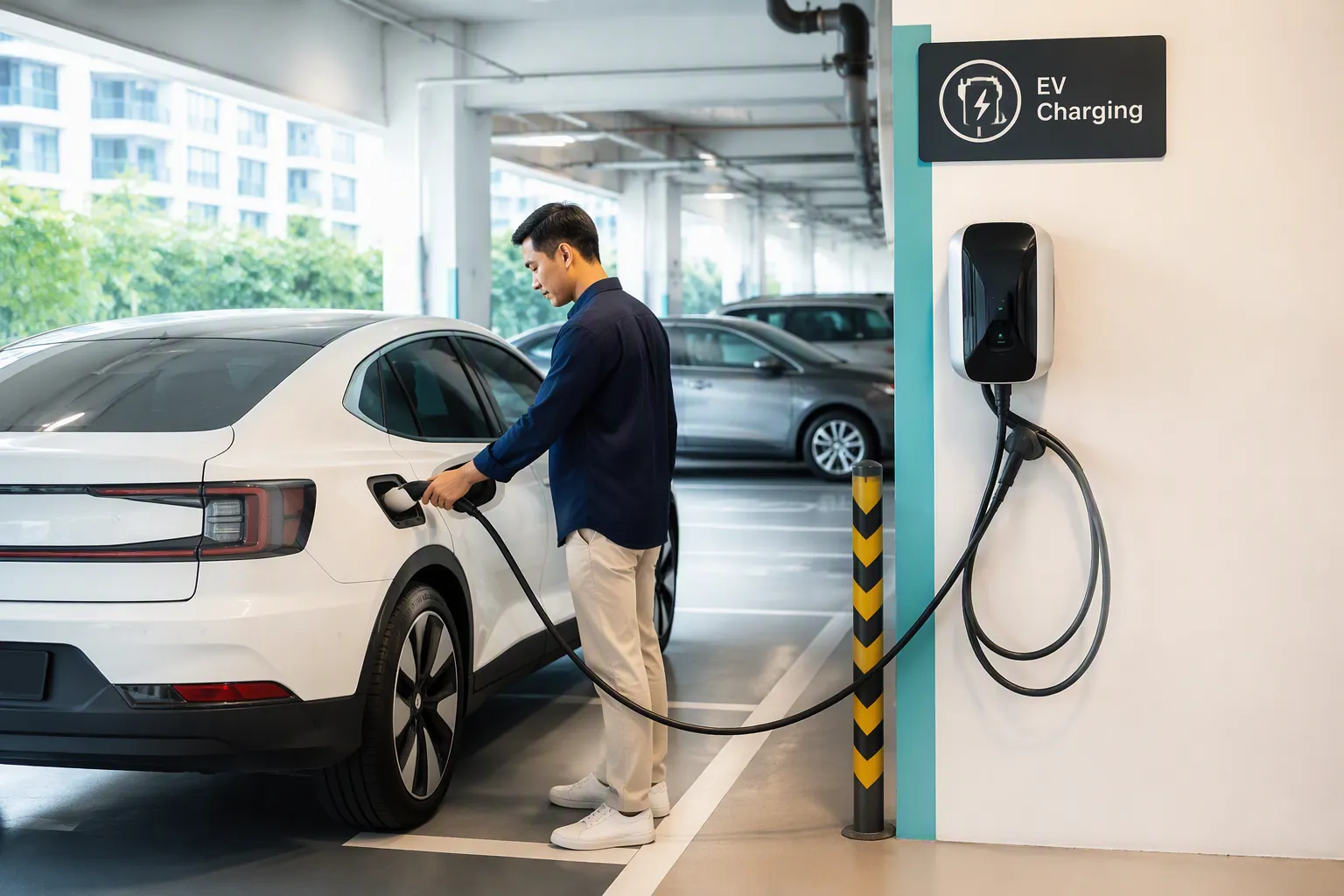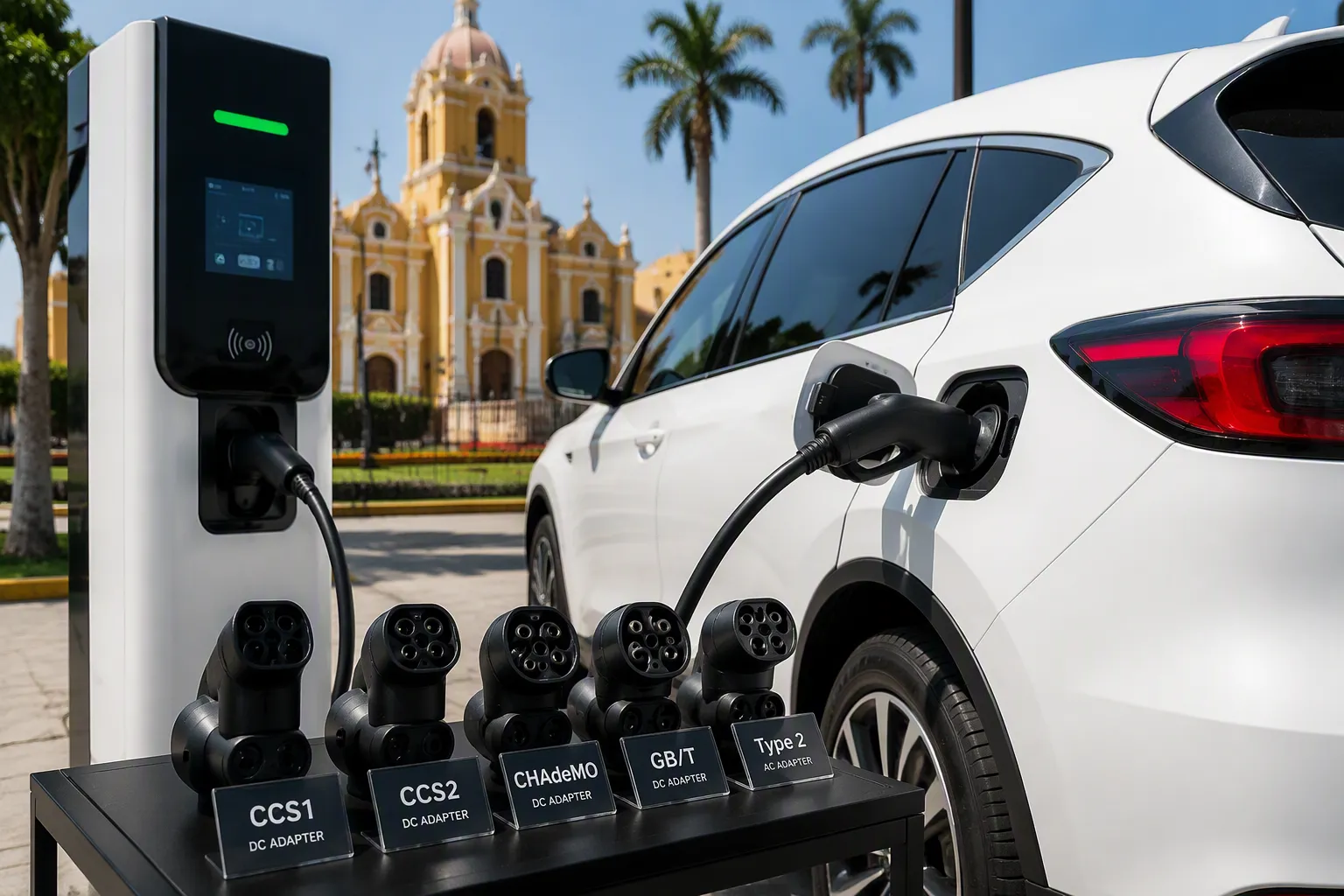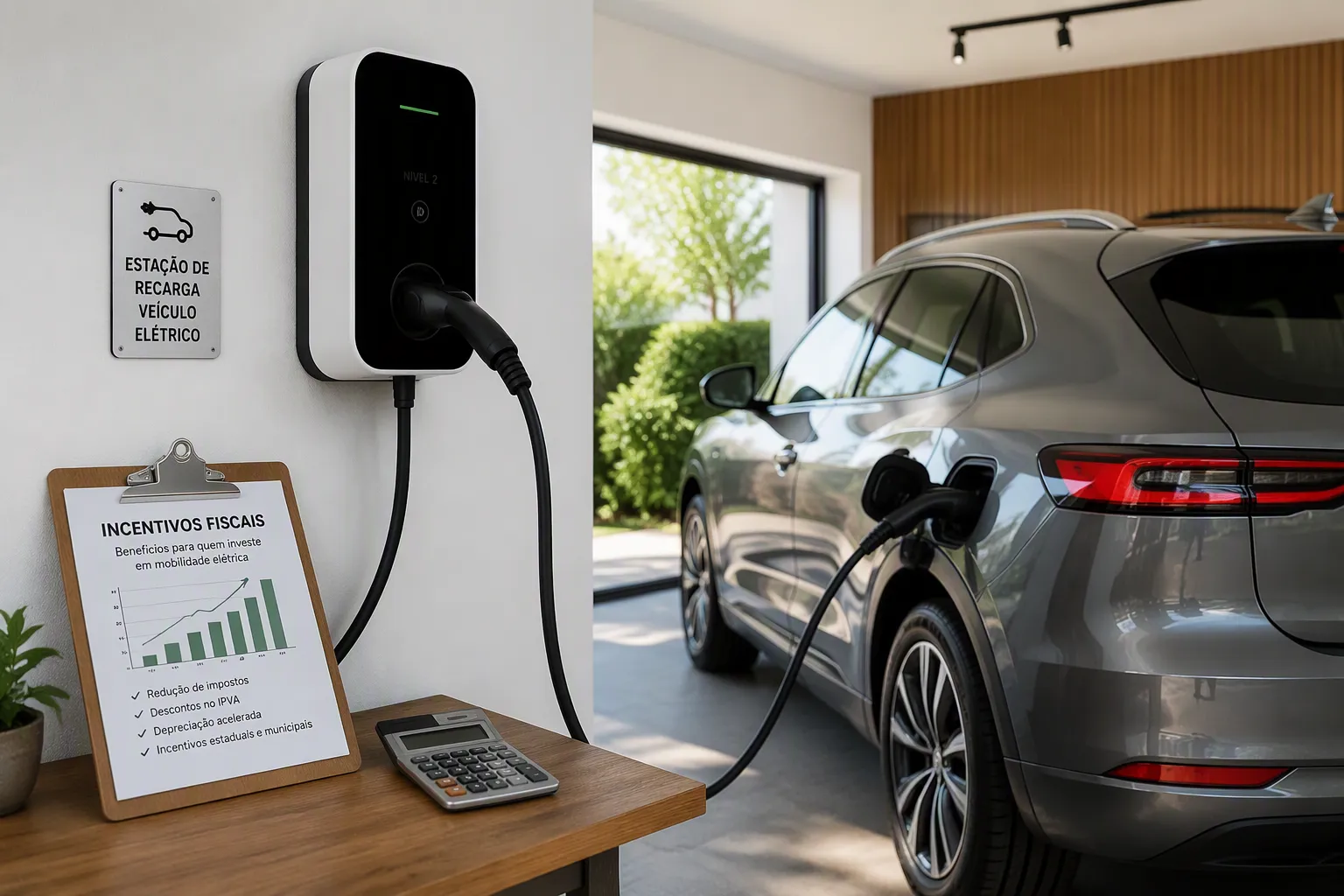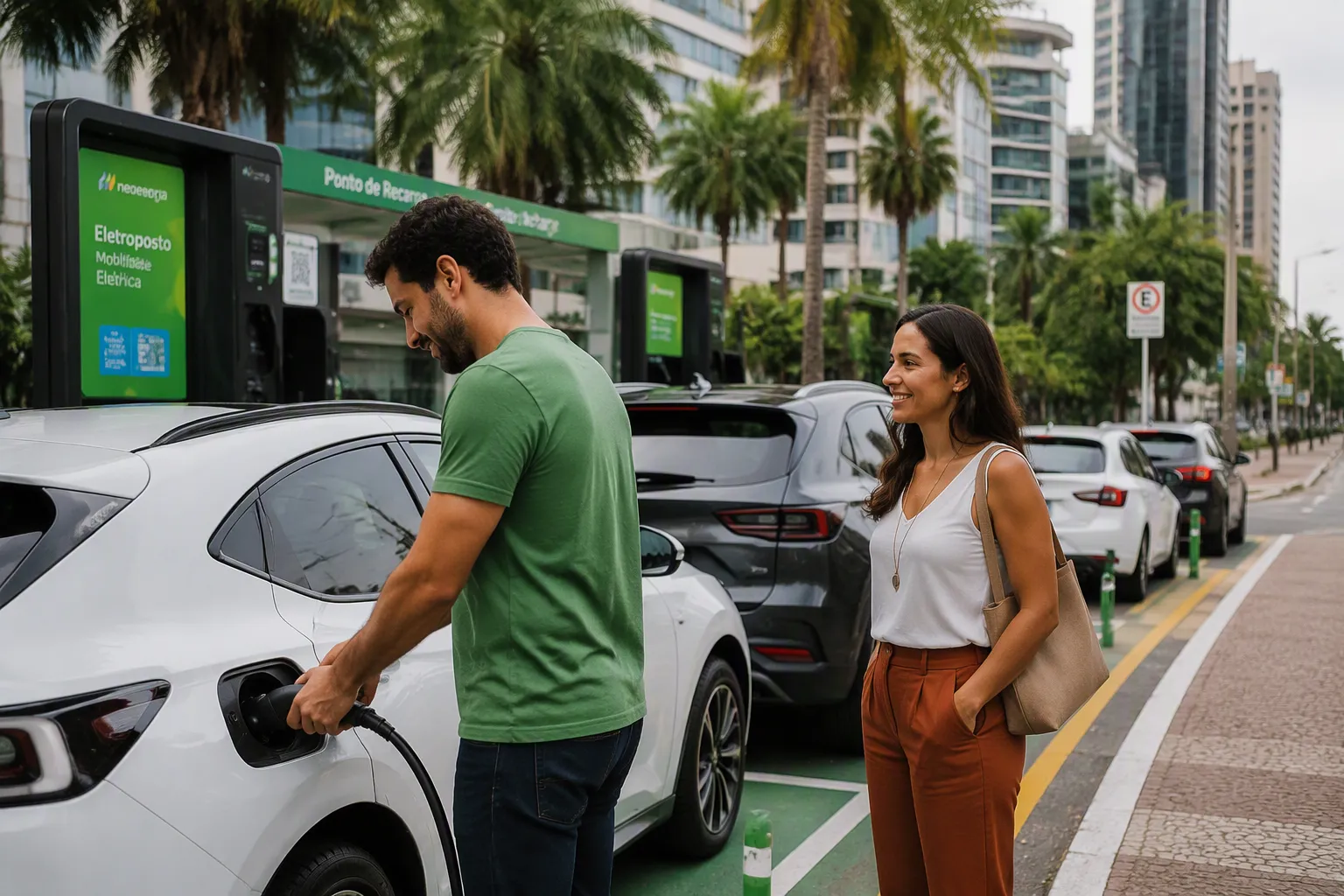
The cost to charge an EV in Switzerland often ranges from CHF 0.25 to CHF 0.50 per kWh at home, while public charging stations usually set prices between CHF 0.45 and CHF 0.79 per kWh. A full charge for a standard EV typically costs CHF 15–35. Local energy policies and the presence of advanced EV charger manufacturers influence these rates. Swiss EV owners frequently pay more at fast chargers or in major cities due to infrastructure investments and charging network fees.
Cost to Charge an EV: Home vs. Public Charging
Home Charging Costs
Average Electricity Rates in Switzerland
Electricity rates in Switzerland remain among the most stable in Europe. Most households pay between CHF 0.25 and CHF 0.50 per kWh for electricity. These rates depend on the local utility provider, the region, and the time of day. Many Swiss homes use dynamic tariffs, which means the price can change based on demand. This system encourages drivers to use charging at home during off-peak hours, when electricity costs less.
Typical Cost to Charge an EV at Home
Charging at home offers the most predictable and often the lowest charging costs for Swiss EV owners. The cost of home charging depends on several factors. The following table outlines the main components that determine the total cost:
| Component | Description |
|---|---|
| Host Network | The specific network used for charging. |
| Vehicle Capacity | The capacity of the electric vehicle being charged. |
| Mode of Charging | The method used to charge the vehicle (e.g., fast charging, standard charging). |
A typical electric vehicle with a 60 kWh battery will cost between CHF 15 and CHF 30 for a full charge at home. Charging at home also allows owners to take advantage of lower rates during off-peak periods. Many Swiss households install dedicated electric vehicle charge points, which can improve charging efficiency and safety. Charging at home remains the preferred option for most drivers due to its convenience and lower cost of home charging.
Public Charging Station Costs
Standard Rates for Public EV Charging
Public charging cost in Switzerland varies by provider and location. Most public charge points set rates between CHF 0.45 and CHF 0.79 per kWh. The following table shows how costs can differ by provider and tariff type:
| Provider | Tariff Type | Cost (CHF/kWh) | Conditions |
|---|---|---|---|
| Fastned | Standard tariff | 0.73 | Best for infrequent users (1-2 times/month) |
| Fastned | Gold Member tariff | 0.51 | For users charging >2 times/month, subscription required (CHF 11.99/month) |
Drivers who use public electric vehicle charge points regularly may benefit from membership tariffs, which lower the per-kWh rate. However, standard tariffs apply to most casual users.
Fast Charging Premiums and Fees
Fast chargers play a crucial role in Switzerland’s charging network. These stations deliver higher power, reducing charging time significantly. However, fast chargers often come with a premium. The cost per kWh at fast chargers can reach CHF 0.79 or more, especially in high-traffic areas or along highways. Some providers also add connection fees or time-based charges if a vehicle remains plugged in after charging completes. Fast chargers offer speed and convenience, but they increase overall charging costs for frequent users.
Subscription Models for EV Charging
Subscription models have become more common among Swiss charging networks. These models offer lower tariffs for regular users. Some networks allow direct payment through an app, with no subscription or fee required. Terms and conditions, including tariffs, may change with prior notice. Subscriptions can help reduce charging costs for those who use fast chargers or public charge points multiple times per month. Drivers should compare plans to find the best fit for their charging habits.
Tip: Regular users of fast chargers can save money by choosing a subscription plan that matches their charging frequency.
Regional Price Variations
Differences by Canton or City
Charging costs in Switzerland can vary significantly by canton or city. Urban areas like Zurich and Geneva often have higher electricity prices and more expensive public charging stations. Rural regions may offer lower rates, but fewer public charge points. Local policies and infrastructure investments also influence pricing.
Notable Local Price Differences
Some cantons provide incentives or discounts for installing home charge points, which can lower the cost to charge over time. In contrast, cities with high demand for fast chargers may see higher prices due to network fees and maintenance costs. Drivers should research local options to find the most cost-effective charging solution.
Factors Influencing the Cost to Charge an EV
Time of Day and Tariff Structures
Peak vs. Off-Peak Pricing for EV Charging
Swiss utilities often set different electricity rates based on the time of day. During peak hours, demand for electricity increases, which leads to higher prices for charging. Off-peak periods, such as late evenings or weekends, usually offer lower rates. Many EV owners plan their charging sessions during off-peak times to reduce expenses. This strategy helps them manage the cost to charge and maximize savings.
Tip: Scheduling charging during off-peak hours can lower monthly energy bills for EV owners.
Dynamic Tariff Systems in Switzerland
Dynamic tariffs have become popular in Switzerland. These systems adjust electricity prices in real-time based on supply and demand. Some utilities provide smart meters that track usage and apply the current rate automatically. Drivers who use dynamic tariffs must monitor price changes and adapt their charging habits. Dynamic pricing encourages efficient energy use and supports the integration of renewable sources.
Type of EV Charger
AC vs. DC Charging Costs
Charging technology affects the total expense for Swiss drivers. Most home charge points use AC (alternating current) chargers, which deliver slower charging speeds but cost less per kWh. Public stations often feature DC (direct current) fast chargers. These units provide rapid charging but charge a premium for convenience. The choice between AC and DC impacts both the speed and the overall cost to charge a vehicle.
| Charger Type | Typical Location | Speed | Cost (CHF/kWh) |
|---|---|---|---|
| AC | Home, public | Slow-Medium | 0.25–0.50 |
| DC | Public | Fast | 0.45–0.79 |
Charging Speed and Provider Impact
Charging speed varies by provider and station type. Fast charging stations deliver higher power, which shortens the time needed to recharge an EV. Providers may set different rates for fast and standard charge points. Some networks add connection fees or time-based charges, especially at high-speed stations. Drivers should compare providers to find the best balance between speed and cost.
EV Battery Size and Efficiency
Impact of Battery Capacity on Cost to Charge
Battery size plays a major role in determining charging expenses. Larger batteries require more electricity to reach full capacity, which increases the cost to charge. For example, a vehicle with a 90 kWh battery will cost more to charge than one with a 40 kWh battery, even at the same rate per kWh. Owners must consider battery capacity when estimating monthly charging costs.
Vehicle Efficiency Differences
Efficiency varies among EV models. Some vehicles use energy more effectively, which allows them to travel farther on a single charge. High-efficiency models reduce the frequency of charging and lower overall expenses. Drivers who select efficient vehicles benefit from fewer trips to charge points and reduced energy consumption.
Cost to Charge an EV: Switzerland vs. Gasoline and Diesel
EV Charging vs. Gasoline/Diesel Refueling
Cost per Mile or Kilometer
Drivers in Switzerland often compare the cost to charge an EV with the expense of fueling a gasoline or diesel vehicle. On average, charging an EV at home costs between CHF 0.25 and CHF 0.50 per kWh. For a typical EV, this translates to about CHF 0.04–0.08 per kilometer. In contrast, gasoline vehicles usually require CHF 0.12–0.18 per kilometer, while diesel vehicles average CHF 0.10–0.15 per kilometer. The difference becomes clear when considering daily commutes or long-distance travel.
| Fuel Type | Cost per Kilometer (CHF) |
|---|---|
| EV | 0.04–0.08 |
| Gasoline | 0.12–0.18 |
| Diesel | 0.10–0.15 |
Note: EVs offer lower running costs per kilometer, especially for drivers who use home charge points.
Annual Fuel Cost Comparison
Annual expenses for fueling a vehicle depend on driving habits and energy prices. A Swiss EV owner who drives 15,000 kilometers per year spends approximately CHF 600–1,200 on electricity. Gasoline vehicle owners pay CHF 1,800–2,700 annually, while diesel vehicle owners spend CHF 1,500–2,250. These figures highlight the savings potential for EV drivers.
- EV: CHF 600–1,200 per year
- Gasoline: CHF 1,800–2,700 per year
- Diesel: CHF 1,500–2,250 per year
EVs provide significant savings over traditional vehicles, especially for those who maximize home charging.
Cost to Charge an EV vs. Neighboring Countries
Comparison with Germany
Germany’s EV charging landscape features higher average prices at public stations. Drivers pay between €0.49 and €0.79 per kWh, which often exceeds Swiss rates. The difference stems from higher grid fees and taxes in Germany. Swiss EV owners benefit from more stable electricity prices and lower public charging costs.
Comparison with France
France offers competitive EV charging rates, with many public charge points priced between €0.30 and €0.50 per kWh. French drivers enjoy lower grid fees and government incentives, which help reduce the overall cost to charge. Switzerland’s rates remain comparable, though French policies sometimes provide additional savings for frequent users.
Comparison with Italy
Charging an EV in Italy generally costs more than in Switzerland. Several factors contribute to this difference:
- Italy’s energy pricing structure leads to higher tariffs.
- Grid fees and additional charges increase the total expense.
- Significant variations exist in energy tariffs for EV charging stations across Europe.
Swiss drivers experience more predictable costs and fewer surcharges at public charge points. The cost to charge an EV remains lower in Switzerland, making it a more attractive market for electric mobility.
Tip: Drivers who travel across borders should research local tariffs and charging networks to avoid unexpected expenses.
Surprising Local Facts About EV Charging Costs

Unique Swiss Charging Policies and Incentives
Government Incentives for EV Charging
Switzerland stands out for its innovative approach to electric vehicle charging policies. The country promotes smart charging, which uses real-time pricing and emission signals. This system allows users to optimize charging times, reducing both costs and environmental impact. Swiss policies encourage drivers to charge their vehicles when electricity is cheapest and cleanest. Many cantons offer targeted incentives to expand the charging network and improve access to chargers. These incentives support the adoption of electric vehicles and help lower the real-life costs of electric vehicle charging for residents.
Local Utility Programs and Discounts
Local utility companies in Switzerland provide a range of programs and discounts to make charging more affordable. These initiatives vary by canton and often focus on increasing access to chargers in homes, businesses, and public spaces. The table below highlights several notable programs:
| Canton | Program Description | Funding Details |
|---|---|---|
| Bern | Focus on companies installing publicly accessible charging stations. | Up to 35% of investment costs, max CHF 20,000 per station, CHF 60,000 per business location. |
| Geneva | Subsidies for charging stations on individual parking spaces in homes. | Up to CHF 2,000 per charging station, no deadline. |
| Zurich | Incentives for home charging station installations. | CHF 500 per parking space (up to 15), CHF 300 for each additional space, conditions apply. |
| Ticino | Support for residential and workplace charging solutions. | Up to CHF 500 per charging station, no deadlines. |
| Thurgau | Financial support for multi-unit dwellings installing charging stations. | Covers 25% of investment costs, no deadline. |
| Gland | Subsidies for public charging stations installation. | 20% of purchase price, capped at CHF 2,000 per terminal. |
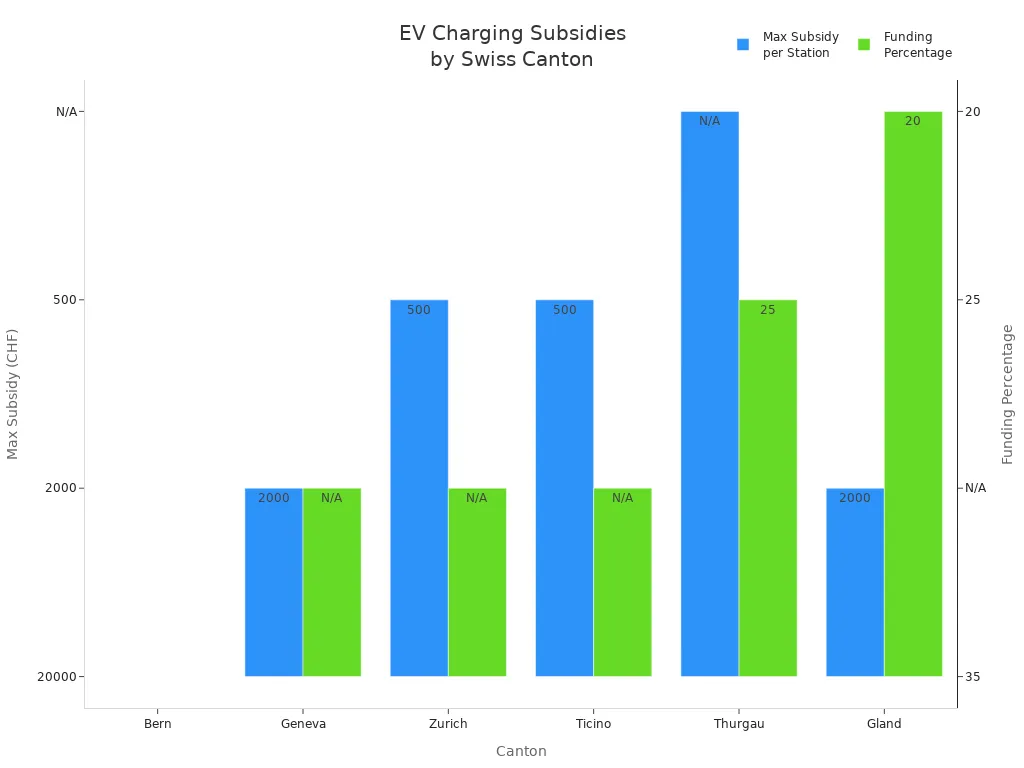
These programs demonstrate Switzerland’s commitment to expanding its charging network and making access to chargers more convenient for all drivers.
Unexpected Savings and Hidden Fees
Free EV Charging Locations
Some Swiss cities and businesses offer free EV charging locations, providing unexpected savings for drivers. Users can find these charge points by filtering options on platforms like Zapmap. Free charging often appears at shopping centers, hotels, or municipal parking lots. However, availability may vary by region and charging network. Drivers who plan their routes carefully can take advantage of these opportunities to reduce the overall cost to charge.
Parking Fees and Access Charges
While free charging exists, hidden fees can still impact the real-life costs of electric vehicle charging. These may include shipping, installation, or additional service charges from suppliers. Some charging networks also add service fees based on the payment method. The table below outlines common fee structures:
| Payment Method | Service Fee Structure |
|---|---|
| Pay-per-use | 0-15% of parking or charging cost, min CHF 0-0.49 |
| Subscription Package | Monthly fee covers service fee for all sessions, costs charged separately |
Drivers should always request a full breakdown of costs before installing or using a new charging solution. This approach helps avoid surprises and ensures a clear understanding of the total expense. Access to chargers remains a key factor in managing both savings and hidden fees.
Tip: Always ask for a detailed quote from suppliers to avoid unexpected costs and maximize savings when accessing the charging network.
Practical Tips to Lower the Cost to Charge Your EV
Choosing the Best Charging Option
Home vs. Public EV Charging
Swiss drivers often face a choice between home and public charging. Home charging usually offers lower costs, especially when paired with solar power. Many households benefit from stable electricity rates and the convenience of overnight charging. In contrast, public charging costs can fluctuate based on location and charger type. For example, medium AC charge points in public areas range from €0.23 to €0.44 per kWh, while high-speed DC chargers can reach up to €0.98 per kWh. Urban residents without access to home charging may pay more due to reliance on public infrastructure.
Tip: Charging at home overnight, especially if the accommodation provides a charging point, remains the most cost-effective strategy for many Swiss EV owners.
Evaluating Subscription Plans
Subscription plans can help frequent users of public charging networks save money. Many providers offer reduced rates for members who charge their vehicle multiple times per month. Drivers should compare available plans, considering their typical charging frequency and preferred locations. Some plans include additional benefits, such as priority access or bundled parking. Reviewing the terms and conditions ensures that the chosen plan aligns with individual charging habits.
Maximizing EV Charging Efficiency
Smart Charging Strategies
Smart charging strategies can significantly reduce costs and improve efficiency. Drivers can plan charging stops during lunch or coffee breaks to optimize both time and energy use. Ultra-rapid charging stations on main motorways and in major cities provide quick top-ups, minimizing downtime. Integration of technology, such as dynamic load management and intelligent charging systems, allows for better electricity and mobility management. Peak shaving techniques and bi-directional charging further enhance efficiency and lower expenses.
- Plan charging stops during daily breaks.
- Use ultra-rapid stations for quick top-ups.
- Integrate smart technology for dynamic load management.
- Promote bi-directional charging where available.
Using Off-Peak Hours for Lower Costs
Charging during off-peak hours, typically between 11 p.m. and 7 a.m., offers the lowest electricity rates in Switzerland. Reduced demand at night leads to lower prices, allowing drivers to save up to 30% on their electricity bills. Dynamic tariffs, now common across Swiss utilities, encourage users to adjust their charging patterns. By scheduling charging sessions at night, drivers can take advantage of these savings and reduce overall vehicle operating costs.
Note: Avoiding peak times not only lowers costs but also reduces waiting times at busy charge points.
Future Trends in EV Charging Costs in Switzerland
Predicted Changes in the Cost to Charge an EV
Impact of Renewable Energy on EV Charging Prices
Switzerland continues to invest in renewable energy sources to support electric mobility. The Federal Act on Secure Electricity Supply from Renewable Energy Sources guarantees a stable supply for charging networks. This legislation encourages the use of smart charging, which allows users to benefit from flexible pricing. As more solar and wind power enters the grid, electricity providers can offer lower rates during periods of high renewable generation. The adoption of vehicle-to-grid (V2G) technology will also play a role. When drivers reinject electricity from their car batteries into the grid, they receive compensation for their contribution. This process makes V2G more attractive and can help reduce overall charging costs.
- The act ensures reliable electricity for expanding EV infrastructure.
- Smart charging enables flexible pricing and better compensation.
- V2G technology provides economic incentives for reinjecting electricity.
Infrastructure Expansion and Its Effect on Costs
Infrastructure expansion remains a priority for Swiss policymakers and industry leaders. Investments in high-performing charging stations and renewable energy sources address grid limitations and urban real estate costs. As the network grows, drivers will see more efficient charging options and potentially lower prices. The prevalence of smart charging and V2G technologies increases the economic viability of EV charging. These advancements help balance supply and demand, making the system more resilient.
- Expansion addresses grid limitations and urban costs.
- High-performing infrastructure leads to efficient charging.
- Smart charging and V2G enhance economic viability.
Upcoming Policies and Incentives for EV Owners
Planned Government Initiatives
Swiss authorities plan to introduce new policies that support the growth of electric mobility. Future initiatives may include additional subsidies for installing home and public charging stations. Policymakers aim to streamline permitting processes and encourage the integration of renewable energy into charging networks. These efforts will make it easier for residents to access affordable charging solutions.
Note: Government support for renewable energy and infrastructure expansion will likely lower charging costs for EV owners.
Industry Developments Affecting Cost to Charge
Industry leaders continue to innovate in the EV charging sector. Companies invest in smart charging systems and develop new business models that reward flexibility. The reimbursement of grid charges for electricity reinjected from car batteries makes V2G more appealing. As technology advances, drivers can expect more competitive pricing and improved access to charging stations. These developments will shape the future of electric mobility in Switzerland.
| Development | Expected Impact on Costs |
|---|---|
| Smart charging systems | Flexible pricing, lower expenses |
| V2G reimbursement | Economic incentives for drivers |
| Infrastructure investments | Efficient, accessible charging |
Swiss EV owners pay CHF 0.25–0.50 per kWh at home and CHF 0.45–0.79 per kWh at public stations. Several factors shape charging expenses:
- Electricity rates
- Charger type and speed
- Regional policies
- Battery size and vehicle efficiency
Tip: Drivers can lower costs by charging at home during off-peak hours and comparing subscription plans.
Local incentives and expanding infrastructure promise more savings. Switzerland’s commitment to renewable energy signals a positive outlook for future EV charging costs.
FAQ
How much does it cost to fully charge an electric car at home in Switzerland?
A full home charge for a standard EV usually costs CHF 15–30. The exact amount depends on the battery size and the local electricity rate.
Are public charging stations in Switzerland more expensive than home charging?
Yes. Public charging stations often charge CHF 0.45–0.79 per kWh. Home charging rates typically range from CHF 0.25–0.50 per kWh.
Do Swiss EV owners pay extra fees at public charging stations?
Some public stations add connection or time-based fees. Fast chargers may also include a premium rate. Drivers should check the provider’s pricing details before charging.
Can drivers find free EV charging locations in Switzerland?
Yes. Some shopping centers, hotels, and municipal lots offer free charging. Availability varies by region. Drivers can use apps to locate these spots.
Does charging at night lower the cost for Swiss EV owners?
Charging during off-peak hours, usually at night, often reduces electricity costs. Many Swiss utilities offer lower rates between 11 p.m. and 7 a.m.
Are there government incentives for installing home EV chargers in Switzerland?
Several cantons provide subsidies or rebates for home charger installations. Incentive amounts and eligibility requirements differ by region.
How does Switzerland’s EV charging cost compare to neighboring countries?
Swiss EV charging costs remain lower than in Germany and Italy but are similar to rates in France. Switzerland offers stable electricity prices and fewer surcharges.