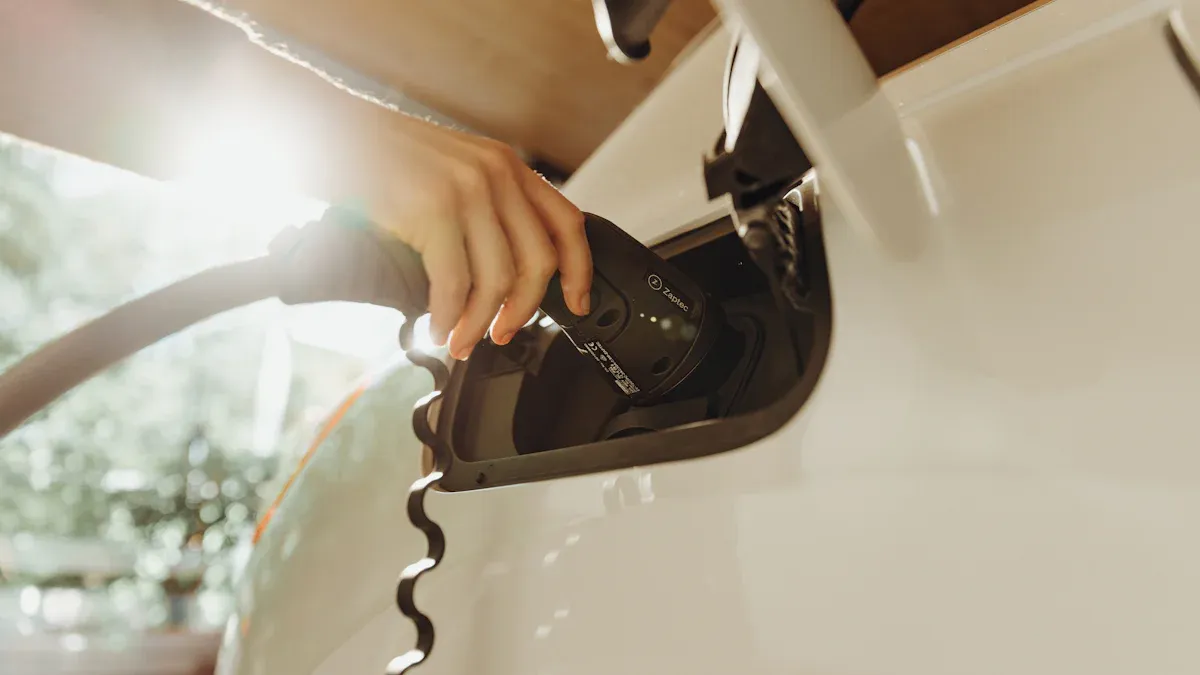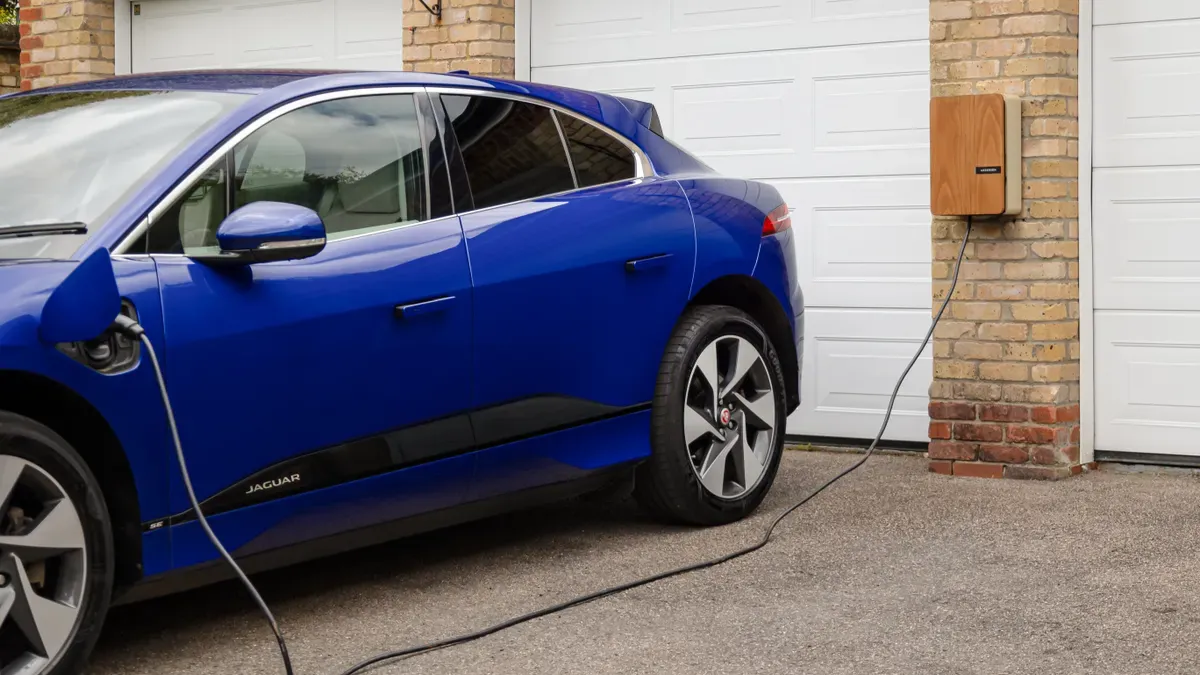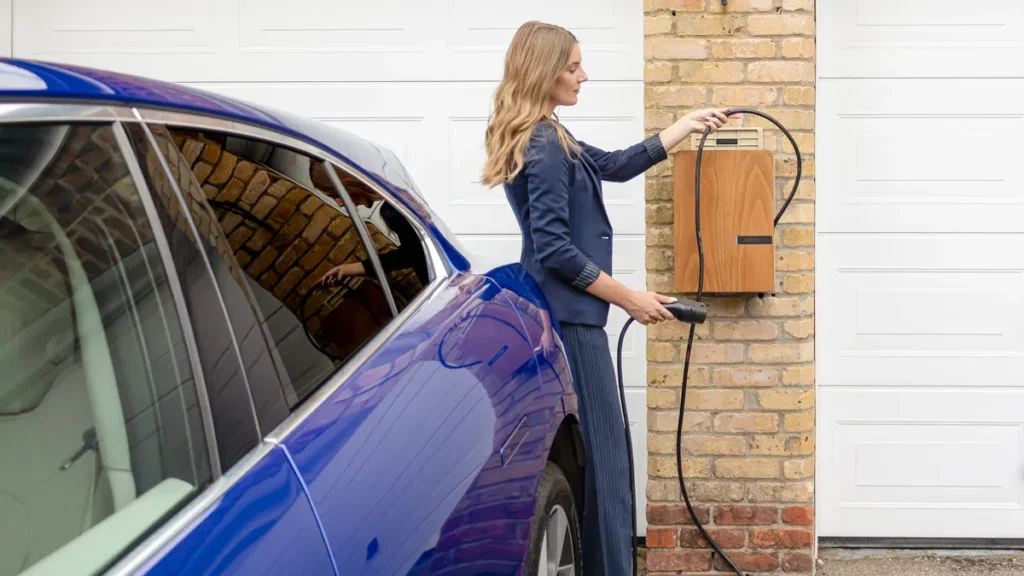
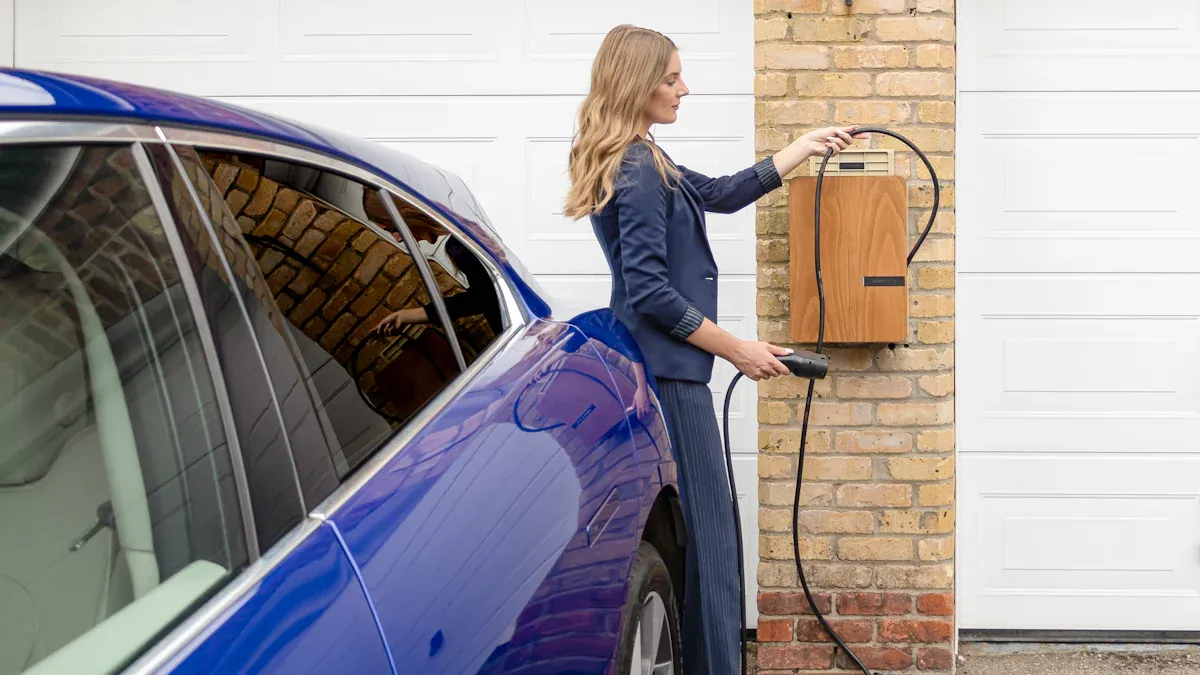
Many drivers consider buying a home Cargador EV for greater convenience and control over their charging needs. Fabricantes de cargadores para VE continue to expand options, offering advanced Soluciones de recarga de vehículos eléctricos for both individual and family use. With 81% of EV owners having a home chargepoint installed, most find the investment worthwhile. However, those who rely on cargadores portátiles ev or have reliable public access may not benefit as much from home installation.
Buying a Home EV Charger: Cost Analysis
Upfront Costs of Buying a Home EV Charger
Price of the Charger
The initial expense for buying a home EV charger depends on the model and features selected. TPSON, a technologically advanced electric vehicle charging solution provider, offers a range of chargers with varying capabilities. Most standard charger units cost between £650 and £1,200. Advanced models with smart features or higher power output may command a higher price.
Tasas de instalación
Installation fees can vary based on the complexity of the setup and the type of property. Professional installation ensures safety and compliance with local regulations. The average labor cost for installing a home EV charger ranges from £200 to £500. Some properties may require additional work, which can increase the total labor cost.
Permits and Electrical Upgrades
Permits and electrical upgrades represent additional upfront costs. Local authorities often require permits for charger installation, which typically cost between £50 and £150. Electrical upgrades, such as panel enhancements or wiring improvements, may add £150 to £500 to the total expense.
Consejo: Homeowners should request a detailed quote before buying a home EV charger to avoid unexpected costs.
A breakdown of typical installation costs appears below:
| Componente | Rango de precios (libras esterlinas) |
|---|---|
| Unidad de carga | 650 – 1,200 |
| Mejoras eléctricas | 150 – 500 |
| Labour | 200 – 500 |
| Permisos | 50 – 150 |
| Total Installation | 300 – 1 000 |
| Average Labour Cost | 500 – 1 500 |
Ongoing Costs and Savings
Electricity Rates vs. Public Charging Fees
Charging an electric vehicle at home offers significant savings compared to public charging stations. Home charging typically costs between 3.2p and 9p per mile. Public charging rates range from 15p to 23p per mile. Over the course of a year, charging at home can save an EV owner between £500 and £1,000 compared to petrol, and approximately £467 compared to public charging.
- Home charging: 3.2p–9p per mile
- Public charging: 15p–23p per mile
- Annual savings: £500–£1,000 vs. petrol; £467 vs. public charging
Mantenimiento y reparaciones
Home EV chargers require minimal maintenance. Most units need only occasional inspection and cleaning. Repairs are rare, especially for chargers from reputable providers like TPSON. Warranty coverage often includes parts and labor for several years, reducing the risk of unexpected expenses.
Tax Credits and Incentives
Many regions offer incentives for buying a home EV charger. These may include grants, rebates, or reduced permit fees. Incentives can lower the overall cost and encourage more homeowners to install charging stations. Buyers should check local programs before making a purchase.
Long-Term Value of Buying a Home EV Charger
Impact on Home Value
Instalar un cargador para VE en casa puede increase property value. Homes with an electric vehicle charger often sell for 13% more than the local average. In some areas, this boost translates to an average increase of £25,220. About 76% of properties show a positive correlation between charger installation and increased value. Environmentally conscious buyers and those who own electric vehicles favor homes with built-in charging capabilities.
- Homes with EV chargers sell for up to 13% more
- Average value boost: £25,220 in certain areas
- 76% of properties show increased value
Resale Considerations
As electric vehicles become more popular, demand for homes with charging facilities continues to grow. An EV charger enhances the modern appeal of a property and attracts buyers seeking convenience and sustainability. Installing a home charging station will likely increase the value of a home and make it more attractive to future buyers.
Nota: Future-proofing a property by buying a home EV charger can provide long-term financial benefits and appeal to a wider range of buyers.
Buying a Home EV Charger for Convenience
Carga en su propio horario
Ventajas de la recarga nocturna
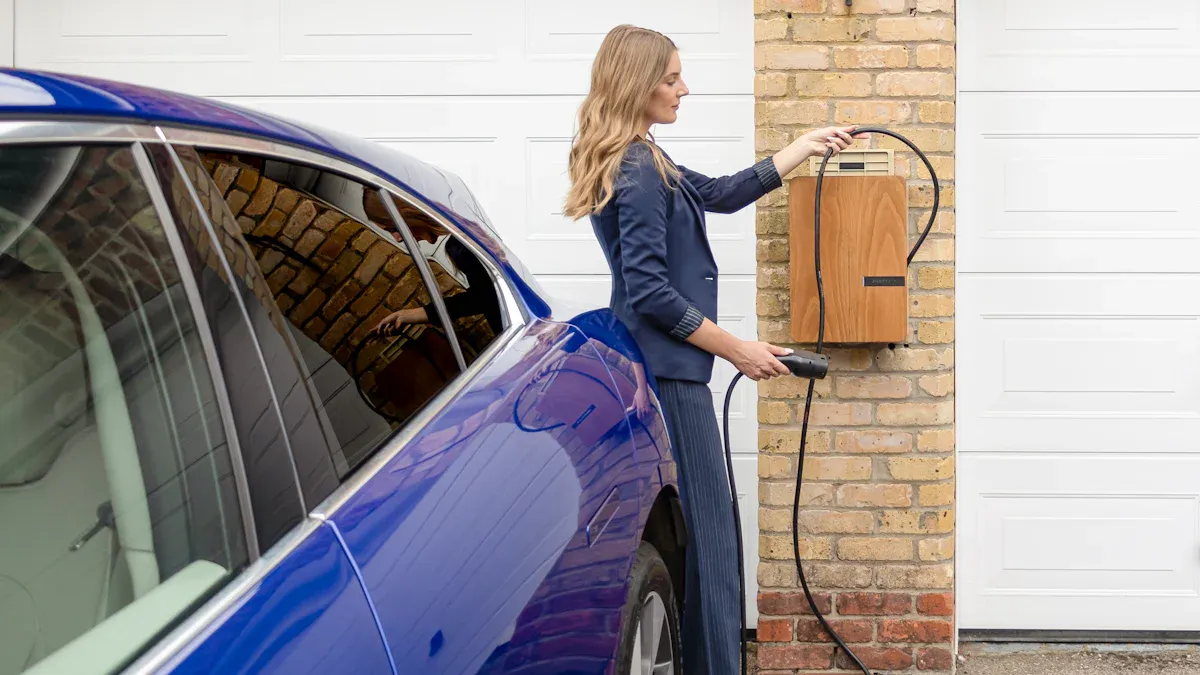
Homeowners who install an EV charger gain the ability to charge their vehicles overnight. This approach leverages off-peak electricity rates, which often cost less than daytime rates. Overnight charging ensures that the vehicle is ready each morning, eliminating range anxiety. Families with multiple electric vehicles benefit from this arrangement, as each car can receive a full charge without competing for public charging spots.
- Home charging provides a private, always-available point that integrates seamlessly into daily routines.
- Overnight charging ensures a fully charged electric vehicle by leveraging inexpensive off-peak electricity.
No Waiting in Line
Charging at home removes the need to wait for available public charging stations. EV owners in the UK spend an average of 2-3 hours monthly at public charging stations. By charging at home, they save approximately 30-40 hours annually. This time can be redirected toward work, family, or leisure activities.
- Home charging eliminates queues at public stations.
- Owners reclaim valuable time each month.
Avoiding Public Charging Hassles
Availability and Reliability
Public charging stations present several challenges. Availability fluctuates, especially during peak hours. Approximately 10 percent of the public charging network is unavailable at any given time due to maintenance or faults. Reliability varies across networks, and longer charging times on slower public chargers frustrate many users.
| Common Public Charging Hassles | Descripción |
|---|---|
| Availability during peak hours | Charge points may be occupied or offline |
| Compatibility and reliability | Networks differ in connector types and uptime |
| Longer charging times | Slow chargers extend wait times |
| Network downtime | 10% of stations unavailable due to faults |
Home charging offers greater reliability. Owners control the charging process and rarely encounter faults or downtime.
| Tipo de carga | Reliability Description |
|---|---|
| Carga a domicilio | Mostly reliable, under owner control |
| Cobro público | Variable reliability, affected by faults & busy times |
Location and Travel Time
Public charging stations may not be conveniently located. Drivers often travel out of their way to find an available charger. Home charging eliminates this inconvenience, allowing owners to plug in their vehicles at their residence.
Consejo: Home charging delivers substantial cost savings by tapping into cheaper residential electricity.
Managing Multiple EVs at Home
Family and Multi-Car Households
Families with more than one electric vehicle experience significant benefits from installing a home EV charger. A private charging point ensures that each vehicle receives adequate power without scheduling conflicts. Smart chargers enhance convenience by offering remote control, scheduling, and real-time monitoring through smartphone apps.
- Home charging eliminates range anxiety and public charger queues by offering exclusive, on-demand access.
- The initial cost of installing a home EV charger is justified by long-term savings on electricity bills and reduced public charging fees.
Buying a home EV charger streamlines daily routines for multi-car households and supports a modern, sustainable lifestyle.
Charging Speed and Compatibility When Buying a Home EV Charger
Types of Home EV Chargers
Cargadores de nivel 1 frente a cargadores de nivel 2
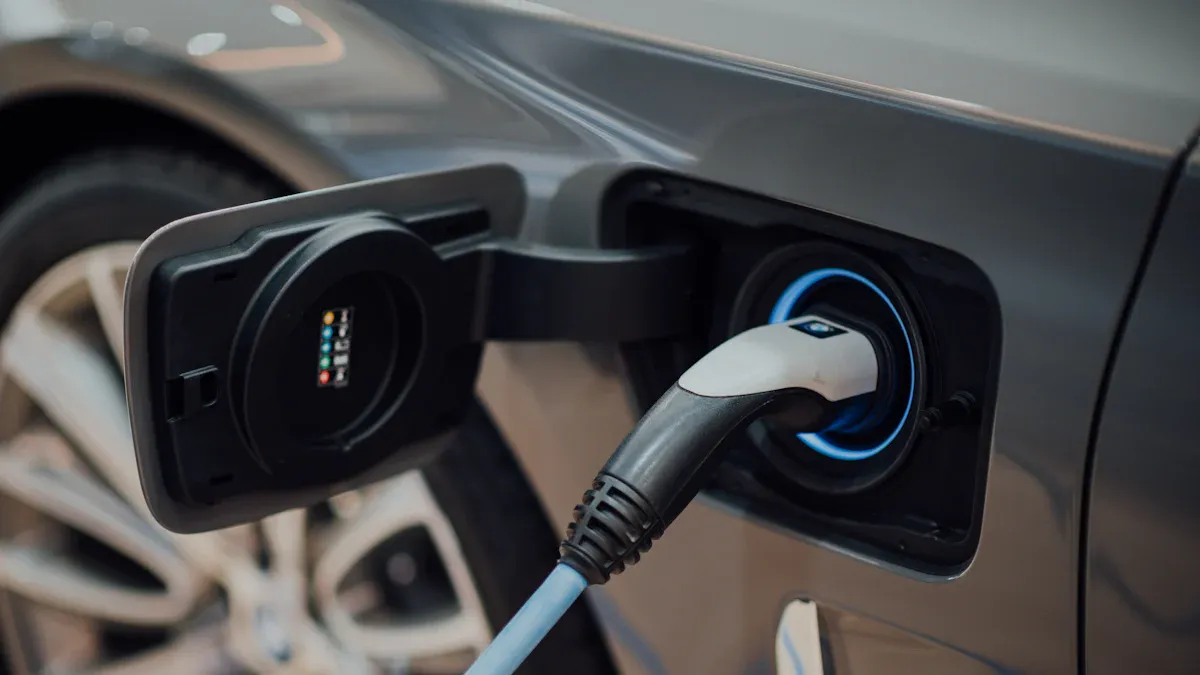
Electric vehicle owners often choose between Level 1 and Cargadores de nivel 2 for home use. Level 1 chargers use a standard 120V outlet and deliver a slow charging rate, typically adding 2 to 5 miles of range per hour. Level 2 chargers require a 240V connection and provide a much faster charging experience, adding 10 to 60 miles per hour. Most homeowners prefer Level 2 chargers for daily use because they reduce charging time and offer greater convenience.
| Tipo de cargador | Tensión | Velocidad de carga (millas por hora) |
|---|---|---|
| Nivel 1 | 120V | 2-5 |
| Nivel 2 | 240V | 10-60 |
Fast Charging at Home: Is It Possible?
Public fast chargers use direct current (DC) and deliver rapid charging speeds, but most homes cannot support this technology due to electrical limitations. Level 2 chargers remain the fastest practical option for residential settings. The table below compares charging speeds:
| Método de carga | Velocidad de carga | Time to Charge |
|---|---|---|
| Level 2 Home Charger | Hasta 7,2 kW | 8 to 10 hours for a full charge |
| Public Fast Charger (DC) | De 50 kW a 350 kW | 80% charge in under 30 minutes |
Matching Your EV to the Right Home Charger
Compatibilidad de vehículos
Selecting the right charger involves more than speed. Owners must consider several factors to ensure compatibility:
- Identify your home’s power requirements and those of your EV.
- Understand the charging capabilities of your EV, including the maximum charging rate.
- Ensure professional installation of the home charger to comply with safety regulations.
A charger that matches the vehicle’s specifications will maximize efficiency and safety.
Future-Proofing for New Models
Future electric vehicle models will require home chargers compatible with advanced technologies such as vehicle-to-grid (V2G) and vehicle-to-home (V2H) systems. These innovations allow EVs to serve as energy storage units for the home. Smart chargers will become essential for managing energy flow and optimizing usage. As EV adoption grows, homeowners should consider chargers with higher capacities and smart features to remain prepared for new models.
How Fast Will Your Car Charge at Home?
Tiempos de carga típicos
Most popular EV models charge fully in 8 to 10 hours using a Level 2 home charger. A 7.2 kW charger can recharge an empty battery overnight, ensuring the vehicle is ready for daily use.
- The average charging time for popular EV models using a home Level 2 charger is generally between 8 to 10 hours.
- A typical 7.2 kW home charger can recharge many EVs from empty to full in about 8 to 10 hours.
Factors That Affect Speed
Several elements influence charging speed at home. The type of charger, voltage, and vehicle specifications all play a role.
| Tipo de cargador | Tensión | Velocidad de carga (millas por hora) |
|---|---|---|
| Nivel 1 | 120V | 2-5 |
| Nivel 2 | 240V | 10-60 |
Other considerations include:
- Home charging is generally cheaper (5–8p per mile) compared to public charging (12–25p per mile).
- Overnight charging ensures a full battery each day.
- Smart chargers allow scheduling, giving owners control over charging times.
When buying a home EV charger, understanding these factors helps owners select the best solution for their needs.
Is Buying a Home EV Charger Right for Your Lifestyle?
Daily Driving Habits
Short Commutes vs. Long Drives
Driving patterns play a crucial role in determining the value of buying a home EV charger. Individuals with short daily commutes may not need to charge their vehicles every night. Those who own electric vehicles with larger batteries and extended ranges can go several days between charges. However, frequent long-distance drivers benefit from the convenience of home charging, as it ensures their vehicles remain ready for use.
- Short daily distances reduce the need for nightly charging.
- Larger batteries with longer ranges require less frequent charging.
- Home charging encourages more consistent charging habits.
Uso ocasional frente a uso frecuente
People who use their electric vehicles occasionally may find public charging stations sufficient. Frequent drivers, especially those with unpredictable schedules, gain flexibility and peace of mind from having a dedicated charger at home. The break-even period for investing in a home EV charger typically falls within one to two years, depending on average daily mileage and charging costs.
Home Ownership and Living Situation
Renters vs. Homeowners
Homeowners enjoy greater control over property modifications, making installation straightforward. Renters face several challenges when considering a home EV charger. The table below outlines common obstacles:
| Desafío | Descripción |
|---|---|
| Property Management Roadblocks | Management companies often impose high fees and can deny requests without proper justification. |
| Distance from Electrical Supply | Renters may find their parking spaces far from electrical sources, making installation impractical. |
| Landlord Permission | Renters need to secure permission from landlords, which can be a hurdle despite available grants. |
Apartment and Condo Challenges
Residents in apartments and condos encounter additional barriers. Shared parking areas and limited access to electrical infrastructure complicate installation. Many property managers hesitate to approve modifications, even when government grants exist to offset costs. These factors often make public charging the only viable option for multi-unit dwellers.
Tip: Renters and apartment residents should consult property management and local authorities before pursuing installation.
Access to Public Charging
Urban vs. Suburban vs. Rural Areas
Access to public charging infrastructure varies widely by location. The following table highlights key features in different areas:
| Tipo de zona | Key Features of Charging Infrastructure |
|---|---|
| Urbano | Lamp post charging conversions for 2.5 million households without driveways. Underground charging solutions in dense areas. Community charging hubs with multiple charging speeds and services. |
| Suburban | Community charging hubs replacing petrol stations with comprehensive EV service centers. Integration of charging bays with amenities like coffee shops. |
| Rural | £200 million funding for rural charging infrastructure. Mobile charging units for temporary solutions. Rapid charging corridors every 15 miles connecting rural areas to transport routes. |
Workplace Charging Options
Many employers now offer workplace charging stations. Employees who commute to offices with charging facilities may find less need for home installation. However, those without reliable workplace access or who work remotely benefit more from buying a home EV charger.
Note: Evaluating daily routines and local charging infrastructure helps individuals decide if home charging aligns with their lifestyle.
Potential Drawbacks of Buying a Home EV Charger
Upfront Investment Concerns
Budget Constraints
Many EV owners hesitate to purchase a home charger due to the inversión inicial. The cost of the charger, installation, and required upgrades can exceed £1,000, especially in homes with older electrical systems. Some homeowners must also pay for permits or additional cabling, which increases the total expense. For buyers with tight budgets, these costs may outweigh the benefits of home charging.
Uncertain EV Ownership Duration
Individuals unsure about how long they will own an electric vehicle may find it difficult to justify the upfront expense. If someone plans to move soon or switch back to a petrol vehicle, the investment in a home charger may not pay off. The break-even period for a home charger often spans one to two years, so short-term EV owners may not see significant savings.
Installation Challenges
Electrical System Limitations
Before installing a home EV charger, a certified electrician must assess the property’s electrical system. This evaluation determines if the home can support a Level 2 charger or if upgrades are necessary. Older homes often require panel upgrades or new wiring, which can add significant costs. The complexity of the installation also affects the final price, as more labor and materials drive up expenses.
| Factor | Descripción |
|---|---|
| Tipo de cargador | The choice between Level 1 and Level 2 chargers affects costes de instalación. |
| Complexity of Installation | More complex installations require higher costs due to labor and materials. |
| Mejoras eléctricas | Upgrading home electrical systems can add significant costs to installation. |
| Installer Rates | Professional installer rates vary and impact overall installation expenses. |
Proper installation by a certified electrician ensures safety and compliance with local regulations. Homeowners should always request a detailed assessment before proceeding.
HOA and Local Regulations
Homeowners associations (HOAs) and local authorities may impose restrictions on charger installations. Some neighborhoods require permits, which add to the cost and timeline. Others may limit exterior modifications or require specific installation methods. These rules can delay or even prevent the installation of a home EV charger.
When Buying a Home EV Charger Might Not Be Worth It
Low Mileage Drivers
Drivers who travel short distances each week may not need the convenience of a home charger. Occasional EV users can often rely on public charging stations without issue. The cost of installing a home charger may not justify the limited use, especially if the vehicle rarely needs a full charge.
Reliable Access to Public Charging
Some EV owners live or work near dependable public charging stations. In these cases, the need for a home charger decreases. Many workplaces now offer charging facilities, allowing employees to charge during the day. Urban residents may also benefit from community charging hubs or lamp post chargers. For these drivers, public infrastructure provides a practical and cost-effective alternative.
Consejo: Evalúe los hábitos de conducción diarios y las opciones de carga locales antes de invertir en un cargador doméstico para vehículos eléctricos. No todos los propietarios de VE se beneficiarán por igual de una instalación doméstica.
Comprar un cargador doméstico para VE ofrece una comodidad significativa, ahorro de costes y un aumento del valor de la propiedad. Los propietarios que conducen con frecuencia o tienen acceso limitado a la carga pública se benefician más. Aquellos con trayectos cortos o carga fiable en el lugar de trabajo pueden no necesitar una unidad doméstica.
Consejo: Evalúe los hábitos de conducción y la infraestructura local antes de invertir.
Un cargador doméstico para VE es adecuado para propietarios de viviendas con uso regular de VE, mientras que los conductores ocasionales o inquilinos pueden preferir opciones públicas.
PREGUNTAS FRECUENTES
¿Cuál es la vida útil típica de un cargador doméstico para VE?
La mayoría de los cargadores domésticos para VE duran entre 8 y 10 años. Fabricantes como TPSON ofrecen garantías que cubren piezas y mano de obra durante varios años. La inspección y limpieza regulares ayudan a prolongar la vida útil.
¿Puede un cargador doméstico para VE funcionar con cualquier vehículo eléctrico?
La mayoría de los cargadores admiten conectores estándar como Tipo 2 o CCS. Los propietarios deben verificar la compatibilidad con su vehículo antes de la compra. Algunos modelos ofrecen adaptadores para diferentes tipos de enchufes.
¿Es seguro instalar un cargador doméstico para VE sin ayuda profesional?
Electricistas certificados deben instalar los cargadores domésticos para VE. La instalación profesional garantiza la seguridad y el cumplimiento de las normativas locales. La instalación por cuenta propia puede provocar riesgos eléctricos y anular las garantías.
¿Cuánto cuesta cargar un VE en casa?
Cargar en casa suele costar entre 3,2p y 9p por milla. El coste exacto depende de las tarifas eléctricas locales y del tamaño de la batería del vehículo. La carga doméstica sigue siendo más económica que la carga pública.
¿Los cargadores domésticos para VE requieren mantenimiento regular?
Los cargadores domésticos para VE necesitan un mantenimiento mínimo. Los propietarios deben inspeccionar los cables y conectores para detectar desgaste. Limpiar la unidad y verificar actualizaciones de software ayuda a mantener el rendimiento.
¿Puede la instalación de un cargador doméstico para VE aumentar el valor de la propiedad?
Las propiedades con cargadores domésticos para VE a menudo se venden hasta un 13% más que viviendas similares. Los compradores valoran la comodidad y las características de sostenibilidad. Los agentes inmobiliarios recomiendan destacar las instalaciones de cargadores en los anuncios.
¿Existen incentivos gubernamentales para instalar un cargador doméstico para VE?
Muchas regiones ofrecen subvenciones, reembolsos o créditos fiscales para la instalación de cargadores domésticos para VE. Los incentivos pueden reducir los costes iniciales. Los propietarios deben investigar los programas locales antes de comprar un cargador.