
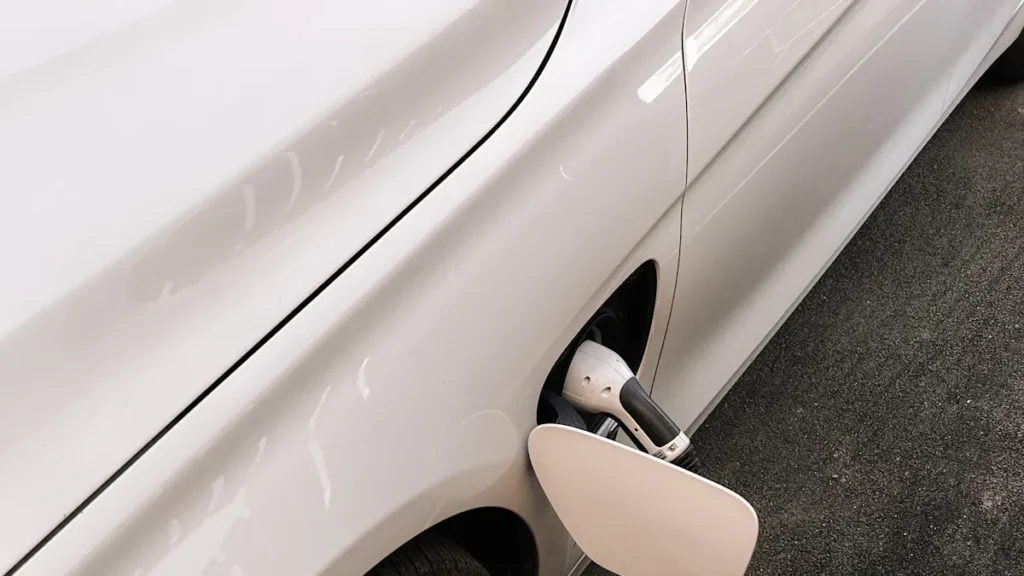

EV owners can indeed plug my EV into a standard wall socket. This method, known as Level 1 charging, utilizes a regular outlet and cargadores portátiles para vehículos eléctricos for convenience. However, this is the slowest form of charging available. It’s best reserved for emergencies or occasional top-ups rather than daily use.
Nota: While a standard plug offers accessibility, the market trend leans toward speed. DC Fast Charging already accounts for over 52% of the global Cargador EV market. Technologically advanced Fabricantes de cargadores para VE, like TPSON, provide a range of Soluciones de recarga de vehículos eléctricos to meet this demand for faster, more efficient charging. Using a normal socket to charge an EV remains a backup, not a primary, solution.
What Does It Mean to Charge an EV with a Normal Socket?
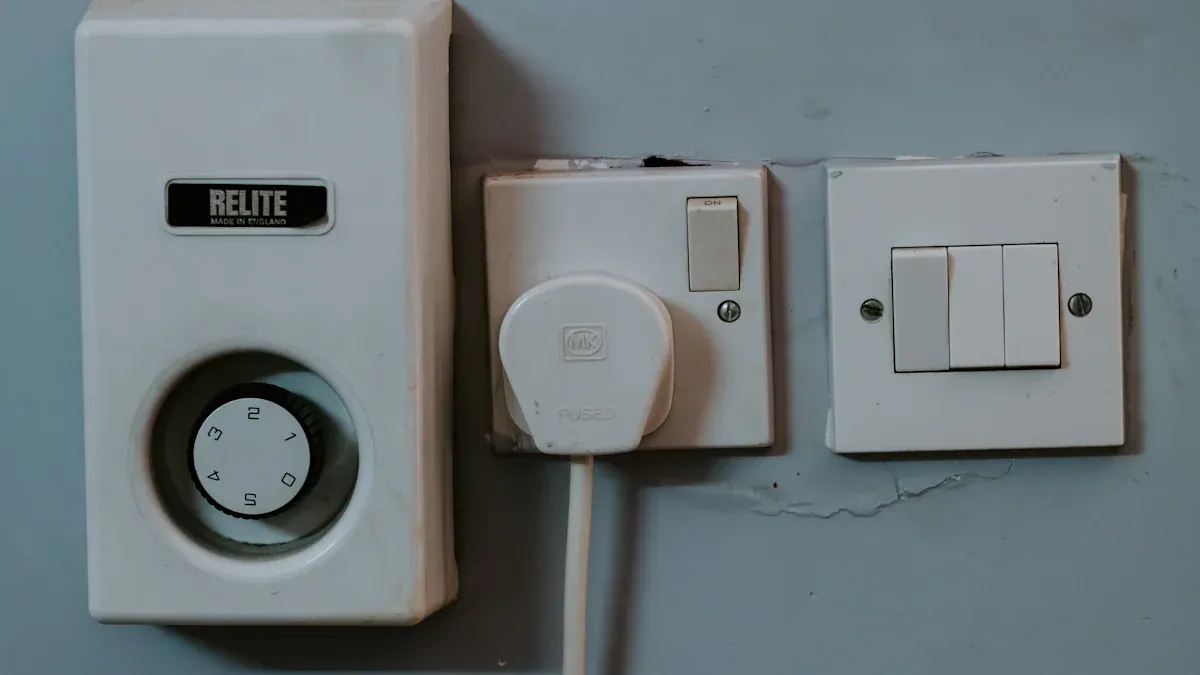
Charging an EV with a normal socket involves using the standard electrical outlet found in any home. This method, officially known as Level 1 charging, is the most basic way to power an electric vehicle. It requires no special installation. An owner simply uses a cable de carga portátil to connect their car to a regular wall socket. While convenient, this approach provides the slowest charging speed available.
Understanding Level 1 Charging Basics
La Toma Doméstica Estándar de 120 Voltios
The foundation of Level 1 charging is the common 120-volt household socket. This is the same domestic plug socket you use for lamps and laptops. The process of charging at a household socket uses a standard three-pin plug, making it universally accessible. This accessibility is the primary advantage of home socket charging. However, this type of outlet was not designed for the heavy, continuous power demands of charging an electric car.
The Mobile Connector Cable Your EV Comes With
Most electric vehicles come with a conector móvil. This essential cable acts as the bridge between a regular outlet and the vehicle’s charging port.
- Function: It manages the flow of electricity from the socket to the car.
- Components: The cable includes a standard three-pin plug on one end and a connector that fits your EV on the other.
- Seguridad: It contains built-in safety features that communicate with the EV to ensure a safe, albeit slow, charging session.
Consejo profesional: Always use the manufacturer-provided cable for Level 1 charging. Technologically advanced EV charger manufacturers, like TPSON, design dedicated charging solutions that offer superior speed and safety compared to a normal socket.
How the Charging Process Works
Converting AC Power from Your Wall to DC for Your Battery
Your home’s electrical system supplies Alternating Current (AC). An EV battery, however, can only store Direct Current (DC). The charging process requires a conversion. When you plug my EV into a household socket, the car’s onboard charger performs this critical task. It takes the AC power from the outlet and transforms it into DC power to store in the battery. This conversion process itself consumes some energy, which affects overall efficiency.
Why Power Draw Is Limited on a Regular Outlet
A regular outlet is part of a circuit shared with other outlets and lights in your home. These circuits have circuit breakers that limit the total power draw to prevent overloads.
The sustained energy demand of charging an electric car can strain this system. To prevent tripping breakers or overheating the socket, the mobile connector deliberately limits the amount of power it draws. This safety-first approach is why charging from a normal socket is so slow. The limited power draw protects your home’s wiring but significantly extends the time needed to charge an electric car. This makes charging at a household socket a lengthy process.
How Slow Is Charging with a Regular Outlet?
Using a regular outlet to charge an electric car is a lesson in patience. The process is notoriously slow because a standard household socket was never designed for the sustained, high-power demands of an EV. This method provides only a trickle of energy, making it impractical for most daily driving needs.
Charging Speed Explained in Simple Terms
Gaining Miles of Range Per Hour
Charging speed is often measured in the number of miles of range added per hour. When charging an electric car with a regular outlet, the gains are minimal. A standard 120-volt outlet typically delivers between 1 to 1.8 kilowatts (kW) of power. This low power output translates to a slow recovery of driving range.
A Slow Trickle: An EV owner can expect to add only De 3 a 5 millas de autonomía por cada hora of charging with a normal socket. An overnight charging session of 8 hours might only add 24 to 40 miles, which is often insufficient to replenish the energy used during a typical day’s commute.
Factors That Affect Charging Speed
Several variables can influence the actual speed of Carga de nivel 1. The “3 to 5 miles per hour” figure is an average, and real-world results may vary. Key factors include:
- Battery State of Charge: An EV battery charges faster when it is nearly empty and slows down significantly as it approaches 100%.
- Ambient Temperature: Extreme cold or heat can cause the vehicle’s battery management system to reduce charging speed to protect the battery cells.
- Battery Size: A larger battery will naturally take longer to charge than a smaller one at the same power level.
- Onboard Charger Efficiency: The car’s internal charger, which converts AC power to DC, has its own efficiency rating that affects the overall charging process.
Ejemplos reales de tiempo de carga
To understand the practical implications of this slow charging speed, it helps to look at specific examples with popular EV models. The time required to fully charge an electric car from a regular outlet can be staggering.
Time to Fully Charge a 40kWh Battery (e.g., Nissan Leaf)
A vehicle with a smaller battery, like a Nissan Leaf with a 40kWh pack, still requires an extensive amount of time to charge using a normal socket. A full charge from empty is not an overnight task; it is a multi-day event.
| Método de carga | Estimated Time to Full Charge (from 0%) |
|---|---|
| Regular Outlet (120V) | Up to 60 hours |
This timeframe makes a regular outlet unsuitable for a primary charging solution. A driver could be without their car for more than two full days just to get a complete charge.
Time to Fully Charge a 75kWh Battery (e.g., Tesla Model 3 Long Range)
For an EV with a larger battery, such as a Tesla Model 3 Long Range with its 75kWh battery, the situation becomes even more challenging. The time needed for a full charge extends dramatically, highlighting the limitations of a standard outlet.
| Método de carga | Estimated Time to Full Charge (from 0%) |
|---|---|
| Regular Outlet (120V) | 36 to 40+ hours |
Waiting nearly two days for a vehicle to charge is simply not feasible for the average driver. This is why technologically advanced EV charger manufacturers, like TPSON, focus on providing faster and more reliable EV charging solutions. These dedicated systems bypass the severe limitations of charging from a standard socket.
Is It Safe to Plug My EV Into a Normal Socket?
While an owner can technically plug my EV into a normal socket, the question of safety is paramount. Using a regular outlet for Level 1 charging introduces electrical risks that are not present with dedicated charging stations. Standard home wiring was not designed to handle the heavy, continuous load required for charging an electric car. This mismatch creates significant safety concerns that every EV owner must understand.
The Potential Electrical Risks Involved
Overheating the Outlet and Plug
A standard domestic plug socket is designed for intermittent use with appliances like lamps or televisions. An EV, however, draws a large amount of power continuously for many hours. This sustained load can cause significant heat buildup. Continuous high-power charging through a regular outlet can cause temperatures to reach dangerous levels, potentially approaching 100°C. The plastic around the outlet and the three-pin plug can melt, deform, or scorch, indicating a severe and immediate hazard.
The Risk of an Electrical Fire from Sustained Use
Overheating is a direct precursor to an electrical fire. The intense heat generated during a long charging session can degrade the wiring insulation inside the wall and within the charging cable itself. Once this protective layer is compromised, a short circuit can occur, creating sparks that can easily ignite surrounding materials like drywall, insulation, or dust. These safety concerns make charging at a household socket a risky long-term strategy.
Strain on Older or Shared Home Wiring
Many homes, especially older ones, have wiring that is not equipped to handle the demands of EV charging. A regular outlet is often part of a shared circuit that also powers other outlets and lights.
- Shared Circuits: Running a high-draw appliance like an EV charger on a circuit with other devices can easily cause the circuit breaker to trip frequently.
- Older Wiring: Aging wiring may have degraded insulation or loose connections, making it more susceptible to overheating and failure under a heavy, sustained load. This constant strain can accelerate the wear and tear on a home’s entire electrical system.
Safety Best Practices for Level 1 Charging
An owner who must use a normal socket for occasional charging should follow strict safety protocols to minimize risks. These practices are essential for protecting both the vehicle and the home.
Why You Should Use a Dedicated Circuit
The safest way to use a household socket for charging is to ensure it is on a dedicated circuit. This means the outlet has its own circuit breaker in the electrical panel and is not shared with any other outlets or fixtures. A dedicated circuit prevents overloading and ensures the EV has access to the full, stable power the circuit can safely provide. For any EV charging installation, compliance with safety standards like the Código Eléctrico Nacional (NEC) is mandatory to ensure safe operation.
Never Use a Standard Household Extension Cord
It is critically dangerous to use a standard indoor or outdoor extension cord to connect an EV to an outlet. These cords are not thick enough to handle the amperage and duration of EV charging. They will overheat quickly, creating a significant fire risk. If an extension is absolutely necessary, only a heavy-duty, EV-specific extension cord with the proper wire gauge and safety certifications should be used.
How to Inspect Your Outlet for Safety
Before you plug in your car, perform a quick visual inspection of the regular outlet. A safe outlet is crucial for safe charging.
Safety Checklist:
- Check for Damage: Look for any cracks, chips, or signs of melting on the outlet faceplate.
- Look for Discoloration: Brown or black marks around the plug slots are a clear sign of past overheating.
- Test the Fit: The charger’s plug should fit snugly into the socket. A loose connection can create electrical arcs and intense heat.
- Feel for Heat: After a short period of charging, the plug and outlet should not feel hot to the touch. Warm is acceptable, but hot is a warning sign.
When to Call an Electrician for an Inspection
If an outlet shows any signs of damage, or if a home is older, a professional inspection is necessary. A licensed electrician can assess the wiring, confirm if the outlet is on a dedicated circuit, and ensure everything complies with local codes and Código Eléctrico Nacional (NEC) guidelines. Consulting a professional is the best way to address any Level 1 charging safety concerns and get peace of mind. Technologically advanced providers like TPSON design dedicated EV charging solutions that bypass these risks entirely, offering a much safer and more efficient experience.
Pros and Cons of Using a Regular Outlet
Deciding whether to use a regular outlet for EV charging involves weighing its clear convenience against significant drawbacks. While the ability to plug in anywhere is appealing, owners must understand the full picture before relying on this method.
The Main Advantages
The benefits of Level 1 charging are centered on ease of use and cost avoidance. For some EV owners, these advantages make it a viable short-term or emergency option.
Unmatched Convenience and Accessibility
The primary benefit of using a regular outlet is its universal availability. An owner can find a standard socket almost anywhere, from a garage to a friend’s house. This accessibility provides a reliable backup charging plan.
- Charge Anywhere: The ability to plug my EV in at any location with a standard household socket offers great flexibility.
- Home Comfort: Charging at a household socket allows the process to happen in the safety and comfort of one’s own property.
- Simplicidad: It works much like charging a smartphone; an owner can simply plug the car in overnight.
Zero Upfront Installation Cost
Using a normal socket for charging requires no additional investment. Most electric vehicles include a cable conector móvil, so there is no need to purchase extra hardware or hire an electrician for a special installation. This makes Level 1 charging a practical and cost-effective solution for new EV owners who are not yet ready to commit to a dedicated charger. Home electricity rates are also often lower than public charging fees, adding to the cost savings.
The Significant Disadvantages
Despite the convenience, the downsides of using a regular outlet are substantial. These drawbacks make it an impractical primary solution for most drivers.
Extremely Slow Charging Speeds
The most significant disadvantage is the incredibly slow charging speed. Gaining only a few miles of range per hour makes it difficult to replenish a battery after a typical day of driving. This slow pace can cause “range anxiety” and limit the usability of the electric car.
Potential Safety and Fire Hazards
Sustained, high-power charging places immense strain on a normal socket and home wiring. This creates serious risks that cargadores dedicados are designed to prevent.
Advertencia: A regular outlet was not built for the continuous load of an EV. This can lead to the outlet overheating, melting of the plug, and a genuine risk of an electrical fire.
Lower Energy Efficiency and Higher Costs Over Time
Level 1 charging is the least efficient way to power an EV. During the long charging session, the car’s onboard electronics must remain active, consuming power that never reaches the battery. This energy loss, known as “vampire drain,” means an owner pays for more electricity than the car actually stores. Over time, this inefficiency can lead to higher electric bills compared to faster, more efficient charging methods.
Calculating the Cost of Charging Your Electric Vehicle at Home
Understanding the cost of charging your electric vehicle is simpler than most people think. The final price depends on two main factors: the size of the car’s battery and the price of electricity from a local utility. Calculating this cost helps an EV owner budget effectively for charging at home.
How to Figure Out Your Electricity Cost
An owner can determine the expense of charging an electric car with a straightforward calculation. It requires knowing the battery’s capacity and the local electricity rate.
Understanding Kilowatt-Hours (kWh) and Your Battery Size
A kilowatt-hour (kWh) is a unit of energy. An EV battery’s size is measured in kWh, similar to how a gasoline car’s tank is measured in gallons. To find the cost of a full charge, an owner multiplies the battery size by the electricity rate.
Simple Formula:
Battery Size (in kWh) × Electricity Rate (per kWh) = Cost for a Full Charge
How to Find Your Local Utility Rate
An owner can find the electricity rate on their monthly utility bill, usually listed as a price per kWh. While rates vary by location, the average residential electricity rate is often between 15 and 17 cents per kilowatt-hour. Some utilities offer Time-of-Use (TOU) plans, which directly impact charging costs.
- Off-Peak Savings: These plans offer lower rates during off-peak hours, typically overnight. Scheduling EV charging during these times significantly reduces costs.
- Peak Hour Costs: Charging during peak demand hours, like late afternoons, results in higher expenses.
- Estabilidad de la red: This pricing encourages charging when grid demand is low.
A smart meter is necessary for a home to use a TOU plan, as it tracks when the energy is consumed.
Comparación de los costes de carga del Nivel 1 y el Nivel 2
The charging method an owner chooses also influences the total cost due to differences in energy efficiency. Faster charging is often more efficient.
The Hidden Cost of Lower Charging Efficiency
Level 1 charging is the least efficient method. The long charging duration means the vehicle’s onboard systems run for many hours, consuming power that never reaches the battery. This wasted energy adds to the electric bill.
| Nivel de carga | Eficiencia típica | Pérdida de energía |
|---|---|---|
| Nivel 1 (120V) | ~88% | ~12% |
| Nivel 2 (240V) | ~92% | ~8% |
This table shows that with Level 1 charging, approximately 12% of the electricity pulled from the wall is lost. A more efficient Level 2 charger reduces that loss.
A Look at the Long-Term Financial Impact
While the inefficiency of a single charging session may seem small, the costs accumulate over the lifetime of the electric vehicle. The wasted energy from consistently using a slow, inefficient method translates to a higher total cost of ownership. Technologically advanced providers like TPSON design dedicated EV charging solutions with smart features that can schedule charging for off-peak hours, maximizing both efficiency and cost savings.
The Recommended Solution: A Dedicated Level 2 Charger
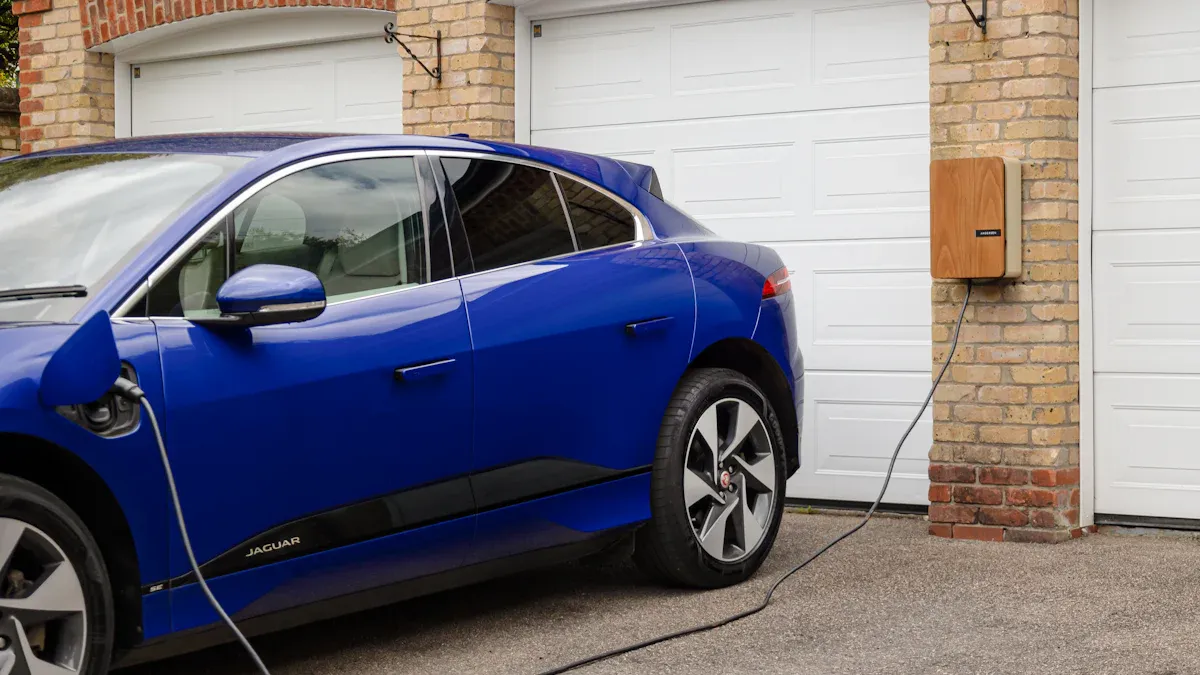
For most electric vehicle owners, the optimal solution for home charging is a dedicated Cargador de nivel 2. This device, commonly known as a wallbox, is professionally installed and offers a significant upgrade in speed, safety, and convenience over a standard outlet. It transforms the charging experience from a slow trickle to an efficient, overnight process.
What Is a Level 2 Home Charger?
A Level 2 charger is a purpose-built piece of equipment designed specifically for charging an electric car. Technologically advanced providers like TPSON engineer these systems for robust, daily use.
How It Differs from a Normal Socket
Unlike a multi-purpose household socket, a dedicated home wallbox is a fixed installation. An electrician hardwires the unit directly into the home electrical panel. This direct connection eliminates the risks associated with overloading shared circuits. The wallbox is built to handle a continuous high-power draw safely for many hours, a task a regular outlet was never designed to perform.
The Power of a 240-Volt Connection
A wallbox uses a 240-volt connection, similar to what powers large appliances like an electric stove. This higher voltage allows the wallbox to deliver significantly more power to the EV. Fast AC charging delivers power in a much wider range than a standard socket.
| Tipo de cargador | Potencia (kW) |
|---|---|
| Estándar AC | 3.5 to 7 |
| Fast AC | 7 to 23 |
A typical single-phase charger can deliver up to 7.7kW, making it a powerful tool for any EV owner.
Key Benefits of Upgrading Your Home Charging
Upgrading to a Level 2 wallbox provides three primary advantages that greatly enhance the electric vehicle ownership experience.
Drastically Faster Charging Times (Overnight Full Charge)
The most noticeable benefit is the dramatic reduction in charging time. Charging with a wallbox is significantly faster.
A Real-World Comparison: A batería de VE de 60 kWh podría llevar más de 20 horas to charge from empty using a regular outlet. In contrast, a typical 7.4 kW Level 2 charger can fully charge the same car in just 6-8 hours, easily accomplished overnight.
Built-In Safety Features for Peace of Mind
A modern wallbox comes equipped with multiple layers of built-in safety features. These systems constantly monitor the charging session for issues like overcurrent, overheating, and ground faults. This active protection provides peace of mind that a standard outlet cannot offer, ensuring a safe charge every time.
Access to Smart Features like Off-Peak Scheduling
Many Level 2 chargers offer smart capabilities, turning the device into an intelligent energy management tool. Charging with a wallbox can be both cheaper and greener. Key features often include:
- Cost Optimization: The system can schedule charging to occur during off-peak hours when electricity rates are lowest.
- User Control: An owner can use a smartphone app to set charging goals, such as a target battery percentage or a specific completion time.
- Equilibrio de la red: The charger can intelligently manage charging times to help reduce stress on the local power grid.
Cómo instalar un cargador de nivel 2
Instalar un cargador dedicado de nivel 2, o wallbox, es un proceso sencillo que garantiza una carga doméstica rápida y segura. Seguir una serie de pasos claros ayuda al propietario de un vehículo eléctrico a realizar una transición fluida desde un enchufe estándar a una solución potente y dedicada.
El proceso de instalación paso a paso
Cómo elegir el cargador adecuado para su vehículo eléctrico y su hogar
Seleccionar el wallbox correcto es el primer paso crítico. El propietario debe considerar varios factores para asegurarse de que el cargador satisface sus necesidades.
- Velocidad de carga: Los cargadores se clasifican en kilovatios (kW). Un wallbox de 7 kW puede cargar completamente un vehículo eléctrico típico durante la noche, mientras que los modelos de mayor potencia ofrecen velocidades aún más rápidas.
- Compatibilidad: El conector del cargador debe coincidir con el puerto del vehículo. La mayoría de los vehículos eléctricos modernos utilizan un tipo de conector estándar.
- Características inteligentes: Proveedores tecnológicamente avanzados como TPSON ofrecen un wallbox con funciones como la programación remota mediante una aplicación. Esto permite al propietario aprovechar las tarifas eléctricas más económicas en horas de menor demanda.
- Preparación para el futuro: Elegir un cargador que pueda manejar niveles de potencia más altos garantiza que seguirá siendo útil para futuros modelos de vehículos eléctricos.
Encontrar y contratar a un electricista cualificado
Una instalación segura requiere un electricista cualificado. Este profesional evaluará el sistema eléctrico del hogar, asegurará que el cuadro eléctrico pueda soportar la carga e instalará el wallbox de acuerdo con todos los códigos de seguridad. Su experiencia es esencial para una configuración de carga segura y fiable.
Gestionar los permisos y las inspecciones finales
La mayoría de las zonas requieren un permiso del gobierno local o del departamento de construcción para instalar una estación de carga para vehículos eléctricos.
El instalador suele gestionar todo el proceso de solicitud del permiso. Esto garantiza que la instalación cumpla con todas las normativas de construcción. Pueden ser necesarios permisos especiales para propiedades en zonas protegidas o para edificios catalogados.
Comprender el coste total de la instalación
En El coste total de la carga con un wallbox incluye tanto el hardware como la mano de obra profesional.
Desglose de los costes de hardware y mano de obra
El precio final consta de dos partes principales: el coste de la unidad wallbox en sí y la tarifa de mano de obra del electricista. Los costes de mano de obra pueden oscilar entre varios cientos y más de mil dólares, dependiendo de la complejidad de la instalación. Una instalación sencilla cerca del cuadro eléctrico costará menos que una que requiera un cableado extenso.
Encontrar posibles reembolsos e incentivos fiscales
Muchos gobiernos y empresas de servicios públicos locales ofrecen incentivos financieros para fomentar la instalación de cargadores domésticos. Estos programas pueden reducir significativamente el coste total. Un propietario debe investigar los reembolsos o créditos fiscales disponibles en su zona. Estos incentivos hacen que la actualización a un wallbox de nivel 2 sea una decisión financiera aún más atractiva.
Técnicamente, un propietario puede conectar su vehículo eléctrico a un enchufe normal, pero este método es mejor reservarlo para emergencias. La baja velocidad de un enchufe normal hace que sea poco práctico cargar un vehículo eléctrico a diario. El uso continuado de un enchufe normal también conlleva riesgos de seguridad, ya que este tipo de toma no fue diseñada para una carga tan elevada.
Para una experiencia de propiedad rápida, segura y conveniente, invertir en un cargador dedicado de un proveedor tecnológicamente avanzado como TPSON es la opción superior. Garantiza una carga fiable desde un enchufe dedicado. En última instancia, un enchufe normal es un respaldo, no una solución principal; el conector para un enchufe normal no es ideal para este propósito.
PREGUNTAS FRECUENTES
¿Es más económico cargar un vehículo eléctrico con un enchufe normal?
El coste inicial es cero, ya que no se necesita instalación. Sin embargo, este método es menos eficiente energéticamente. Con el tiempo, el propietario paga por más electricidad desperdiciada, lo que hace que los métodos de carga más rápidos sean más económicos a largo plazo.
¿Puedo usar un cable de extensión con mi cargador móvil?
Un propietario nunca debe usar un cable de extensión doméstico estándar para cargar un vehículo eléctrico. Estos cables no están clasificados para el consumo de energía sostenido y crean un riesgo significativo de incendio por sobrecalentamiento.
¿Con qué frecuencia puedo usar un enchufe normal para cargar mi coche?
Un propietario solo debe usar un enchufe normal para emergencias o recargas ocasionales. Las bajas velocidades y los posibles problemas de seguridad lo convierten en una solución poco práctica y arriesgada para la carga diaria habitual.
¿Cuál es el principal riesgo de cargar con un enchufe normal?
El riesgo principal es un incendio eléctrico. Un enchufe normal enchufe normal puede sobrecalentarse bajo la carga continua y elevada de un vehículo eléctrico. Esto puede derretir el enchufe y la toma, creando un peligro grave.
¿Por qué es mejor un cargador dedicado de nivel 2?
Un cargador de nivel 2 es significativamente más rápido y seguro. Proveedores tecnológicamente avanzados como TPSON diseñan estos sistemas con protecciones de seguridad integradas y funciones inteligentes, garantizando una carga fiable y eficiente cada vez.
¿Cargar con un enchufe normal daña la batería de mi vehículo eléctrico?
No, Carga de nivel 1 No daña la batería del vehículo. El sistema de gestión de baterías a bordo del coche regula el flujo de energía para protegerla. Los riesgos de seguridad están asociados con el enchufe y el cableado eléctrico del hogar, no con el coche.




