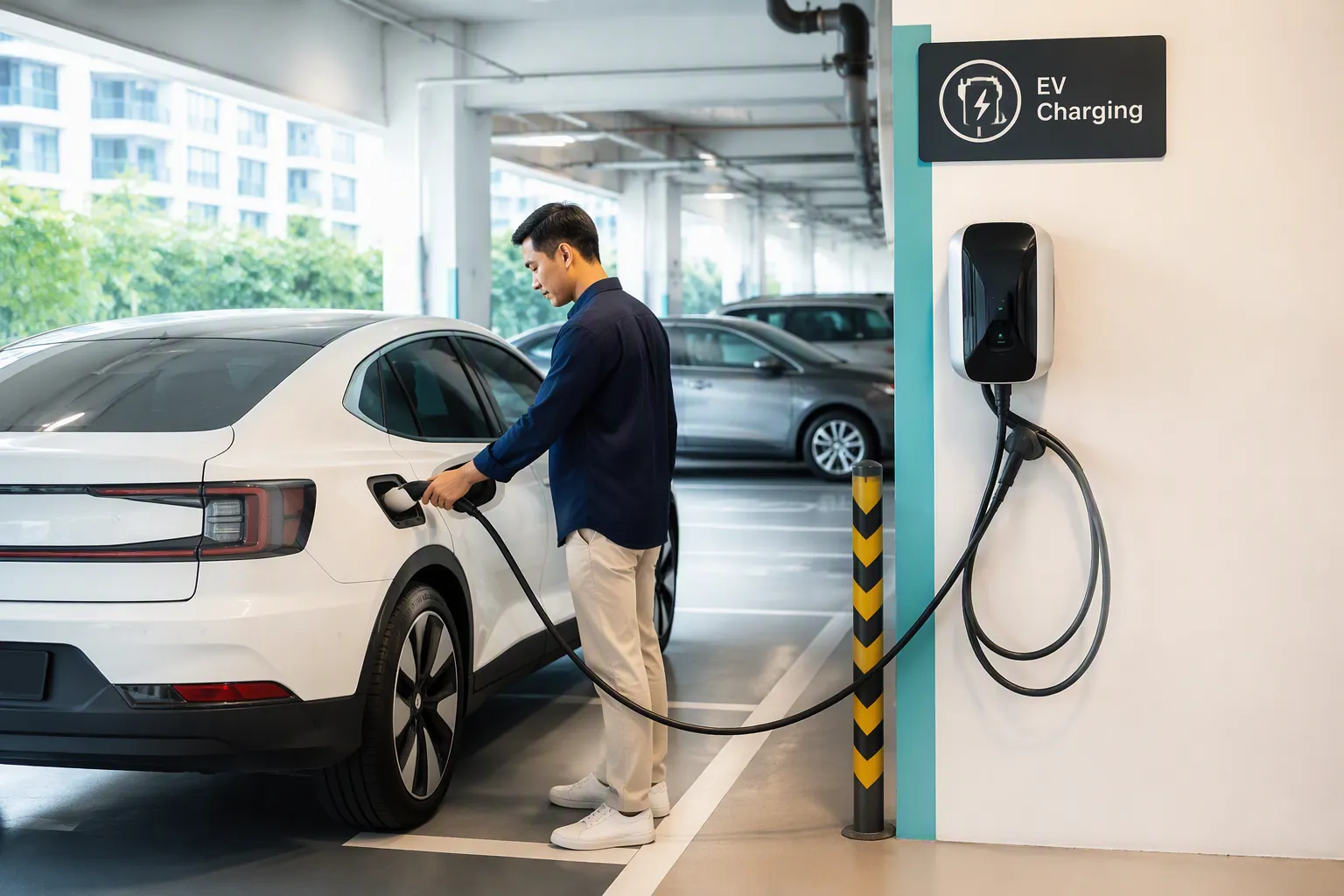
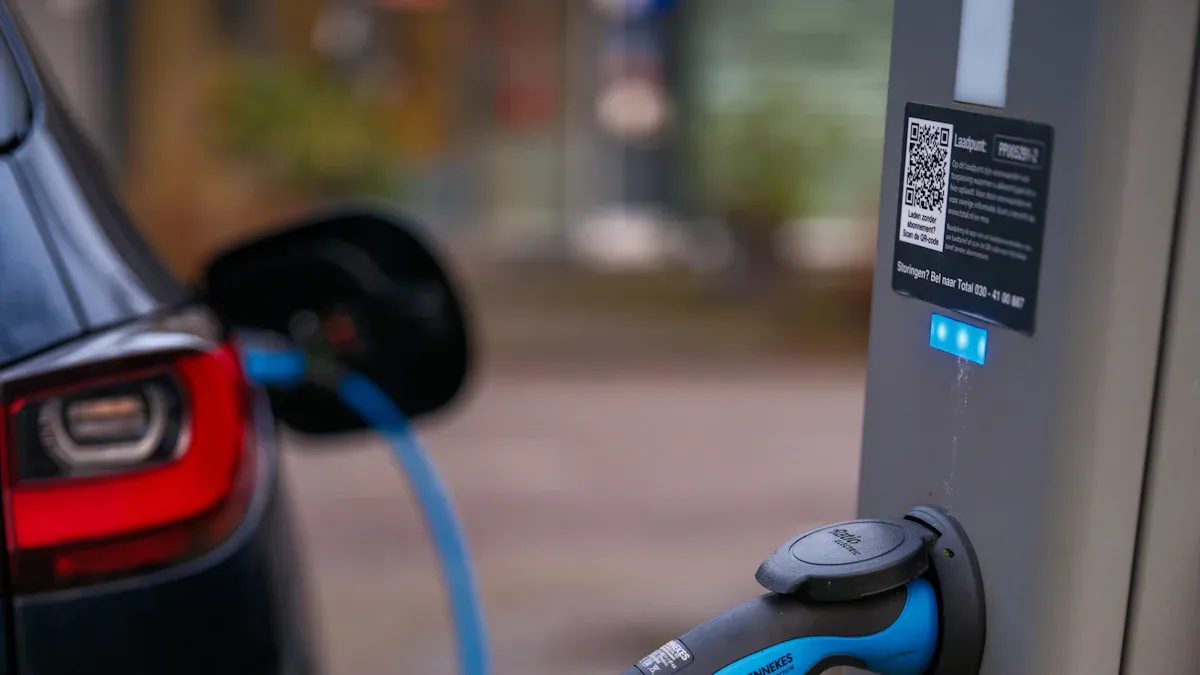
Electric car fast chargers provide a secure and efficient way to recharge electric vehicles. Rapid EV chargers use advanced systems that meet strict safety standards set by EV charger manufacturers. Drivers benefit from automatic monitoring features in every EV Charger, which help prevent accidents. The safety of these charging solutions relies on proper use and adherence to guidelines. Understanding how these systems function protects both the vehicle and its battery.
Electric Car Fast Chargers: How They Work and Ensure Safety
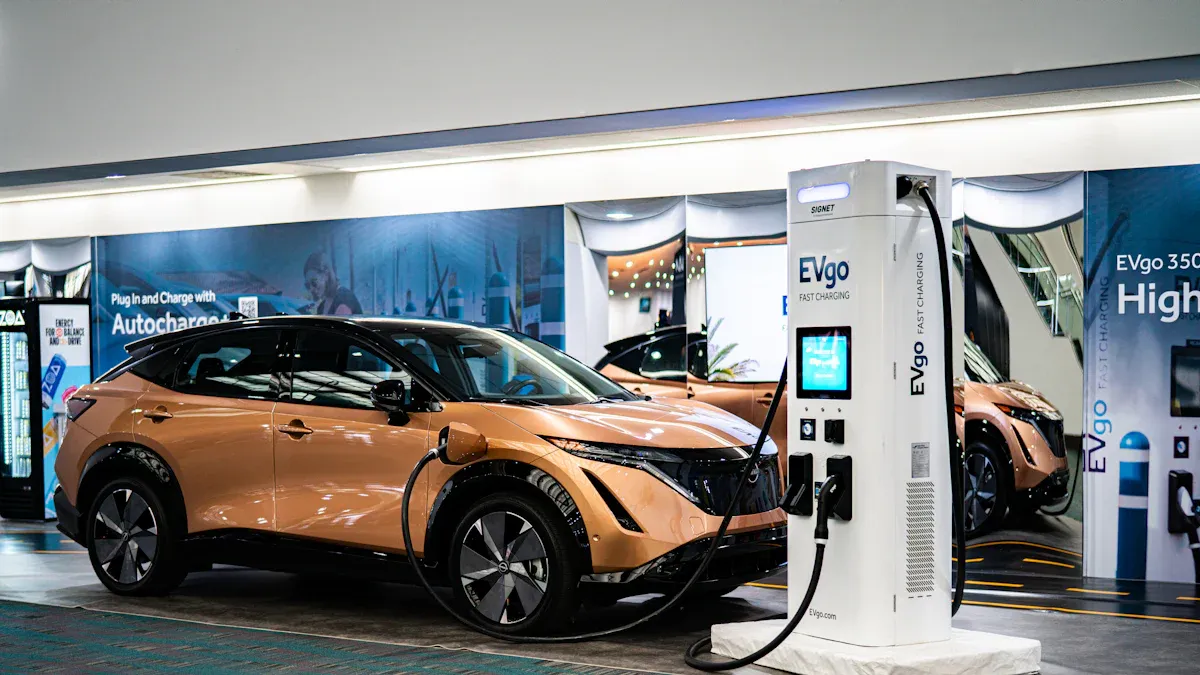
What Makes Fast Chargers and Rapid EV Chargers Different
Power Levels and Charging Speed
Electric vehicle owners often encounter both fast chargers and rapid EV chargers at public charging locations. These two types of chargers differ in power output, voltage, and current, which directly affect charging speed. Fast chargers typically deliver between 7kW and 22kW of power, making them suitable for longer stops or overnight charging. Rapid EV chargers, on the other hand, provide much higher power—ranging from 50kW up to 400kW. This significant increase in power allows rapid charging to replenish an EV battery much faster, often reaching 80% capacity in less than an hour.
| Charger Type | Power Output | Voltage Range | Current Range |
|---|---|---|---|
| Fast Charger | 7kW – 22kW | Lower than Rapid | Typically lower than Rapid |
| Rapid Charger | 50kW – 400kW | 480V (DC) | 100 – 400 amps |
Fast chargers operate at lower voltages compared to rapid chargers, which use 480 volts for rapid charging. This technical difference explains why rapid EV chargers can deliver energy to the battery at a much highe fr rate.
Types of Electric Car Fast Chargers (Level 3, DC Fast Charging)
Level 3 chargers, also known as DC fast charging stations, represent the most advanced public charging technology available today. These stations convert AC power from the grid into DC power, which the vehicle’s battery can accept directly. This process bypasses the car’s onboard charger, resulting in much faster charging times. DC fast charging stations are commonly found along highways and in urban centers, providing a convenient solution for drivers who need to recharge quickly during long trips or busy days.
Built-In Safety Features of Fast Chargers
Automatic Shutoff and Overload Protection
Manufacturers design electric car fast chargers with multiple layers of protection to ensure user and vehicle safety. Automatic shutoff prevents overcharging by stopping the flow of electricity once the battery reaches full capacity. Overload protection guards against excessive current, which could otherwise cause overheating or damage to the battery and electrical system.
| Protective Measure | Description | Impact on Safety and Reliability |
|---|---|---|
| Battery Energy Storage System | Reduces power fluctuations during fast EV charging | Enhances stability of power supply |
| Flywheel Energy Storage | Provides quick response to charging power needs | Protects against voltage drops |
| Superconducting Magnetic Energy Storage | Damps fluctuations in dc-bus voltage | Improves voltage stability |
| Hydrogen Energy Storage | Compresses hydrogen during low demand, releases during high demand | Reduces oscillations in voltage |
| Central Grid Energy Storage | Stabilizes bus voltage during high power demand | Ensures consistent power delivery |
| Battery as Buffer | Operates between ac bus and EV charger to reduce voltage fluctuations | Mitigates disturbances in power quality |
Engineers also use advanced circuit breakers, such as thermal-magnetic and magnetic-hydraulic types, to respond quickly to overloads or short circuits. These systems help maintain a stable and reliable charging environment at every fast charging station.
Temperature Monitoring and Thermal Management
Temperature monitoring plays a crucial role in the safety of fast chargers. Sensors continuously track the temperature of both the charger and the vehicle’s battery during charging. If the system detects excessive heat, it can slow down or stop the charging process to prevent damage. Thermal management systems, including cooling fans and heat sinks, further protect sensitive components from overheating. This careful control of temperature reduces the risk of battery wear and electrical hazards.
Communication with Vehicle Systems for Safety
Modern fast chargers communicate directly with the vehicle’s onboard systems to coordinate safe and efficient charging. This communication ensures that the charger delivers the correct voltage and current for the specific battery type. The system can detect faults, such as ground leaks or connection issues, and will immediately halt charging if a problem arises. Smart charging technology also adjusts charging parameters in real time, prioritizing safety, efficiency, and battery health.
Tip: Always check the charging cable and connector for visible damage before starting a session. A quick inspection helps prevent electrical hazards and ensures a safe connection.
Electric car fast chargers incorporate several safety mechanisms to prevent accidents. These include surge protection to shield against electrical shocks, overcurrent and overvoltage protection to avoid battery damage, and ground fault protection to detect any leakage of electricity. Temperature monitoring and automatic shutoff further enhance safety by preventing overheating and unnecessary power consumption.
Electric Car Charging Safety: Personal Protection While Charging

Safe Handling of Charging Equipment
Proper Plugging and Unplugging Techniques
Drivers should always handle charging equipment with care to maintain electric car charging safety. When plugging in the connector, they should align it with the vehicle’s port and insert it smoothly without forcing it. Removing the connector requires pressing the release button and pulling the plug straight out. This method prevents damage to both the cable and the vehicle’s charging port.
Tip: Never force the plug into the socket. If resistance occurs, check for obstructions or alignment issues before proceeding.
Industry standards highlight the importance of not re-closing devices onto hazardous conditions and monitoring voltage during charging. The table below summarizes key regulations:
| Regulation | Description |
|---|---|
| 722.411.4.1 (iii) | Devices must not re-close onto hazardous conditions they are intended to detect. |
| 722.411.4.1 (iv) | Devices suitable for single-phase supplies must monitor line to neutral voltage. |
| 722.411.4.1 (i) | Direct connection of EV charging equipment to PME earthing terminal is permitted under balanced loading conditions. |
Checking for Damaged Cables or Connectors
Before every charging session, users should inspect the plug and cables for visible signs of wear or damage. Frayed wires, cracked insulation, or bent pins can compromise safety. If any damage appears, the user should avoid using the equipment and report the issue to the charging station operator or a qualified technician.
- Simultaneous contact between exposed conductive parts and PME earthing systems can pose safety risks.
- Risk of striking buried services exists when installing earth electrodes.
- Adequate separation between TT earth electrodes and buried metalwork remains crucial for safety.
Electrical Safety Precautions with Fast Chargers
Grounding and Insulation
Proper grounding and insulation form the foundation of electric car charging safety. Charging stations must use a properly grounded outlet to prevent electrical hazards. Insulation around cables and connectors protects users from accidental contact with live parts. The direct connection of charging equipment to PME earthing terminals is only safe under balanced loading conditions, as outlined in industry regulations.
What to Do in Case of Malfunction or Emergency
If a malfunction occurs during charging, users should stop the session immediately and unplug the equipment if it is safe to do so. They should avoid touching any exposed wires or damaged components. In case of overheating, smoke, or unusual smells, users must move away from the vehicle and contact emergency services or the charging provider.
The following steps help maintain safety during every charging session:
- Inspect the plug and cables regularly for damage.
- Monitor the plug for overheating.
- Use a properly grounded outlet.
- Never force the plug into the socket.
- Keep the charger and plug dry.
- Avoid using extension cords.
- Unplug the charger when not in use.
- Follow manufacturer guidelines for charging.
Note: Maintain a clear area around the charging station and avoid overcharging the vehicle. Installing a surge protector can further protect the charging system from power surges.
By following these precautionary measures, drivers can ensure a safe and reliable charging experience every time.
Fast Chargers and Battery Health: What You Need to Know
Impact of Fast Charging on Battery Longevity
Heat Generation and Battery Wear
Fast charging generates more heat than standard charging. When an electric vehicle battery charges rapidly, the internal temperature can rise quickly. Elevated temperatures, especially above 85°F (29°C), can reduce battery efficiency and shorten its lifespan. Heat accelerates chemical reactions inside the battery, which leads to faster degradation. If the battery temperature exceeds 40°C during rapid charging, the degradation rate can increase by up to 40% compared to standard charging cycles.
- Elevated temperatures can significantly reduce battery efficiency and longevity.
- Fast charging generates additional heat, compounding stress on the battery and leading to potential chemical instability.
- Excessive heat during charging can reduce charging efficiency, causing energy loss as heat and further stressing battery cells.
- The cumulative effects of heat and high state of charge operation lead to overall battery degradation, reducing driving range and performance.
Battery management systems in modern electric vehicles monitor temperature and adjust charging rates to maintain safety. However, repeated exposure to high temperatures still increases the risk of permanent capacity loss. Drivers should avoid charging immediately after long drives when the battery is already warm.
Frequency of Using Fast Chargers vs. Regular Charging
The frequency of using electric car fast chargers plays a major role in battery health. Charging habits directly impact how much the battery degrades over time. Recent studies show that frequent use of rapid EV chargers—such as five or more times per week—can lead to a 22% drop in average battery capacity over three years. In contrast, drivers who use a mix of fast and regular charging see only a 10-12% drop in the same period.
| Charging Habit | Average Battery Capacity Drop | Duration |
|---|---|---|
| Fast charging 5+ times per week | 22% | 3 years |
| Mixed charging habits (private EVs) | 10-12% | 3 years |
Frequent fast charging does not allow the battery enough time to cool down and equilibrate. This pattern compounds the risk of permanent capacity loss. Experts recommend limiting ultra-fast charging to less than 40% of total sessions to preserve battery health. For daily use, regular AC charging remains the best option for most electric vehicle owners.
Tip: Use rapid charging primarily for long trips or when short charging time is essential. Rely on regular charging for daily needs to extend battery life.
Myths and Facts About Battery Degradation
Manufacturer Data and Real-World Studies
Many drivers believe that rapid charging always damages the battery. However, modern battery management systems help protect battery health by controlling temperature and charging speed. Manufacturers provide warranties for at least eight years or 120,000 kilometers, but some warranties exclude coverage for frequent ultra-fast charging. Research shows that ultra-fast charging above 120kW can reduce cycle life by 40% compared to slow charging. Ride-hailing drivers who use rapid EV chargers frequently report battery health dropping from 100% to 85% within two years.
| Aspect | Details |
|---|---|
| SOH Estimation | Accurate evaluation of state of health (SOH) is crucial for battery longevity and safety. |
| Fast Charging Impact | Fast charging can increase battery aging due to higher polarization and risk of lithium plating. |
| Warranty Conditions | Manufacturers typically offer warranties covering battery health down to 70-80% within 8 years. |
| Complexity of Aging | Battery aging is influenced by electrochemical reactions and operational conditions, complicating SOH estimation. |
| Machine Learning Techniques | ML is being used to model degradation trends and improve SOH estimation accuracy. |
Manufacturers use advanced technology, including machine learning, to monitor battery health and predict aging trends. Accurate state of health (SOH) estimation helps maintain safety and performance throughout the battery’s life.
Recognizing Signs of Battery Health Issues
Drivers should watch for signs that indicate battery health problems. Reduced driving range, longer charging time, and frequent overheating during charging sessions may signal battery degradation. If the vehicle displays warnings about battery temperature or charging errors, owners should consult a certified technician.
Common myths about battery degradation often mislead electric vehicle owners. The table below clarifies some of these misconceptions:
| Myth | Explanation |
|---|---|
| Fast Charging Always Hurts the Battery | Fast charging can cause a slight increase in battery temperature, but modern BMS mitigate this risk. |
| More Kilowatts Equals Faster Charging | Charging speed is limited by the vehicle’s design and BMS, not just the charger’s kW rating. |
| Fast Charging is Suitable for All Situations | Fast charging is not always the best option; AC charging is often more suitable for daily use. |
| All EVs Charge at the Same Rate | Charging rates vary significantly among EV models due to differences in battery technology and design. |
Note: Not all electric vehicles respond to fast charging in the same way. Always follow manufacturer guidelines to ensure safety and optimal battery performance.
Manufacturer Guidelines for Electric Car Fast Chargers
Following Official Recommendations for Charging Safety
Where to Find Manufacturer Guidelines
Automakers provide detailed recommendations for charging your electric car in the owner’s manual and on official websites. These resources outline the safest ways to use electric car fast chargers and rapid charging stations. Drivers can also access expert advice about EV chargers through manufacturer support lines or certified dealership technicians. Following these recommendations helps ensure both safety and optimal battery performance.
Manufacturers typically advise drivers to:
- Unplug the charger shortly after reaching a full charge to prevent heat buildup.
- Recharge the battery when it drops to 20-30% instead of letting it drain completely.
- Avoid charging in hot environments, as high temperatures can damage the battery.
Tip: Always consult the latest manufacturer documentation before charging your EV, especially when using new charging equipment or public stations.
Warranty Considerations and Fast Charging
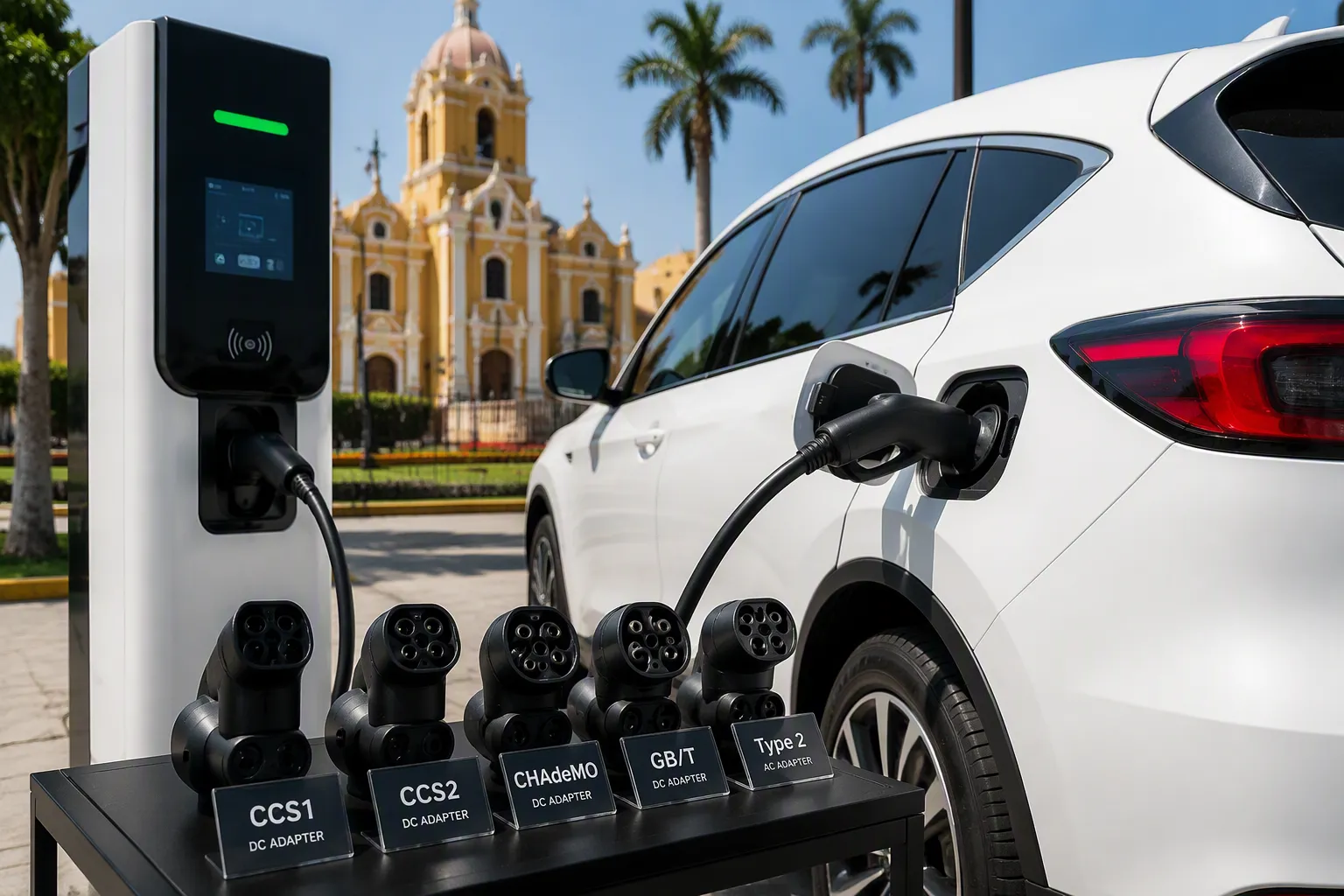
Warranty coverage for batteries and charging components depends on adherence to manufacturer protocols. Most electric vehicles use standardized charging protocols, such as CHAdeMO and CCS, to ensure compatibility and safety. Manufacturers usually provide warranties for eight years or more, as long as drivers use approved chargers and follow official guidelines.
| Aspect | Details |
|---|---|
| Standardized Charging Protocols | Modern EVs use protocols like CHAdeMO and CCS, ensuring safety and compatibility. |
| Manufacturer Warranties | Most manufacturers provide warranties covering batteries and charging components for 8+ years, as long as standardized chargers are used. |
Ignoring manufacturer recommendations or using non-approved chargers may void warranty coverage. Drivers should always verify that the charging station meets the automaker’s requirements before starting a session.
Best Practices for Using Fast Chargers
Everyday Use vs. Occasional Use of Rapid EV Chargers
Manufacturers recommend using Level 1 or Level 2 chargers for daily charging needs. These methods are gentler on the battery and help maintain long-term performance. Rapid charging should be reserved for emergencies or long trips when time is limited. Frequent use of rapid charging can increase heat production and stress the battery, leading to faster degradation.
- Maintain a 20-80% charge rule to prolong battery life.
- Use Level 3 chargers only when necessary, not as the primary charging method.
- Avoid fast charging immediately after long drives to prevent overheating.
Charging Habits for Battery Longevity
Consistent charging habits play a key role in battery health. Regular charging is generally safer for the battery than frequent rapid charging. Charging to high state-of-charge levels in a short time can accelerate battery wear. Drivers should avoid deep discharges and keep the battery within a moderate charge range.
- Charge batteries regularly to avoid deep discharges.
- Monitor battery health and keep software updated.
- Avoid exposing the battery to extreme temperatures.
- Utilize regenerative braking to reduce battery strain.
Note: Following these best practices, along with manufacturer recommendations, helps maximize battery lifespan and ensures safe operation of electric car fast chargers.
Electric Car Charging Safety in Different Environments
Weather and Environmental Conditions
Charging in Extreme Heat or Cold
Extreme temperatures can affect both the efficiency and safety of electric vehicle charging. In hot weather, battery management systems monitor temperature and may slow charging to prevent overheating. Thermal sensors inside chargers shut down the system if unsafe temperatures occur. Cold weather can reduce battery performance and increase charging time. Drivers should allow the battery to warm up before starting a session in freezing conditions. Chargers use weatherproof seals and enclosures to protect sensitive components from snow and ice.
Safety Tips for Rain, Snow, and Wet Conditions
“Charging your EV in the rain is safe as long as certain precautions are taken.”
Electric vehicle chargers are designed to withstand harsh weather. They meet waterproofing standards such as IP65 and IP67, which protect both the vehicle and the user. The following tips help ensure safe charging during wet conditions:
- Always use charging cords that are in good working order.
- Check that connections are not submerged in water.
- Follow manufacturer instructions for safe charging practices.
A variety of safety features support reliable operation in all environments:
| Safety Feature | Description |
|---|---|
| IEC 61851 | Guidelines for conductive charging systems in various environments. |
| SAE J1772 | Design and safety requirements for EV charging connectors. |
| NEC Article 625 | Requirements for installation and operation of EV charging stations, including GFCIs. |
| Water-resistant materials | Chargers are manufactured with weatherproof enclosures and waterproof connectors. |
| Surge protectors | Prevent voltage spikes during charging. |
| GFCIs | Automatically disconnect power if a breach occurs. |
| Thermal sensors | Shut down chargers if unsafe temperatures are detected. |
| Weatherproof seals | Protect charging ports from wet and snowy conditions. |
| Battery management systems | Monitor and control charging to prevent overcharging and thermal imbalances. |
Charging Locations and Fire Safety
Public Charging Stations vs. Home Fast Chargers
Charging locations influence the risk of fire and other hazards. Public charging stations often feature fire suppression systems and fire-resistant barriers to prevent the spread of fire between vehicles. Operators receive training to identify hazards and use suppression equipment effectively. Home fast chargers require proper installation and regular inspection to ensure safe operation.
| Fire Safety Measure | Description |
|---|---|
| Fire Suppression Systems | Essential for quickly extinguishing fires at charging stations. |
| Fire-Resistant Barriers | Helps prevent fire spread between vehicles, especially in high-density areas like multi-storey garages. |
| Aerosol Suppression Systems | Effective in unmanned or enclosed spaces, minimizing fire re-ignition and requiring little maintenance. |
| Compliance with Global Standards | Adhering to regulations like IEC 62443 ensures safety and reliability in EV charging systems. |
| Training and Awareness for Operators | Operators must be trained to identify fire hazards and operate suppression systems effectively. |
Charging in Enclosed Spaces and Fire Risk
Charging in enclosed spaces, such as garages or underground parking, requires extra precautions. All electrical wiring must comply with technical specifications for EV charging. The electrical supply should use dedicated circuits. Charging stations should be located away from combustible materials and hazardous installations, maintaining a minimum distance of 15 meters. Regular inspections and employee training further reduce fire risk.
Tip: Place charging stations externally or on rooftops when possible to improve ventilation and reduce hazards.
Tips for Safe and Efficient Use of Fast Chargers
Preparing Your Electric Car for Fast Charging
Checking Battery Level and Temperature
Drivers should always check the battery level and temperature before charging your electric car. A battery that is too hot or too cold may not charge efficiently. Most electric vehicles display battery temperature on the dashboard or within the vehicle’s app. Charging at moderate battery levels, ideally between 20% and 80%, helps maintain battery health and improves efficiency.
Inspecting Charging Equipment Before Use
A thorough inspection of charging equipment ensures safety and prevents unexpected issues. The following table outlines essential safety checks before starting a fast charging session:
| Safety Check Category | Specific Checks |
|---|---|
| Equipment Inspection | Inspect cable for damage, cracks, or exposed wires |
| Check connector for debris or corrosion | |
| Ensure charging station display shows no errors | |
| Verify station is not damaged or vandalized | |
| Vehicle Preparation | Park properly in the charging space |
| Turn off vehicle and engage parking brake | |
| Open charging port and check for obstructions | |
| Personal Safety on Site | Choose well-lit locations and keep cable slack tidy |
| Stay aware of surroundings and report suspicious equipment |
Tip: Incorporate fuses and circuit breakers within the charging system to prevent overloads and electrical fires.
During the Charging Session
Monitoring Charging Progress and Staying Nearby
Staying close to the vehicle during charging allows drivers to monitor progress and respond quickly to any issues. Most modern vehicles and charging stations provide real-time updates through displays or mobile apps. Drivers should activate the charging station using the required method, confirm the cable connection, and check the display for charging status. Monitoring both the vehicle and the charging station ensures a smooth process.
What to Watch for During Charging
Drivers must remain alert for warning signs that indicate potential problems. Watch for:
- Unusual odors or burning smells
- Visible sparks
- Excessive heat from the cable or connector
- Unusual sounds from the charging equipment or vehicle
- Error codes on the charging indicator
If any of these signs appear, stop charging your EV immediately and seek assistance from the charging provider or a qualified technician.
After Charging
Safely Disconnecting and Storing Cables
Proper disconnection and storage of charging cables prevent damage and maintain equipment longevity. Follow these steps:
- End the charging session using the designated method (screen, button, or RFID card).
- Release the locking mechanism if present.
- Remove the plug from the vehicle’s charging port with a firm grip.
- Turn off the power supply if applicable.
- Unplug the charging cable, avoiding pulling on the cable itself.
- Disconnect from the power source if necessary.
- Store the cable in a clean, dry place away from sharp objects.
Post-Charging Safety Checks
After charging, a few quick checks help ensure ongoing safety and equipment reliability:
- Use only manufacturer-approved charging equipment.
- Inspect cables and connectors for wear or damage.
- Ensure the charging area remains well-ventilated.
- Avoid using unauthorized accessories.
- Keep a fire extinguisher rated for electrical fires nearby.
- Follow all manufacturer guidelines for charging your electric car.
Note: Routine checks and proper handling of equipment support long-term safety and efficient charging.
Common Concerns and Misconceptions About Fast Chargers
Will Using Fast Chargers Void My Warranty?
Many electric vehicle owners worry that using fast chargers could void their warranty. Automakers set specific guidelines for warranty coverage, especially regarding the use of adapters or third-party equipment. Some users have reported being told by manufacturers, such as Ford, that using a non-approved adapter might void their warranty. However, the Magnuson-Moss Warranty Act protects consumers. This law states that a manufacturer cannot void a warranty unless they can prove that a non-factory part or accessory caused the problem. Many drivers question whether manufacturers can actually prove that a different adapter led to damage. This skepticism highlights the importance of understanding both the warranty terms and consumer rights.
- Some manufacturers warn against non-approved adapters.
- Federal law protects consumers from unfair warranty voiding.
- Manufacturers must prove that non-factory parts caused any damage.
Note: Always review the owner’s manual and use approved equipment to avoid disputes.
Are Fast Chargers Safe for Older Electric Cars?
Older electric vehicles may not have the same advanced battery management systems as newer models. Fast charging can create higher battery temperatures, which may accelerate battery wear and reduce performance over time. Charging at higher voltages can also speed up battery degradation, leading to a loss of capacity and range. Improper installation of charging stations increases the risk of safety hazards, especially for vehicles without modern protection features.
- Fast charging raises battery temperature in older vehicles.
- Higher voltages can cause faster battery degradation.
- Proper installation of charging stations is critical for older models.
Owners of older electric cars should consult their vehicle’s manual before using fast chargers. They should also ensure that any charging station meets the technical requirements of their vehicle.
Can Fast Chargers Cause Fires or Explosions?
Concerns about fires or explosions during fast charging sessions often arise. Malfunctions in electric vehicle batteries or chargers can lead to fires or, in rare cases, explosions. These incidents may result from manufacturing defects, glitches during charging, or physical battery damage. Lithium-ion battery fires present unique challenges because they are difficult to control and can release toxic fumes.
- Malfunctions in batteries or chargers can cause fires.
- Manufacturing defects or damage may increase risk.
- Lithium-ion battery fires are hard to extinguish and produce hazardous fumes.
The addition of charging facilities can increase property fire risks, including the potential for long-duration fires. Proper installation and adherence to safety standards help reduce these risks. Operators and owners should always follow recommended procedures and maintain equipment to ensure a safe charging environment.
Are All Electric Car Fast Chargers Equally Safe?
Not all electric car fast chargers offer the same level of safety. Differences in design, build quality, certification, and maintenance can impact the safety of each charging station. Manufacturers follow strict standards, but variations still exist across brands and models.
Several factors influence the safety of fast chargers:
- Certification and Compliance: Reputable manufacturers design chargers to meet international safety standards, such as IEC 61851 or UL 2202. Certified chargers undergo rigorous testing for electrical safety, fire resistance, and environmental durability. Uncertified or counterfeit chargers may lack these protections.
- Installation Quality: Proper installation by qualified electricians ensures safe operation. Poorly installed chargers can create electrical hazards, increase fire risk, or cause equipment failure.
- Maintenance and Inspection: Regular maintenance keeps chargers functioning safely. Neglected stations may develop faults, such as damaged cables or faulty connectors, which can lead to accidents.
- Charger Age and Technology: Newer chargers often include advanced safety features, such as real-time temperature monitoring and automatic shutoff. Older models may not offer the same level of protection.
The following table highlights key differences that affect charger safety:
| Factor | Safe Charger Characteristics | Potential Risks with Unsafe Chargers |
|---|---|---|
| Certification | Meets recognized safety standards | May lack proper testing or approval |
| Installation | Installed by licensed professionals | DIY or unqualified installation |
| Maintenance | Regularly inspected and serviced | Neglected or poorly maintained |
| Technology | Includes modern safety features | Outdated or missing safety systems |
Note: Drivers should always verify that a charging station displays certification labels and appears well-maintained before use.
Public charging networks often provide higher safety standards due to regular inspections and strict compliance requirements. Home fast chargers can be just as safe if installed and maintained correctly. However, using uncertified or poorly maintained equipment increases the risk of electrical shock, overheating, or fire.
Drivers should remain cautious when using unfamiliar charging stations. They should inspect cables and connectors for visible damage and avoid stations that appear neglected or vandalized. When in doubt, choosing a reputable network or manufacturer reduces the risk of safety issues.
Electric car fast chargers and rapid ev chargers provide reliable charging solutions when drivers follow manufacturer instructions. Practicing good safety habits protects both the vehicle and its battery. Drivers should use fast charging for convenience but rely on regular charging to support long-term battery health. Staying informed and following expert advice helps every driver maintain a safe and efficient charging experience.
FAQ
What is the difference between Level 2 and Level 3 fast chargers?
Level 2 chargers use AC power and charge most EVs in several hours. Level 3 chargers, also called DC fast chargers, use direct current and can charge an EV to 80% in under an hour. Level 3 chargers deliver much higher power.
Can drivers leave their electric car unattended while fast charging?
Most manufacturers recommend staying nearby during fast charging. Monitoring the session helps drivers respond quickly to any issues. Many public stations require drivers to move their vehicle once charging completes.
Do all electric vehicles support fast charging?
Not every electric vehicle supports fast charging. Some models only accept Level 1 or Level 2 charging. Drivers should check the owner’s manual or manufacturer’s website for compatibility before using a fast charger.
Is it safe to use a fast charger in the rain?
Yes, fast chargers are designed for outdoor use and meet strict waterproofing standards. Drivers should avoid using damaged cables or connectors. Always follow manufacturer safety instructions for charging in wet conditions.
How often should drivers use fast chargers?
Experts suggest using fast chargers only when necessary, such as during long trips. Regular charging at home or work helps preserve battery health. Frequent fast charging can increase battery wear over time.
What should drivers do if a fast charger malfunctions?
Drivers should stop charging immediately, unplug the vehicle if safe, and report the issue to the charging provider. Never touch exposed wires or damaged equipment. Contact emergency services if there is smoke or fire.
Can fast charging damage the electric vehicle’s battery?
Fast charging generates more heat, which can accelerate battery wear if used too often. Modern battery management systems help protect the battery. Using fast chargers occasionally does not cause significant harm.