
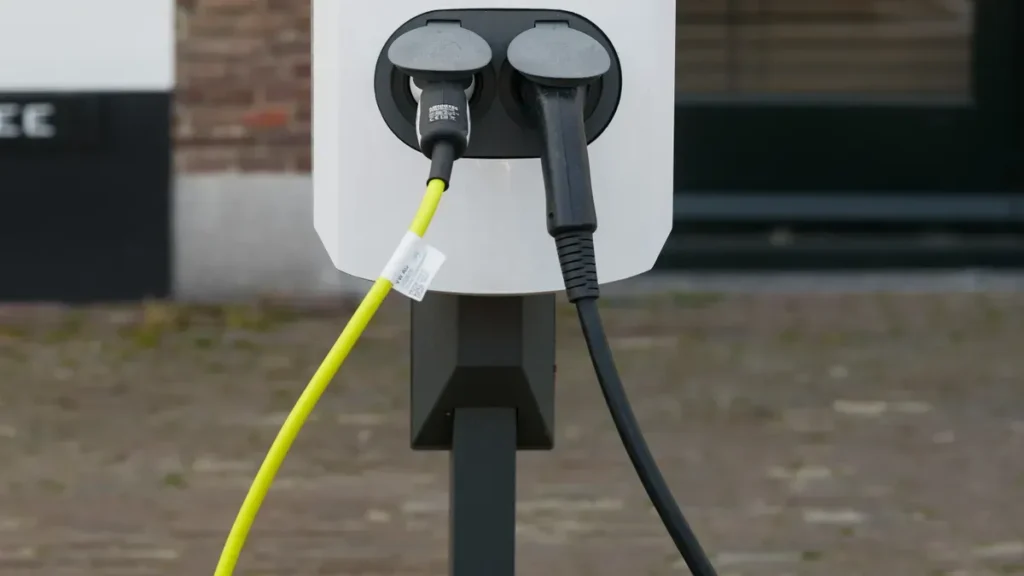
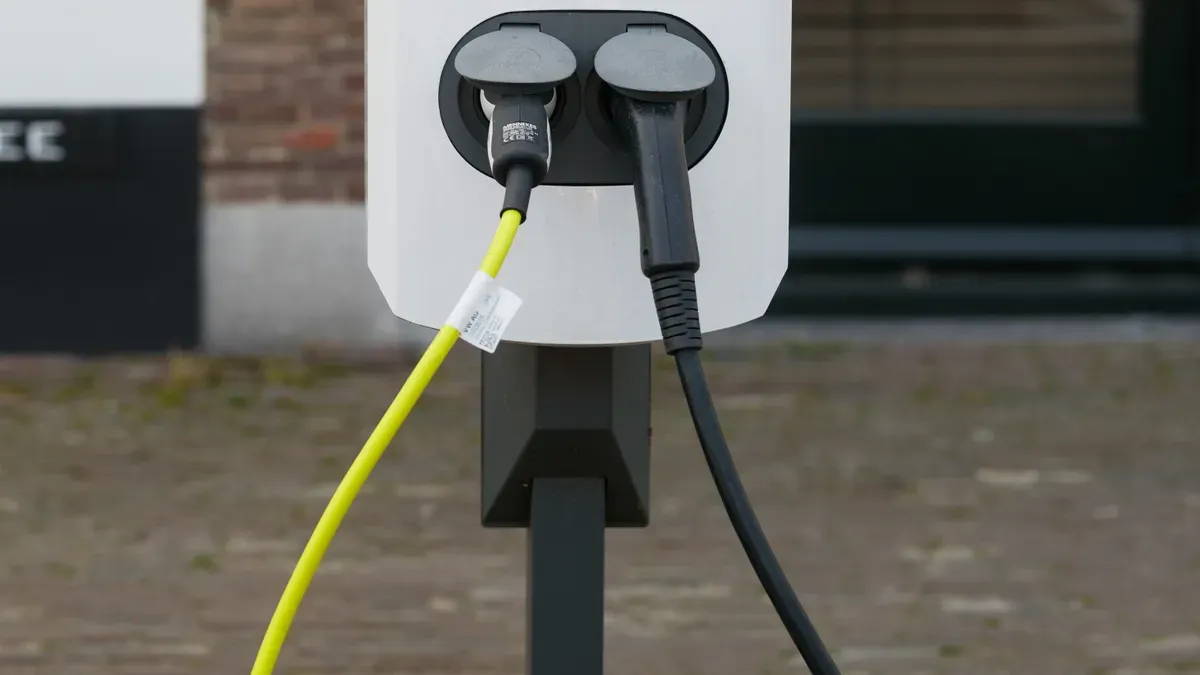
The true cost of a commercial EV charging station in Malaysia in 2025 spans a wide range. An EV charger installation starts at RM4,500 for basic options, while DC fast chargers can exceed RM180,000. These figures cover hardware, installation, permits, utility fees, and initial setup. EV charger manufacturers like TPSON deliver advanced EV charging solutions for businesses seeking reliable infrastructure. Operators must consider ongoing expenses for maintenance, software, and electricity. Portable ev chargers offer flexibility but influence the total cost. Government incentives reduce upfront costs. Utilization rates and energy pricing determine ROI and payback period.
Careful analysis helps investors make informed decisions about commercial EV charging projects.
True Cost of a Commercial EV Charging Station: Itemized Cost Breakdown
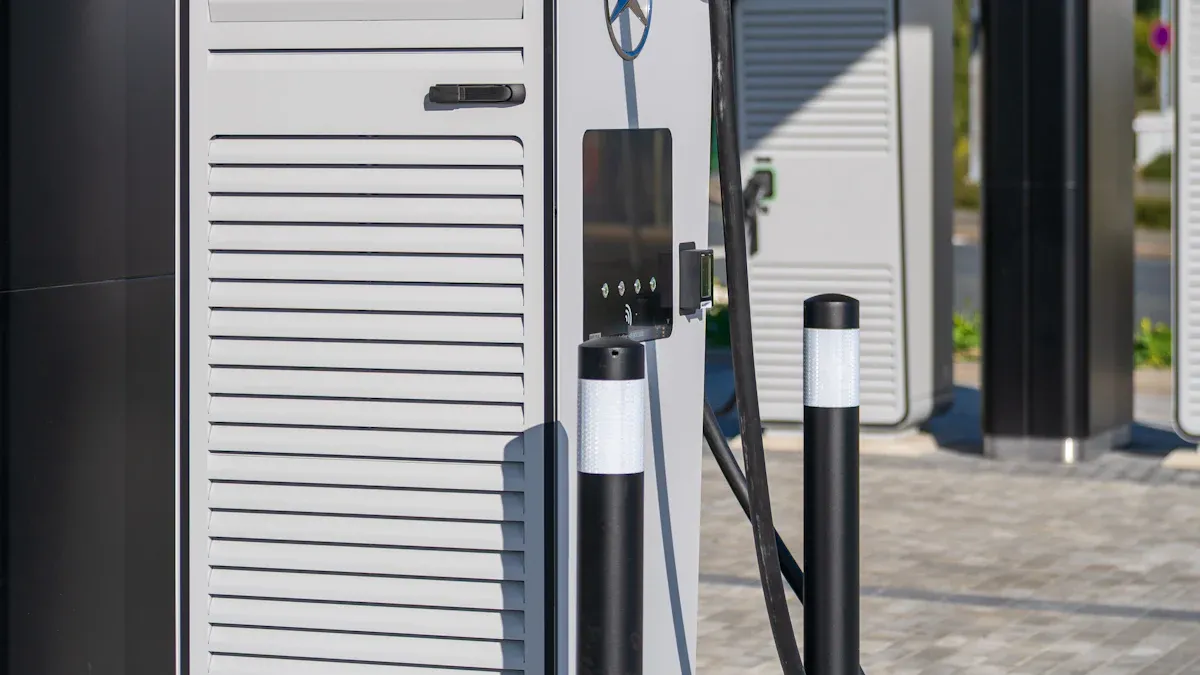
Understanding the true cost of a commercial EV charging station requires a detailed look at each component. Investors and business owners must evaluate hardware, installation, permits, and compliance costs to estimate the total investment accurately.
Hardware Costs
Hardware forms the foundation of any EV charging station. The selection of charger type and supporting equipment directly impacts the overall budget.
AC Chargers (Level 2) – RM2,000 to RM10,000 per unit
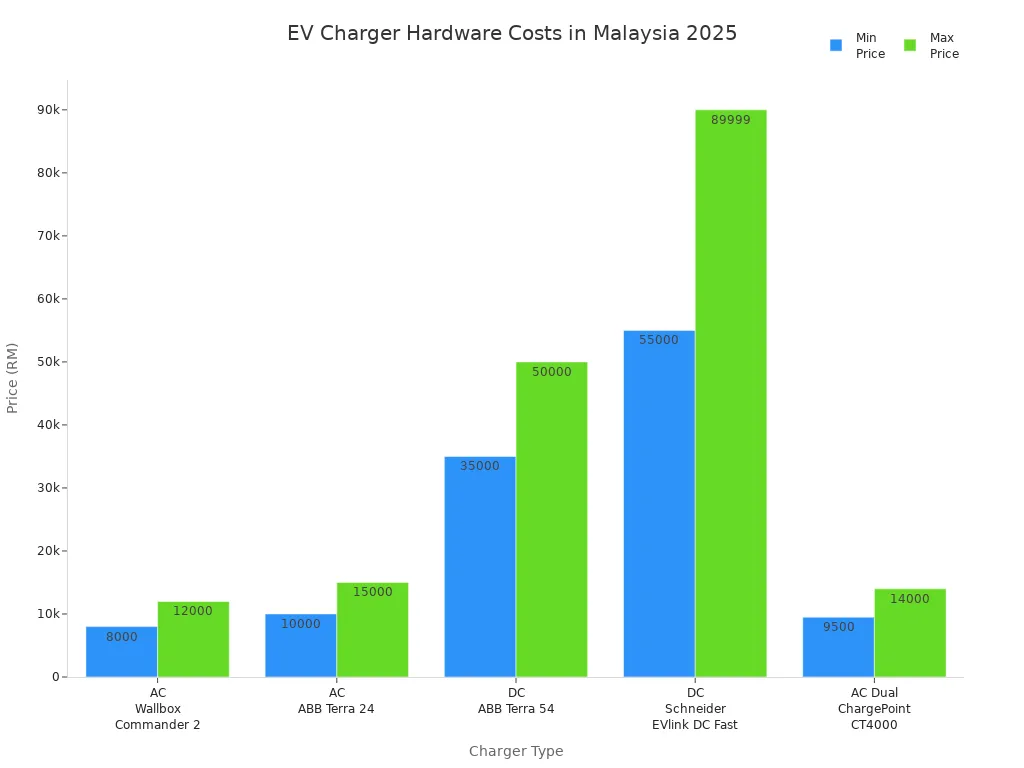
AC chargers, often called Level 2 chargers, suit locations with longer dwell times such as offices, malls, and hotels. Prices for these units in Malaysia range from RM2,000 to RM10,000 per unit. For example, the Wallbox Commander 2 (22kW) costs between RM8,000 and RM12,000, while the ABB Terra 24 (24kW) falls between RM10,000 and RM15,000. Dual-port options like the ChargePoint CT4000 (7.2kW × 2) range from RM9,500 to RM14,000.
DC Fast Chargers – RM50,000 to RM150,000+ per unit
DC fast chargers deliver rapid charging for high-traffic sites such as highway rest stops and commercial fleets. These units command a higher price, starting from RM50,000 and reaching RM150,000 or more. The ABB Terra 54 (50kW) costs between RM35,000 and RM50,000, while the Schneider EVlink DC Fast (60–120kW) ranges from RM55,000 to RM89,999. Larger capacity units can exceed RM150,000, especially when advanced features are required.
Additional Equipment (Cables, Mounts, Payment Systems)
Operators must also budget for essential accessories. High-quality charging cables, mounting hardware, and integrated payment systems add RM2,000 to RM8,000 per charging point. These components ensure user safety, convenience, and secure transactions.
Tip: Investing in robust hardware and accessories reduces long-term maintenance costs and improves user satisfaction.
The following table summarizes hardware costs for popular commercial EV chargers in Malaysia:
| Charger Type | Power | Price Range |
|---|---|---|
| AC Charger (Wallbox Commander 2) | 22kW | RM 8,000–12,000 |
| AC Charger (ABB Terra 24) | 24kW | RM 10,000–15,000 |
| DC Charger (ABB Terra 54) | 50kW | RM 35,000–50,000 |
| DC Charger (Schneider EVlink DC Fast) | 60–120kW | RM 55,000–89,999 |
| AC Dual Charger (ChargePoint CT4000) | 7.2kW × 2 | RM 9,500–14,000 |
Installation Costs
Installation costs can vary widely based on site conditions and charger type. These expenses include site preparation, electrical upgrades, and labor.
Site Preparation
Site preparation involves groundwork, trenching, and ensuring accessibility. Costs typically range from RM2,000 to RM6,000. Urban sites with complex layouts may require higher investment.
Electrical Upgrades
Upgrading electrical infrastructure is essential for supporting high-capacity chargers. Electrical work averages between RM2,000 and RM6,000. This includes wiring, circuit breakers, and safety devices.
Labor Charges
Labor charges depend on project complexity and location. Skilled technicians handle installation, testing, and commissioning. Labor costs usually fall between RM2,000 and RM10,000.
The table below outlines average installation costs for commercial EV charging stations in Malaysia:
| Installation Factor | Average Cost (MYR) |
|---|---|
| Electrical Work | 2,000 – 6,000 |
| Labor | 2,000 – 10,000 |
| Permits | 800 – 2,000 |
| Site Preparation | 2,000 – 6,000 |
Note: Proper installation ensures safety, compliance, and optimal charger performance.
Permits and Compliance
Regulatory approval is a critical step in the deployment process. Local authorities require permits and adherence to safety and environmental standards.
Local Authority Permits
Obtaining permits from city councils or municipal bodies is mandatory. Fees range from RM800 to RM2,000, depending on location and project scope. Delays in permit approval can impact project timelines.
Safety and Environmental Compliance
Installers must comply with national safety codes and environmental regulations. This includes electrical safety checks, fire prevention measures, and environmental impact assessments. Non-compliance can result in fines or operational shutdowns.
Evaluating each cost component helps stakeholders understand the true cost of a commercial EV charging station. Accurate budgeting and compliance with regulations ensure a smooth installation process and long-term operational success.
Utility Connection Fees
Utility connection fees represent a significant portion of the initial investment for commercial EV charging stations in Malaysia. These fees cover the process of connecting the charging infrastructure to the national grid and ensuring that the site can handle the required electrical load. Site owners must account for both grid connection charges and potential transformer upgrades.
Grid Connection Charges
Grid connection charges include the costs associated with linking the charging station to the local electricity supply. Utility providers in Malaysia require permits and conduct inspections before approving any new connection. The average utility connection fees for commercial EV charging stations typically fall between RM8,000 and RM12,000. This range covers the necessary permits, inspection fees, and the actual grid connection process.
- Utility connection fees often include:
- Application and processing fees
- Site inspection charges
- Grid connection hardware and labor
- Final commissioning and testing
Note: Delays in grid connection can impact project timelines and increase overall costs. Early engagement with utility providers helps streamline the process.
Transformer Upgrades
Some commercial sites may require transformer upgrades to support the additional electrical load from high-capacity chargers, especially DC fast chargers. Transformer upgrades ensure stable power delivery and prevent voltage drops during peak usage. Costs for transformer upgrades vary based on the existing infrastructure and the number of charging points. In urban areas with robust electrical systems, upgrades may be minimal. However, older or rural sites often need significant investment to meet safety and performance standards.
Initial Software and Network Setup
A modern commercial EV charging station relies on advanced software and network integration. These systems manage user access, monitor charger performance, and enable secure payments. Proper setup ensures a seamless experience for both operators and EV drivers.
Management Software Licensing
Management software provides real-time monitoring, remote diagnostics, and reporting tools. Operators use these platforms to track usage, manage maintenance schedules, and optimize energy consumption. Licensing fees for management software depend on the number of chargers and the level of functionality required. Most providers offer annual or monthly subscription models, which can range from RM1,000 to RM5,000 per year for a typical commercial site.
- Key features of management software include:
- Live status updates for each charging point
- Automated alerts for faults or maintenance needs
- Usage analytics and revenue tracking
Tip: Investing in robust management software reduces downtime and improves operational efficiency.
Payment Integration
Payment integration allows users to pay for charging sessions using credit cards, e-wallets, or mobile apps. Secure payment systems are essential for public charging stations, as they enable flexible pricing and support multiple user types. Initial setup costs for payment integration typically range from RM2,000 to RM6,000, depending on the complexity of the system and the number of payment options supported.
Operators should select payment solutions that comply with local regulations and offer strong data security. Seamless payment experiences encourage repeat usage and help maximize revenue.
The True Cost of a Commercial EV Charging Station includes not only hardware and installation but also these critical utility and software components. A comprehensive approach ensures long-term reliability and user satisfaction.
True Cost of a Commercial EV Charging Station: Ongoing Operational Costs
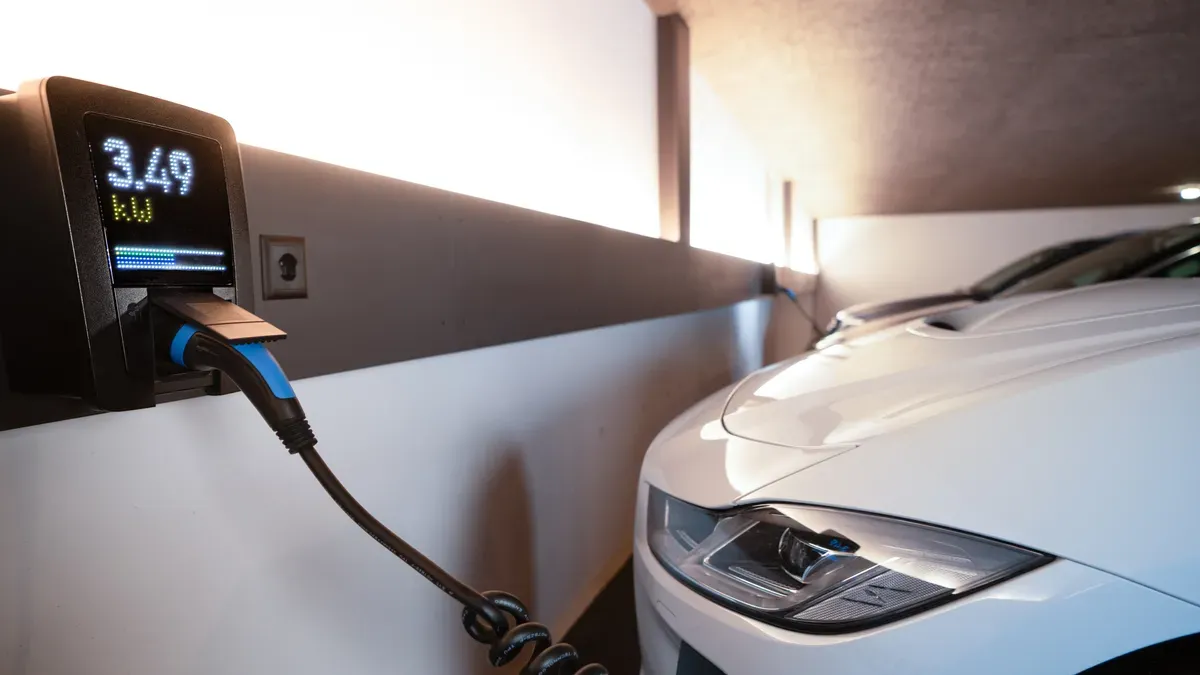
Operating a commercial EV charging station in Malaysia involves several recurring expenses. These costs impact profitability and long-term sustainability. Business owners must plan for maintenance, software, electricity, and demand charges to ensure smooth operations.
Maintenance and Servicing
Routine maintenance keeps charging stations reliable and safe. Operators schedule regular inspections to identify potential issues early.
Routine Inspections – RM500 to RM3,000 annually
Routine inspections help prevent unexpected breakdowns. Annual costs for these inspections range from RM500 to RM3,000 per charging point. Technicians check electrical connections, test safety systems, and verify software functionality. Regular inspections extend equipment lifespan and reduce downtime.
Repairs and Parts Replacement
Over time, wear and tear affect charging equipment. Operators must budget for repairs and parts replacement. Costs vary based on charger type and usage frequency. AC chargers usually require less maintenance, while DC fast chargers may need more frequent servicing. Quick response to faults ensures customer satisfaction and minimizes revenue loss.
Software and Network Fees
Modern charging stations rely on software for management and user access. These systems require ongoing fees for updates and support.
Subscription Costs
Operators pay monthly or annual subscription fees for management software. These fees cover access to monitoring tools, analytics, and remote diagnostics. Typical subscription costs range from RM1,000 to RM5,000 per year, depending on the number of chargers and features required.
Updates and Support
Software providers release regular updates to improve performance and security. Support services help resolve technical issues quickly. Reliable support reduces downtime and ensures a positive user experience.
Electricity and Demand Charges
Electricity forms a major part of operational expenses. The cost depends on charger type, usage patterns, and local tariffs.
Energy Consumption – RM0.60 to RM1.15 per kWh (AC), RM1.20 to RM1.80+ per kWh (DC)
AC chargers consume less energy per session, with rates between RM0.60 and RM1.15 per kWh. DC fast chargers draw more power, resulting in higher rates from RM1.20 to RM1.80 or more per kWh. Operators monitor energy usage closely to manage costs.
Peak Demand Fees
Peak demand fees can significantly increase operational expenses. These charges apply when energy consumption exceeds a certain threshold during peak hours. Effective load management and accurate forecasting help minimize these fees. The table below summarizes the impact of peak demand fees on operational costs:
| Aspect | Impact on Operational Costs |
|---|---|
| Load Management | Optimizes charging usage, reducing energy waste. |
| Forecasting | Helps in planning energy use, minimizing peak charges. |
Operators who invest in smart load management systems can reduce unnecessary energy consumption. Accurate forecasting allows better planning and helps avoid costly peak demand charges.
Understanding the True Cost of a Commercial EV Charging Station requires careful consideration of these ongoing operational costs. Proper budgeting and proactive management ensure long-term profitability and customer satisfaction.
Insurance and Security
Protecting a commercial EV charging station requires more than just robust hardware. Operators must address both insurance and security to safeguard their investment and ensure uninterrupted service.
Equipment Insurance
Equipment insurance shields operators from unexpected financial losses. This coverage handles risks such as fire, theft, vandalism, and accidental damage. In Malaysia, insurers offer specialized policies for EV charging infrastructure. These policies often include:
- Property damage: Covers repair or replacement costs after incidents like fire or flooding.
- Theft and vandalism: Compensates for stolen or damaged chargers and accessories.
- Business interruption: Provides financial support if the station cannot operate due to covered events.
Annual premiums for equipment insurance typically range from RM1,000 to RM5,000 per charging point, depending on location, charger value, and risk profile. Urban sites with high foot traffic may face higher premiums due to increased exposure. Rural stations sometimes qualify for lower rates.
Tip: Operators should compare multiple insurance providers to secure the best coverage and rates. Comprehensive policies reduce financial risk and support business continuity.
The table below summarizes common insurance coverage options:
| Coverage Type | What It Protects Against | Typical Annual Premium (MYR) |
|---|---|---|
| Property Damage | Fire, flood, accidents | 1,000 – 3,000 |
| Theft & Vandalism | Stolen or damaged equipment | 1,500 – 4,000 |
| Business Interruption | Lost income during downtime | 2,000 – 5,000 |
Security Systems
Security systems deter crime and protect both assets and users. Modern EV charging stations in Malaysia use a combination of physical and digital security measures.
Operators often install:
- CCTV cameras: Monitor activity 24/7 and provide evidence in case of incidents.
- Access control: Restrict charger use to authorized personnel or registered users.
- Alarm systems: Alert operators and authorities during unauthorized access or tampering.
- Lighting: Bright, well-lit areas discourage theft and vandalism.
Some operators also use remote monitoring software. This technology sends real-time alerts for suspicious activity or equipment faults. Integration with local law enforcement can speed up response times.
Note: Investing in strong security systems not only protects equipment but also builds trust with EV drivers. Users feel safer when charging at secure, well-monitored locations. 🛡️
Operators should review security needs regularly and update systems as threats evolve. A proactive approach to insurance and security ensures long-term success for commercial EV charging stations.
True Cost of a Commercial EV Charging Station: Government Incentives and Subsidies
Government incentives and subsidies play a crucial role in lowering the initial investment for commercial EV charging stations in Malaysia. These programs help businesses manage costs and encourage the adoption of electric vehicles. Investors should explore all available options at the federal, state, and utility levels to maximize savings.
Federal Incentives
Grants and Rebates
The Malaysian government offers grants and rebates to support the deployment of EV charging infrastructure. These financial aids cover a portion of hardware and installation expenses. The Green Technology Financing Scheme (GTFS) provides soft loans and partial grants for eligible projects. Businesses can apply for rebates that reduce upfront costs by up to 30%. The Ministry of Investment, Trade and Industry (MITI) also introduces periodic grant programs for green mobility initiatives.
Tip: Early application increases the chance of securing federal grants, as funds are often limited and distributed on a first-come, first-served basis.
Tax Deductions
Tax incentives further reduce the True Cost of a Commercial EV Charging Station. Companies can claim accelerated capital allowances for EV charging equipment under the Income Tax Act. This policy allows businesses to deduct a significant portion of their investment within the first few years. Additional tax exemptions may apply for import duties on charging hardware and related components.
State and Local Programs
Selangor Green Technology Incentives
Selangor leads in green technology adoption. The state government provides special incentives for businesses installing EV charging stations. These include matching grants, reduced development charges, and technical support. The Selangor Information Technology and Digital Economy Corporation (SIDEC) manages most of these programs.
Kuala Lumpur City Hall Support
Kuala Lumpur City Hall (DBKL) supports EV infrastructure through streamlined permit processes and reduced licensing fees. DBKL also partners with private companies to deploy public charging points in strategic locations. Businesses operating in Kuala Lumpur benefit from faster approvals and lower administrative costs.
Utility Company Programs
Reduced Connection Fees
Utility companies such as Tenaga Nasional Berhad (TNB) offer reduced grid connection fees for commercial EV charging stations. These discounts apply to both new connections and upgrades. TNB also provides technical guidance to ensure safe and efficient integration with the national grid.
Special Tariffs
Special electricity tariffs help operators manage ongoing energy costs. Utility providers introduce time-of-use rates and discounted tariffs for EV charging during off-peak hours. These programs lower operational expenses and improve the business case for commercial charging stations.
| Incentive Type | Potential Savings | Application Level |
|---|---|---|
| Federal Grants | Up to 30% upfront | National |
| Tax Deductions | Accelerated write-off | National |
| State Incentives | Matching grants | Selangor, KL |
| Utility Discounts | Lower connection fees | Nationwide |
| Special Tariffs | Reduced energy rates | Participating states |
Note: Incentive availability and eligibility criteria may change each year. Investors should consult official sources and utility providers for the latest updates.
True Cost of a Commercial EV Charging Station: Sample Cost Calculation
Case Study: Typical Urban Installation
A real-world example helps clarify the financial commitment required for a commercial EV charging station in Malaysia. Urban sites often face higher costs due to increased demand, stricter regulations, and more complex infrastructure. The following case studies illustrate the typical investment for both AC and DC charging solutions.
AC Charger Example – Total initial cost: RM4,500 to RM15,000
An office building in Kuala Lumpur installs a single AC Level 2 charger. The project includes:
- Hardware: RM7,000 (mid-range AC charger)
- Installation: RM4,000 (site preparation, electrical work, labor)
- Permits and Compliance: RM1,200
- Utility Connection: RM2,000 (minimal upgrades needed)
- Software Setup: RM800
The total initial investment reaches RM15,000. If the site qualifies for a 20% government rebate, the net cost drops to RM12,000.
DC Fast Charger Example – Total initial cost: RM80,000 to RM180,000
A shopping mall installs a 60kW DC fast charger to serve high-traffic customers. The breakdown includes:
- Hardware: RM70,000 (DC fast charger)
- Installation: RM18,000 (complex site prep, electrical upgrades)
- Permits and Compliance: RM2,000
- Utility Connection: RM10,000 (transformer upgrade required)
- Software Setup: RM5,000
The total initial cost stands at RM105,000. With a 25% federal grant, the net cost reduces to RM78,750.
Note: Costs vary based on charger brand, site conditions, and available incentives. Early planning and consultation with suppliers help optimize the budget.
Cost Comparison Table
A side-by-side comparison highlights the differences between upfront and ongoing costs, as well as the impact of incentives.
| Cost Component | AC Charger (MYR) | DC Fast Charger (MYR) |
|---|---|---|
| Upfront (No Incentive) | 15,000 | 105,000 |
| Upfront (With Incentive) | 12,000 | 78,750 |
| Annual Ongoing | 3,500 – 6,000 | 12,000 – 25,000 |
Upfront vs. Ongoing Costs
- Upfront costs include hardware, installation, permits, utility connection, and software setup.
- Ongoing costs cover maintenance, software subscriptions, electricity, insurance, and security.
With and Without Incentives
Government incentives can reduce upfront costs by 15% to 30%. Operators who leverage grants and rebates achieve faster payback periods and improved ROI.
Tip: Business owners should calculate both initial and recurring expenses to understand the full financial picture before investing in EV charging infrastructure. 🧮
True Cost of a Commercial EV Charging Station: Factors Influencing Cost Variation
Location and Site Conditions
Urban vs. Rural Sites
Urban and rural locations present distinct challenges for EV charging station deployment. Urban sites often require higher investment due to dense infrastructure, strict regulations, and increased demand. Operators in cities face elevated costs for permits, labor, and site preparation. Rural sites usually offer lower land and labor costs, but may need significant electrical upgrades.
| Factor | Urban Site | Rural Site |
|---|---|---|
| Permit Fees | Higher | Lower |
| Labor Costs | Higher | Lower |
| Electrical Upgrades | Moderate | High |
| Accessibility | Excellent | Variable |
Note: Urban stations attract more users, which can offset higher upfront costs through increased revenue.
Existing Infrastructure
Existing electrical infrastructure impacts installation complexity and cost. Sites with modern wiring and sufficient power capacity require minimal upgrades. Older buildings or remote locations may need transformer upgrades, new cabling, or additional safety systems. Operators should assess infrastructure before committing to a project.
- Modern infrastructure reduces installation time and cost.
- Outdated systems increase risk and require more investment.
Charger Type and Capacity
Number of Charging Points
The number of charging points directly affects hardware and installation expenses. Operators who install multiple chargers benefit from economies of scale, but face higher initial costs. More charging points increase maintenance and software fees.
- Single charger: Lower upfront cost, limited revenue.
- Multiple chargers: Higher investment, greater earning potential.
Power Output
Charger power output determines hardware price and utility requirements. AC chargers (7–22kW) suit locations with longer dwell times. DC fast chargers (50–150kW+) serve high-traffic areas and require robust electrical systems.
| Charger Type | Power Output | Typical Cost (MYR) |
|---|---|---|
| AC Charger | 7–22kW | 2,000–10,000 |
| DC Charger | 50–150kW+ | 50,000–150,000+ |
Tip: Operators should match charger capacity to expected usage patterns for optimal ROI.
Utilization and Business Model
Public Access vs. Private Fleet
Business model selection influences cost and revenue. Public charging stations require advanced payment systems, security, and compliance measures. Private fleet chargers serve company vehicles and need less complex infrastructure.
- Public access: Higher setup and operational costs, broader revenue streams.
- Private fleet: Lower complexity, predictable usage.
Pricing Strategies
Pricing strategies shape revenue and payback period. Operators may charge per kWh, per session, or offer subscription models. Competitive pricing attracts more users, but must cover operational expenses.
- Flexible pricing adapts to market demand.
- Transparent rates build customer trust.
Operators who analyze these factors achieve better cost control and maximize profitability. 🚗💡
True Cost of a Commercial EV Charging Station: ROI and Payback Period
Revenue Streams
Commercial EV charging station operators in Malaysia rely on several revenue streams to achieve profitability. Charging fees form the core income, but ancillary services can significantly boost overall returns.
Charging Fees
Operators generate primary revenue by charging users for electricity. Most stations use a pay-per-kWh or pay-per-session model. Annual revenue from a single charger can reach RM 82,000, depending on utilization and pricing. The owner-operator model allows businesses to control pricing and maximize returns from electricity sales. Solution providers may sell chargers to site hosts, who then manage installation and collect ongoing fees.
Ancillary Services
Beyond charging fees, operators can diversify income through additional services:
- Partner with local businesses to offer EV charging as an amenity, attracting more customers.
- Provide maintenance plans for charging stations, creating recurring revenue through subscription or pay-per-service options.
- Collaborate with utilities to expand public charging infrastructure and secure contracts.
- Engage with local governments for incentives or exclusive public charging access.
- Work with landlords and retail centers to increase station traffic.
- Partner with fleet operators to share costs and improve utilization.
Maintenance services, in particular, ensure stations operate efficiently and provide steady income. These services can be tailored to client needs, offering flexibility and reliability.
Utilization Rate Impact
Utilization rates play a critical role in determining the financial success of a commercial EV charging station. Higher usage leads to faster cost recovery and improved profitability.
Break-even Analysis
Operators must calculate the break-even point to understand when the station will start generating profit. With typical annual revenue of RM 82,000 and expenses totaling RM 73,000, the net profit stands at RM 9,000 per charger. This results in a typical ROI of around 3%. Government incentives can reduce capital expenditure by up to 24%, which may increase ROI to 21% if utilization improves and ancillary revenue streams grow.
| Metric | Value (per charger) |
|---|---|
| Annual Revenue | RM 82,000 |
| Annual Expenses | RM 73,000 |
| Net Profit | RM 9,000 |
| Typical ROI | 3% |
| ROI with Incentives | Up to 21% |
Operators who monitor utilization rates closely can adjust pricing or marketing strategies to reach break-even faster.
Sensitivity to Energy Prices
Energy prices directly affect profitability. When electricity rates rise, operational costs increase, which can reduce net profit if charging fees remain unchanged. Operators should regularly review energy tariffs and consider special utility programs or off-peak charging rates to manage expenses. Flexible pricing strategies help maintain margins even as energy costs fluctuate.
The True Cost of a Commercial EV Charging Station depends not only on upfront investment but also on effective management of revenue streams and utilization rates. Careful planning and ongoing optimization ensure a healthy ROI and sustainable business growth.
The True Cost of a Commercial EV Charging Station in Malaysia depends on charger type, site conditions, and utilization. Upfront costs range from RM4,500 to RM180,000. Annual expenses include maintenance, software, and electricity. Government incentives reduce initial investment. Careful planning and site selection optimize ROI. Business owners should assess all cost components and revenue streams before investing.
Smart investment decisions require a clear understanding of both upfront and ongoing costs.
FAQ
What is the average lifespan of a commercial EV charger?
Most commercial EV chargers last 8 to 12 years. Regular maintenance extends their service life. Hardware quality and usage frequency influence longevity.
How long does it take to install a commercial EV charging station?
Installation usually takes 2 to 6 weeks. The timeline depends on site preparation, permit approval, and utility connection. Urban sites may require more time.
Are commercial EV charging stations profitable in Malaysia?
Profitability depends on utilization rates, energy pricing, and incentives. High-traffic locations with government support often achieve ROI within 3 to 7 years.
Do operators need special licenses to run EV charging stations?
Yes. Operators must obtain local authority permits and comply with safety regulations. Some states require additional environmental approvals.
Can businesses set their own charging fees?
Businesses can set their own charging fees. They often choose between per kWh, per session, or subscription models. Market rates and competition influence pricing.
What maintenance does a commercial EV charging station require?
Routine inspections, software updates, and occasional repairs are necessary. Technicians check electrical connections, clean equipment, and replace worn parts.
Are there risks of power outages or grid overload?
Power outages and grid overloads can occur, especially during peak hours. Smart load management systems help reduce these risks and maintain stable operations.
Can existing parking lots be upgraded for EV charging?
Most existing parking lots can support EV charging stations. Upgrades may include electrical wiring, transformer enhancements, and improved security systems.




