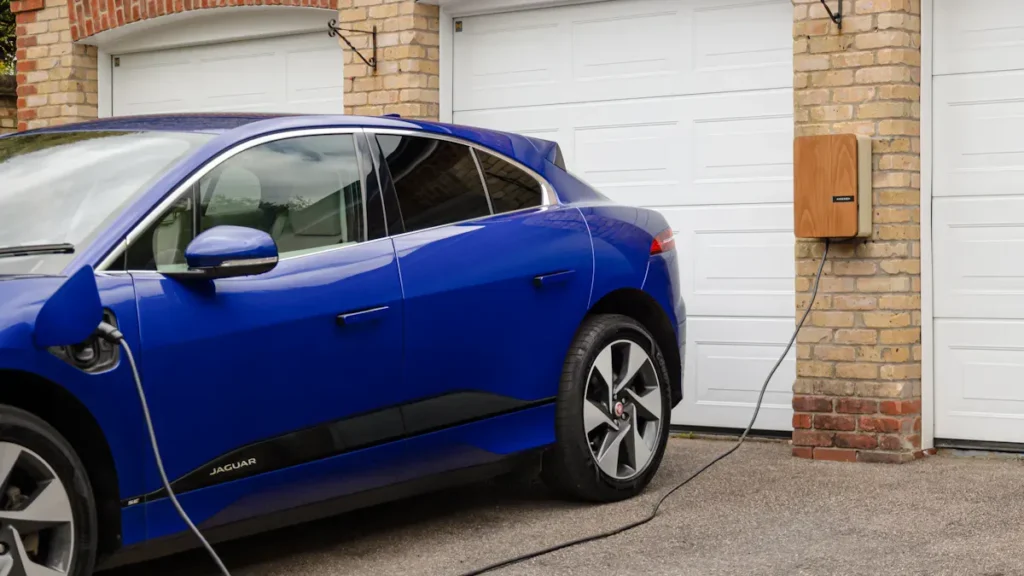
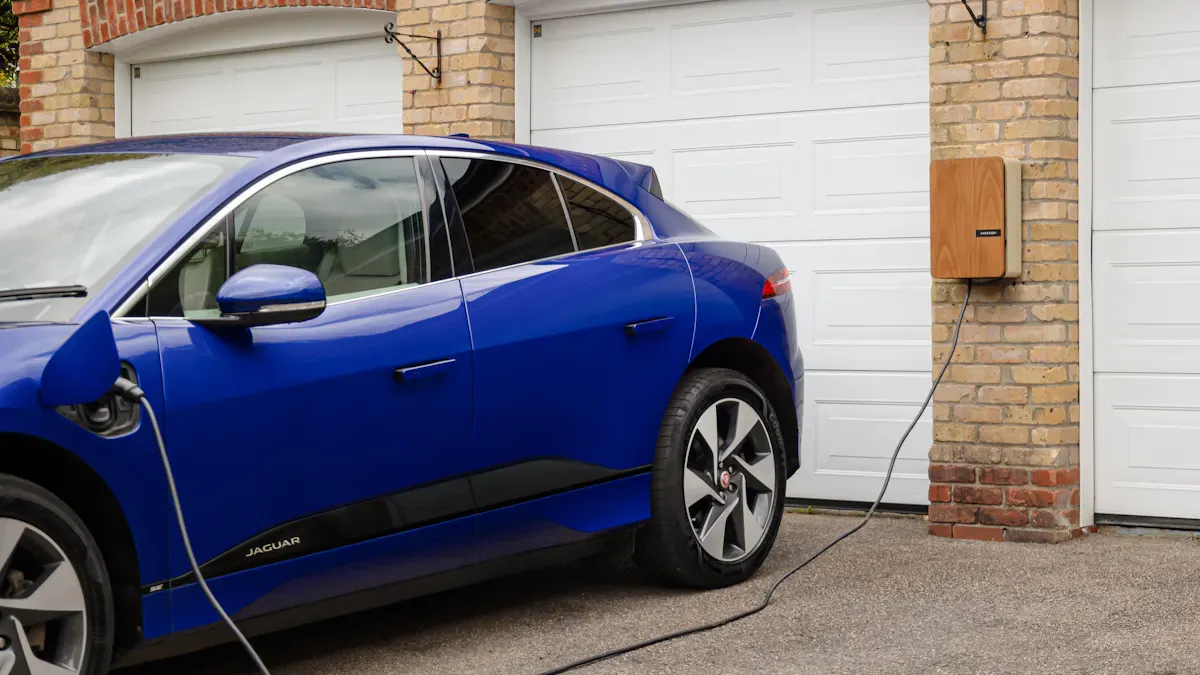
Homeowners who install an EV charging station can benefit from a wide range of incentives or rebates. Federal, state, and local government incentives can offset a significant portion of installation costs, making EV charging solutions more accessible for EV owners. Many rebate programs, grants, and financial incentives help reduce upfront costs for charging stations and portable EV chargers. The table below highlights how much of the installation can be covered by different incentives, including government rebates and offers from EV charger manufacturers. Checking all available options ensures that electric vehicles owners maximize their savings.
| Incentive Type | Percentage Offset | Maximum Amount |
|---|---|---|
| Federal Tax Credit | 30% | $1,000 |
| Austin Energy Rebate | 50% | $1,200 |
| PG&E Rebate | Full Purchase Price | N/A |
| Duke Energy Charger Prep Credit | N/A | N/A |
| National Grid Wiring Upgrade Rebate | N/A | Up to $700 |
| PSEG Long Island Rebate | N/A | $100 |
| CPS Energy Bill Credit | N/A | $50 |
| Liberty Utilities Rebate | N/A | $1,500 |
| LADWP Rebate | N/A | Up to $1,000 |
| Pasadena Water and Power Rebate | N/A | $600 |
Federal Incentives or Rebates for Home EV Charging Stations
Federal EV Charger Tax Credits
Overview of Federal Tax Credit for EV Charging Station
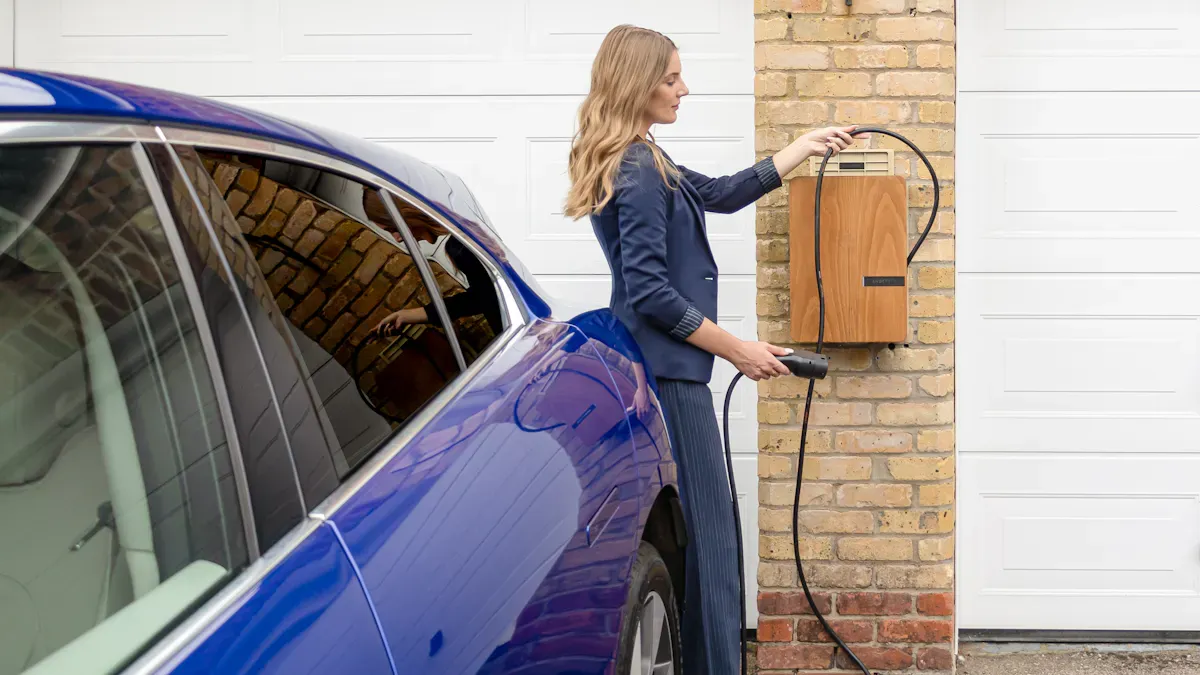
Federal incentives or rebates play a crucial role in reducing installation costs for home EV charging stations. The Alternative Fuel Infrastructure Tax Credit allows EV owners to claim a percentage of their installation expenses as a tax credit. This program supports the adoption of electric vehicles by making charging stations more affordable. The tax credit covers a portion of the total costs, which can include both the purchase of qualified charging equipment and the expenses related to installation.
- The federal tax credit for installing a home EV charging station equals 30% of the installation costs.
- This incentive falls under the Alternative Fuel Infrastructure Tax Credit.
- Businesses may receive a higher credit per charger if they meet certain requirements.
These government incentives encourage the use of electric vehicles and help lower the financial burden for homeowners and businesses.
Eligible Equipment and Expenses for Federal Incentives
To qualify for federal incentives or rebates, the charging station and related expenses must meet specific criteria. The program covers qualified EV charging equipment, including both hardware and installation services. Eligible expenses often include the cost of the charging station, labor for installation, and necessary wiring or electrical upgrades. TPSON, as a technologically advanced electric vehicle charging solution provider, offers products that meet these requirements, ensuring that customers can maximize their financial incentives.
Qualifying for Federal Incentives or Rebates
Homeowner Eligibility for EV Charger Rebates
Homeowners must meet certain eligibility requirements to claim federal EV charger rebates. The following table outlines the main criteria:
| Eligibility Criteria | Details |
|---|---|
| Credit Amount | Up to $1,000 per port |
| Equipment Requirement | Must be qualified EV charging equipment |
| Service Date | Equipment must be placed in service by a specified date |
These requirements ensure that only qualified installations receive incentives or rebates. Homeowners should confirm that their charging station and installation meet all criteria before applying.
Property Types That Qualify for Incentives
Federal incentives or rebates apply to a range of property types. Eligible properties include:
- Residential homes
- Multifamily properties
- Commercial properties
This broad eligibility allows many EV owners to benefit from government incentives, whether they live in a single-family home or manage a larger residential complex.
How to Claim Federal EV Charger Rebates
Required IRS Forms and Documentation
Claiming federal EV charger rebates requires careful documentation. Applicants must complete the appropriate tax forms and retain supporting documents. The following table summarizes the process:
| Incentive Type | Application Timing | Reduces Project Basis? | Key Documents to Retain |
|---|---|---|---|
| Federal Credit (Form 8911) | After installation, during tax filing | Yes, if you received state/utility rebates | Form 8911, itemized invoices, permits, inspection sign-offs |
Applicants should keep all receipts, permits, and inspection records related to the charging station installation. These documents support the claim and help avoid issues during audits.
Filing Deadlines and Tips for Federal Incentives
Applicants must file for federal incentives or rebates during the tax year in which the charging station was placed in service. Filing deadlines align with annual tax returns. To maximize the benefit:
Tip: Always subtract any state or utility rebates from the total project costs before calculating the federal tax credit. This step ensures accurate claims and compliance with rebate eligibility rules.
Applicants should organize all documents and submit the required forms promptly. Missing deadlines or failing to retain documentation can result in denied claims or delayed rebates. TPSON recommends consulting a tax professional to ensure proper filing and to take full advantage of available financial incentives.
State EV Charger Rebates and Incentives
State-Specific EV Charging Station Rebates
Examples of State Rebates (California, New York, Colorado)
Many states offer their own incentives or rebates to help reduce installation costs for a home EV charging station. These programs can significantly lower the upfront costs for EV owners and encourage the adoption of electric vehicles. The following table highlights some of the highest rebates currently available for charging stations across the United States:
| State | Rebate Details |
|---|---|
| Oregon | $1,500 rebate from Pacific Power |
| Texas | 50% of the cost up to $1,200 from Austin Energy |
| Utah | Covers up to 75% of charger costs from Rocky Mountain Power |
California leads the nation in supporting EV adoption. The state offers a variety of local and utility-based rebates, such as the Clean Vehicle Rebate Project and programs from utilities like LADWP and PG&E. New York provides incentives through the Charge Ready NY initiative, which gives rebates for both residential and commercial charging station installations. Colorado supports EV owners with the Colorado Energy Office’s Charge Ahead Colorado program, which offers rebates for home charging stations and wiring upgrades.
These state programs often work alongside federal incentives, allowing homeowners to maximize their financial incentives and reduce overall installation costs.
State Tax Credits vs. State Rebates for EV Chargers
States may offer either tax credits or rebates for EV charging station installation. Understanding the difference helps EV owners choose the best option for their situation.
| Feature | Tax Credits | Rebates |
|---|---|---|
| Nature | Nonrefundable, reduces tax liability | Direct cash back or utility bill credits |
| Eligibility | Up to $1,000 for homeowners, up to $100,000 for businesses | Proof of purchase and installation required |
| Application | Applied against federal tax liability | Received directly or as a discount on utility bill |
| Maximum Value | 30% of cost of hardware and installation | Varies by utility provider |
- Tax credits reduce tax liability, while rebates provide immediate cash benefits.
- Tax credits have specific maximum limits for homeowners and businesses.
- Rebates require proof of purchase and installation, and the value may vary by utility provider.
State rebates often deliver faster financial relief than tax credits. Homeowners receive rebates as direct payments or credits on their utility bills, while tax credits apply during tax filing. Both options help lower installation costs for charging stations and support the transition to electric vehicles.
Finding State Incentives or Rebates
State Energy Office Resources for EV Charging Station Incentives
State energy offices serve as valuable resources for information on government incentives and rebates for EV charging station installation. These offices maintain updated lists of available programs, eligibility requirements, and application procedures. Homeowners can contact their state energy office to learn about current incentives or rebates, deadlines, and documentation needed for their charging station project.
Tip: State energy offices often provide guidance on stacking multiple incentives or rebates, helping EV owners maximize their savings and reduce installation costs.
Online Tools to Search for State EV Charger Rebates
Several online tools make it easier for homeowners to find state-specific incentives or rebates for EV charging stations. The US Department of Energy offers a searchable database that allows users to locate current programs by state, utility provider, or type of incentive. These tools help homeowners compare available financial incentives, check eligibility, and plan their charging station installation for maximum benefit.
- The US Department of Energy’s database lists all state and local incentives or rebates for EV charging stations.
- Many utility companies also provide online portals with details about their rebate programs and application steps.
By using these resources, homeowners can stay informed about the latest government incentives and rebates, ensuring they take full advantage of every opportunity to lower installation costs and support the growth of electric vehicles.
Local and Utility Company EV Charging Station Incentives
Utility Company EV Charger Rebates and Discounts
Examples of Utility Rebates for EV Charging Stations
Utility companies across the United States play a significant role in supporting the adoption of electric vehicles. Over 70% of the country is currently covered by EV charger rebates or incentives, which means most EV owners have access to programs that help reduce the costs of installing a home EV charging station. These rebates can cover a substantial portion of the purchase and installation expenses, making charging stations more affordable for households.
For example, National Grid and Eversource both offer up to $1,400 in charger rebates for customers who enroll in their managed charging programs. Some utility providers even cover up to 100% of charger costs for residents in designated Environmental Justice Communities. These programs often require proof of purchase, installation, and participation in specific charging initiatives. Utility rebates can take the form of direct payments, bill credits, or discounts on future energy usage.
How to Check with Your Utility Provider for Incentives
EV owners should always check with their local utility provider to determine which incentives or rebates are available for installing a home EV charging station. Most utility companies maintain updated information on their websites, including eligibility criteria, rebate amounts, and application instructions. Customers can also contact customer service representatives for guidance on the application process.
Tip: Utility providers may require enrollment in managed charging programs or submission of specific documentation, such as paid invoices and photos of the installed station, to qualify for charger rebates.
Municipal and City EV Charging Station Rebates
Local Government Rebates for Home EV Chargers
Many city and municipal governments offer additional incentives or rebates to encourage the installation of home EV charging stations. These programs often target residents in specific neighborhoods or income brackets, providing extra support for those who may face higher upfront costs. Local government rebates can be combined with utility and federal incentives, further reducing the total investment required for charging equipment.
The following table outlines common rebate programs and their eligibility requirements:
| Utility Provider | Rebate Amount | Eligibility Criteria | Application Process |
|---|---|---|---|
| National Grid | Up to $1,400 | Enroll in managed charging program | Visit National Grid’s website or email for details |
| Eversource | Up to $1,400 | Enroll in managed charging program | Visit Eversource’s website or email for details |
| Environmental Justice Community | Up to 100% of costs | Must reside in designated areas | Check eligibility on the provided map |
| Non-Environmental Justice Community | Up to 50% of costs | Must meet other criteria | Check eligibility on the provided map |
Special Permits or Fee Waivers for EV Charging Station Installation
Some municipalities streamline the installation process for home EV charging stations by offering special permits or waiving certain fees. These measures help reduce administrative costs and make it easier for homeowners to complete their projects. In many cases, local governments require documentation such as proof of purchase, installation photos, and invoices marked as paid. Additional documentation may include evidence of eligibility based on income or community status.
- Proof of purchase and installation
- Photos of the installed charger
- Invoice marked as paid
- Documentation of eligibility based on income or community status
By leveraging local and utility company incentives or rebates, EV owners can significantly lower the costs of installing a charging station at home. These programs, combined with federal and state incentives, support the widespread adoption of electric vehicles and make charging more accessible for everyone.
Application Process for EV Charging Station Incentives or Rebates
Steps to Apply for EV Charger Rebates
Pre-Installation Requirements for Incentives
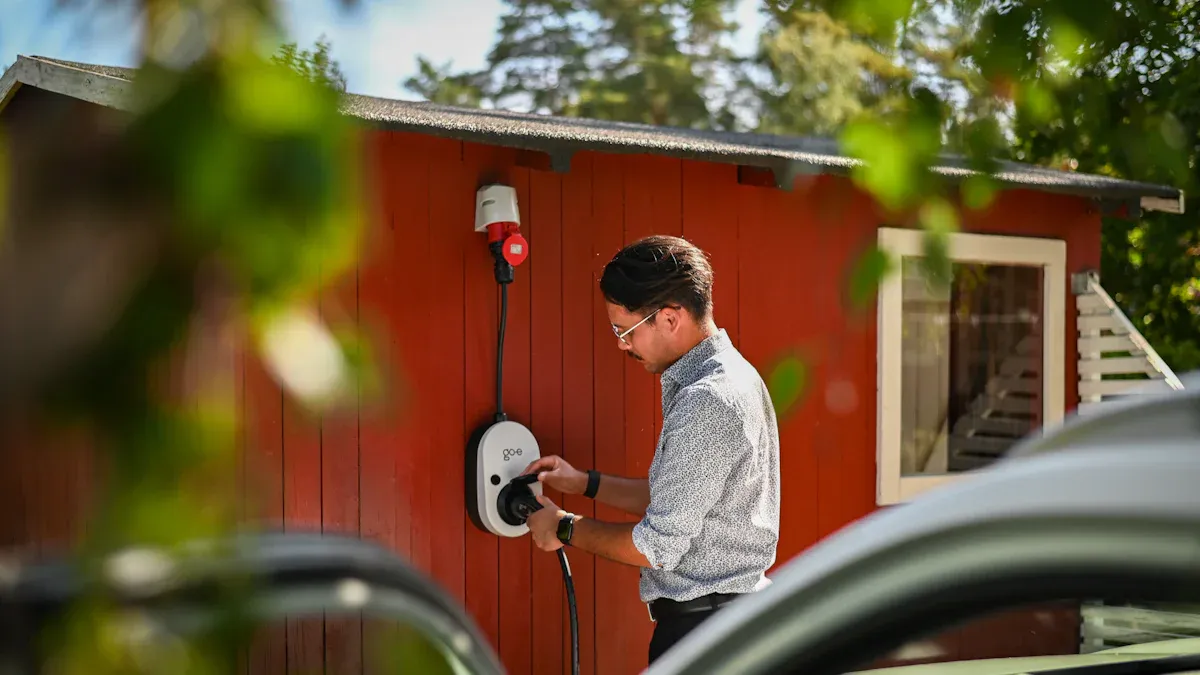
Applicants must meet several pre-installation requirements to qualify for most EV charging station incentives. A qualified electrician should complete the installation to ensure compliance with safety standards. The property must have enough electrical capacity to support the additional load from the station. Off-street parking is often necessary for safety and compliance. Many programs require a reliable Wi-Fi connection for smart charging features. These steps help confirm eligibility and prevent issues during the application process.
Tip: Review all rebate eligibility criteria before purchasing equipment or scheduling installation. This approach helps avoid costly mistakes and ensures the project meets all program guidelines.
Post-Installation Steps for Claiming Rebates
After installing the charging station, applicants should collect all required documentation. They must submit the rebate application to the appropriate agency, utility, or government office. Most programs require proof of purchase, installation photos, and paid invoices. Some rebates also ask for inspection sign-offs or permits. Applicants should keep copies of all documents for their records. Timely submission of the application increases the chance of a smooth approval process.
Required Documentation for EV Charging Station Incentives
Proof of Purchase and Installation for Rebates
Proper documentation plays a key role in securing rebates for an EV charging station. Applicants should gather itemized invoices, installation photos, and utility statements. The following table outlines the main documents required for each type of incentive:
| Incentive Type | Key Documents to Retain |
|---|---|
| Federal Credit | Form 8911, itemized invoices, permits, inspection sign-offs |
| State Rebate | Rebate application, award letter, payment confirmation |
| Utility Rebate | Utility rebate form, proof of purchase, installation photos, utility statement |
Accurate records help verify eligibility and speed up the review process.
Contractor Certifications for Incentive Applications
Many programs require certification from a licensed contractor. This certification confirms that the charging station meets all safety and code requirements. Applicants should request a signed statement or certificate from the electrician who performed the installation. This document often forms part of the rebate application package.
Timelines and Processing for EV Charger Rebates
How Long It Takes to Receive Incentives or Rebates
The processing time for EV charging station rebates varies by program. Most applicants receive approval within 10 working days after submitting their application. Payment or credit usually follows soon after approval. Some programs may take longer if they require additional review or documentation.
Common Delays and How to Avoid Them
Delays often occur when applicants submit incomplete forms or lack proper documentation. To avoid these issues, applicants should double-check all paperwork before submission. They should also respond quickly to any requests for additional information. Staying organized and following instructions helps ensure a faster rebate process.
Maximizing Savings with EV Charger Rebates and Incentives
Combining Federal, State, and Local Incentives or Rebates
Stacking Multiple EV Charger Rebates
EV owners can often combine incentives from different sources to maximize savings on an EV charging station. Federal, state, and local programs frequently allow stacking, which means a homeowner may apply for a federal tax credit, a state rebate, and a utility incentive for the same charging station installation. This approach can significantly reduce costs and make the transition to electric vehicles more affordable. For example, a homeowner might receive a federal tax credit for 30% of the installation costs, then apply a state rebate that covers an additional portion, and finally benefit from a utility company’s direct payment or bill credit. Each program has its own application process, so careful planning ensures that no opportunity is missed.
Restrictions on Double-Dipping Incentives
While stacking is possible, some restrictions apply. Many programs require applicants to subtract any state or utility rebates from the total project costs before calculating the federal tax credit. This rule prevents double-dipping, where the same expense is claimed under multiple programs. Homeowners should review the terms of each incentive to ensure compliance. Utility and local government programs may also have unique eligibility rules or caps on the total amount of rebates. Consulting with a tax professional or rebate specialist helps avoid mistakes and ensures that all incentives are used correctly.
Planning Your EV Charging Station Installation for Maximum Benefit
Timing Your Purchase for Best Incentives
The timing of an EV charging station purchase can affect eligibility for available incentives or rebates. Many programs set strict deadlines and location requirements. For instance, some incentives target residents in non-urban or low-income census tracts, and installations must be completed by a specific date. The table below outlines common timing criteria:
| Criteria | Details |
|---|---|
| Location requirements | Targeted toward residents in non-urban or low-income census tracts. |
| Deadline | Installation must be completed by June 30, 2026. |
| Property type | Charger must be new and installed at your principal residence in the U.S. |
Note: Planning ahead and scheduling installation before deadlines ensures eligibility for the most generous incentives or rebates.
Choosing Eligible EV Charging Equipment
Selecting the right equipment is essential for qualifying for incentives. Most programs require the charging station to be new, UL-listed, and installed by a licensed electrician. Some incentives specify smart charging features or Wi-Fi connectivity. Homeowners should verify that their chosen station meets all technical and safety standards required by federal, state, and utility programs. Choosing eligible equipment not only secures rebates but also guarantees long-term reliability and compliance.
By combining multiple incentives, timing the purchase strategically, and selecting qualified equipment, EV owners can minimize costs and maximize the value of their investment in a home charging station.
Common Mistakes to Avoid When Applying for EV Charging Station Incentives
Applying for incentives to offset the costs of installing an EV charging station can seem straightforward, but many applicants make avoidable errors. These mistakes can delay approval or even result in the loss of valuable rebates. Understanding the most common pitfalls helps EV owners secure the maximum benefit from available programs.
Missing Deadlines or Paperwork for Rebates
Keeping Track of Application Dates for Incentives
Many EV owners miss out on incentives because they overlook important deadlines. Each program sets its own timeline for submitting applications. Some require paperwork within 30 days of installation, while others allow several months. Missing these dates can mean losing out on hundreds of dollars in savings. Creating a simple calendar reminder or checklist helps applicants stay on track.
Tip: Set digital alerts for each incentive’s deadline as soon as the charging station installation is scheduled.
Organizing Documents for EV Charger Rebates
Proper documentation is essential for a successful application. Applicants often misplace receipts, permits, or installation photos. These documents prove eligibility and support the claim for rebates. Keeping all paperwork in a dedicated folder, either physical or digital, ensures quick access when needed.
A sample checklist for organizing documents:
- Paid invoice for the EV charging station
- Installation photos
- Permit and inspection records
- Proof of payment for electrical work
Staying organized reduces stress and speeds up the approval process.
Overlooking Local EV Charging Station Programs
Checking All Available Incentives or Rebates
Many EV owners focus only on federal or state incentives and overlook local programs. City governments and utility companies often provide additional rebates or discounts. These local offers can further reduce costs and sometimes stack with other incentives. Researching every available program ensures no opportunity is missed.
Note: The U.S. Department of Energy’s website and local utility portals list current incentives for EV charging installations.
Asking Your Installer for Guidance on Rebates
Installers often have up-to-date knowledge about available rebates and incentive programs. They can recommend eligible equipment and guide applicants through the process. Asking the installer about local and utility incentives can reveal options that might not appear in online searches.
A professional installer can also help ensure that the charging station meets all technical requirements for incentives, preventing costly mistakes.
By avoiding these common errors, EV owners can maximize their savings, reduce installation costs, and enjoy the benefits of home charging with fewer hassles.
What to Expect After Applying for EV Charger Rebates
Receiving Your EV Charging Station Incentive or Rebate
Payment Methods for Rebates (Check, Credit, Tax Reduction)
After submitting an application for an EV charging station rebate, applicants can expect to receive incentives in several ways. Many programs issue rebates as a mailed check. Some utility companies apply the rebate as a credit on the customer’s energy bill. Federal tax credits reduce the applicant’s tax liability for the year the station was placed in service. Each program outlines its payment method in the approval letter. Applicants should review the details to understand when and how they will receive the funds. These payments help offset the initial costs of purchasing and installing the station.
Tracking Your EV Charger Rebate Application Status
Applicants often want to know the status of their rebate request. Most agencies and utility providers offer online portals for tracking applications. These portals display the current status, any missing documents, and estimated processing times. Some programs send email updates or notifications when the rebate is approved or if additional information is needed. Keeping track of the application helps applicants respond quickly to requests and avoid delays. If questions arise, customer service representatives can provide updates by phone or email.
Ongoing Benefits and Responsibilities After Receiving Incentives
Reporting Requirements for EV Charging Station Incentives
After receiving an EV rebate, applicants may need to meet certain reporting requirements. Some programs ask for confirmation that the station remains in use for a set period. Others require annual reports on energy usage or participation in managed charging programs. Homeowners should keep all receipts related to the installation. They should also confirm the year the station was placed in service to ensure compliance with program rules. Staying organized with documentation supports future claims and helps with any audits.
Tip: Verify eligibility for rebates early in the process to avoid issues with compliance later.
Maintenance and Compliance for Rebated Equipment
Maintaining compliance with rebate program requirements ensures continued eligibility for future incentives. Homeowners should follow these best practices:
- Schedule regular maintenance for the charging station to ensure safe operation.
- Keep all receipts and installation records in a safe place.
- Confirm that the station remains operational and connected if required by the program.
- Notify the rebate provider if the station is removed or replaced.
These steps help protect the investment in the EV charging station and support long-term savings on charging costs. Proper maintenance also ensures the station continues to meet safety and performance standards.
Homeowners can access a range of incentives or rebates when installing an EV charging station. Federal tax credits and state incentives help offset costs, while local rebates further reduce expenses. EV owners benefit from researching available incentives before installation. Many governments and utility companies offer financial aids that lower out-of-pocket costs for EV charging stations. EV buyers may qualify for grants covering up to 75% of installation costs. They should combine incentives for maximum savings and consult specialists like Humax for current information on EV programs.
- Federal tax credits are available for installing a home charging station.
- Some states offer additional incentives.
- Researching incentives or rebates is a prudent step before proceeding with installation.
Consulting local agencies or professionals ensures EV owners stay informed about the latest rebates and incentives.
FAQ
What is the federal tax credit for home EV charging stations?
The federal tax credit covers 30% of the cost for eligible home EV charging station equipment and installation, up to $1,000. Homeowners must claim this credit using IRS Form 8911 during their tax filing.
Can homeowners combine federal, state, and utility incentives?
Yes, homeowners can often combine multiple incentives. They must subtract state and utility rebates from the total project cost before calculating the federal tax credit. This approach maximizes savings and ensures compliance with program rules.
How long does it take to receive a rebate after applying?
Most applicants receive approval within 10 business days. Payment or bill credits usually follow soon after. Delays may occur if documentation is incomplete or if the program requires additional review.
What documents are required for EV charger rebate applications?
Applicants should provide itemized invoices, installation photos, proof of payment, and any required permits or inspection records. Some programs also require contractor certifications or participation in managed charging programs.
Are all EV charging stations eligible for incentives?
No, only new, UL-listed charging stations installed by licensed electricians qualify for most incentives. Some programs require smart charging features or Wi-Fi connectivity. Homeowners should verify eligibility before purchasing equipment.
Do local governments offer additional incentives for EV charging stations?
Many cities and municipalities provide extra rebates, fee waivers, or streamlined permits. These local incentives often stack with state and federal programs, further reducing installation costs for homeowners.
What happens if a homeowner misses an application deadline?
Missing a deadline usually results in the loss of that specific incentive or rebate. Homeowners should track all deadlines and submit applications promptly to secure available savings.
Who can help with the rebate application process?
Licensed electricians and professional installers often guide homeowners through the application process. Local energy offices and utility providers also offer resources and support for finding and applying for incentives.