Chilean families can confidently charge their electric vehicles using a standard home outlet. Proper procedures ensure excellent EV şarj cihazı safety. A home’s electrical system is designed to handle the consistent power draw from a quality EV Charger. Reputable Elektrikli araç şarj cihazı üreticileri, teknolojik olarak gelişmiş Elektrikli araç şarj çözümleri provider TPSON, design taşınabilir ev şarj cihazları with certified components. These components minimize the risks of fire or electrical shock, providing peace of mind for every user.
Fundamentals of Level 1 EV Charger Safety

Understanding the basics of Level 1 charging is the first step toward confident home use. These systems are designed for simplicity and compatibility with existing infrastructure. Proper knowledge of the equipment and local electrical standards ensures a high degree of EV charger safety for every family.
What is a Level 1 Charger?
A Level 1 charger is the most accessible method for charging an electric vehicle. It uses a standard household electrical outlet, eliminating the need for special installation.
“Trickle Charge” Açıklandı
Level 1 charging is often called a “trickle charge” because it delivers power to the vehicle’s battery slowly and steadily. It operates at a low power draw, similar to other common household appliances.
This slow-and-steady method is perfect for overnight charging. A vehicle can gain a significant amount of range over an 8 to 10-hour period, ensuring it is ready for the next day’s commute.
The Equipment You Use
The equipment consists of a portable charging cable, also known as an EVSE (Electric Vehicle Supply Equipment). One end has a standard three-pin plug (Type L in Chile) that connects to your wall socket. The other end has a connector that plugs into your vehicle’s charging port. Technologically advanced providers like TPSON build these cables with multiple safety features integrated directly into the unit.
| Özellik | Specification for Level 1 Charging |
|---|---|
| Güç Çıkışı | Approximately 2.3 kW |
| Şarj Süresi | 8–10 hours for a substantial charge |
| Kurulum | None required; uses an existing socket |
| Konektör Tipi | Standard household three-pin plug |
Understanding Chilean Electrical Standards
Chile has robust electrical standards to protect consumers. These regulations ensure that your home’s electrical system can safely handle appliances, including Level 1 EV chargers.
The Role of the SEC
Bu Superintendencia de Electricidad y Combustibles (SEC) is the official Chilean entity responsible for overseeing electrical safety. The SEC certifies products and electricians, creating a secure framework for all electrical installations and devices used in the country. Using SEC-certified equipment is a critical part of safe charging.
What Norma Eléctrica NCH 4/2003 Means for You
This regulation governs low-voltage electrical installations in Chile. It specifies requirements for wiring, circuit breakers, and outlets to prevent overloads and ensure safety. For families, this standard means that a modern home built or updated to this code is already prepared to handle the consistent load of a Level 1 charger. Chilean homes operate on a 220V standard, which provides ample power for this type of charging through a standard Type C or Type L outlet.
Myth 1: Overloading Your Home’s Electrical System
A common concern for new electric vehicle owners is whether daily charging will overwhelm their home’s electrical circuits. This myth stems from a misunderstanding of how Level 1 chargers operate. In reality, they are engineered to work safely within the capacity of a standard, modern household electrical system.
The Reality: How Level 1 Chargers Manage Power
Level 1 chargers are designed for compatibility and safety. They manage power intelligently, drawing a consistent and predictable amount of electricity that a properly maintained system can easily handle.
Comparing Power Draw to Household Appliances
A Level 1 charger typically draws between 1.4 kW and 1.9 kW of power. This is comparable to other common household appliances. For instance, a standard refrigerator might use around 1 kW when its compressor is active. A Level 1 charger’s power draw is steady and well within the limits of a typical 10-amp or 13-amp circuit found in Chilean homes.
Built-in Overload Protection
Reputable portable chargers come with essential safety features built directly into the control box of the cable. Technologically advanced providers like TPSON equip their chargers with overload protection. This function monitors the electrical current and will automatically reduce the charging speed or shut down if it detects an unsafe power draw, protecting both the vehicle and the home’s circuit.
How Modern Wiring Handles the Load
Homes built or updated according to the Norma Eléctrica NCH 4/2003 standard are designed to support continuous loads from modern appliances. The 220V standard in Chile, combined with wiring and circuit breakers specified by this regulation, provides a robust foundation for the consistent power draw of a Level 1 charger.
How to Verify Your Home’s Readiness
While modern homes are generally prepared, a quick check provides complete peace of mind. Ensuring your equipment and wiring are in good condition is a fundamental part of EV charger safety.
Inspecting Your Outlet’s Condition
Before plugging in your charger for the first time, perform a simple visual inspection of the wall outlet you plan to use. Look for:
- Cracks, chips, or other visible damage to the outlet faceplate.
- Signs of discoloration or warmth, which can indicate a poor connection.
- A loose fit when plugging something in. The plug should be snug.
- Frayed or exposed wires near the outlet.
Güvenlik İpucu: If you notice any of these issues, do not use the outlet. Contact a certified professional to inspect and replace it.
The Benefit of a Dedicated Circuit
For optimal safety and performance, an electrician can install a dedicated circuit for your charging outlet. This means the outlet is the only thing connected to that specific circuit breaker in your electrical panel. This step eliminates any possibility of another high-power appliance on the same circuit causing an overload.
Consulting a SEC-Certified Electrician
The most reliable way to confirm your home’s readiness is to consult a SEC-certified electrician. They can perform a professional load calculation to measure your home’s total electrical usage. This assessment will definitively determine if your electrical panel can safely support the added load of an EV charger.
Special Considerations for Older Homes
Older properties may have electrical systems with lower capacity, such as main fuses rated for 60 amps or less. These systems were not designed for the sustained power demands of modern life. An electrician can assess the main fuse, the consumer unit (fuse box), and the home’s earthing system to see if an upgrade is necessary for safe, regular charging.
Myth 2: Level 1 Chargers are a Major Fire Hazard
The image of an electrical device causing a fire is a powerful one, leading some to worry about plugging in a car for hours. However, this fear is largely unfounded with modern, certified Level 1 chargers. These devices are engineered with multiple layers of protection specifically designed to prevent fires.
The Reality: Built-in Protections Against Fire
High-quality portable chargers are not simple cables. They are sophisticated pieces of technology with integrated safety systems that actively monitor and control the charging process.
The Importance of UL and CE Certifications
Users should always choose chargers with recognized safety certifications. The ‘UL’ Mark from Underwriters Laboratories indicates a product meets specific safety requirements after rigorous testing. Similarly, the ‘CE’ Mark shows a product conforms to the European Economic Area’s legal standards for safety and health. These marks are a consumer’s guarantee that the charger has been independently verified to operate safely and mitigate fire risks.
Thermal Monitoring to Prevent Overheating
Technologically advanced providers like TPSON integrate thermal sensors into their portable chargers. These sensors constantly monitor the temperature at the plug and within the control box. If the temperature rises to an unsafe level, the charger will automatically reduce the charging current or shut down completely. This proactive measure prevents overheating, a primary cause of electrical fires.
The Car’s Battery Management System (BMS)
The vehicle itself provides another critical layer of protection. Every electric vehicle has a Battery Management System (BMS). This onboard computer communicates with the charger, monitoring the battery’s temperature, voltage, and current. The BMS will stop the charging process if it detects any abnormality, ensuring the battery does not overcharge or overheat.
Best Practices for Fire Prevention
While chargers have built-in protections, user habits play a vital role in ensuring maximum EV charger safety. Following simple best practices eliminates nearly all potential risks.
The Rule on Extension Cords
Users must never connect a Level 1 charger to a standard extension cord. These cords are not designed for the continuous high load of EV charging.
- Inadequate Current Handling: Most household extension cords cannot manage the sustained power draw, leading to failure.
- Overheating and Fire Risk: The sustained load causes the cord to overheat, creating a serious fire hazard.
- Compromised Safety: An extension cord can interfere with the charger’s built-in safety mechanisms, rendering them ineffective.
Keeping the Charging Area Clear
The area around the charging port and the charger’s control box should remain clear and dry. Users should not cover the control box with blankets, boxes, or other items. Proper ventilation is essential to allow heat to dissipate naturally during operation.
Performing Regular Cable Inspections
Before each use, a quick visual inspection of the charging cable is recommended. Users should look for any signs of damage, such as cracks, exposed wires, or bent pins. A damaged cable should be replaced immediately and never used.
Why You Should Never Use Multi-Adapters
Plugging a charger into a multi-adapter or power strip is extremely dangerous. These devices introduce additional connection points that are not built for high-power, long-duration loads.
Using 3-pin plugs with extension cables or multi-plug adapters to connect your EV to the power introduces additional resistance and potential weak points in the circuit that can overheat under prolonged loads. The length of time that it takes to charge a vehicle in this way keeps the plug and wiring under strain for longer periods, making them more susceptible to overheating.
Myth 3: High Risk of Electric Shock
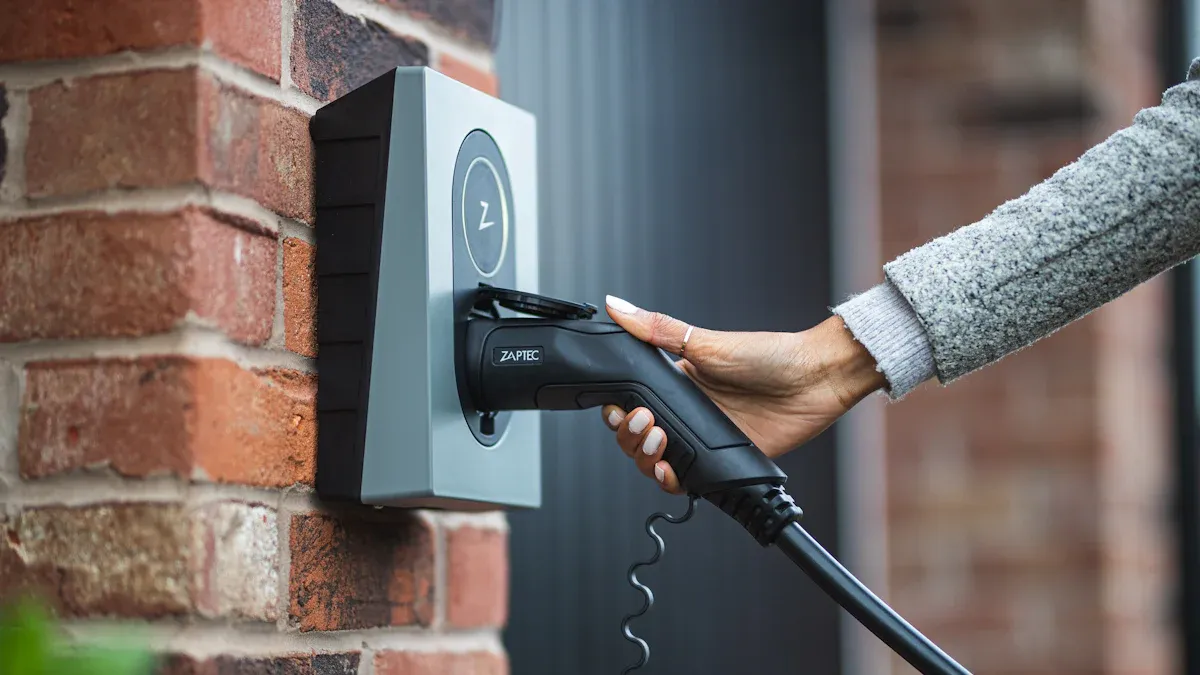
An electric vehicle charger is a sophisticated piece of equipment. It is not just a simple power cord. Modern chargers, like those from technologically advanced providers such as TPSON, incorporate multiple layers of safety to prevent electric shock. These systems work together to ensure power only flows when it is completely safe to do so.
The Reality: Advanced Shock Prevention Technology
The fear of electric shock is understandable, especially around high-power devices. However, EV chargers are engineered with redundant safety systems that make the risk extremely low. These technologies actively monitor the connection and the flow of electricity.
The “Digital Handshake” Protocol
Before any electricity flows to the vehicle, the charger and the car perform a “digital handshake.” This is a communication process that confirms a secure and proper connection. The charger will not energize the cable until it receives a confirmation signal from the vehicle. This protocol ensures the connector’s pins are not live while someone is handling them, eliminating the risk of shock during connection or disconnection.
How GFCI Protection Works
A Ground Fault Circuit Interrupter (GFCI), known in Chile as a protector diferencial, is a critical safety feature. This device constantly monitors the electrical current flowing in and out of the charger. If it detects even a tiny imbalance—meaning some electricity is leaking out of the circuit, potentially through a person—it instantly cuts the power. This rapid shutdown, often within milliseconds, happens fast enough to prevent a serious electric shock. This protection is especially vital for charging in areas that might get damp, like a garage or carport.
Touch-Safe and Weather-Resistant Connectors
The charging connectors themselves are designed for safety. The pins that carry the electrical current are recessed deep within the plug. This design makes it virtually impossible to accidentally touch them. Furthermore, these connectors are built to be weather-resistant. They often have seals to keep out dust and moisture, providing reliable protection even when charging outdoors in less-than-perfect weather.
Simple Habits to Keep Your Family Safe
While the technology provides robust protection, simple, consistent habits can enhance EV charger safety and give your family complete peace of mind.
Teaching Children About Charging Equipment
Families should teach children that the EV charger is not a toy. They should understand that, like any electrical appliance, it must be handled with care. A simple rule is that only adults should plug in and unplug the vehicle.
Proper Cable Management to Prevent Hazards
Proper cable management is key to preventing both trips and equipment damage.
- Avoid leaving the cable lying on the ground where it can be a trip hazard or sit in puddles.
- Use a wall-mounted holder or hook to store the cable and connector neatly.
- Never let the connector hang down, as this can allow water to run down the cable and into the plug.
Profesyonel ipucu: Storing your cable properly in a dry place after each use protects your investment. Water damage from improper storage can lead to costly replacements.
Safe Handling in Different Weather
Modern chargers are designed for use in various weather conditions, but caution is always wise.
- When charging in the rain, try to keep the connector as dry as possible before plugging it in.
- Form a “drip loop” with the cable, allowing water to run off before it reaches the plug or outlet.
- Never handle the equipment if you are standing in a deep puddle of water.
The Practice of Unplugging When Not in Use
When the charger is not actively charging the vehicle, it is good practice to unplug it from the wall outlet. This simple step ensures there is no power flowing to the unit, completely removing any potential electrical risk and protecting the device from power surges.
Level 1 charging offers a safe and practical solution for Chilean families. Users can embrace the convenience of at-home charging with confidence. Certified equipment from technologically advanced providers makes the process secure.
- Myth 1 Debunked: A Level 1 charger will not overload a modern home’s electrical system.
- Myth 2 Debunked: It is not a significant fire hazard when used correctly.
- Myth 3 Debunked: Multiple safety layers prevent electric shock.
For absolute certainty, especially in older homes, a quick check by a SEC-certified electrician is the best final step. ✅
SSS
Can any home outlet be used for Level 1 charging?
A modern, well-maintained 220V outlet in good condition is suitable for Level 1 charging. Users should visually inspect the outlet for damage or looseness. For older homes or any signs of wear, a SEC-certified electrician should perform an inspection to confirm its safety.
Is it safe to charge an EV in the rain?
Yes, charging in the rain is safe with certified equipment. The connectors are weather-resistant and designed to prevent water intrusion. The charger and vehicle perform a “digital handshake” and will not start the power flow if an unsafe condition is detected.
What certifications should a charger have?
Users should choose chargers with CE or UL certifications. These marks guarantee the product has passed rigorous safety tests for fire and electrical hazards. Technologically advanced providers like TPSON build their chargers to meet these important international standards, ensuring user protection.
Does overnight charging damage the car’s battery?
No, it does not. The vehicle’s Battery Management System (BMS) communicates with the charger to prevent overcharging. It automatically stops the flow of electricity once the battery is full. This process protects the battery’s health and longevity while ensuring a full charge.
Is a special installation required for a Level 1 charger?
No special installation is needed. A Level 1 charger uses a standard household wall socket, making it a convenient plug-and-play solution. This accessibility is a primary advantage for families starting their transition to electric vehicles.
What is the biggest mistake to avoid?
The most critical rule is to never use a standard household extension cord or a multi-adapter. These are not rated for the sustained power draw of EV charging and create a serious overheating and fire risk. Always plug the charger directly into the wall outlet. ✅