Germany targets one million public electric vehicle charging points by 2030, a goal supported by numerous government incentives. These ev charging incentives include federal government grants and state-level grants, creating powerful incentives for businesses. A key subsidy supports commercial electric vehicle charging infrastructure. This subsidy and other incentives encourage adopting Elektrikli araç şarj çözümleri from advanced Elektrikli araç şarj cihazı üreticileri like TPSON for electric vehicles. The incentives for electric vehicles, including fully electric vehicles, extend to the EV Şarj Cihazı and even taşınabilir ev şarj cihazları, boosting the network for all electric vehicles. These ev charging incentives and grants make investing in electric vehicles and fully electric vehicles more attractive through many incentives. The incentives for electric vehicles are strong.
Federal Government Grants for Commercial EV Charging
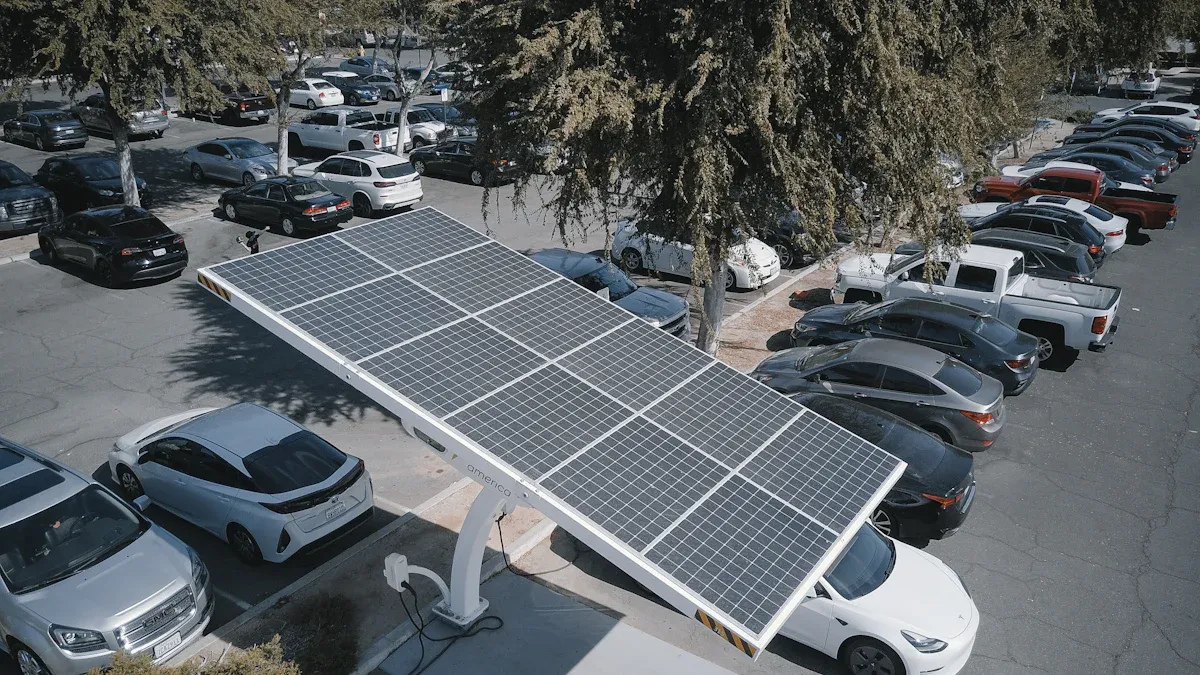
Germany’s federal government offers powerful incentives to expand the nation’s electric vehicle infrastructure. These programs provide significant financial support for businesses investing in commercial charging solutions. Understanding these government grants is the first step toward a successful project. These ev charging incentives make the transition to electric vehicles more feasible. The incentives also encourage the installation of advanced chargers from providers like TPSON for all types of electric vehicles.
“Deutschlandnetz” Program
The “Deutschlandnetz” is Germany’s most ambitious program. It aims to create a seamless, nationwide fast-charging network for electric vehicles. These incentives ensure drivers of electric vehicles can always find a reliable charger.
Funding Scope and Amounts
This program provides a substantial subsidy for building and operating high-power charging (HPC) hubs. The incentives cover a large portion of the hardware, installation, and grid connection costs for electric vehicles.
Eligibility for Businesses and Municipalities
Businesses, consortiums, and municipalities can bid on regional tenders. Applicants must demonstrate financial stability and technical expertise to manage large-scale charging infrastructure projects for electric vehicles.
Technical and Location Requirements
Sites must be strategically located near major highways and in urban centers. The chargers must meet high technical standards, including high-power DC output and 24/7 accessibility for all electric vehicles.
2025 Tender and Application Deadlines
The government will announce new tender rounds for 2025. Interested parties should monitor the official portal for specific deadlines. Early preparation is critical for these competitive grants.
KfW Investment Grants (439/441)
The KfW bank offers grants specifically for commercial charging points. These incentives target companies adding charging capabilities for employees or their own fleet of electric vehicles.
Financial Support Details per Charging Point
KfW provides a fixed subsidy per charging point. The program offers up to €900 for each new charging station. These incentives help offset the initial installation cost for businesses.
Eligible Applicants: SMEs and Corporations
Small, medium, and large companies are eligible. Freelancers and non-profit organizations can also apply for these grants. The program supports a wide range of commercial entities.
Required Charging Infrastructure Specifications
The infrastructure must use electricity from renewable sources. The charging points must be intelligent and controllable. These requirements ensure the new infrastructure is future-proof for electric vehicles.
Application Window and Process for 2025
Applicants must submit their request before ordering or starting the project. The application window for 2025 will be announced on the KfW portal. These incentives are very popular.
KfW 442: “Solar Power for Electric Cars”
This unique program combines incentives for solar, storage, and charging. It promotes self-sufficient energy solutions for owners of fully electric vehicles.
Grant Structure: €10,200 for Solar, Storage, and Charger
This grant offers a lump-sum payment of up to €10,200. The subsidy supports the combined purchase of a photovoltaic system, a solar power storage unit, and a charging station for fully electric vehicles.
Eligibility for Commercial Properties
Not: While primarily for private residential buildings, businesses operating from a residential property may qualify. It is essential to check the specific eligibility criteria for this unique ev charging incentives program.
Technical System Requirements
The system components must meet minimum performance specifications. For example, the photovoltaic system must have at least 5 kWp peak power. The electric car must be a company car or privately owned.
How to Apply via the KfW Portal
Applications are submitted exclusively through the KfW grant portal (“Zuschussportal”). All components must be ordered only after receiving the grant approval. These incentives are designed to be straightforward.
BAFA Environmental Bonus (Umweltbonus)
The BAFA Environmental Bonus, or Umweltbonus, is a federal program providing direct financial incentives for the purchase of electric vehicles. While not a grant for charging hardware, its impact on commercial charging infrastructure is significant. These incentives directly fuel the demand for robust charging solutions. The program offers powerful incentives to accelerate the adoption of electric vehicles across Germany. These incentives make transitioning a company fleet to electric vehicles a financially sound decision.
How the Bonus Impacts Fleet Charging Needs
The primary function of the Umweltbonus is to lower the acquisition cost of electric vehicles. When a business utilizes these incentives to expand its fleet, it simultaneously creates an immediate need for on-site charging. A larger number of electric vehicles requires more charging points to ensure operational readiness. The financial incentives for purchasing vehicles therefore build a strong business case for investing in charging infrastructure. Companies find that these incentives for vehicles justify the parallel expense of installing chargers. The bonus makes the entire ecosystem of electric mobility more accessible.
Eligible Business and Vehicle Types
A wide range of entities can benefit from these powerful incentives. Eligibility extends to:
- Companies and self-employed individuals
- Municipalities and associations
- Non-profit organizations
The program supports the purchase or leasing of new and young used electric vehicles. This includes battery electric vehicles (BEVs) and fuel cell vehicles. The incentives help businesses acquire multiple fully electric vehicles, which in turn require extensive charging capabilities. The bonus covers various types of vehicles, from passenger cars to light commercial vehicles.
Connection to Charging Infrastructure Planning
A successful fleet transition depends on a comprehensive strategy. The incentives for acquiring electric vehicles are only one part of the equation. Businesses must plan for the energy needs of their new electric vehicles. This creates a direct link between the Umweltbonus and infrastructure investment.
A company cannot operate a fleet of electric vehicles without a reliable charging network. Planning for charging solutions from advanced providers like TPSON should occur in parallel with vehicle acquisition. This ensures that the new electric vehicles can be charged efficiently from day one.
These incentives push companies to think holistically about their e-mobility transition.
Key Dates and Program Status for 2025
The German government periodically adjusts the terms and funding levels of the Umweltbonus. For 2025, businesses must monitor the official Federal Office for Economic Affairs and Export Control (BAFA) website for the latest announcements on application windows and subsidy amounts. These popular incentives often have high demand, making timely submission critical. The program remains a cornerstone of Germany’s policy to promote fully electric vehicles. Securing these incentives is a key step for any business planning to electrify its fleet of vehicles.
State-Level EV Charging Incentives (Länder)
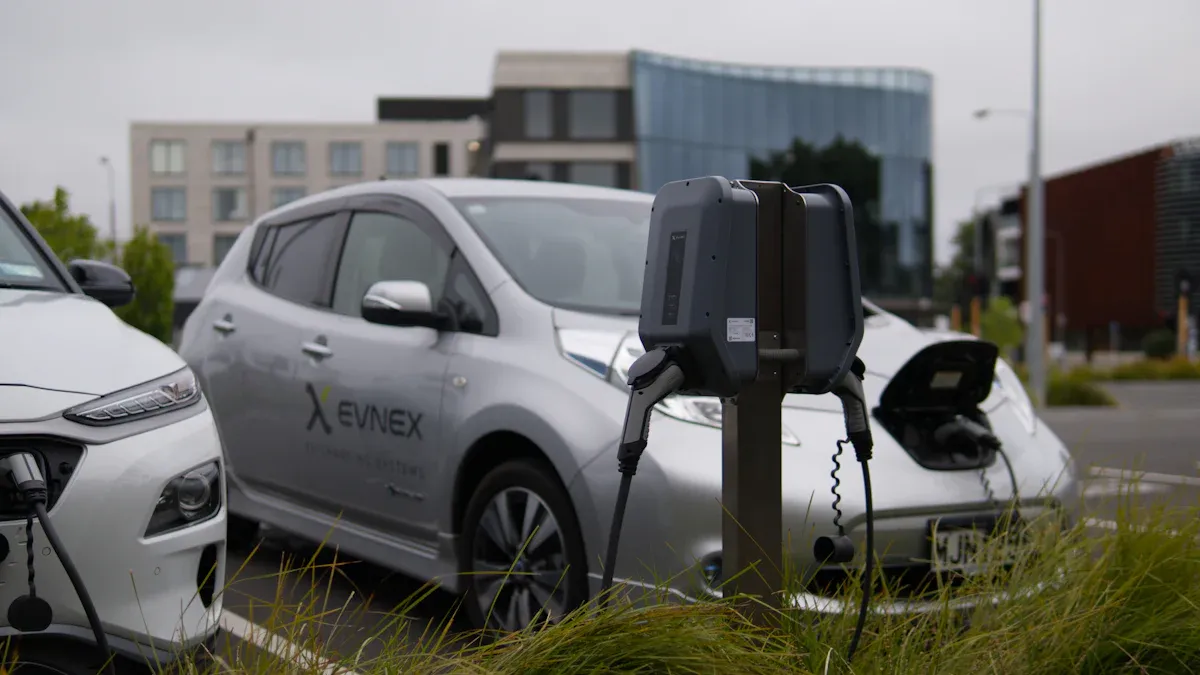
Beyond federal programs, Germany’s individual states (Länder) offer their own powerful government grants. These regional incentives often target specific local goals. They provide another layer of financial support for businesses investing in electric vehicle charging. Companies should explore these state-level grants to maximize their funding. These incentives are crucial for building out local charging networks for electric vehicles.
North Rhine-Westphalia: progres.nrw – Climate Protection Technology
North Rhine-Westphalia (NRW) leads with its comprehensive “progres.nrw” program. These incentives provide significant funding for climate-friendly technologies, including charging solutions for electric vehicles.
Program Overview and Goals
The program aims to achieve NRW’s climate protection goals. It funds projects that reduce greenhouse gas emissions. The state provides these incentives to encourage innovation and the adoption of green technologies. The program offers a strong subsidy for businesses helping the state meet its environmental targets. These incentives help companies invest in the future of mobility for electric vehicles.
Funding Specifics for Charging Points
“progres.nrw” offers grants for the installation of charging points. The program provides a subsidy for both public and non-public stations. Funding amounts vary based on the charger’s power output and accessibility. These ev charging incentives make installing advanced chargers from providers like TPSON more affordable for all types of electric vehicles.
Unique Eligibility Rules for NRW Businesses
Eligibility extends to companies, municipalities, and freelancers located in NRW. A key rule is that the charging station must be powered by electricity from renewable sources. These specific incentives ensure the new infrastructure supports the state’s green energy goals for electric vehicles.
Link to the State Funding Agency
Businesses can find detailed information and application forms on the official website for the state’s project management agency, PtJ Jülich, which administers the program.
Bavaria: Ladeinfrastrukturförderung Program
Bavaria’s charging infrastructure program provides targeted support for expanding its network. These incentives help businesses offer charging for employees, customers, and the public.
Program Overview and Goals
The program’s goal is to create a dense and reliable charging network across Bavaria. It provides financial incentives for companies to install new charging stations for electric vehicles. This support helps accelerate the transition to electric mobility for commercial fleets and private vehicles.
Funding Amounts for Public vs. Private Chargers
The program offers different funding rates for public and non-public chargers.
- Public Chargers: Receive higher incentives to encourage broad accessibility for all drivers of electric vehicles.
- Private (Non-Public) Chargers: Receive grants to support workplace charging for employee vehicles and company fleets of fully electric vehicles.
Specific Requirements for Bavarian Companies
Applicants must be based in Bavaria. The project must not have started before the grant application is approved. These incentives are designed to stimulate new investments in charging infrastructure for electric vehicles.
Link to the State Funding Agency
Companies can access program guidelines and application portals through the Kompetenzzentrum Ladeinfrastruktur, Bavaria’s center of excellence for charging infrastructure.
Baden-Württemberg: Charge@BW Program
Baden-Württemberg’s “Charge@BW” program offers robust ev charging incentives. It helps businesses contribute to the state’s reputation as a hub for automotive innovation.
Program Overview and Goals
“Charge@BW” aims to ensure comprehensive charging coverage throughout the state. The program provides grants to reduce the initial investment cost for businesses installing chargers for electric vehicles. These incentives are vital for supporting the growing number of electric vehicles on the road.
Grant Details and Funding Caps
The program provides a fixed amount per charging point, with specific caps on the total funding a single applicant can receive. These incentives cover a percentage of the eligible costs for hardware and installation for fully electric vehicles.
Eligibility Criteria within the State
Eligible applicants include companies, freelancers, and municipal entities located in Baden-Württemberg. The charging points must meet certain technical standards and be registered with the Federal Network Agency (Bundesnetzagentur). These incentives are for new installations of electric vehicle chargers.
Link to the State Funding Agency
Interested parties can find all necessary information and apply through the L-Bank, the state bank of Baden-Württemberg.
Funding Programs in Other Key States
Many other German states provide powerful incentives for businesses to build out charging infrastructure. These regional programs offer another layer of financial support for companies investing in the future of electric mobility. Exploring these local incentives is a critical step for any project.
Overview of Incentives in Hesse
Hesse offers significant incentives to expand its charging network for electric vehicles. The state’s program supports the installation of publicly accessible charging points. Businesses receive these incentives to help cover the costs of hardware and grid connection. The goal is to create a robust infrastructure that supports the growing number of electric vehicles on Hesse’s roads. These ev charging incentives are designed to accelerate the transition for all types of electric vehicles.
Overview of Incentives in Lower Saxony
Lower Saxony provides targeted incentives for charging infrastructure, especially in commercial settings. The state’s funding supports both public and non-public charging stations. This helps companies provide charging for employee vehicles and their own corporate fleets. The program offers attractive incentives for businesses of all sizes. These financial incentives make it easier for companies to invest in charging solutions for their electric vehicles. The state supports a wide range of electric vehicles.
Overview of Incentives in Berlin
The city-state of Berlin has its own unique program to promote electric mobility. The incentives often focus on intelligent charging infrastructure that can be integrated into the urban smart grid.
Berlin’s program encourages businesses to install chargers in publicly accessible locations, such as retail parking lots and office buildings. These incentives help the city manage the energy demands of a dense population of electric vehicles.
The program provides strong support for companies adopting advanced charging technology for their electric vehicles, including fully electric vehicles.
How to Find Your Local State Program
Finding the right program for your business location is essential. Each German state has its own agency or ministry managing these funds. Here is how to locate your local incentives:
- State Energy Agencies (Landesenergieagenturen): These agencies are often the primary source for information on ev charging incentives.
- State Ministries for Economic Affairs, Transport, or Environment: Check the official websites of these ministries for funding announcements.
- Municipal Websites: Some cities and municipalities offer their own additional incentives.
Proper research ensures you can access all available incentives. This helps you build a strong financial case for installing advanced charging systems from providers like TPSON for your fleet of electric vehicles or for public use. These incentives are vital for supporting the nationwide adoption of fully electric vehicles and other electric vehicles.
Understanding Grant Types and Technical Requirements
Navigating Germany’s funding landscape requires a clear understanding of the different grant types and the technical standards they demand. The available incentives often depend on whether a charging station is public or private, its power output, and its technical capabilities. Meeting these requirements is essential for securing government grants for your electric vehicles infrastructure project.
Public vs. Non-Public Charging Grants
The distinction between public and non-public charging is critical, as it directly impacts the level of incentives a business can receive. Government programs offer different levels of support based on accessibility.
Defining Public Accessibility
A “public” charging station has specific legal definitions that applicants must meet to qualify for certain incentives. These rules ensure fair access for all drivers of electric vehicles.
- Ad-hoc Charging: Users must be able to charge their electric vehicles without a pre-existing contract.
- Non-discriminatory Pricing: The price for ad-hoc charging must be the same for everyone.
- Open Access: The station cannot have physical barriers or other restrictions that limit access to a specific group of users.
Stations that restrict access, for example to employees only, are considered non-public.
Higher Subsidies for Public Stations
Governments provide greater incentives for publicly accessible charging points. This higher subsidy reflects the greater public benefit of expanding the network for all electric vehicles drivers. These grants help offset the higher costs associated with prime locations and robust payment systems. The incentives are designed to encourage businesses to serve the wider community.
Requirements for Non-Public Workplace Charging
Non-public stations, such as those for a commercial fleet or employees, face different requirements. While they do not need to offer ad-hoc payment, they still must meet technical standards to qualify for incentives. These grants support businesses transitioning their fleets to fully electric vehicles by making on-site charging more affordable. These incentives are key for electrifying company car parks.
AC vs. DC Charging Station Subsidies
The type of charging technology—AC (alternating current) or DC (direct current)—also determines the available incentives. Each serves a different purpose for drivers of electric vehicles.
Funding Differences for Normal Charging (AC)
AC chargers provide “normal” charging speeds, ideal for locations where electric vehicles park for several hours, like offices or hotels. The subsidy for AC stations is typically a fixed amount per charging point. These incentives make it cost-effective to install multiple chargers for fleets or employees.
Funding for High-Power Charging (DC)
DC fast chargers deliver significantly more power, enabling rapid charging in under an hour.
These are essential for public charging hubs along highways or at retail locations where drivers need a quick top-up. Because DC hardware and installation are more expensive, the incentives and grants are substantially higher to encourage their deployment for all electric vehicles.
Matching Grant Type to Your Business Needs
Businesses should align their technology choice with their operational needs to maximize incentives. A logistics company may prioritize AC chargers for its overnight fleet of electric vehicles, while a retail center would benefit more from the incentives for public DC fast chargers to attract customers with fully electric vehicles.
Minimum Technical Standards for Eligibility
To qualify for any government incentives, şarj altyapısı must meet specific technical benchmarks. These standards ensure the network is safe, reliable, and future-proof.
Power Output Requirements (kW)
Most funding programs specify a minimum power output. For AC chargers, this is often 11 kW or 22 kW. For DC chargers, requirements usually start at 50 kW and go much higher. Projects using advanced hardware from providers like TPSON easily meet these power standards.
Smart Charging and Load Management
A key requirement for many incentives is “intelligent” or smart charging capability. This allows the station to communicate with the grid and other chargers to manage electricity consumption. This load management prevents grid overloads, a crucial feature for sites with many electric vehicles.
Payment System and Backend Software
Publicly funded chargers must include compliant payment systems that accept common payment methods. Furthermore, all grant-supported stations typically need backend software for monitoring, reporting usage data to authorities, and managing operations for electric vehicles.
The Application Process: A Step-by-Step Guide
Securing government funding requires a structured approach. A successful application process involves careful preparation, timely submission, and diligent follow-through. Following these steps helps businesses navigate the system and access available incentives for their EV charging projects.
Step 1: Pre-Application and Eligibility Check
This initial phase is the most critical for success. Proper preparation prevents disqualification and ensures a smooth application journey for all available incentives.
Verifying Your Project’s Grant Eligibility
Businesses must first confirm their project aligns with the specific rules of the chosen funding program. Each program has distinct criteria for company size, project scope, and location. Verifying eligibility upfront saves significant time and resources. These incentives are only awarded to compliant projects.
Assembling Required Documents Checklist
Applicants need to gather a comprehensive set of documents. A typical checklist includes:
- Company registration details
- A detailed project description
- Site plans for the proposed installation
- Proof of property ownership or a landlord’s consent
Obtaining a Compliant Cost Estimate
Funding bodies require a formal cost estimate from a qualified specialist. This estimate must detail all eligible costs, including hardware, software, and installation services. These detailed estimates are essential for securing the correct level of incentives.
Selecting Certified Hardware and Installers
Most grants mandate the use of certified hardware and qualified installers. Businesses should select charging solutions from advanced providers like TPSON that meet all technical standards. The installation must be performed by a certified electrical company to qualify for the incentives.
Step 2: Submitting Your Grant Application
With all preparations complete, the next step is the formal submission. Accuracy and timeliness are paramount during this stage to receive the desired incentives.
Guide to the BAFA Application Portal
The Federal Office for Economic Affairs and Export Control (BAFA) manages programs like the Umweltbonus. Its online portal guides applicants through a series of forms where they upload their prepared documents.
Guide to the KfW-Zuschussportal
The KfW bank group uses its own grant portal, the Zuschussportal, for programs like 439/441 and 442. Applicants create an account and submit all project details directly through this platform to access these grants.
Common Application Mistakes and How to Avoid Them
Crucial Tip: The most common mistake is ordering hardware or starting the installation before receiving official grant approval. Most incentives programs explicitly forbid this. Applicants must wait for the funding commitment to proceed.
Tracking Your Application Status
Once submitted, applicants can monitor the status of their application through the respective online portals. This transparency allows businesses to track progress and respond to any information requests promptly. These grants often have clear tracking systems.
Step 3: Post-Approval and Project Implementation
Receiving approval is a major milestone. The final phase involves executing the project and completing the necessary paperwork to receive the financial incentives.
Understanding the Funding Commitment
The approval notice, or Zuwendungsbescheid, is a legally binding document. It outlines the approved funding amount, project timeline, and all reporting requirements for the incentives.
Timeline for Installation and Commissioning
Funding commitments specify a timeframe for project completion, typically 12 to 24 months. Businesses must complete the full installation of charging points and commissioning within this period. The final installation must match the approved plan.
Submitting Proof of Completion and Invoices
After the installation is complete, businesses must submit final documentation. This includes all paid invoices and a completion report from the installer. These documents prove the project was executed as planned to release the grants and incentives.
Timeline for Receiving Grant Disbursement
The funding body reviews the final documents. After verification, it disburses the approved incentives to the applicant’s bank account. The timeline for this final payment can vary but is the last step in securing the financial incentives.
Maximizing Your Funding: Combining Grants and Other Incentives
Businesses can strategically combine multiple funding sources to significantly reduce the cost of their electric vehicle charging projects. Understanding the rules for stacking incentives is key to maximizing financial support. This approach helps companies build robust charging infrastructure for their electric vehicles.
Rules for Combining Federal and State Government Grants
Navigating the combination of different government grants requires careful attention to specific regulations. These rules prevent over-subsidization of projects involving electric vehicles.
Understanding Cumulation Regulations
Germany has strict cumulation rules (Kumulierungsregeln) for its incentives. The total public funding from all sources cannot exceed a certain percentage of the project’s eligible costs. This cap ensures that businesses still contribute a portion of the investment. These incentives are designed to support, not fully fund, projects for electric vehicles.
Examples of Permissible Grant Stacking
A business can often combine federal and state grants. For example, a company might use a federal KfW grant for the charging hardware and a state-level subsidy for the grid connection costs. This stacking of incentives is permissible if the total funding remains within the allowed limits for the electric vehicles project.
Prohibited Grant Combinations
Önemli Not: It is generally prohibited to use two different federal grants to cover the same exact expense. For instance, a business cannot apply for two separate federal incentives to pay for the same electric charger. Such combinations are a common reason for application rejection.
How to Correctly Report Multiple Funding Sources
Transparency is mandatory. Applicants must declare all other requested or received incentives on every application form. Failure to report other grants can lead to the withdrawal of funding and potential penalties. Correct reporting ensures compliance with all program rules for electric vehicles.
Leveraging Additional Financial Benefits
Beyond direct grants, companies can access other financial incentives. These additional benefits further improve the return on investment for charging infrastructure.
New 2025 Tax Incentives for EV Infrastructure
The government plans to introduce new tax incentives in 2025. These may include special depreciation allowances (Sonderabschreibungen) for charging stations. This allows businesses to write off the investment cost faster, reducing their tax burden. These tax incentives provide another powerful reason to invest in charging for electric vehicles.
Local Municipal Subsidies and Programs
Many cities and municipalities offer their own local ev charging incentives. These programs often provide a smaller, additional subsidy for installing chargers. Businesses should check their local city hall’s website for these valuable incentives. These local grants can complement federal and state support for electric vehicles.
Special Funding for Municipalities and Public Transport
Public entities have access to special funding pots. Municipalities and public transport operators can apply for dedicated ev charging incentives to electrify their fleets of vehicles. These programs support the development of public charging networks for buses and other municipal electric vehicles, including fully electric vehicles. These incentives are crucial for public sector e-mobility.
Calculating ROI and Long-Term Benefits
Investing in electric vehicle charging infrastructure is a strategic financial decision. Businesses must calculate the potential return on investment (ROI) to justify the expense. A thorough analysis considers all costs, available incentives, and long-term revenue streams. This calculation demonstrates the project’s financial viability for all types of vehicles.
Estimating Your Total Project Cost
A precise cost estimate is the foundation of any ROI calculation. Businesses should account for all initial and ongoing expenses. These powerful incentives help lower the overall financial burden.
Hardware and Installation Expenses
The primary cost involves the charging hardware and its physical installation. This includes:
- The purchase price of charging stations, such as advanced systems from providers like TPSON.
- Labor costs for certified electricians to perform the installation.
- Civil engineering work for trenching and foundation pouring.
Grid Connection and Software Costs
Additional expenses often arise from grid and software requirements. Upgrading the property’s electrical connection to handle the increased load can be a significant cost. Backend software for station management, payment processing, and reporting also adds to the initial investment. These incentives can help offset these costs for the new vehicles.
Ongoing Operational and Maintenance Costs
Businesses must also budget for long-term operational costs. These include the cost of electricity, network service fees for the software, and potential maintenance contracts. These ongoing expenses impact the long-term profitability of charging the electric vehicles.
Yatırım Getirinizin Hesaplanması
A comprehensive ROI calculation weighs the total project cost against the financial benefits. Government incentives play a crucial role in improving the financial outlook for charging infrastructure for vehicles.
Factoring in Grants and Tax Deductions
Government grants, the federal subsidy, and other incentives directly reduce the initial capital expenditure.
By subtracting the total value of all secured incentives from the project cost, a business can determine its true net investment. New tax incentives further improve the financial case for charging vehicles.
Projecting Revenue from Public Charging
Publicly accessible chargers create a new revenue stream. Businesses can set a price per kilowatt-hour, generating income from customers who charge their vehicles. These incentives encourage companies to serve the growing market of electric vehicles.
Calculating Savings for Fleet Operations
Companies with a commercial fleet of vehicles realize significant savings. Charging electric vehicles with on-site electricity is substantially cheaper than refueling gasoline or diesel vehicles. These operational savings are a major component of the ROI. The incentives make transitioning fleets of vehicles more attractive.
Long-Term Value and Property Appreciation
Charging stations add value beyond direct revenue. They attract and retain employees and customers who drive elektrikli araçlar. Properties with charging infrastructure are more appealing, potentially leading to higher property values. These incentives support future-proofing a business for the era of electric vehicles.
Securing 2025 funding is a strategic commercial move. Businesses should follow a clear checklist to access powerful government grants.
- Identify the most suitable federal and state grants.
- Verify all project and business eligibility criteria.
- Prepare complete documentation and submit before the deadline.
These ev charging incentives make building charging infrastructure for vehicles a smart investment. A successful commercial project future-proofs a business, capitalizing on the shift to e-mobility. The available incentives are strong.
SSS
Can I start my project before grant approval?
No. Applicants must wait for official grant approval (Zuwendungsbescheid) before ordering hardware or starting installation. Beginning the project prematurely will disqualify it from receiving most government incentives. This is a critical rule for all major funding programs.
What is the main difference between federal and state grants?
Federal grants, like KfW programs, apply nationwide. State (Länder) grants are specific to a region, such as progres.nrw in North Rhine-Westphalia. Businesses should check both federal and their local state programs to maximize potential funding for their electric vehicles project.
Do I need to use green electricity for my chargers?
Yes, most German funding programs mandate it. To receive incentives, the charging station must be powered by electricity from 100% renewable sources. This can be from a green electricity tariff or an on-site system like solar panels.
How do I choose the right charger for my business?
The choice depends on your needs. AC chargers are ideal for long-duration parking at workplaces. DC fast chargers suit public locations where drivers need a quick charge. Advanced providers like TPSON offer a range of certified hardware to meet any requirement.
Can I combine multiple grants for one project?
Yes, combining federal and state grants is often possible. However, applicants must follow strict cumulation rules. The total subsidy cannot exceed a set percentage of the project’s costs. You must declare all funding sources on each application.
What happens if my application is rejected?
If an application is rejected, the funding agency provides a reason. Applicants can often correct the mistake and reapply in a future funding round. Common reasons for rejection include incomplete documentation or starting the project too early.
Are grants available for portable EV chargers?
Generally, no. Government incentives focus on permanently installed charging infrastructure. Portable chargers for electric vehicles typically do not qualify for federal or state grants, as the programs aim to build out a fixed, reliable public and private charging network.