You can find EV chargers quickly by using top-rated locator apps and websites. Download platforms like PlugShare, ChargeFinder, or ChargePlus to access the latest charging options from leading Elektrikli araç şarj cihazı üreticileri. Make sure your device’s location is active for accurate results at your current location. Before you start charging, check real-time data to confirm compatibility with your vehicle. EV adoption continues to grow, making reliable access to an EV Şarj Cihazı gerekli.
Step-by-Step Guide to Find EV Chargers Using Locator Apps
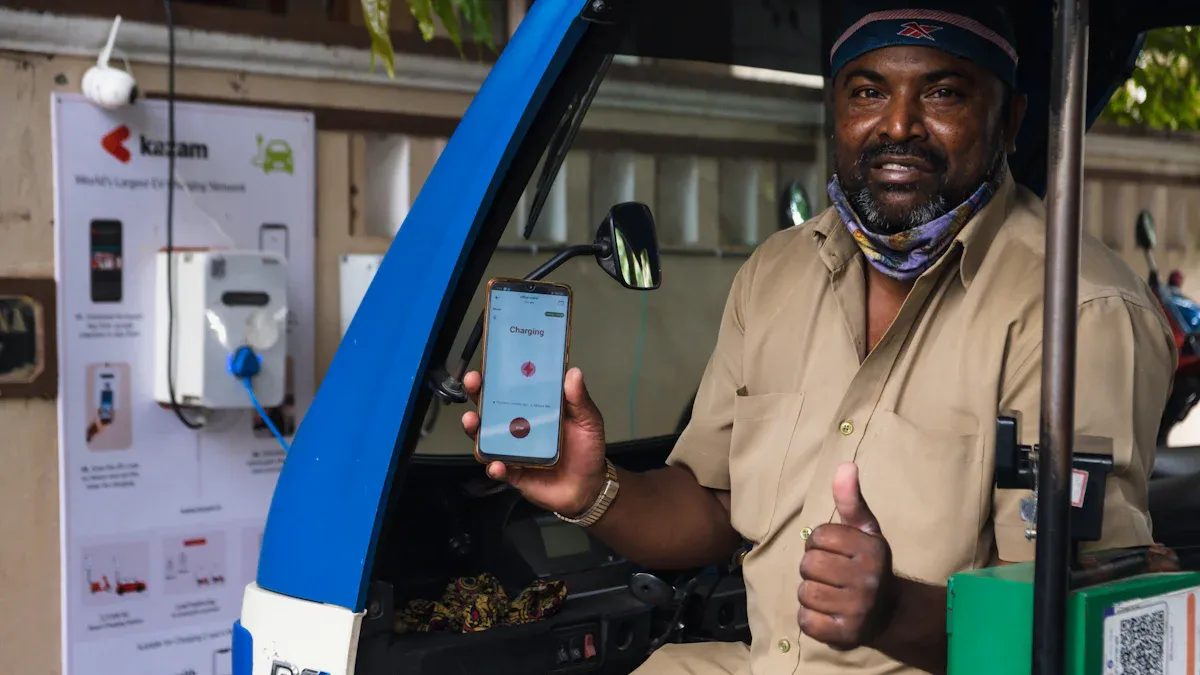
PlugShare: Find EV Chargers Near You
Setting Up PlugShare for Southeast Asia
You can start your search for EV charging stations by downloading the PlugShare app on your smartphone. After installation, enable your device’s location services. This step ensures PlugShare displays the most relevant charging stations near you. Set your region to Southeast Asia in the app settings. This adjustment helps you find ev chargers that match your travel area and vehicle requirements.
Searching for Nearby Chargers
PlugShare offers a user-friendly map interface. You can filter results based on connector type, charging speed, and amenities. The app provides gerçek zamanlı güncellemeler on station availability and functionality. You can also access integrated payment options at select locations. The community-driven input feature allows you to discover new stations and receive updates from other users. The table below summarizes the main features that help you find ev chargers efficiently:
| Özellik | Açıklama |
|---|---|
| Gerçek zamanlı güncellemeler | Provides current information on station availability and functionality, reducing travel uncertainty. |
| Integrated payment options | Allows users to pay for charging sessions directly within the app at select locations. |
| Customizable search options | Lets users tailor the map based on criteria like connector type and nearby amenities. |
| Community-driven input | Enables users to discover new chargers and receive updates on new stations in their vicinity. |
Tip: Always check the live status of a charger before heading out. This step saves you time and avoids unnecessary detours.
ChargeFinder: Real-Time Search and Map Features
Creating an Account and Setting Preferences
You can create a free account on ChargeFinder to unlock more features. After registration, set your preferences for connector type, charging speed, and preferred payment methods. This customization helps you filter out incompatible stations and focus on those that suit your EV.
Viewing Charger Details and Availability
ChargeFinder displays a real-time map of charging stations. You can view detailed information for each charger, such as location, availability, and supported payment options. The app updates charger status frequently, so you always have the latest information. This feature helps you plan your charging stops with confidence.
ChargePlus and Local Networks in Southeast Asia
ChargePlus Singapore and Regional Coverage
ChargePlus operates more than 1,000 charging points in Singapore. The company has also launched its first 120kW chargers in Malaysia. You can find ev chargers from ChargePlus at commercial hubs and highway rest stops. The table below shows the current and planned coverage for ChargePlus and other local networks:
| Konum | Şarj Türü | Durum |
|---|---|---|
| Singapur | DC Supercharging | Operasyonel |
| Kuala Lumpur | DC Supercharging | Operasyonel |
| Bangkok | DC Supercharging | Operasyonel |
| Future Locations | DC Supercharging | Planlanmış |
- At least 20 co-branded ‘supercharging’ sites are planned across Southeast Asia.
- Expansion will include Indonesia, Singapore, Malaysia, and Thailand.
- The focus is on high-traffic locations to support growing ev adoption.
ChargePlus is building an ‘EV charging highway’ that will stretch 5,000 km and connect major Southeast Asian cities. This project aims to establish 45 DC charging hubs, making long-distance travel easier for EV drivers.
EVX Malaysia: Local Charging Network
EVX Malaysia provides a growing network of charging stations in urban and suburban areas. You can use their app to locate chargers, check availability, and view pricing. The network supports both AC and DC charging, making it suitable for different types of EVs.
BlueSG Singapore: Citywide Charging
BlueSG operates a citywide charging network in Singapore. You can access their stations through the BlueSG app. The network covers residential neighborhoods, shopping centers, and business districts. This coverage ensures you can find ev chargers throughout the city.
Electrify Thailand: Regional Coverage
Electrify Thailand offers a regional charging network with a focus on major cities and highways. You can use their platform to locate chargers, check real-time status, and plan your route. The network supports fast charging, which helps reduce waiting times during your journey.
Using Google Maps and Other Navigation Tools
Searching for “EV charger near me”
You can use Google Maps to quickly locate charging stations for your EV. Open the app on your smartphone and enter “EV charger near me” in the search bar. The map will display pins for nearby charging points based on your current location. You see real-time results that update as you move or zoom in and out. This method works well in Southeast Asia, where many charging networks integrate their data with Google Maps.
You should enable location services on your device before searching. This step ensures the map shows the most accurate results for your area. You can also use voice search by saying, “Hey Google, find EV chargers near me.” The app responds with a list of available stations and directions. You can tap on any pin to view details such as address, operating hours, and supported connector types.
Tip: Save your favorite charging stations in Google Maps by tapping “Save” on the station’s info card. This feature helps you plan future trips and access chargers more efficiently.
Many navigation apps, including Waze and Apple Maps, offer similar search functions. You can enter keywords like “EV charging station” or “electric vehicle charger” to find options in your location. These apps often provide turn-by-turn directions, estimated arrival times, and traffic updates.
Checking User Ratings and Photos
When you select a charging station on Google Maps, you can view user ratings and photos. These reviews help you assess the reliability and safety of each location. You see comments about charger speed, ease of access, and overall experience. Photos give you a visual reference, showing the station’s setup and nearby amenities.
You should check the ratings before choosing a charger, especially if you travel to a new area. High ratings often indicate well-maintained stations with good service. You can also look for recent photos to confirm the station’s condition and compatibility with your EV.
The table below summarizes what you can learn from user ratings and photos:
| Özellik | What You Learn |
|---|---|
| Ratings | Reliability, service quality, safety |
| Photos | Station layout, amenities, accessibility |
| Comments | Charging speed, payment options, tips |
Note: Always verify the latest user feedback before you visit a new charging location. This step helps you avoid delays and ensures a smooth charging experience.
You can contribute to the community by leaving your own ratings and uploading photos after you use a station. Your feedback helps other EV drivers make informed decisions and improves the overall charging network.
How to Filter and Find EV Chargers by Type, Availability, and Payment
Selecting Charger Type (AC, DC, Fast, Superfast)
When you search for a şarj istasyonu, you need to know which charger type fits your vehicle and your needs. In Southeast Asia, you will find both AC ve DC şarj cihazları widely available. TPSON, for example, offers versatile AC chargers for home use and compact DC fast chargers for commercial and emergency applications. This variety supports the growing charging infrastructure in the region and meets the demands of different users.
Understanding Connector Compatibility
You should always check connector compatibility before heading to a charging station. Most locator apps allow you to filter by connector type, ensuring you only see stations that match your EV. AC chargers often work well for overnight or home charging, while DC fast chargers provide rapid charging for quick stops. This flexibility helps you plan your route and avoid unnecessary delays.
- AC chargers: Ideal for home or long-duration parking, often with features like Dynamic Load Balancing.
- DC fast chargers: Best for commercial locations or emergency charging, offering much faster charging speeds.
Filtering by Charging Speed
Charging speed plays a crucial role in your travel plans. Locator apps let you filter stations by charging speed, so you can choose between standard, fast, or superfast options. For example, PlugShare and AmpUp allow you to select charger speed and type, helping you find the right fit for your schedule and vehicle.
| Uygulama Adı | Filtreleme Seçenekleri | Ek Özellikler |
|---|---|---|
| AmpUp | Network, Charger Type, Availability | Built-in map for locating nearby chargers |
| PlugShare | Vehicle Type, Charger Speed, Pricing | Customizable search for free chargers |
Tip: Use the filtering tools in your app to quickly narrow down stations by speed, connector, and network. This approach saves time and ensures you reach the right location.
Checking Real-Time Availability of EV Chargers
Viewing Live Status Updates
Güvenilir şarj altyapısı depends on real-time data. Many apps now provide live status updates, showing whether a charger is available or in use. The integration of real-time data and AI-driven diagnostics has improved the reliability of charging stations in Southeast Asia. This technology helps you avoid wasted trips and builds trust in the charging network.
Reserving a Charging Spot (if available)
Some networks let you reserve a charging spot in advance. This feature is especially useful in busy urban areas where demand is high. By reserving, you secure your spot and reduce waiting times. The rise of connected and smart charging solutions means you can rely on up-to-date information and better planning for your journey.
Payment Options and Pricing for EV Charging
In-App Payments vs. On-Site Payments
You will find a range of payment options at public charging stations. Many DC hızlı şarj stations accept RFID cards, POS terminals, or mobile apps. Some locations also support credit card readers, QR codes, and mobile wallets. Plug-and-charge technology is becoming more common, making the process even smoother.
| Şarj İstasyonu Tipi | Ödeme Seçenekleri |
|---|---|
| DC Hızlı Şarj | RFID, POS, mobile App |
TotalEnergies in Singapore, for example, offers a mobile app that provides real-time information on charging stations, rates, and payment options. This convenience supports the expanding charging infrastructure and encourages ev adoption.
Viewing Cost Estimates Before Charging
Before you start charging, always check the estimated cost. Many apps display pricing details upfront, so you can compare rates and avoid surprises. PlugShare, for instance, lets you filter by pricing and even search for free chargers. This transparency helps you manage your budget and choose the best location for your needs.
Note: Always review payment and pricing details in your app before you begin charging. This step ensures a smooth and hassle-free experience.
Find EV Chargers in Popular Southeast Asian Locations
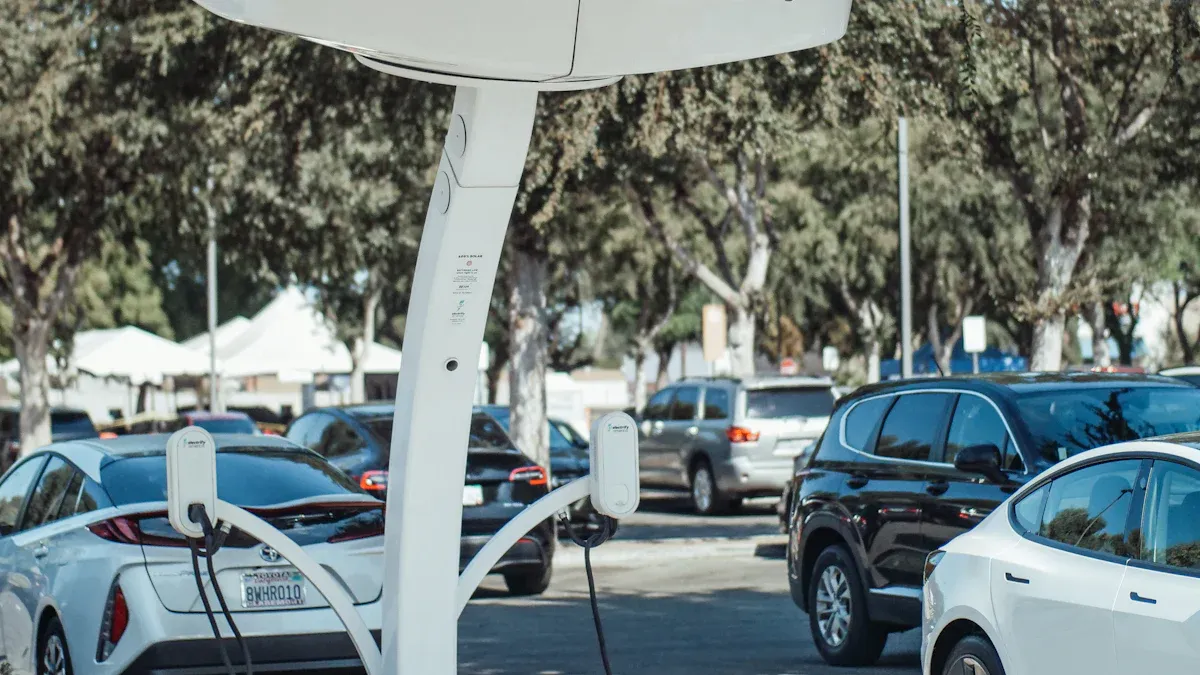
Alışveriş Merkezleri ve Perakende Merkezleri
Locating Chargers in Parking Lots
You often find EV chargers in the parking lots of major shopping malls across Southeast Asia. Mall operators recognize the importance of supporting EV adoption, so they install charging stations near main entrances or in dedicated green zones. When you arrive at a mall, look for clear signage that directs you to the charging area. Some malls use color-coded parking spaces or floor markings to help you identify the correct location quickly. You should always check the parking map at the entrance or ask security staff for directions if you cannot spot the chargers right away.
Checking Mall Websites for Charging Info
Before you visit a shopping mall, you can check its official website for up-to-date information about EV charging facilities. Many malls list the number of available chargers, their types, and the exact parking location. Some websites even provide real-time updates on charger availability. This step helps you plan your visit and ensures you do not waste time searching for a spot. You can also find details about payment methods and any special promotions for EV drivers.
Oteller ve Konaklama Yerleri
Asking Hotel Staff About EV Charging
When you stay at a hotel, you should always ask the front desk about available EV charging options. Many hotels with EV charging offer different types of chargers to meet guest needs. Staff can guide you to the correct parking area and explain how to access the charging station. You may need to reserve a spot in advance, especially in busy urban locations.
Booking Hotels with On-Site Chargers
You can make your trip more convenient by booking hotels with EV charging. Many booking platforms now let you filter search results to show only hotels with EV charging. This feature saves you time and ensures your vehicle stays ready for your next journey. The type of charger available often depends on the hotel’s location and guest profile. Aşağıdaki tablo en yaygın şarj cihazı türlerini özetlemektedir you will find in hotel parking areas across Southeast Asia:
| Şarj Cihazı Tipi | Adoption Focus | Region Characteristics |
|---|---|---|
| DC Hızlı Şarj | High EV penetration, shorter guest stays | Urban areas with high EV usage |
| Seviye 2 Şarj | Suburban or rural areas | Areas with less EV penetration, longer guest stays |
| Seviye 1 Şarj | Basic needs, lower cost | Regions with minimal EV infrastructure |
You should always confirm the charger type and parking access before you finalize your booking. Hotels with EV charging in city centers often provide DC fast charging for guests who need a quick top-up. In contrast, suburban hotels may offer Level 2 chargers for overnight use.
Tip: Always mention your need for EV charging when you book your room. This step helps the hotel prepare and guarantees you a spot.
Highways and Rest Stops
Using Apps to Plan Long-Distance Routes
If you plan a road trip, use locator apps to map out charging stops along your route. These apps show you the exact location of each charging station, so you can avoid running low on power in remote areas. You can filter results by charging speed and parking availability, which helps you optimize your travel time.
Identifying Fast Chargers Along Major Roads
You find EV chargers at many rest stops and service areas on major highways. Operators install fast chargers in these locations to support long-distance travelers. Look for signs as you approach rest stops, or check your app for the nearest charging point. Fast chargers at these sites help you get back on the road quickly and keep your journey smooth.
Airports and Transit Hubs
Finding Chargers in Airport Parking
You can often find EV chargers in airport parking areas across Southeast Asia. Airports recognize the need for convenient charging, especially for travelers who leave their vehicles for extended periods. Most airports install chargers in short-term and long-term parking lots, making it easy for you to access a charging point regardless of your parking preference. Some airports also partner with networks like the Porsche Destination Charging program, which places chargers at selected hotels, airports, and lifestyle venues. This approach ensures you have access to reliable charging whether you arrive for a flight or stay at hotels with ev charging nearby.
You should look for clear signage as you enter airport parking. Many airports use dedicated zones or color-coded spaces to highlight charger locations. These areas often sit close to terminal entrances or within premium parking sections. Fast-charging systems have become more common, supporting the operational efficiency required in busy airport environments. You benefit from reduced charging times, which helps you get back on the road quickly after your trip.
Common locations for EV chargers at airports and transit hubs include:
- Short-term parking lots near terminal entrances
- Long-term parking areas for travelers leaving vehicles overnight
- Designated premium parking zones
- Partner hotels with ev charging within or adjacent to airport grounds
- Lifestyle venues such as sports clubs connected to airport complexes
Tip: Always check the parking map at the airport entrance or ask staff for directions to the nearest charging point.
Checking Airport Websites for Charging Details
Before you drive to the airport, visit the official airport website for up-to-date information about EV charging facilities. Most airports provide detailed maps that show the exact location of each charger. You can find information about charger types, charging speeds, and payment methods. Some websites also list real-time availability, which helps you plan your arrival and avoid waiting.
You should review the airport’s FAQ or transportation section for any special instructions. Many airports update their websites regularly to reflect new installations or changes in charging infrastructure. If you plan to use hotels with ev charging near the airport, check both the airport and hotel websites for details about access and reservation requirements.
The table below summarizes what you can expect to find on airport websites:
| Information Type | What You Learn |
|---|---|
| Charger location | Exact parking area and level |
| Charger type | AC, DC, or fast-charging options |
| Payment methods | Accepted cards, apps, or contactless |
| Kullanılabilirlik | Real-time status (if supported) |
| Access instructions | Entry requirements or reservation info |
Note: Always confirm the latest details online before your trip. This step ensures you avoid surprises and enjoy a smooth charging experience at your chosen location.
What to Do If You Can’t Find EV Chargers Nearby
Alternative Charging Solutions
Portable Chargers and Emergency Options
You may encounter situations where no public charging station is available at your current location. Portable chargers offer a practical solution for such cases. These devices allow you to recharge your EV using a standard electrical outlet. You can keep a portable charger in your vehicle for emergencies or unexpected delays. Some models support fast charging, which helps you get back on the road quickly. Emergency charging services also operate in many Southeast Asian cities, providing mobile units that deliver power directly to stranded vehicles.
The region continues to invest in expanding charging infrastructure. Malaysia and Thailand have set ambitious goals to support EV adoption and reduce the distance from charging points in remote areas.
| Ülke | İnisiyatif | Target/Goal |
|---|---|---|
| Malezya | 100% reduction of income tax for local manufacturers of EV charging equipment | 125,000 EV charging stations by 2030 |
| Tayland | Proliferation of EV charging services, mainly in Bangkok | 700,000 planned stations by 2030 |
Tip: Always check your portable charger’s compatibility with your vehicle before you travel. Carrying an adapter can help you access more charging options.
Asking Local Businesses for Charging Access
You can ask local businesses for access to their charging facilities if you cannot find a public station. Hotels, restaurants, and shopping centers often install chargers for guests and customers. Staff may allow you to use these chargers, especially if you make a purchase or book a service. Make sure to explain your situation politely and inquire about any fees or restrictions. This approach works well in urban areas and tourist destinations.
Emergency Contacts and Roadside Assistance
Contacting EV Support Hotlines
You can keep a list of emergency contacts for EV support in your vehicle. Many charging networks and manufacturers offer 24/7 hot-line support. These services provide immediate assistance if you experience technical issues or run out of power far from a charging location. Multilingual assistance ensures you can communicate effectively, regardless of your language preference.
| Service Type | Önem |
|---|---|
| 24/7 Hot-Line Support | Essential for immediate assistance, especially in remote areas where EV drivers may face issues. |
| Multilingual Assistance | Addresses the diverse linguistic needs of drivers in Southeast Asia, enhancing communication. |
| Emergency Response Services | Critical for handling breakdowns and safety incidents, ensuring quick resolution and driver safety. |
Note: Save emergency numbers in your phone and keep them accessible. Quick access to support can make a significant difference during unexpected events.
Using Roadside Assistance Services
Roadside assistance services help you resolve breakdowns and charging problems efficiently. Many providers offer specialized support for EVs, including towing to the nearest charging station or delivering portable charging units. You should verify your coverage before traveling long distances. Membership programs often include these services as part of their benefits.
Planning Ahead to Avoid Charging Gaps
Mapping Out Charging Stops Before Your Trip
You can avoid charging gaps by planning your route in advance. Use locator apps to identify charging stations along your journey. Mark each location and estimate the distance from your starting point. This strategy helps you maintain a safe battery level and reduces the risk of running out of power in unfamiliar areas.
Tip: Update your route if you encounter unexpected road closures or detours. Flexibility ensures you always have access to charging options.
Keeping Backup Charging Solutions Handy
You should keep backup charging solutions in your vehicle, such as portable chargers or adapters. These tools provide peace of mind when you travel through regions with limited infrastructure. Regularly check your equipment to ensure it works properly. Preparation supports a smooth travel experience and encourages broader ev adoption across Southeast Asia.
Tips for Travelers and Locals to Find EV Chargers
Language and App Settings
Switching App Language for Local Use
You can improve your experience by switching your app language to match the country you visit. Most EV locator apps offer multiple language options in their settings. When you select the local language, you gain access to more accurate directions and better support. This adjustment helps you understand instructions at each location and reduces confusion during your search for a charging point.
Yerel Şarj Etme Görgü Kurallarını Anlama
Every country in Southeast Asia has its own customs around EV charging. You should observe posted signs and follow local rules at each station. In some places, drivers form queues, while in others, you may need to notify staff before plugging in. Respecting these practices supports smooth operations and encourages positive attitudes toward EV adoption.
Safety and Security at Charging Stations
Choosing Well-Lit, Secure Locations
You should always choose well-lit and secure locations when charging your EV. Bright lighting and visible security cameras help deter theft and vandalism. Many public charging stations in Southeast Asia now follow strict safety standards. Singapore, for example, has introduced cybersecurity regulations for public chargers to minimize downtime and ensure reliability.
| Ölçü | Açıklama |
|---|---|
| Cybersecurity Regulations | Singapore mandates cybersecurity for public EV chargers to ensure reliability. |
| Cost of Data Breach | The average cost of a data breach in ASEAN is S$4.34 million (US$3.33 million). |
| IoT Malware Attacks | In 2022, there were 57 million IoT malware attacks, a 77% increase year-on-year. |
| Security Concerns | 43% of businesses do not fully secure IoT solutions due to staff shortages and other issues. |
Tip: Park close to station entrances and avoid isolated areas, especially at night.
Avoiding Common Scams and Issues
You should stay alert for suspicious devices or tampered payment terminals. Only use official apps or trusted payment methods at each location. If you notice anything unusual, report it to the charging network operator. Protect your personal data by logging out of shared devices and never sharing your account credentials.
Şarj Verimliliğini En Üst Düzeye Çıkarma
Yoğun Olmayan Saatlerde Şarj Etme
Charging your EV during off-peak hours helps you take advantage of lower electricity rates and reduces strain on the power grid. Many charging networks in Southeast Asia offer discounted rates at night or early morning. This strategy saves you money and supports efficient energy use.
Monitoring Charging Progress Remotely
Most modern charging apps let you monitor your session from your phone. You can track charging speed, battery level, and estimated completion time. Smart features help you optimize charging speed and prevent energy loss or battery damage from excessive heat. Regular maintenance of your charger, such as cleaning and checking for wear, ensures it operates efficiently.
- Charge during off-peak hours for better rates and grid stability.
- Optimize charging speed to protect your battery.
- Maintain your charger for reliable performance.
- Use smart features to manage energy use and costs.
- Keep your battery between 20% and 80% for long-term health.
Note: Smart monitoring gives you peace of mind and helps you avoid unnecessary trips back to the station.
Frequently Asked Questions About How to Find EV Chargers in Southeast Asia
Common Questions for First-Time Users
Do I need a membership to use public chargers?
You do not always need a membership to use public EV chargers in Southeast Asia. Many networks allow you to pay as a guest using a credit card or mobile wallet. Some charging stations, especially those in private parking areas or hotels with ev charging, may require you to register for an account or use a specific app. Membership often provides benefits like lower rates or access to exclusive locations. Before you travel, check the requirements for each network in your destination.
Are chargers compatible with all EV brands?
Most public chargers support multiple connector types, but not every charger fits every vehicle. You should always check your EV’s connector type and compare it with the station’s specifications. Many locator apps let you filter by connector, so you only see compatible options. If you plan to stay at hotels with ev charging, confirm the charger type with the hotel before booking. This step ensures you avoid compatibility issues at your chosen location.
Payment and Pricing Questions
How do I pay for charging in different countries?
Payment methods vary by country and network. In Singapore and Malaysia, you often pay through dedicated apps, RFID cards, or contactless payment terminals. Some locations accept international credit cards or QR code payments. Always check the payment options in advance, especially if you travel across borders. Using a locator app helps you identify which stations accept your preferred payment method.
Are there free charging stations available?
You can find free charging stations in some public spaces, shopping malls, or government buildings. These locations often promote ev adoption and attract visitors. Free stations may have time limits or require you to register before use. Use your locator app to filter for free charging options. Keep in mind that free stations can be busy, so plan your visit accordingly.
Troubleshooting and Support
What if a charger is out of service?
If you arrive at a location and find the charger out of service, check your locator app for real-time status updates or user reports. Many apps allow you to report issues directly. You should always have a backup plan, such as knowing the next nearest charging station. This approach helps you avoid delays and keeps your trip on track.
Who do I contact for help at a charging station?
Most charging networks display a support hotline or customer service number at each location. You can also find contact details in the app you used to locate the charger. If you use a charger at a business or hotel, ask staff for assistance. Quick access to support ensures you resolve issues efficiently and continue your journey without unnecessary stress.
Tip: Save important support numbers in your phone before your trip. This habit prepares you for unexpected situations and helps you stay connected wherever you travel.
The fastest way to locate EV chargers in Southeast Asia involves using dedicated locator apps and websites. Always check charger availability, compatibility, and payment options before you travel. Bookmark or download your preferred tools for quick access. Plan your charging stops for longer trips and keep emergency contacts ready.
With these strategies, you can enjoy a smooth and reliable EV experience across Southeast Asia. 🚗⚡
SSS
Do I need to download multiple apps to find chargers in Southeast Asia?
You can use one main app, like PlugShare or ChargeFinder, to locate most chargers. Some local networks may require their own app for access or payment. Always check coverage before your trip.
Can I use my international credit card at all charging stations?
Most major charging networks accept international credit cards or mobile wallets. Some local stations may only accept regional payment methods. Always verify accepted payment options in your locator app before you arrive.
How do I know if a charger is available right now?
Most locator apps display real-time availability. Look for green or “available” indicators on the map. You can also check recent user updates for the latest status.
What should I do if my EV runs out of power far from a charger?
Call your EV’s roadside assistance hotline or use emergency charging services if available. Some providers offer mobile charging units. Keep emergency contact numbers saved in your phone.
Are all public chargers safe to use at night?
Choose well-lit, busy locations for charging after dark. Many stations have security cameras. Always stay aware of your surroundings and avoid isolated areas.
Can I charge my EV at hotels or shopping malls without being a guest?
Some hotels and malls allow non-guests to use their chargers, often for a fee. Always ask staff for permission and check for any restrictions before plugging in.