Attempting a DIY project to install EV şarj cihazı systems carries severe safety risks. This advanced electrical work, if done incorrectly, can damage your home or the EV Şarj Cihazı itself. In fact, Elektrikli araç şarj cihazı üreticileri will almost always void the product warranty after an improper installation. Unlike basic taşınabilir ev şarj cihazları that just plug into an outlet, more complex Elektrikli araç şarj çözümleri demand professional expertise to avoid significant financial and legal problems with your electric vehicle.
The Critical Risks of a DIY EV Charger Installation
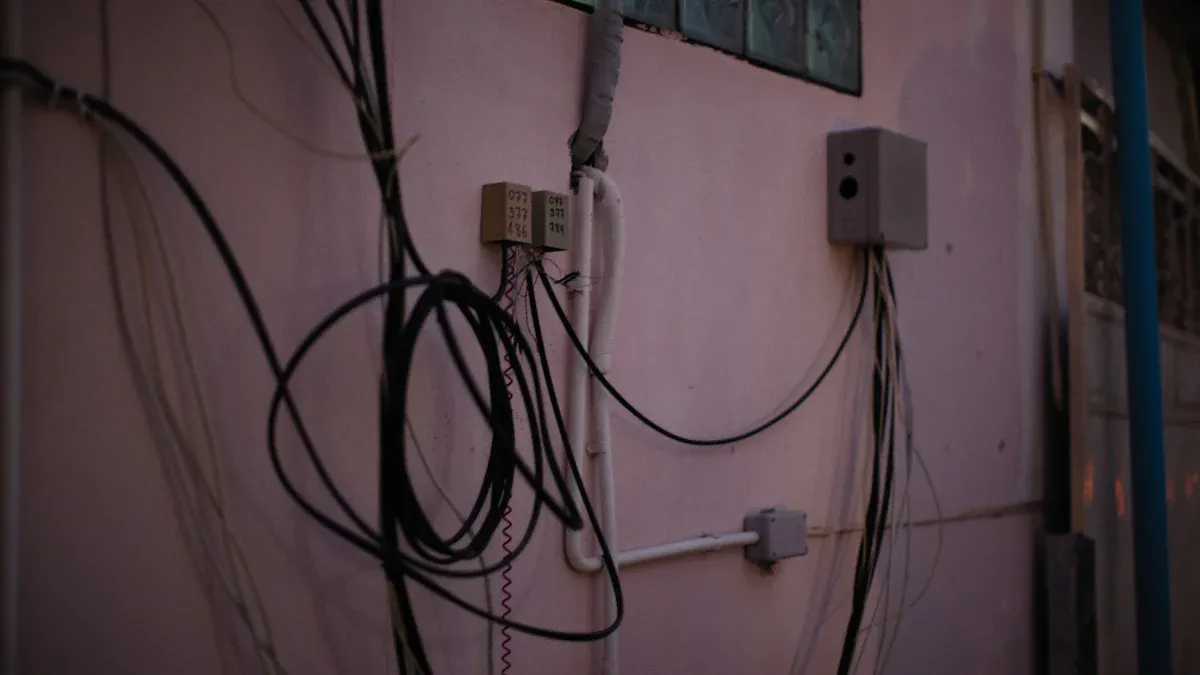
While the idea of a weekend project is appealing, the decision to personally install an EV charger introduces severe risks. These dangers span personal safety, legal compliance, and financial stability. Understanding these critical issues is essential before attempting such a complex electrical task.
Severe Safety Hazards
Working with high-voltage electricity is not a task for amateurs. A single mistake can have irreversible consequences for an individual’s life, their family, and their property. The potential for disaster far outweighs any perceived savings from a diy approach.
High Risk of Electric Shock
A Level 2 EV charger operates on a 240-volt circuit. This level of power is significantly more dangerous than a standard 120-volt household outlet. An improper connection or a failure to de-energize the system correctly can lead to severe electric shock or electrocution.
- Annually, over 30,000 non-fatal shock accidents occur in homes.
- In regions like the UK, electrical accidents result in an average of 70 fatalities each year.
These statistics underscore the lethal potential of high-voltage work when performed by someone without the proper training and safety equipment.
Overloading Your Home’s Electrical System
A home electrical panel has a finite capacity. An EV charger is a high-demand appliance that can easily overwhelm an older or already burdened system. An amateur installer often fails to perform a proper electrical load calculation. This oversight can lead to a system overload, causing frequent breaker trips, power outages, and damage to other appliances. Key overload risks include:
- Failing to assess the total power draw from existing appliances like heating, cooking, and hot water systems.
- Ignoring the main fuse’s rating (e.g., 60A or 80A) when adding a charger that demands 32A or more.
- Not accounting for back-feeding from solar panels, which can add significant current and push the system beyond its safe limits.
Creating a Fire Hazard
Incorrect wiring is a primary cause of electrical fires. An EV charger circuit requires specific wire gauges and breaker types to handle the sustained electrical load. Using the wrong materials or making loose connections creates excessive heat, which can melt wire insulation and ignite surrounding building materials.
According to the safety organization Electrical Safety First, a staggering 89% of electrical fires are traced back to faulty wiring or appliance misuse. A DIY installation dramatically increases the likelihood of creating one of these hidden fire traps inside your walls.
Legal and Code Compliance Failures
Electrical work is heavily regulated for public safety. Bypassing these regulations not only creates danger but also exposes a homeowner to significant legal and administrative penalties.
Violating the National Electrical Code (NEC)
All electrical installations, including those for an EV, must comply with the Ulusal Elektrik Kodu (NEC). The NEC provides detailed safety standards for every aspect of the job, from wire selection to grounding requirements. It is a complex document that licensed electricians train extensively to understand and apply. A DIY installation will almost certainly violate multiple NEC articles, creating an unsafe and non-compliant system.
Skipping Mandatory Local Permits and Inspections
Most municipalities require a permit for installing a new 240-volt circuit. This process ensures the work is planned and executed according to local codes. After the installation, a certified inspector must review the work to verify its safety and compliance. Skipping these steps means an official record of the work does not exist, and there is no third-party verification that the installation is safe.
Facing Fines and Mandated Rework
If unpermitted electrical work is discovered, the consequences can be severe. Local building authorities can impose substantial fines and issue a “stop-work” order.
- Violations often result in significant financial penalties and can even lead to lawsuits.
- Authorities will likely require the homeowner to hire a licensed electrician to inspect, tear out, and properly redo the entire installation. This rework cost often exceeds the price of a professional installation from the start.
Major Financial Complications
The financial fallout from a failed DIY installation extends far beyond the initial cost of materials. It can jeopardize major assets and create long-term economic headaches.
Voiding Your Charger’s Warranty
EV charger manufacturers provide warranties that are contingent upon proper installation by a qualified professional. If the unit fails or causes damage, the manufacturer will require proof of a licensed installation. Without it, the warranty is void, leaving the homeowner to cover the full replacement cost of a potentially expensive device.
Jeopardizing Your Homeowner’s Insurance
Insurance companies expect policyholders to maintain their property safely and according to code. If a fire or other damage occurs, an investigation will determine the cause.
An insurer is highly likely to deny a claim if the damage stems from unpermitted, non-code-compliant electrical work. The financial responsibility for repairing the home and replacing damaged property would fall entirely on the homeowner.
Negatively Impacting Home Resale Value
Unpermitted work is a major red flag during a real estate transaction. Home inspectors are trained to spot it, and sellers are legally required to disclose it.
- The presence of unpermitted work can significantly reduce the pool of potential buyers.
- Buyers may demand a steep discount to cover the cost of having the work professionally certified or redone.
- Mortgage lenders may refuse to finance a property with known safety and compliance issues, causing the sale to fall through entirely.
Ultimately, a professionally installed home ev charge point is a documented asset, while a DIY job becomes a significant liability.
What’s Technically Involved in a Level 2 Installation?
A professional Level 2 charger installation is far more than just mounting a box on the wall. It is a systematic process involving detailed assessment, precise calculations, and adherence to strict safety codes. Each step requires specialized knowledge and tools to ensure the system operates safely and efficiently for years to come. An electrician must navigate these technical requirements to properly install ev charger hardware.
Assessing Your Home’s Electrical Capacity
Before any work begins, a qualified electrician first determines if a home’s electrical system can handle the significant, sustained power draw of an EV charger. This assessment is the foundation of a safe installation.
Ana Elektrik Panonuzun Değerlendirilmesi
The inspection starts at the main electrical panel, the distribution hub for the home’s power. An electrician examines several key factors:
- Total Capacity: The panel’s main breaker indicates its maximum amperage, typically 100A, 150A, or 200A in modern houses.
- Physical Space: There must be two empty adjacent slots to accommodate the new 240-volt, two-pole breaker required for the charger.
- Panel Brand and Condition: The electrician checks for outdated or recalled panel brands (e.g., Federal Pacific, Zinsco) that pose known safety risks and require immediate replacement.
Performing a Home Electrical Load Calculation
This is one of the most critical technical steps. An electrician performs a formal load calculation as specified by the National Electrical Code (NEC). This procedure inventories all major electrical loads in the house, including the HVAC system, electric range, water heater, and clothes dryer. The calculation determines the existing peak demand and reveals how much spare capacity is available for a new EV charger.
Determining if a Panel Upgrade is Needed
The load calculation provides a clear answer. If adding the EV charger’s demand exceeds 80% of the panel’s total capacity, the system is considered overloaded. In this scenario, a service upgrade is necessary. This could involve replacing a 100A panel with a 200A panel or even upgrading the main electrical service line coming into the property, a complex and costly project.
Installing a New Dedicated 240V Circuit
Once an electrician confirms sufficient capacity, the next phase is running a new, dedicated circuit exclusively for the EV charger. This circuit ensures the charger receives consistent power without interfering with other appliances.
Selecting the Correct Wire Gauge and Breaker
The charger’s power level dictates the necessary components. A 40-amp charger, for example, requires a 50-amp breaker and wiring thick enough to handle that current safely (typically 6-gauge copper wire).
Professional Insight: Using a wire gauge that is too small for the breaker’s amperage is a severe fire hazard. The wire can overheat under load, melting its protective insulation and potentially igniting nearby wood framing.
Running Conduit and High-Voltage Wiring
An electrician routes the high-voltage cable from the electrical panel to the charger’s location. This path may run through attics, basements, crawlspaces, or inside walls. For protection against physical damage, the wiring is often installed inside a metal or plastic pipe called a conduit, especially in garages or on exterior surfaces.
Hardwired vs. NEMA 14-50 Outlet Installation
Installers use two primary methods for the final connection:
- Hardwired: The cable from the panel is connected directly inside the charging unit. This permanent connection is generally considered safer, more weatherproof, and is often required for chargers rated above 40 amps.
- NEMA 14-50 Outlet: The electrician installs a heavy-duty 240-volt receptacle. The charger then plugs into this outlet with a compatible cord. This offers flexibility but introduces an additional point of potential failure.
Essential Safety and Grounding Steps
The final steps of the installation are dedicated to safety mechanisms. These protections are not optional; they are legally required to safeguard the user, the vehicle, and the property from electrical faults.
Ensuring Proper System Grounding (Grounding)
A proper ground connection is a critical safety path for stray electrical current. The electrician verifies that the entire circuit, from the panel to the charger, has an uninterrupted ground wire connected securely at all points. This ensures that if a fault occurs, the current will flow to the earth, tripping the breaker instead of energizing the charger’s chassis or the connected EV.
Installing GFCI Protection
A Ground Fault Circuit Interrupter (GFCI) is a fast-acting safety device. The NEC mandates a GFCI breaker for NEMA 14-50 outlets used with EV chargers. Its function is to monitor the flow of current and instantly shut off power if it detects a ground fault—a situation where electricity is leaking from the circuit. This rapid interruption prevents potentially lethal electric shocks. However, a complication can arise when an EV charger has its own internal GFCI. In such cases, an external GFCI breaker can cause “nuisance tripping” due to the two redundant safety devices interfering with each other. A professional electrician knows how to address this specific issue.
Making Final, Secure Connections
The last step involves connecting the circuit wires to the breaker in the panel and to the terminals in the charger or outlet. An electrician uses a calibrated torque wrench to tighten these connections to the manufacturer’s exact specifications.
Loose electrical connections are a primary source of arcing and overheating. Properly torqued connections ensure a solid, safe, and durable electrical pathway that will not degrade over time.
Level 1 vs. Level 2 Charging: The DIY Exception Explained
While installing a Level 2 charger is a job for professionals, there is one scenario where a DIY approach is possible: Level 1 charging. Understanding the difference between these two methods is key to knowing when to plug in and when to call an electrician.
Standart Priz ile Seviye 1 Şarj
Level 1 charging represents the simplest way to power an electric vehicle. It does not require new wiring, making it the one true “plug-and-play” solution for ev owners.
What is a Level 1 Charger?
A Level 1 charger is essentially a specialized charging cord that comes with most electric vehicles. This method uses a standard 120-volt household outlet, the same kind used for a lamp or a laptop. Its main characteristic is its slow charging speed. This charger typically adds about 3 to 8 miles of range for every hour of charging, meaning a full charge for an ev with a large battery can take over 24 hours.
Using an Existing 120V Outlet Safely
The primary rule for Level 1 charging is to plug the charger directly into a wall outlet. Individuals must never use a standard household extension cord.
Safety organizations strongly advise against using extension cords for charging an ev. These cords are not designed to handle the high, sustained current required for charging, even at Level 1 speeds. This practice creates a significant risk of the cord overheating, which can lead to electrical faults and fire.
Using an unapproved cord introduces a dangerous weak link into the charging system.
When to Have Your Circuit Inspected
Even when plugging directly into the wall, safety is not guaranteed. A homeowner should have a qualified electrician inspect the outlet and its circuit if:
- The home is older and may have outdated wiring.
- The outlet feels loose or shows signs of scorching.
- The circuit breaker trips while the vehicle is charging.
- The outlet shares a circuit with other major appliances, like a refrigerator or freezer.
An inspection ensures the existing wiring can safely handle the continuous load of charging a modern ev.
Why Level 2 Charging Requires a Professional
Unlike the simple nature of Level 1, a Level 2 installation involves high-power electrical work that demands professional expertise to manage risks and ensure compliance.
The Dangers of 240V Power
Level 2 chargers operate on a 240-volt circuit, delivering double the voltage of a standard outlet. This level of power is significantly more dangerous and unforgiving. A mistake during installation can easily lead to severe electric shock, equipment damage, or fire.
Complex Load Management Needs
A professional electrician does more than just run wires. A critical part of their job is performing a detaylı yük hesaplaması for the property. This assessment determines if the home’s main electrical panel has enough spare capacity to handle the heavy, continuous demand of a Level 2 charger without overloading the entire system.
Ensuring a Safe and Compliant Home EV Charge Point
Ultimately, hiring a professional guarantees a safe and reliable installation. A licensed electrician ensures the project adheres to all National Electrical Code (NEC) standards, uses the correct wire gauges and breakers, and is properly grounded. This process transforms the installation from a potential liability into a documented, compliant, and safe home ev charge point.
How to Install an EV Charger Professionally: The Step-by-Step Process
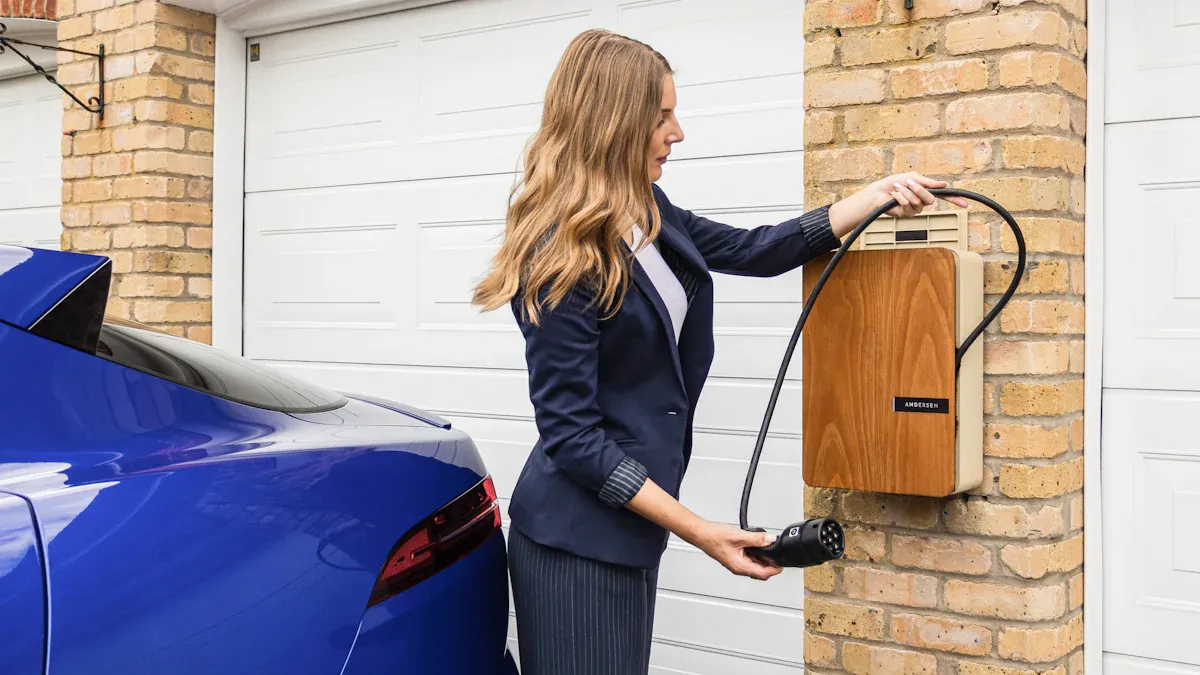
Opting for a professional to install ev charger hardware ensures a safe and compliant outcome. The process is structured and transparent, moving from initial assessment to final sign-off. Understanding these steps helps homeowners know what to expect.
The Initial Consultation and Quote
The journey begins with a detailed consultation. A kali̇fi̇ye elektri̇kçi̇ visits the property to gather essential information and provide expert guidance.
Site Assessment and Load Calculation
An electrician first performs a thorough site assessment. This evaluation is critical for a successful installation.
- The professional evaluates the property to find the best charger location. They consider proximity to the parking spot and safe mounting options.
- They check the home’s main electrical panel to verify its capacity. This review determines if the system can support the new ev charger.
- A formal load calculation inventories the home’s existing power demands. This step confirms if enough spare capacity exists for the new appliance.
Charger Selection and Placement Advice
The electrician provides recommendations on the most suitable charger for the homeowner’s ev and usage patterns. They also advise on the ideal placement, ensuring the location meets safety standards for accessibility and clearance. This expert advice helps avoid future usability issues.
Receiving a Detailed Cost Estimate
Following the assessment, the homeowner receives a comprehensive quote. This document breaks down every expense, including labor, materials like wiring and breakers, and permit fees. The detailed estimate provides a clear understanding of the total project cost.
Managing Permits and Inspections
Navigating building codes and regulations is a key part of the professional’s job. They handle all the administrative work to ensure the installation is fully legal.
Filing for Local Electrical Permits
Most jurisdictions require an electrical permit for this type of work. The electrician manages the entire application process. They submit the necessary paperwork to the local building authority, ensuring the project complies with all regional codes from the start.
Coordinating with Utility Companies
For complex installations or homes needing a service upgrade, the installer may need to coordinate with the local utility company, also known as the utility company. They handle the necessary applications and impact assessments if grid upgrades are required.
Arranging the Final Inspection
Once the permit is secured, the electrician schedules the work. They also arrange for the mandatory final inspection that occurs after the installation is complete. This pre-planning ensures the project proceeds smoothly.
The Installation Day
On the scheduled day, the electrician carries out the physical installation and commissioning of the system.
Circuit and Charger Installation
The professional installs the new dedicated 240-volt circuit. They run the appropriate wiring from the panel to the charger location and make all the necessary connections. They then securely mount and connect the ev charging unit.
System Testing and Commissioning
After the fi̇zi̇ksel kurulum, the electrician thoroughly tests the system. They verify that the charger is receiving the correct voltage and functioning properly. This step confirms the charger communicates correctly with the vehicle and operates safely. The question of who can install the system is answered by this level of professional verification.
Final Walkthrough and User Training
The process concludes with a final inspection, often conducted by a city or utility representative. Upon passing, the homeowner may receive a certificate of compliance. The electrician then performs a final walkthrough, explaining how to use the new charger and answering any questions.
Finding the Right Professional for the Job
Selecting the right installer is as important as choosing the right charger. While many electricians are licensed, not all possess the specific expertise required for a safe and efficient EV charger installation. Homeowners must differentiate between a generalist and a specialist.
General Electrician vs. EV Installation Specialist
A licensed general electrician can legally perform the work. However, a certified EV installation specialist brings a depth of knowledge that is vital for this specific task. Their focused experience addresses unique safety protocols, complex load management systems, and evolving technical standards. The differences are significant.
| Özellik | General Electrician | Certified EV Charger Installation Specialist |
|---|---|---|
| Expertise | Handles broad electrical needs | Possesses unique expertise for safe EV installations |
| Specialized Knowledge | General electrical work | Understands complex rules and safety protocols |
| Yük Yönetimi | Limited or no specific expertise | Specializes in load balancing to prevent overload |
| Üretici Desteği | No direct manufacturer alliances | Has alliances with brands for technical resources |
| Warranty Protection | Installation may void charger warranty | Ensures manufacturer-backed warranty validity |
The Value of Specialized Training
Specialized training equips an installer to handle the high-power demands of an ev. This education goes beyond basic wiring. It covers advanced safety procedures and the correct commissioning of sophisticated charging equipment.
Knowledge of EV-Specific Codes
An EV specialist has a deep understanding of electrical codes pertaining to high-current, continuous-load devices. They know the specific requirements for grounding, circuit protection, and ventilation to prevent hazards like overheating.
Familiarity with Charger Brands and Software
Specialists frequently work with leading manufacturers. They are familiar with the hardware and software of specific units, including those from TPSON, a technologically advanced electric vehicle charging solution provider. This familiarity ensures a smooth installation and proper system configuration.
How to Vet a Qualified Installer
Homeowners should perform due diligence before hiring a professional. Vetting an installer involves verifying their credentials, insurance, and reputation to ensure a high-quality, compliant installation.
Verifying State Licenses and Certifications
A qualified installer will readily provide proof of their credentials. Homeowners should look for a combination of core electrical qualifications and specialized EV charging certifications. Key credentials include:
- A current state or provincial electrician’s license.
- Certification for the latest electrical wiring regulations.
- A Level 3 award (or equivalent) in the installation of EV charging equipment.
- Proof of training from one or more charge point manufacturers.
Confirming Liability and Workers’ Comp Insurance
Proper insurance is non-negotiable. The installer must carry adequate liability insurance to cover any potential damage to the property or vehicle during the installation. Workers’ compensation insurance protects the homeowner from liability in case of an on-site injury.
Requesting and Checking References
A reputable installer will have a list of satisfied clients. Homeowners should ask for references and contact them. Speaking with past customers provides insight into the installer’s professionalism, timeliness, and the quality of their work. This step helps answer the question of who can install the system with the most competence.
Cost Breakdown: DIY vs. Professional Installation
When evaluating an EV charger installation, homeowners often focus on the initial cost. A detailed breakdown reveals that the perceived savings of a DIY project can quickly disappear when compared to the comprehensive value of professional work.
The Perceived “Savings” of DIY
A DIY approach seems cheaper on the surface because it eliminates labor charges. However, the total material and tool cost often surprises homeowners.
Cost of the Charger Unit
This expense is consistent whether a homeowner chooses DIY or hires a professional. The price of the charging unit itself remains the same.
Price of Wires, Conduit, and Breakers
A DIYer must purchase all necessary materials. This includes the correct gauge of copper wire, protective conduit, and a new circuit breaker. Sourcing these items individually can be less cost-effective than a professional’s bulk purchasing power.
Tool Purchase and Rental Expenses
Proper electrical work requires specialized tools. A homeowner may need to buy or rent items like a torque wrench, conduit bender, and fish tape. These expenses add to the overall project cost.
The True Cost of Professional Work
Hiring a certified installer provides a clear, upfront price that includes labor, materials, and peace of mind. This transparent cost structure protects the homeowner from unexpected expenses.
Typical Price Range for Standard Installation
A professional installation offers predictable pricing. In the UK, the national average for a standard Level 2 installation is around £1,000. This price typically includes both the charger and the installation service. Most projects fall within a range of £800 to £1,200, depending on the charger’s power.
Kurulum Maliyetlerini Artıran Faktörler
Certain site conditions can increase the final cost. A professional will identify these during the initial quote.
- Hendek Açma: Running cable underground to a detached garage can add Metre başına £30.
- Panel Yükseltmeleri: If the home’s electrical panel is outdated or at capacity, an upgrade may cost between £200 and £500.
- Complex Cable Runs: Difficult routes through walls or ceilings increase labor time and material needs.
The Value of a Professional Warranty
Reputable installers provide a warranty on their workmanship. This guarantee covers any issues related to the installation, offering a layer of financial protection that a DIY project lacks.
The Hidden Financial Risks of DIY
A DIY installation carries significant financial risks that can far exceed the price of a professional job. The true cost of a mistake is often realized only after a disaster.
Cost of Damaging Your EV or Home
Faulty wiring can send improper voltage to a vehicle, damaging its sensitive onboard charging components. A repair for just the EV’s charging port can start at £100–£200 and escalate quickly for more significant electronic damage.
Paying a Pro to Fix Your Mistakes
If a DIY job fails an inspection or creates a hazard, a homeowner must hire an electrician to correct it. This rework is often more expensive than an initial professional installation because it involves diagnosing and undoing incorrect wiring first.
Fines for Unpermitted Electrical Work
Local authorities can levy substantial fines for unpermitted electrical work. They will also require the homeowner to have the installation removed and redone by a licensed professional at their own expense.
Unlocking Rebates and Incentives with a Pro
Hiring a professional installer does more than guarantee safety; it also unlocks access to valuable financial incentives. Many government and utility programs designed to encourage electric vehicle adoption require proof of a certified installation. A DIY project makes a homeowner ineligible for these savings, which can significantly reduce the overall project cost.
Federal Tax Credits for Your Home EV Charge Point
The federal government offers tax credits to support the adoption of clean energy technology. These incentives can directly reduce a homeowner’s tax liability, making the installation more affordable.
Understanding the 30C Tax Credit
The primary federal incentive is the Alternative Fuel Vehicle Refueling Property Credit, known as 30C. This credit helps cover the expense of purchasing and installing qualified ev charging equipment. To be eligible, homeowners must meet specific criteria.
- The property must be placed in service within a designated low-income community or a non-urban area.
- The credit is 30% of the cost for qualifying individuals.
- The equipment must be installed and placed in service before December 31, 2032.
The Professional Installation Requirement
Claiming the 30C tax credit requires proper documentation. The IRS needs proof of the purchase and installation expenses. A licensed electrician provides detailed invoices and records that serve as official documentation. This paperwork is essential for substantiating the claim during tax filing, a step a DIY installer cannot legitimately complete for themselves.
Eyalet ve Yerel Kamu Hizmeti İndirimleri
Beyond federal credits, many states and local utility companies offer their own rebate programs. These incentives can be very generous, sometimes covering a substantial portion of the charger and installation expenses for a new home ev charge point.
Researching Common Rebate Programs
Homeowners should research programs offered by their state energy office and local electric utility. These rebates can come in various forms, including direct cash-back offers or credits on a future utility bill. An experienced ev installer is often aware of available local programs and can guide homeowners through the application process.
Why Proof of Certified Installation is Mandatory
Nearly all state and utility rebate programs require proof of a certified installation. These organizations must ensure their funds support safe, code-compliant projects.
Utility companies and state agencies will not issue a rebate for unpermitted or non-compliant electrical work. They require a copy of the finalized permit and an invoice from a licensed electrician to verify the project’s legitimacy and safety. This requirement protects both the homeowner and the power grid.
For safety, legal compliance, and financial protection, a licensed professional must install ev charger systems. While Level 1 charging is a simple plug-in solution, a qualified electrician must handle any new wiring. The long-term value of a professional installation—including safety and warranty protection—far outweighs perceived DIY savings. The correct first step for any ev owner is contacting a certified installer to ensure a safe, reliable, and efficient setup.
SSS
Can I plug a Level 2 charger into a regular outlet?
No. A Level 2 charger requires a 240-volt circuit, similar to an electric stove. A standard household outlet only provides 120 volts. An electrician must install a new, dedicated 240-volt circuit to power a Level 2 unit safely and correctly.
Profesyonel bir kurulum ne kadar sürer?
A standard installation typically takes a professional about two to four hours. More complex jobs involving long cable runs, trenching, or an electrical panel upgrade can extend the project timeline. The electrician will provide a time estimate during the initial consultation.
Do I need a permit for a Level 1 charger?
No permit is needed if you use an existing 120-volt outlet for a Level 1 charger. However, a homeowner should have an electrician inspect the circuit if the house is old or the breaker trips, ensuring the wiring can handle the sustained load.
Elektrik panom doluysa ne olur?
An electrician will assess the situation. They might install a smaller “tandem” breaker to create space. If the panel is truly at capacity, a subpanel or a full panel upgrade will be necessary to support the new EV charger circuit safely.
Is a hardwired or outlet installation better?
A hardwired installation connects the charger directly to the circuit. It is generally safer and more weatherproof. A NEMA 14-50 outlet offers flexibility but adds another connection point. Many electricians recommend hardwiring for its superior reliability and safety.
How much does a professional installation really cost?
The cost varies by location and complexity. In the UK, a standard installation often ranges from £800 to £1,200, including the charger. In the US, labor and materials typically cost between $500 and $1,500 for a standard setup.
Can any licensed electrician install my EV charger?
While any licensed electrician can legally perform the work, an EV installation specialist is the better choice. They possess specific training on charger brands, EV-related electrical codes, and load management, ensuring a more efficient and reliable installation.