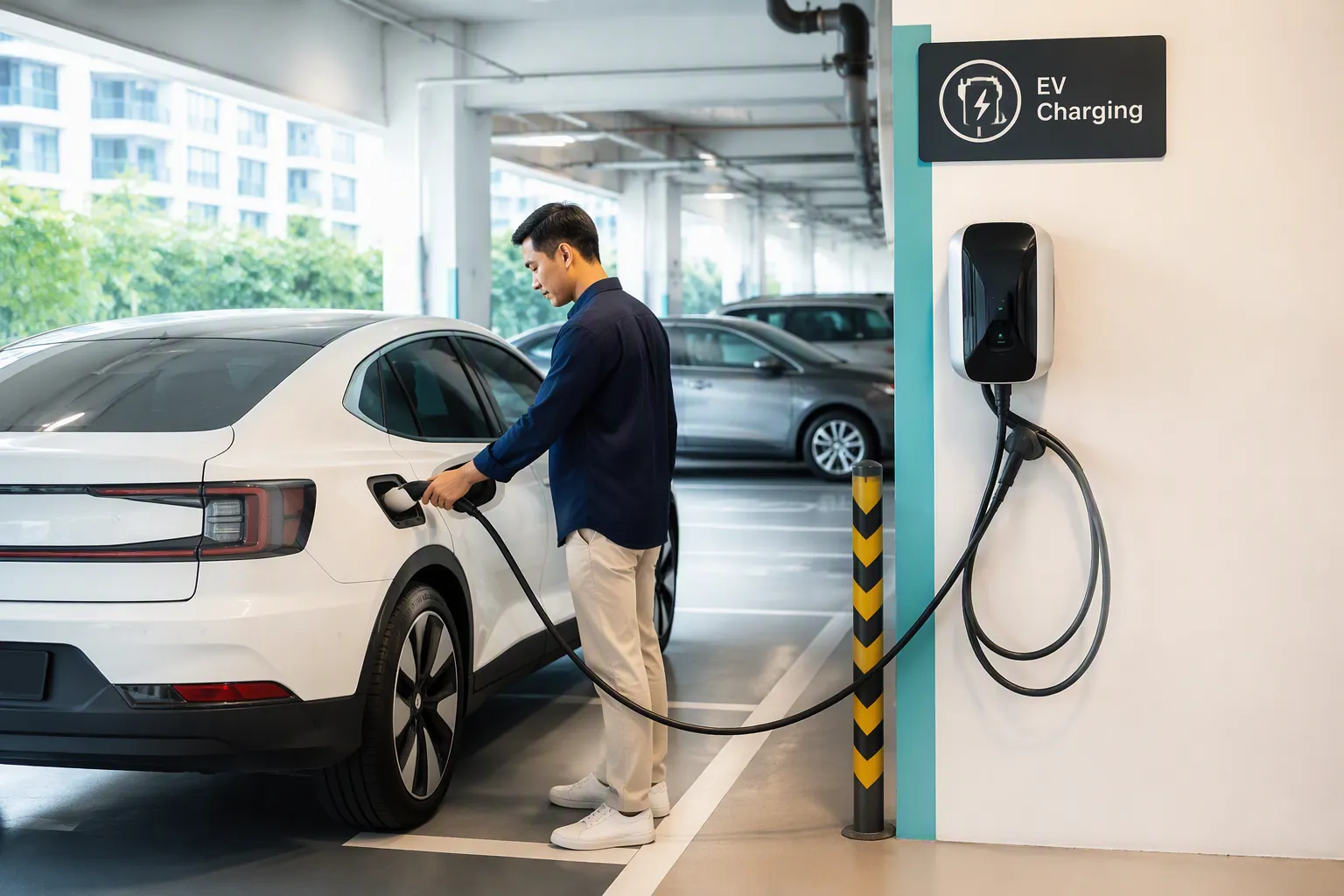

When you plan your EV home charger installation, you face several common challenges. You must select a suitable location for your home charging station and verify that your electrical system can support electric vehicle charging. You need to comply with local codes, choose a charge point from trusted Elektrikli araç şarj cihazı üreticileri, and manage installation costs. Reliable contractors and Installation tips help you avoid mistakes. Compatibility and feature selection for your EV Şarj Cihazı remain critical for a smooth experience.
Ensuring the electrical system can handle the load
Complying with local building codes and regulations
Choosing the right charger based on compatibility and features
Managing costs associated with installation and upgrades
Finding a reliable contractor for installation
Installation Tips for Assessing Your Charging Needs at Home
Understanding Your Driving Habits
Daily Mileage
You should start by evaluating how many miles you drive each day. This step helps you determine the best charger for your needs. If you have a short daily commute, a Level 1 charger may be sufficient. For longer distances, a Level 2 charger offers faster charging and greater convenience. Most drivers charge their vehicles at home overnight, which covers 50% to 80% of all charging events.
Tip: Track your daily mileage for a week to get an accurate picture of your routine.
Şarj Frekansı
Consider how often you need to recharge your vehicle. If you drive less than 40 miles per day, you may only need to charge every few days. However, frequent long trips require more regular charging. Your charging habits influence the type of charger you should install.
Driving Pattern | Şarj Cihazı Tipi | Temel Bilgiler |
|---|---|---|
Evde Şarj | Seviye 1, Seviye 2 | Most charging happens at home, especially overnight. |
İşyeri Şarjı | Seviye 2 | 15%-20% of charging occurs at work, often with incentives. |
Kamu Ücretlendirmesi | DC Hızlı Şarj Cihazları | Used for long trips, reduces range anxiety, but less common for daily use. |
Evaluating Your Vehicle’s Requirements
Pil Boyutu
You need to know your vehicle’s battery capacity. Most electric vehicles have batteries between 40 kWh and 100 kWh. Larger batteries provide longer range but take more time to charge. For example, a 50 kWh battery can deliver about 212 miles of range. Pickup trucks and SUVs may have batteries up to 200 kWh, which require more robust charging solutions.
Charging Speed Compatibility
Check your vehicle’s compatibility with different charger speeds. Some vehicles support only Level 1 or Level 2 charging, while others can use DC fast chargers. Always match your charger to your vehicle’s maximum supported charging speed for the best results.
Note: Review your vehicle’s manual to confirm charging speed compatibility before making a purchase.
Gelecekteki İhtiyaçlar için Planlama
Multiple EVs
If you plan to add more electric vehicles to your household, you should consider your home’s electrical capacity. Upgrading your electrical panel or installing multiple charging stations may be necessary.
Faktör | Açıklama |
|---|---|
Make sure your system can support additional chargers or higher power loads. | |
Choosing the Right Station | Select a charger that fits your current and future needs. |
Ensuring Proper Installation | Follow local codes and prioritize safety during installation. |
Upgrading Vehicles
Think about future vehicle upgrades. If you plan to buy a new EV with a larger battery or faster charging capability, choose a charger that can handle those requirements. This approach saves you from costly upgrades later.
Installation tips: Plan for future needs by selecting a charger with adjustable power settings and smart features.
By following these installation tips, you ensure your home charging setup meets your current and future needs. Assess your driving habits, vehicle requirements, and future plans to make informed decisions.
Checking Your Home’s Electrical Capacity for a Charge Point
Before you install an EV charger at home, you must evaluate your electrical system’s capacity. This step ensures safe and reliable charging for your vehicle.
Inspecting the Electrical Panel
Available Amperage
Start by checking the amp rating of your electrical panel. Most older homes have panels rated at 30, 60, or 100 amps. Newer homes often feature 200-amp panels, which can handle more appliances and a Level 2 charger. You can find the amp rating on the main breaker inside your panel.
Tip: A Level 2 charger typically requires a 200 amperlik panel for optimal performance.
Gereksinim | Detaylar |
|---|---|
Panel Amperage | Older homes: 30–100 amps. Newer homes: up to 200 amps. Panel upgrades may be necessary. |
Available Capacity | A licensed electrician should perform a load calculation to confirm your panel can handle the extra load. |
Circuit Requirements | Level 2 chargers need a dedicated circuit. The continuous load should not exceed 80% of the breaker’s capacity. A 50-amp charger needs a dedicated 70-amp circuit. |
Age and Condition of Panel
Examine the age and condition of your electrical panel. Panels over 20 years old or those with visible damage may not support modern electrical loads. Frequent breaker trips, flickering lights, or a lack of available circuits signal the need for an upgrade.
More than half of American homes have panels rated at 100 amps or less. This capacity often falls short when you add an EV charger to existing appliances and HVAC systems.
If your panel is outdated or damaged, you risk overloading your system and creating safety hazards.
Identifying Potential Upgrades
Service Panel Upgrades
If your panel cannot support a Level 2 charger, you may need a service panel upgrade. Upgrading to a 200-amp panel provides enough capacity for your charger and future electrical needs. This upgrade also improves the safety and reliability of your home’s electrical system.
Dedicated Circuit Installation
A Level 2 charger requires a dedicated circuit. This circuit prevents overloading and ensures consistent charging. The continuous load for the charger should not exceed 80% of the breaker’s capacity. For example, a 50-amp charger needs a dedicated 70-amp circuit.
Check for available circuit breaker slots in your panel.
Assess your overall electrical load to avoid overloading.
Consulting with a Licensed Electrician
Professional Assessment
You should always consult a licensed electrician before installing an EV charger. Electricians perform load calculations, inspect your panel, and recommend necessary upgrades. They ensure your system meets all technical requirements for safe charging.
Güvenlikle İlgili Hususlar
Licensed electricians follow strict güvenlik standartları and local regulations. They install surge protection and dedicated circuits to minimize risks. Key standards include:
Güvenlik Standardı | Açıklama |
|---|---|
BS EN 61851 | Standard for electric vehicle conductive charging systems. |
BS 7671 | IET Wiring Regulations for safe electrical installations. |
IET Uygulama Kuralları | Elektrikli araç şarj ekipmanı kurulumları için öneriler. |
Elektrik Güvenliği, Kalitesi ve Sürekliliği Yönetmeliği 2002 | Ensures safety and quality in electrical installations. |
BS 8300 | Accessibility requirements for electrical installations. |
Note: Professional installation protects your home, your vehicle, and your family. Always prioritize safety and compliance when upgrading your electrical system for EV charging.
Choosing the Right Charge Point for Your Home
Selecting the optimal charge point for your home requires careful consideration of charger types, features, and manufacturer reliability. You must evaluate your daily charging needs and future requirements to ensure a seamless experience.
Seviye 1 ve Seviye 2 Şarj Cihazları
Şarj Hızı Farklılıkları
You need to understand the differences in charging speed between Level 1 and Level 2 chargers. Level 1 chargers add only a few miles of range per hour, making them suitable for overnight charging and low daily mileage. Level 2 chargers deliver much faster charging, which is ideal for busy schedules and larger battery vehicles.
Özellik | Seviye 1 Şarj Cihazı | Seviye 2 Şarj Cihazı |
|---|---|---|
Şarj Hızı | 10-60 miles of range per hour | |
Şarj Süresi | Tam şarj için 40 saate kadar | Tam şarj için 4-8 saat |
Enerji Verimliliği | Daha uzun süreler nedeniyle daha az verimli | More efficient with shorter times |
You should choose a Level 2 charge point if you want to minimize charging time and maximize energy efficiency.
Kurulum Gereksinimleri
Installation requirements differ significantly between Level 1 and Level 2 chargers. Level 1 chargers use standard 120-volt outlets and require no special installation. Level 2 chargers need a 240-volt supply and often require professional installation, including possible upgrades to your electrical panel.
Şarj Cihazı Seviyesi | Gerilim Gereksinimi | Kurulum Tipi | Şarj Hızı | Tipik Kullanım Örneği |
|---|---|---|---|---|
Seviye 1 | Özel kurulum gerektirmez | 1 to 2.4 kW, 5-50+ hrs | Cost-effective for low daily mileage | |
Seviye 2 | 120 volt | Professional installation often needed | 3.9 to 19.2 kW, 1-8 hrs | Efficient for regular use and larger EV batteries |
You should consult a licensed electrician before installing a Level 2 charge point to ensure safety and compliance.
Dikkate Alınması Gereken Temel Özellikler
Smart Charging Capabilities
Modern charge points offer smart charging features that enhance convenience and safety. You can benefit from dinamik yük dengeleme, charge scheduling, and vehicle-to-home energy integration.
Özellik | Açıklama | Avantajlar |
|---|---|---|
Dinamik Yük Dengeleme | Monitors and adjusts power output to prevent overload | Protects home from overloads and ensures safe charging |
Vehicle-to-Home (V2H) | Uses EV battery to power home when parked | Turns EV into a personal energy storage system |
Charge Scheduling | Allows you to set specific times for charging | Enables off-peak charging for cost savings |
Dinamik Yük Yönetimi | Adjusts charging rate based on home electricity usage | Prevents overload by managing charge rate |
Tip: Smart charging features help you optimize energy use and reduce costs.
Ayarlanabilir Güç Ayarları
Adjustable power settings give you flexibility in managing energy consumption. You can monitor energy use, prioritize essential devices, and integrate solar energy for sustainable charging.
Allows real-time adjustments based on demand and grid conditions.
Enhances flexibility in power distribution.
Prevents circuit overload while ensuring adequate power for all vehicles.
You should select a charge point with adjustable power settings to maximize efficiency and adapt to changing household needs.
Brand and Warranty Factors
Trusted Manufacturers
Reliability and customer satisfaction matter when choosing a charge point. Top-rated brands like Tesla Destination and ChargePoint consistently receive high scores for performance and support.
Marka | Tip | Score |
|---|---|---|
Tesla Destination | Seviye 2 Şarj Cihazı | 661 |
ChargePoint | Seviye 2 Şarj Cihazı | 628 |
Tesla Supercharger | DC Hızlı Şarj Cihazı | 709 |
Red E | DC Hızlı Şarj Cihazı | 668 |

You should research manufacturer ratings and user reviews before purchasing your home charge point.
Warranty Length and Support
Warranty coverage protects your investment and ensures long-term reliability. Leading manufacturers offer comprehensive warranties that include equipment parts, on-demand repairs, and preventative maintenance.
Qmerit provides warranty support for EV chargers.
Coverage includes responsibility for all equipment parts.
On-demand repairs and predictive maintenance enhance uptime.
Note: You should confirm warranty terms before buying a charge point to avoid unexpected costs and downtime.
Choosing the right charge point for your home involves evaluating charging speed, installation requirements, smart features, brand reputation, and warranty support. You can ensure a reliable and efficient charging experience by prioritizing these factors.
Selecting the Best Installation Location for Your Home Charge Point
İç ve Dış Mekan Yerleşimi
Hava Koşullarına Karşı Koruma
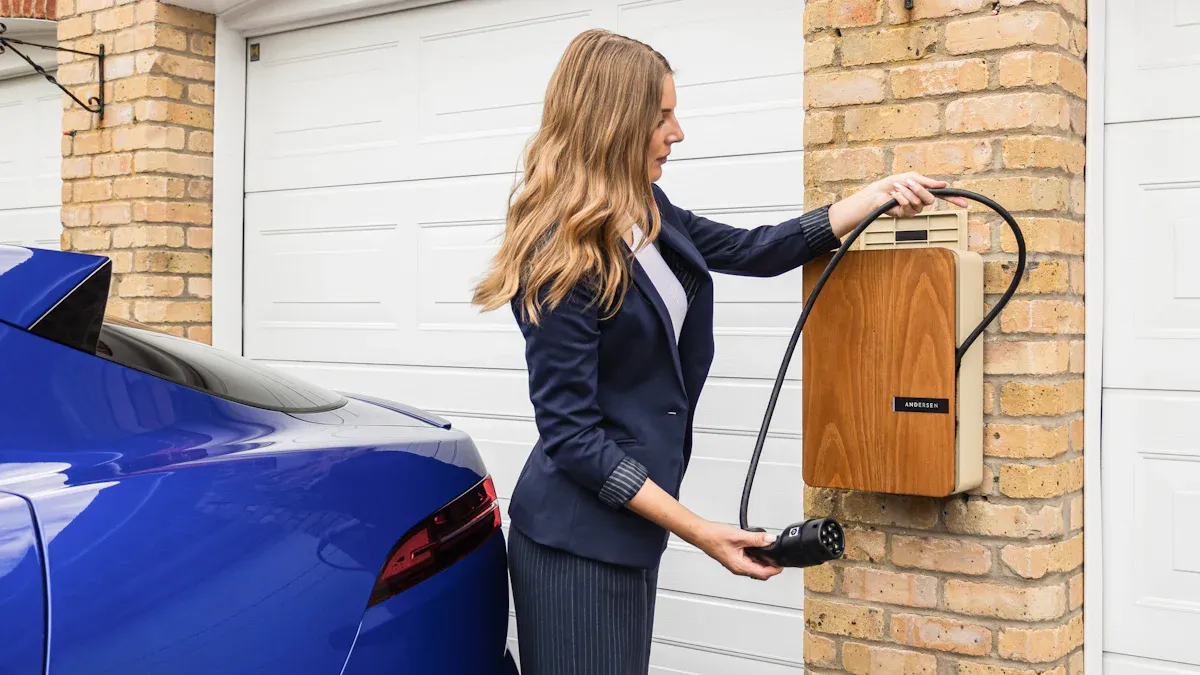
You must consider weather protection when deciding where to install your charge point. Indoor installations offer enhanced protection from rain, snow, and extreme temperatures. This protection helps maintain consistent performance and extends the lifespan of your equipment. You also gain increased security from theft or vandalism when you place the charger inside your garage. However, you may face space limitations and higher installation costs if your garage is cramped or requires modifications. Ventilation is another factor you need to address to prevent hazards.
Outdoor installations provide flexibility and accessibility, especially if your home does not have a garage. You can place the charger in a convenient spot without worrying about structural constraints. Outdoor locations, though, expose your equipment to weather conditions that may affect performance and durability. Security concerns and maintenance needs increase when you install the charger outside.
Indoor Pros: Enhanced weather protection, increased security, possible electrical efficiency.
Indoor Cons: Space challenges, higher installation costs, ventilation requirements.
Outdoor Pros: Accessibility, flexible placement, ideal for homes without garages.
Outdoor Cons: Exposure to weather, security concerns, maintenance issues.
Erişilebilirlik
Accessibility plays a key role in your installation decision. You should select a location that allows easy access to your vehicle for daily charging. Indoor setups often provide direct access from your garage, making it simple to plug in your car. Outdoor placements can offer even greater convenience if you park in a driveway or carport. You need to ensure the path to the charger remains clear and unobstructed at all times.
Tip: Choose a spot that fits your parking habits and minimizes the effort required to connect your vehicle.
Proximity to Electrical Panel
Minimizing Installation Costs
Bu distance between your charge point and the electrical panel directly affects installation costs. If you install the charger close to the panel, you reduce the need for extensive wiring and labor. This approach keeps expenses low and simplifies the process. When the charging station is far from the panel, you may need additional materials and upgrades to your electrical system. These requirements increase complexity and raise costs.
Location Relative to Panel | Kurulum Maliyeti | Complexity |
|---|---|---|
Close | Daha düşük | Basit |
Far | Daha yüksek | Complex |
Reducing Cable Length
Shorter cable runs improve efficiency and safety. You should aim to minimize the length of wiring between the electrical panel and the charge point. This strategy reduces voltage drop and energy loss during charging. It also lowers the risk of overheating and electrical faults. By keeping the charger near the panel, you streamline the installation and enhance overall performance.
Safety and Convenience
Takılıp Düşme Tehlikelerinden Kaçınma
Safety must remain your top priority when selecting an installation location. You need to avoid high-traffic areas where charging cables could create tripping hazards. Placing the charger away from walkways and entrances helps prevent accidents. You should also keep the area free from standing water and flammable materials to reduce risks.
Select a spot away from high-traffic zones.
Ensure the charger is not exposed to water or flammable substances.
Avoid locations where the charger could be hit by a vehicle.
Secure Mounting
Secure mounting ensures the charger remains stable and safe during use. You should install the charge point on a solid surface, such as a wall or sturdy post. Proper mounting prevents the unit from shifting or falling, which could damage your equipment or cause injury. Access to lighting repair and maintenance services further enhances safety, especially in outdoor settings.
Note: Always follow manufacturer guidelines for mounting and safety to protect your investment and your family.
By carefully evaluating weather protection, accessibility, proximity to the electrical panel, and safety considerations, you can select the best location for your home charge point. This approach ensures reliable charging, minimizes costs, and creates a safe environment for daily use.
Ensuring Compatibility and Smart Features in Your Home Charge Point
Araç Uyumluluğu
Fiş Tipleri
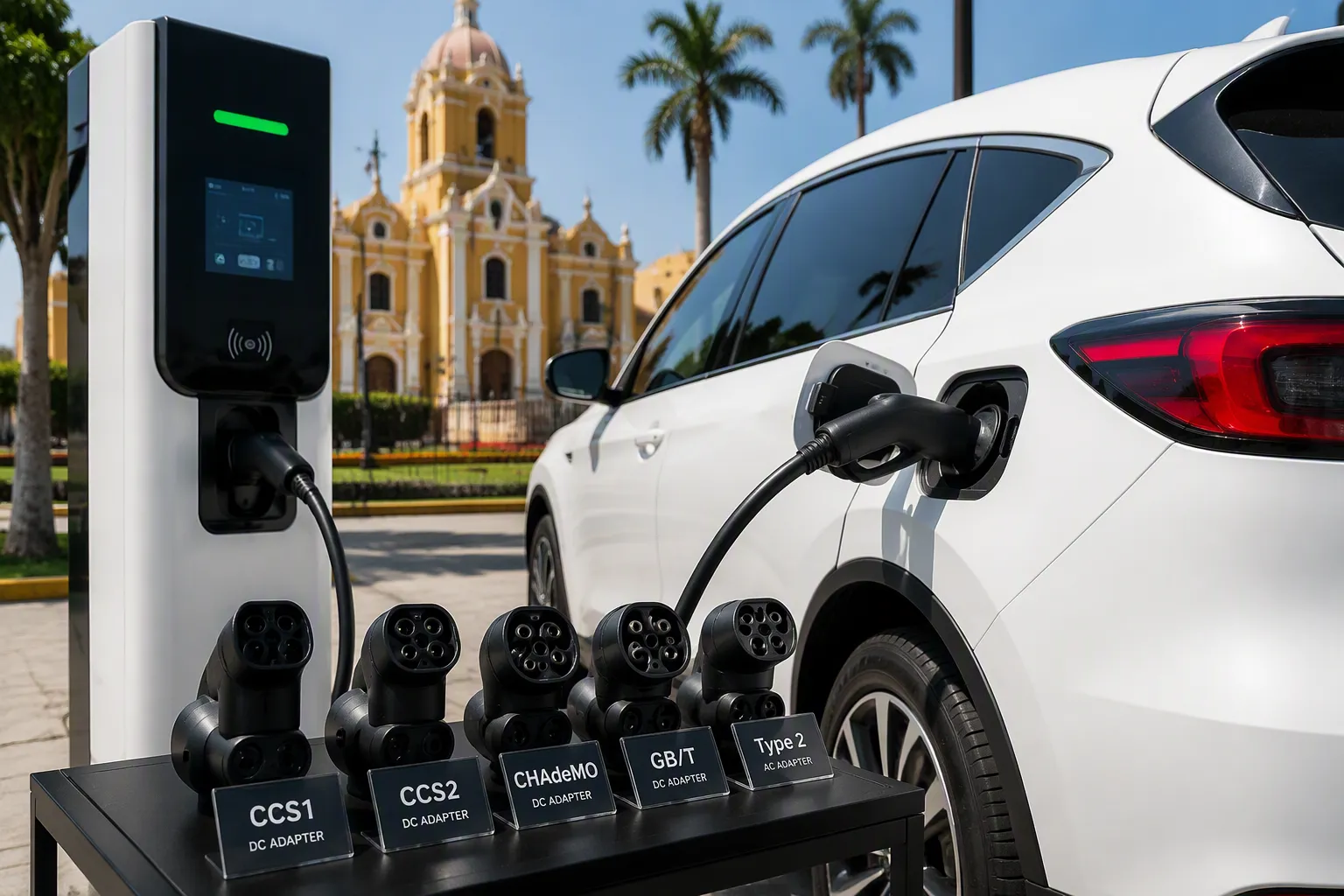
You need to verify that your chosen charger matches your electric vehicle’s plug type. Most vehicles in North America use the J1772 connector for Level 1 and Level 2 charging. Tesla models require an adapter for J1772 plugs. European vehicles often use the Tip 2 konektör, which supports both AC and DC charging. The following table highlights the most common plug types and their applications:
Konektör | Uygulama |
|---|---|
J1772 Connector | Standard for AC charging in North America |
Type 2 Connector | Standard for AC and DC charging in Europe |
CCS1 Konektörü | Used for DC fast charging in North America |
CCS2 Connector | Used for DC fast charging in Europe |
Tip: Always check your vehicle’s charging port before purchasing a home charge point.
Ücretlendirme Standartları
Charging standards vary by region and vehicle model. In North America, the SAE J1772 connector is the standard for AC home charging, while CCS1 is used for public DC fast charging. In Europe, Type 2 (Mennekes) is the standard for AC charging, and CCS2 is common for public DC fast charging. The Type 2 connector features a seven-pin design and supports up to 32 amps with a 400-volt input, delivering up to 22 kW for both home and public Level 2 charging stations.
To confirm compatibility, you should:
Identify your EV’s charging port.
Visit a compatibility page, such as EVDANCE, to check supported models.
Match the charger type to your driving needs.
Contact customer support for personalized help.
Future-proof your setup by choosing chargers that support current and upcoming standards.
Home Energy Management
Yük Dengeleme
Dynamic load balancing technology benefits households with multiple high-power appliances and an EV charger. This system intelligently distributes electricity, preventing overloads when you plug in your vehicle. The charger assesses the current load and allocates power accordingly. You enhance safety by continuously monitoring power usage and optimize energy efficiency by adjusting the power sent to the charger based on real-time demand. This approach reduces energy waste and lowers your electricity bills.
Integration with Solar or Battery Systems
Integrating your home charge point with solar panels or battery storage systems offers several advantages:
Avantaj | Açıklama |
|---|---|
Pairing solar energy with EV chargers and battery storage reduces grid reliance and increases savings. | |
Enerji Bağımsızlığı | Integrating solar energy with EV charging allows you to rely less on external energy sources. |
Çevresel Faydalar | Using solar energy for EV charging contributes to a cleaner and more sustainable future. |
Note: You can maximize savings and sustainability by combining solar panels with your home EV charger.
Connectivity Options
Wi-Fi ve Uygulama Kontrolü
You should select a charger with reliable Wi-Fi connectivity. Stable internet connections ensure that smart features remain operational. You can monitor charging sessions, adjust settings, and receive updates through dedicated apps. Reliable connectivity also enables remote maintenance and supports tariff-integrated charging sessions for cost savings.
Çizelgeleme ve İzleme
Smart chargers allow you to schedule charging times and monitor energy usage from your phone or computer. You can set charging to occur during off-peak hours, reducing costs and optimizing energy use. Real-time monitoring helps you track consumption and identify potential issues. Unstable internet connections can hinder these features, so ensure your home network supports your charger’s requirements.
Tip: Use app-based controls to automate charging and maximize efficiency.
Estimating Costs and Budgeting for Home EV Charger Installation
Equipment Costs
Charger Price Range
When you plan your budget, you should start with the price of the charger itself. The cost of a Level 2 EV charger for home use typically ranges from $500 to $700. Level 1 chargers are less expensive, but they offer slower charging speeds and fewer features. You should compare models and select a charger that matches your vehicle’s requirements and future needs.
Aksesuarlar ve Eklentiler
You may need additional accessories to complete your setup. Common add-ons include wall mounts, cable organizers, and adapters for different plug types. These items improve convenience and safety. Some manufacturers offer bundled packages that include installation hardware and extended warranties. You should factor these extras into your total installation cost.
Kurulum Maliyetleri
Labor Charges
Hiring a licensed electrician is essential for a safe and compliant installation. Labor rates for EV charger installation can vary significantly based on your region and the complexity of the job. You can expect to pay between $400 and $1,500 for professional installation. Additional fees may apply if your project requires trenching, drywall modifications, or long cable runs.
Bölge | Maliyet Değişimi |
|---|---|
Londra ve Güneydoğu | 10-15% higher than national average |
Kuzey bölgeleri | 5-10% lower than national average |
Uzak konumlar | Additional travel charges may apply |
You should request quotes from multiple electricians and ask for a breakdown of labor charges. Location and expertise play a crucial role in determining your final installation cost.
Elektrik Yükseltmeleri
Older homes may require upgrades to support a new EV charger. You might need to replace your electrical panel or add a dedicated circuit. These upgrades increase safety and reliability but also add to your overall expenses. You should ask your electrician to assess your home’s electrical system before starting the installation.
İndirimler ve Teşvikler
Federal and State Programs
You can offset your costs by taking advantage of available incentives. Homeowners may claim up to $1,000 for the purchase and installation of a home electric vehicle supply equipment (EVSE) as a federal tax credit. Many states offer direct rebates that reduce the upfront cost of purchasing an electric vehicle or installing a charging station.
Program | Konum | Teşvik Detayları |
|---|---|---|
PG&E | Kaliforniya | $500 rebate for Level 2 charger installation (pre-approval required) |
Austin Energy | Teksas | Up to $1,200 in rebates for charger installation, including electrical panel upgrades |
CALeVIP | Kaliforniya | Up to $2,000 per Level 2 charger for residential use (when funding available) |
Colorado | Colorado | Rebates up to $1,500 for income-qualified residents |
Utility Company Offers
Many utility companies provide additional incentives for smart chargers and energy-efficient installations. For example, Con Edison in New York offers incentives for smart chargers with usage tracking if you enroll in a time-of-use plan. DTE Energy in Michigan provides $500 for the charger and $500 toward installation if you install a qualifying smart charger. You should check with your local utility provider for current offers and eligibility requirements.
Tip: Applying for rebates and incentives can significantly reduce your installation cost and make your home charging setup more affordable.
Installation Tips for Hiring a Qualified Installer
Finding Licensed Electricians
Credentials and Certifications
You should always verify the credentials of anyone who can install an EV charger at your home. Qualified electricians bring the right expertise and ensure your installation meets safety standards. Look for professionals who hold recognized certifications and accreditations. The following table outlines essential qualifications you should check:
Qualification/Certification | Açıklama |
|---|---|
Full trade qualification as an electrician | NVQ Level 3 or equivalent. |
18th Edition Wiring Regulations (BS 7671) | UK benchmark for safe electrical installations. |
City & Guilds 2921-31 Level 3 Award | Covers site assessment, load calculations, and safe commissioning. |
NICEIC or NAPIT accreditation | Demonstrates compliance with safety standards. |
OZEV Approved Installer status | Required for grant-funded charger installations. |
Manufacturer-Specific Training | Training from brands like Tesla and Wallbox for warranty support. |
You protect your investment and your home by choosing a professional with these credentials.
Experience with EV Chargers
Not every electrician has experience with EV charging systems. You should ask candidates about their previous work with home EV charger installations. Installers who can install chargers from leading brands often deliver better results and can handle unexpected challenges. Experience with manufacturer-specific equipment also helps maintain your warranty and ensures proper setup.
Birden Fazla Fiyat Teklifi Alma
Comparing Services
You gain valuable insight by collecting bids from several professionals. Follow these steps to compare quotes effectively:
Get recommendations from trusted sources who have had similar installations at home.
Ask for bids from multiple companies, ensuring that the job scope is clearly defined for accurate comparisons.
Get everything in writing, including the scope of work, price, and timeline, to protect yourself.
This approach helps you identify the best value and avoid hidden costs.
Understanding Estimates
Review each estimate carefully. Make sure the quote includes all necessary materials, labor, and any potential upgrades. Ask questions if you see unclear charges or vague descriptions. Transparent estimates help you budget accurately for your charging project.
Tip: Written estimates protect you from unexpected expenses and set clear expectations for both parties.
Checking Reviews and References
Müşteri Geri Bildirimi
You should always check customer reviews before hiring anyone who can install an EV charger at your home. Platforms like Google and Yelp provide real feedback on work quality and customer service. Consistent positive reviews signal reliability and professionalism.
Past Project Examples
Ask for references from past clients. Speaking directly with previous customers gives you a sense of the installer’s reliability and ability to meet deadlines. Review examples of completed projects to assess the contractor’s problem-solving skills and attention to detail.
Evaluate customer reviews on trusted platforms.
Ask for references from past clients.
Compare contractor track records by reviewing their past projects and client stories.
Careful vetting ensures you select a qualified professional who delivers safe and efficient results for your home charging setup.
Preparing Your Home for Charge Point Installation Day
Getting ready for your charging point installation requires careful planning and attention to detail. You can streamline the process and avoid delays by preparing your home and coordinating with your installer.
Clearing the Installation Area
Remove Obstacles
Start by removing any objects or clutter from the installation area. You should clear away storage bins, bicycles, garden tools, or any items that could block access. This step allows your installer to work efficiently and reduces the risk of accidents.
Tip: A clean and open workspace helps your electrician move equipment and materials without obstruction.
Ensure Accessibility
Make sure the installation site is easy to reach. You should check that doors, gates, and pathways remain unlocked and unobstructed. If you plan to install the charger in your garage, park your vehicle outside on installation day. This action gives your installer enough space to work and ensures a smooth setup.
Confirming Equipment and Materials
Delivery and Inspection
Verify that all equipment and materials have arrived before installation day. You should inspect the charger, mounting hardware, cables, and accessories for damage or missing parts. Contact your supplier immediately if you notice any issues. Early inspection prevents last-minute surprises and keeps your project on schedule.
Necessary Tools
Check that your installer brings the required tools for the job. Common tools include drills, screwdrivers, voltage testers, and cable cutters. You can ask your electrician for a list of tools in advance. Proper preparation ensures a safe and efficient installation.
Tool | Amaç |
|---|---|
Drill | Mounting charger |
Voltage Tester | Checking electrical flow |
Cable Cutter | Preparing wiring |
Screwdriver | Securing hardware |
Reviewing the Installation Plan
Timeline and Steps
Review the installation plan with your electrician. You should discuss the expected timeline and each step of the process. A typical charging point installation includes site assessment, electrical capacity evaluation, and final setup. Clear communication helps you understand what to expect and reduces confusion.
Site assessment and planning
Electrical panel evaluation
Installation of dedicated circuit
Mounting and connecting the charger
Son denetim ve testler
Güvenlik Önlemleri
Safety remains a top priority during installation. You should confirm that your electrician follows local codes and industry standards. Ask about surge protection, proper grounding, and accessibility requirements. You can request a copy of the safety checklist before work begins.
Note: Hiring a qualified electrician ensures compliance with safety standards and protects your home from electrical hazards.
Preparing your home for charging point installation sets the stage for a successful project. You create a safe, accessible, and organized environment that supports efficient work and long-term reliability.
Testing and Maintaining Your Home Charge Point
Initial Testing
Functionality Check
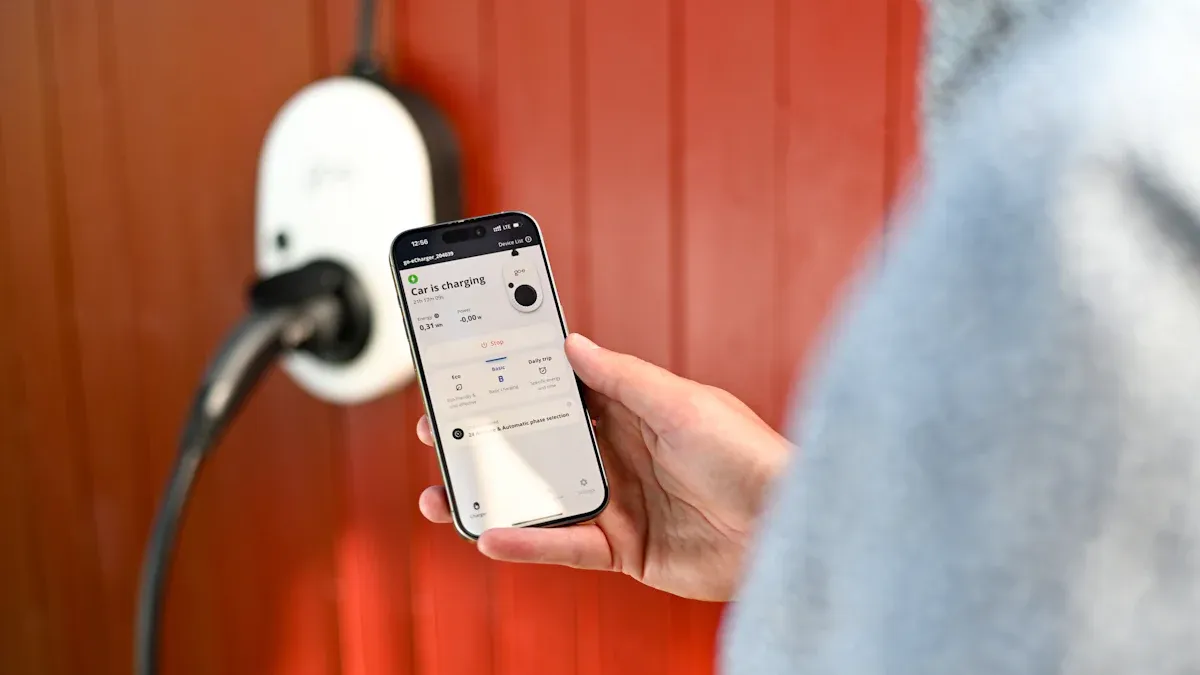
After installation, you need to verify that your charge point works as intended. Begin by plugging in your electric vehicle and observing the start of the charging process. Look for indicator lights or display messages that confirm a successful connection. You should monitor the charging speed and ensure the system delivers power without interruptions. If you notice slow charging rates or error messages, address these issues before regular use.
Safety Verification
Safety remains essential during initial testing. Inspect all plugs and connectors for visible damage, such as bent prongs or corroded contacts. Confirm that the mounting is secure and that cables do not create tripping hazards. You should check for proper grounding and surge protection. If you detect any electrical faults or overheating, stop using the charger and contact a licensed technician.
Tip: Always follow manufacturer guidelines for safety checks before using your charge point for the first time.
Düzenli Bakım
Temizlik ve Denetim
Routine cleaning and inspection help maintain your charge point’s performance. Use a damp cloth to wipe down the charger and remove dust or debris. Check air vents for blockages that could affect cooling. Inspect the charging cable for cracks or cuts, and make sure connectors remain clean. These steps prevent damage and extend the lifespan of your equipment.
Ürün Yazılımı Güncellemeleri
Manufacturers often release firmware updates to improve functionality and security. You should connect your charger to Wi-Fi and enable automatic updates if available. Regularly check for new software versions using the charger’s app or website. Updated firmware can resolve bugs, enhance compatibility, and add new features.
Note: Keeping your charger’s firmware current ensures optimal performance and protects against vulnerabilities.
Procedure | Açıklama |
|---|---|
Görsel Denetim | Check plugs and connectors for damage, such as bent prongs or corrosion. |
Temizlik | Wipe charger with a damp cloth and clear air vents. |
Check Charging Cable | Inspect for cracks, cuts, and cleanliness. |
Şarj Hızını İzleme | Observe performance and watch for error messages or slow rates. |
Aşırı Yüklemeden Kaçının | Ensure charger does not exceed home electrical capacity. |
Arrange for a technician to inspect every 12-24 months. |
Sık Karşılaşılan Sorunların Giderilmesi
Error Codes
Modern charge points display error codes when problems occur. You should consult the user manual to interpret these codes. Common issues include communication errors, overheating, or power supply faults. Resetting the charger or updating firmware often resolves minor problems. Persistent error codes may indicate deeper electrical issues.
Servis Ne Zaman Çağrılmalı
Some problems require professional attention. If you notice repeated error messages, physical damage, or signs of overheating, contact a licensed technician. Schedule professional servicing every 12 to 24 months to ensure safe operation. Regular expert inspections help prevent costly repairs and keep your home charging setup reliable.
Callout: Do not attempt repairs beyond basic cleaning or resetting. Professional service protects your investment and ensures safety.
You can achieve a seamless ev home charger installation by following essential steps and prioritizing safety. Careful planning helps you select the right equipment for your home and ensures compatibility with your vehicle. Professional installation and regular maintenance keep your charging setup reliable.
Take action today to create a safe and convenient charging experience at home.
Assess your needs and future plans.
Consult qualified electricians.
Maintain your equipment for long-term performance.
SSS
Bir ev tipi elektrikli araç şarj cihazının kurulumu ne kadar sürer?
You can expect installation to take between two and four hours. The process may take longer if your electrician needs to upgrade your electrical panel or run new wiring.
Evde elektrikli araç şarj cihazı kurmak için izne ihtiyacım var mı?
You must obtain a permit in most areas. Your licensed electrician will help you follow local codes and submit the necessary paperwork before starting the installation.
Bir elektrikli araç şarj cihazını kendim kurabilir miyim?
You should hire a licensed electrician for safety and compliance. Professional installation ensures your charger meets electrical standards and reduces the risk of fire or electrical shock.
What maintenance does my EV charger require?
You should clean the charger regularly and inspect cables for damage. Check for firmware updates using the charger’s app. Schedule professional inspections every 12 to 24 months.
Will a home EV charger increase my electricity bill?
You will see an increase in your electricity bill. Charging an EV at home uses more energy, but you can lower costs by charging during off-peak hours or using solar panels.
What should I do if my charger shows an error code?
You should check the user manual for troubleshooting steps. Try resetting the charger or updating firmware. Contact a licensed technician if the error persists.
Are there rebates or incentives for installing a home EV charger?
You can apply for federal tax credits, state rebates, and utility company incentives. These programs help reduce your installation costs. Check eligibility before purchasing your charger.