Demand for портативные зарядные устройства continues to surge as electric vehicle registrations in the Philippines rose by 50% in 2023. Filipino drivers now seek the ultimate checklist for selecting safe, compatible, and convenient Решения для зарядки электромобилей. With the market projected to reach 6.6 million electric vehicles by 2030, the ultimate checklist empowers buyers to identify trusted Производители зарядных устройств для электромобилей and evaluate value for money. Using the ultimate checklist ensures every purchase of an Зарядное устройство для электромобилей meets evolving needs and supports the transition to electric mobility.
Ultimate Checklist for EV Charging Compatibility
Confirm Your EV’s Charging Port Type
Identify Your Vehicle’s Connector Standard
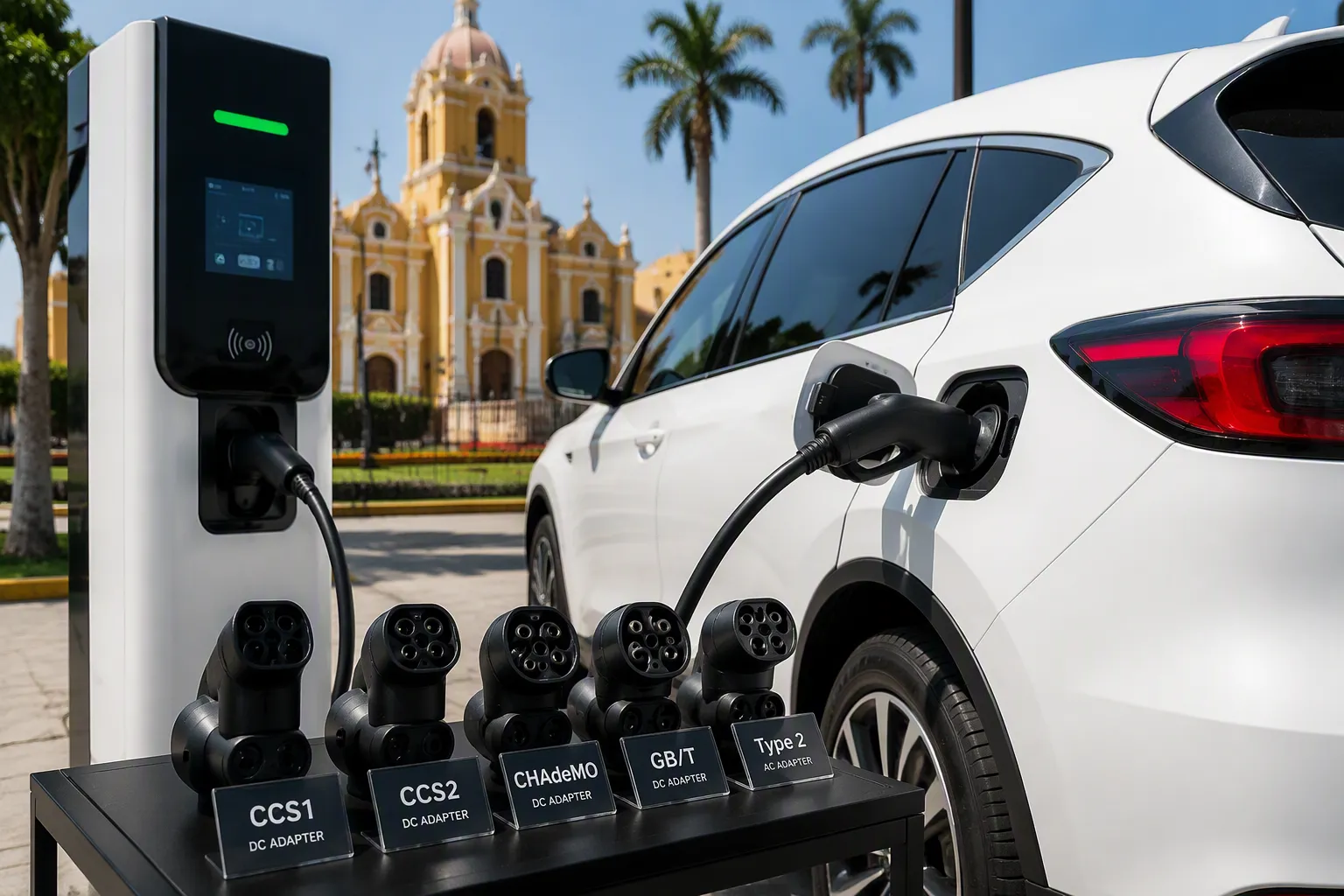
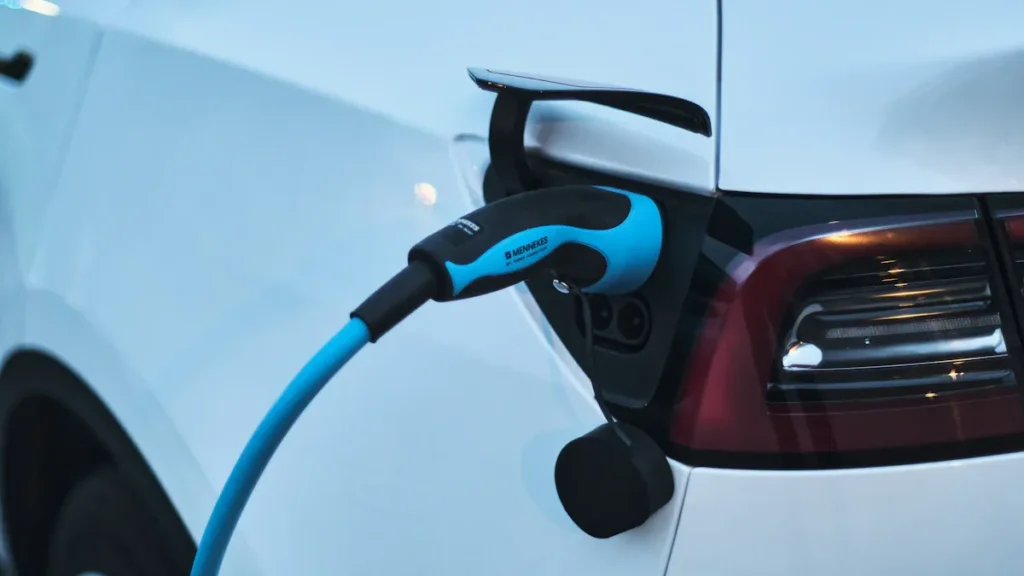
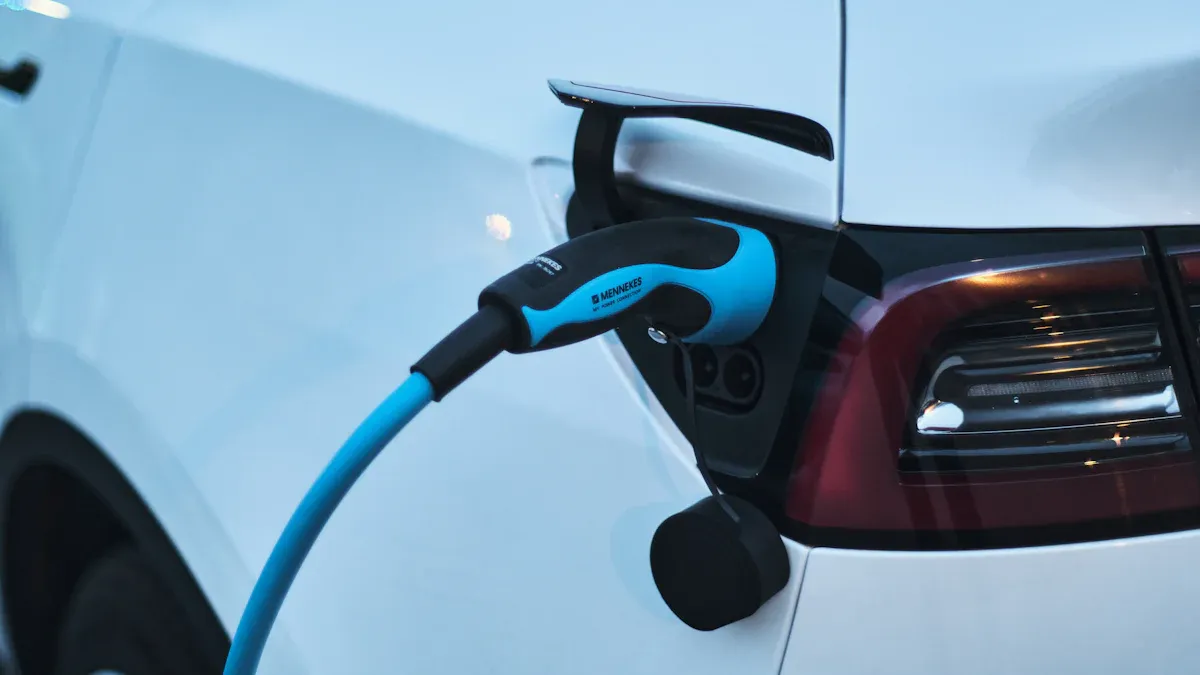
Every electric vehicle owner in the Philippines must first identify the connector standard used by their car. Most electric vehicles support either Type 1 (SAE J1772) or Type 2 (Mennekes) connectors. Some models, especially those from Japanese or European manufacturers, may use different standards. Knowing the connector type ensures that the chosen portable charger will fit the vehicle without the need for additional adapters. TPSON, a technologically advanced electric vehicle charging solution provider, recommends checking the vehicle manual or consulting the manufacturer’s website for this information.
Match Charger Plug with Your EV
After identifying the connector standard, buyers should match the charger plug with their electric vehicle. A mismatch can prevent proper charging and may even damage the charging cable or port. Portable chargers often come with multiple plug options, but not all support every standard. Filipino drivers should verify that the charger supports their specific connector before making a purchase. This step guarantees seamless ev charging at home or at public stations.
Verify Charger Voltage and Amperage Requirements
Understand Your EV’s Charging Specifications
Electric vehicles have unique charging specifications that dictate the required voltage and amperage. These specifications affect how quickly and safely the battery charges. For example, level 2 charging typically operates at 220-240V and delivers faster charging compared to standard outlets. Owners should review their vehicle’s charging requirements to avoid compatibility issues. TPSON provides detailed product guides to help users match their vehicle’s needs with the right charger.
Ensure Charger Supports Your Vehicle’s Needs
Selecting a charger that matches the vehicle’s voltage and amperage requirements is essential for safe and efficient ev charging. Using a charging cable with the correct cross-section minimizes heat generation and voltage drop. For instance:
- A 6 mm² conductor reduces electrical resistance compared to a 4 mm² conductor.
- Lower resistance means less heat and less stress on the cable insulation.
- Longer charging cable lengths increase resistance and heat, making conductor size even more important.
Properly matched chargers and cables support stable level 2 charging, protect the charging infrastructure, and extend the lifespan of both the charger and the electric vehicle. Filipino drivers should always check the specifications of both the charger and the charging cable before purchase. This practice ensures reliable charging methods at home and at public stations.
Safety and Certification for EV Charging
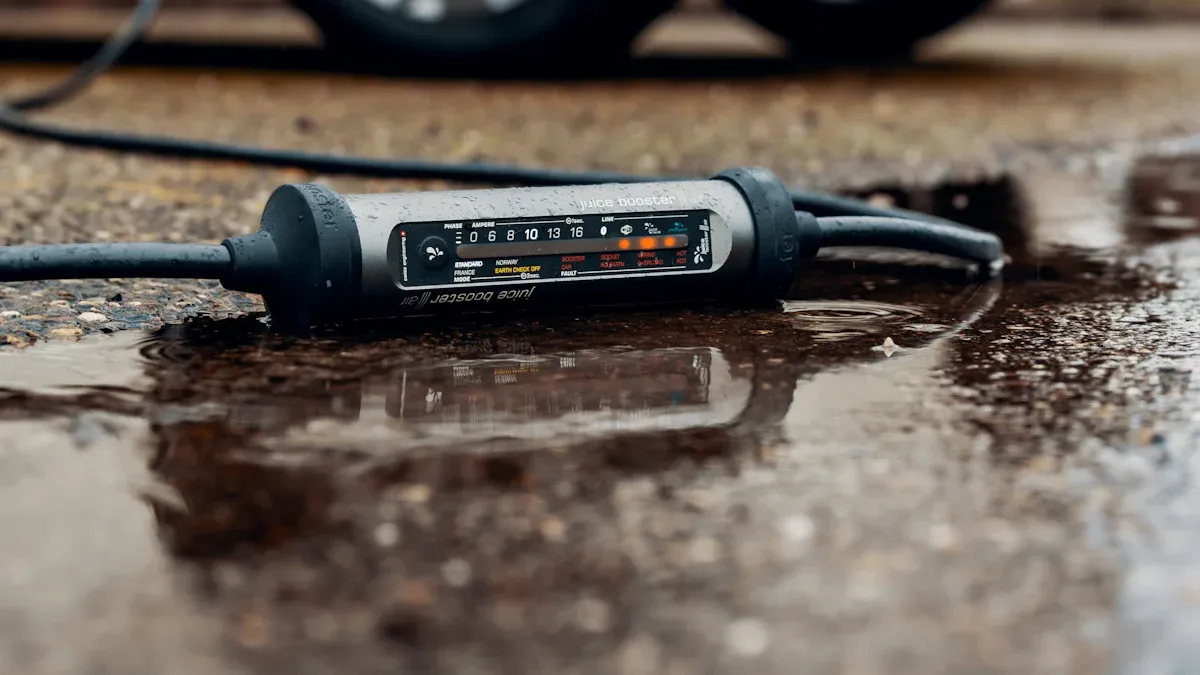
Look for Local and International Safety Certifications
Check for Philippine Safety Standards
Filipino buyers must prioritize safety when selecting a portable ev charger. They should confirm that the charger complies with Philippine safety standards. Local regulations help protect users from electrical hazards and ensure reliable operation. Many reputable brands provide documentation or markings that indicate compliance with these standards. Buyers can request certificates or check product labels before making a purchase.
Verify International Certifications (e.g., CE, UL)
International certifications add another layer of assurance. Certifications such as CE, UL, FCC, DOE, and CEC demonstrate that the charger meets rigorous global safety requirements. For example, the Car Battery Charger LC-2321 Series carries UL, CE, FCC, DOE, and CEC marks. These certifications indicate that the charger has passed tests for electrical safety, electromagnetic compatibility, and energy efficiency. Filipino drivers should look for these marks to ensure their ev charger offers maximum protection.
Совет: Chargers with both local and international certifications provide the best safety and reliability for electric vehicle owners.
Ensure Weatherproof and Durable Design
Assess IP Rating for Water and Dust Resistance
Portable ev chargers often operate outdoors or in unpredictable environments. Buyers should check the IP (Ingress Protection) rating, which measures resistance to water and dust. An IP rating of IP65 or higher protects the charger from rain and dust, making it suitable for Philippine weather conditions. This feature ensures safe charging even during heavy rainfall or in dusty areas.
Evaluate Build Quality for Long-Term Use
Durability depends on materials and design features. High thermal conductivity materials, such as certain alloys of aluminum and copper, improve heat transfer and dissipation. Thermal interface materials (TIMs) help move heat away from sensitive components. The V3 hardware platform from Simpson & Partners demonstrates high reliability and durability, offering up to five years of warranty on core hardware and ten years on the enclosure. Copper is preferred for flexible ev charging cables because it resists electrical stress and maintains performance during repeated heating cycles. These features extend the lifespan of the charger and support daily use.
| Материал | Выгода |
|---|---|
| Aluminum Alloy | Enhances heat dissipation |
| Copper | Provides low resistance and strength |
| TIMs | Efficient heat transfer |
Pre-Installation Safety Checklist
Check Proper Grounding and Balanced Load
Before installing a portable ev charger, users must verify proper grounding. Grounding prevents electrical shocks and protects both the charger and the electric vehicle. Balanced load distribution ensures that the charger does not overload the home’s electrical system. Electricians can inspect the setup and recommend adjustments if needed.
Evaluate Amp Service Size of Your Home
The amp service size determines how much electrical power the home can handle. Filipino homeowners should check their main panel’s capacity before installing an ev charger. Most electric vehicle chargers require a dedicated circuit with sufficient amperage. Upgrading the service size may be necessary for safe and efficient charging. Consulting a licensed electrician helps prevent electrical hazards and supports long-term reliability.
Примечание: Proper installation and safety checks protect both the charger and the electric vehicle, ensuring worry-free charging every day.
Charging Speed and Power Output for EVs
Assess Your Daily Charging Needs
Estimate Typical Driving Distance
Drivers in the Philippines should start by estimating how far they travel each day. Many EV owners commute between 30 to 60 kilometers daily. Understanding this distance helps determine how much energy the vehicle uses and how often it will need charging. Those who drive longer distances or use their EV for business may require more frequent charging sessions.
Determine Required Charging Speed
Charging speed plays a crucial role in daily convenience. If a driver returns home late and needs the vehicle ready by morning, a fast charger becomes essential. For shorter commutes, a standard wallbox may suffice. Drivers should consider their schedules and how quickly they need to charge their EV to match their lifestyle.
Compare Charger Power Ratings (kW)
Understand Impact of Power Output on Charging Time
Сайт power output of a charger, measured in kilowatts (kW), directly affects how long it takes to charge your EV. Higher power output means faster charging. The table below shows how different charger types impact charging time for popular EV models:
| Тип зарядного устройства | Выходная мощность (кВт) | Время зарядки (часы) |
|---|---|---|
| Зарядное устройство уровня 2 | 3,3 - 19,2 | 8 to 10 (7.2 kW) |
| Быстрое зарядное устройство постоянного тока | 50 - 350 | Under 0.5 (80% capacity) |
A wallbox with a 7.2 kW output can fully charge most EVs overnight. Fast chargers, such as DC fast charging stations, can boost an EV’s battery to 80% in less than 30 minutes. This speed is ideal for drivers who need to get back on the road quickly.
Choose a Charger That Fits Your Routine
Selecting the right charger depends on daily habits. Those who park at home overnight may find a wallbox sufficient. Drivers who need rapid turnaround should consider fast chargers or access to public DC fast charging stations. Matching the charger’s power output to the user’s schedule ensures efficient charging and avoids unnecessary waiting.
Flexible Connector Support for EV Charging
Accommodate Different Charging Standards
The Philippine EV market features a mix of connector types. Some vehicles use Type 1, while others require Type 2 or CHAdeMO. A flexible wallbox or portable charger that supports multiple standards allows drivers to charge at home and at various public stations. This flexibility reduces the risk of being stranded without a compatible charging option.
Consider Future-Proofing Your Charger Choice
EV technology continues to evolve. Choosing a charger that supports both current and emerging standards helps future-proof the investment. Many new wallbox models offer upgradeable firmware and adapter support. This approach ensures compatibility with future EVs and charging networks, providing peace of mind for years to come.
Tip: Investing in a charger with flexible connector support and higher power output can save time and money as EV technology advances.
Portability and Build Quality in EV Charging
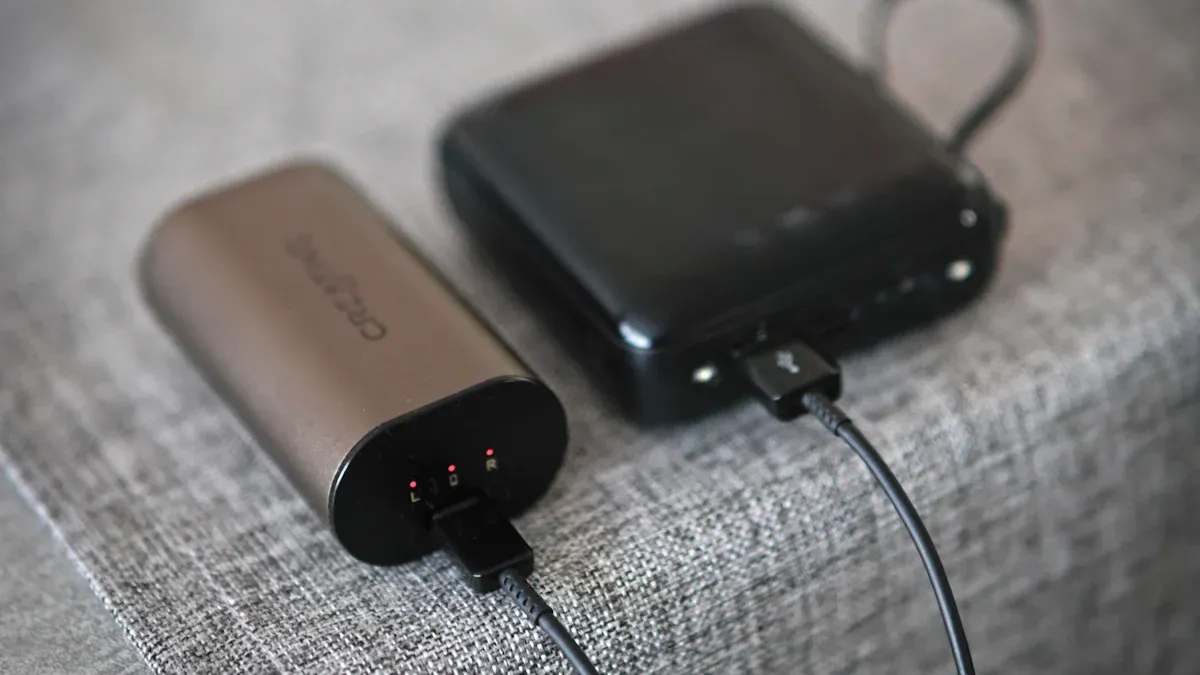
Evaluate Weight and Size for Easy Transport
Consider Portability for Travel or Emergencies
Filipino drivers often need flexibility when charging their electric vehicles. Portable chargers offer a practical solution for travel and emergencies. Many users prefer lightweight models that fit easily in a backpack or trunk. A compact charger allows drivers to charge their EV at different locations, whether at home or on the road. Portability becomes essential during unexpected situations, such as power outages or trips to areas without dedicated home charging station access.
Check if Charger Fits in Your Vehicle
A portable charger must fit comfortably in the vehicle. Drivers should measure available storage space before purchasing. Some chargers come with carrying cases that protect the device and make transport easier. A charger that fits in the glove compartment or under the seat provides convenience for daily use. Owners who travel frequently benefit from a charger that does not take up much room, ensuring they can charge their EV wherever they go.
Check Cable Length and Storage Options
Ensure Cable is Long Enough for Your Parking Setup
Cable length plays a crucial role in charging convenience. Drivers should assess their parking setup at home and at public locations. A cable that reaches from the outlet to the vehicle without stretching or tangling improves safety and efficiency. Most portable chargers offer cables between three and seven meters. Owners should select a cable length that matches their typical parking arrangement, whether at home charging stations or public charging stations.
Look for Convenient Storage Solutions
Storage solutions help keep charging equipment organized. Many chargers include cable management systems or storage bags. These features prevent cables from getting damaged or tangled. Drivers who use their charger at multiple locations appreciate storage options that simplify transport. A well-designed storage system extends the lifespan of the charger and maintains its performance.
Tip: A charger with a sturdy carrying case and cable organizer supports both home and public charging needs.
Accessibility at Public Charging Stations
Compare Portability with Public Charging Station Options
Portable chargers provide flexibility compared to fixed public charging stations. Drivers can charge their EV at home, at work, or at public locations. Some public charging stations require specific connectors or memberships. A portable charger allows users to bypass these restrictions and charge their vehicle wherever an outlet is available. Owners who rely on public charging stations benefit from having a backup charger for emergencies.
Assess Ease of Use in Different Locations
Ease of use matters when charging at various locations. Portable chargers should offer simple plug-and-play operation. Drivers should check if the charger works with different outlet types found in the Philippines. A user-friendly charger reduces setup time and minimizes errors. Accessibility improves when the charger supports both home and public charging environments.
| Характеристика | Выгода |
|---|---|
| Lightweight Design | Easy to carry and store |
| Long Cable | Flexible parking arrangements |
| Storage Bag | Protects charger and cable |
| Universal Plug | Works at home and public sites |
Filipino EV owners who prioritize portability and build quality enjoy reliable charging at home and in public spaces. They gain peace of mind knowing their charger adapts to different environments and supports their daily routine.
Plug Type and Adapter Availability for EV Charging
Confirm Plug Compatibility with Philippine Outlets
Identify Common Outlet Types in the Philippines
Electric vehicle owners in the Philippines encounter several outlet types when charging at home or in public spaces. The most common outlets include:
- Type A: Two flat parallel pins, often found in older homes and establishments.
- Type B: Two flat parallel pins with a grounding pin, used in newer installations.
- Type C: Two round pins, popular in many residential and commercial buildings.
- Type G: Three rectangular pins, less common but present in some hotels and offices.
Filipino drivers must recognize these outlet types to ensure their portable EV charger connects safely and efficiently. Manufacturers often list compatible outlet types in product specifications. Drivers who travel frequently benefit from understanding which outlets they may encounter across different regions.
Совет: Always check the outlet type before plugging in a portable charger. Using the wrong plug can cause electrical hazards or damage the charger.
Match Charger Plug to Local Standards
Matching the charger plug to local standards guarantees safe and reliable charging. Most portable EV chargers designed for the Philippine market feature plugs compatible with Type A, B, or C outlets. Some imported chargers may require adapters to fit local sockets. Drivers should verify plug compatibility by reviewing the charger’s technical details or consulting the manufacturer.
| Charger Plug Type | Compatible Outlet | Общее местоположение |
|---|---|---|
| Type A | Type A, B | Homes, offices |
| Type C | Type C | Residences, hotels |
| Type G | Type G | Hotels, select offices |
Selecting a charger with the correct plug type prevents charging interruptions and supports seamless operation at home and in public charging stations.
Consider Included or Optional Adapters
Check for Bundled Adapters
Many portable EV chargers come with bundled adapters to enhance compatibility. These adapters allow users to connect the charger to various outlet types without purchasing extra accessories. Manufacturers often include adapters for Type A, B, and C outlets in the package. Drivers should review the product listing to confirm which adapters are included.
- Bundled adapters simplify charging in unfamiliar locations.
- They reduce the risk of being stranded without a compatible plug.
- They protect the charger from improper connections.
Примечание: A charger with bundled adapters offers greater flexibility for Filipino drivers who travel or use multiple charging locations.
Explore Availability of Additional Adapters
Some situations require additional adapters not included in the original package. Drivers may need adapters for less common outlets, such as Type G or specialized sockets found in commercial charging stations. Reputable brands offer optional adapters for purchase, ensuring compatibility with a wider range of outlets.
Filipino EV owners should consider the following when exploring additional adapters:
- Availability from authorized dealers or online stores.
- Quality and safety certifications of the adapters.
- Compatibility with the charger’s voltage and amperage requirements.
A well-equipped charging kit with both bundled and optional adapters supports reliable EV charging across the Philippines. Drivers who invest in a versatile adapter set enjoy greater convenience and peace of mind during travel and daily use.
Smart Features and User Interface in EV Charging
Look for LCD Displays, App Connectivity, or Timers
Evaluate Usefulness of Display Screens
Display screens on portable EV chargers provide immediate feedback. Drivers can view charging status, voltage, current, and error messages at a glance. LCD displays help users monitor the charging process without needing extra devices. Clear visual indicators reduce confusion and support quick troubleshooting. Filipino EV owners appreciate chargers that offer real-time information, especially when charging in unfamiliar locations.
Assess Benefits of Mobile App Integration
Mobile app connectivity stands out as a highly valued feature among Filipino EV owners. Apps allow users to control and monitor their chargers remotely. Through a smartphone, drivers can start or stop charging, check battery status, and receive notifications. App integration also enables advanced settings, such as scheduling and energy usage reports. The table below highlights the most valued smart features:
| Характеристика | Описание |
|---|---|
| App Connectivity | Allows users to manage the charger through a smartphone app, enabling remote control and monitoring. |
| Мониторинг в режиме реального времени | Provides users with live data on energy usage and charging status, enhancing user awareness. |
| Интеграция умного дома | Compatible with smart home systems, allowing for voice control and automation of charging schedules. |
Smart home integration further enhances convenience. Users can automate charging routines or use voice commands through compatible systems. These features make daily charging more efficient and user-friendly.
Assess Ease of Use and Setup
Check for Simple Installation and Operation
A portable EV charger should offer straightforward installation. Most models require only a standard outlet and minimal setup. Clear instructions and intuitive interfaces help users get started quickly. Filipino drivers benefit from chargers that do not require technical expertise. Plug-and-play designs reduce the risk of errors and ensure safe operation.
Review User-Friendly Features
User-friendly features improve the overall charging experience. Large buttons, clear icons, and audible alerts guide users through each step. Some chargers include built-in cable management or automatic shutoff for added safety. These design elements support both new and experienced EV owners. A charger that prioritizes ease of use encourages regular and confident charging.
Remote Access and Scheduling for EV Charging
Enhance Convenience and Efficiency
Modern EV chargers now include smart features for remote monitoring and control. Drivers can check charging progress from anywhere using their smartphones. This flexibility allows users to manage charging sessions without being physically present. Remote access proves especially useful for busy individuals who need to maximize their time.
Optimize Charging Times for Cost Savings
Scheduling features let users set charging times to align with off-peak electricity rates. By charging during periods of lower demand, drivers can reduce energy costs. These features also help balance household energy use and prevent overloading circuits. The following points summarize the impact of remote access and scheduling:
- Пользователи могут schedule charging to take advantage of lower electricity rates в непиковые часы.
- These features enhance convenience and flexibility, leading to increased user satisfaction.
Filipino EV owners who choose chargers with интеллектуальные функции and intuitive interfaces enjoy greater control, efficiency, and peace of mind in their daily charging routines.
Warranty, Support, and After-Sales Service for EV Charging
Review Warranty Terms and Coverage
Understand Warranty Duration and Inclusions
Warranty coverage stands as a crucial factor when selecting a portable EV charger. Filipino buyers often prioritize products that offer clear условия гарантии. Most reputable brands in the Philippines provide a standard warranty period for their chargers.
Our standard warranty period for our EV chargers is typically one year. However, we also provide extended warranty services for our customers.
A one-year warranty remains common for home electric vehicle chargers. This coverage protects buyers from manufacturing defects and performance issues. Extended warranty options sometimes appear for an additional fee, giving owners extra peace of mind. Buyers should check if the warranty covers both hardware and software components. Some brands include labor costs for repairs, while others limit coverage to parts only.
Know What Is Covered Under Warranty
Understanding what the warranty includes helps buyers avoid unexpected expenses. Most warranties cover defects in materials and workmanship. Some brands also protect against performance failures within the warranty period.
We provide one year warranty for our home electric vehicle charger, offering peace of mind and reliable support for any potential manufacturing defects or performance issues.
Buyers should read the warranty policy carefully. Coverage often excludes damage caused by misuse, unauthorized repairs, or accidents. Filipino EV owners benefit from knowing the exact terms before making a purchase. A clear warranty policy ensures reliable support if issues arise.
Check for Local Customer Support and Service Centers
Identify Available Support Channels
Customer support plays a vital role in after-sales service. Filipino buyers should look for brands that offer multiple support channels. Common options include phone hotlines, email assistance, and live chat. Some companies provide online troubleshooting guides or video tutorials. Responsive support teams help resolve technical issues quickly. Buyers gain confidence when brands offer accessible and knowledgeable assistance.
- Phone hotline for immediate help
- Email support for detailed inquiries
- Live chat for quick troubleshooting
- Online guides for self-service
Locate Authorized Service Centers in the Philippines
Authorized service centers ensure professional repairs and maintenance. Filipino EV owners should check if the brand has service centers in major cities. Local centers reduce downtime and simplify warranty claims. Some brands list their service locations on their websites. Owners can visit these centers for diagnostics, repairs, or replacement parts. Choosing a charger from a brand with established service centers guarantees reliable after-sales support.
| Бренд | Service Center Location | Support Channel |
|---|---|---|
| TPSON | Metro Manila | Phone, Email, Chat |
| Simpson & Partners | Cebu, Davao | Email, Online Guide |
| Generic Brand | Metro Manila, Quezon City | Hotline, Chat |
Filipino buyers who review warranty terms and check for local support make informed decisions. Reliable after-sales service ensures long-term satisfaction and protects their investment in electric vehicle charging.
Price and Value for Money in EV Charging
Compare Prices Among Reputable Brands
Research Trusted Brands in the Philippines
Filipino buyers often start their search by identifying trusted brands that offer портативные зарядные устройства для электромобилей. Brands such as TPSON, Simpson & Partners, and several local manufacturers have established reputations for quality and reliability. They provide detailed product specifications and transparent pricing. Buyers can visit official websites or authorized dealers to compare options. Reliable brands usually offer warranties and after-sales support, which adds value to the purchase.
Analyze Price Differences and What’s Included
Price differences among portable EV chargers depend on features, build quality, and included accessories. Some brands bundle adapters, carrying cases, or longer cables, while others sell these items separately. Buyers should review what comes in the package before making a decision. The table below highlights typical price ranges and included features:
| Бренд | Price Range (PHP) | Included Accessories |
|---|---|---|
| TPSON | 18,000 – 25,000 | Carrying case, adapters |
| Simpson & Partners | 22,000 – 30,000 | Extended cable, storage bag |
| Local Manufacturer | 15,000 – 20,000 | Basic cable, warranty |
Note: Comparing prices and included accessories helps buyers avoid hidden costs and ensures they get the best value for their money.
Balance Features with Budget
Prioritize Must-Have Features
Filipino drivers should list essential features before purchasing a portable charger. Must-have features include compatibility with local outlets, weatherproof design, and safety certifications. Chargers with smart displays or app connectivity offer added convenience. Buyers should focus on features that support daily charging routines and adapt to different charging stations.
- Compatibility with electric vehicle connector
- Weatherproof and durable build
- Сертификаты безопасности
- Adequate cable length
Avoid Overpaying for Unnecessary Extras
Some chargers offer premium features that may not suit every user. Buyers should avoid paying for extras such as advanced smart home integration or ultra-fast charging if their routine does not require them. They can save money by selecting a charger that meets their needs without unnecessary add-ons. Filipino drivers benefit from a balanced approach that maximizes value without overspending.
Weighing Portable Chargers vs. Public Charging Stations
Compare Costs and Convenience
Portable chargers provide flexibility and independence from public charging stations. Drivers can charge their electric vehicles at home, work, or during travel. Public stations often require membership fees or pay-per-use charges. The table below compares costs and convenience:
| Вариант | Cost per Session | Удобство |
|---|---|---|
| Портативное зарядное устройство | Low (home rates) | Flexible, anytime |
| Общественная зарядная станция | Medium-High | Depends on location |
Tip: Portable chargers offer cost savings and convenience for daily charging, while public stations serve as backup options during long trips.
Decide Which Option Suits Your Lifestyle
Filipino EV owners should assess their lifestyle and charging habits. Those who drive short distances and have access to reliable home outlets may prefer portable chargers. Drivers who travel frequently or lack home charging infrastructure might rely more on public charging stations. Choosing the right option ensures efficient charging and supports electric vehicle ownership in the Philippines.
🚗 Filipino buyers who balance price, features, and convenience make informed decisions and enjoy reliable charging for their electric vehicles.
Filipino EV owners benefit from following this ultimate checklist. They ensure their portable charger meets safety standards, matches their vehicle, and fits their daily routine. Careful selection leads to reliable charging and long-term satisfaction.
- Safety and certification protect every user.
- Compatibility prevents charging issues.
- Portability and smart features add convenience.
- Warranty and support guarantee peace of mind.
Using this checklist empowers buyers to make informed decisions and maximize value for money.
ЧАСТО ЗАДАВАЕМЫЕ ВОПРОСЫ
What connector types do most EVs in the Philippines use?
Most electric vehicles in the Philippines use Type 1 (SAE J1772) or Type 2 (Mennekes) connectors. Japanese models often use Type 1, while European brands prefer Type 2.
How can buyers check if a portable charger is safe?
Buyers should look for Philippine safety certifications and international marks like CE or UL. Safety documentation from the manufacturer confirms compliance.
Does a portable EV charger work with any outlet?
Not all chargers fit every outlet. Filipino drivers must check plug compatibility with local standards. Some chargers include adapters for common outlet types.
What is the typical warranty period for portable EV chargers?
Most reputable brands offer a one-year warranty. Some companies provide extended warranty options for additional coverage.
Can a portable charger support fast charging?
Portable chargers usually support Level 2 charging. DC fast charging requires specialized equipment and is not available in most portable models.
How does cable length affect charging convenience?
Longer cables allow flexible parking arrangements. Drivers should select a cable length that matches their home or public charging setup.
What smart features do modern portable EV chargers offer?
Modern chargers often include LCD displays, app connectivity, and scheduling functions. These features enhance convenience and allow remote monitoring.