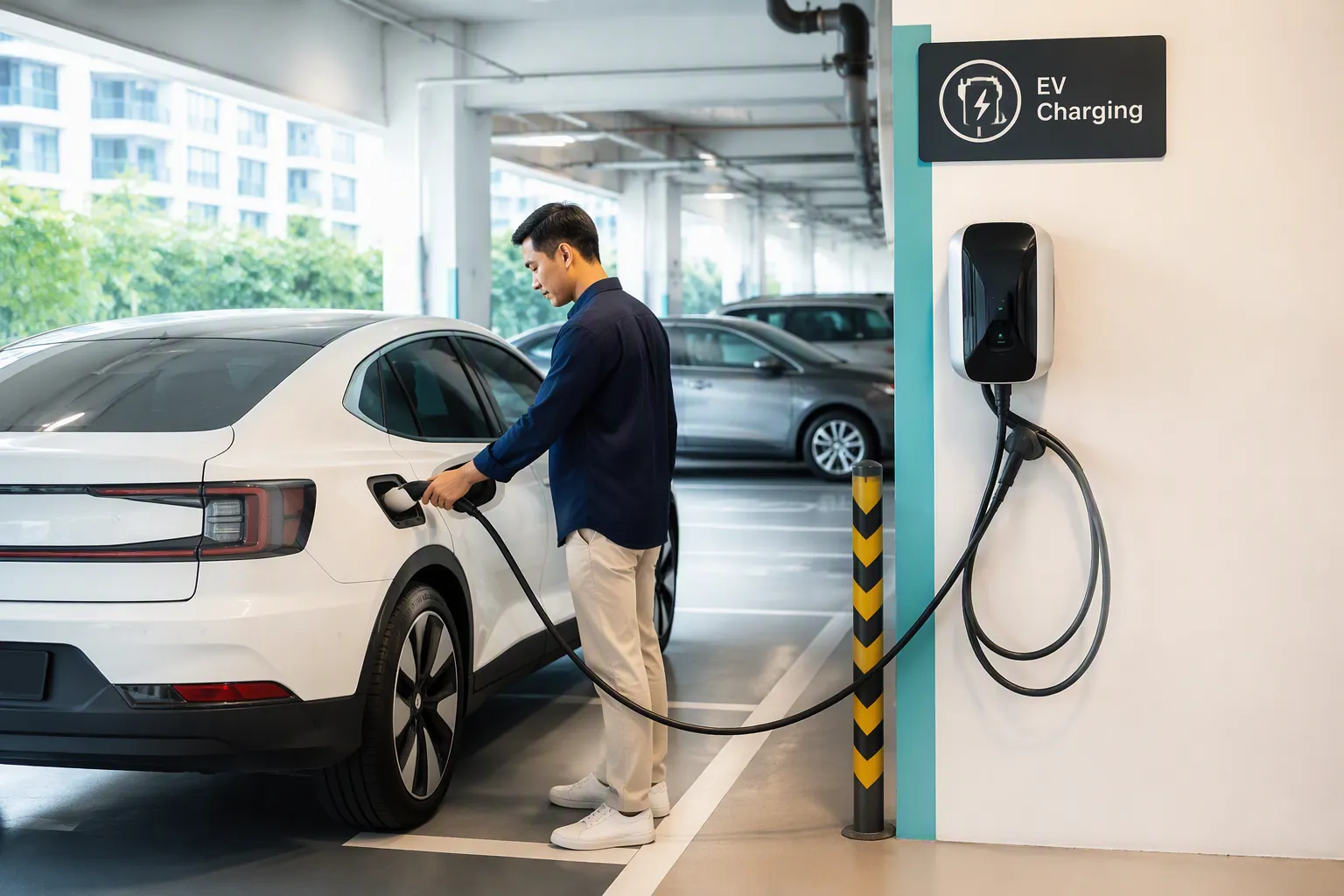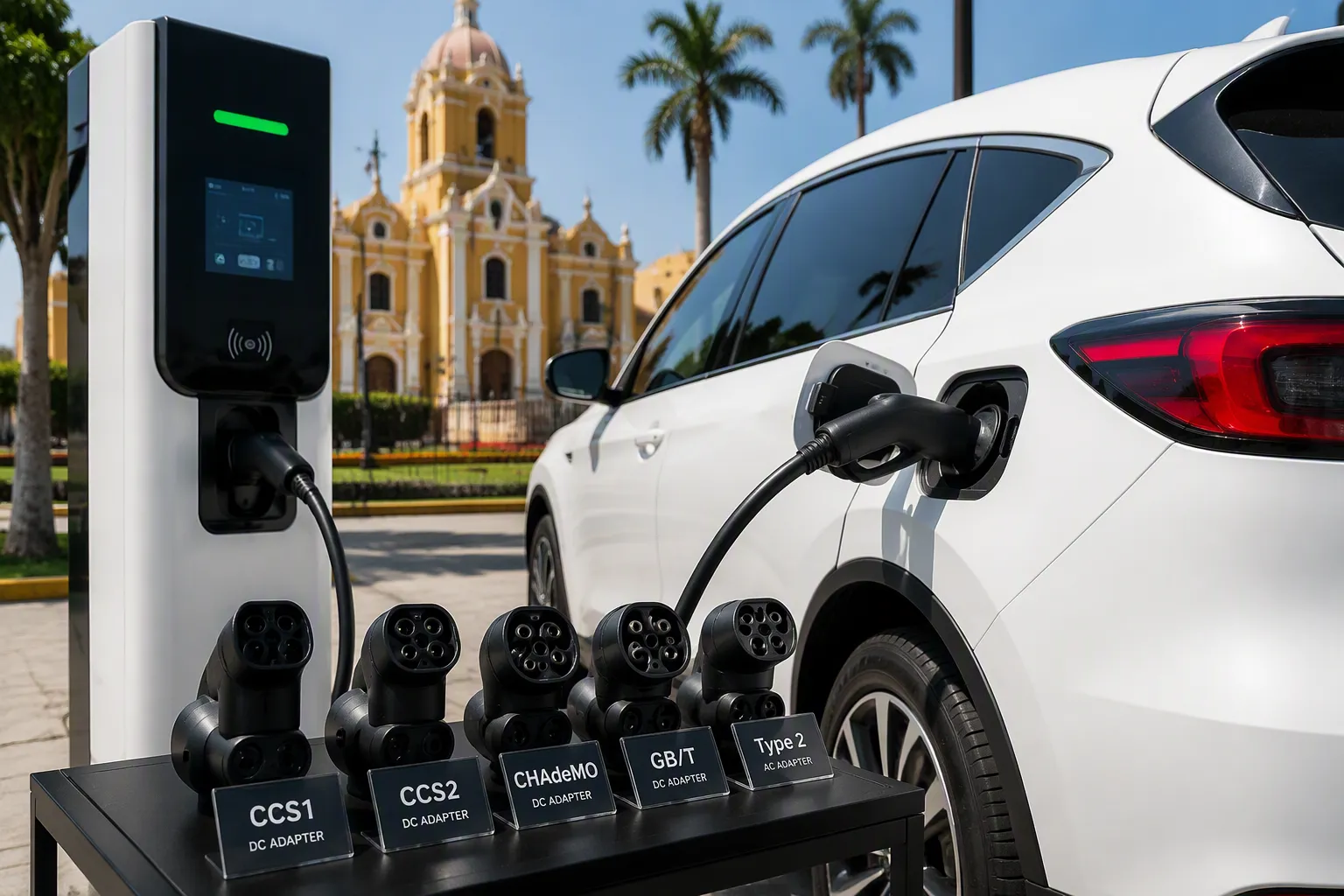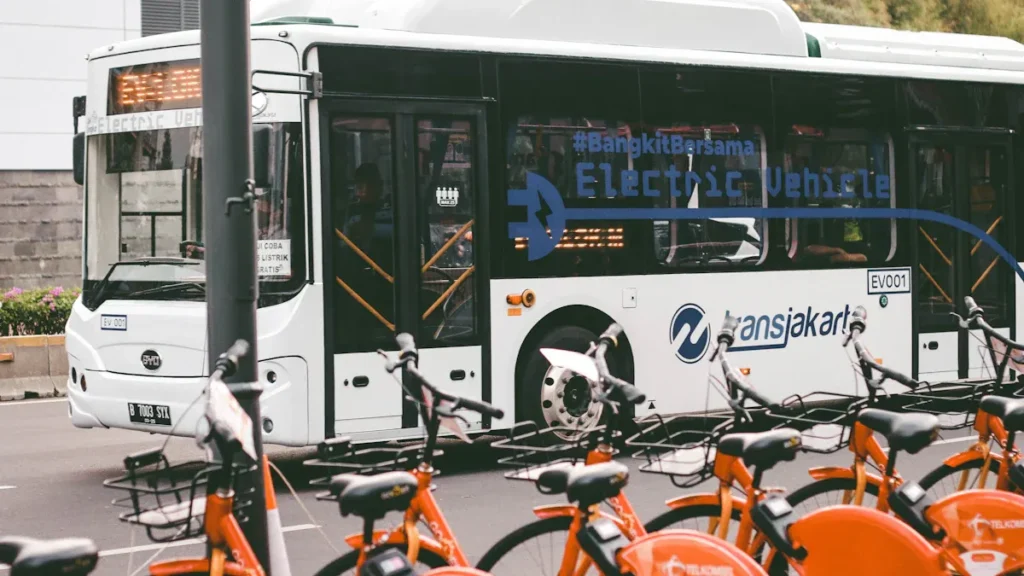
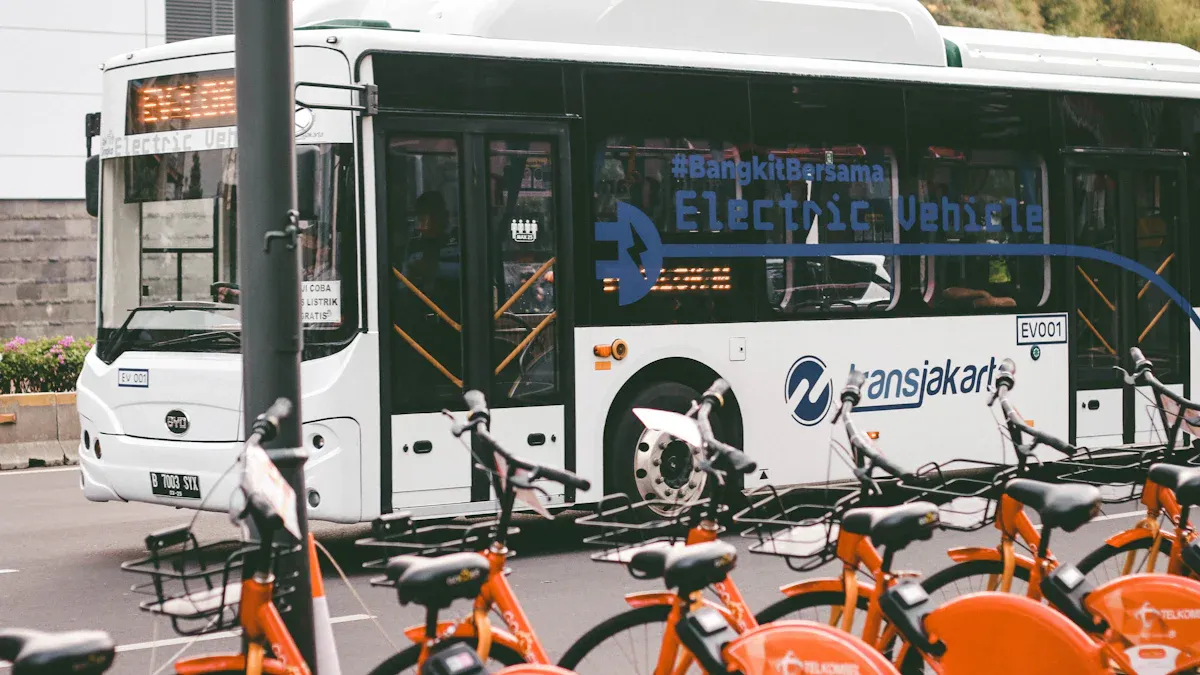
Singapore’s Level 3 EV Charging Network in 2025 showcases significant growth and advanced infrastructure. The city-state now provides widespread access to fast charging, instilling confidence in the reliability of every Зарядное устройство для электромобилей. Residents in both urban and suburban areas are reaping the benefits of new Решения для зарядки электромобилей. Производители зарядных устройств для электромобилей have risen to the occasion with innovations, including портативные зарядные устройства для электромобилей, which greatly enhance user convenience. This progress bolsters Singapore’s sustainability efforts and motivates more drivers to opt for electric vehicles.
Singapore’s Level 3 EV Charging Network: Scale and Coverage
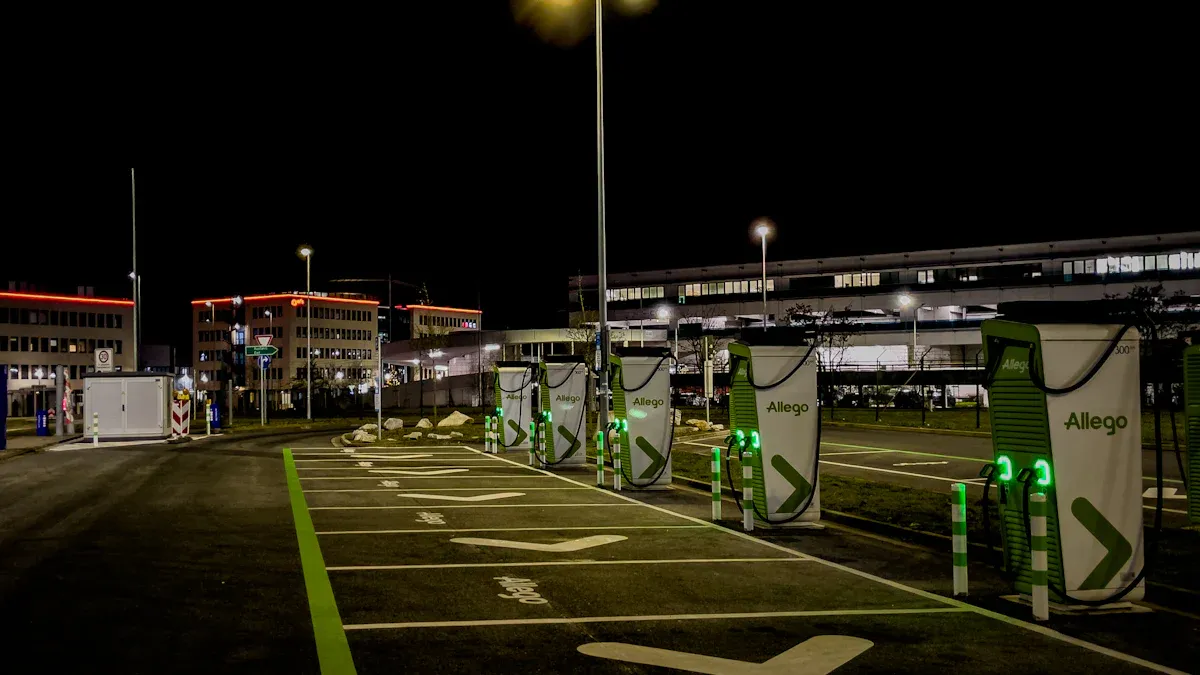
Number of Level 3 Chargers in 2025
Growth Trends Since 2020
Singapore’s level 3 EV charging network has expanded rapidly since 2020. In 2025, the city-state operates over 1,200 fast charging stations, a significant increase from just 200 stations five years ago. This growth reflects strong government support and private sector investment. Companies like TPSON have contributed advanced зарядная инфраструктура, helping to meet the rising demand for electric vehicles. The network now covers major expressways, business districts, and residential hubs, ensuring that drivers can access charging stations with minimal detours.
Distribution Across Singapore
Charging stations are distributed strategically across Singapore. The government and private operators have prioritized locations near shopping malls, office complexes, and public transport nodes. A table below summarizes the distribution of level 3 charging stations by region:
| Регион | Number of Stations | Ключевые места |
|---|---|---|
| Central | 400 | Orchard, Marina Bay, CBD |
| East | 250 | Changi, Tampines, Bedok |
| West | 220 | Jurong, Clementi, Bukit Batok |
| North | 180 | Woodlands, Yishun, Sembawang |
| North-East | 150 | Hougang, Punggol, Serangoon |
This even distribution ensures that most EV users in Singapore can find a charging station within a short drive, regardless of their location.
Accessibility for EV Users
Urban vs. Suburban Availability
Urban areas in Singapore feature a higher density of charging stations, especially in commercial and high-traffic zones. Suburban neighborhoods have seen a steady increase in charging infrastructure, reducing range anxiety for residents outside the city center. The network design ensures that both urban and suburban EV owners benefit from reliable charging options. Public feedback highlights the convenience of finding a station near homes, workplaces, and recreational areas.
Public vs. Private Charging Locations
Singapore’s level 3 EV charging network includes both public and private charging locations. Public charging stations are available in car parks, shopping centers, and along major roads. Private charging options, often managed by property developers or companies like TPSON, serve residential condominiums and office buildings. This dual approach maximizes accessibility and supports a wide range of user needs. The government encourages new developments to include charging infrastructure, further expanding the network.
Utilization and Performance Metrics
Average Wait Times
Average wait times at charging stations have decreased in 2025. Most users report waiting less than 10 minutes during peak hours. The network’s expansion and real-time monitoring systems help operators manage congestion. Smart reservation features, available through mobile apps, allow drivers to plan charging sessions efficiently.
Charger Uptime and Reliability
Singapore maintains high standards for charger uptime and reliability. The majority of level 3 charging stations report over 98% operational uptime. Regular maintenance and advanced diagnostics, provided by solution providers like TPSON, minimize downtime. Users benefit from prompt technical support and clear status updates through integrated apps. The network’s reliability strengthens public trust in EV charging and supports Singapore’s sustainability goals.
Note: The integration of smart technology and strategic planning has positioned Singapore as a leader in EV charging infrastructure across the region.
Government Policies Shaping EV Charging in Singapore
National EV Roadmap and Targets
2030 and 2040 Milestones
Singapore has set ambitious targets for the adoption of electric vehicles. The National EV Roadmap outlines clear milestones for the next two decades. By 2030, the government aims to deploy 60,000 EV charging points, with a significant portion dedicated to fast charging. This target supports the transition to cleaner transport and aligns with the nation’s sustainability agenda. By 2040, Singapore plans to phase out internal combustion engine vehicles, making EVs the primary mode of private transport. These milestones drive the expansion of Singapore’s level 3 EV charging network and ensure that the infrastructure keeps pace with rising demand.
Funding and Incentives for Fast Charging
The government provides substantial funding to accelerate the rollout of fast charging stations. Grants and tax incentives encourage both public and private sector investment in charging infrastructure. Operators receive support for installing level 3 chargers in strategic locations, including commercial hubs and residential estates. These incentives reduce the financial burden on companies and speed up the deployment of new charging points. As a result, Singapore maintains a robust and future-ready network.
Regulatory Framework for Level 3 EV Charging
Licensing and Safety Standards
Singapore enforces strict licensing requirements for operators of level 3 charging stations. The Energy Market Authority (EMA) sets safety standards to protect users and maintain the reliability of the network. Operators must comply with technical guidelines that cover installation, maintenance, and emergency response. These regulations ensure that every charging station meets high safety and performance benchmarks.
Land Use and Zoning Policies
Land use and zoning policies play a critical role in the development of charging infrastructure. The Urban Redevelopment Authority (URA) works with stakeholders to allocate space for charging stations in new and existing developments. Policies require new buildings to include provisions for EV charging. This approach integrates charging infrastructure into Singapore’s urban landscape and supports the growth of the network.
Public-Private Partnerships in Singapore’s Level 3 EV Charging Network
Collaboration Models
Singapore leverages public-private partnerships to expand its charging network. Companies collaborate with government agencies to deliver innovative solutions and scale up infrastructure quickly. For example:
We also have a charging network in Singapore. While the ChargEV footprint in Singapore expanded organically, we have since established significant partnerships to supercharge our footprint to support the rapid EV growth rate in Singapore. These include a joint venture with LHN Group to provide AC charging services across 70 car parks in key urban and commercial areas and a roaming agreement with CDG-Engie to create the largest cross-border EV charging network in the market.
These models foster knowledge sharing and resource pooling, which accelerates network growth.
Impact on Network Expansion
Public-private partnerships have a direct impact on the expansion of Singapore’s level 3 EV charging network. Joint ventures and roaming agreements increase the number of accessible charging points and improve user convenience. The network benefits from diverse expertise and investment, which strengthens Singapore’s position as a leader in EV infrastructure.
Integration of EV Charging with Urban Planning and Sustainability in Singapore
Role in Singapore’s Green Plan 2030
Emissions Reduction Targets
Singapore’s level 3 EV charging network plays a vital role in achieving the city-state’s Green Plan 2030 objectives. The government has set clear milestones to reduce emissions and promote urban sustainability. The plan aims to phase out internal combustion engine vehicles by 2040 and ensure all HDB towns are EV-ready by 2025. These targets drive the expansion of charging infrastructure and support the transition to sustainable energy.
| Веха | Описание |
|---|---|
| Phase-out of internal combustion engine vehicles | Complete by 2040 |
| HDB towns EV-ready | Ensure all by 2025 |
Singapore’s commitment to emissions reduction relies on widespread access to fast charging. The network supports cleaner transport and encourages residents to adopt EVs, contributing to a healthier urban environment.
Support for Public Transport Electrification
Singapore continues to electrify its public transport system. The level 3 EV charging network provides essential support for buses and taxis, enabling efficient charging and reducing reliance on fossil fuels. Operators use fast charging stations to maintain fleet uptime and minimize operational delays. This integration strengthens urban sustainability and aligns with national goals for sustainable energy.
Urban Design and Charging Infrastructure
Placement in Residential and Commercial Areas
Urban planners in Singapore prioritize the placement of charging stations in both residential and commercial zones. Developers design parking layouts to accommodate charging points and ensure adequate electrical capacity. Early integration of charging infrastructure during development streamlines installation and minimizes future disruptions. Residents and businesses benefit from convenient access to charging, which supports urban sustainability.
Integration with Smart City Initiatives
Singapore’s urban landscape incorporates smart city features that enhance the charging experience. The use of Dynamic Load Management allows real-time energy monitoring and demand prediction, improving grid stability. Vehicle-to-Grid systems facilitate load shifting and peak shaving, providing financial incentives and boosting grid performance. Collaboration with utility providers and government authorities accelerates the deployment of charging infrastructure.
- Early integration of EV charging stations during development helps streamline installation and minimizes future disruptions.
- Developers are encouraged to design parking layouts that can accommodate charging points and ensure adequate electrical capacity.
- The use of Dynamic Load Management (DLM) allows for real-time energy monitoring and demand prediction, enhancing grid stability.
- Vehicle-to-Grid (V2G) systems facilitate load shifting and peak shaving, providing financial incentives and improving overall grid performance.
- Collaboration with utility providers and government authorities is essential for accelerating the deployment of EV charging infrastructure.
Environmental Impact Assessment of EV Charging
Grid Decarbonization Efforts
Singapore invests in grid decarbonization to support the growth of its level 3 EV charging network. Authorities promote renewable energy sources and upgrade grid infrastructure to handle increased demand. These efforts reduce the carbon footprint of charging and advance urban sustainability.
Lifecycle Analysis of Charging Infrastructure
Urban sustainability depends on careful lifecycle analysis of charging infrastructure. Singapore evaluates the environmental impact of manufacturing, installing, and maintaining charging stations. The city-state adopts sustainable energy practices and encourages recycling of materials. This approach ensures that charging infrastructure supports long-term sustainability goals.
Key Challenges for Singapore’s Level 3 EV Charging Network
Infrastructure Costs and Investment
Capital Expenditure for Fast Chargers
Singapore faces high capital expenditure when deploying Level 3 EV charging stations. The installation costs for fast chargers can reach up to $35,800 per unit, which far exceeds the cost of slower alternatives. Organizations must also invest in reliable mobile data connectivity to ensure operational efficiency at these stations. Regulatory compliance adds another layer of complexity, as every station must meet strict safety and technical standards. Infrastructure considerations, such as electrical upgrades and site preparation, further increase the overall investment required for a robust network.
Cost Recovery and Pricing Models
Operators in Singapore must develop sustainable pricing models to recover the significant upfront costs of EV charging infrastructure. They often balance user affordability with the need to generate returns on investment. Some providers use tiered pricing based on charging speed or time of use. Others offer subscription plans to encourage frequent use. The challenge lies in maintaining competitive rates while covering maintenance, energy, and operational expenses. Transparent pricing helps build trust among EV users and supports long-term network growth.
Grid Capacity and Reliability in EV Charging
Power Supply Constraints
Singapore’s dense urban environment puts pressure on the national grid, especially as more EV charging stations come online. Power supply constraints can limit the number of fast chargers that operators can deploy in certain areas. Upgrading grid connections and managing peak demand require close coordination between charging providers and utility companies. Without careful planning, increased load from EV charging could strain existing infrastructure and impact reliability.
Load Management Strategies
To address these challenges, Singapore adopts advanced load management strategies. Charging stations use smart systems to monitor energy usage and balance demand across the network. Operators schedule charging sessions during off-peak hours to reduce stress on the grid. Some stations integrate with renewable energy sources, further enhancing sustainability. These strategies help maintain stable power supply and support the continued expansion of EV charging in Singapore.
User Experience and Reliability
Maintenance and Downtime Issues
High uptime remains a priority for Singapore’s EV charging network. Regular maintenance and advanced diagnostics minimize downtime at charging stations. However, technical faults and equipment wear can still disrupt service. Operators respond quickly to resolve issues and keep stations operational. Reliable support and clear communication with users help maintain confidence in the network.
Payment and Access Barriers
Singapore’s charging network must also address payment and access barriers. Some users face challenges with incompatible payment systems or limited access to private charging locations. Providers work to streamline payment options through mobile apps and contactless solutions. Expanding public access to charging stations ensures that all EV drivers can benefit from the growing network. Continuous improvement in user experience will drive higher adoption rates and support Singapore’s sustainability goals.
Technological Advancements in Singapore’s Level 3 EV Charging Network

Smart Grid Integration for EV Charging
Real-Time Monitoring and Load Balancing
Singapore leads the region in smart grid integration for EV charging. Operators use advanced monitoring systems to track energy usage at every charging station. These systems help balance the load across the grid and prevent power disruptions. Real-time data allows providers to adjust energy distribution quickly. This approach supports efficient charging and reduces the risk of blackouts during peak hours.
The table below highlights key initiatives that support smart grid integration in Singapore:
| Инициатива | Описание |
|---|---|
| Интеллектуальные системы зарядки | Integrated with EV charging to enhance energy efficiency and sustainability. |
| Combined Heat and Power (CHP) Systems | Supports energy-efficient automation solutions in the context of EV charging. |
These technologies help Singapore maintain a stable and sustainable energy supply as the number of EVs increases.
Demand Response Capabilities
Charging operators in Singapore use demand response strategies to manage electricity consumption. They can shift charging sessions to off-peak periods, which reduces pressure on the grid. Some stations offer incentives for users who choose to charge their vehicles during low-demand hours. This flexibility helps Singapore optimize its energy resources and ensures reliable service for all EV drivers.
Vehicle-to-Grid (V2G) Technology in Singapore
Pilot Projects and Early Adoption
Singapore has launched several pilot projects to test vehicle-to-grid (V2G) technology. These projects allow EVs to send electricity back to the grid when needed. Early adopters include fleet operators and research institutions. They work with utility companies to explore the benefits of V2G for both users and the national grid.
Benefits for Grid Stability
V2G technology provides extra stability for Singapore’s power grid. When demand spikes, EVs can supply stored energy to support the system. This process helps prevent outages and reduces the need for additional power plants. V2G also creates new opportunities for EV owners to earn incentives by participating in grid support programs.
Innovations in Charger Design and User Experience
Ultra-Fast Charging Capabilities
Singapore’s charging network now features ultra-fast chargers that can deliver up to 350 kW. These chargers reduce waiting times and make EV ownership more convenient. Drivers can add significant range in just a few minutes. This advancement supports the rapid growth of EV adoption in Singapore.
User Interface and App Integration
Charging providers in Singapore focus on user-friendly interfaces and seamless app integration. Mobile apps allow drivers to locate available charging stations, monitor charging progress, and make payments easily. Clear instructions and real-time updates improve the overall experience. These innovations ensure that Singapore remains at the forefront of EV charging technology.
Note: Singapore’s commitment to advanced technology continues to set new standards for EV charging infrastructure in the region.
Competitive Landscape of Singapore’s Level 3 EV Charging Network
Major Charging Network Providers in Singapore
SP Group
SP Group leads the market for level 3 EV charging in Singapore. The company operates a large network of fast chargers across the island. SP Group invests in advanced technology and maintains high reliability. Many drivers trust this provider for consistent service and wide coverage.
Перезарядка ракушки
Shell Recharge holds a strong position in the Singapore market. The company focuses on strategic locations such as shopping malls and business districts. Shell Recharge offers fast charging solutions that appeal to both private and commercial EV owners. The brand’s global experience supports its local operations.
Charge+
Charge+ continues to expand its market share in Singapore. The company targets residential estates and commercial buildings. Charge+ uses innovative technology to optimize charging sessions and reduce wait times. The provider also partners with property developers to increase network reach.
Сеть зарядных устройств Tesla
Tesla operates its own Supercharger network in Singapore. The company serves Tesla owners with ultra-fast charging stations. Tesla’s network supports seamless integration with its vehicles. The brand’s presence increases competition and raises standards in the market.
Market Share and Expansion Strategies
Network Growth Plans
Each provider in Singapore develops unique strategies to grow its market share. SP Group plans to add more charging points in suburban areas. Shell Recharge focuses on expanding in high-traffic zones. Charge+ invests in smart charging technology to attract new users. Tesla aims to increase the number of Superchargers to support rising EV sales. These plans shape the competitive market and drive network expansion.
Partnerships with Automakers and Real Estate
Providers in Singapore form partnerships to strengthen their market position. SP Group collaborates with automakers to offer bundled charging packages. Shell Recharge works with real estate firms to secure prime locations. Charge+ partners with property managers to install chargers in new developments. Tesla integrates its network with vehicle sales and after-sales services. These alliances help providers reach more customers and enhance the market ecosystem.
Service Differentiation in EV Charging
Pricing Models and Subscription Plans
The market for EV charging in Singapore features diverse pricing models. Some providers use pay-per-use rates, while others offer subscription plans for frequent users. SP Group and Shell Recharge provide flexible options to suit different needs. Charge+ introduces loyalty programs to reward regular customers. Tesla includes charging benefits with vehicle purchases. These models create value and attract a broad user base.
Value-Added Services
Providers in Singapore compete by offering value-added services. SP Group delivers real-time support and maintenance. Shell Recharge integrates charging with retail promotions. Charge+ offers app-based reservations and energy management tools. Tesla provides seamless navigation to Supercharger locations. These services improve the user experience and set providers apart in the market.
Note: The competitive market in Singapore drives innovation and ensures that the EV charging network meets the needs of a growing user base.
Implications for EV Users and Singapore’s Sustainability Goals
Impact on EV Adoption Rates in Singapore
User Confidence and Convenience
Singapore’s commitment to a robust charging network has transformed the user experience for EV owners. Надежная зарядка stations now cover both urban and suburban areas, which reduces range anxiety and builds trust in the electric vehicle ecosystem. Consumers see that they can depend on the network for daily commutes and longer journeys. This confidence encourages more drivers to consider EVs as their primary mode of transport. The presence of commercial charging stations in shopping malls and business districts further enhances convenience, making charging a seamless part of daily routines.
Affordability and Accessibility
The expansion of public charging infrastructure has made EV ownership more accessible. Operators offer a range of pricing models, including pay-per-use and subscription plans, which cater to different user needs. These options help manage costs and make the transition to electric vehicles more affordable for a wider population. Singapore’s policies ensure that new developments include charging provisions, which increases accessibility for residents in both public and private housing. As a result, the city-state continues to see positive trends in EV adoption rates.
Contribution to National Emissions Targets
Progress Toward Net Zero
Singapore’s charging network plays a crucial role in the nation’s journey toward net zero emissions. The government’s Green Plan and Land Transport Master Plan set clear targets for reducing carbon output. By supporting the shift from internal combustion engines to electric vehicles, the charging infrastructure directly contributes to lower urban emissions. The systematic deployment of charging stations aligns with broader sustainability goals and demonstrates Singapore’s leadership in green mobility.
Role in Broader Mobility Ecosystem
The integration of charging with public transport and shared mobility services strengthens Singapore’s sustainable urban mobility framework. Electric buses and taxis rely on fast, reliable charging to maintain operational efficiency. This synergy supports the city’s vision for a cleaner, more efficient transport network. The charging network also complements other green initiatives, creating a holistic approach to urban sustainability.
Future Outlook for Singapore’s Level 3 EV Charging Network
Planned Expansions and Upgrades
Singapore’s forecast for the future includes significant upgrades to its charging infrastructure. Providers plan to increase the number of fast chargers, especially in underserved regions. The government will continue to enforce EV-ready provisions in new developments, ensuring that the network remains future-ready. Market share analysis suggests that competition among providers will drive further innovation and improve service quality.
Anticipated Policy and Market Shifts
Future trends indicate that reliable charging will remain essential for building consumer confidence. As the electric vehicle market evolves, providers must address challenges related to network reliability and scalability. Proactive government policies will guide the systematic deployment of charging stations and support sustainable growth. Market share analysis and market trends show that Singapore’s charging network will adapt to meet rising demand, positioning the city-state as a leader in future-ready infrastructure. The forecast points to a dynamic landscape shaped by technology, policy, and user needs.
Note: Singapore’s strategic approach ensures that the charging network will continue to support EV adoption and national sustainability goals well into the future.
Singapore’s Level 3 EV charging network demonstrates strong coverage, high reliability, and advanced technology. Operators continue to address challenges such as infrastructure costs and grid capacity. The network’s growth supports national sustainability goals and encourages EV adoption.
Key takeaways for EV users and stakeholders:
- Fast charging is widely accessible across the island.
- Ongoing innovation improves user experience.
- Strategic planning ensures future-ready infrastructure.
Singapore’s commitment positions the nation as a regional leader in sustainable mobility.
ЧАСТО ЗАДАВАЕМЫЕ ВОПРОСЫ
What is a Level 3 EV charging station?
A Level 3 charging station uses direct current to deliver rapid charging for electric vehicles. These stations serve both commercial and residential users who need fast charging. They support the growing demand for electric vehicle infrastructure in Singapore.
How does Singapore ensure the reliability of its electric vehicle charging network?
Singapore enforces strict standards for electric vehicle charging stations. Operators conduct regular maintenance and use advanced monitoring systems. This approach ensures high uptime for both commercial and residential charging points.
Where can drivers find Level 3 charging stations in Singapore?
Drivers can locate Level 3 charging stations in commercial districts, residential neighborhoods, and public car parks. Mobile apps provide real-time information on station availability. The network covers major expressways and urban centers.
Are there incentives for installing electric vehicle chargers in residential or commercial properties?
The government offers grants and tax incentives for installing electric vehicle chargers. These incentives apply to both residential and commercial developments. They encourage property owners to support the electric vehicle transition.
How does the charging network support Singapore’s sustainability goals?
The electric vehicle charging network reduces emissions and supports the Green Plan 2030. It enables a shift from traditional vehicles to electric alternatives. This transition aligns with national sustainability targets and urban planning strategies.
What payment options are available for electric vehicle charging?
Drivers can pay for electric vehicle charging using mobile apps, contactless cards, or subscription plans. Providers offer flexible options for both commercial and residential users. This flexibility improves accessibility for all drivers.
How does Singapore manage grid demand with increased electric vehicle charging?
Operators use smart grid technology and demand response strategies. These systems balance energy use across commercial and residential charging stations. Real-time analysis helps prevent grid overload and ensures stable power supply.
What role does analysis play in expanding the electric vehicle charging network?
Analysis of usage data guides network expansion. Providers study charging patterns in commercial and residential areas. This analysis helps optimize station placement and improves service for electric vehicle users.