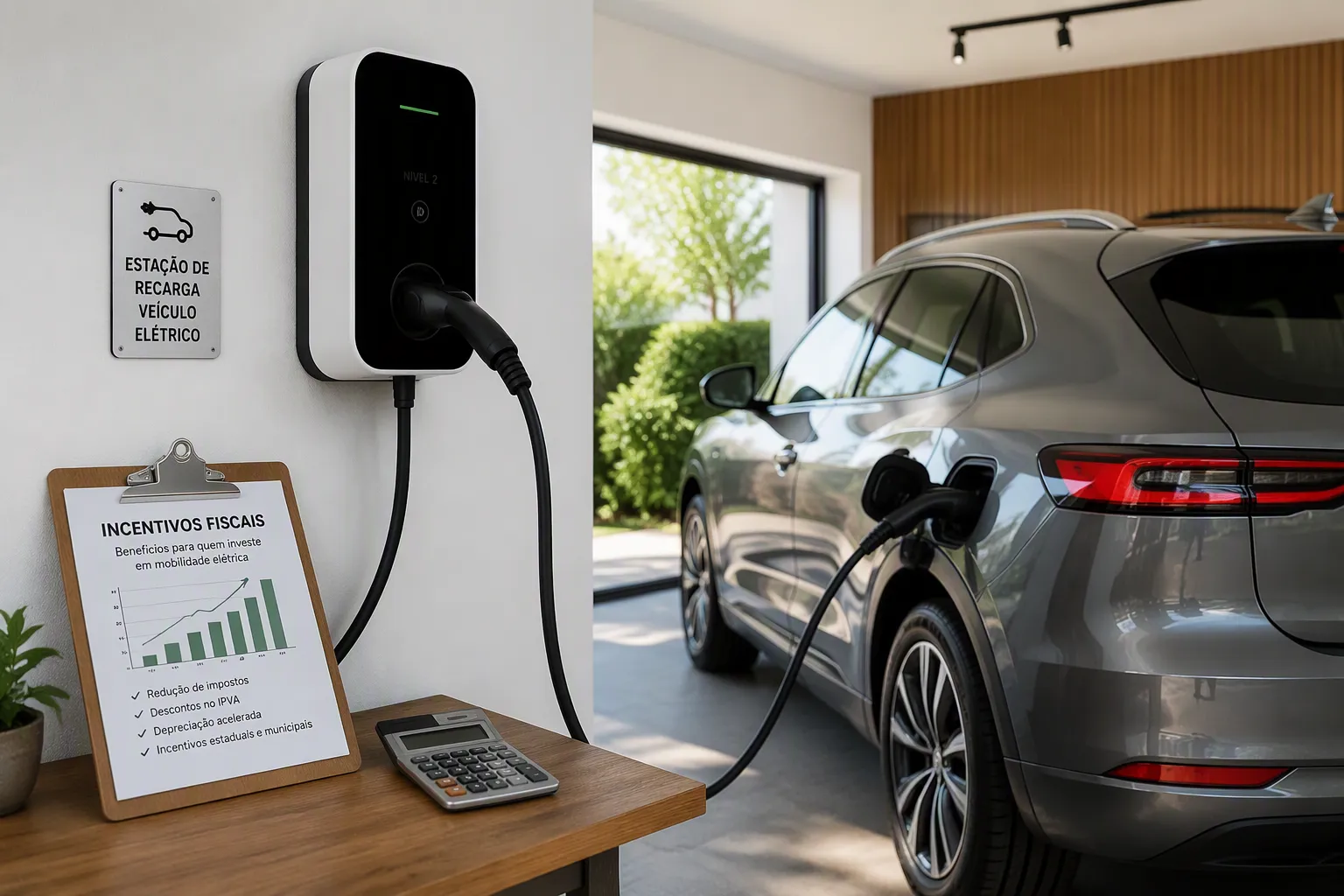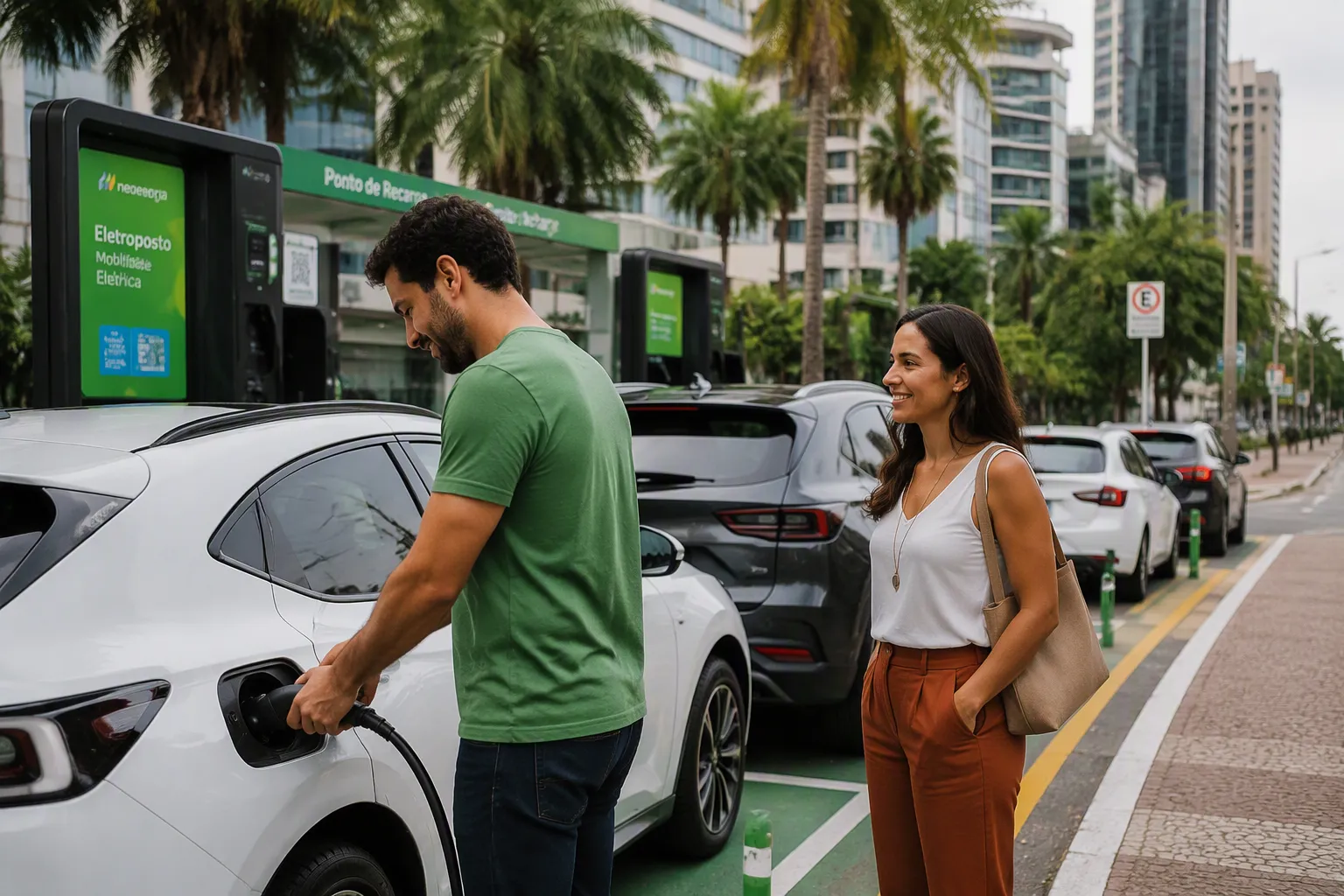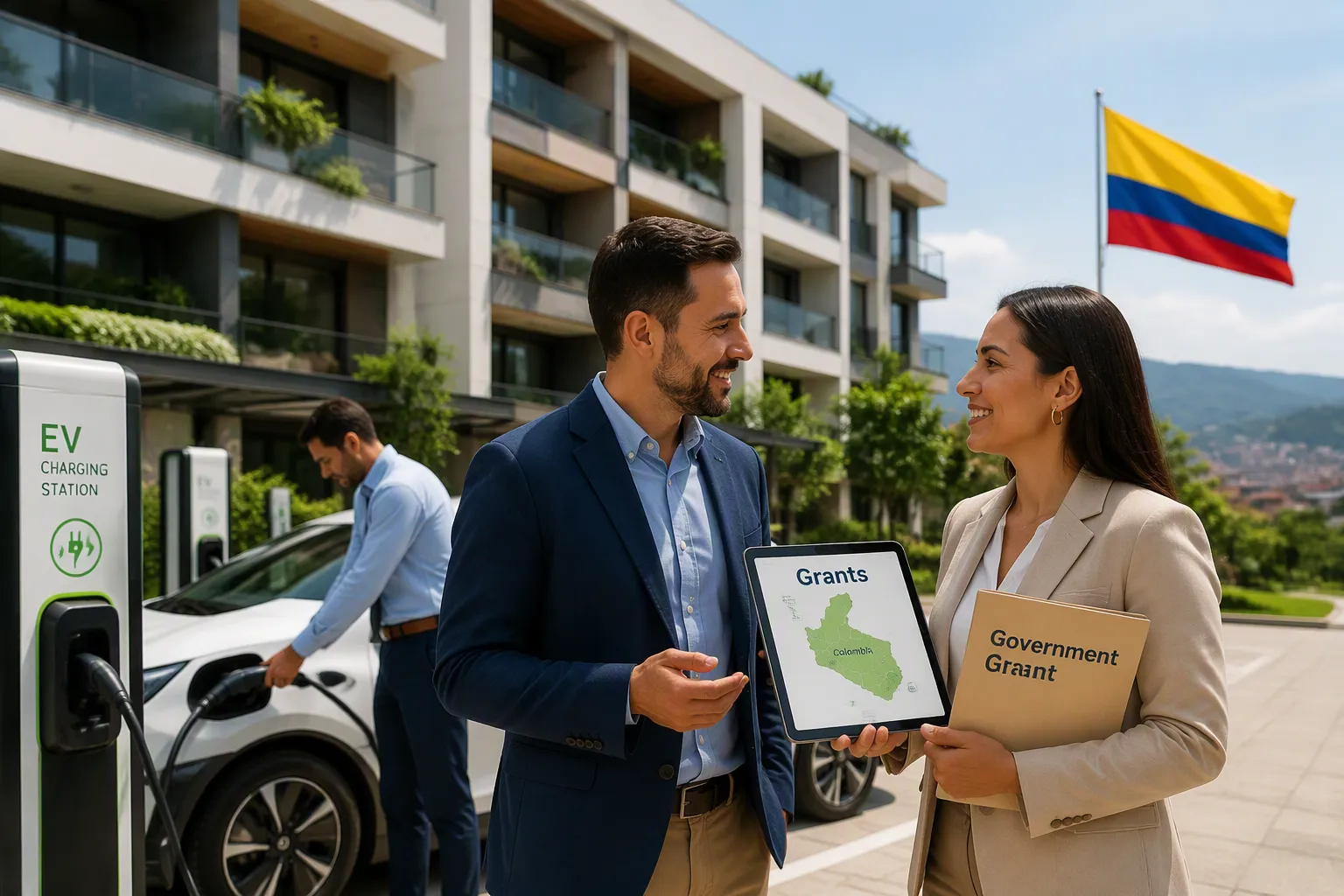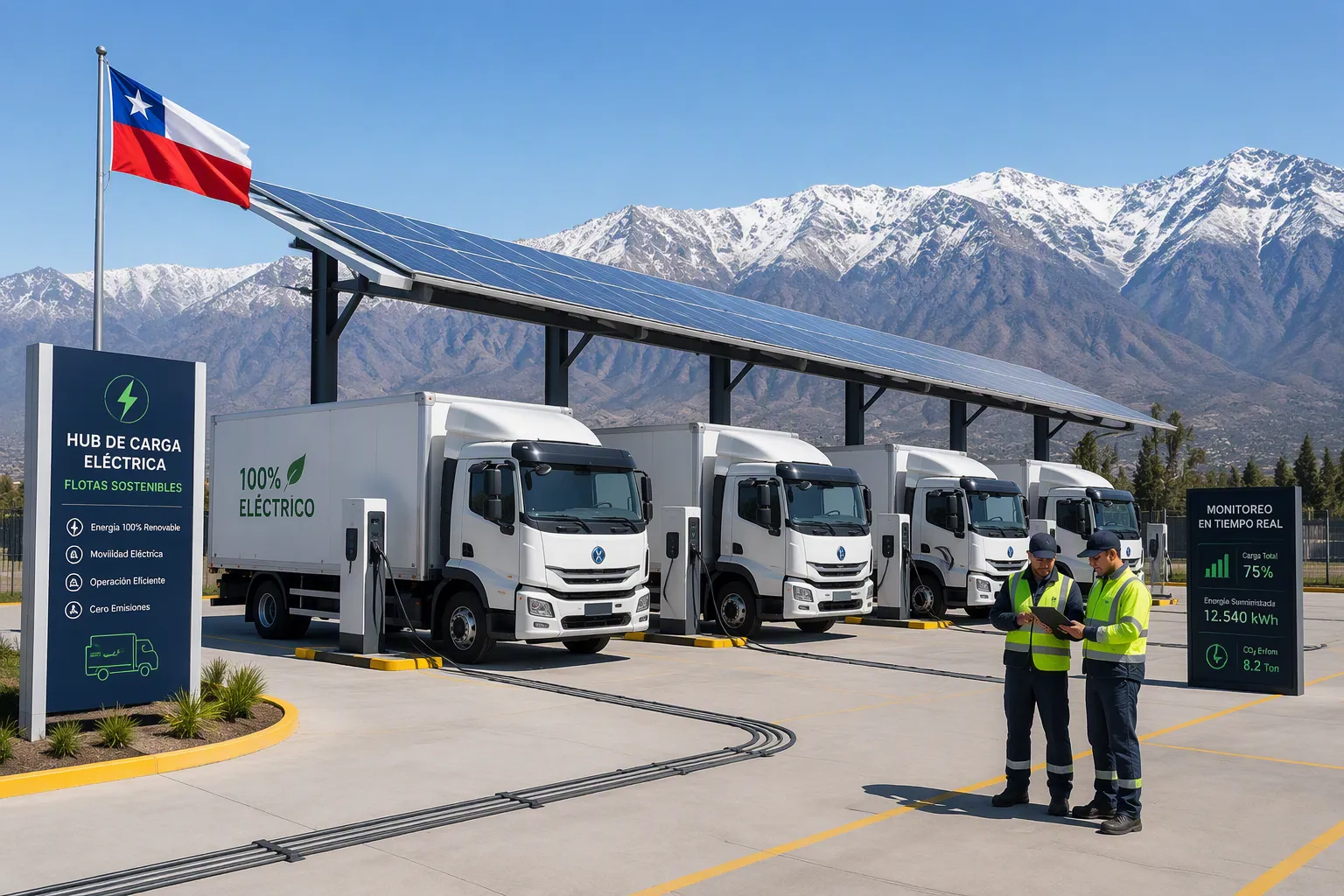

Singapore’s commitment to a sustainable future drives the integration of EV charging solutions into new apartment developments, shaping the future of urban living. Developers and residents recognize that advanced EV Charger infrastructure and options from EV charger manufacturers support modern living needs. The government’s plan to deploy 60,000 charging points by 2030 reflects a strong push for urban mobility and environmental progress.
| Aspect | Impact |
|---|---|
| EV Charging Points | 60,000 charging points planned by 2030 for EV adoption |
| Sustainability Goals | Supports cleaner energy for all new vehicles |
| Urban Mobility | Enhances convenience for EV owners in apartment communities |
Portable EV chargers further increase accessibility, ensuring that urban developments meet evolving expectations.
Why EV Charging Integration Is Essential for the Future of Urban Living in Singapore
Government Policies Driving EV Charging Adoption
Singapore Green Plan 2030 and Sustainability Targets
Singapore has set ambitious green goals under the Singapore Green Plan 2030. This national strategy aims to transform the city-state into a leader in sustainable mobility and urban innovation. The plan emphasizes integrating EVs into daily transportation, reducing reliance on fossil fuels, and promoting clean energy. By prioritizing the installation of EV charging stations in new apartment developments, Singapore supports the rise of electric vehicles and ensures that future urban living aligns with sustainability targets.
EV-Ready Towns Initiative and Public Housing Plans
The government has introduced the EV-Ready Towns initiative to accelerate the adoption of electric vehicles in public and private housing. This initiative mandates developers to include EV charging infrastructure in new or substantially renovated residential projects. The following table outlines the key requirements for integrating EV charging stations in Singapore’s residential sector:
| Requirement | Description |
|---|---|
| Installation Mandate | Developers must install EV charging infrastructure in new or substantially renovated residential developments. |
| Electrical Capacity | At least 1.3 kilo-volt amperes of power for every car and motorcycle parking lot. |
| Minimum Charging Points | A minimum number of charging points must be installed, supporting at least one-fifth of the total power capacity. |
| Compliance Example | For a development, 1 in 5 lots can have 7.4 kW charging points, while 1 in 25 lots must be fitted with such chargers. |
These policies ensure that integrating EVs into urban communities becomes a standard practice, supporting both current and future residents.
Rising EV Adoption and Changing Urban Mobility
Growth in EV Ownership and Market Trends
Singapore has witnessed significant growth in EV ownership. More residents choose electric vehicles due to government incentives, improved charging infrastructure, and increased environmental awareness. The expansion of EV charging stations across the city has made it easier for drivers to access charging points, encouraging more people to switch to EVs. This trend reflects a broader shift in urban transportation, where sustainable mobility becomes a priority for both individuals and communities.
Shifting Resident Preferences Toward Sustainability
Urban mobility patterns in Singapore continue to evolve as more residents embrace sustainable living. The following changes highlight the impact of integrating EVs on urban transportation:
- Expansion of charging stations increases convenience for EV drivers.
- Integration with public transport creates a seamless travel experience.
- Adoption of EVs reduces air and noise pollution, improving the quality of urban living.
These shifts demonstrate that residents value sustainability and seek modern amenities that support their lifestyle choices.
Meeting Resident Expectations for Modern Amenities
Demand for Sustainable Living in Singapore
Residents in Singapore expect new apartment developments to offer features that support sustainable living. Integrating EV charging stations has become a key factor in attracting environmentally conscious buyers and tenants. Developers who prioritize EV charging infrastructure position their properties as future-ready and aligned with the city’s green goals.
Convenience and Accessibility of EV Charging Stations
Convenience remains a top priority for urban residents. Easy access to EV charging stations within apartment complexes eliminates the need for long detours or waiting at public charging points. This accessibility enhances the appeal of electric vehicles and supports the future of urban living by making sustainable transportation practical and attractive.
Note: Integrating EVs into new apartment developments not only meets regulatory requirements but also addresses the evolving needs of residents who prioritize sustainability and convenience.
Key Benefits of Integrating EV Charging Stations in New Apartment Developments

Value Creation for Property Owners and Developers
Increased Property Value and Marketability
Singapore property owners recognize that integrating EV charging stations can boost property value. Properties with EV charging stations attract buyers who seek modern, future-ready homes. Many buyers now prefer homes that offer convenient charging for electric vehicles. These features make residential developments stand out in a competitive market. Developers who install EV charging stations show commitment to sustainable mobility and environmental sustainability. They also position their projects as premium options for urban living.
- Properties with EV charging stations are viewed as modern and future-ready.
- More electric vehicle users prefer homes with convenient charging options.
- Developers can market their projects as sustainable and innovative.
New Revenue Streams from EV Charging
Singapore property owners can generate new revenue streams by offering EV charging services. Charging stations in residential developments allow owners to collect fees from residents and visitors who use the service. This creates a steady income source while supporting the adoption of EVs. TPSON provides advanced solutions that help developers manage and monitor charging usage efficiently. These systems can track energy consumption and automate billing, making operations smooth for both owners and residents.
Advantages for Residents and Urban Communities
Enhanced Convenience and Accessibility
Residents benefit from the convenience of having EV charging stations within their homes. They can charge their EVs overnight or during the day without leaving their residential complex. This accessibility supports the shift toward sustainable transportation and reduces the need for public charging points. Urban communities with integrated charging infrastructure enjoy greater mobility and flexibility. Residents experience less stress about finding available charging stations, which encourages more people to choose EVs.
Cost Savings and Government Incentives
EV charging stations in new homes help residents save money. Charging at home often costs less than using public charging points. The government also offers incentives for installing EV charging infrastructure in residential developments. These incentives reduce the initial investment for developers and lower costs for residents. Singapore property owners can take advantage of these programs to improve their developments and attract more buyers.
Tip: Residents should check with their management committees about available government grants for EV charging installation.
Environmental and Sustainability Impact
Reduced Carbon Footprint and Emissions
Integrating EV charging stations in apartment developments helps reduce carbon emissions. More residents can switch to EVs, which produce fewer emissions than traditional vehicles. This shift supports cleaner air and a healthier environment for everyone. Urban developments that support EVs play a key role in reducing the city’s overall carbon footprint.
Supporting Singapore’s Sustainability Goals
Singapore’s commitment to sustainability drives the adoption of EV charging stations in new homes. These efforts contribute to sustainability goals by promoting clean energy and reducing reliance on fossil fuels. Developers and residents who support EV charging help build a greener, more resilient urban environment. TPSON’s advanced charging solutions enable seamless integration, making it easier for communities to contribute to sustainability goals.
Main Challenges of EV Charging Integration in Singapore
Technical and Infrastructure Barriers
Electrical Load Management and Grid Capacity
Developers face significant hurdles when planning EV charging stations in new apartment complexes. Electrical load management remains a primary concern. The local grid must support increased demand from multiple charging points, especially as more residents adopt electric vehicles. Grid operators and charging manufacturers often struggle to coordinate, which can lead to poor interoperability and unreliable charging infrastructure. High installation costs also pose a barrier. Setting up a charging network can range from $2,500 for slow chargers to $35,800 for fast chargers. These expenses impact both developers and property owners.
| Challenge | Description |
|---|---|
| High installation costs | Setting up a charging network is expensive, with costs ranging from $2,500 for slow chargers to $35,800 for fast chargers. |
| Poor charging infrastructure | Agreements between grid operators, charging manufacturers, and landowners complicate the establishment of a reliable charging network, especially in densely populated areas. |
| Vehicle-grid interoperability | Lack of communication and agreements between grid operators and charging manufacturers hinders the development of a secure and reliable EV charging network. |
| Station performance and downtime | Many EV owners experience issues with charger reliability, leading to range anxiety and concerns about finding functioning chargers when needed. |
| Payment method integration | Diversity of payment methods complicates the user experience, as not all methods are compatible, which can deter potential EV buyers. |
Retrofitting Versus New Construction Considerations
Retrofitting existing buildings for EV charging stations presents unique challenges. Older infrastructure may lack the electrical capacity required for modern charging solutions. Developers must upgrade wiring and install new equipment, which increases costs and disrupts daily operations. In contrast, new construction allows for integrated planning. Developers can design scalable charging infrastructure from the outset, ensuring future readiness and supporting urban mobility.
Regulatory and Compliance Challenges
Building Codes, Standards, and Approvals
Singapore enforces strict building codes and standards for EV charging stations. Developers must navigate complex approval processes to ensure compliance. Authorities require detailed plans for electrical safety, fire protection, and accessibility. These regulations protect residents and support reliable charging infrastructure, but they also lengthen project timelines and increase administrative workload.
Licensing and Compliance for EV Charging Stations
Licensing requirements for EV charging stations add another layer of complexity. Developers must secure permits from multiple agencies. Each agency sets its own standards for station performance, payment integration, and maintenance. Meeting these requirements ensures safe and efficient charging, but the process can delay deployment and increase costs.
Logistical and Operational Hurdles
Space Allocation and Design for EV Charging
Space allocation in urban apartment developments remains a challenge. Developers must balance parking needs with charging station placement. Limited space in densely populated areas complicates design decisions. Effective planning ensures residents have access to EV charging stations without sacrificing parking or common areas.
Maintenance and Upkeep of Charging Infrastructure
Maintaining charging infrastructure requires ongoing attention. Station performance and downtime affect resident satisfaction and urban transportation reliability. Property managers must monitor equipment, address technical issues, and ensure payment methods remain compatible. Reliable maintenance supports the adoption of EVs and enhances urban mobility.
Note: Addressing these challenges requires collaboration between developers, grid operators, and authorities. Proactive planning and investment in scalable solutions will help Singapore achieve its sustainable transportation goals.
Practical Solutions and Steps for Developers to Achieve Sustainable Urban Living
Planning and Designing for Future-Proof EV Charging
Scalable and Flexible Charging Infrastructure
Developers in Singapore must prioritize scalable and flexible solutions when planning EV charging stations for new urban apartment developments. They can adopt advanced technologies that support long-term growth and adaptability. Dynamic Load Management (DLM) allows real-time monitoring of energy usage and predicts demand. This technology balances power allocation and integrates seamlessly with renewable energy sources. Vehicle-to-Grid (V2G) systems enable peak shaving and load shifting, which improves grid stability and offers financial incentives from utilities. Multi-protocol solutions unify charging networks and provide advanced analytics for proactive maintenance. These strategies ensure that infrastructure remains robust and future-ready.
| Strategy/Technology | Benefits |
|---|---|
| Dynamic Load Management (DLM) | Real-time monitoring, dynamic power allocation, grid integration, modular architecture |
| Vehicle-to-Grid (V2G) | Peak shaving, load shifting, grid stability, user ROI |
| Multi-protocol solutions | Unified networks, advanced analytics, reduced downtime, optimized operational costs |
Integrating Charging Solutions During Development
Incorporating EV charging stations during the initial stages of development streamlines installation and reduces future disruptions. Developers can design parking layouts that accommodate charging points and allocate sufficient electrical capacity. Early integration supports the adoption of EVs and aligns with sustainability goals. This approach also positions properties as attractive options for residents who value modern amenities.
Collaboration with Key Stakeholders in Singapore
Working with Utility Providers and Authorities
Collaboration with utility providers and government authorities accelerates the deployment of EV charging infrastructure. The ASEAN Smart Cities Network (ASCN) has demonstrated successful partnerships, such as the collaboration between Singapore and Jakarta to address grid stability for electric buses. In Bedok, the Land Transport Authority (LTA) worked with developers to implement opportunity charging for electric buses. The installation of overhead pantograph chargers at Bedok Integrated Transport Hub highlights the benefits of integrating efforts across sectors.
Engaging Residents and Management Committees
Developers should engage residents and management committees early in the process. Open communication ensures that charging solutions meet the needs of the community. Stakeholder partnerships, similar to those seen in Thailand’s battery charging station network, can accelerate the deployment of EV charging stations in residential areas. These collaborations often involve private companies and financial institutions, which support both financing and long-term maintenance.
Financing, Incentives, and Cost-Sharing Models
Leveraging Government Grants and Subsidies
Singapore offers grants and subsidies to support the installation of EV charging stations in residential developments. Developers can reduce upfront costs by applying for these incentives. Government support encourages the adoption of EVs and helps align projects with national sustainability objectives.
Exploring Cost-Sharing and Revenue Models
Developers can choose from several cost-sharing and revenue models to improve the financial feasibility of EV charging projects. Understanding site-specific demand is crucial for self-funded schemes. Revenue-sharing models often result in better lease terms and higher quality installations, especially for projects funded by charge point operators (CPOs). Charge Point Management Systems (CPMS) help optimize costs and unlock new revenue opportunities.
| Evidence Type | Description |
|---|---|
| Site-specific demand | Crucial for self-funded schemes to ensure financial viability |
| Revenue-sharing models | Improved lease terms and higher quality installations for CPO-funded projects |
| Cost optimization | Self-funded schemes can optimize costs and unlock new revenue through CPMS |
Tip: Developers who plan for scalability, collaborate with stakeholders, and leverage financial models position their projects for long-term urban sustainability.
Latest Trends and Technologies in EV Charging for Urban Sustainability
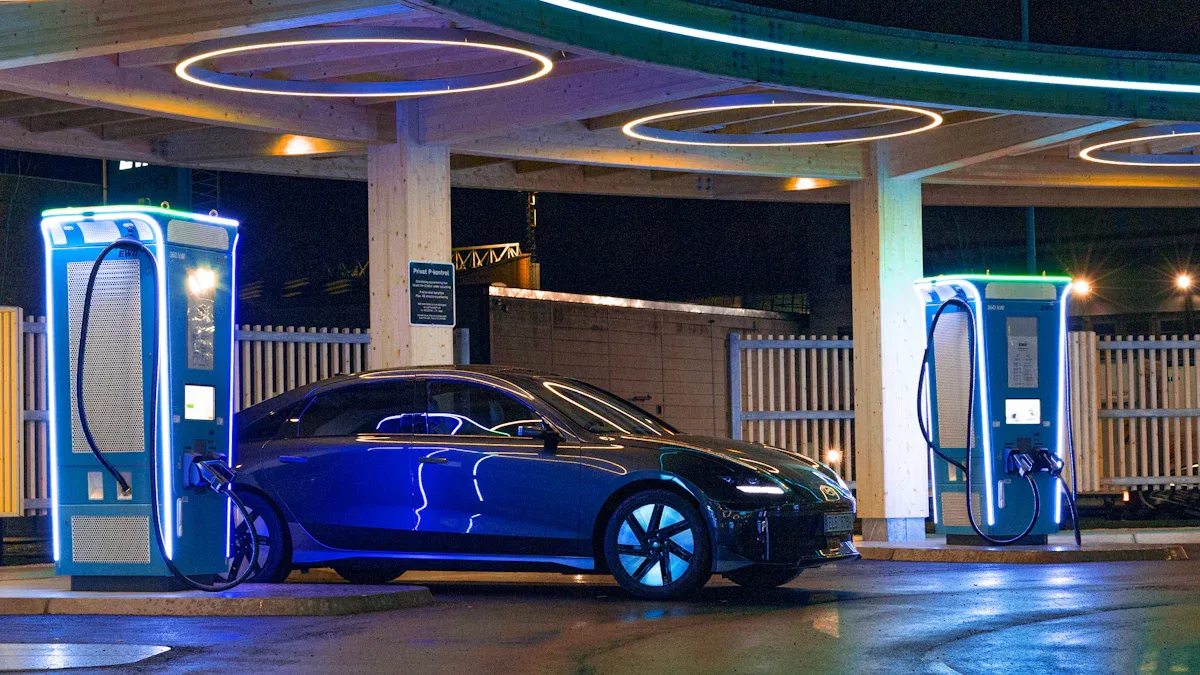
Smart EV Charging Systems and Energy Management
Load Balancing and Smart Grid Integration
Smart EV charging systems now play a critical role in urban apartment developments. These systems use advanced load balancing to distribute electricity efficiently among multiple charging points. Grid integration allows operators to monitor and adjust energy flow, which prevents overloads and supports grid stability. In Singapore, operators like Charge+ have pioneered the deployment of smart chargers in condominiums. Their technology enables real-time energy management and seamless integration with the city’s smart grid initiatives. This approach ensures that residents can charge their EVs without straining the local power supply.
App-Based Access and Payment Solutions
Modern charging stations offer app-based access and payment solutions. Residents can locate available chargers, start or stop charging sessions, and make payments using their smartphones. These digital platforms simplify the user experience and provide transparency in billing. Operators can also track usage patterns and optimize charging schedules. This technology supports sustainability by encouraging efficient energy use and reducing unnecessary consumption.
| Initiative | Description |
|---|---|
| Charge+ | First EV charging operator in Singapore to implement EV chargers in condos with government grant support. |
| Deployment | Led consortium to deploy over 150 EV charging points at 50 carparks. |
| Partnering | Collaborated with 60 condos for nearly 400 charging points as of mid-2022. |
Fast and Ultra-Fast EV Charging Stations
DC Fast Charging and High-Power Options
The demand for fast and ultra-fast EV charging stations continues to grow. DC fast chargers deliver high power, allowing drivers to recharge their vehicles in a fraction of the time compared to standard chargers. These stations suit urban environments where residents value speed and convenience. High-power options also support the increasing number of EVs in apartment complexes, ensuring that everyone has access to reliable charging.
Integration with Renewable Energy Sources
Many new charging stations now feature integration with renewable energy. Solar panels and other clean energy sources supply power directly to the chargers. This reduces reliance on fossil fuels and supports Singapore’s sustainability goals. By combining fast charging with renewable energy, developers create greener and more resilient urban communities.
Modular, Scalable, and Innovative Charging Solutions
Expandable Charging Networks for Apartments
Developers now install modular charging networks that can expand as demand grows. These systems allow property managers to add new charging points without major renovations. Scalable infrastructure ensures that apartment developments remain future-ready and can accommodate more EVs over time.
Wireless and Future-Ready Charging Innovations
Wireless charging technology is emerging as a game-changer for urban living. Residents can park their EVs over a charging pad, and the system transfers energy without cables. This innovation enhances convenience and prepares apartment communities for future advancements in EV technology.
Tip: Developers who adopt these latest trends position their properties as leaders in sustainability and urban innovation.
Preparing for the Future of Urban Living: Steps for Developers and Residents in Singapore
Assessing Current and Future EV Charging Needs
Resident Surveys and Demand Forecasting
Developers must understand the needs of residents before installing new technology. They often conduct resident surveys to gather data on current vehicle ownership and future interest in electric vehicles. These surveys help forecast demand for charging stations and identify preferred locations within the property. Accurate forecasting prevents underutilization or overcrowding of charging points. Developers use this information to plan infrastructure that matches both present and future requirements.
Scalable Infrastructure Planning for Growth
A scalable approach ensures that charging infrastructure can expand as more residents adopt electric vehicles. Developers design parking areas with extra electrical capacity and flexible layouts. This planning allows for the addition of new charging points without major renovations. Scalable infrastructure supports long-term growth and keeps the property competitive in the evolving urban landscape.
Building Awareness and Education on Sustainability
Informing Residents about EV and Sustainability Benefits
Education plays a key role in successful adoption. Developers and management committees organize workshops and distribute materials that explain the benefits of electric vehicles and sustainable living. Residents learn how electric vehicles reduce emissions and lower transportation costs. Awareness campaigns encourage more people to consider switching to electric vehicles, which supports the overall sustainability goals of the community.
Training Facility Managers for EV Charging Operations
Facility managers need specialized training to operate and maintain charging stations. Training programs cover safety procedures, troubleshooting, and software management. Well-trained staff ensure reliable service and quick response to technical issues. This preparation builds resident confidence and maximizes the value of the investment in charging infrastructure.
Tip: Regular refresher courses help facility managers stay updated on the latest technology and best practices.
Staying Ahead of Regulatory and Market Changes
Monitoring Policy Updates and Compliance
Singapore’s regulatory environment evolves quickly. Developers and property managers monitor government announcements and industry guidelines to ensure compliance. Staying informed helps them avoid penalties and take advantage of new incentives. A proactive approach also ensures that charging stations meet the latest safety and performance standards.
Adapting to Evolving Standards and Technologies
The electric vehicle industry changes rapidly. Developers and residents must adapt to new standards and technologies. They review industry trends and consult with technology providers to keep their infrastructure up to date. Early adoption of innovative solutions positions properties as leaders in urban sustainability.
Note: Continuous improvement and adaptation help communities remain future-ready and resilient.
Integrating EV charging into new apartment developments shapes the future of urban living. Property owners, residents, and communities gain lasting benefits. The future of urban living in Singapore depends on sustainable future strategies that support urban mobility and environmental progress. Developers and residents should plan and collaborate now to create apartment communities ready for tomorrow.
- Increased property value and convenience
- Reduced emissions and enhanced sustainability
- Stronger community appeal
Take action today to secure a resilient and sustainable urban lifestyle.
FAQ
What is an EV charging station?
An EV charging station supplies electric energy for charging electric vehicles. These stations can be installed in apartment complexes, public car parks, or commercial buildings. They support different charging speeds and connector types.
Why should developers include EV charging in new apartments?
Developers increase property value and market appeal by including EV charging. Residents expect modern amenities that support sustainable living. Government policies also encourage or require EV charging infrastructure in new developments.
How does EV charging benefit residents?
Residents enjoy convenient, on-site charging for their electric vehicles. This reduces the need to visit public charging points. Home charging often costs less and saves time.
Are there government incentives for installing EV charging stations?
Singapore offers grants and subsidies to support EV charging station installation. These incentives help developers and property owners reduce upfront costs and encourage sustainable transportation.
What types of EV chargers are available for apartments?
Apartments can use slow, fast, or ultra-fast chargers. Slow chargers suit overnight charging. Fast and ultra-fast chargers provide quicker charging for residents with limited time.
How do property managers maintain EV charging stations?
Property managers schedule regular inspections and maintenance. They monitor station performance and address technical issues quickly. Training ensures staff can operate and troubleshoot charging equipment.
Can existing apartments add EV charging stations?
Existing apartments can add EV charging stations, but retrofitting may require electrical upgrades and careful planning. Developers and management committees should assess infrastructure and consult with experts before installation.
Who pays for the electricity used at EV charging stations?
Residents usually pay for the electricity they use. Some developments use app-based payment systems or monthly billing. Property owners may set usage fees to cover energy costs and maintenance.