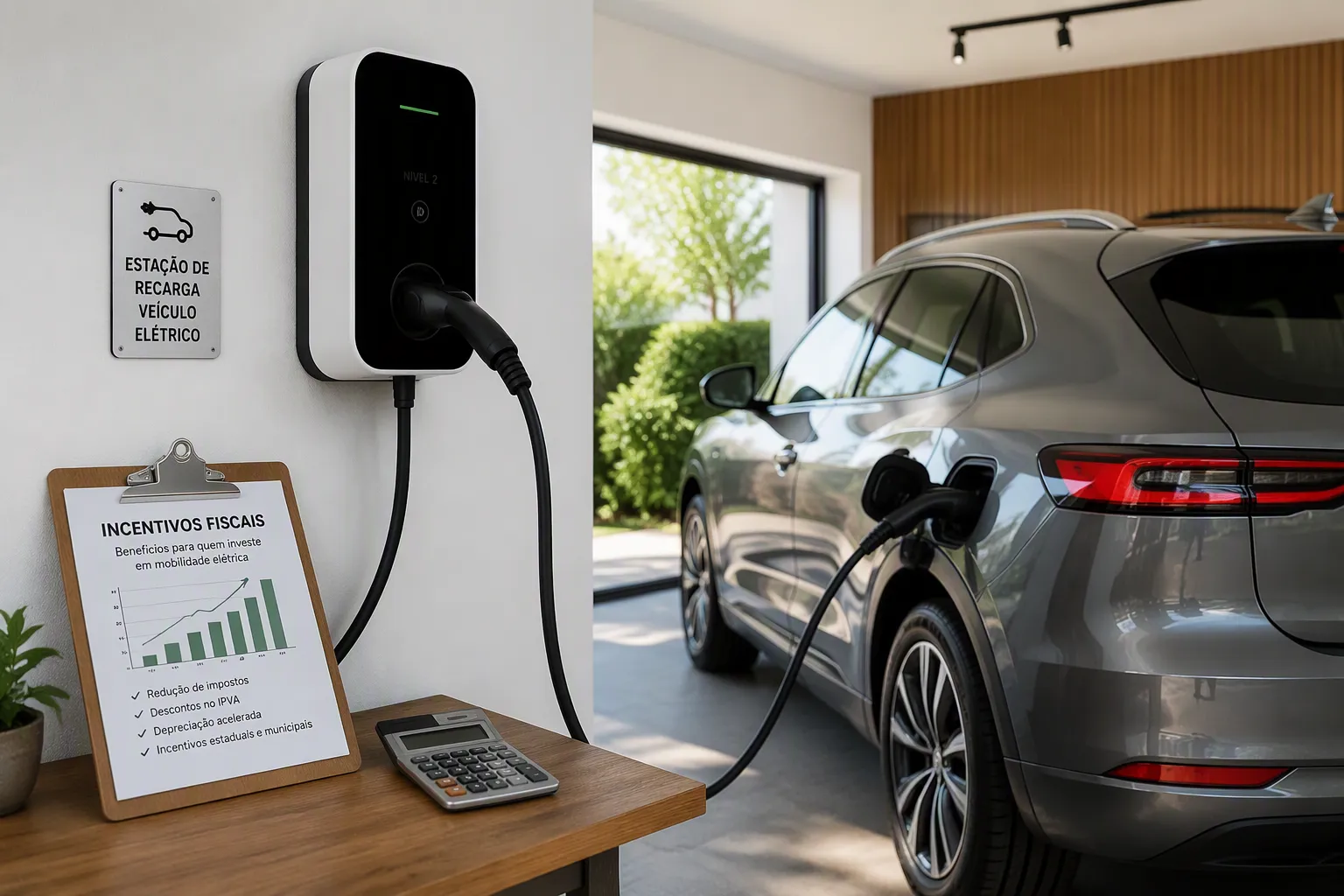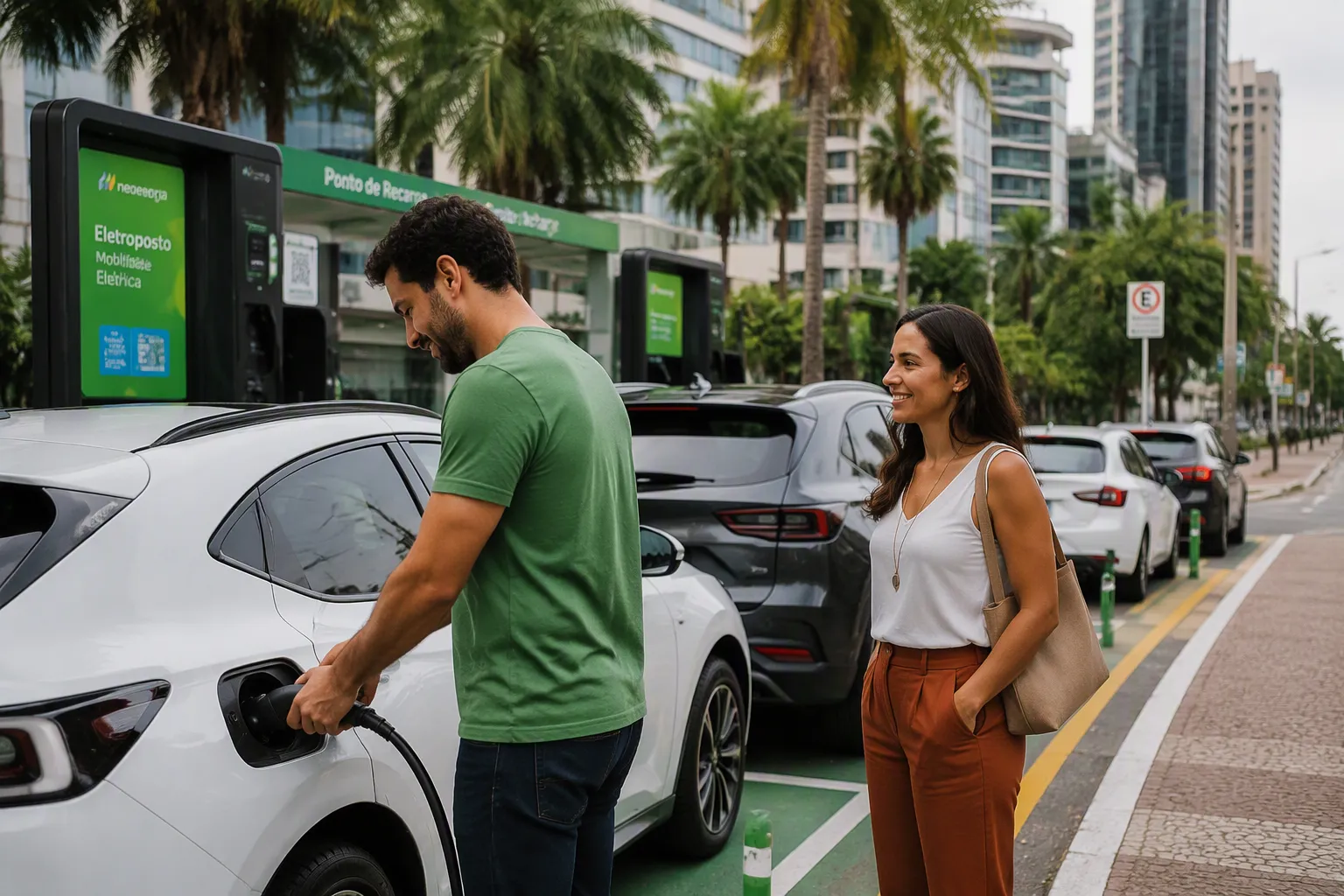
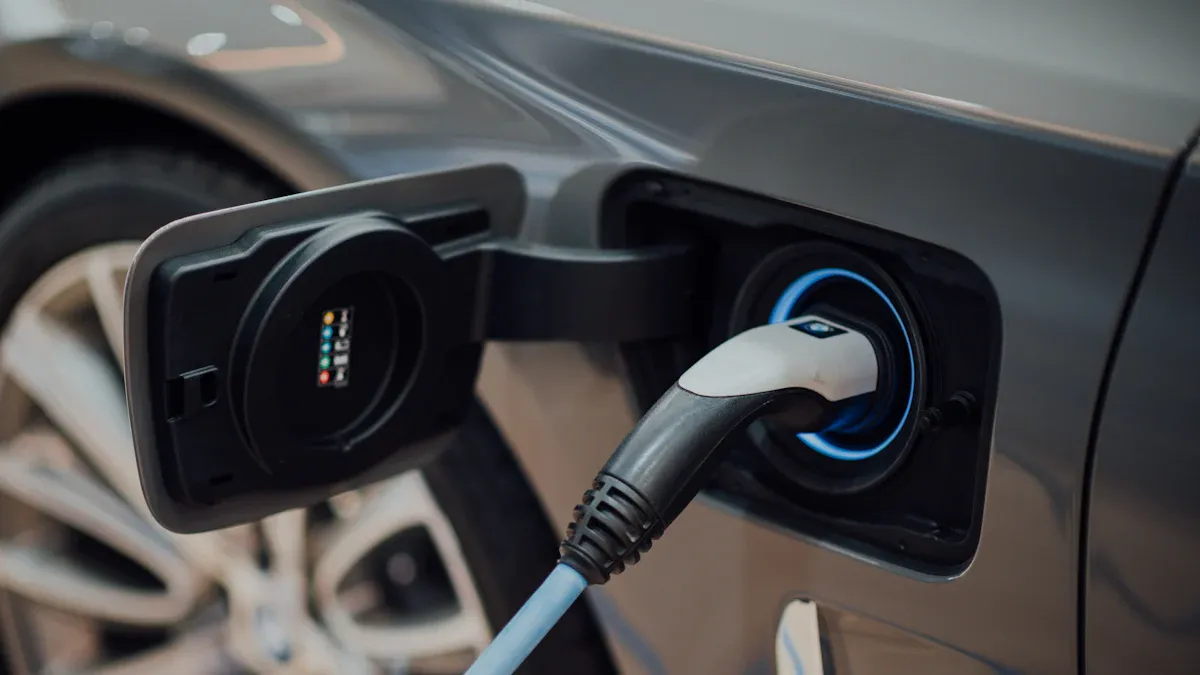
The 80% rule helps ev owners protect battery health and efficiency. Charging up to 80% reduces stress on the battery and extends its lifespan. Many Производители зарядных устройств для электромобилей suggest following this approach for daily use. Drivers who use портативные зарядные устройства or rely on Решения для зарядки электромобилей notice improved performance over time. Choosing the right Зарядное устройство для электромобилей and maintaining proper charging habits supports long-term reliability.
Experts recommend limiting charging levels to preserve battery capacity and maximize investment.
80% Rule Explained for EV Owners
What the 80% Rule Means
Charging Range Recommendations
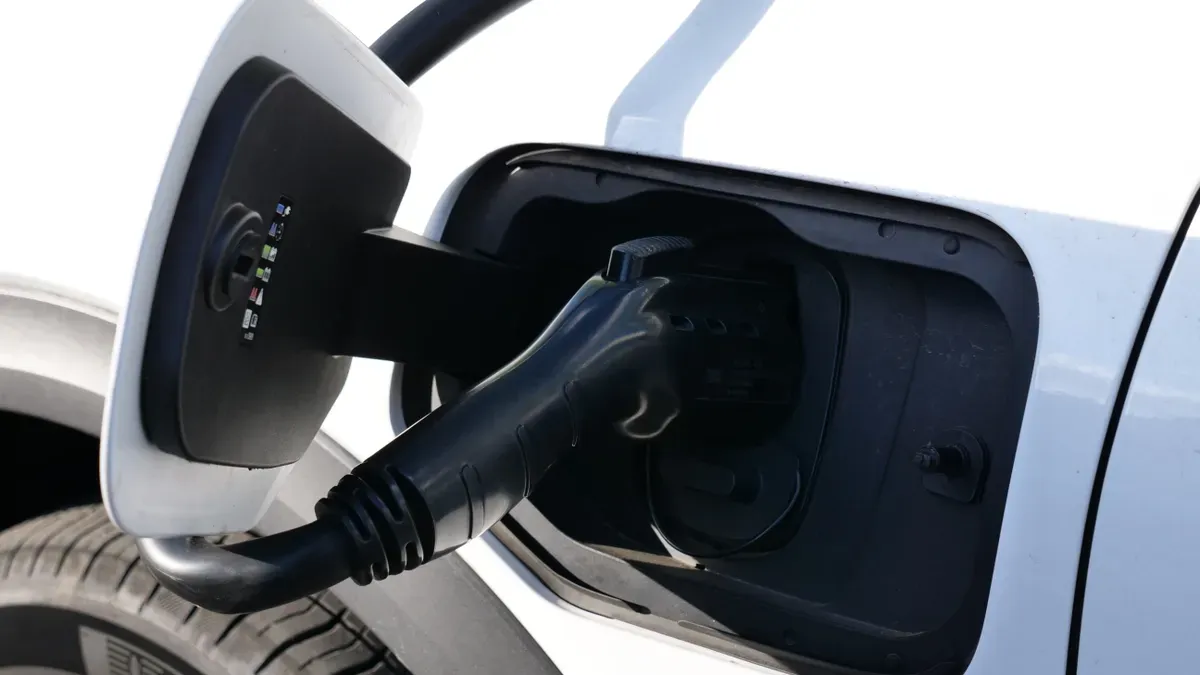
Electric vehicle owners often hear about the 80% rule. This guideline suggests charging the battery up to 80% for daily use. Experts recommend this approach to maintain battery health and efficiency. Most manufacturers and charging solution providers, such as TPSON, support this practice for optimal performance.
- The 80% charging rule helps drivers avoid unnecessary stress on the battery.
- Keeping the charge above 20% prevents running out of power during regular commutes.
- Regularly charging to 100% can accelerate battery wear, while stopping at 80% preserves capacity.
Drivers who follow these recommendations notice more consistent range and fewer issues with battery degradation.
80/20 Rule and Battery Levels
The 80/20 rule refers to maintaining the battery between 20% and 80% charge. This practice supports both convenience and longevity for EV owners.
- Charging above 80% increases voltage and heat, which can harm the battery.
- Allowing the battery to drop below 20% may cause deep discharges, reducing battery life.
- The 80/20 rule creates a safe operating window for most electric vehicles.
By following this rule, drivers can enjoy reliable performance and avoid unexpected drops in range.
Why 80% Is the Sweet Spot
Battery Chemistry and Longevity
Scientific studies confirm that charging lithium-ion batteries to 80% helps maintain optimal health. The sweet spot for charging lies between 20% and 80%. Within this range, lithium ions move freely without causing stress to the battery’s internal structure.
- Charging from 80% to 100% increases voltage, which produces heat and accelerates chemical aging.
- Avoiding high voltage stress by not exceeding 80% helps preserve battery capacity over time.
Manufacturers build in intelligent charge tapering. As the battery approaches around 70–80% state of charge, charging power automatically reduces to limit stress and help protect long-term battery life.
Hyundai recommends stopping charging at 80% to increase battery lifespan. Ford suggests avoiding charging to 100% unless necessary for longer trips. Research indicates that charging from 10% to 80% is key to preserving battery life.
Скорость и эффективность зарядки
Charging an EV battery from 0% to 80% typically happens at a faster rate. Once the battery reaches 80%, most systems slow down the charging process to protect the battery. This tapering not only safeguards the battery but also saves time for the driver.
- The 80% charging rule allows for quicker charging sessions during daily use.
- Charging above 80% leads to slower speeds and increased energy loss due to heat.
- TPSON and other advanced charging solution providers design their systems to optimize efficiency within this range.
Drivers benefit from reduced wait times and lower energy costs by following the 80% rule. This approach also supports long-term reliability and performance for their electric vehicles.
Why the 80% Rule Exists for EV Batteries
Battery Longevity and Health
Effects of Charging to 100%
Charging an EV battery to 100% on a regular basis can accelerate battery degradation. When the battery approaches full capacity, the internal voltage rises, which increases stress and heat. Over time, this process leads to faster chemical aging and reduces battery life. The 80% charging rule helps minimize these effects by keeping the battery within a safer operating range. Occasional full charges remain acceptable for long trips, but daily charging to 100% should be avoided to preserve battery health.
Avoiding Deep Discharges
Letting the battery drop below 20% can also harm its longevity. Deep discharges force the battery to work harder, which increases wear and reduces overall capacity. The 80/20 rule encourages drivers to keep the charge between 20% and 80%. This practice supports both convenience and long-term reliability. By following this guideline, EV owners experience fewer unexpected drops in range and maintain consistent performance.
Charging Efficiency and Time Savings
Slower Charging Above 80%
Charging efficiency drops significantly after the battery reaches 80%. The battery management system slows the charging rate to prevent overheating and excessive stress. As the charge level increases, the system balances individual cells and manages heat, which takes more time. For example, a rapid charger may slow to the speed of a household outlet as it nears full capacity. This process not only extends charging sessions but also increases energy loss.
- The charging process slows significantly after reaching 80%.
- Stopping at 80% helps maintain battery health.
- The time saved by not charging to 100% can be used to travel further.
Reducing Energy Loss and Heat
Charging above 80% generates more heat and energy loss. The battery management system works harder to balance cells and dissipate heat, which reduces overall efficiency. By following the 80% rule, drivers save time and reduce unnecessary energy consumption. For an EV with a 300-mile range, charging to 80% provides about 240 miles of driving, which covers most daily needs.
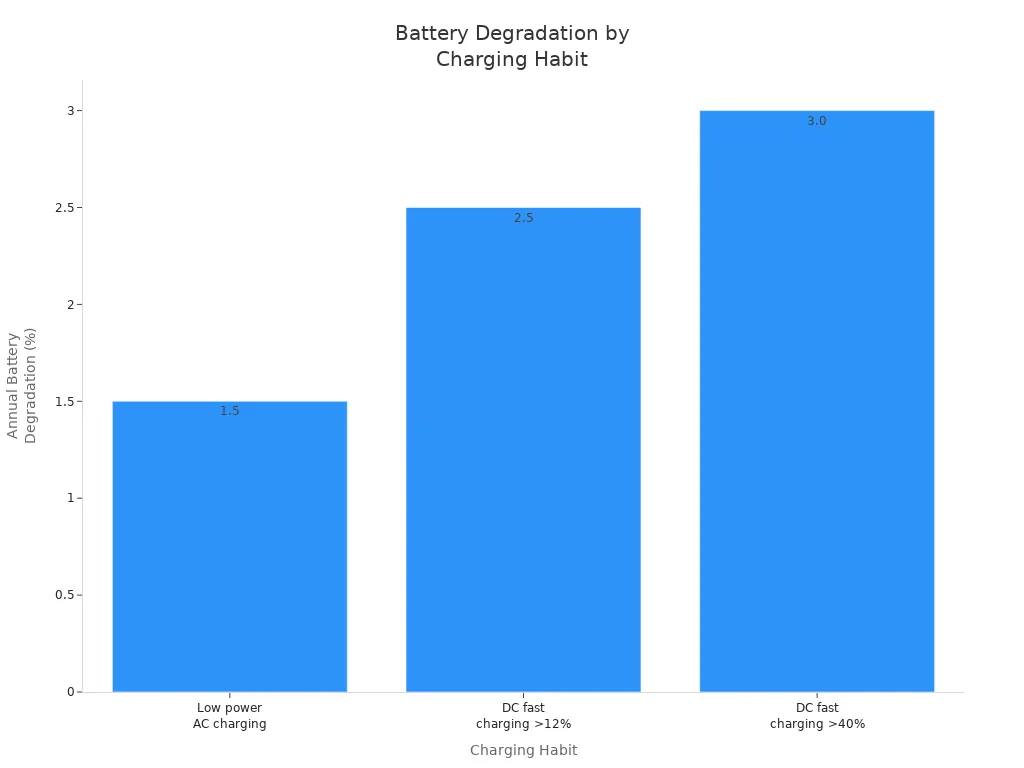
| Привычка к зарядке | Annual Battery Degradation |
|---|---|
| Low power AC charging | 1.5% |
| DC fast charging >12% of time | 2.5% |
| DC fast charging >40% of time | 3.0% |
Manufacturer Guidance on the 80% Rule
Рекомендации автопроизводителей
Most automakers recommend the 80/20 rule to help drivers maximize battery life and efficiency. Hyundai and Ford, for example, advise stopping daily charging at 80% and only charging to 100% when extra range is necessary. These recommendations align with industry research, which shows that the 80% rule optimizes battery longevity and charging times.
Differences Between EV Brands
Different EV brands may offer unique guidance based on their battery management systems. Some models include built-in features that automatically limit charging to 80% for daily use. Others allow drivers to set custom charging limits through vehicle settings or mobile apps. Regardless of the brand, the 80% charging rule remains a widely accepted best practice for protecting battery health and ensuring reliable performance.
How the 80% Rule Benefits Your EV
Extending Battery Life
Reducing Wear and Tear
The 80% charging rule plays a vital role in reducing wear and tear on an EV’s battery. When drivers consistently charge only up to 80%, they help minimize the stress placed on battery cells. Charging to full capacity on a regular basis accelerates battery degradation. By maintaining a charge around 80%, the battery’s maximum storage capacity remains preserved over time. This approach also reduces the risk of chemical aging, which can lead to a decline in performance and range.
- Charging to 80% helps reduce the degradation of the battery’s maximum storage capacity.
- Consistently charging to full capacity can lead to reduced range and performance over time.
- Keeping the battery between 20% and 80% is recommended to optimize charging times and extend battery life.
Maintaining Range Over Time
Drivers who follow the 80/20 rule notice that their EV maintains a more consistent range throughout its lifespan. Regularly charging to 100% can cause the battery to lose capacity faster, resulting in shorter driving distances. Charging to 80% provides sufficient range for most daily needs, such as commuting or running errands. This practice ensures that the vehicle remains reliable and efficient, even after years of use.
Improving Charging Experience
Faster Charging Sessions
Charging an EV battery up to 80% allows for faster and more efficient charging sessions. The charging process slows significantly after reaching 80%, as the battery management system works to balance cells and prevent overheating. DC fast charging can achieve an 80% charge in just 18 minutes, which is much quicker than waiting for a full charge. This efficiency reduces waiting times at public stations and allows drivers to get back on the road sooner.
- Reduces waiting times at charging stations, allowing for quicker access to chargepoints.
- Saves time spent on charging, potentially reducing it by one-fifth.
- Enhances charging speed as the battery charges more efficiently below 80%.
Lower Energy Costs
Charging to 80% not only saves time but also lowers energy costs. The battery charges more efficiently below 80%, which means less energy is lost as heat. Charging above this level increases energy loss and can make each session more expensive. For those using public stations, charging to 80% is recommended for both efficiency and cost-effectiveness.
Enhancing Resale Value
Battery Health and Market Value
Battery health directly impacts the long-term value of an EV. A well-maintained battery with a high State of Health (SoH) attracts more buyers and commands a higher resale price. Most buyers look for vehicles with at least 70% battery capacity retention. In fact, 73% of buyers prioritize battery reports when considering a used EV. Following the 80% rule helps maintain battery health, making it easier to justify a higher market value when it comes time to sell.
Tip: Keeping detailed battery health records can further boost resale value and buyer confidence.
| Фактор | Impact on Resale Value |
|---|---|
| Здоровье батареи | Высокий |
| SoH Certificate | Essential |
| Привычки при зарядке | Важно |
By adopting the 80% charging rule, drivers protect their investment and ensure their EV remains attractive in the resale market.
When to Follow or Skip the 80% Rule for EV
Everyday Driving Scenarios
Typical Commutes and Errands
Most drivers find the 80/20 rule ideal for daily routines. Short commutes and regular errands rarely require a full charge. Keeping the battery between 20% and 80% supports long-term health and ensures reliable performance. This approach also reduces the time spent at charging stations. For city dwellers, the available range after charging to 80% usually covers several days of driving. Drivers who stick to this routine notice fewer fluctuations in range and less battery degradation.
Urban vs. Rural Use
Urban drivers benefit from frequent access to charging infrastructure. They can easily top up their EV during shopping trips or while parked at work. In contrast, rural drivers may face longer distances between charging points. For those living in remote areas, planning becomes essential. They may need to adjust their charging habits, especially if charging stations are far apart or if winter conditions reduce range. In these cases, maintaining a higher charge may provide peace of mind.
Примечание: Extensive travel between charging stations, winter driving, and towing heavy loads may require a different approach to charging.
Long Road Trips and Special Cases
Charging to 100% for Extra Range
Occasional long-distance travel justifies charging the EV to 100%. This practice ensures the vehicle has maximum range for the journey. Experts agree that charging to full capacity for special trips does not significantly impact battery health, as long as it remains an exception rather than a daily habit. For example, drivers heading out on a road trip or towing a trailer may need every mile of range available.
Planning for Extended Travel
Preparation is key for extended travel. Drivers should plan routes with charging stations in mind and use apps like PlugShare or ChargePoint. Knowing the vehicle’s range and charging time helps avoid unexpected detours. Drivers can optimize their journey by maintaining steady speeds and using regenerative braking. Taking advantage of charging opportunities during short stops can also help maintain a comfortable buffer.
- Plan routes with charging stations in mind.
- Know the vehicle’s range and charging time.
- Use regenerative braking and maintain steady speeds.
- Charge whenever possible, even during brief stops.
Manufacturer-Specific Exceptions
Built-in Battery Management Systems
Modern EVs feature advanced battery management systems. These systems prevent overcharging by automatically stopping the charging process at 100%. They protect the battery from damage and help maintain performance. While these systems offer a safety net, following the 80/20 rule can further enhance battery longevity.
- Advanced battery management systems prevent overcharging.
- Automatic cutoffs protect the battery at full charge.
- The 80/20 rule still benefits battery health.
Unique Model Recommendations
Some manufacturers provide specific guidance for their models. For example, Tesla recommends charging to 100% for certain rear-wheel-drive models under specific conditions. Drivers should always consult their vehicle’s manual or manufacturer’s app for tailored advice. Following these recommendations ensures the best balance between convenience and battery care.
How to Set Your EV to Charge to 80%
Vehicle Settings and Controls
Step-by-Step Instructions for Popular EVs
Many drivers want to set their EV to charge only up to 80%. Most modern vehicles make this process straightforward. The following steps outline the most common method:
- Access the charging settings through the in-car touchscreen or the vehicle’s mobile app.
- Locate the option to set a charging limit or target percentage.
- Adjust the limit to 80%.
- Plug in the vehicle and monitor the charging process to confirm it stops at the selected level.
These steps help drivers protect the battery and maintain optimal performance. Most popular models, such as Tesla, Hyundai, and Ford, include these features in their standard software.
Using Mobile Apps for Charging Limits
Automakers provide mobile apps that allow remote control of charging limits. Drivers can open the app, select the charging menu, and set the target percentage before plugging in the vehicle. This method offers flexibility and convenience, especially for those who charge at different locations. Notifications alert users when the EV reaches the desired level, ensuring efficient energy use.
Home Charging Solutions
Smart Chargers and Scheduling
Smart home chargers add another layer of control. These devices connect to Wi-Fi and offer scheduling features. Drivers can program the charger to stop at 80% or set charging times to take advantage of off-peak electricity rates. This approach reduces energy costs and supports battery health.
Tip: Use the charger’s companion app to adjust settings and monitor charging sessions from anywhere.
Setting Limits on Home Chargers
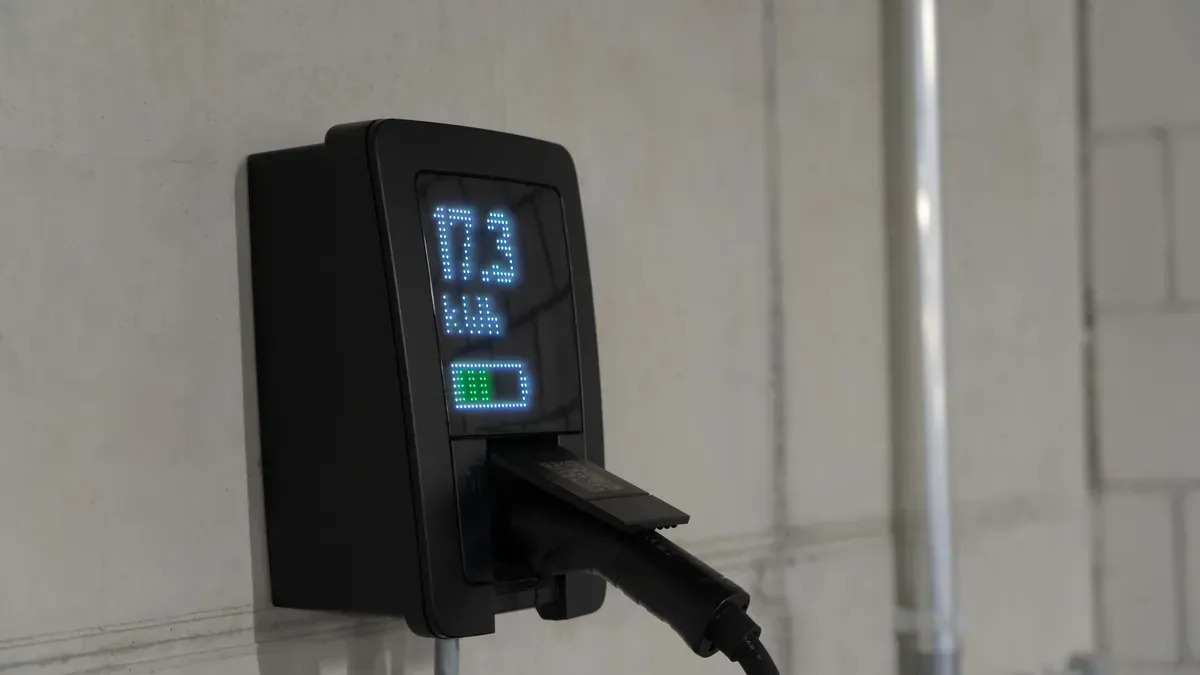
Some home charging units allow users to set a maximum charge level directly on the device. The user interface may include buttons or a small screen for easy adjustments. Setting the limit at the charger ensures the EV never exceeds the preferred level, even if the vehicle’s internal settings change.
Общественные зарядные станции
Adjusting Charge Levels on the Go
Public charging stations often support custom charge levels. Drivers can select the desired percentage using the station’s touchscreen or a connected app. This feature helps travelers manage range and avoid unnecessary waiting.
Tips for Fast Charging
Fast charging works best when used for quick top-ups rather than full charges. Stopping at 80% maximizes efficiency and reduces time spent at the station. Drivers should unplug once the EV reaches the target to free up the charger for others and protect the battery from excess heat.
Additional EV Battery Care Tips
Managing Charging Habits
Avoiding Frequent Deep Discharges
Drivers who avoid deep discharges help preserve battery health. Keeping the charge above 20% prevents unnecessary stress on battery cells. Deep discharges force the battery to work harder, which accelerates wear and reduces capacity. Many experts recommend charging between 20% and 80% for optimal health. This range prevents overcharging and minimizes the risk of damaging the battery. Drivers who follow this guideline notice more consistent performance and longer battery life.
Balancing Daily Use and Full Charges
Balancing daily charging routines supports long-term reliability. Зарядка до 100% should remain an exception, reserved for long trips or special occasions. Most drivers find that charging up to 80% meets their daily needs. Minimizing the use of rapid chargers also helps reduce heat buildup, which can accelerate battery aging. Charging during off-peak hours, when temperatures are cooler, further reduces stress on the battery. Smooth driving habits and the use of regenerative braking can also support battery longevity.
Tip: Plan long-distance trips with moderate charging cycles to maintain battery health.
Protecting Against Extreme Temperatures
Parking and Storage Advice
Extreme temperatures impact battery performance and longevity. High heat accelerates thermal degradation, while freezing conditions reduce charging efficiency. Drivers can protect their EV by parking in shaded areas during summer and using garages in winter. These practices help manage battery temperature and prevent power loss. EVs exposed to frequent days above 25°C may experience a 0.4% annual reduction in battery life. Proper storage becomes essential when leaving the vehicle unused for extended periods. Keeping the battery at around 50% during storage helps maintain its health.
| Температурные условия | Воздействие на батарею |
|---|---|
| Extreme Heat | Accelerates aging |
| Freezing Cold | Reduces efficiency |
Using Preconditioning Features
Many modern vehicles offer preconditioning features that regulate battery temperature before driving or charging. Activating these systems ensures optimal performance in both hot and cold climates. Preconditioning helps maintain charging efficiency and prevents thermal stress. Drivers who use these features notice improved range and reduced wear on battery cells.
Note: Thermal management systems play a crucial role in protecting battery health during extreme weather.
Regular Maintenance and Monitoring
Checking Battery Health
Routine maintenance supports reliable performance. Drivers should regularly inspect chargers and cables to ensure consistent power delivery. Monitoring battery health through vehicle diagnostics provides early warnings of potential issues. Many vehicles display battery status and offer detailed reports on capacity retention. Keeping records of battery health can help maintain resale value and support warranty claims.
Software Updates and Diagnostics
Manufacturers release software updates that improve battery management systems. Installing these updates ensures the vehicle operates with the latest features and protections. Diagnostics tools help identify problems early, allowing drivers to address them before they affect performance. Regular updates and monitoring keep the battery in optimal condition and extend its lifespan.
Alert: Always use compatible chargers and perform regular maintenance to support battery health.
Impact of the 80% Rule on Daily EV Use and Maintenance
Range Anxiety and Real-World Driving
How Much Range Do You Really Need?
Many drivers worry about running out of power, but most daily trips require less range than expected. Studies show that the average American drives less than 40 miles per day. An EV charged to 80% often provides more than enough distance for commutes, errands, and school runs. By understanding typical driving patterns, owners can confidently rely on the 80% rule without fear of being stranded.
Note: Planning routes and knowing the location of charging stations can further reduce range anxiety.
Planning for Unexpected Trips
Unexpected events sometimes require extra miles. Drivers who follow the 80% rule can still handle most surprises by topping up their charge when needed. Many общественные зарядные станции offer fast charging, making it easy to add range quickly. Keeping a portable charger in the vehicle also provides peace of mind for emergencies.
Maintenance and Cost Savings
Fewer Battery Replacements
The 80% rule helps extend battery life, which means fewer replacements over the vehicle’s lifespan. By avoiding frequent full charges and deep discharges, owners reduce wear on battery cells. This practice leads to fewer costly repairs and less downtime.
Lower Long-Term Costs
Owners who follow the 80% rule often see lower maintenance costs. The battery remains healthier, so the vehicle retains its value longer. Charging sessions also become more efficient, saving money on electricity. Over time, these savings add up and make EV ownership more affordable.
| Выгода | Impact on Owners |
|---|---|
| Fewer battery changes | Lower repair expenses |
| Efficient charging | Reduced energy bills |
| Healthier battery | Higher resale value |
EV Owner Experiences
Stories from Real Drivers
Many EV owners share positive experiences with the 80% rule. For example, one driver reported that after two years of following this guideline, the battery retained over 95% of its original capacity. Another owner found that maximizing EV range for daily use became easier with regular 80% charging, and they rarely worried about running out of power.
Common Questions and Concerns
Some drivers ask if charging to 80% limits their flexibility. Most find that it covers daily needs and supports maximizing EV range. Others wonder if occasional full charges harm the battery. Experts agree that infrequent 100% charges for long trips do not cause significant damage. Owners also ask about the best way to monitor battery health. Most vehicles provide built-in tools for tracking performance and charging habits.
Tip: Regularly check the vehicle’s battery health report to ensure optimal performance.
The 80% rule offers a straightforward method to protect battery health and extend the lifespan of any EV. Drivers who follow this guideline save money, reduce stress, and enjoy a smoother driving experience. For long trips or when manufacturers suggest, adjusting charging habits remains important. Consistent battery care keeps vehicles reliable and efficient year after year.
Regular attention to charging practices ensures the best performance from every electric vehicle.
ЧАСТО ЗАДАВАЕМЫЕ ВОПРОСЫ
What happens if someone charges their EV to 100% every day?
Зарядка до 100% daily increases battery stress and accelerates degradation. Most manufacturers recommend reserving full charges for long trips. Regularly charging to 80% helps preserve battery health and maintain consistent range.
Can the 80% rule apply to all electric vehicles?
Most modern EVs benefit from the 80% rule. Some models have advanced battery management systems that allow for different charging habits. Always check the owner’s manual or manufacturer recommendations for specific guidance.
Does charging to 80% affect daily driving range?
Charging to 80% provides enough range for most daily commutes and errands. The average driver rarely needs a full battery for typical use. This practice supports battery longevity without sacrificing convenience.
How can drivers set a charging limit on their EV?
Most EVs allow users to set a charging limit through the vehicle’s touchscreen or mobile app. Drivers can select the desired percentage, usually between 50% and 100%. Consult the vehicle manual for step-by-step instructions.
Безопасно ли оставлять электромобиль подключённым к зарядке на ночь?
Leaving an EV plugged in overnight is safe. Modern vehicles have built-in systems that stop charging when the set limit is reached. This feature prevents overcharging and protects the battery.
Will following the 80% rule void the EV warranty?
Following the 80% rule aligns with most manufacturer recommendations. This practice does not void the warranty. In fact, it often helps maintain warranty coverage by supporting battery health.
What should drivers do before a long road trip?
Drivers should charge the battery to 100% before starting a long trip. This ensures maximum range. After the trip, returning to the 80% rule for daily charging helps maintain battery health.
Does fast charging impact the 80% rule?
Fast charging works best up to 80%. Charging beyond this point slows down and generates more heat. Frequent fast charging above 80% can increase battery wear. Limiting fast charging sessions supports long-term battery performance.