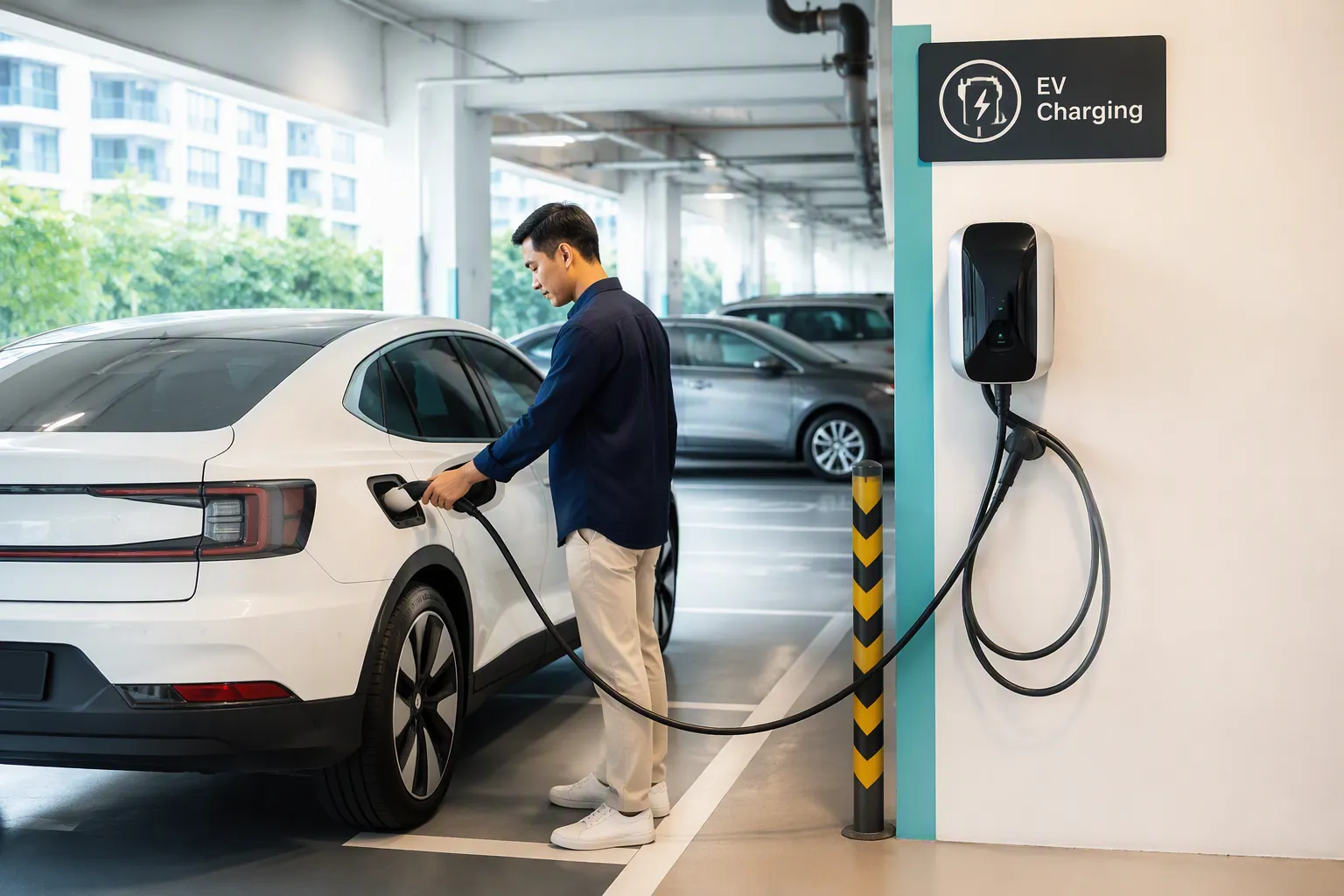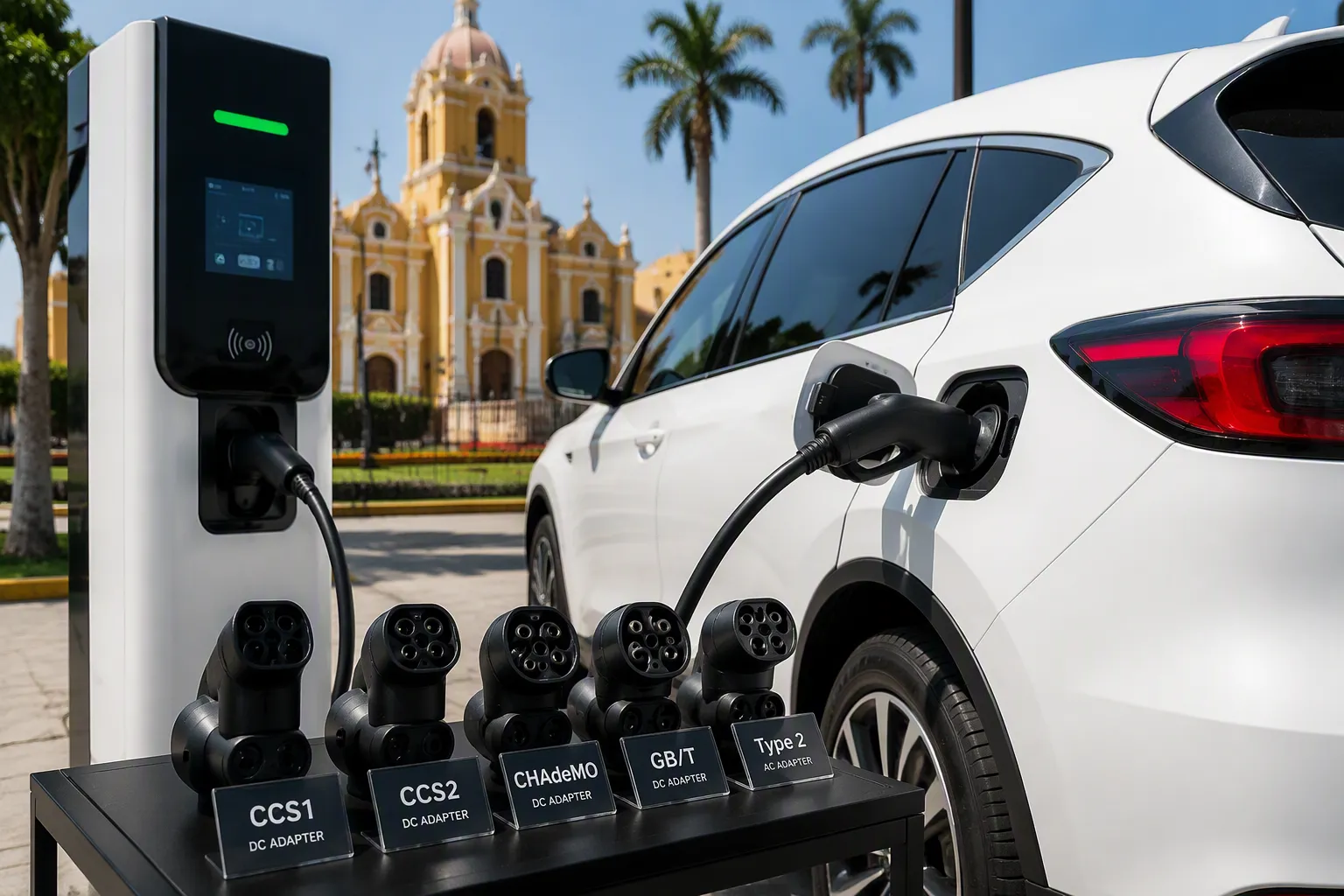
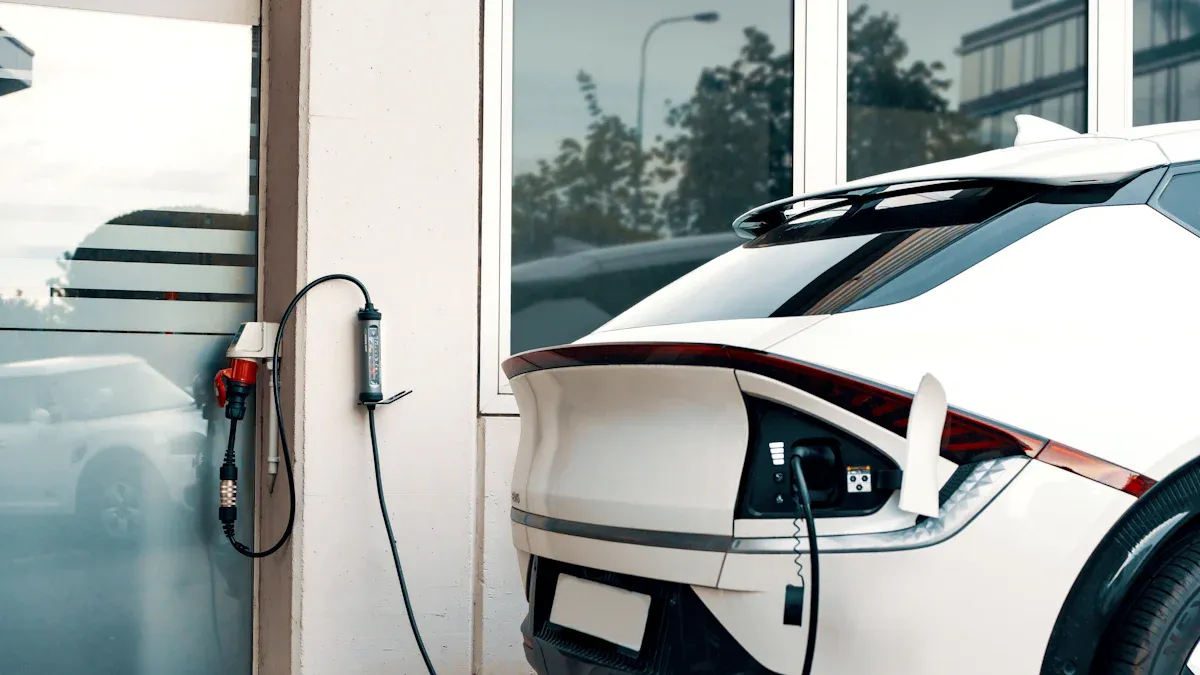
Установка выделенной домашней зарядной станции — это лучшее улучшение для электромобиля. Преимущества очевидны. Данные показывают, что примерно 80% зарядки зарядка электромобилей происходит дома, что подтверждает её удобство. Профессионально установленная станция Зарядное устройство для электромобилей от технологически продвинутого поставщика, такого как TPSON, делает ежедневную зарядку электромобиля значительно дешевле. Например, домашний тариф в непиковые часы может быть более чем на 450% дешевле, чем в среднем на общественных зарядных станциях Великобритании. Это обновление также обеспечивает значительно более быструю зарядку по сравнению со стандартной розеткой, экономя часы времени ожидания. При рассмотрении вариантов, исследование авторитетных Производители зарядных устройств для электромобилей может помочь вам найти идеальное решение для ваших нужд.
Финансовые выгоды домашней зарядной станции для электромобиля
Основным мотивом для многих водителей установить домашнюю зарядную точку для электромобиля являются существенные долгосрочные сбережения. Хотя первоначальные инвестиции требуют рассмотрения, постоянные финансовые выгоды быстро перевешивают первоначальные затраты. Зарядка дома превращает ваш гараж или подъездную дорожку в самый доступный “заправочный” пункт, кардинально меняя экономику владения автомобилем.
Реальная стоимость: домашняя зарядка vs. общественная зарядка электромобиля
Понимание разницы в стоимости между зарядкой дома и использованием общественной инфраструктуры раскрывает истинную ценность личного зарядного устройства. Общественные станции предлагают удобство, но по премиальной цене, тогда как домашняя зарядка использует ваше домашнее электроснабжение для максимальной экономии.
Анализ вашего счёта за электроэнергию
Ваш счёт за домашнее электричество даёт чёткое представление о ваших расходах на зарядку. Цена измеряется в пенсах за киловатт-час (p/кВт·ч). Типичному электромобилю требуется около 15-20 кВт·ч, чтобы проехать 100 миль. Умножив ваш тариф на электроэнергию на количество энергии, потребляемое вашим электромобилем, вы можете рассчитать точную стоимость каждой “заправки”. Например, зарядка аккумулятора 60 кВт·ч по стандартному тарифу 24,86 p/кВт·ч будет стоить чуть менее 15 фунтов стерлингов. Эта прозрачность позволяет точно планировать бюджет и финансы.
Сравнение платы за использование общественных зарядных устройств
Сети общественных зарядных станций работают как традиционные заправочные станции, с ценами, которые значительно выше домашних тарифов. Стоимость варьируется в зависимости от поставщика и скорости зарядки. Как показывают данные, общественная зарядка стабильно дороже.
Примечание: Быстрая общественная зарядка часто в 2–3 раза дороже, чем даже стандартные дневные домашние тарифы.. Удобство обходится по очень высокой цене.
| Место зарядки | Стоимость за кВт·ч (p) | Стоимость зарядки 60 кВт·ч (£) |
|---|---|---|
| Дома (спец. тариф для ЭМ, ночной тариф) | 10-15 | 6-9 |
| Дома (стандартный тариф) | 24.86 | 14.92 |
| Общественная медленная (7–22 кВт) | 40-50 | 24-30 |
| Быстрая зарядка (50 кВт) | 65-80 | 39-48 |
| Сверхбыстрая (100 кВт+) | 85-120 | 51-72 |
Эта тенденция справедлива для всей Европы, где домашняя зарядка в непиковые часы стабильно предлагает самое экономичное решение.
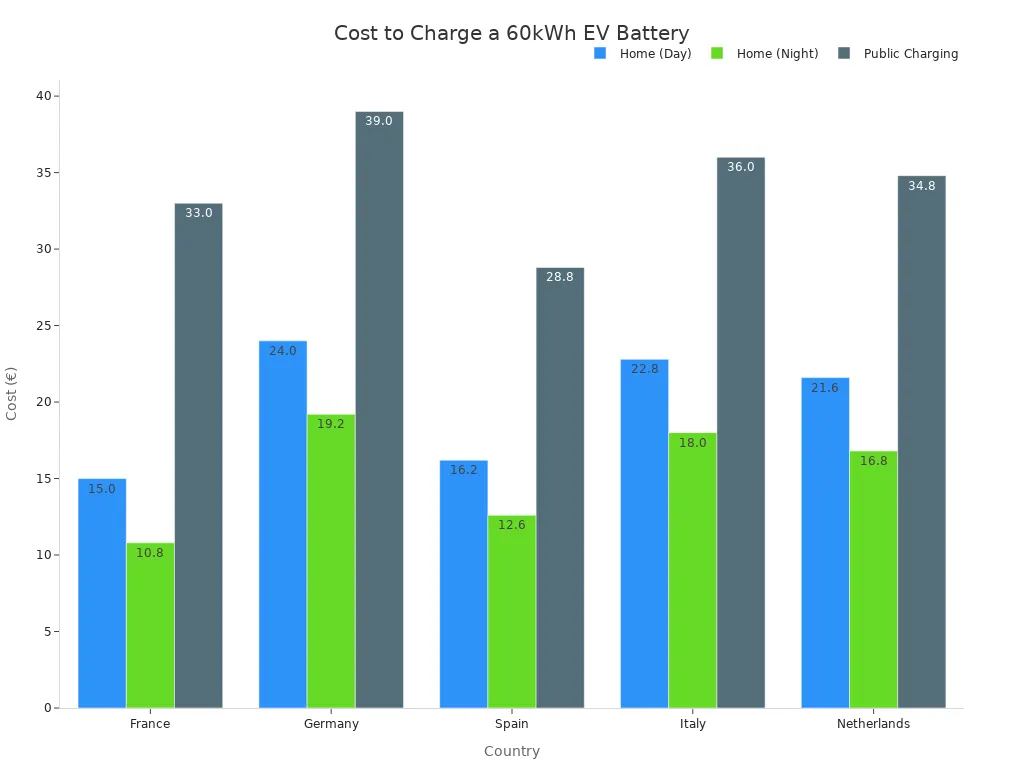
Максимизируйте экономию с помощью умной зарядки дома
Стандартная домашняя зарядная станция уже обеспечивает экономию. Однако умное зарядное устройство для электромобиля открывает новый уровень оптимизации затрат, автоматизируя процесс зарядки для использования самых дешёвых тарифов на электроэнергию.
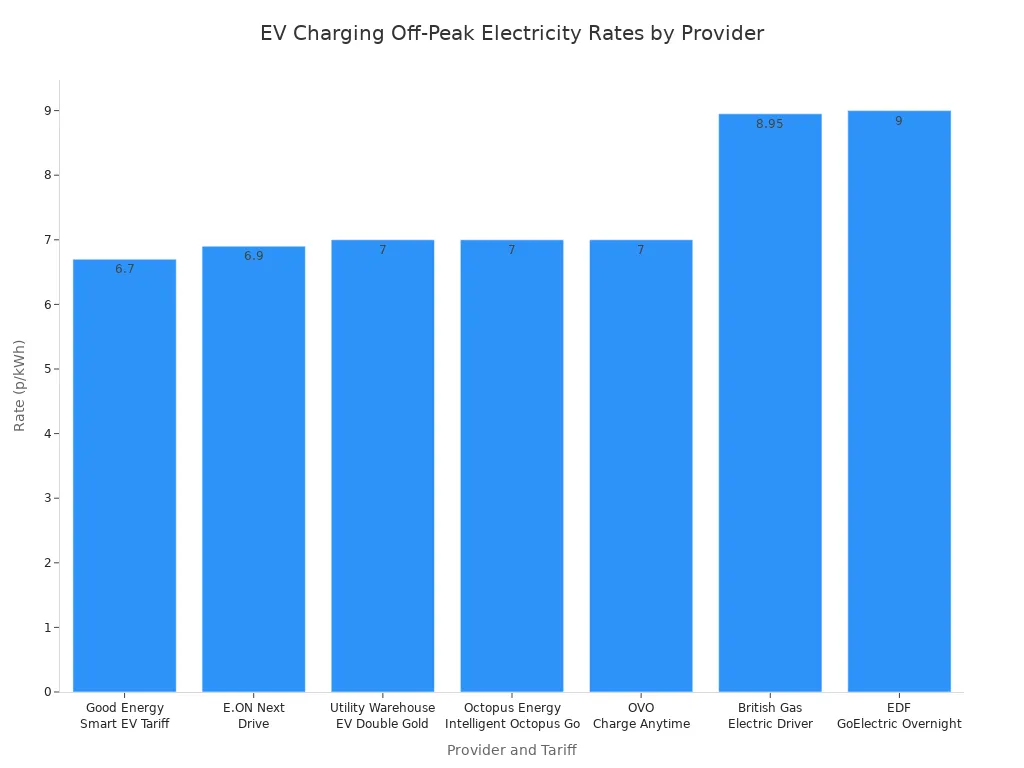
Что такое тарифы на электроэнергию в непиковые часы?
Поставщики энергии предлагают специальные тарифы для электромобилей, чтобы стимулировать зарядку в периоды низкого спроса на сеть, обычно ночью.. Эти тарифы “Времени использования” отличаются значительно сниженными ставками на электроэнергию в непиковые часы.
- Двухтарифные планы:: Эти планы предлагают дешёвую электроэнергию ночью (например, с 12 ночи до 5 утра) и более высокие тарифы днём.
- ‘Тарифы ’Типа использования»: Это дополнения, которые применяют более низкий тариф конкретно к энергии, используемой для зарядки электромобиля, независимо от времени суток.
Умный счётчик необходим для таких тарифов. Он позволяет энергопоставщику отслеживать время использования электроэнергии и применять правильный тариф.
Как умные зарядные устройства автоматизируют экономию
Умное зарядное устройство для электромобиля, такое как от технологически продвинутого поставщика, например TPSON, напрямую взаимодействует с вашей энергоснабжающей компанией или специальным приложением. Вы просто подключаете автомобиль и устанавливаете желаемое время отъезда. Затем зарядное устройство автоматически запускает и останавливает сеанс зарядки, чтобы он совпадал с самым дешёвым непиковым окном. Этот подход “установил и забыл” гарантирует, что вы всегда платите минимально возможную цену без каких-либо ручных усилий. Для Tesla Model 3 с аккумулятором 60 кВт·ч это может снизить стоимость полной зарядки с 15 фунтов по стандартному тарифу до всего 4,50 фунтов по непиковому тарифу — сокращение на 70%..
Долгосрочные финансовые выгоды
Финансовые преимущества домашней зарядной станции выходят за рамки ежедневной экономии. Они накапливаются в значительную годовую прибыль и могут даже повысить стоимость вашей недвижимости..
Расчёт вашей годовой экономии на «топливе»
Годовая экономия от домашней зарядки существенна. Средний водитель, проезжающий 10 000 миль в год, может сэкономить сотни фунтов по сравнению с использованием общественных зарядных устройств и более тысячи фунтов по сравнению с заправкой бензинового или дизельного автомобиля.
Рассмотрим водителя, которому требуется 286 кВт·ч в месяц..
- По стандартному тарифу (25 p/кВт·ч): Ежемесячная стоимость составляет 71,50 фунтов.
- По непиковому тарифу (7 p/кВт·ч): Ежемесячная стоимость составляет всего 20,02 фунта.
Этот простой переход приводит к годовой экономии только на электроэнергии в размере более 600 фунтов.
Как зарядная станция может повысить стоимость вашей недвижимости
Домашняя зарядная станция для электромобиля — это всё более желательная особенность для покупателей жилья. Она обеспечивает будущую устойчивость недвижимости и привлекает растущий рынок владельцев электромобилей.. Анализ рынка недвижимости показал, что дома с установленной зарядной станцией для электромобиля могут получить заметное увеличение продажной цены.. Даже если потенциальный покупатель в настоящее время не владеет электромобилем, наличие зарядной инфраструктуры сигнализирует о том, что дом современный и готов к будущему транспорта. Это делает недвижимость более привлекательной, потенциально ускоряя продажу и увеличивая её рыночную стоимость. Установка зарядной станции — это не просто улучшение для вашего автомобиля; это разумная инвестиция в ваш дом.
Откройте для себя более быструю зарядку: заряжайтесь за часы, а не дни
Помимо экономии средств, самым значительным преимуществом выделенной домашней зарядной станции для электромобиля является скорость. Разница между подключением к стандартной розетке и использованием специального устройства кардинальна. Это меняет отношение владельца электромобиля к своему транспортному средству, превращая зарядку из длительного, запланированного мероприятия в незаметную фоновую задачу. Эта скорость обеспечивает беспрецедентное удобство и гибкость.
Объяснение разницы в скорости
The power output of a charging source directly dictates how quickly an electric vehicle‘s battery can be refilled. Home charging solutions fall into two main categories: Level 1 and Level 2. Understanding their capabilities reveals why a Level 2 charger is the superior choice for daily use.
Level 1 Charging: The Standard Outlet Crawl
Level 1 charging uses a standard 120V wall outlet, the same kind used for household appliances. While it requires no special installation, its performance is extremely limited. This method delivers power at a slow crawl. A Level 1 charger provides only about 1.44 kWh per hour. Fully charging a common 60 kWh EV battery from empty would take over 41 hours. This speed is often impractical for drivers who rely on their vehicle daily.
Level 2 Charging: The Home Charger Sweet Spot
Level 2 charging is the industry standard for home installations. These units, such as the advanced systems from providers like TPSON, use a 240V circuit similar to an electric stove or dryer. This higher voltage dramatically increases charging speed. A typical 7kW Level 2 EV charger can fully replenish a 60kWh battery in just 8-9 hours. This speed difference is a game-changer for EV ownership.
Speed Comparison: Range Added Per Hour A Level 2 charger adds significantly more range in the same amount of time, making it far more practical for daily driving needs.
| Тип зарядного устройства | Miles of Range Added Per Hour |
|---|---|
| Уровень 1 | 4-5 |
| Уровень 2 | 20-25 |
Реальные сценарии зарядки
The practical benefits of Level 2 charging speed become clear in everyday situations. It adapts to a driver’s lifestyle, ensuring the vehicle is always prepared for the road ahead.
From Empty to Full Overnight
The 8-9 hour charge time of a Level 2 unit aligns perfectly with typical overnight sleeping schedules. A driver can arrive home with a nearly depleted battery, plug in their vehicle, and wake up to a 100% charge. This routine eliminates any need to visit a charging station during the week. The car is simply ready to go every morning, effortlessly.
Topping Off After Your Daily Commute
Most daily driving does not deplete the entire battery. For a typical 30-40 mile commute, a Level 2 charger can replenish the used energy in under two hours. This quick top-off means the vehicle is always near full capacity. It provides peace of mind and ensures there is ample range for unexpected errands or evening plans.
Why Speed Matters for Your Lifestyle
Fast, reliable home charging fundamentally improves the EV ownership experience. It removes logistical hurdles and provides a sense of freedom that slow, inconvenient charging methods cannot match.
Gaining Freedom from Range Anxiety
Range anxiety, the fear of a battery running out before reaching a destination, is a common concern for new EV drivers. A home charger is a powerful tool for alleviating this worry. Having a dedicated and dependable power source at home eliminates reliance on the public charging network, which can have occupied or broken stations. This assurance that the EV starts each day with a sufficient charge significantly reduces stress about battery levels during daily use.
Always Ready for Spontaneous Trips
The convenience of a fast home charger means an EV is always prepared for adventure. There is no need to plan a day in advance to “fill up” for a weekend getaway or an impromptu road trip. With the ability to add 20-25 miles of range per hour, a driver can quickly top off the battery and head out. This readiness transforms the electric vehicle from a commuter car into a go-anywhere vehicle, unlocking the full potential of driving electric.
The Ultimate Convenience of a Home Electric Vehicle Charging Point
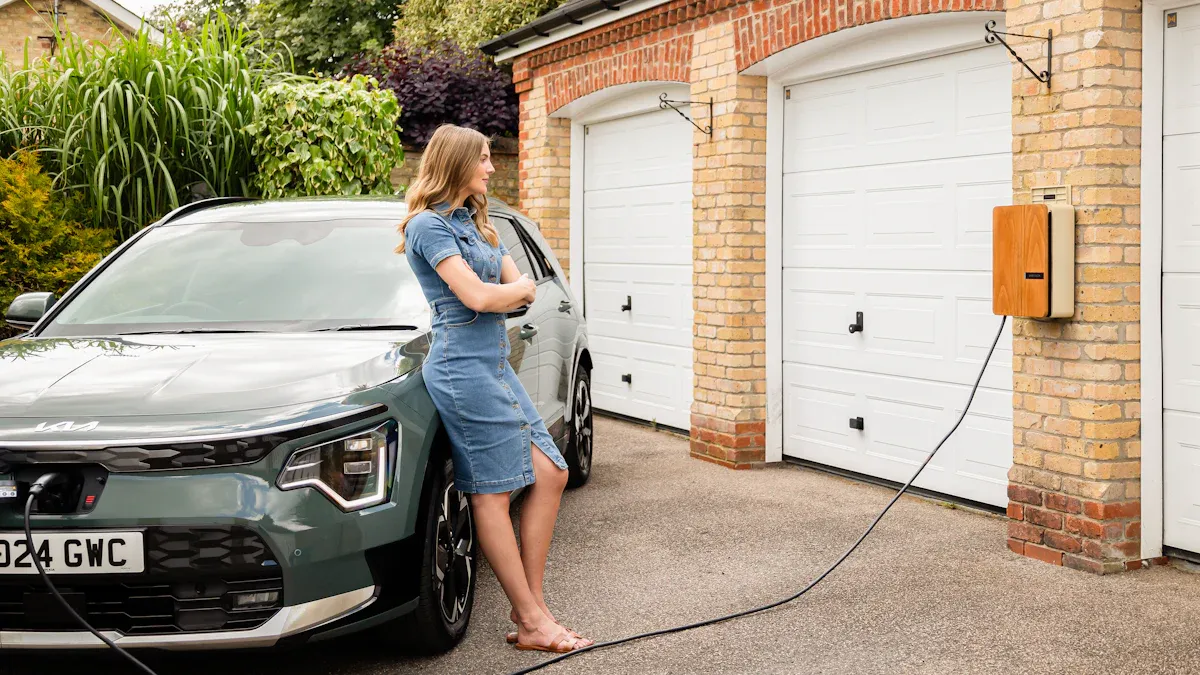
A home electric vehicle charging point offers more than just financial and speed benefits; it provides unparalleled convenience. This technology fundamentally redefines the relationship between a driver and their vehicle. It eliminates the chore of refueling and integrates the electric car charging process seamlessly into daily life. The result is a simple, stress-free ownership experience.
Your Personal “Set It and Forget It” Routine
The greatest advantage of a personal EV charger is the creation of an effortless routine. The process of keeping an EV ready becomes a simple, background task rather than a planned event.
The Ease of Plugging In When You Park
The daily charging habit is remarkably simple. A driver arrives home, parks their electric vehicle, and connects the charging cable. This small action, taking only a few seconds, becomes as automatic as locking the car door. Technologically advanced EV charger models from providers like TPSON make this process even smoother with ergonomic designs and smart features. This removes any mental effort associated with vehicle fueling.
Waking Up to a Full Battery Every Morning
The outcome of this simple routine is transformative. A driver begins every day with a fully charged vehicle, ready for any journey. This convenient reality offers several key advantages:
- It eliminates weekly trips to a fueling station.
- It provides maximum range for the day’s commute and any unplanned stops.
- It ensures the EV is always prepared for long-distance travel.
This consistent state of readiness provides complete peace of mind.
No More Hunting for Public Chargers
Relying on public infrastructure introduces uncertainty and hassle into the charging experience. A dedicated charger at home bypasses these common frustrations entirely.
Избегайте сломанных или занятых станций
Public charging stations can be unreliable. Drivers often face the frustrating scenario of arriving at a station only to find it occupied by another vehicle or, worse, out of service. This unpredictability can disrupt schedules and cause significant delays. A personal charger at home is always available and operational, offering 100% reliability when a driver needs it most.
Skipping the Apps and Payment Hassles
The public charging network is fragmented. A driver may need multiple smartphone apps and payment accounts to access different networks.
A home charging setup eliminates this complexity. There are no apps to juggle, no payment cards to swipe, and no connection fees to worry about. The entire process is managed through a single, private system, making the experience incredibly straightforward.
Safety Benefits: Why a Dedicated Charger is Essential
While convenience and cost savings are significant benefits, the most critical reason to install a dedicated EV charger is safety. An electric vehicle draws a large amount of power for many hours, a task that standard home wiring is not designed to handle. A purpose-built Level 2 EV charger provides the necessary safeguards to protect the driver, the vehicle, and the home.
The Risks of Using a Standard Wall Outlet
Using a regular wall outlet for daily charging, often called Level 1 charging, introduces significant and often hidden dangers. These outlets are not built for the continuous high-power demands of an EV.
Understanding Continuous Power Draw Dangers
A standard outlet can create a serious fire hazard when used for long-term EV charging. The continuous power draw generates substantial heat, which can cause catastrophic failure.
- Component Failure: Many low-cost outlets use inferior metal contacts that overheat, weaken, and create poor connections. This can lead to arcing and burning.
- Melting and Fire: Real-world incidents show that this heat buildup can melt the outlet face and scorch the wall. In one case, a Tesla owner’s outlet melted completely, with only the charger’s thermal protection preventing a larger fire.
Почему удлинители представляют собой серьёзную опасность
Искушение использовать удлинитель для зарядки велико, но это крайне опасная практика, которую производители прямо запрещают.
Руководства по эксплуатации содержат чёткие предупреждения. Например, Chevrolet предупреждает владельцев Bolt: “Не используйте удлинители, сетевые фильтры, разветвители, адаптеры для заземления, устройства защиты от перенапряжения или аналогичные приспособления.”
Использование стандартного удлинителя многократно увеличивает риски перегрева, поражения электрическим током и возгорания. Это также ограничивает напряжение, что приводит к более медленной и менее эффективной зарядке.
Встроенные функции безопасности зарядных устройств Уровня 2
Специализированное зарядное устройство Уровня 2, такое как от технологически продвинутого поставщика, например TPSON, спроектировано с многоуровневой защитой. Эти системы сертифицированы на соответствие строгим стандартам безопасности, таким как UL, ETL и FCC.
Защита от перегрузки по току и перегрева
Зарядные устройства Уровня 2 постоянно контролируют процесс зарядки, чтобы предотвратить электрические сбои.
- Мониторинг температуры: Внутренние датчики постоянно проверяют температуру. Если устройство начинает перегреваться, оно автоматически снизит мощность или полностью отключится, чтобы предотвратить повреждения.
- Защита от перегрузки по току: Встроенные автоматические выключатели и предохранители предотвращают потребление зарядным устройством слишком большой мощности, защищая как аккумулятор автомобиля, так и домашнюю электрическую систему.
Влагозащищённые конструкции для наружной установки
Высококачественные зарядные устройства рассчитаны на долгий срок службы, будь то установка в гараже или снаружи под воздействием стихии. Многие модели имеют рейтинг NEMA 4, который подтверждает, что корпус защищён от пыли, дождя и образования льда. Такая надёжная конструкция обеспечивает безопасную и стабильную работу в любую погоду.
Важность профессиональной установки
Безопасная зарядная установка полностью зависит от правильного монтажа , выполненного Квалифицированный специалист. лицензированным электриком. Это не проект для самостоятельной сборки.
Обеспечение соответствия нормам и электробезопасности
Лицензированный электрик гарантирует, что установка соответствует всем национальным и местным электротехническим нормам, в частности NEC Статья 625. разделу 625 Национального электротехнического кодекса (NEC). Это включает установку выделенной цепи для зарядного устройства электромобиля, использование проводов и автоматических выключателей правильного сечения, а также оформление необходимых разрешений и проведение проверок.
Защита домашней электрической системы
Неправильная установка может перегрузить домашний электрощит, создавая серьёзный риск возгорания. Профессиональный электрик выполняет критически важный расчёт нагрузки , чтобы подтвердить, что электрическая система справится с дополнительной нагрузкой. Эта экспертная оценка необходима для безопасной, надёжной и долговечной установки, которая защищает всё имущество.
Как выбрать правильную домашнюю зарядную станцию для электромобиля

Выбор правильной домашней зарядной станции для электромобиля — это важный шаг для любого владельца электромобиля. Идеальная Зарядное устройство для электромобилей модель сочетает скорость зарядки, умные функции и стоимость, обеспечивая наилучшую долгосрочную ценность. Тщательная оценка ключевых характеристик гарантирует, что выбранное устройство будет соответствовать как текущим, так и будущим потребностям.
Основные характеристики, которые необходимо учитывать
Чтобы ориентироваться на рынке, необходимо понимать основные технические характеристики, которые отличают одно зарядное устройство от другого. Эти функции напрямую влияют на производительность, удобство и общую экономическую эффективность.
Понимание номинальной мощности в киловаттах (кВт)
Номинальная мощность зарядного устройства в киловаттах (кВт) определяет его выходную мощность и, как следствие, скорость зарядки. В большинстве домашних установок используется однофазное питание, что делает зарядные устройства на 7 кВт наиболее распространённым и практичным выбором.
- Зарядные устройства на 7 кВт: Эти устройства идеально подходят для ночной зарядки, обычно пополняя заряд аккумулятора электромобиля за 6–12 часов.
- Зарядные устройства на 11 кВт и 22 кВт: Эти более быстрые варианты требуют трёхфазного питания, которое редко встречается в жилых домах, но распространено в коммерческих помещениях.
| Тип зарядного устройства | Емкость аккумулятора | Примерное время зарядки |
|---|---|---|
| 7 кВт | 60 кВт·ч | 8-9 часов |
| 11 кВт | 60 кВт·ч | 5-6 часов |
| 22 кВт | 60 кВт·ч | 2,5-3 часа |
Умные функции vs. Стандартные зарядные устройства
Ключевое решение — выбор между “умным” и стандартным (или “обычным”) зарядным устройством для электромобиля. Стандартные устройства просто подают питание при подключении. Умные зарядные устройства, такие как от технологически продвинутых поставщиков, например TPSON, подключаются к Wi-Fi и предлагают управление через приложение. Это позволяет планировать зарядку, чтобы использовать льготные тарифы на электроэнергию, осуществлять удалённый мониторинг и получать обновления программного обеспечения, которые со временем увеличивают ценность устройства.
Длина кабеля и варианты его хранения
Длина зарядный кабель кабеля — это практический вопрос. Водителю следует измерить расстояние от планируемого места установки до зарядного порта автомобиля. Более длинный кабель обеспечивает большую гибкость при парковке, но также может быть громоздким. Многие зарядные устройства имеют встроенные крючки или держатели для кабеля, чтобы поддерживать порядок.
Со встроенным кабелем vs. С разъёмом: какой кабель подходит вам?
Домашняя зарядная станция бывает двух основных типов:
- ПривязанныйСо встроенным кабелем: Кабель постоянно прикреплён к зарядному устройству. Это очень удобно, так как водителю нужно только снять кабель и подключить его.
- Без привязиС разъёмом: Устройство имеет универсальную розетку, что требует от водителя использования отдельного кабеля, идущего в комплекте с электромобилем. Это обеспечивает более аккуратный внешний вид и большую гибкость.
Подбор зарядного устройства под ваши потребности
Лучшая домашняя зарядная станция — та, которая соответствует автомобилю, имуществу и образу жизни водителя.
Обзор популярных брендов зарядных устройств
Рынок домашних зарядных устройств растёт, и многие авторитетные бренды предлагают отличную продукцию. Независимые рейтинги могут помочь определить лучшие модели, которые обеспечивают надёжность и отличное соотношение цены и качества.
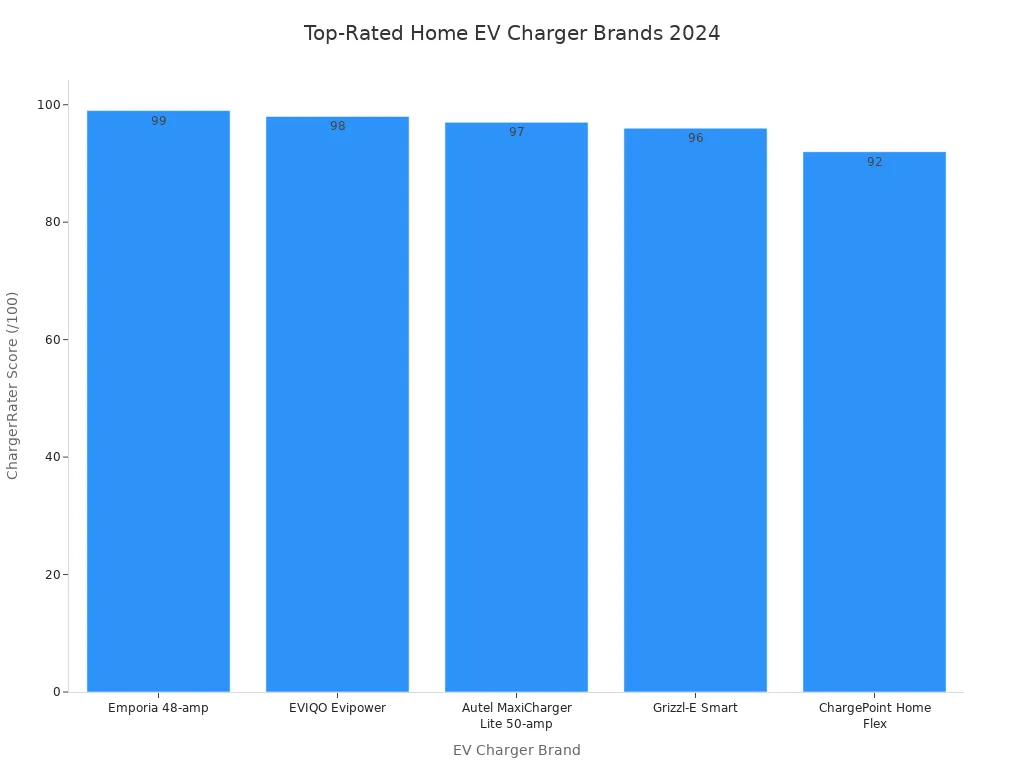
Обеспечение совместимости с вашим автомобилем
Мощность зарядного устройства полезна только в том случае, если автомобиль может её принять. Каждый электромобиль имеет бортовое зарядное устройство с максимальной принимаемой мощностью, измеряемой в киловаттах или амперах. Бортовое зарядное устройство электромобиля определяет максимальную мощность, которую он может принять. Например, если автомобиль имеет принимаемую мощность 32 ампера (около 7,4 кВт), зарядная станция с более высоким номинальным током не будет заряжать автомобиль быстрее. Соответствие зарядного устройства возможностям автомобиля гарантирует, что водитель не переплачивает за неиспользуемую мощность.
Простой путь к установке домашней зарядной станции
Установка зарядного устройства для электромобиля дома — это простой процесс, если разбить его на четкие шаги. Он начинается с профессиональной оценки и заканчивается безопасной, полностью работоспособной зарядной станцией. Этот путь гарантирует, что конечная установка обеспечит максимальную ценность и надежность.
Шаг 1: Первоначальная оценка дома
Прежде чем начать работы, квалифицированный электрик должен провести тщательную оценку дома. Эта первоначальная оценка критически важна для планирования безопасной и экономически эффективной установки.
Оценка мощности вашего электрощита
Самая важная часть оценки — расчет нагрузки. Электрик определяет, может ли существующий электрощит выдержать значительное и постоянное энергопотребление зарядного устройства для электромобиля.
- Вместимость панели: Он проверяет, достаточно ли в щите свободной мощности для новой выделенной цепи.
- Возможные модернизации: Если щит работает на пределе или близок к нему, электрик порекомендует решения, такие как обновление панели его модернизация или устройство управления нагрузкой.
- Проводка и безопасность: Оценка гарантирует, что все компоненты соответствуют требованиям Национального электротехнического кодекса (NEC) для обеспечения безопасности.
Выбор оптимального места установки
Идеальное расположение зарядного устройства балансирует между удобством и сложностью установки. Электрик учтет расстояние от электрощита до парковочного места. Большее расстояние увеличивает стоимость из-за необходимости в дополнительной проводке и работе, особенно если требуется прокладка траншеи или сверление стен. Цель — найти место, где зарядный кабель будет доступен, не создавая опасности.
Шаг 2: Процесс профессиональной установки
При наличии плана можно приступать к профессиональной установке. Этот этап обычно завершается за несколько часов.
Что ожидать в день установки
Процесс установки следует стандартной процедуре для обеспечения безопасности и функциональности.
- Подготовка площадки: Электрик подготавливает выбранное место, обеспечивая его чистоту и безопасность для работы.
- Установка цепи: Новая, выделенная 240-вольтовая цепь выделенная цепь прокладывается от электрощита к месту установки зарядного устройства.
- Монтаж зарядного устройства: Блок зарядного устройства для электромобиля надежно крепится к стене или на стойку.
- Финальное подключение: Устройство подключается к новой цепи напрямую (hardwired) для наиболее безопасного и надежного соединения.
- Тестирование: Электрик тестирует зарядное устройство, чтобы убедиться в его корректной работе и безопасной подаче электроэнергии.
Навигация по разрешениям и проверкам
Профессиональный установщик занимается необходимой документацией. Он обеспечивает соответствие проекта всем местным строительным нормам и получение всех требуемых разрешений. Этот шаг необходим для законной и безопасной домашней зарядной установки для электромобиля.
Понимание стоимости установки
Окончательная стоимость установки может варьироваться. Понимание факторов, влияющих на стоимость, помогает домовладельцу эффективно планировать бюджет и осознавать долгосрочную ценность инвестиций.
Факторы, влияющие на окончательную цену
На общую стоимость могут влиять несколько переменных. Сложность работы является основным фактором.
- Модернизация электрооборудования: Модернизация электрощита — это самая значительная потенциальная стоимость.
- Сложность установки: Расстояние от щита до места установки зарядного устройства может увеличить затраты на труд и материалы.
- Прокладка траншеи или сверление: Прокладка проводов под землей или через готовые стены увеличивает окончательную цену.
Уровень зарядного устройства также влияет на общую стоимость, при этом Уровень 2 Уровень 2 является стандартом для домашней зарядки.
| Уровень зарядного устройства | Типичный диапазон стоимости |
|---|---|
| Уровень 1 | 300 – 600 евро |
| Уровень 2 | 500 – 2 000 долларов США |
| Уровень 3 | $15,000+ |
Как найти квалифицированного электрика
Наем лицензированного и застрахованного электрика с конкретным опытом установки зарядных устройств для электромобилей — это обязательное условие. Авторитетные поставщики зарядных устройств для электромобилей, такие как технологически продвинутая TPSON, часто могут рекомендовать сертифицированных установщиков в районе проживания водителя. Это гарантирует, что работа будет выполнена правильно, защищая автомобиль, дом и гарантию на зарядное устройство.
Домашняя зарядная станция — это ключ к раскрытию полного потенциала электромобиля. Она превращает гараж в самую доступную и удобную “заправочную” станцию, делая ежедневную зарядку электромобиля простой. Технологически продвинутое зарядное устройство для электромобиля от такого поставщика, как TPSON, обеспечивает превосходный опыт домашней зарядки. Тем не менее, многие владельцы электромобилей упускают возможность дополнительной экономии.
- Исследования показывают, что большое количество водителей электромобилей не знают о программах энергокомпаний, поддерживающих домашнюю зарядку..
Изучение этих вариантов имеет решающее значение для максимизации преимуществ владения электромобилем. Контроль над зарядкой электромобиля дома гарантирует, что каждая поездка на электромобиле будет дешевле и быстрее.
ЧАСТО ЗАДАВАЕМЫЕ ВОПРОСЫ
Нужно ли мне специальное зарядное устройство для моего электромобиля?
Посвященный Зарядное устройство уровня 2 Зарядное устройство Уровня 2 настоятельно рекомендуется. Оно обеспечивает более быструю, безопасную и надежную зарядку, чем стандартная розетка. Этот тип зарядного устройства специально разработан для высокого и постоянного энергопотребления, требуемого электромобилем, защищая как автомобиль, так и дом.
Сколько времени занимает установка домашнего зарядного устройства для электромобиля?
Стандартная установка квалифицированным электриком обычно занимает всего несколько часов. Продолжительность может варьироваться в зависимости от сложности работы. Факторы включают расстояние от электрощита до места установки зарядного устройства и любые необходимые модернизации электросистемы.
Могу ли я сам установить зарядное устройство?
Внимание: Домовладельцу никогда не следует пытаться выполнить установку своими руками (DIY). Работу должен выполнять лицензированный электрик, чтобы обеспечить соответствие всем нормам безопасности и электротехническим стандартам. Это защищает имущество от опасности возгорания и гарантирует правильную работу зарядного устройства.
В чем разница между привязанным и непривязанным зарядным устройством?
Выбор зависит от предпочтений пользователя в отношении удобства или эстетики.
- Привязанные зарядные устройства Зарядные устройства со встроенным кабелем имеют постоянно прикрепленный кабель для быстрого использования по принципу «подключил и поехал».
- Зарядные устройства без встроенного кабеля имеют универсальную розетку, что обеспечивает более аккуратный вид. Водитель использует отдельный кабель, который поставлялся с его автомобилем.
Будет ли зарядное устройство для электромобиля работать с любым электромобилем?
Большинство современных зарядных устройств используют универсальный разъем (Type 2 в Европе), совместимый практически со всеми электромобилями. Водителю все же следует уточнить максимальную скорость зарядки своего автомобиля, чтобы выбрать зарядное устройство, соответствующее его возможностям для оптимальной производительности.
Каковы преимущества умного зарядного устройства?
Умное зарядное устройство подключается к Wi-Fi, обеспечивая расширенные функции через приложение. Технологически продвинутые поставщики, такие как TPSON, предлагают умные зарядные устройства, которые позволяют пользователям планировать зарядку в непиковые часы, контролировать потребление энергии и получать обновления программного обеспечения, максимизируя экономию и удобство.