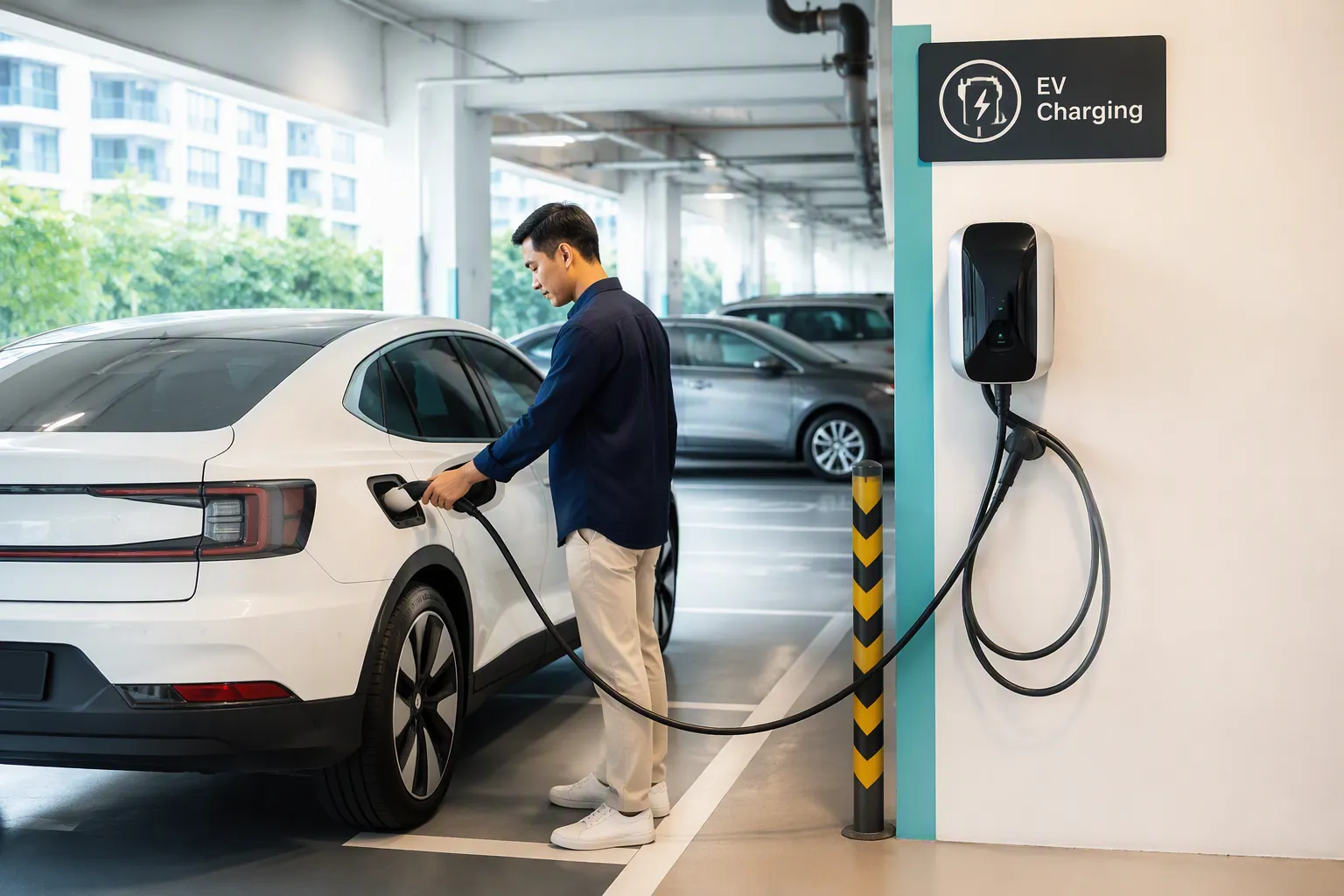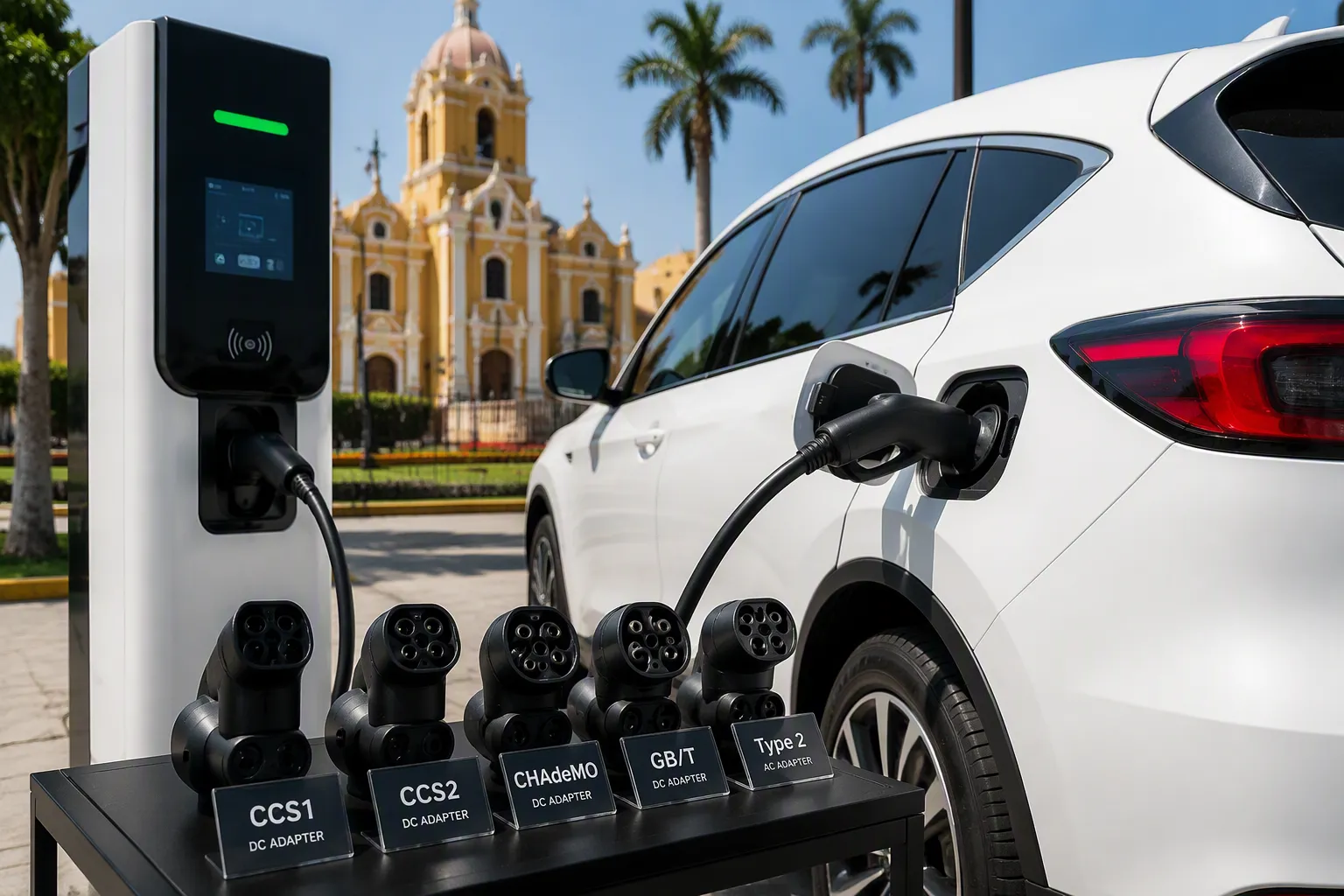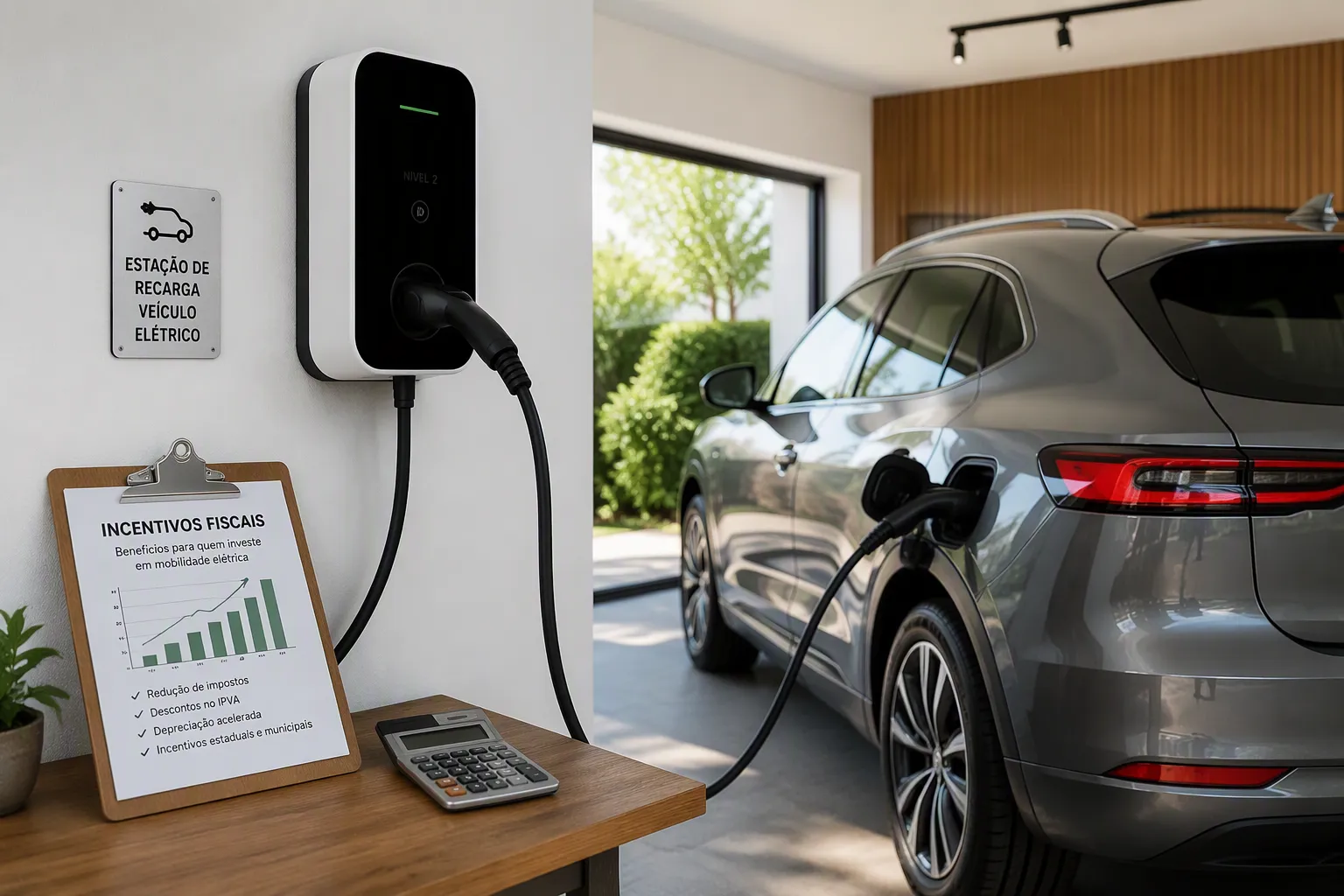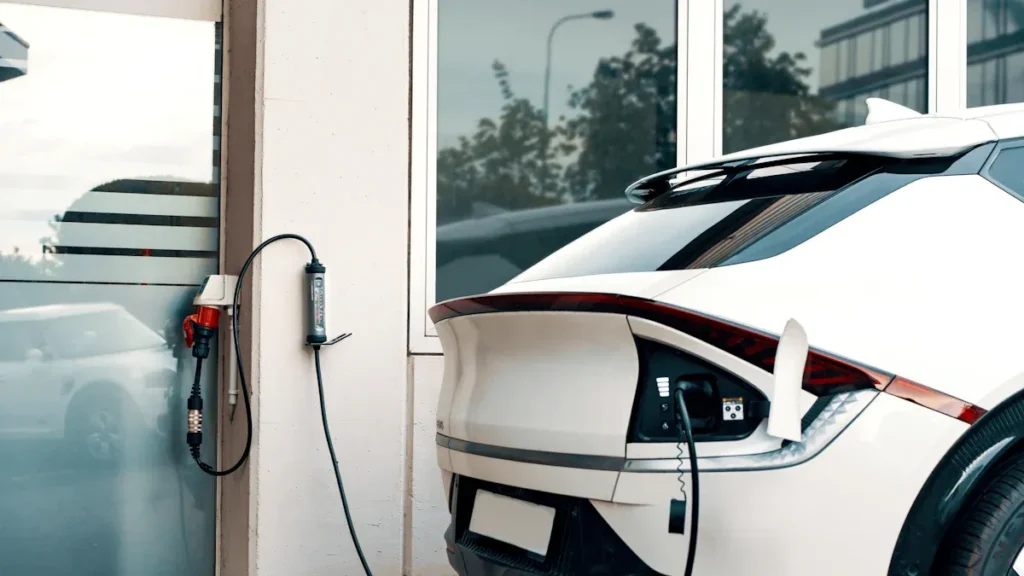
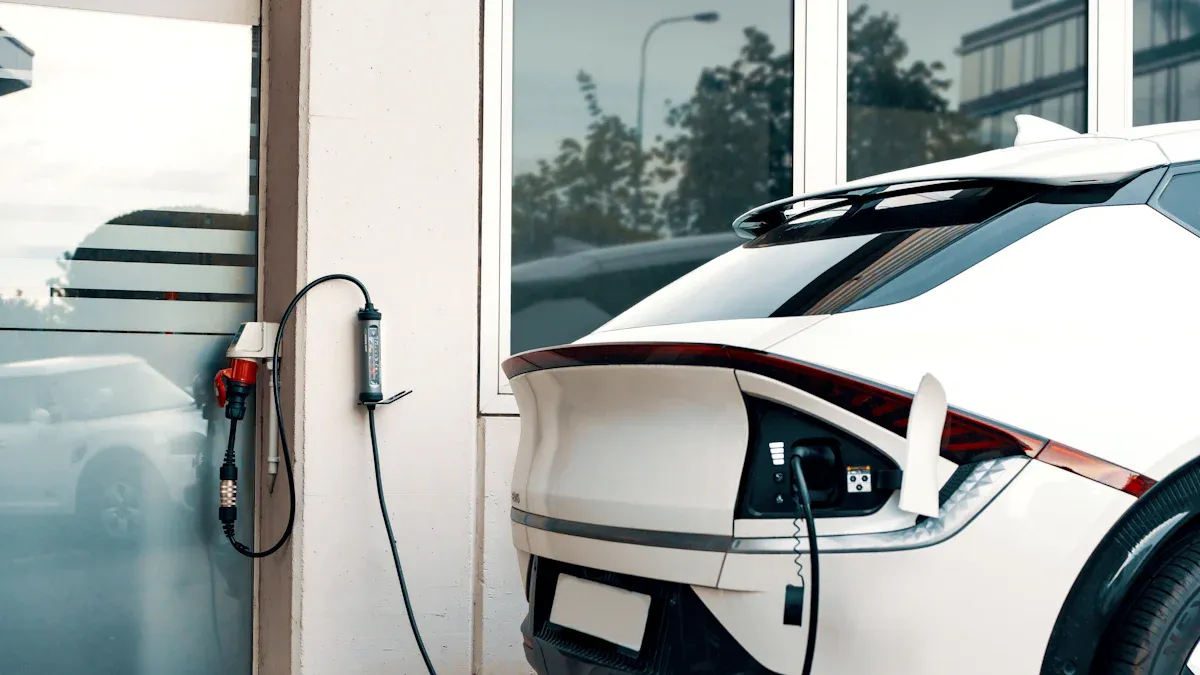
Installing a dedicated home charging point is the single best upgrade for an electric car. The benefits are clear. Data shows approximately 80% of شحن السيارة الكهربائية occurs at home, a testament to its convenience. A professionally installed شاحن السيارة الكهربائية from a technologically advanced provider like TPSON makes daily electric car charging significantly cheaper. For instance, an off-peak home rate can be over 450% less expensive than average public charging stations in the UK. This upgrade also provides dramatically faster charging than a standard outlet, saving hours of waiting time. When considering your options, researching reputable الشركات المصنعة لشاحن السيارة الكهربائية can help you find the perfect solution for your needs.
The Financial Benefits of a Home EV Charging Point
The primary motivation for many drivers to install a home electric vehicle charging point is the substantial long-term savings. While the initial investment is a consideration, the ongoing financial benefits quickly outweigh the upfront cost. Charging at home turns your garage or driveway into the most affordable “fuel” station available, fundamentally changing the economics of car ownership.
The Real Cost: Home vs. Public Electric Car Charging
Understanding the cost difference between charging at home and using public infrastructure reveals the true value of a personal charger. Public stations offer convenience but at a premium price, whereas home charging leverages your domestic electricity supply for maximum savings.
Breaking Down Your Home Electricity Bill
Your home electricity bill provides a clear picture of your charging costs. The price is measured in pence per kilowatt-hour (p/kWh). A typical electric car requires about 15-20 kWh to travel 100 miles. By multiplying your electricity rate by the amount of energy your EV consumes, you can calculate the exact cost of each “fill-up.” For example, charging a 60kWh battery on a standard rate of 24.86p/kWh would cost just under £15. This transparency allows for precise budgeting and financial planning.
Comparing Public Charger Pay-Per-Use Fees
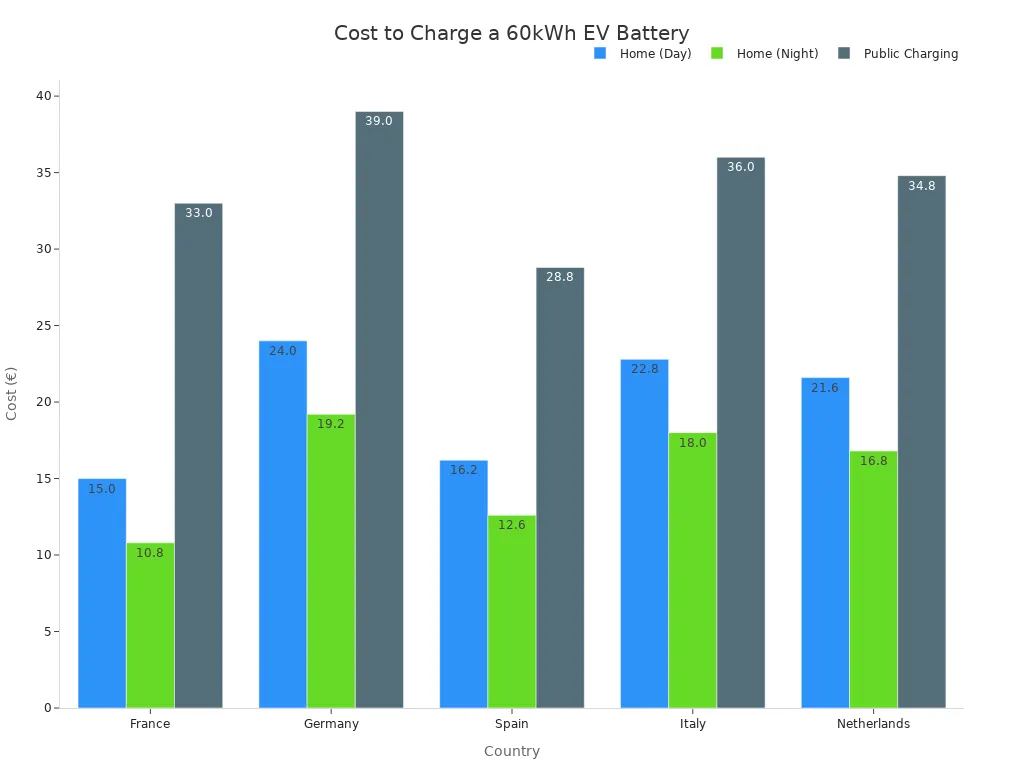
Public charging networks operate like traditional fuel stations, with prices that are significantly higher than domestic rates. The cost varies based on the provider and charging speed. As the data shows, public charging is consistently more expensive.
ملاحظة: Public fast charging is often 2 to 3 times more expensive than even standard daytime home charging rates. The convenience comes at a steep premium.
A comparison for charging a 60kWh EV battery in the UK illustrates this gap clearly:
| موقع الشحن | Cost per kWh (p) | Cost for 60kWh Charge (£) |
|---|---|---|
| Home (EV Tariff, Night Rate) | 10-15 | 6-9 |
| Home (Standard Rate) | 24.86 | 14.92 |
| Public Slow (7-22kW) | 40-50 | 24-30 |
| Rapid Charging (50kW) | 65-80 | 39-48 |
| Ultra-Rapid (100kW+) | 85-120 | 51-72 |
This trend holds true across Europe, where off-peak home charging consistently offers the most economical solution.
Maximize Savings with Smart Charging at Home
A standard home charger already provides savings. A smart EV charger, however, unlocks a new level of cost optimization by automating the charging process to take advantage of the cheapest electricity rates.
What Are Off-Peak Electricity Tariffs?
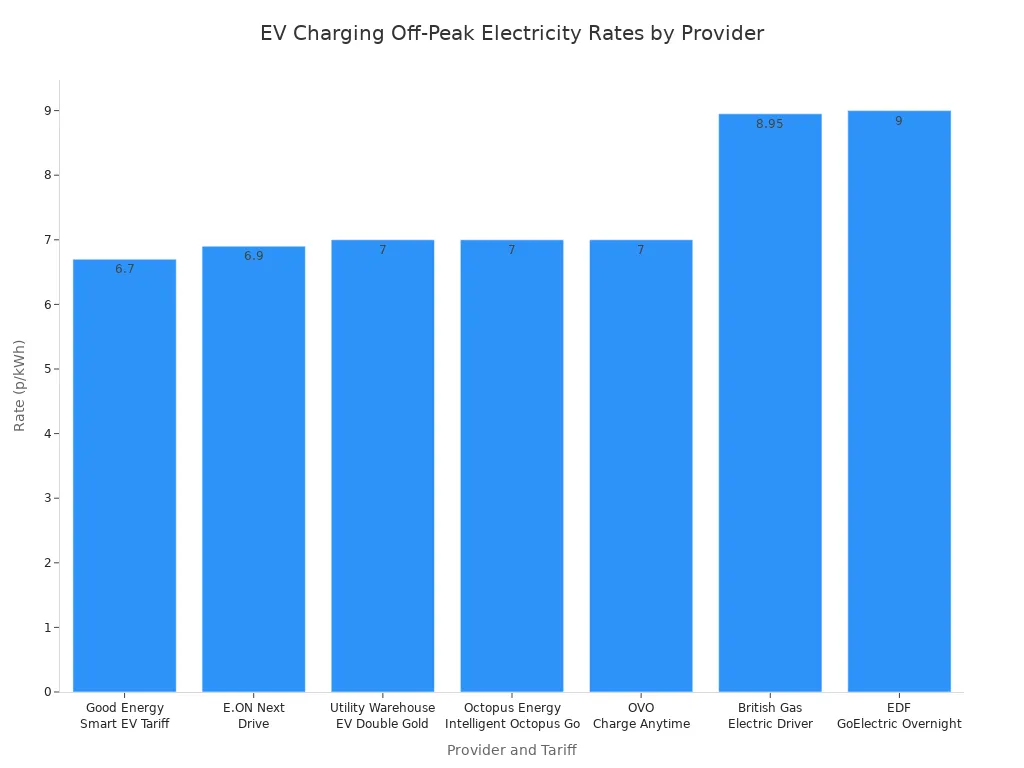
Energy providers offer special EV tariffs to incentivize charging when grid demand is low, typically overnight. These “Time of Use” tariffs feature significantly reduced electricity rates during off-peak hours.
- Two-rate tariffs: These plans offer cheap electricity overnight (e.g., 12 am to 5 am) and higher rates during the day.
- ‘Type of Use’ tariffs: These are add-ons that apply a cheaper rate specifically to the energy used for electric car charging, regardless of the time of day.
A smart meter is essential for these tariffs. It allows the energy supplier to track when electricity is used and apply the correct rate.
How Smart Chargers Automate Savings
A smart EV charger, like those from a technologically advanced provider such as TPSON, communicates directly with your utility provider or a dedicated app. You simply plug in your car and set your desired departure time. The charger then automatically starts and stops the charging session to align with the cheapest off-peak window. This “set it and forget it” approach ensures you always pay the lowest possible price without any manual effort. For a Tesla Model 3 with a 60kWh battery, this can reduce the cost of a full charge from £15 on a standard tariff to just £4.50 on an off-peak tariff—a 70% reduction.
Long-Term Financial Gains
The financial benefits of a home charger extend beyond daily savings. They accumulate into significant annual gains and can even increase the value of your property.
Calculating Your Annual Fueling Savings
The annual savings from home charging are substantial. An average driver covering 10,000 miles per year can save hundreds of pounds compared to using public chargers, and well over a thousand pounds compared to fueling a petrol or diesel car.
Consider a driver who needs 286 kWh per month.
- On a standard tariff (25p/kWh): Monthly cost is £71.50.
- On an off-peak tariff (7p/kWh): Monthly cost is just £20.02.
This simple switch results in annual savings of over £600 on electricity costs alone.
How a Charger Can Increase Your Property Value
A home EV charger is an increasingly desirable feature for homebuyers. It future-proofs a property and appeals to the growing market of EV owners. Real estate analyses have shown that homes with an EV charger installed can see a notable increase in their selling price. Even if a potential buyer does not currently own an EV, the presence of charging infrastructure signals that the home is modern and ready for the future of transportation. This makes the property more attractive, potentially speeding up a sale and increasing its market value. Installing a charger is not just an upgrade for your car; it is a smart investment in your home.
Unlock Faster Charging: Power Up in Hours, Not Days
Beyond cost savings, the most significant advantage of a dedicated home EV charger is speed. The difference between plugging into a standard wall outlet and using a purpose-built unit is transformative. It changes an EV owner’s relationship with their vehicle, shifting charging from a lengthy, planned event to a seamless background task. This speed provides unparalleled convenience and flexibility.
The Speed Difference Explained
The power output of a charging source directly dictates how quickly an electric vehicle‘s battery can be refilled. Home charging solutions fall into two main categories: Level 1 and Level 2. Understanding their capabilities reveals why a Level 2 charger is the superior choice for daily use.
Level 1 Charging: The Standard Outlet Crawl
Level 1 charging uses a standard 120V wall outlet, the same kind used for household appliances. While it requires no special installation, its performance is extremely limited. This method delivers power at a slow crawl. A Level 1 charger provides only about 1.44 kWh per hour. Fully charging a common 60 kWh EV battery from empty would take over 41 hours. This speed is often impractical for drivers who rely on their vehicle daily.
Level 2 Charging: The Home Charger Sweet Spot
Level 2 charging is the industry standard for home installations. These units, such as the advanced systems from providers like TPSON, use a 240V circuit similar to an electric stove or dryer. This higher voltage dramatically increases charging speed. A typical 7kW Level 2 EV charger can fully replenish a 60kWh battery in just 8-9 hours. This speed difference is a game-changer for EV ownership.
Speed Comparison: Range Added Per Hour A Level 2 charger adds significantly more range in the same amount of time, making it far more practical for daily driving needs.
| نوع الشاحن | أميال من المسافة المضافة في الساعة |
|---|---|
| المستوى 1 | 4-5 |
| المستوى 2 | 20-25 |
سيناريوهات الشحن في العالم الحقيقي
The practical benefits of Level 2 charging speed become clear in everyday situations. It adapts to a driver’s lifestyle, ensuring the vehicle is always prepared for the road ahead.
From Empty to Full Overnight
The 8-9 hour charge time of a Level 2 unit aligns perfectly with typical overnight sleeping schedules. A driver can arrive home with a nearly depleted battery, plug in their vehicle, and wake up to a 100% charge. This routine eliminates any need to visit a charging station during the week. The car is simply ready to go every morning, effortlessly.
Topping Off After Your Daily Commute
Most daily driving does not deplete the entire battery. For a typical 30-40 mile commute, a Level 2 charger can replenish the used energy in under two hours. This quick top-off means the vehicle is always near full capacity. It provides peace of mind and ensures there is ample range for unexpected errands or evening plans.
Why Speed Matters for Your Lifestyle
Fast, reliable home charging fundamentally improves the EV ownership experience. It removes logistical hurdles and provides a sense of freedom that slow, inconvenient charging methods cannot match.
Gaining Freedom from Range Anxiety
Range anxiety, the fear of a battery running out before reaching a destination, is a common concern for new EV drivers. A home charger is a powerful tool for alleviating this worry. Having a dedicated and dependable power source at home eliminates reliance on the public charging network, which can have occupied or broken stations. This assurance that the EV starts each day with a sufficient charge significantly reduces stress about battery levels during daily use.
Always Ready for Spontaneous Trips
The convenience of a fast home charger means an EV is always prepared for adventure. There is no need to plan a day in advance to “fill up” for a weekend getaway or an impromptu road trip. With the ability to add 20-25 miles of range per hour, a driver can quickly top off the battery and head out. This readiness transforms the electric vehicle from a commuter car into a go-anywhere vehicle, unlocking the full potential of driving electric.
The Ultimate Convenience of a Home Electric Vehicle Charging Point
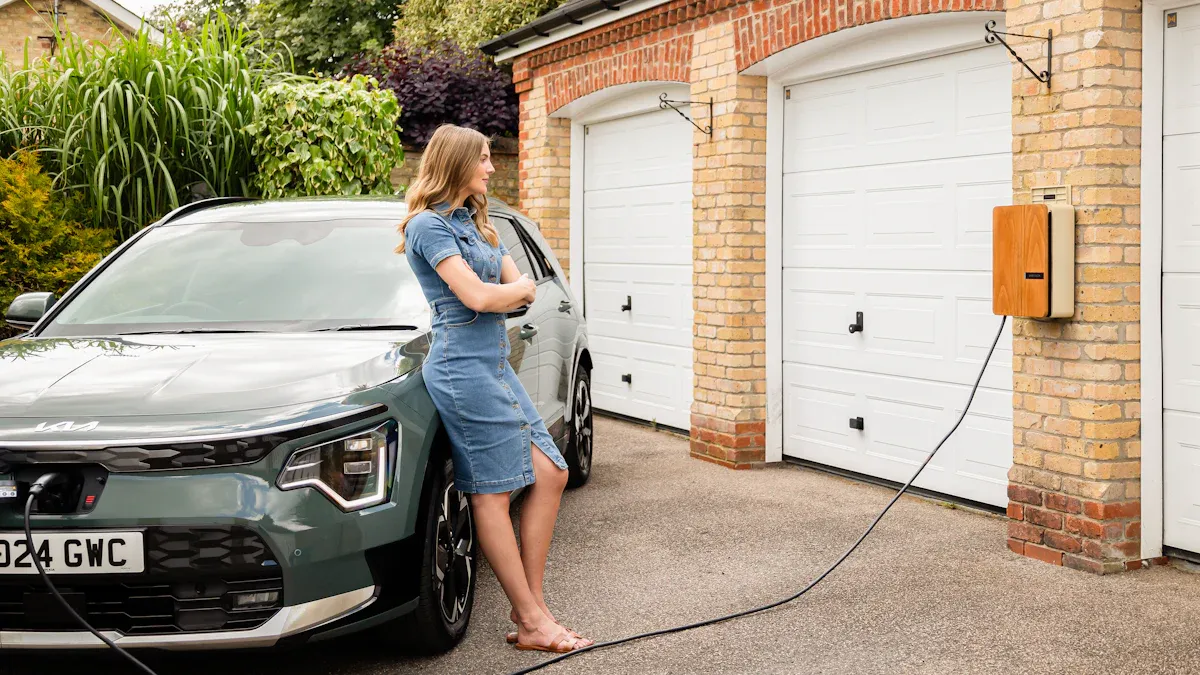
A home electric vehicle charging point offers more than just financial and speed benefits; it provides unparalleled convenience. This technology fundamentally redefines the relationship between a driver and their vehicle. It eliminates the chore of refueling and integrates the electric car charging process seamlessly into daily life. The result is a simple, stress-free ownership experience.
Your Personal “Set It and Forget It” Routine
The greatest advantage of a personal EV charger is the creation of an effortless routine. The process of keeping an EV ready becomes a simple, background task rather than a planned event.
The Ease of Plugging In When You Park
The daily charging habit is remarkably simple. A driver arrives home, parks their electric vehicle, and connects the charging cable. This small action, taking only a few seconds, becomes as automatic as locking the car door. Technologically advanced EV charger models from providers like TPSON make this process even smoother with ergonomic designs and smart features. This removes any mental effort associated with vehicle fueling.
Waking Up to a Full Battery Every Morning
The outcome of this simple routine is transformative. A driver begins every day with a fully charged vehicle, ready for any journey. This convenient reality offers several key advantages:
- It eliminates weekly trips to a fueling station.
- It provides maximum range for the day’s commute and any unplanned stops.
- It ensures the EV is always prepared for long-distance travel.
This consistent state of readiness provides complete peace of mind.
No More Hunting for Public Chargers
Relying on public infrastructure introduces uncertainty and hassle into the charging experience. A dedicated charger at home bypasses these common frustrations entirely.
Avoiding Broken or Occupied Stations
Public charging stations can be unreliable. Drivers often face the frustrating scenario of arriving at a station only to find it occupied by another vehicle or, worse, out of service. This unpredictability can disrupt schedules and cause significant delays. A personal charger at home is always available and operational, offering 100% reliability when a driver needs it most.
Skipping the Apps and Payment Hassles
The public charging network is fragmented. A driver may need multiple smartphone apps and payment accounts to access different networks.
A home charging setup eliminates this complexity. There are no apps to juggle, no payment cards to swipe, and no connection fees to worry about. The entire process is managed through a single, private system, making the experience incredibly straightforward.
Safety Benefits: Why a Dedicated Charger is Essential
While convenience and cost savings are significant benefits, the most critical reason to install a dedicated EV charger is safety. An electric vehicle draws a large amount of power for many hours, a task that standard home wiring is not designed to handle. A purpose-built Level 2 EV charger provides the necessary safeguards to protect the driver, the vehicle, and the home.
The Risks of Using a Standard Wall Outlet
Using a regular wall outlet for daily charging, often called Level 1 charging, introduces significant and often hidden dangers. These outlets are not built for the continuous high-power demands of an EV.
Understanding Continuous Power Draw Dangers
A standard outlet can create a serious fire hazard when used for long-term EV charging. The continuous power draw generates substantial heat, which can cause catastrophic failure.
- Component Failure: Many low-cost outlets use inferior metal contacts that overheat, weaken, and create poor connections. This can lead to arcing and burning.
- Melting and Fire: Real-world incidents show that this heat buildup can melt the outlet face and scorch the wall. In one case, a Tesla owner’s outlet melted completely, with only the charger’s thermal protection preventing a larger fire.
لماذا تعتبر أسلاك التمديد خطرًا رئيسيًا
إغراء استخدام سلك تمديد للشحن قوي، لكنه ممارسة خطيرة للغاية يمنعها المصنعون صراحةً.
كتيبات المالك واضحة في تحذيراتها. على سبيل المثال، تخبر شركة شيفروليه مالكي بولت: “لا تستخدم أسلاك التمديد، أو شرائط توزيع الطاقة متعددة المنافذ، أو المقسمات، أو محولات التأريض، أو واقيات زيادة التيار، أو أجهزة مماثلة.”
يضاعف استخدام سلك تمديد قياسي مخاطر ارتفاع درجة الحرارة والصعق الكهربائي والحرائق. كما أنه يقيد الجهد، مما يؤدي إلى شحن أبطأ وأقل كفاءة.
ميزات الأمان المدمجة في شواحن المستوى 2
تم تصميم شاحن مخصص من المستوى 2، مثل تلك المقدمة من مزود متقدم تقنيًا مثل TPSON، بطبقات متعددة من الحماية. هذه الأنظمة معتمدة لتلبية معايير السلامة الصارمة مثل UL و ETL و FCC.
الحماية من التيار الزائد وارتفاع درجة الحرارة
تراقب شواحن المستوى 2 جلسة الشحن باستمرار لمنع الحوادث الكهربائية.
- مراقبة درجة الحرارة: تتحقق أجهزة الاستشعار الداخلية باستمرار من درجة الحرارة. إذا بدأت الوحدة في ارتفاع درجة الحرارة، ستقلل الطاقة تلقائيًا أو تغلق بالكامل لمنع التلف.
- الحماية من التيار الزائد: تمنع قواطع الدائرة الكهربائية والمنصهرات المدمجة الشاحن من سحب الكثير من الطاقة، مما يحمي بطارية السيارة والنظام الكهربائي للمنزل.
تصميمات مقاومة للعوامل الجوية للتركيبات الخارجية
تم بناء الشواحن عالية الجودة لتدوم، سواء تم تركيبها داخل مرآب أو خارجًا في العوامل الجوية. تحمل العديد من الوحدات تصنيف NEMA 4, ، والذي يضمن أن العلبة محمية من الغبار والمطر وتشكل الجليد. يضمن هذا البناء القوي التشغيل الآمن والموثوق في أي طقس.
أهمية التركيب الاحترافي
يعتمد إعداد الشحن الآمن بالكامل على التركيب الصحيح بواسطة محترف مؤهل. كهربائي مرخص. هذا ليس مشروعًا للقيام به بنفسك.
ضمان الامتثال للقوانين والسلامة الكهربائية
يضمن كهربائي مرخص أن التركيب يلبي جميع القوانين الكهربائية الوطنية والمحلية، وخاصة المادة 625 من NEC. القسم 625 من قانون الكهرباء الوطني (NEC) في الولايات المتحدة . يتضمن ذلك تركيب.
دائرة مخصصة لشاحن السيارة الكهربائية، واستخدام أسلاك وقواطع ذات حجم صحيح، وتأمين التصاريح والفحوصات اللازمة
حماية النظام الكهربائي لمنزلك يمكن أن يؤدي التركيب غير السليم إلى تحميل زائد للوحة الكهرباء المنزلية، مما يخلق خطر حريق شديد. يقوم الكهربائي المحترف بإجراء حساب تحميل حرج.
لتأكيد قدرة النظام الكهربائي على التعامل مع الطلب المضاف. هذا التقييم الخبير ضروري لتركيب آمن وموثوق وطويل الأمد يحمي الممتلكات بأكملها.

افتح شحنًا أرخص وأسرع للسيارات الكهربائية في المنزل 11 شاحن السيارة الكهربائية يعد اختيار نقطة شحن السيارة الكهربائية المنزلية المناسبة خطوة حاسمة لأي مالك سيارة كهربائية. توازن النقطة المثالية.
الميزات الرئيسية التي يجب مراعاتها
بين سرعة الشحن والميزات الذكية والتكلفة لتقديم أفضل قيمة على المدى الطويل. يضمن التقييم الدقيق للميزات الرئيسية أن الوحدة المختارة تلبي الاحتياجات الحالية والمستقبلية.
يتطلب التنقل في السوق فهم المواصفات الأساسية التي تميز شاحنًا عن آخر. تؤثر هذه الميزات بشكل مباشر على الأداء والراحة وفعالية التكلفة الإجمالية.
فهم تصنيفات الكيلووات (كيلوواط) أجهزة الشحن 7 كيلوواط يحدد تصنيف الكيلووات (كيلوواط) للشاحن ناتج طاقته، وبالتالي سرعة شحنه. تستخدم معظم التركيبات المنزلية طاقة أحادية الطور، مما يجعل.
- شواحن 7 كيلووات: هذه الوحدات مثالية للشحن طوال الليل، حيث تعيد عادةً شحن بطارية السيارة الكهربائية في 6-12 ساعة.
- شاحن بقدرة 11 كيلوواط و22 كيلوواطشواحن 11 كيلووات أو 22 كيلووات.
| نوع الشاحن | سعة البطارية | وقت الشحن التقريبي |
|---|---|---|
| 7 كيلو واط | يوضح الجدول أدناه كيف تؤثر هذه التصنيفات على الوقت اللازم لشحن بطارية سيارة كهربائية نموذجية سعتها 60 كيلووات في الساعة. | 8-9 ساعات |
| 11 كيلو وات | يوضح الجدول أدناه كيف تؤثر هذه التصنيفات على الوقت اللازم لشحن بطارية سيارة كهربائية نموذجية سعتها 60 كيلووات في الساعة. | 5-6 ساعات |
| 22 كيلو وات | يوضح الجدول أدناه كيف تؤثر هذه التصنيفات على الوقت اللازم لشحن بطارية سيارة كهربائية نموذجية سعتها 60 كيلووات في الساعة. | 2.5 إلى 3 ساعات |
60 كيلووات في الساعة
الميزات الذكية مقابل الشواحن القياسية.
القرار الرئيسي هو الاختيار بين شاحن سيارة كهربائية "ذكي" وآخر قياسي (أو "عادي"). تقدم الوحدات القياسية الطاقة ببساطة عند توصيلها. تتصل الشواحن الذكية، مثل تلك المقدمة من مزودين متقدمين تقنيًا مثل TPSON، بشبكة Wi-Fi وتوفر عناصر تحكم قائمة على التطبيق. يسمح ذلك بالشحن المجدول للاستفادة من أسعار الكهرباء خارج أوقات الذروة، والمراقبة عن بُعد، وتحديثات البرامج التي تضيف قيمة بمرور الوقت.
طول الكابل وخيارات الإدارة كابل الشحن يعتبر طول.
كابل الشاحن
عاملاً عمليًا. يجب على السائق قياس المسافة من موقع التركيب المخطط إلى منفذ شحن السيارة. يوفر الكابل الأطول مرونة أكبر في ركن السيارة، ولكنه قد يكون أيضًا مرهقًا. تقدم العديد من الشواحن خطاطيف أو حوامل كبل مدمجة للحفاظ على الإعداد مرتبًا.
- مربوطالكابل المثبت مقابل غير المثبت: أي كابل مناسب لك؟.
- غير مقيدتأتي نقطة الشحن المنزلية بنمطين رئيسيين:.
مثبت الكابل
: الكابل مثبت بشكل دائم بالشاحن. هذا مريح للغاية، حيث يحتاج السائق فقط إلى فك الكابل وتوصيله.
غير مثبت الكابل
: تحتوي الوحدة على مقبس عالمي، مما يتطلب من السائق استخدام الكابل المنفصل الذي يأتي مع سيارته الكهربائية. هذا يوفر مظهرًا أنظف ومرونة أكبر.
ضمان التوافق مع سيارتك
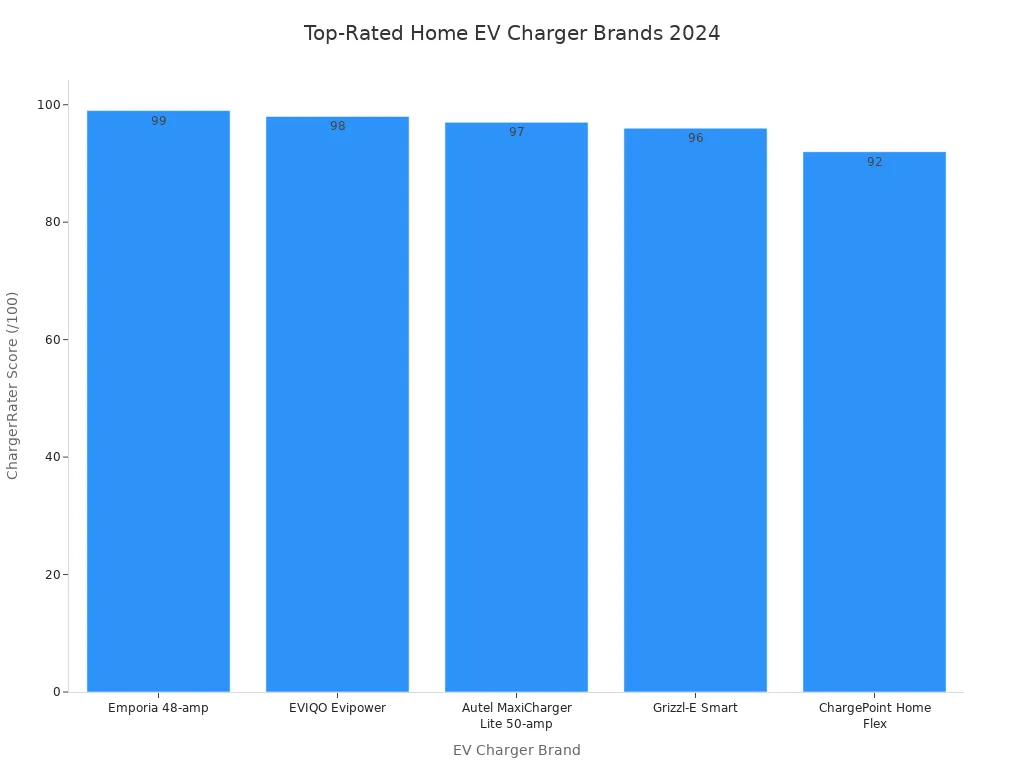
أفضل نقطة شحن منزلية هي التي تتماشى مع مركبة السائق وممتلكاته وأسلوب حياته. نظرة عامة على علامات الشواحن الشهيرة. سوق الشواحن المنزلية ينمو، حيث تقدم العديد من العلامات التجارية ذات السمعة الطيبة منتجات ممتازة. يمكن أن تساعد التقييمات المستقلة في تحديد أفضل الأداء التي تقدم موثوقية وقيمة رائعة. افتح شحنًا أرخص وأسرع للسيارات الكهربائية في المنزل 12.
طاقة الشاحن مفيدة فقط إذا كانت السيارة تستطيع قبولها. تحتوي كل سيارة كهربائية على شاحن مدمج بأقصى معدل قبول، مقاسًا بالكيلووات أو الأمبير.
يحدد الشاحن المدمج للسيارة الكهربائية أقصى طاقة يمكنها قبولها شاحن مركبة كهربائية مثبت في المنزل هي عملية مباشرة عند تقسيمها إلى خطوات واضحة. تبدأ بتقييم احترافي وتنتهي بمحطة شحن آمنة وكاملة التشغيل. يضمن هذا المسار أن الإعداد النهائي يوفر أقصى قيمة وموثوقية.
الخطوة 1: التقييم المنزلي الأولي
قبل بدء أي عمل، يجب على كهربائي مؤهل إجراء تقييم منزلي شامل. هذا التقييم الأولي حاسم لتخطيط تثبيت آمن وفعال من حيث التكلفة.
تقييم سعة اللوحة الكهربائية
الجزء الأهم في التقييم هو حساب الحمل. يحدد الكهربائي ما إذا كانت اللوحة الكهربائية الحالية يمكنها تحمل استهلاك الطاقة الكبير والمستمر لشاحن المركبة الكهربائية.
- سعة اللوحة: يتحققون مما إذا كانت اللوحة تحتوي على سعة احتياطية كافية لدائرة كهربائية مخصصة جديدة.
- التحديثات المحتملة: إذا كانت اللوحة عند حدها أو قريبة منه، سيوصي الكهربائي بحلول مثل ترقية اللوحة ترقية اللوحة أو جهاز إدارة الحمل.
- الأسلاك والسلامة: يضمن التقييم أن جميع المكونات تلبي متطلبات قانون الكهرباء الوطني (NEC) للسلامة.
اختيار موقع التثبيت الأفضل
الموقع المثالي للشاحن يوازن بين الراحة وتعقيد التثبيت. سينظر الكهربائي في المسافة من اللوحة الكهربائية إلى مكان وقوف السيارة. المسافة الأطول تزيد التكاليف بسبب الحاجة إلى المزيد من الأسلاك والعمالة، خاصة إذا تطلب الأمر الحفر أو النفق عبر الجدران. الهدف هو العثور على مكان يحافظ على سهولة الوصول إلى كابل الشحن دون خلق خطر.
الخطوة 2: عملية التثبيت الاحترافية
مع وجود خطة موضوعة، يمكن أن تبدأ عملية التثبيت الاحترافية. عادة ما يتم إكمال هذه المرحلة في غضون ساعات قليلة.
ما يمكن توقعه في يوم التركيب
تتبع عملية التثبيت إجراءً قياسيًا لضمان السلامة والوظائف.
- إعداد الموقع: يقوم الكهربائي بتحضير الموقع المختار، والتأكد من أنه واضح وآمن للعمل.
- تثبيت الدائرة الكهربائية: يتم مد دائرة كهربائية جديدة مخصصة, دائرة كهربائية مخصصة بقوة 240 فولت من اللوحة الكهربائية إلى موقع الشاحن.
- تركيب الشاحن: يتم تثبيت وحدة شاحن المركبة الكهربائية بشكل آمن على الحائط أو قاعدة.
- التوصيل النهائي: يتم توصيل الوحدة مباشرة بالدائرة الجديدة للحصول على أكثر اتصال أمانًا وموثوقية.
- الاختبار: يختبر الكهربائي الشاحن للتأكد من أنه يعمل بشكل صحيح ويوفر الطاقة بأمان.
التعامل مع التصاريح والتفتيش
يتعامل المثبت المحترف مع الأوراق اللازمة. يضمنون امتثال المشروع لجميع قوانين البناء المحلية والحصول على أي تصاريح مطلوبة. هذه الخطوة ضرورية لإعداد شحن منزلي قانوني وآمن للمركبة الكهربائية.
فهم تكاليف التركيب
يمكن أن يختلف السعر النهائي للتثبيت. فهم العوامل التي تؤثر على التكلفة يساعد مالك المنزل على وضع ميزانية فعالة وإدراك القيمة طويلة المدى للاستثمار.
العوامل التي تؤثر على السعر النهائي
يمكن أن تؤثر عدة متغيرات على التكلفة الإجمالية. تعقيد العمل هو المحرك الأساسي.
- التحسينات الكهربائية: ترقية اللوحة هي أكبر تكلفة محتملة.
- تعقيد التركيب: يمكن للمسافة من اللوحة إلى موقع الشاحن أن تزيد تكاليف العمالة والمواد.
- الحفر أو النفق: مد الأسلاك تحت الأرض أو عبر الجدران المكتملة يضيف إلى السعر النهائي.
يؤثر مستوى الشاحن أيضًا على التكلفة الإجمالية، حيث يعتبر المستوى 2 المستوى 2 المعيار للشحن المنزلي.
| مستوى الشاحن | نطاق التكلفة النموذجية |
|---|---|
| المستوى 1 | $300 - $600 |
| المستوى 2 | $500 - $2000 |
| المستوى 3 | $15,000+ |
كيفية العثور على كهربائي مؤهل
تعيين كهربائي مرخص ومؤمن عليه وذو خبرة محددة في تثبيت شواحن المركبات الكهربائية أمر غير قابل للتفاوض. يمكن لمزودي شواحن المركبات الكهربائية ذوي السمعة الطيبة، مثل TPSON المتقدم تقنيًا، غالبًا التوصية بمثبتين معتمدين في منطقة السائق. هذا يضمن إنجاز العمل بشكل صحيح، وحماية المركبة والمنزل وضمان الشاحن.
الشاحن المنزلي هو المفتاح لتحقيق الإمكانات الكاملة للمركبة الكهربائية. يحول المرآب إلى محطة “وقود” الأكثر بأسعار معقولة وملاءمة، مما يجعل شحن السيارة الكهربائية اليومي أمرًا بسيطًا. يوفر شاحن مركبة كهربائية متقدم تقنيًا من مزود مثل TPSON تجربة شحن منزلية فائقة. ومع ذلك، يفوّت العديد من مالكي المركبات الكهربائية المزيد من التوفير.
- تظهر الدراسات أن عددًا كبيرًا من سائقي المركبات الكهربائية غير مدركين لبرامج المرافق التي تدعم الشحن المنزلي.
استكشاف هذه الخيارات أمر بالغ الأهمية لتعظيم فوائد امتلاك مركبة كهربائية. السيطرة على شحن السيارة الكهربائية في المنزل يضمن أن تكون كل رحلة بالمركبة الكهربائية أرخص وأسرع.
الأسئلة الشائعة
هل أحتاج إلى شاحن خاص لمركبتي الكهربائية؟
مخصص شاحن المستوى 2 موصى به بشدة. فهو يوفر شحنًا أسرع وأكثر أمانًا وموثوقية من مقبس الحائط القياسي. تم تصميم هذا النوع من الشواحن خصيصًا لاستهلاك الطاقة العالي والمستمر الذي تتطلبه المركبة الكهربائية، مما يحمي كلًا من السيارة والمنزل.
كم من الوقت يستغرق تركيب شاحن سيارة كهربائية منزلي؟
عادة ما يستغرق التثبيت القياسي بواسطة كهربائي مؤهل ساعات قليلة فقط. يمكن أن تختلف المدة بناءً على تعقيد العمل. تشمل العوامل المسافة من اللوحة الكهربائية إلى موقع الشاحن وأي ترقيات كهربائية مطلوبة.
هل يمكنني تركيب شاحن كهربائي بنفسي؟
تحذير: لا ينبغي أبدًا لمالك المنزل محاولة تثبيت ذاتي (DIY). يجب أن يقوم كهربائي مرخص بالعمل لضمان استيفائه لجميع قوانين السلامة والمعايير الكهربائية. هذا يحمي الممتلكات من مخاطر الحريق ويضمن عمل الشاحن بشكل صحيح.
ما الفرق بين الشاحن المربوط وغير المربوط؟
يعتمد الاختيار على تفضيل المستخدم للراحة مقابل الجماليات.
- أجهزة الشحن المربوطة تحتوي شواحن الكابل المدمج على كابل متصل بشكل دائم لاستخدام سريع للتوصيل والشحن.
- توفر الشواحن غير المقيدة تحتوي شواحن المقبس العام على مقبس عالمي، مما يوفر مظهرًا أكثر أناقة. يستخدم السائق الكابل المنفصل الذي يأتي مع مركبته.
هل سيعمل شاحن المركبة الكهربائية مع أي سيارة كهربائية؟
تستخدم معظم الشواحن الحديثة موصلًا عالميًا (النوع 2 في أوروبا) متوافقًا مع جميع المركبات الكهربائية تقريبًا. لا يزال يتعين على السائق تأكيد أقصى معدل شحن لمركبته لاختيار شاحن يتطابق مع قدراتها للحصول على أداء مثالي.
ما هي فوائد الشاحن الذكي؟
يتصل الشاحن الذكي بشبكة Wi-Fi، مما يمكن من ميزات متقدمة عبر تطبيق. تقدم المزودون المتقدمون تقنيًا مثل TPSON شواحن ذكية تسمح للمستخدمين بجدولة الشحن في ساعات خارج الذروة، ومراقبة استخدام الطاقة، وتلقي تحديثات البرامج، مما يعظم التوفير والراحة.