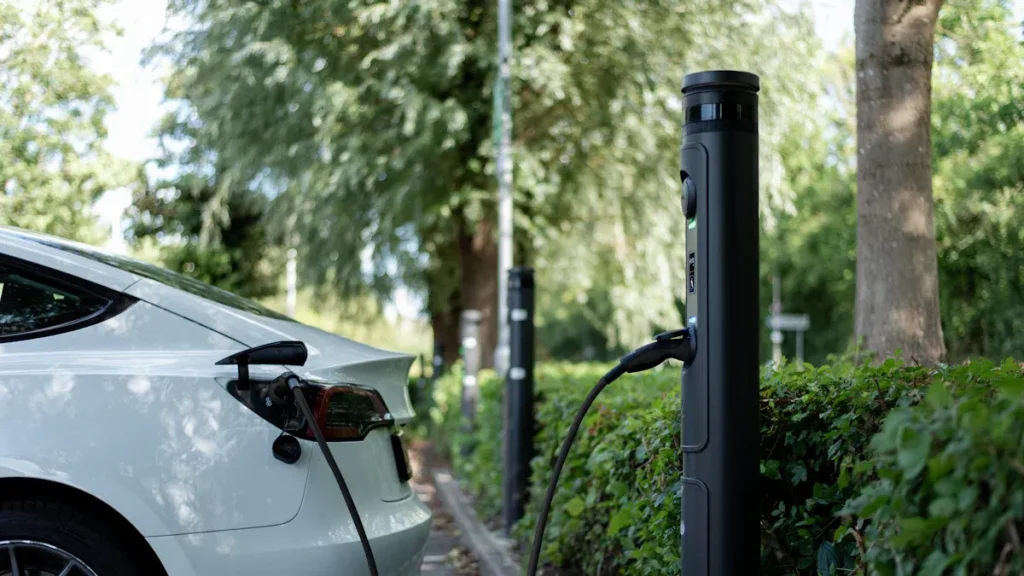
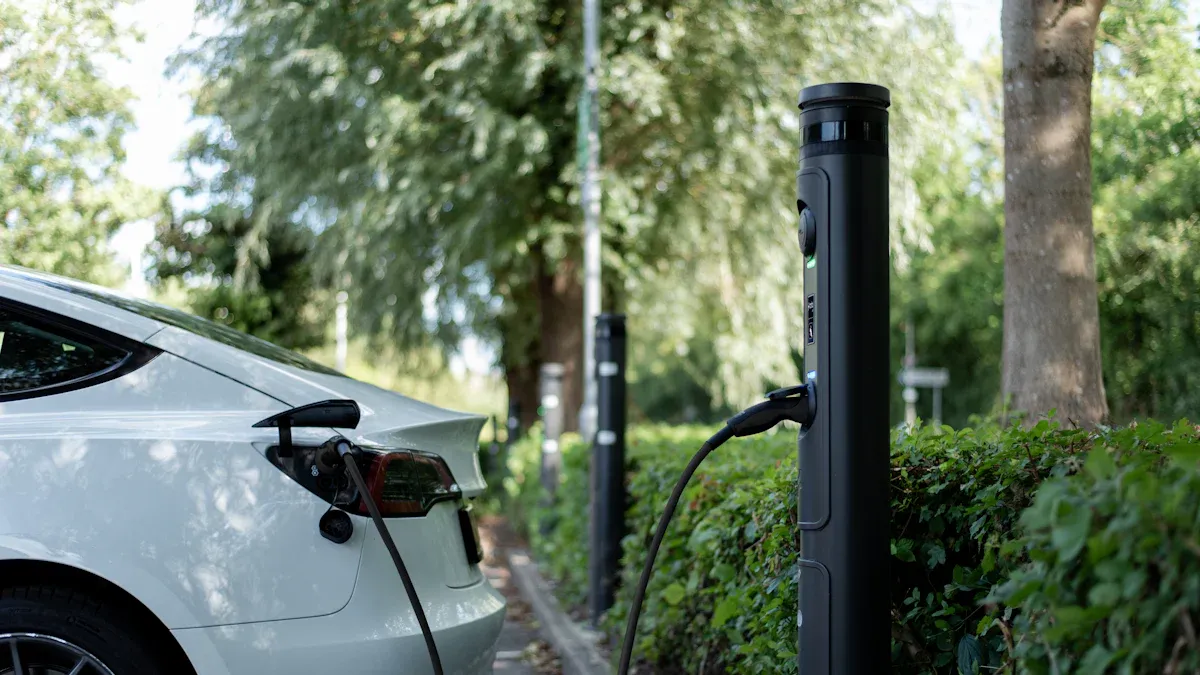
New EV owners often make common mistakes. The process of choosing a level 2 charger can be complex. They might overlook their home’s electrical limits or misjudge necessary features. While Fabricantes de carregadores para veículos eléctricos Os carregadores oferecem opções diversas Soluções de carregamento de veículos eléctricos, de unidades fixas para carregadores ev portáteis, owners can still make errors. These mistakes impact the performance and safety of their new Carregador EV.
Mistake 1: Ignoring Local Electrical Grid and Home Wiring Capacity
One of the most significant mistakes a new owner can make is purchasing a charger without first evaluating their home’s electrical infrastructure. A powerful home ev charger requires a robust electrical supply. The specific limitations of the Argentinian grid and residential wiring demand careful consideration before any installation.
The “Monofásico” Standard in Argentina
What Single-Phase Power Means for Your Home
Most residences in Argentina operate on a single-phase electrical system, known locally as “monofásico.” This system delivers power through two wires: one live and one neutral. It is perfectly adequate for typical household appliances. However, it has inherent limits on the total amount of power it can safely deliver at one time, a critical factor for high-draw devices like an EV charger.
Why 7.4kW is the Practical Limit for Most
Given the single-phase standard, a 7.4kW charger represents the practical maximum for most residential properties. This power level requires a dedicated 32-amp circuit. Attempting to install a more powerful charger on a standard “monofásico” connection is often impossible without a costly and complex upgrade to a three-phase (“trifásico”) service, which is uncommon for single-family homes.
Assessing Your Home’s Electrical Readiness
How to Check Your “Potencia Contratada”
Every electricity bill from providers like Edenor or Edesur lists the “potencia contratada,” or contracted power capacity. This figure, measured in kilowatts (kW), defines the maximum electrical load the home can draw from the grid. An EV charger, when active, will consume a large portion of this capacity. Owners must ensure their contracted power is sufficient to handle the charger plus other household appliances.
A Guide to Inspecting Your “Tablero Eléctrico”
The home’s “tablero eléctrico,” or main electrical panel, is the heart of the electrical system. A visual inspection can reveal the age of the breakers and wiring. Key things to note are:
- The main breaker’s amperage rating.
- The presence of any available slots for a new, dedicated circuit.
- The overall condition of the panel and wiring.
Dica profissional: An outdated or fully occupied panel is a clear signal that an upgrade will be necessary for a safe charger installation.
Why Consulting a Certified Electrician is Non-Negotiable
A homeowner’s inspection is only a preliminary step. A certified electrician must perform a detailed assessment. This professional will verify the “potencia contratada,” test the wiring’s integrity, and determine the exact requirements for a safe installation. Their approval is essential for a compliant and secure charging setup. The electrician handles the complete installation process.
The Risks of Overloading Your System
Understanding Tripped Breakers
Connecting a charger that exceeds the circuit’s or home’s capacity will cause frequent tripped breakers. This happens when a safety device, the circuit breaker, automatically cuts power to prevent overheating. While it is a protective function, constant tripping indicates a dangerous overload and an improper installation.
Potential Fire Hazards and Safety Concerns
The most severe risk of an overloaded system is fire. Wires that are not rated for high electrical loads can overheat, melting their protective insulation and igniting nearby materials. This poses a direct threat to the property and its occupants. A professional installation ensures all components are correctly rated.
How Overloading Can Affect Your EV Battery Health
An unstable power supply caused by an overloaded circuit can create voltage fluctuations. While modern EV models have sophisticated battery management systems, subjecting the vehicle to inconsistent power can place unnecessary stress on its onboard charging components over the long term.
Mistake 2: Misunderstanding Charging Speed vs. Daily Needs
Many new owners believe faster is always better when selecting a charger. This assumption often leads to unnecessary expenses and installation complexities. A professional approach involves matching the charger’s power (kW) to actual daily driving habits, not just the vehicle’s maximum charging capability. Making one of the most common mistakes here can cost both time and money.
Calculating Your Actual Daily Charging Needs
From Daily Kilometers to Required kWh
Owners should first determine their average daily travel distance. Most modern electric vehicles consume between 15 to 20 kWh per 100 kilometers. A driver covering 50 km daily would therefore need to replenish approximately 7.5 to 10 kWh each night.
Simple Calculation: (Daily Kilometers / 100) * Vehicle’s Consumption (kWh/100km) = kWh Needed Daily
The Importance of the Overnight Charging Window
Most charging occurs overnight. A typical 8-hour window provides a substantial amount of time to replenish the battery. Even a lower-power charger can add significant range during this period. For example, a 3.7kW charger adds approximately 29.6 kWh (3.7 kW * 8 hours), which is more than enough for typical urban commutes.
A Common Mistake: Overestimating Your Needs
The desire to “fill the battery” as quickly as possible is a frequent oversight. Owners often purchase a high-power charger for a daily commute that only consumes 15% of the battery. They rarely need to charge from empty to full overnight. This overestimation leads to spending more on a charger and potential electrical upgrades that are not required.
The Case for a 3.7kW Charger
Lowering Your Upfront Investment
A 3.7kW charger is typically more affordable than its 7.4kW counterpart. This lower initial cost makes it an excellent entry-level option. It allows owners to allocate funds to other aspects of their EV transition, such as a instalação profissional.
Reducing Strain on Your Home’s Electrical System
This charger draws only 16 amps, placing significantly less demand on a home’s “tablero eléctrico.” It is an ideal solution for older homes or properties with a limited “potencia contratada.” The installation is often simpler and less invasive.
Why It’s Sufficient for Most Urban Commutes
For a daily commute of 40-60 kilometers, a 3.7kW charger is perfectly adequate. It can replenish the 6-12 kWh used in just 2-3 hours. The long overnight charging window ensures the car is always ready for the next day with minimal impact on the home’s electrical load.
When a 7.4kW Charger is a Smart Investment
For EV Models with Larger Battery Packs
Vehicles equipped with large batteries (e.g., 75 kWh or more) benefit from a 7.4kW charger. It ensures the ability to charge the battery from a low state to full overnight. This is crucial for maximizing the vehicle’s long-range potential.
For Drivers with Long Daily Commutes or Irregular Schedules
An owner who drives over 100-150 kilometers daily needs a faster replenishment speed. A 7.4kW charger provides that capability. It is also valuable for drivers with unpredictable schedules who may need a quick and substantial charge during the day.
Future-Proofing for Your Next Electric Vehicle
Choosing a 7.4kW charger can be a strategic long-term decision. As battery technology advances, future ev models will likely feature larger batteries as standard. Installing a more powerful charger today prepares the home’s infrastructure for a future vehicle upgrade.
Mistake 3: Overlooking Connector Type and Cable Length
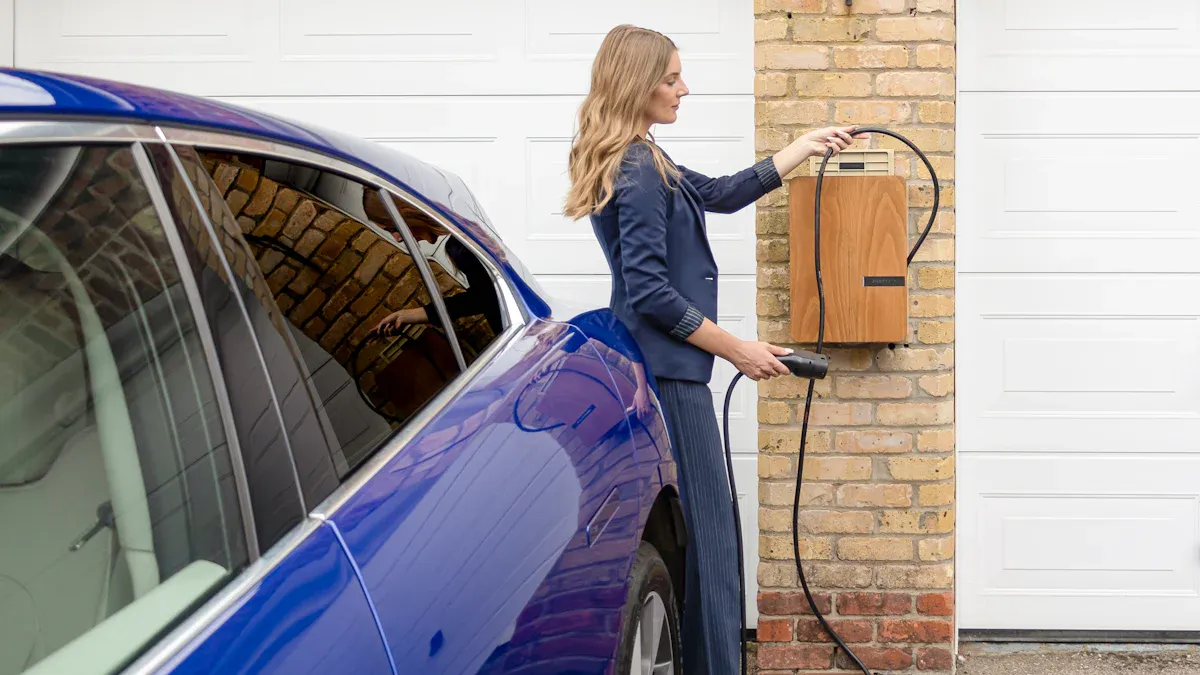
Beyond power ratings, the physical characteristics of a charger are fundamental to its daily usability. New owners often make mistakes by neglecting practical details like the connector plug and cable length. These elements directly impact convenience, safety, and the overall charging experience.
Confirming the Right Connector for Your EV
The Type 2 Connector: Argentina’s Standard
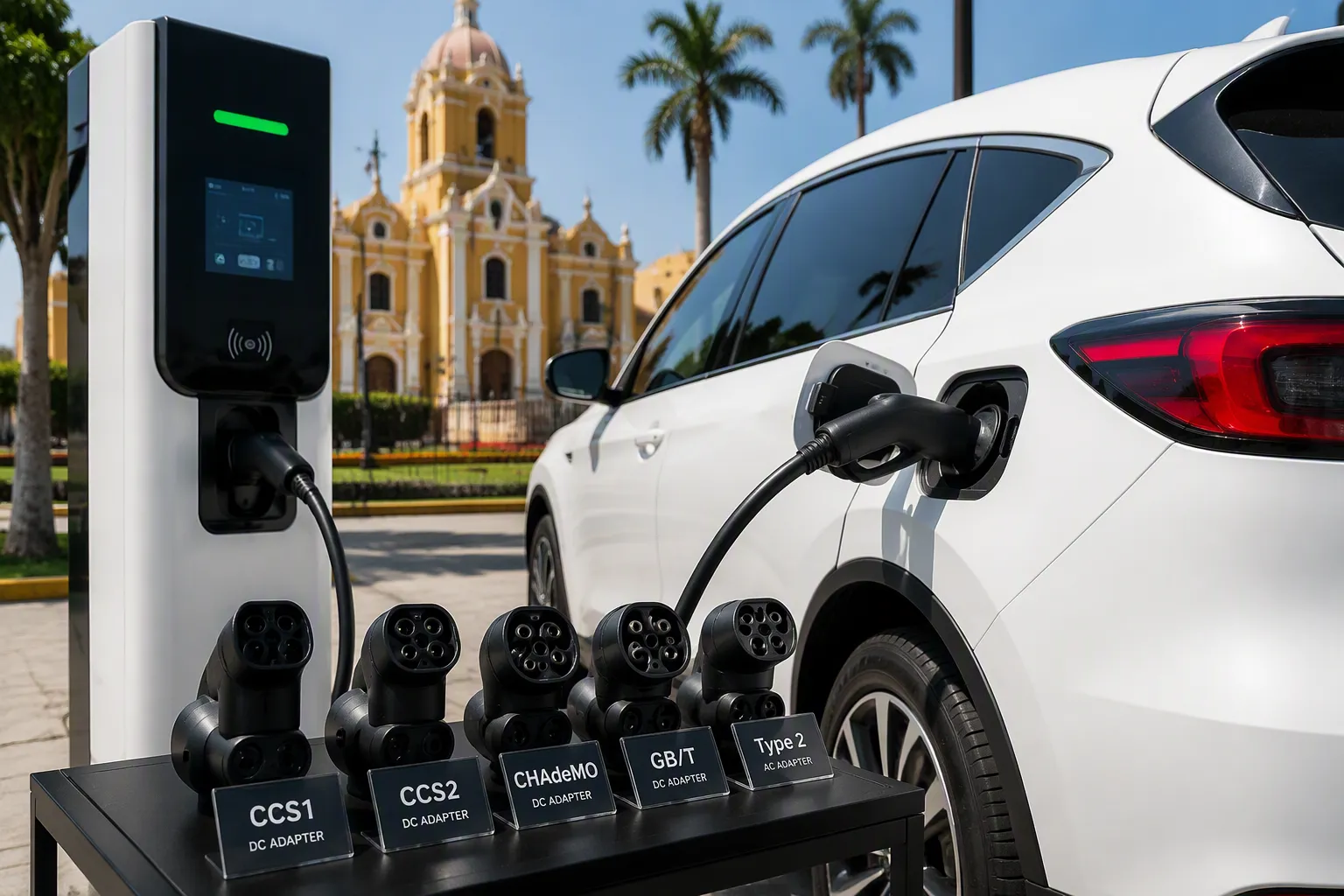
The Argentinian market has largely standardized on the Type 2 connector, also known as the “Mennekes” plug, for AC charging. Most new electric vehicles sold locally and the public charging infrastructure use this connector. Selecting a charger with a Type 2 plug ensures broad compatibility.
Where to Check Your Vehicle’s Charging Port
An owner can confirm their vehicle’s connector type by inspecting the charging port on the car itself. The owner’s manual also provides definitive information. Verifying this detail before purchase prevents the frustrating scenario of receiving an incompatible charger.
Adapters as a Temporary Fix, Not a Permanent Solution
While adapters exist to connect different plug types, they should be considered a temporary or emergency solution. Relying on an adapter for daily charging adds another point of potential failure, can sometimes limit charging speed, and introduces unnecessary complexity to a simple routine.
Choosing an Appropriate Cable Length
How to Measure Your Garage or Parking Space
Owners should measure the distance from the proposed charger mounting location to the vehicle’s charging port. It is wise to add an extra meter or two to this measurement to provide slack and prevent tension on the cable and connector.
Planning for Different Parking Scenarios
A vehicle may not always be parked in the exact same position. An owner should consider scenarios where they might need to park further away or back into the space instead of pulling in forward. Planning for these variations helps avoid issues stemming from poor charger placement and ensures the cable can always reach.
As desvantagens de um cabo demasiado comprido
While a short cable is problematic, an overly long one creates its own challenges. It can become a tripping hazard, is more difficult to manage, and may be more susceptible to damage from being run over or tangled. A tidy, well-managed cable is safer and lasts longer.
Tethered vs. Untethered Chargers: A Key Decision
The Grab-and-Go Convenience of Tethered Chargers
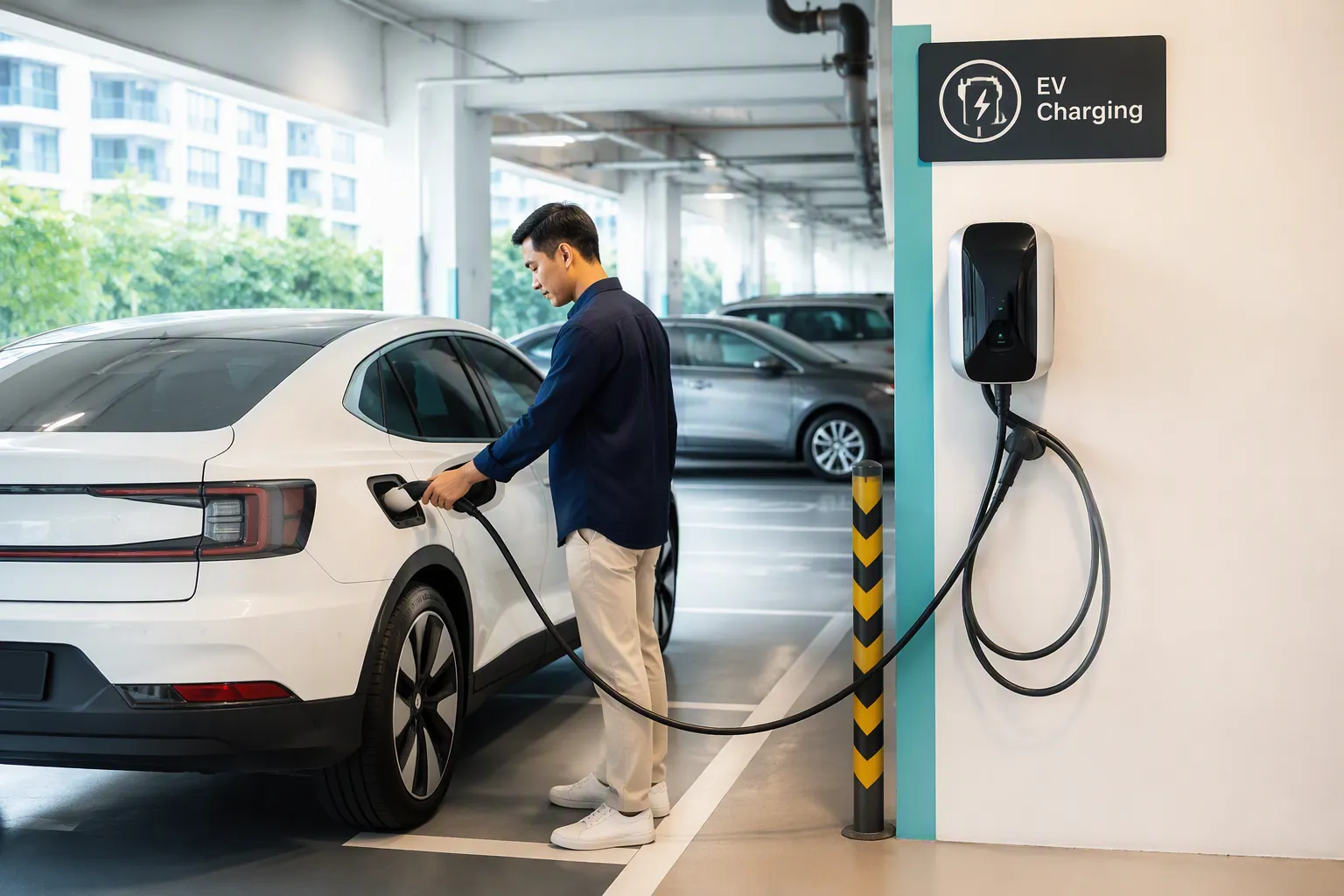
A tethered charger has a permanently attached cable. This design offers maximum convenience, as the owner simply grabs the plug and connects it to their ev. There is no need to retrieve a separate cable from the trunk, making it a seamless process.
Key Advantage: The primary benefit of a tethered charger is its ease of use. The high-quality, built-in cable means an owner never has to worry about forgetting or misplacing it.
The Flexibility and Aesthetics of Untethered Chargers
Untethered chargers feature a socket where the owner plugs in a separate cable. This provides a cleaner, more minimalist look on the wall when not in use. It also offers flexibility, allowing the owner to use cables of different lengths or replace a damaged cable without servicing the entire charger unit.
Considering Durability and Security
Durability often depends more on the manufacturer’s quality than the charger type. A high-quality tethered cable is built to withstand weather and daily use. With untethered chargers, the cable’s durability depends on the one the user purchases. However, a significant security drawback for untethered models is the higher risk of cable theft, as the cable is easily removable. The permanently attached cable on a tethered unit is a strong deterrent against theft.
Mistake 4: Neglecting Smart Features for Cost Management
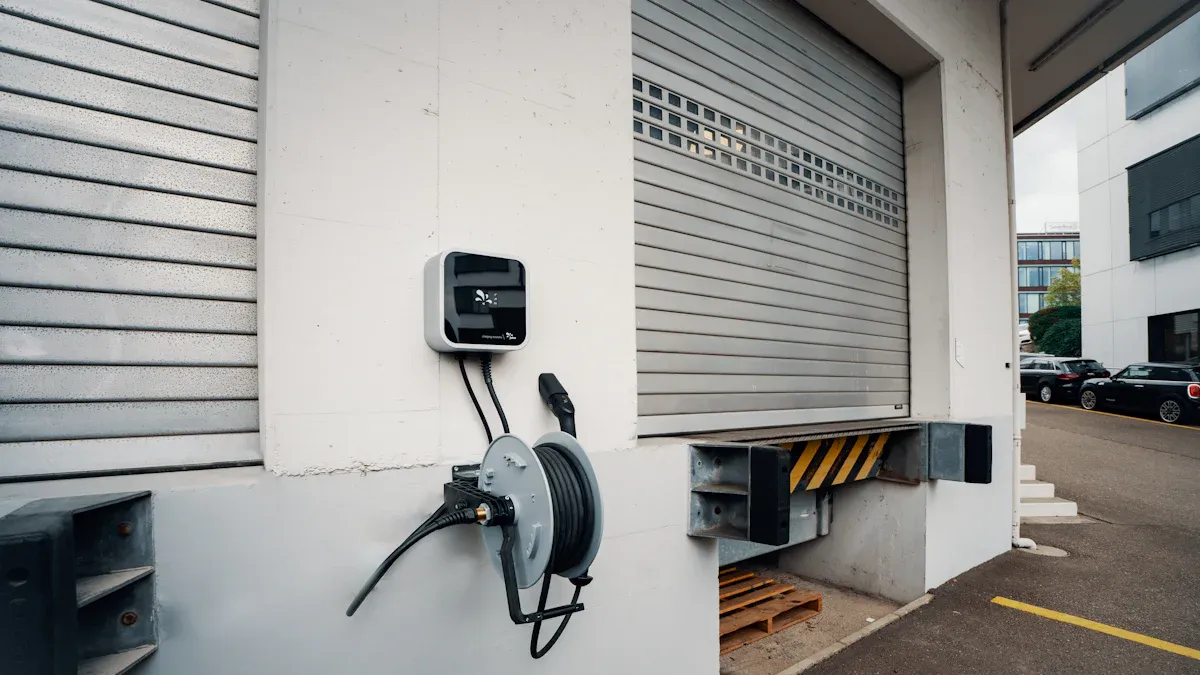
A critical error new owners make is treating smart features as optional luxuries rather than essential cost-management tools. In a market with fluctuating energy prices, a “dumb” charger that simply powers on and off is a missed opportunity. Intelligent charging is fundamental to minimizing the running costs of an electric vehicle.
Understanding “Carga Inteligente” (Smart Charging)
The Role of Wi-Fi and App Connectivity
Smart chargers connect to a home’s Wi-Fi network. This connection allows the charger to communicate with a smartphone app. The app becomes the central command center, giving the owner remote control over all charging functions. Owners can start, stop, and monitor charging sessions from anywhere.
How Smart Chargers Optimize Energy Use
These chargers use software to make intelligent decisions. They can access dados em tempo real, including grid demand and electricity prices. The system then automatically determines the most cost-effective times to charge the EV. This optimization ensures the vehicle is ready when needed while consuming the cheapest possible energy.
Avoiding Common Mistakes in Smart Feature Selection
One of the most common mistakes is choosing a charger with a poorly designed app or limited features. Owners should look for a user-friendly interface and robust functionality. Key features to prioritize include:
- Reliable scheduling options
- Detailed energy consumption reports
- Real-time charging status updates
Using Scheduling to Lower Your Electricity Bill
How to Leverage Off-Peak Rates from Edenor/Edesur
Utility providers like Edenor and Edesur often offer lower electricity rates during off-peak hours, typically late at night. A smart charger allows an owner to schedule charging sessions to begin only when these cheaper rates are active. This simple action directly reduces the cost of every charge.
Setting and Forgetting Your Charging Schedule
The convenience of smart scheduling is a major benefit. An owner can use the app to create a recurring schedule based on their daily routine and local off-peak hours. Once set, the charger automatically manages the process. The car will charge at the cheapest time without any further daily input.
Cálculo da sua poupança anual potencial
Owners can estimate their savings by comparing their utility’s peak and off-peak rates. Multiplying the price difference by the total kWh consumed for charging over a year reveals a significant potential reduction in household electricity expenses.
The Value of Energy Monitoring and Reporting
Tracking Your EV’s Exact Energy Consumption
Smart chargers provide detailed reports on energy usage. These reports show exactly how many kilowatt-hours the vehicle consumed during each session. This data separates the EV’s energy cost from the rest of the home’s electricity bill, offering clear insight into the vehicle’s operating expense.
Using Data to Adjust Your Driving and Charging Habits
EV charging data helps owners become more efficient. By seeing the energy cost of each trip, drivers can make adjustments. Smart platforms can even provide predictive suggestions, encouraging charging when renewable energy is abundant or costs are lowest. This information empowers drivers to align their habits with maximum savings.
Integrating with Solar Panels (Fotovoltaicos)
Advanced Strategy: Para homes with solar panels (
fotovoltaicos), smart chargers are transformative. The system can be configured to use only the free, green energy generated by the panels. The charger’s software monitors solar output and directs surplus power to the vehicle, effectively providing a zero-cost charge.
Mistake 5: Common Mistakes in Choosing a Charger Without Local Support
One of the most critical common mistakes an EV owner can make is sourcing a charger from outside Argentina. The initial appeal of a lower price on an international website quickly disappears when faced with regulatory hurdles, hidden costs, and a complete lack of local support. This approach introduces significant risks to both safety and finances.
The Pitfalls of Importing a Charger Yourself
The “Homologación” (Certification) Requirement
Argentina mandates that all electronic equipment, including EV chargers, undergo a certification process known as “homologación.” This ensures the product meets national electrical safety standards. An imported charger will likely lack this certification, making its use technically illegal and potentially unsafe. The government is clear on this requirement.
According to DISPOSICIÓN 100/2023, Todos os carregadores de veículos elétricos comercializados na Argentina devem cumprir os requisitos essenciais de segurança elétrica. Eles devem possuir a certificação de segurança elétrica correspondente, emitida por um Organismo de Certificação reconhecido, conforme estabelecido pela Secretaria de Comércio.
Custos Ocultos: Alfândega, Impostos e Frete
O preço de etiqueta de um carregador importado é apenas o começo. Os proprietários devem considerar as taxas de frete internacional, os direitos alfandegários e o Imposto sobre o Valor Agregado (IVA). Essas despesas adicionais podem aumentar o custo final em 50% ou mais, frequentemente tornando a unidade importada mais cara do que uma adquirida localmente. O complexo processo alfandegário também pode causar atrasos significativos.
A Realidade de uma Garantia Internacional Anulada
As garantias internacionais raramente são honradas na Argentina. Se um carregador importado apresentar defeito, o proprietário não tem um recurso prático. Não é fácil enviá-lo de volta para reparos e não há uma equipe local para prestar serviço. O proprietário fica com um dispositivo inútil e arca com o custo total de uma substituição.
Os Benefícios de Escolher um Carregador Nível 2 de um Distribuidor Local
Garantindo a Segurança e Certificação do Produto
Distribuidores locais de boa reputação garantem que seus produtos estejam totalmente certificados para o mercado argentino. Provedores tecnologicamente avançados, como a TPSON, trabalham através de canais locais para garantir que seus carregadores atendam a todos os padrões de “homologação”. Este é o primeiro passo para escolher um carregador nível 2 que seja seguro e conforme. Uma instalação adequada depende de um produto certificado.
Acesso a uma Rede de Instaladores Certificados
Os distribuidores locais mantêm redes de eletricistas especificamente treinados em seus produtos. Isso garante uma instalação correta e segura. Um instalador especializado compreende os requisitos do produto e os códigos elétricos locais, garantindo um processo tranquilo desde a compra até a primeira carga.
Suporte Técnico Confiável no Local
Ao escolher um carregador nível 2 de uma fonte local, os proprietários ganham acesso a suporte técnico no local. Se surgir um problema após a instalação, um técnico pode visitar a propriedade para diagnosticar e resolver o problema. Essa tranquilidade é inestimável e completamente ausente nas unidades autoimportadas.
Como Verificar a Garantia e o Serviço na Argentina
O que Procurar nos Termos da Garantia
Os proprietários devem revisar cuidadosamente o certificado de garantia antes da compra. Detalhes importantes a confirmar incluem:
- A duração da garantia (ex.: 12, 24 meses).
- O que está coberto (peças, mão de obra).
- Quaisquer condições que possam anular a garantia.
Confirmando a Disponibilidade de uma Equipe de Serviço Local
Um proprietário deve perguntar diretamente ao distribuidor: “Quem presta serviço para esta unidade na Argentina?” e “Onde sua equipe de serviço está localizada?” Um distribuidor local legítimo terá respostas claras e fornecerá informações de contato de sua rede de suporte. Essa confirmação é vital ao escolher um carregador nível 2.
Perguntando sobre Peças de Reposição e Tempo de Reparo
Uma garantia só é útil se os reparos puderem ser feitos rapidamente. Os proprietários devem indagar sobre a disponibilidade de peças de reposição na Argentina. Um distribuidor com estoque local de componentes pode realizar reparos muito mais rápido do que aquele que precisa importar peças para cada solicitação de serviço, minimizando o tempo de inatividade após a instalação inicial.
Escolher um carregador nível 2 envolve equilibrar as necessidades diárias do veículo elétrico, a capacidade da residência e os recursos inteligentes. Os proprietários evitam erros comuns avaliando primeiro seu sistema elétrico, prevenindo gastos excessivos com velocidade desnecessária. Priorizar produtos certificados com suporte local é essencial.
Recomendação Final: Os proprietários devem consultar um eletricista certificado. Este especialista garante uma instalação segura, um instalação correta, e uma instalação final conforme, assegurando uma instalação geral bem-sucedida.
FAQ
Um proprietário pode instalar um carregador mais potente que 7,4kW em casa?
A maioria das residências argentinas utiliza um sistema monofásico. Este sistema praticamente limita as instalações residenciais a 7,4kW. Um carregador mais potente normalmente requer uma atualização complexa e custosa para um serviço trifásico, que é incomum na maioria das casas.
O que é “potência contratada” e por que é importante?
“Potência contratada” é a potência máxima que uma residência pode consumir da rede, listada na conta de luz. Um proprietário deve garantir que esta capacidade possa suportar o carregador de veículo elétrico mais outros aparelhos. Exceder este limite causará interrupções frequentes de energia e possíveis problemas de segurança.
Qual é o conector padrão para carregadores de veículos elétricos na Argentina?
O conector Tipo 2, também conhecido como “Mennekes”, é o padrão estabelecido para carga CA na Argentina. A maioria dos novos veículos elétricos e estações de carregamento públicas utilizam este plugue. Os proprietários devem escolher um carregador com um conector Tipo 2 para garantir a compatibilidade com seu veículo.
Por que um eletricista certificado é essencial para a instalação?
Um eletricista certificado garante uma instalação segura e conforme. O profissional avalia o quadro elétrico (“tablero”) da residência, verifica se a fiação suporta a carga e instala um circuito dedicado. Esta etapa é inegociável para prevenir riscos de incêndio e garantir o funcionamento adequado do carregador.
Quais são os riscos de importar um carregador de outro país?
Importar um carregador apresenta riscos significativos.
- Ele pode não possuir a certificação de segurança necessária (“homologação”).
- Custos ocultos, como impostos e alfândega, podem dobrar o preço.
- As garantias internacionais normalmente não são válidas na Argentina, deixando o proprietário sem suporte.
Um carregador inteligente é realmente necessário?
Sim, um carregador inteligente é uma ferramenta crucial de gerenciamento de custos. Ele permite que os proprietários programem o carregamento durante os horários de menor consumo, quando a eletricidade é mais barata. Seus recursos de monitoramento de energia também fornecem dados claros sobre os custos operacionais do veículo, ajudando os proprietários a otimizar o uso e economizar dinheiro.
Um proprietário deve escolher um carregador com cabo fixo ou sem cabo fixo?
Esta escolha depende das prioridades do proprietário.
Com cabo fixo: Oferece conveniência de pegar-e-usar e melhor segurança contra roubo do cabo. Sem cabo fixo (apenas tomada): Proporciona uma aparência mais limpa e a flexibilidade de usar cabos de diferentes comprimentos.