Level 3 EV charging uses direct current to deliver a fast charge, making it the quickest method for charging your electric car. This technology supports electric vehicle charging at high power, reducing wait times at an Carregador EV. In Chile, reliable Soluções de carregamento de veículos eléctricos and networks from Fabricantes de carregadores para veículos eléctricos help drivers keep their electric vehicles ready for any trip. Fast charging benefits those who need quick energy boosts, especially when carregadores ev portáteis are not available.
How Level 3 Charging Works for EVs

Fast Charging Speed and Power
Typical Charging Times for Electric Cars
Level 3 charging offers a significant reduction in charging time compared to other methods. Most electric vehicle owners experience a full charge in under 30 minutes when using a carregamento rápido station. This rapid charging capability makes it ideal for drivers who need to continue their journey quickly. For example, a typical car can gain 100 to 200 miles of range in just 20 to 30 minutes. This speed supports long-distance travel and minimizes downtime during trips.
Power Output Explained for Level 3 Charging
Level 3 EV charging stations deliver high power directly to the battery. These chargers, often called DC fast chargers, provide power outputs ranging from 50kW to over 350kW. This high output enables ultra-rapid charging, which is essential for busy urban environments and highway corridors. The increased power means that drivers can spend less time at the charger and more time on the road.
Technology Behind Level 3 EV Charging
DC Fast Charging Basics
The technical process behind level 3 charging enables faster speeds by supplying high-voltage direct current (DC) directly to the vehicle’s battery. The system bypasses the onboard charger, which typically handles alternating current (AC) at lower speeds. Specialized power conversion units transform AC from the grid into high-voltage DC. Key components such as power factor correction systems and isolated DC-DC converters enhance both efficiency and charging speed.
How Level 3 Differs from AC Charging
The main difference between level 3 charging and lower levels lies in the type of current and the speed of energy delivery. Level 1 and Level 2 chargers use AC, which the vehicle must convert to DC before storing it in the battery. Level 3 charging skips this step, sending DC power straight to the battery. The table below highlights the differences:
| Nível de carga | Potência de saída | Velocidade de carregamento | Tipo de corrente |
|---|---|---|---|
| Nível 1 | 1.4 kW | 8-12 horas | AC |
| Nível 2 | 3.7-22 kW | 4-8 horas | AC |
| Level 3 (DC Fast Charging) | 30-360 kW | Under 20 minutes | DC |
Level 3 vs. Level 1 and Level 2 Charging
Key Differences in Charging Speed
Level 1 charging adds 3-5 miles of range per hour, making it suitable for overnight charging at home. Level 2 increases the speed, adding 20-60 miles per hour, which works well for daily use. Carregamento de nível 3 stands out by adding 100-200+ miles in just 20-30 minutes. This makes it the preferred choice for rapid charging during long trips or when time is limited.
When to Use Each Charging Level
Drivers should use level 1 charging for overnight sessions at home. Level 2 fits daily charging needs at home or public locations. Level 3 charging, including ultra-rapid charging, serves best for quick top-ups during road trips or when a fast turnaround is necessary. This flexibility ensures that every EV owner can find a suitable charging solution for any situation.
Finding Level 3 Charging Stations in Chile
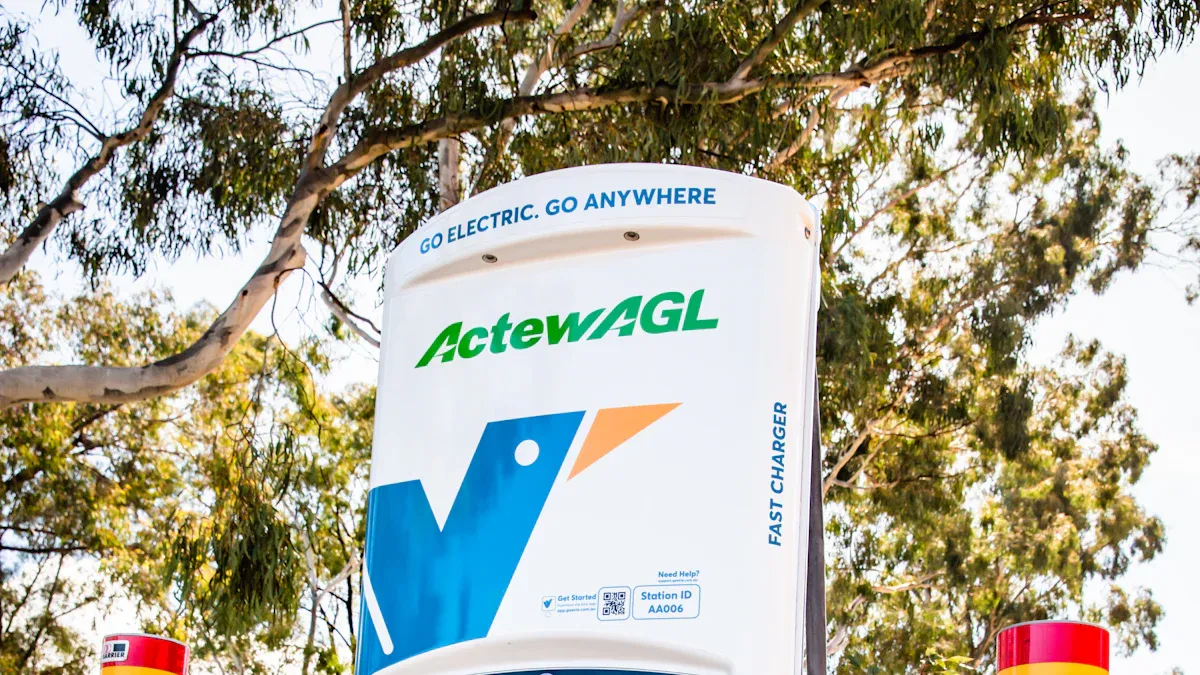
Public Fast Charging Networks
Major Providers of Level 3 Charging in Chile
Chile’s public EV charging infrastructure continues to expand, with several networks offering reliable access to level 3 charging stations. Copec’s Electrostation in Santiago stands out as a leading example. The station operates six DC fast chargers, delivering power levels of 180 kW, 120 kW, and 50 kW. These chargers support both CCS and CHAdeMO connectors, ensuring compatibility with most electric vehicles. Copec Voltex, the subsidiary responsible for this network, has played a pivotal role in promoting electromobility in Chile since 2012. TPSON also contributes advanced solutions for EV charging, supporting the growth of pontos de carregamento públicos across the country.
Urban and Rural Coverage for EV Charging
Urban areas such as Santiago, Valparaíso, and Concepción feature a higher concentration of charging stations. Drivers in these cities can access multiple charging points within short distances, making daily EV use convenient. Rural regions have fewer public charging options, but the network continues to grow. Expansion projects aim to connect major highways and remote communities, improving access for long-distance travelers. Reliable public EV charging remains a priority for both government and private sector initiatives.
Using Apps and Maps for Charging Your Electric Car
Recommended Apps for Level 3 Charging in Chile
Mobile apps help drivers locate charging stations quickly. Waze has improved its listings for EV users in Chile by leveraging its community of drivers. The app now provides real-time updates, ensuring that information about charging points remains accurate and current. This initiative addresses previous issues with outdated or inconsistent data, making Waze a valuable tool for those seeking public charging locations. Other popular apps include PlugShare and Electromaps, which offer user reviews and station details.
How to Search for Fast Charging Stations
Drivers searching for how to find public EV charging stations can use these apps to filter results by charging speed, connector type, and availability. Most apps display charging points on a map, allowing users to plan stops along their route. Some platforms also provide information about station amenities, payment methods, and real-time charger status. This approach simplifies the process of finding suitable charging stations, especially during busy travel periods.
Planning Your Route with Level 3 Charging
Long-Distance Travel Tips for EV Owners
Long-distance travel with an EV requires careful planning. Drivers should identify charging stations along their route before departure. It helps to check the power output and connector compatibility at each stop. Carrying a backup charging solution, such as a portable charger, adds peace of mind for journeys through less populated areas.
Charging Availability and Peak Times
Charging stations may experience high demand during weekends and holidays. Arriving early or scheduling charging sessions during off-peak hours can reduce wait times. Monitoring real-time availability through apps ensures efficient use of public charging infrastructure. These strategies help drivers maintain flexibility and confidence on the road.
Charging Your Electric Car at a Level 3 Charger
Step-by-Step Guide to Fast Charging
Arriving at the Level 3 Charging Station
Drivers should approach the station with their vehicle and park in the designated spot. Most charging stations display clear instructions and safety guidelines. Before starting, they should check that the charging point is available and that the connector matches their vehicle. A quick inspection of the charging cable and socket helps prevent issues during the session.
Connecting Your EV to the Charger
To connect the EV, drivers must select the correct connector for their car. They should handle the cable carefully and ensure a secure fit. Following safety protocols improves the charging experience and protects the equipment.
- Utilizar um dedicated 16A-rated socket and a high-quality EV charging cable with adjustable loads.
- Avoid exceeding 8A during overnight charging to prevent overheating.
- Inspect sockets and cables regularly for heat damage and replace any worn parts immediately.
- Keep the load at a maximum of 6A for safe overnight charging.
- Install a dedicated 3-pin socket rated for 13A loads, even when using lower settings.
- Check the tightness of fuse clips in the plug every six months or if the plug feels warm.
Starting the Fast Charging Session
After connecting, drivers can start the fast charging session by following the prompts on the station’s display or mobile app. Some stations require authentication through a card or app before charging begins. The system will confirm a secure connection and initiate the flow of electricity to the vehicle’s battery.
Acompanhamento do progresso do carregamento
During fast charging, the station’s screen or the driver’s mobile app displays real-time data. This includes the current charging speed, battery percentage, and estimated time remaining. Drivers should stay nearby to monitor progress and respond to any alerts. Most fast charging stations provide clear notifications when the session nears completion.
Ending the Session and Disconnecting
When the battery reaches the desired charge level, drivers must end the session using the station interface or app. They should wait for confirmation before disconnecting the cable. After removing the connector, drivers should return it to its holder and check the area for personal items. This process ensures the next user finds the charging point ready and safe.
Types of Connectors for Level 3 EV Charging
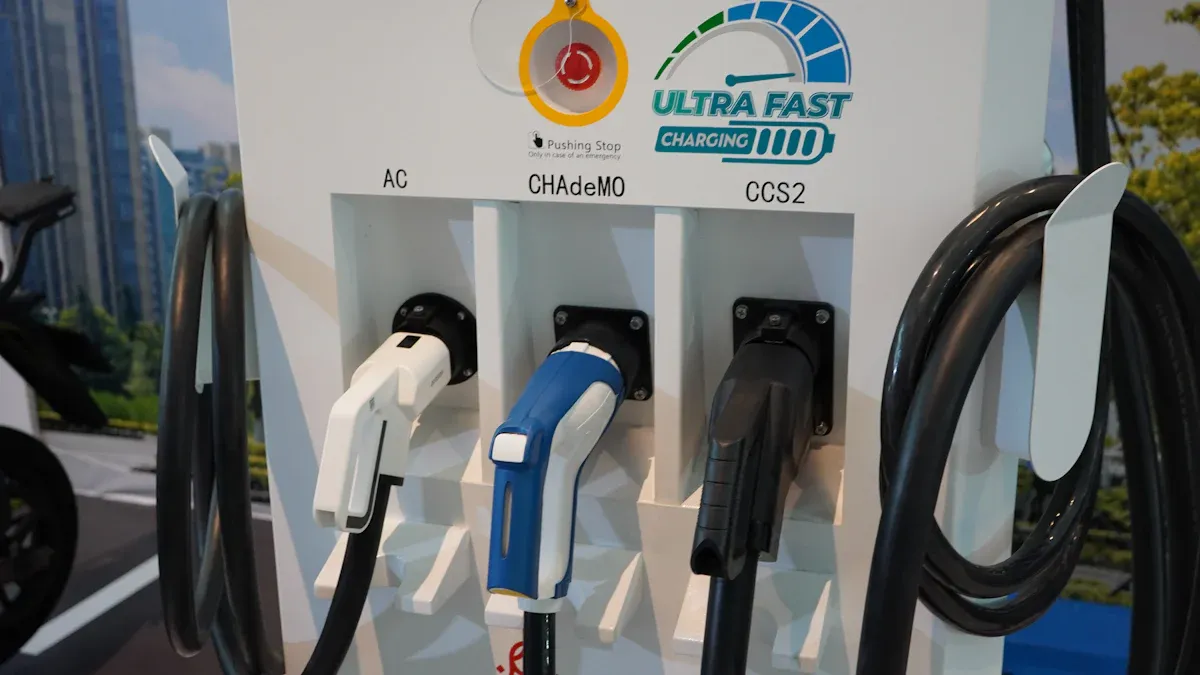
Connector compatibility plays a crucial role in how to charge an EV at a level 3 charging station. Different vehicles require specific connectors, and not all charging stations support every type. The table below summarizes the main connector types found at fast charging points:
| Tipo de conetor | Descrição |
|---|---|
| CCS (Sistema de carregamento combinado) | Standard across Europe and North America |
| CHAdeMO | Common in Japanese vehicles like older Nissan Leaf models |
| Supercharger da Tesla | Proprietary system for Tesla vehicles |
Conectores CHAdeMO
CHAdeMO connectors serve many Japanese electric vehicles, such as early Nissan Leaf models. These connectors support rapid charging and are available at several public charging stations in Chile. Drivers should confirm compatibility before starting a session.
CCS Combo Connectors
CCS Combo connectors have become the standard for most new EVs in Europe and North America. Many fast charging stations in Chile offer CCS, making it easier for drivers to find compatible charging points. This connector supports both AC and DC fast charging, providing flexibility for different charging needs.
Tesla Supercharger Connectors
Tesla Supercharger connectors work exclusively with Tesla vehicles. These stations deliver high-speed charging and are part of Tesla’s proprietary network. Some locations now offer adapters for non-Tesla vehicles, but drivers should verify access before planning a trip.
Payment Methods for Level 3 Charging
Paying for fast charging at public charging stations has become more convenient. Drivers can choose from several payment options, depending on the provider and location.
Credit/Debit Card Payments
Many level 3 charging stations accept credit or debit cards. Drivers can tap or insert their card at the payment terminal to start a session. This method offers a straightforward solution for those who do not use mobile apps or memberships.
Mobile Apps and RFID Cards
Mobile apps provide another popular way to pay for fast charging. Drivers can download the provider’s app, create an account, and link a payment method. Some networks also issue RFID cards, which users tap on the station to begin charging. These options streamline the process and allow for easy tracking of charging history.
Membership and Subscription Options
Some charging networks offer membership or subscription plans. Members may receive discounted rates, priority access, or special features. Subscriptions can benefit frequent users who rely on public charging points for daily travel. Drivers should compare plans to find the best fit for their needs.
Sugestão:
Setting up payment methods in advance saves time and ensures a smooth experience at the station.
What to Expect During Fast Charging
Charging Station Amenities for EV Owners
Fast charging stations in Chile offer a range of amenities that enhance the experience for electric vehicle owners. Many stations provide covered parking spaces, which protect cars from harsh weather. Drivers often find restrooms, vending machines, and seating areas nearby. Some locations feature Wi-Fi access, allowing users to stay connected while charging their EV. Charging networks sometimes install convenience stores or cafes next to the station. These facilities give drivers a place to relax during a fast charging session.
A typical fast charging station may include:
- Restrooms: Clean and accessible for all users.
- Seating Areas: Comfortable spots for waiting during rapid charging.
- Wi-Fi: Free internet access for checking emails or browsing.
- Vending Machines: Snacks and drinks for quick refreshment.
- Lighting: Bright and secure environments for evening charging.
Nota: Amenities vary by location. Urban stations usually offer more features than rural sites.
Some stations also provide information screens that display local maps, weather updates, and charging progress. Drivers can monitor their session and plan their next stop. Charging your EV becomes easier when amenities support both comfort and convenience.
Safety Tips for Level 3 Charging
Safety remains a top priority during fast charging. Drivers must follow guidelines to protect themselves, their electric vehicle, and the station equipment. Level 3 EV charging uses high-voltage direct current, which requires careful handling.
Key safety tips for fast charging include:
- Inspect Equipment: Check cables and connectors for visible damage before starting a session.
- Follow Instructions: Read station signage and follow prompts on the screen.
- Stay Nearby: Remain close to your car during rapid charging. Respond quickly to alerts or interruptions.
- Avoid Wet Conditions: Do not charge your EV if the station area is wet or flooded.
- Ligações seguras: Ensure the connector fits tightly into the vehicle’s charging port.
- Monitor Progress: Use the station display or app to track charging status.
- End Session Properly: Wait for confirmation before disconnecting the cable.
⚠️ Sugestão: Never touch exposed wires or attempt repairs. Contact station staff or the charging network for help.
Charging your EV at a fast charging station should feel safe and straightforward. Drivers who follow these steps reduce risks and enjoy efficient charging. Level 3 charging delivers rapid charging speeds, but safety practices ensure every session ends smoothly.
Costs and Factors Affecting Level 3 Charging Speed
Typical Pricing Models for Fast Charging
Level 3 charging stations in Chile use several pricing models. These models help drivers understand the cost of using public charging points and plan their expenses.
Per kWh vs. Per Minute Pricing
Many charging stations charge drivers based on the amount of energy delivered, measured in kilowatt-hours (kWh). This model allows users to pay for the exact energy their EV receives. Some providers use a per-minute pricing structure. In this case, the cost depends on how long the car remains connected to the charger. Per kWh pricing often benefits those with vehicles that charge quickly, while per-minute rates may suit drivers who need only a short boost.
Taxas fixas e planos de subscrição
Some networks offer flat fees for each charging session. This approach provides predictable costs, especially for those who use fast charging regularly. Subscription plans are also available. These plans allow drivers to pay a monthly fee for access to discounted rates or unlimited charging at certain locations. Subscriptions can lead to significant savings for frequent users. Drivers should compare options to find the best fit for their charging habits and travel needs.
Sugestão: Reviewing the pricing details before starting a session helps avoid unexpected costs and maximizes savings.
Factors Affecting Fast Charging Speed
Several factors influence how quickly an EV charges at a level 3 station. Understanding these factors helps drivers optimize their charging experience and reduce waiting times.
Battery State of Charge
The battery’s state of charge (SoC) plays a major role in charging speed. Drivers notice that a nearly empty battery takes more time to charge. As the battery approaches full capacity, the charging rate slows down. Charging from 80% to 100% can take much longer than charging from 20% to 80%. Many drivers choose to stop charging at around 80% to save time and improve efficiency.
- A nearly empty battery requires more time to charge.
- Fast chargers slow down as the battery nears full capacity.
- Charging from 80% to 100% takes longer than charging from 20% to 80%.
- Many drivers prefer to charge to about 80% for quicker charging.
Weather and Temperature Effects
Weather conditions and temperature also affect charging speed. Cold temperatures can slow down the chemical reactions inside the battery, reducing the rate of energy transfer. Hot weather may cause the vehicle’s thermal management system to limit charging speed to protect the battery. Drivers should expect slower charging during extreme weather and plan accordingly.
Vehicle Limitations for Level 3 Charging
Each electric vehicle has a maximum charging rate set by the manufacturer. Some cars cannot accept the highest power offered by dc fast charging stations. The vehicle’s onboard systems manage the charging process to ensure safety and battery health. Drivers should check their owner’s manual or manufacturer’s website to learn about their car’s charging capabilities.
Nota: Not all EVs can use every level 3 charger. Always confirm compatibility before starting a session.
EV Compatibility with Level 3 Charging
How to Check If Your EV Supports Level 3 Charging
Checking Your Owner’s Manual for Fast Charging
Owners can determine if their vehicle supports level 3 charging by consulting the owner’s manual. The manual provides details about charging capabilities, including supported charging levels and connector types. Manufacturers often include a section that explains fast charging options and any limitations. Drivers should look for information about DC fast charging or rapid charging. If the manual lists level 3 charging or DC fast charging, the vehicle likely supports these stations.
Manufacturer Websites and Support for EVs
Manufacturer websites offer additional resources for verifying compatibility. These sites display technical specifications, charging standards, and connector types for each model. Many brands provide online support tools or FAQs that address charging questions. Drivers can contact customer service for clarification if the information is unclear. Manufacturer support teams answer questions about charging speed, connector compatibility, and recommended charging practices.
Connector Compatibility for Charging Your Electric Car
Matching Your EV to the Right Level 3 Plug
Connector compatibility ensures a successful charging session. Most level 3 charging stations in Chile feature CCS Combo or CHAdeMO connectors. Owners must identify which connector their vehicle uses. The owner’s manual and manufacturer website list the supported plug types. Drivers should check the charging port on their vehicle and compare it to the station’s available connectors. Using the correct plug prevents charging errors and maximizes efficiency.
| Modelo EV | Tipo de conetor | Level 3 Support |
|---|---|---|
| Nissan Leaf | CHAdeMO | Sim |
| Hyundai Kona | Combo CCS | Sim |
| Tesla Modelo 3 | Tesla/CCS | Yes (with adapter) |
Adapters and Limitations for Fast Charging
Some vehicles require adapters to use certain level 3 chargers. Tesla owners in Chile may need a CCS adapter to access public fast charging stations. Not all adapters support the highest charging speeds. Drivers should verify that the adapter matches both the vehicle and the station. Limitations may include reduced charging rates or incompatibility with specific stations. Owners must review adapter specifications and consult manufacturer guidance before use.
⚠️ Sugestão: Always confirm adapter compatibility and charging speed before starting a session.
What If My EV Isn’t Compatible with Level 3 Charging?
Alternative Charging Options for Electric Cars
If a vehicle does not support level 3 charging, owners can use level 1 or level 2 chargers. Level 1 charging works with standard household outlets and suits overnight charging. Level 2 chargers provide faster speeds and are available at many public locations. Some portable chargers offer flexibility for drivers who travel frequently. Owners should plan routes with available charging points and consider installing a level 2 charger at home for convenience.
Nota: Compatibility with level 3 charging enhances travel flexibility, but alternative options ensure reliable charging for all EV models.
Tips for First-Time Level 3 Charging Users
Preparing for Your First Fast Charge
What to Bring for Level 3 Charging
Drivers should prepare before visiting charging stations for level 3 charging. They need to carry their charging cable if their car requires one. Many public charging points provide cables, but some vehicles need a specific connector. Bringing an RFID card or a smartphone with the provider’s app helps start the fast charging session. A payment card is also essential for stations that do not accept mobile payments. Drivers should pack a portable phone charger, as waiting during charging can drain device batteries. A notebook with emergency contacts and a list of nearby public charging stations adds peace of mind.
Sugestão: Carrying a small cleaning cloth helps keep connectors free of dust and debris, ensuring a reliable connection during fast charging.
Setting Up Accounts in Advance
Setting up accounts with public charging networks before the first visit saves time. Drivers should download the main apps used for fast charging in Chile. Registering payment information and verifying account details ensures a smooth experience at charging stations. Some networks require account activation before use. Drivers can test the app at home to learn how to charge an ev and locate available stations. This preparation reduces stress and speeds up the process of charging your ev.
Maximizing Charging Efficiency for EVs
Charging Etiquette at Level 3 Stations
Good etiquette at public charging stations improves the experience for everyone. Drivers should move their car as soon as fast charging finishes. They should avoid occupying a charging spot longer than necessary. Sharing information with other users about charging status helps maintain a positive environment. Drivers should keep the area clean and return cables to their holders after charging. Respecting the queue at busy stations supports fair access to fast charging for all.
Avoiding Common Mistakes with Fast Charging
Many first-time users make mistakes during fast charging. They may forget to check connector compatibility or skip reading station instructions. Drivers should always inspect equipment before starting. They must confirm that the charging station supports their vehicle’s connector type. Monitoring the charging session prevents overcharging and reduces wait times for others. Drivers should avoid leaving their car unattended for long periods during charging. These habits help maximize the benefits of level 3 charging and support efficient public ev charging.
Troubleshooting Common Level 3 Charging Issues
What to Do If Charging Fails
Charging may fail due to equipment faults, payment issues, or connector problems. Drivers should first check the station display for error messages. Reconnecting the cable or restarting the session often resolves minor issues. If the problem persists, they should try another charging point at the station. Keeping a backup plan, such as knowing the location of nearby public charging stations, ensures continued travel.
Who to Contact for Help with Level 3 Charging
When fast charging problems occur, drivers should contact the charging network’s support team. Most charging stations display a customer service number or QR code for quick access. Drivers can also use the provider’s app to report issues or request assistance. If the station belongs to a major public network, support teams usually respond quickly. Drivers should note the station ID and describe the issue clearly when seeking help. This approach ensures that electric vehicle owners receive prompt support and can resume their journey with minimal delay.
Level 3 ev charging delivers rapid energy for EV owners in Chile. Drivers gain access to fast charging, which reduces wait times and supports long trips. They monitor costs and discover savings through smart planning. New users benefit from checking connector compatibility and preparing payment methods. Trying fast charging builds confidence and ensures a reliable journey.
Tip: Review station amenities and safety guidelines before each session.
FAQ
What is the main benefit of Level 3 charging for EV owners in Chile?
Level 3 charging provides rapid energy delivery. Drivers can add significant range in under 30 minutes. This speed supports long-distance travel and reduces downtime during trips.
Can all electric vehicles use Level 3 charging stations?
Not all EVs support Level 3 charging. Owners should check the vehicle’s manual or manufacturer’s website for compatibility. Connector type and charging capability vary by model.
How can drivers find Level 3 charging stations while traveling?
Drivers use apps like PlugShare, Electromaps, or Waze. These apps show station locations, connector types, and real-time availability. Planning with these tools ensures a smooth journey.
Is Level 3 charging safe for the vehicle’s battery?
Manufacturers design EVs to handle Level 3 charging safely. The vehicle’s system manages charging speed to protect the battery. Frequent fast charging may slightly reduce long-term battery life.
What payment methods do most Level 3 stations accept?
Most stations accept credit or debit cards, mobile apps, or RFID cards. Some networks offer membership plans for discounts. Drivers should set up payment options before traveling.
Do Level 3 charging stations offer amenities for drivers?
Many stations provide restrooms, seating, Wi-Fi, and vending machines. Amenities vary by location. Urban stations usually offer more features than rural sites.
What should drivers do if a Level 3 charger does not work?
Drivers should check for error messages and try reconnecting. If issues persist, they can contact the station’s support team using the posted phone number or app.