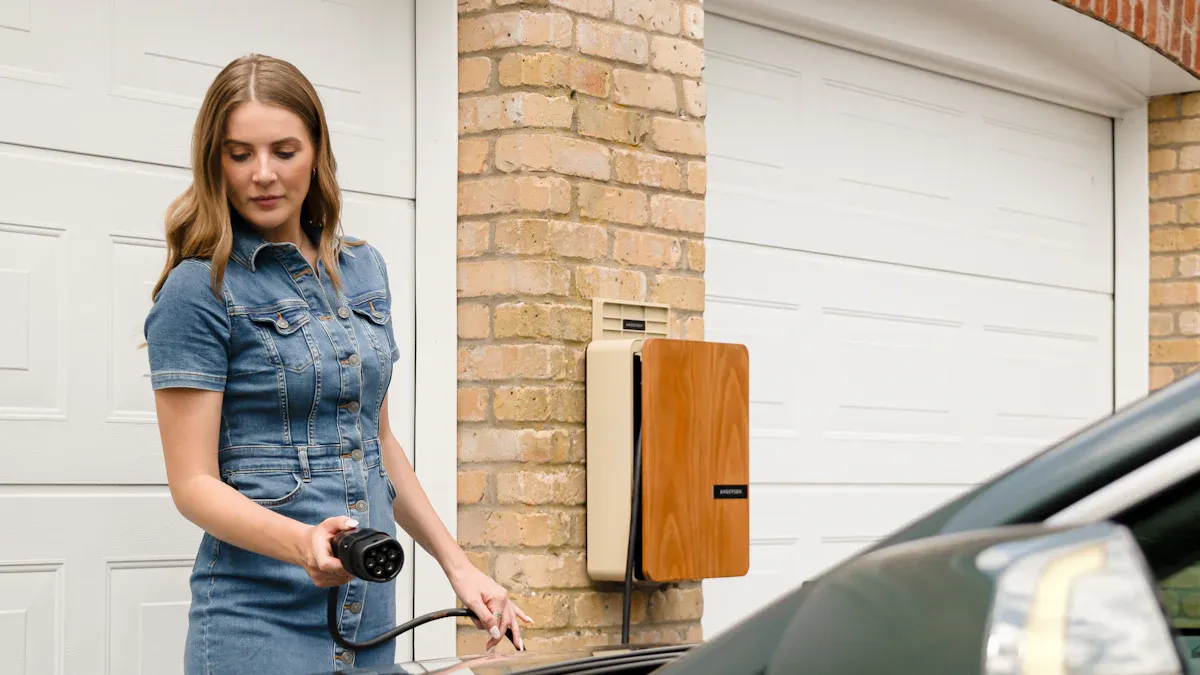
Instalação de uma casa Carregador de veículos eléctricos outdoors remains a safe and straightforward process when following best practices. Certified outdoor ev charger models from reputable Fabricantes de carregadores para veículos eléctricos withstand harsh weather and deliver reliable performance. Homeowners gain daily convenience with home ev chargers, charging their EV at home without hassle. Professional installation ensures proper compliance and safety, making outdoor EV Charger setups a practical solution for many households.
- Certified equipment protects against electrical hazards.
- Professional installers follow local codes for peace of mind.
Benefits of Home EV Chargers Outdoors
Convenience for Everyday Charging
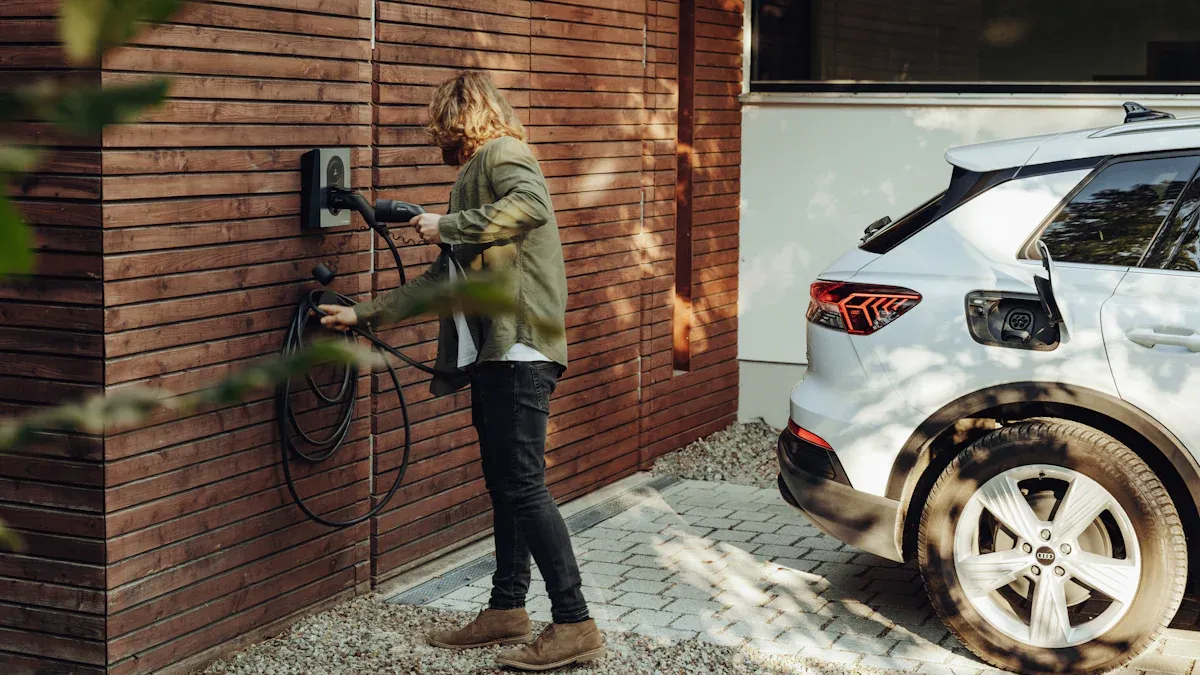
Outdoor EV charging transforms daily routines for electric vehicle owners. Drivers can park and plug in their EV without navigating tight garage spaces or dealing with tangled cords. Outdoor setups often place the charger closer to the parking spot, reducing the need for long cables and minimizing clutter. This arrangement streamlines the charging process, especially for families with multiple drivers or vehicles.
The following table highlights key differences between outdoor and indoor charging:
| Caraterística | Outdoor Charging | Indoor Charging |
|---|---|---|
| Proximity to Parking | Can be installed closer to parking spots | May require longer cords from garage |
| Acessibilidade | Easier access for multiple users | Limited to garage access |
| Conveniência | More flexible charging locations | Fixed location, less flexible |
Outdoor EV charger installations allow users to charge their vehicles at any time, regardless of garage access. This flexibility supports busy schedules and ensures the EV remains ready for daily use. Homeowners also avoid the inconvenience of moving other vehicles to access a charger inside the garage.
Flexible Placement for Any Home
Outdoor EV charger placement adapts to a wide range of home layouts. Not every property includes a garage, and some households rely on street or driveway parking. Outdoor installations provide solutions for these scenarios, ensuring that every EV owner can enjoy reliable charging at home.
- For homes without garages, mounting the charger on an exterior wall or pedestal offers convenient access for vehicles parked outside.
- In mixed parking situations, placing the charger near the garage wall but outdoors allows charging whether the EV is parked inside or outside.
This flexibility reduces installation costs by eliminating the need for extensive electrical work inside the home. Homeowners can select the most practical location based on their parking habits and property design.
No Garage Required
Many drivers hesitate to purchase an EV due to the misconception that a garage is necessary for home charging. Outdoor EV chargers eliminate this barrier. Residents of townhouses, duplexes, or homes with limited indoor space can still install a home EV charger and enjoy the benefits of charging at home.
Outdoor-rated chargers withstand weather and temperature extremes, providing safe and reliable service year-round. This capability expands EV adoption by making charging accessible to a broader range of households. Outdoor installations also help control costs by avoiding expensive garage renovations or upgrades.
Safety and Weatherproofing for Outdoor EV Charger Installation
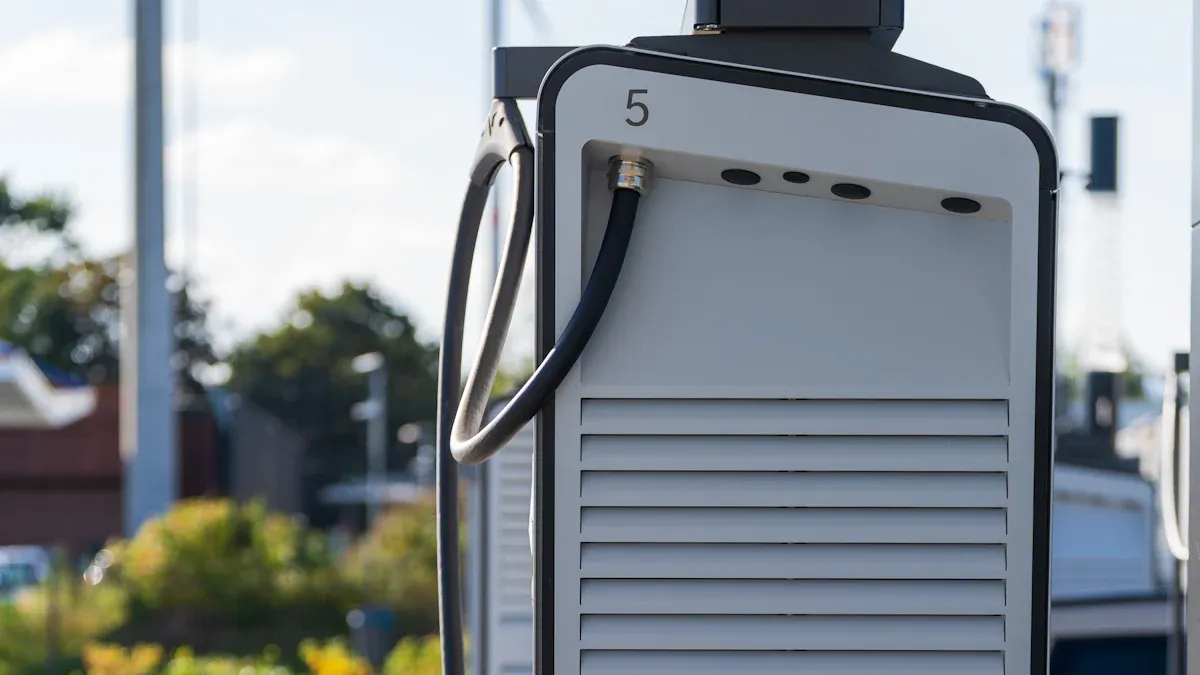
Outdoor EV charger installation requires careful attention to safety and weatherproofing. Selecting the right equipment and following best practices ensures reliable performance and protects both people and property.
Choosing a Weatherproof Home EV Charger
Selecting weatherproof chargers is essential for outdoor use. These chargers feature robust enclosures that shield sensitive electronics from rain, snow, and dust. Homeowners should always check for specific ratings and certifications before purchasing a home EV charger.
NEMA and IP Ratings Explained
Manufacturers use NEMA and IP ratings to indicate the level of protection an enclosure provides. These ratings help buyers compare products and choose the best option for their environment.
| Enclosure Type | Protection Features |
|---|---|
| Type 3R | Indoor and outdoor use, protection against falling dirt, rain, sleet, snow, and external ice formation |
| Type 4 | Protection against hose-directed water, suitable for areas with direct water contact |
| Type 4X | Highest level of protection, resists corrosion, suitable for harsh environments and coastal areas with salty air concerns |
A level 2 charger with a Type 4 or 4X enclosure offers superior weatherproofing for homes in regions with heavy rain or salt air. IP ratings, such as IP66, also indicate resistance to water and dust. Homeowners should match the rating to their local climate for optimal performance.
UL Certification Importance
Certifications like UL and ETL signal that a charger meets strict safety standards. These certifications guarantee that the product has passed rigorous testing for electrical safety and durability. The following table highlights key points about ETL certification, which is widely recognized in North America:
| Key Points about ETL Certification | Descrição |
|---|---|
| Garantia de segurança | Guarantees that EV chargers meet strict safety standards, reducing risks of electrical malfunctions and fire hazards. |
| Conformidade | Ensures compliance with North American safety regulations, simplifying installation and use. |
| Confiança dos consumidores | Builds consumer trust as products undergo rigorous testing and regular inspections. |
| Custo-eficácia | Provides reliable safety assurance without inflating prices compared to UL certification. |
| Adaptability | Adapts to evolving safety regulations, ensuring compliance with future standards. |
| Risk of Uncertified Chargers | Using uncertified chargers can lead to safety risks and potential legal liabilities. |
Tip: Always choose home EV chargers with UL or ETL certification for peace of mind and compliance with local building codes.
Professional Installation for Outdoor EV Chargers
Professional installation remains the safest approach for any outdoor EV charger project. Electricistas licenciados bring expertise and ensure that every step meets current safety standards.
Licensed Electricians Only
- Licensed electricians possess the training and insurance required for safe installation.
- They understand the complexities of outdoor wiring and can identify the best location for efficiency and safety.
- Their expertise helps prevent hazards and ensures the charger operates reliably.
Licenças e códigos locais
- Electricians handle all necessary permits and ensure the installation complies with local building codes.
- They verify that wiring, circuit breakers, and grounding meet the latest requirements.
- Proper documentation protects homeowners from legal issues and supports warranty claims.
Note: Skipping permits or ignoring codes can result in fines, insurance problems, or unsafe conditions.
Electrical Safety and Grounding
Electrical safety is critical for every outdoor EV installation. Proper grounding and fault protection prevent shocks, fires, and equipment damage.
- Improper grounding can cause electrical shocks or fires.
- Chargers with built-in ground fault protection or a ground fault circuit interrupter (GFCI) add an extra layer of safety.
- Fire hazards increase if the charger is not grounded correctly, especially since fires can spread to the EV battery.
- Electrocution risks decrease when charging cords stay off the ground and away from children.
- Proper grounding of the 240V circuit redirects power surges into the ground, protecting both the charger and the vehicle.
- Ground Monitor Interrupters (GMI) ensure the circuit is grounded before allowing current flow.
- Residual Current Devices (RCDs) can reduce electrical faults by approximately 92% in EV charging setups.
Safety Reminder: Always use a professional installation service to ensure correct grounding and compliance with all safety standards.
Selecting the Best Location for Your Home EV Charger

Choosing the right spot for an outdoor ev charger can maximize convenience, safety, and long-term performance. Homeowners should evaluate several factors before starting the installation process.
Accessibility and Parking Considerations
Proximity to Vehicle
Placing the charger close to where the ev parks reduces cable length and minimizes hazards. A charger installed near the primary parking spot allows for quick, hassle-free connections. Easy access to charging stations often leads to higher user satisfaction and encourages frequent charging, supporting daily routines.
| Fator | Descrição |
|---|---|
| Proximidade do seu veículo elétrico | Choose a location close to where you park to minimize cable length and hazards. |
| Acesso à energia eléctrica | Ensure the location has easy access to your electrical panel for installation. |
| Abrigo contra os elementos | Install in a covered area to protect the charger from weather conditions. |
| Considerações de segurança | Selecione um local sem riscos como água parada e áreas de tráfego intenso. |
| Estética e atração pelo passeio | Consider how the charger’s location affects your home’s appearance and curb appeal. |
Avoiding Trip Hazards
Safety remains a top priority during installation. Avoid placing cables across walkways or driveways, as this can create tripping risks. Select a spot that keeps cords away from high-traffic areas. Users prefer charging options that fit seamlessly into their daily lives, so a well-placed charger supports both convenience and safety.
| Principais conclusões | Descrição |
|---|---|
| Accessibility Importance | Easy access to charging stations correlates with higher user satisfaction. |
| Charging Frequency | Users prefer convenient charging options that fit their daily routines, impacting how often they charge. |
| Location Preference | The most important locations for charging are home, work, and public areas, emphasizing the need for accessible charging infrastructure. |
Cable Management for Outdoor EV Chargers
Storage Solutions
Proper cable management extends the life of the ev charging equipment and keeps the area tidy. Use holster docks for connectors and J-Hooks to keep cables off the ground. Storing portable chargers in dedicated bags protects them from dust and mechanical damage.
- Wipe down cables regularly to remove dirt and sticky residues.
- Use holsters for connectors when not in use to prevent moisture accumulation.
Proper cable management between charging sessions—using built-in holsters or cable management systems—reduces strain on the cable and helps extend its lifespan.
Keeping Cables Off the Ground
Cables left on the ground face increased wear from dirt, water, and foot traffic. Keep cables elevated to prevent degradation and reduce the risk of tripping. Avoid twisting or over-bending cables, and inspect them regularly for cracks or exposed wires.
- Avoid running cables across pavements.
- Keep cables off the ground to avoid exposure to dirt and water.
- Remove ice buildup carefully and warm frozen connectors gently.
Sun, Shade, and Shelter Factors
Sun exposure, shade, and shelter all impact the performance and longevity of outdoor ev chargers. Overheating can increase the risk of thermal runaway in ev batteries. Manufacturers use materials that withstand high temperatures, but continuous heat exposure still accelerates component degradation. Chargers installed under shade structures or solar canopies experience less thermal stress and maintain higher uptime. Municipal fleets report excellent reliability when using enhanced thermal designs and shelter.
- Chargers under shade or shelter reduce thermal stress.
- Reliable materials and liquid cooling systems help dissipate heat.
- Continuous sun exposure can shorten charger lifespan.
Selecting a location with some natural shade or adding a canopy can protect both the charger and the ev, ensuring consistent performance year-round.
Protecting Your Outdoor EV Charger
Outdoor EV charger security remains a top priority for homeowners. Effective protection strategies prevent unauthorized use and deter theft or vandalism. By combining smart technology with robust physical measures, homeowners can ensure reliable and safe charging for their EV.
Preventing Unauthorized Use of Home EV Chargers
Unauthorized access to charging stations can lead to increased electricity costs and potential safety risks. Homeowners can implement several practical solutions to control who uses their charger.
Locking Mechanisms
Physical locks provide a straightforward way to secure charging equipment. Many outdoor charging stations feature built-in locking mechanisms or support the use of padlocks. Homeowners often choose lockable enclosures or cable locks to prevent unauthorized disconnection or removal. Positioning the charger in a well-lit area and using protective enclosures with locks further discourages tampering. Security signage and motion sensor lights also act as visible deterrents.
Smart Charger Features
Smart chargers offer advanced security through digital controls. Many models require user authentication via a mobile app or a physical key before activation. Homeowners can set up smart scheduling tools to limit charging to specific hours, reducing the window for unauthorized use. Remote monitoring features send alerts for unusual activity, providing real-time oversight. Integration with smart home technology allows for even greater control and flexibility. Scheduled charging and app-based authorization ensure only approved users can access the charger.
Tip: Combining physical locks with smart charger features creates a layered security approach that maximizes protection.
Physical Security for Outdoor EV Chargers
Physical security measures protect the charger from theft, vandalism, and accidental damage. Proper installation and hardware selection play a crucial role in safeguarding the equipment.
Opções de montagem
Secure mounting deters theft and prevents accidental dislodging. Wall-mounted chargers should use tamper-resistant bolts and be anchored to solid surfaces. Pedestal-mounted units benefit from installation on reinforced concrete bases. Some homeowners install bollards around the charger. These sturdy posts act as barriers, protecting the equipment from vehicle collisions and discouraging direct access by vandals or thieves. Security cameras and professional CCTV systems provide additional monitoring and evidence in case of incidents.
Tamper-Resistant Hardware
Tamper-resistant hardware adds another layer of defense. Chargers equipped with specialized screws or locking covers make unauthorized removal difficult. Cable management systems keep cords organized and less accessible to potential thieves. Insurance-approved security systems and 24/7 monitoring services offer peace of mind for those seeking the highest level of protection.
Note: Combining multiple security measures—such as bollards, locks, cameras, and tamper-resistant hardware—creates a comprehensive defense for any outdoor ev charger installation.
Outdoor Conditions and Home EV Charger Performance
Weather Impacts on Outdoor EV Chargers
Rain, Snow, and Ice
Outdoor home EV chargers face a range of weather challenges throughout the year. Rain can introduce moisture into connectors and enclosures, increasing the risk of corrosion or electrical faults. Snow and ice may block access to the charging port or freeze moving parts, making it difficult to connect the charger to the EV. Cold weather reduces battery efficiency, which leads to longer charging times and decreased driving range. Extreme cold can also cause charger components to contract, lowering efficiency and increasing the chance of failure. Level 1 chargers are more susceptible to these issues than Level 2 or DC fast chargers. Outdoor charging stations remain more vulnerable to weather-related problems compared to indoor setups, but manufacturers continue to invest in rigorous testing to ensure reliable performance under harsh conditions.
Temperaturas extremas
High temperatures accelerate wear and tear on charger components, which affects both performance and lifespan. Charger parts may expand in extreme heat, risking damage and raising maintenance costs. Engineers have developed solutions such as advanced insulation and active cooling systems to counteract these temperature effects. Extreme temperatures can significantly impact battery performance, resulting in reduced driving range and charging efficiency for the EV. Outdoor chargers must withstand these fluctuations to deliver consistent service. Manufacturers design enclosures and electronics to operate safely in a wide range of climates, but regular monitoring remains essential.
Maintenance Tips for Home EV Chargers Outdoors
Inspecções regulares
Routine inspections help maintain the safety and reliability of outdoor EV chargers. Owners should schedule periodic checks for wear, damage, or loose connections. Inspecting the charging cable for cracks, cuts, or excessive bending prevents unexpected failures. Monitoring the charger’s temperature during use helps identify overheating before it becomes a problem. Testing ground fault circuit interrupter (GFCI) protection ensures the system responds correctly to electrical faults. Professional servicing every 12 to 24 months provides an extra layer of assurance.
Cleaning and Upkeep
Keeping the charger clean supports optimal performance. Use a damp cloth to wipe down the exterior and check vents for blockages. Remove dirt and debris regularly to prevent buildup that could interfere with operation. Owners should protect the charger from the elements by using a weatherproof enclosure. Following the manufacturer’s guidelines for maintenance ensures the charger remains in good condition. Updating firmware improves performance and security, while monitoring energy consumption helps identify irregularities. Avoid overloading the charger beyond its rated capacity to prevent damage. Scheduling professional maintenance and adhering to recommended procedures extend the lifespan of the EV charging equipment.
Tip: Consistent care and attention to outdoor EV chargers help prevent costly repairs and ensure safe, reliable charging in any weather.
Common Mistakes to Avoid with Outdoor EV Charger Installation
Using Non-Weatherproof Home EV Chargers
Homeowners sometimes select chargers not designed for outdoor use. This mistake exposes the ev charging system to rain, snow, and humidity. Electric shock can occur when plugs or connectors become wet, especially if the charger lacks residual-current protection. Frayed cables and faulty equipment increase fire risks, making regular inspections essential. Certified equipment with weatherproof enclosures protects against these hazards and ensures safe operation. Using non-weatherproof chargers outdoors can lead to costly repairs and safety incidents.
Tip: Always choose chargers with proper weatherproof ratings and schedule routine maintenance to prevent accidents.
DIY Installation Risks
Some individuals attempt to install an outdoor ev charger without professional help. This approach introduces several dangers:
- Electrical fires may result from poor connections or overloaded circuits.
- Code violations can occur if the installation does not meet National Electrical Code (NEC) or local standards, leading to failed inspections and expensive corrections.
- Insurance policies often exclude coverage for damage caused by unpermitted or non-professional electrical work.
- EV manufacturers may void warranties if the charging system is not professionally installed.
- Incorrect handling of 240-volt power poses a risk of serious injury or death.
Professional installation ensures compliance with safety standards and protects both property and personal well-being.
Ignoring Local Codes and Permits
Skipping local code compliance and permit requirements creates legal and financial risks. Unauthorized installations expose the property to electrical malfunctions and potential fires. Lack of permits can reduce the property’s resale value, as buyers may view the home as a liability. Insurance companies may terminate coverage for unpermitted installations, leaving the homeowner responsible for damages. Legal penalties include fines and orders to remove the charger.
- Overlooking electrical capacity can damage the home’s wiring and create hazards.
- Improper placement of the charger leads to inconvenience and premature wear.
- Using subpar wiring or materials increases inefficiency and fire risk.
- Failing to plan for future needs may require costly upgrades later.
- Not considering energy efficiency raises utility costs.
- DIY installations can void warranties and affect insurance coverage.
Note: Compliance with local codes and permits safeguards property value, insurance coverage, and personal safety.
Má gestão dos cabos
Poor cable management remains a common oversight during outdoor ev charger installation. When homeowners neglect to organize charging cables, they introduce several safety and operational risks. Cables left lying on the ground or draped across walkways can quickly become hazards for anyone moving around the property. People may trip over loose cables, leading to falls and possible injuries. Children and pets face an even greater risk, especially in busy households.
Unsecured cables often become tangled or pinched under vehicle tires. This repeated stress causes the cable insulation to wear down, exposing wires to moisture and dirt. Over time, these conditions can result in electrical failures or even fire hazards. Outdoor environments add further challenges. Rain, snow, and UV exposure accelerate cable deterioration when cables remain exposed. Regular maintenance and inspection of charging cables help identify early signs of wear and tear. Addressing cable damage promptly prevents potential electrical failures and extends the life of the ev charging system.
Homeowners should consider the following best practices for effective cable management:
- Use wall-mounted holsters or cable reels to keep charging cords off the ground.
- Install J-hooks or dedicated cable hangers near the ev charger to organize cables after each use.
- Store portable chargers in weatherproof bags or enclosures when not in use.
- Routinely inspect cables for cracks, cuts, or exposed wires, especially after severe weather.
- Avoid running cables across driveways or high-traffic areas to minimize trip hazards.
Tip: Organized cable management not only improves safety but also enhances the appearance of the charging area. A tidy setup signals attention to detail and helps maintain the value of the ev charging equipment.
Poor cable management can also impact the performance of the ev charger. Tangled or damaged cables may interrupt the charging process, causing frustration and delays. In severe cases, exposed wires can create short circuits, damaging both the charger and the ev. By investing in proper storage solutions and routine inspections, homeowners protect their investment and ensure reliable charging for years to come.
Ensuring Compliance and Peace of Mind for Home EV Chargers
Understanding Local Regulations
Homeowners must navigate several regulations before beginning an outdoor ev charger installation. Local authorities often require property ownership or landlord permission. Those with off-street parking experience a smoother process, while residents without dedicated parking may need additional approvals. Regulations also mandate the use of approved installers, such as those recognized by OZEV, to guarantee safety and compliance. The home’s electricity supply must support the charger’s capacity, sometimes necessitating upgrades. Placing the charger near the electric meter increases efficiency and meets regulatory standards.
| Requisito | Descrição |
|---|---|
| Property ownership or landlord permission | Must own the property or have permission from the landlord before installation. |
| Parking | Homeowners with off-street parking have a straightforward installation process; those without may need local authority permissions. |
| Approved EV charger installers | Use qualified installers, preferably those approved by OZEV, to ensure compliance and safety. |
| Electricity supply | Ensure the home’s power supply can support the charger’s capacity, which may require upgrades. |
| Installation location | The charger should be installed near the electric meter for efficiency. |
Regulations change based on location, so homeowners should consult local planning offices before proceeding. Adhering to these requirements helps avoid delays and ensures a safe installation.
Keeping Warranty and Insurance Valid
Maintaining warranty and insurance coverage for home ev chargers requires careful attention during installation. Homeowners should always hire a licensed electrician. Professional installation not only meets safety standards but also preserves warranty and insurance validity. Following local codes and securing permits remains essential to avoid fines and safety issues. Insurers and manufacturers often void coverage for DIY installations, which can lead to costly repairs and legal complications.
- Hiring a licensed electrician ensures safety and compliance with regulations.
- Professional installation helps maintain warranty and insurance validity.
- Following local codes and obtaining permits is crucial to avoid fines and safety issues.
- DIY installations can lead to voiding warranties and insurance coverage.
- Risks include potential fines for code violations and safety hazards.
A step-by-step approach supports compliance:
- Obtain a building permit from the local planning office.
- Provide proof of insurance for the electrician.
- Pay the necessary permit fees.
- Hire a qualified electrician for the installation.
- Schedule required inspections.
Tip: Proper documentation and professional installation protect homeowners from unexpected expenses and ensure peace of mind.
Future-Proofing Your Outdoor EV Charger Installation
Planning for future needs during outdoor ev charger installation helps homeowners adapt to evolving ev technology. Selecting chargers that anticipate advancements in charging standards ensures compatibility with new vehicle models. Choosing a location that allows for upgrades supports faster charging capabilities and new features. Extra panel capacity or accessible wiring simplifies future enhancements.
- Opt for chargers that anticipate future advancements in EV technology and charging standards.
- Ensure compatibility with upcoming electric vehicle models and industry developments.
- Choose a location that allows for future upgrades to accommodate new features or faster charging capabilities.
- Ensure the site has extra panel capacity or accessible wiring for easier upgrades.
- Prepare for smart EV chargers as part of the evolving Internet of Things (IoT) ecosystem.
- Understand the importance of wiring for smart technology in new builds.
- Certified installers will consider future electrical needs beyond immediate requirements.
- Ensure there is capacity in the home’s panels for additional EVs or electrification projects.
Smart chargers and IoT integration represent the next step in home ev chargers. Certified installers evaluate long-term electrical needs, making it easier to add more evs or electrification projects later. Homeowners who plan ahead enjoy greater flexibility and avoid costly upgrades.
Outdoor home EV charger installation offers a safe and efficient solution when homeowners follow industry best practices. Experts emphasize the importance of instalação profissional, proper location selection, and compliance with safety standards:
| Aspeto fundamental | Detalhes |
|---|---|
| Instalação profissional | Using a licensed electrician is often legally required to ensure safety and compliance. |
| Seleção do local | Proper placement of the charger is crucial for convenience and future flexibility. |
| Conformidade com as normas de segurança | Installations must adhere to national wiring codes for safety and reliability. |
| Caraterísticas de segurança | Chargers should include GFCI, AFCI, surge protection, and proper earthing for safety. |
| Risks of DIY Installations | DIY work can void warranties and may be illegal in many areas, emphasizing the need for professionals. |
Homeowners choose outdoor charging for faster charging times, improved safety, and the flexibility to manage their ev charging routine regardless of weather. Consult a licensed electrician to enjoy a hassle-free experience and make outdoor charging part of daily life.
FAQ
Can homeowners install an outdoor EV charger themselves?
Only licensed electricians should install outdoor EV chargers. Professional installation ensures compliance with safety codes and protects warranties. DIY installation increases risks of electrical hazards and may void insurance coverage.
How long does it take to charge an EV outdoors?
Charging time depends on the charger’s power level and the vehicle’s battery size. Most Level 2 chargers add 20–30 miles of range per hour. Outdoor conditions do not significantly affect charging speed.
Are outdoor EV chargers safe during rain or snow?
Certified outdoor EV chargers feature weatherproof enclosures and safety mechanisms. These chargers operate safely in rain, snow, and other harsh conditions. Regular inspections help maintain performance and safety.
What maintenance does an outdoor EV charger require?
Owners should inspect cables and connectors regularly for wear or damage. Cleaning the charger’s exterior and checking for debris ensures optimal operation. Scheduling professional inspections every 12–24 months is recommended.
Can outdoor EV chargers be upgraded in the future?
Many outdoor EV chargers support future upgrades. Homeowners can plan for higher power levels or smart features by choosing flexible installation locations and ensuring sufficient electrical capacity.
How can homeowners prevent unauthorized use of their outdoor EV charger?
Physical locks, smart charger authentication, and scheduled charging hours help prevent unauthorized use. Many chargers offer app-based controls for added security.
Do outdoor EV chargers increase home value?
Outdoor EV chargers often enhance property value. Buyers appreciate the convenience and readiness for electric vehicles. Proper installation and documentation support resale value.
What should homeowners do if the charger stops working?
First, check the power supply and inspect cables for visible damage. If the issue persists, contact a licensed electrician or the charger’s manufacturer for professional assistance.