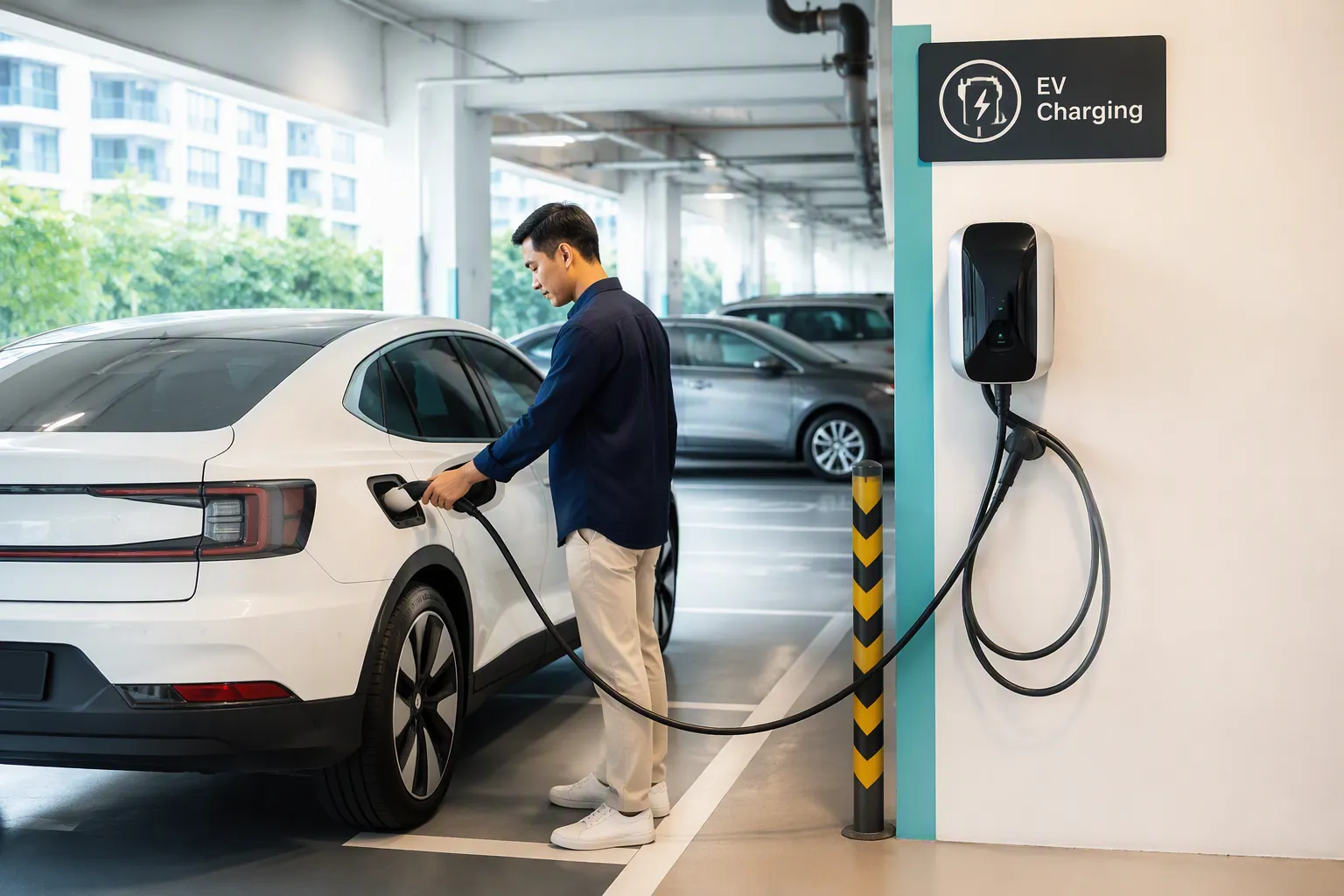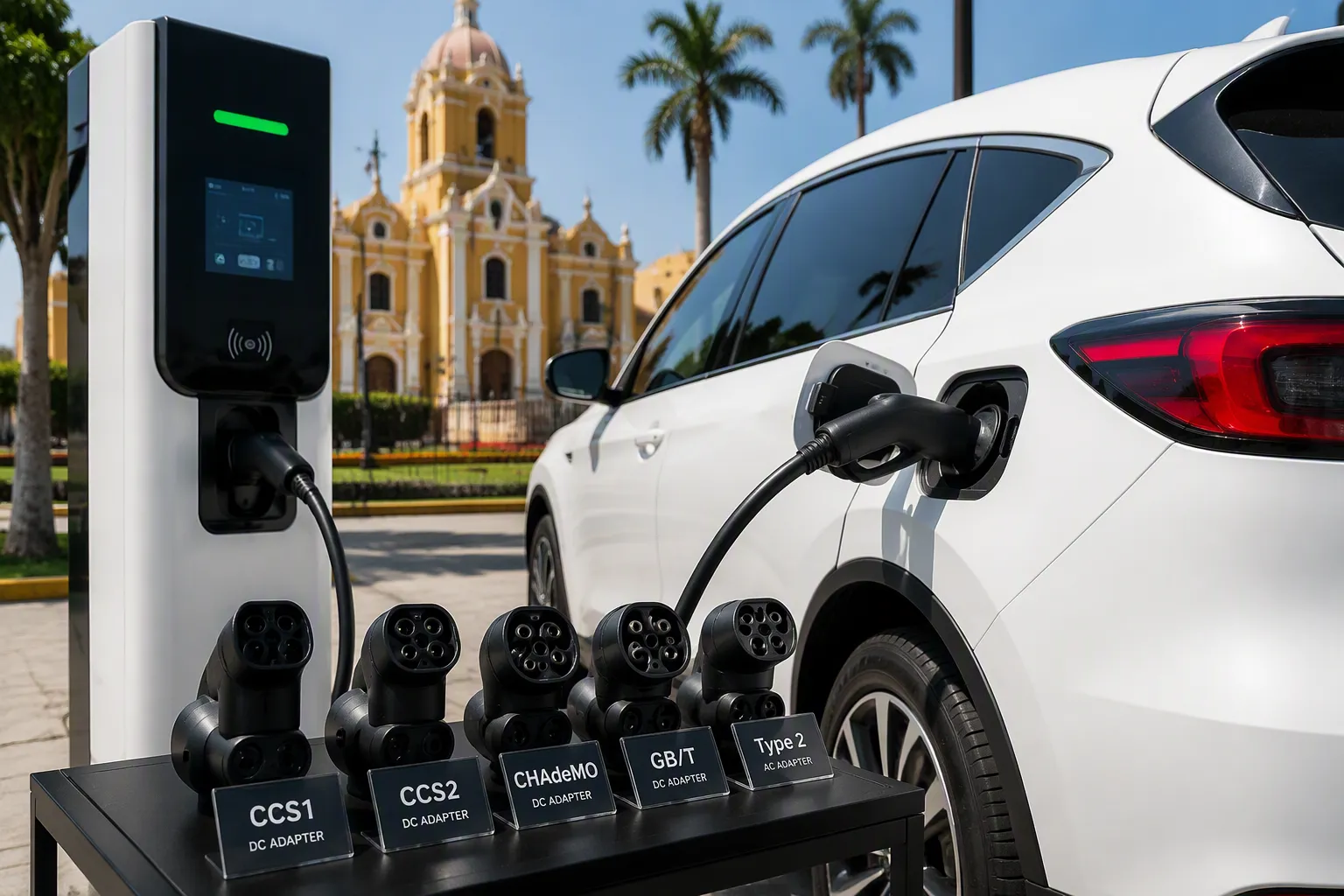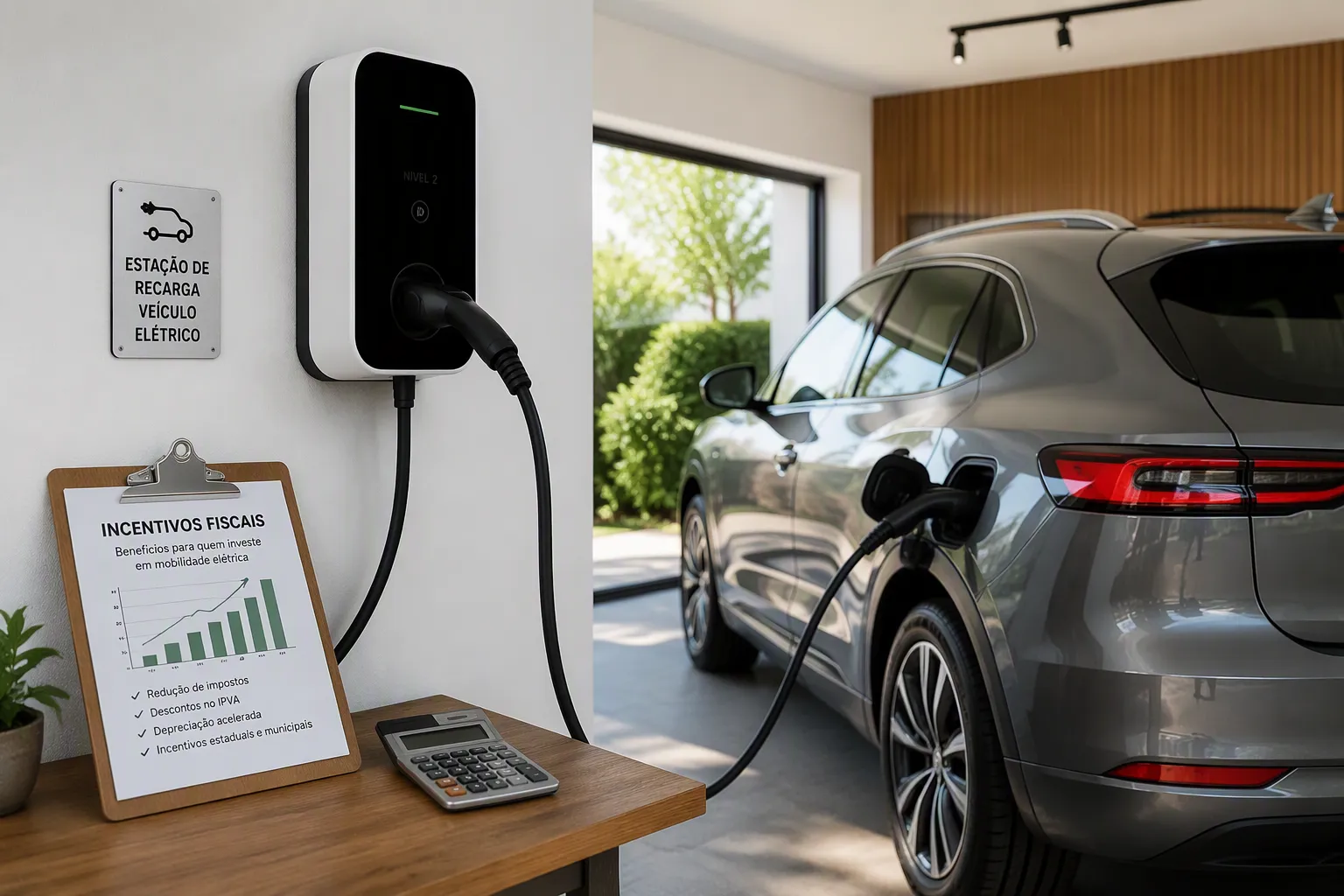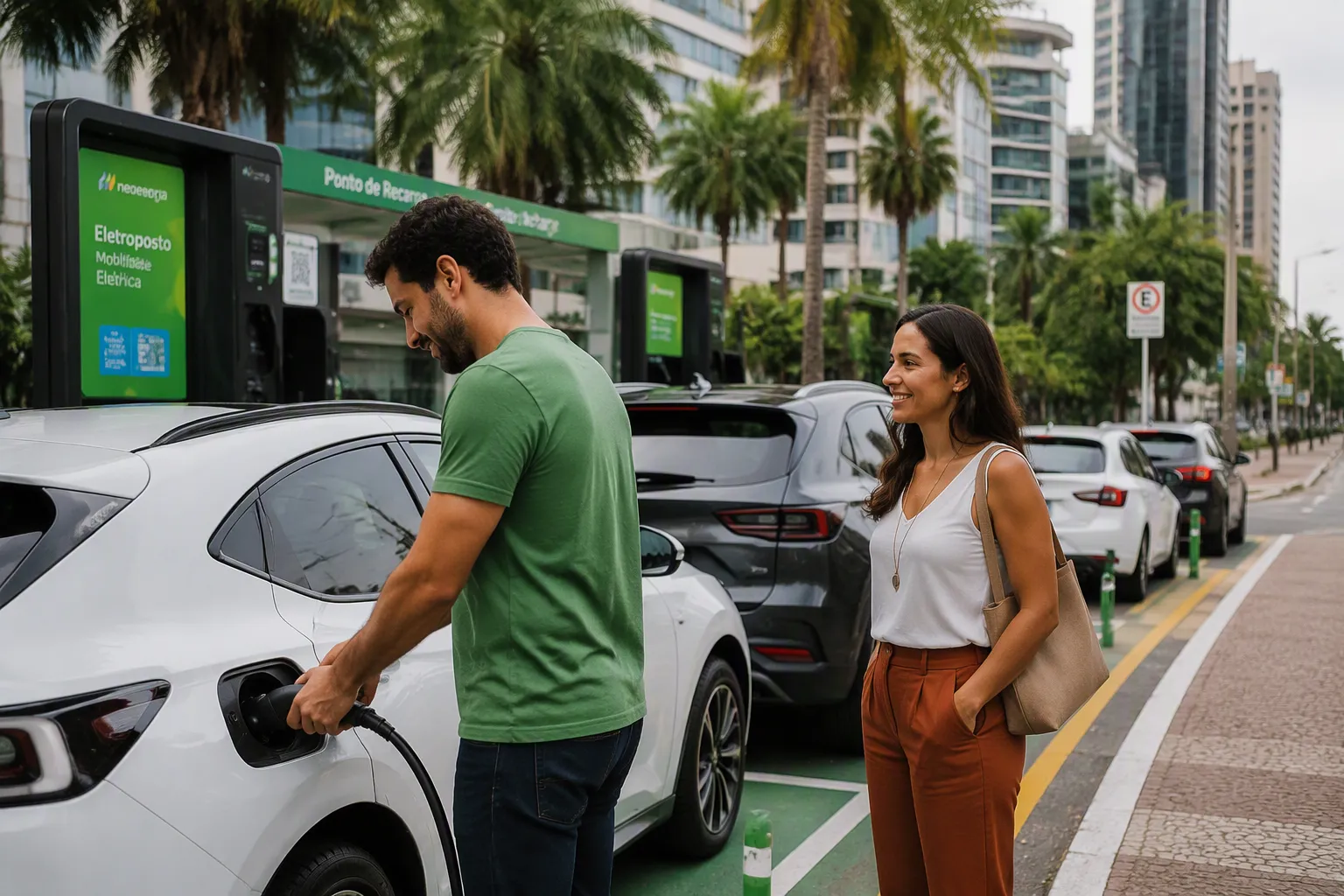

Brazilian businesses can secure a first-mover advantage by acting now in the charging market. Early investment in ev charging stations allows businesses to capture a unique competitive advantage. Many businesses see charging as a tool for customer engagement and retention. Those who adopt ev charging solutions today position themselves as leaders. The advantage grows as more businesses seek charging options for their fleets and customers. Waiting risks losing the first-mover advantage to other businesses. Charging infrastructure attracts partnerships with Fabricantes de carregadores para veículos eléctricos e fornecedores de carregadores ev portáteis. Businesses that move first with charging gain the advantage of brand leadership. EV charging delivers a clear advantage for businesses, especially as the ev landscape evolves. Businesses can also access new opportunities through innovative charging and partnerships with EV charging solutions providers.
First-Mover Advantage in EV Charging Stations
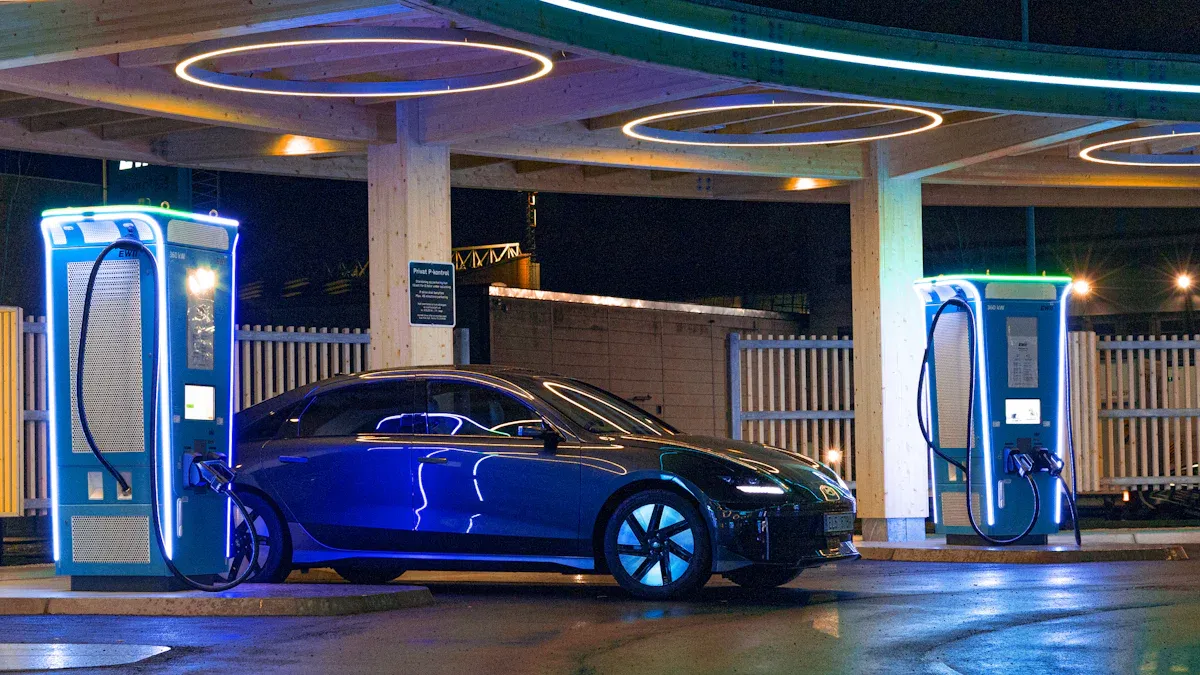
Achieving market leadership begins with early investment in EV charging facilities. Businesses that act swiftly can establish a dominant presence, attracting customers and setting industry standards. For example, global companies like INEOS have demonstrated how proactive deployment of EV charging stations can elevate brand reputation and operational sustainability. INEOS’s initiatives across Belgium, Germany, and France showcase how early adoption of electric mobility strategies positions firms as pioneers, gaining recognition for environmental responsibility and innovation.
Capturing Market Leadership
Attracting New Customers with Charging Services
Offering EV charging facilities creates a compelling incentive for new customers. Consumers increasingly prioritize businesses that support sustainable practices and provide convenient charging options. Retailers and service providers that install charging stations can significantly boost foot traffic, especially among eco-conscious consumers. Evidence from Brazil indicates that properties with EV charging stations attract more visitors and tenants, enhancing overall property value. This trend underscores how integrating charging solutions aligns with evolving customer preferences and elevates a company’s competitive edge.
Differentiating from Competitors with EV Charging
In crowded markets, differentiation becomes vital. Businesses that incorporate EV charging facilities distinguish themselves from competitors by showcasing innovation and environmental commitment. Installing charging stations signals a forward-thinking approach, appealing to a growing segment of electric vehicle owners. Such differentiation not only enhances brand perception but also fosters customer loyalty. Globally, early adopters of EV charging infrastructure have gained a strategic advantage, positioning themselves as leaders in electric mobility and sustainability.
Securing Prime Locations for EV Charging Stations
Locking in High-Traffic Sites for Charging
Location plays a crucial role in maximizing the impact of EV charging stations. Securing high-traffic sites ensures consistent utilization and visibility. Retail centers, transportation hubs, and commercial complexes that prioritize strategic placement of charging facilities can attract a steady flow of EV drivers. Early investment allows businesses to lock in these prime locations before competitors recognize their value. Building strategic partnerships with property owners and local authorities further facilitates access to desirable sites, creating a robust network of charging stations that serve both customers and the community.
Building Strategic Partnerships Early
Forming alliances with Carregador de veículos eléctricos manufacturers and technology providers like TPSON enables businesses to access cutting-edge charging solutions. Early partnerships can lead to customized, scalable charging facilities that meet future demand. These collaborations also open opportunities for joint marketing efforts and shared infrastructure costs. Establishing such relationships early positions businesses as industry leaders, capable of adapting swiftly to technological advancements and regulatory changes in electric mobility.
Establishing a Competitive Advantage in Sustainability
Becoming a Pioneer in Green Mobility
Leading the charge in sustainability enhances a company’s reputation and aligns with global trends toward greener business practices. Early deployment of EV charging stations demonstrates a commitment to reducing carbon emissions and supporting electric mobility. Companies that pioneer green initiatives often enjoy increased trust among consumers and investors. For instance, businesses that integrate EV charging into their operations contribute to a cleaner environment and set a benchmark for corporate responsibility. This proactive stance in sustainability can translate into long-term competitive advantages, especially as electric mobility becomes more prevalent in Brazil and beyond.
Enhancing Corporate Reputation with EV Charging
By investing early in EV charging infrastructure, businesses position themselves as pioneers in green mobility. This leadership not only attracts environmentally conscious customers but also influences industry standards. As the EV market expands, early movers will benefit from increased market share and brand recognition. The integration of EV charging facilities aligns with broader sustainability goals and demonstrates a company’s dedication to innovation and responsible growth.
Implementing EV charging stations elevates a company’s corporate social responsibility profile. It signals a commitment to environmental stewardship and aligns with global sustainability initiatives. Such efforts resonate with consumers, employees, and stakeholders who value corporate responsibility. Early adoption of EV charging infrastructure can also attract eco-minded talent, fostering a culture of innovation and responsibility within the organization.
Unlocking New Revenue Streams with EV Charging

Monetizing EV Charging Stations
Generating Income from Charging Fees
Businesses can create new revenue opportunities by installing charging stations. Customers pay for charging their vehicles, which generates a steady income stream. Retailers, hotels, and office complexes can set competitive rates for charging services. This approach allows companies to recover installation costs and build a profitable business model. As the number of electric vehicles grows in Brazil, the demand for charging will increase, making this revenue source even more attractive.
Offering Value-Added Services and Upselling
Charging stations provide a platform for businesses to offer value-added services. While customers wait for their vehicles to charge, companies can promote premium services, loyalty programs, or exclusive deals. For example, a café can offer discounts on beverages to customers using its charging points. Upselling opportunities arise when businesses bundle charging with other services, such as car washes or maintenance packages. This strategy increases overall sales and enhances the customer experience.
Increasing Customer Foot Traffic and Dwell Time
Boosting In-Store Sales through Charging
Charging infrastructure attracts more visitors to commercial locations. Customers who use charging stations often spend more time on-site, which leads to higher in-store sales. Retailers can design special promotions for charging customers, encouraging them to explore products while their vehicles charge. This approach transforms charging into a tool for increasing both traffic and sales.
Cross-Promotions with Local Businesses
Businesses can collaborate with neighboring stores to create cross-promotions linked to charging. For instance, a shopping center can partner with restaurants to offer meal discounts to charging customers. These partnerships benefit all parties by driving more traffic and increasing the appeal of the location. Charging stations become a hub for community engagement and shared marketing efforts.
Leveraging Data from EV Charging Users
Understanding Customer Behavior through Charging Data
Charging stations collect valuable customer data that businesses can use to improve outcomes. The following table shows the types of data collected and their business applications:
| Type of Customer Data | Usage in Business Outcomes |
|---|---|
| Energy usage | Personalized services and operational efficiencies |
| Preferências do cliente | Targeted marketing and service customization |
| Contextual information | Enhanced decision-making and improved customer experience |
Companies can also use charging data for home retrofitting, carbon footprint management, charging point identification, and price comparisons based on actual consumption and tariff details.
Personalized Marketing Opportunities
Automakers and businesses can leverage real-time telemetry and usage metrics, such as location and energy consumption, to enhance customer service. This data enables predictive alerts for EV drivers, guiding them to the best charging stations and reminding them to make reservations based on their driving patterns. With these insights, businesses can deliver personalized marketing messages and offers, increasing customer satisfaction and loyalty.
Practical Business Benefits of Early EV Charging Adoption
Accessing Government Incentives for EV Charging
Tax Credits, Subsidies, and the MOVER Program
Brazilian businesses can unlock significant opportunities by leveraging government incentives for charging infrastructure. Tax credits and subsidies lower the initial costs of installing stations. The MOVER Program offers additional support, making investment in charging more attractive. These incentives help businesses offset expenses and accelerate the deployment of charging stations. Companies that act early can secure these benefits before programs reach capacity or change eligibility requirements. Early adoption ensures convenient access to financial support and positions businesses to maximize returns.
Regulatory Support for Early Movers
Regulatory agencies in Brazil encourage the expansion of charging infrastructure through streamlined permitting and priority access to incentives. Early movers often receive faster approvals for stations and benefit from reduced regulatory hurdles. This support creates opportunities for businesses to establish charging networks ahead of competitors. Convenient access to incentives and regulatory guidance simplifies the process, allowing businesses to focus on growth and customer satisfaction.
Reducing Operational Costs with EV Charging
Lower Energy and Maintenance Expenses
Charging infrastructure reduces operational costs for businesses. Electricity costs less than traditional fuels, making ev charging a cost-effective solution for company fleets. Maintenance expenses for charging stations remain lower compared to conventional fueling systems. Businesses that invest in charging infrastructure experience long-term savings and improved efficiency. Escalating fuel prices drive the shift to electric vehicles, and charging stations help companies control expenses.
Fleet Electrification and Cost Savings
Fleet electrification delivers substantial cost reductions for Brazilian companies. The following table highlights key benefits:
| Tipo de prova | Descrição |
|---|---|
| Fuel Import Savings | Up to US$¼ trillion (R$ 1.39 trillion) in cumulative fossil fuel import costs through 2050. |
| Health Savings | Avoid at least US$75 billion in climate damages and reduce deaths from pollution. |
| Cost Competitiveness | Electricity is significantly cheaper than petrol, making EVs cost-competitive for consumers. |
Long-term operational savings influence fleet strategies in sectors like retail and e-commerce. As cost advantages become more apparent, businesses increase adoption rates of ev charging infrastructure. Companies that electrify fleets align with market trends and enhance their competitiveness.
Future-Proofing Your Business with Charging Infrastructure
Staying Ahead of Regulatory Changes
Businesses that invest in charging infrastructure stay ahead of evolving regulations. Governments continue to set stricter emissions targets and promote sustainable transportation. Early adoption of charging stations ensures compliance and reduces the risk of costly retrofits. Companies that anticipate regulatory shifts maintain operational continuity and protect their investments.
Adapting to Growing EV Adoption in Brazil
Early investment in charging infrastructure helps businesses adapt to rising demand for ev charging. Installing stations in strategic locations builds consumer confidence and supports the transition to electric mobility. Businesses that anticipate demand capitalize on new opportunities and strengthen their market position. Coordination between public and private sectors remains essential for successful infrastructure development. Companies that prioritize charging infrastructure ensure convenient access for customers and employees, meeting the needs of a growing ev market.
Enhancing Brand Image and Employee Value through EV Charging
Strengthening Sustainability and ESG Credentials
Meeting Corporate Emissions Targets with Charging
Brazilian companies face increasing pressure to meet corporate emissions targets. Installing charging stations helps organizations reduce their carbon footprint. They can track energy use and demonstrate progress toward sustainability goals. Many firms use charging infrastructure to support their environmental, social, and governance (ESG) strategies. By providing charging options, businesses show a commitment to lowering emissions and improving their environmental impact. This approach aligns with global trends in sustainability and positions companies as responsible leaders.
Note: Companies that invest in charging infrastructure often receive recognition from industry groups and government agencies for their sustainability efforts.
Appealing to Eco-Conscious Consumers
Modern consumers care about sustainability. They choose brands that support green initiatives and offer charging solutions. Businesses that provide charging stations attract eco-conscious customers who value convenience and environmental responsibility. These customers often become loyal advocates for brands that prioritize sustainability. Retailers, hotels, and office buildings with charging facilities stand out in the market. They send a clear message about their dedication to reducing emissions and supporting clean transportation.
Attracting and Retaining Top Talent with Charging Perks
Offering Employee EV Charging Benefits
Employees seek workplaces that support their values. Companies that offer charging benefits create a positive work environment. Charging stations at the office make it easier for employees to drive electric vehicles. This perk reduces commuting stress and supports personal sustainability efforts. Many workers view charging access as a valuable benefit that enhances job satisfaction. Businesses that provide charging options can attract skilled professionals who care about sustainability.
Demonstrating Innovation and Responsibility
Charging infrastructure signals innovation. Companies that invest in charging show they embrace new technology and care about the future. This reputation attracts top talent and strengthens employee loyalty. Workers want to join organizations that lead in sustainability and environmental responsibility. By supporting charging and green mobility, businesses demonstrate a forward-thinking mindset. They build a culture that values progress and accountability.
- Key benefits of workplace charging:
- Supports employee adoption of electric vehicles
- Reinforces company commitment to sustainability
- Enhances recruitment and retention of top talent
Charging stations offer more than convenience. They reflect a company’s dedication to sustainability and innovation. Early adoption of charging infrastructure helps businesses achieve their sustainability goals and improve their brand image.
Increasing Property and Asset Value with EV Charging Stations
Making Properties More Attractive with Charging Infrastructure
Appealing to Tenants and Buyers Seeking EV Charging
Property owners in Brazil see a growing demand for electric vehicle charging. Tenants and buyers now look for buildings that offer modern amenities. Charging infrastructure stands out as a key feature. Many commercial tenants, such as retailers and office operators, want to attract employees and customers who drive electric vehicles. Residential buyers also value properties that support sustainable living.
Tip: Real estate agents report that properties with charging stations often receive more inquiries and lease faster than those without this amenity.
Developers who install charging stations gain a competitive edge. They appeal to environmentally conscious tenants and buyers. This feature signals that the property owner invests in future-proof solutions. As electric vehicles become more common, the presence of charging infrastructure will become a standard expectation.
Increasing Lease and Sale Values
Charging infrastructure can directly impact property values. Owners who add charging stations often see higher lease rates and increased sale prices. Businesses and residents are willing to pay a premium for convenience and sustainability.
A recent survey found that commercial properties with charging stations command higher rents. Retail centers and office buildings benefit from longer tenant retention. Residential complexes with charging options attract buyers who want to invest in green technology.
| Tipo de propriedade | Impact of Charging Stations |
|---|---|
| Retail Centers | Higher foot traffic and lease rates |
| Office Buildings | Increased tenant retention |
| Residential Units | Premium sale prices and faster sales |
Long-Term Asset Appreciation from EV Charging
Meeting Future Demand for Charging Infrastructure
The market for electric vehicles in Brazil continues to grow. Property owners who invest in charging stations prepare for future demand. Early adoption ensures that buildings remain attractive as more drivers switch to electric vehicles.
Properties with charging infrastructure will not face costly retrofits later. Owners who plan ahead avoid disruptions and maintain high occupancy rates. This proactive approach protects long-term asset value.
Enhancing Site Versatility and Value
Charging stations increase the versatility of a property. Owners can adapt spaces for different uses, such as retail, office, or mixed-use developments. Charging infrastructure supports a wide range of tenants and business models.
Note: Properties with flexible amenities, like charging stations, attract a broader pool of tenants and buyers.
Site versatility leads to higher asset values. Investors recognize that charging infrastructure adds long-term value. Properties with these features stand out in a competitive market and offer better returns over time.
How to Take Action and Invest in EV Charging Before Competitors
Assessing Your Business Needs for EV Charging
Identifying High-Impact Locations for Charging Stations
Business leaders must identify locations that maximize the impact of charging solutions. High-traffic areas such as shopping centers, office complexes, and transportation hubs offer the greatest potential. These sites attract more electric vehicle drivers and increase visibility for the business. Companies should analyze customer flow and parking patterns to select optimal spots. Strategic placement ensures that charging solutions deliver strong returns and support long-term growth.
Evaluating Customer and Employee Demand for Charging
Understanding demand forms the foundation for successful charging solutions. Companies can survey customers and employees to gauge interest in electric vehicle charging. Data from these surveys helps businesses estimate usage rates and plan capacity. Monitoring trends in electric vehicle adoption within the region also provides valuable insights. Businesses that align charging solutions with actual demand avoid underutilization and maximize investment efficiency.
Choosing the Right EV Charging Solutions
Selecting Hardware and Software Providers for Charging
Selecting the right providers for charging solutions requires careful evaluation. Companies should consider several criteria when choosing hardware and software partners. The following table outlines key factors:
| Critérios | Descrição |
|---|---|
| Normas abertas | Ensures interoperability, security, and long-term maintainability for energy systems. |
| Interoperabilidade | Ability to connect with various networks and systems, enhancing the charging experience. |
| Escalabilidade | Capability to grow and adapt as the business expands and technology evolves. |
| Conformidade regulamentar | Adherence to local and international regulations to ensure safe and legal operations. |
| Domain Expertise | Knowledge in software delivery and integration to reduce risks and enhance system performance. |
Businesses that prioritize these criteria secure reliable charging solutions. Open standards and interoperability guarantee flexibility as technology advances. Scalability allows companies to expand their charging solutions as demand increases. Regulatory compliance and domain expertise protect investments and ensure smooth operations.
Planning for Scalability and Future Growth
Forward-thinking companies design charging solutions with scalability in mind. They select systems that support additional charging points and new technologies. This approach prepares businesses for rising electric vehicle adoption and evolving market needs. Scalable solutions reduce future upgrade costs and simplify expansion. Companies that plan for growth maintain a competitive edge as the charging landscape changes.
Navigating the EV Charging Installation Process
Securing Permits, Incentives, and MOVER Program Benefits
The installation process for charging solutions involves several steps. Companies must secure permits from local authorities and comply with safety regulations. Early applicants often receive priority for government incentives and MOVER Program benefits. These incentives lower installation costs and accelerate project timelines. Businesses that act quickly gain access to limited funding and support.
Partnering with Experienced Charging Installers
Experienced installers play a critical role in successful charging solutions deployment. They manage site assessments, equipment installation, and system integration. Reliable partners ensure compliance with technical standards and safety requirements. Companies that collaborate with skilled installers avoid costly mistakes and achieve faster project completion.
Tip: Businesses should request references and review past projects before selecting an installation partner.
Charging solutions require a strategic approach from assessment to installation. Companies that follow these steps position themselves ahead of competitors and capture the benefits of early adoption.
Launching and Promoting Your EV Charging Services
Marketing Charging Services to Customers and Community
Brazilian businesses that invest in EV charging infrastructure must focus on effective promotion to maximize adoption and return on investment. A strong marketing strategy helps raise awareness, attract new users, and build community trust. Companies can use several proven tactics to reach both existing and potential EV drivers.
- Energy providers often analyze data from smart meters and service interactions. This approach helps identify customers who already charge EVs at home or have solar systems installed. Targeted outreach to these groups increases the likelihood of early adoption.
- Businesses can educate potential EV drivers about the benefits of e-mobility. Sharing information about local charging networks and e-mobility programs helps new EV owners understand their options.
- Community engagement remains essential. Hosting informational events or workshops introduces charging services to a wider audience and builds relationships with local stakeholders.
To make charging services accessible and user-friendly, companies should consider the following steps:
- Implement mobile app payments at charging stations. This feature streamlines the payment process and appeals to tech-savvy users.
- Add card-present solutions, such as tap-to-pay, for customers who prefer traditional payment methods.
- Ensure interoperability so that customers without app access can still use the charging stations easily.
Tip: Clear signage and visible branding at charging locations help drivers find and recognize the service quickly.
A multi-channel marketing approach, including digital campaigns, social media, and partnerships with local businesses, further amplifies reach. Businesses that prioritize customer education and convenience position themselves as leaders in the growing EV market.
Measuring and Optimizing Charging Performance
After launching EV charging services, businesses must track performance to ensure continued success. Regular measurement helps identify areas for improvement and supports data-driven decision-making.
Key performance indicators (KPIs) include:
- Utilization rates of charging stations
- Average session duration
- Revenue generated per charging point
- Customer satisfaction scores
Companies can use software platforms to monitor these metrics in real time. Data analysis reveals usage patterns and peak demand periods. Adjusting pricing, availability, or promotional offers based on this information can boost station utilization and profitability.
Note: Gathering customer feedback through surveys or digital platforms provides valuable insights for service enhancements.
Continuous optimization ensures that charging services remain competitive and meet evolving customer needs. Businesses that adapt quickly to user behavior and market trends maintain their first-mover advantage and drive long-term growth in Brazil’s EV sector.
Early investment in EV charging stations gives Brazilian businesses a lasting edge. Companies that act now capture market share, secure incentives, and build strong reputations. Those who delay risk losing customers and falling behind.
Tip: Leaders assess their needs, choose scalable solutions, and partner with experts. They promote their charging services to drive growth. Businesses that move first set the standard for commercial EV charging in Brazil.
- Gain market leadership
- Maximize government incentives
- Future-proof business operations
FAQ
What makes EV charging a strategic investment for Brazilian businesses?
They gain early market leadership and attract new customers. Strategic investment in charging stations helps companies secure prime locations and build strong partnerships. This approach positions businesses for future growth as electric vehicle adoption increases.
How does charging availability impact customer satisfaction?
Charging availability ensures that drivers can access charging stations when needed. High availability reduces wait times and improves the overall experience. Businesses that prioritize charging availability see higher customer retention and satisfaction rates.
Why should companies consider long-term investment in charging infrastructure?
Long-term investment in estações de carregamento supports business growth and asset appreciation. Companies that invest early avoid costly retrofits and meet future charging demand. This approach protects property value and ensures readiness for evolving market trends.
How does public charging infrastructure benefit commercial properties?
Public charging infrastructure attracts more visitors and tenants. Properties with charging stations stand out in the market. They appeal to eco-conscious consumers and businesses seeking modern amenities. This feature increases lease rates and property values.
What factors influence charging demand at commercial sites?
Charging demand depends on location, customer demographics, and electric vehicle adoption rates. High-traffic areas and regions with many EV drivers see greater demand. Businesses should analyze these factors to optimize charging station placement.
How can businesses improve charging access for employees and customers?
They can install charging stations in convenient locations and ensure clear signage. Mobile app payments and card-present solutions make charging access simple. These steps encourage more people to use the service and support electric mobility.
What role does charging availability play in sustainability goals?
Charging availability supports the shift to electric vehicles and reduces emissions. Companies that offer reliable charging help meet corporate sustainability targets. This commitment enhances brand reputation and aligns with global environmental standards.