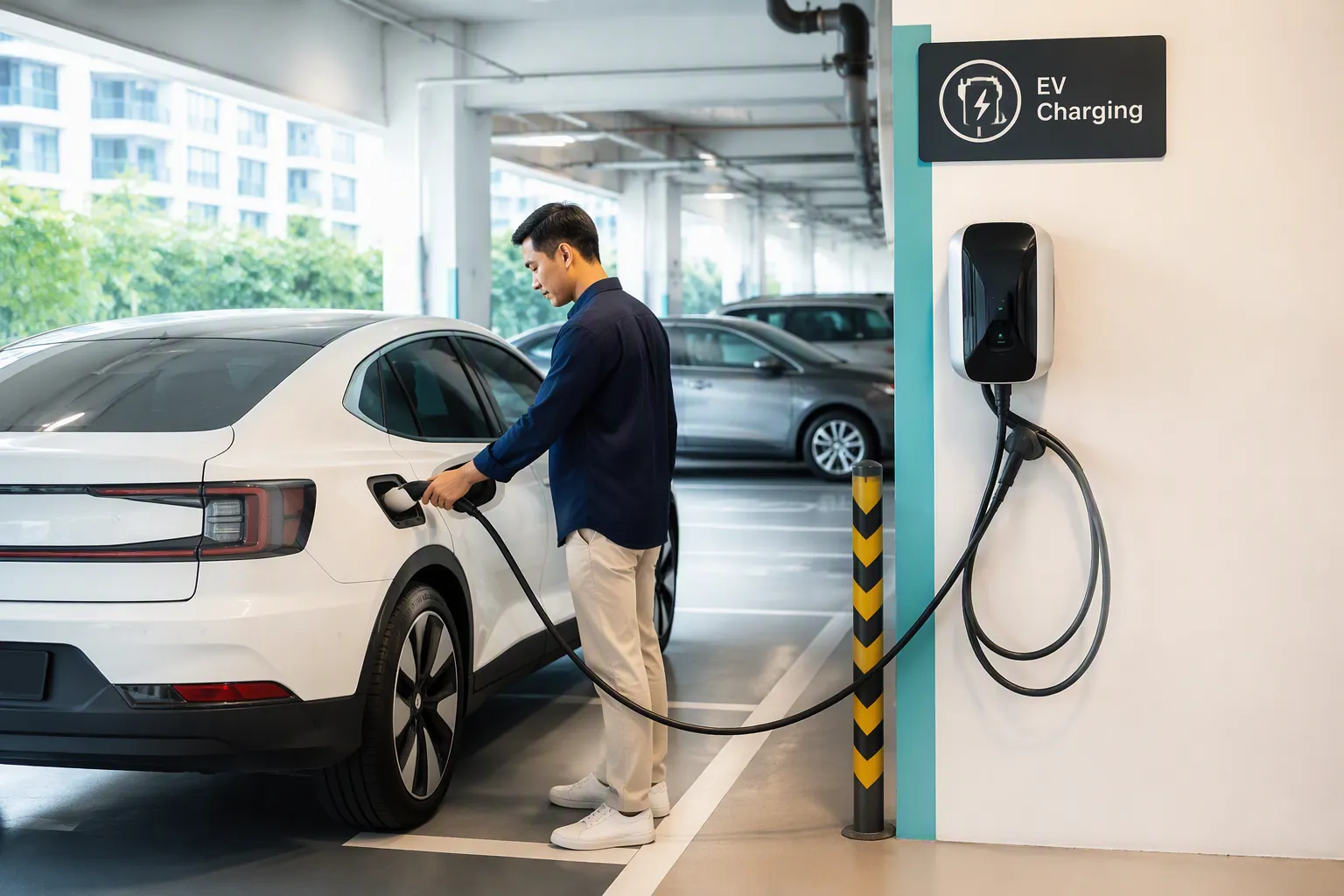
Um EV home charging station offers unparalleled convenience for electric vehicle owners. With over 80% of EV drivers primarily charging their vehicles at home, a reliable setup is crucial. To install EV home charging station, a dedicated 240-volt circuit is essential for efficient Level 2 charging. This process necessitates a qualified electrician to guarantee safety and adherence to local regulations.
Nota: The costs associated with an Carregador de veículos eléctricos installation can fluctuate considerably. Key factors include the specific charger model, the complexity of the installation, and your home’s current electrical system. Furthermore, some local authorities might require a permit before any work commences.
TPSON, a prominent provider of technologically advanced Soluções de carregamento de veículos eléctricos, presents a diverse array of options, ranging from robust wall-mounted units to practical carregadores portáteis para veículos eléctricos. Consulting with reputable Fabricantes de carregadores para veículos eléctricos and a professional installer will assist you in identifying the optimal solution for your individual requirements.
Avaliação do Seu Sistema Elétrico
Proper preparation is the foundation of a successful A instalação de um carregador de VE doméstico. Before selecting a charger, a homeowner must evaluate their property’s electrical infrastructure and personal driving requirements. This initial planning ensures a safe, efficient, and future-ready charging solution.
Assess Your Home’s Electrical System
A eletricista qualificado must conduct a thorough assessment of the home’s electrical system. This step is non-negotiable for safety and compliance. The evaluation includes several key checks.
Check Your Main Electrical Panel Capacity
The main electrical panel is the distribution hub for all electricity in a home. An electrician will verify the panel’s total amperage capacity. A Level 2 charger adds a significant, continuous electrical load, and the panel must be able to support it without becoming overloaded.
Perform a Load Calculation
An electrician performs a detailed load calculation to determine if the panel has sufficient spare capacity. This assessment accounts for all existing major appliances and the proposed new charger. If a panel is already near its limit, such as a 100-amp service in a modern home, it may not safely support the additional demand.
Dica profissional: During a site survey, an electrician can assess your system’s capacity. They confirm the electrical system is properly grounded and that metallic pipes are bonded to the main earthing terminal to prevent electrical hazards.
Identify Needs for a Panel Upgrade
The load calculation will identify any need for an upgrade. If the existing panel lacks capacity, the electrician will recommend an upgrade, often to a 200-amp service. This ensures the EV charger can run reliably without tripping breakers or creating a fire risk.
Understand Your Charging Needs
Matching a charger to your lifestyle is just as important as the electrical work. Consider your daily routine and future plans.
Daily Driving Habits and Mileage
A driver’s daily mileage directly influences how often they need to charge their vehicle. Someone with a short commute may only need to charge a few times a week. A driver with a long daily route will require a more powerful setup to ensure a full battery each morning.
Your EV’s Onboard Charger Speed
A vehicle’s onboard charger dictates the maximum rate at which it can accept AC power. This component converts AC electricity from the charging station into DC power for the battery. For example, a car with a 6.6 kW onboard charger will be limited to that speed, even if connected to a more powerful 7.4 kW station. The charging point or the car’s onboard unit will act as the limiting factor.
Future-Proofing for a Second EV
Homeowners should consider their long-term plans. If a second electric vehicle is a possibility, planning for it now can save significant costs later. This might involve installing a higher-amperage circuit or a smart charger capable of sharing power between two vehicles. Advanced solutions from providers like TPSON often include features that support multi-vehicle households.
How to Choose the Right Home EV Charger
Selecionar o caminho certo carregador EV doméstico involves more than just picking a model off the shelf. A homeowner must weigh charging speeds, installation types, and smart capabilities to find a solution that fits their vehicle and lifestyle. This decision directly impacts daily convenience and long-term satisfaction.
Carregamento de Nível 1 vs. Nível 2
The primary choice for EV owners is between Level 1 and Level 2 charging. Each level offers distinct advantages and is suited for different needs.
Using a Standard 120V Outlet (Level 1)
Level 1 charging uses a standard 120V household outlet. This method requires no special installation. An owner simply plugs the cordset that came with their vehicle into the wall. However, it is extremely slow, adding only about 2-5 milhas de autonomia por hora of charging. It is best suited for plug-in hybrids with small batteries or as a backup option.
Benefits of a 240V Charger (Level 2)
A 240V Level 2 charger is the standard for home charging. It requires professional installation of a dedicated circuit, similar to an electric dryer. The benefits are significant, as this setup can fully charge most EVs overnight.
| Caraterística | Level 1 Charger (120V) | Level 2 Charger (240V) |
|---|---|---|
| Potência de saída | ~1,4 kW | 3.3 kW – 19.2 kW |
| Gama adicionada por hora | 2-5 milhas | 10-60 miles |
| Instalação | None needed | É necessária uma instalação profissional |
| Melhor para | Emergency use, plug-in hybrids | Carregamento diário de VE |
Key Charger Features to Consider
Modern chargers come with various features. Understanding these options helps a buyer make an informed choice.
Hardwired vs. Plug-In Models
A plug-in electric vehicle charger connects to a 240V outlet, offering portability if the owner moves. A hardwired unit connects directly to the circuit, providing a cleaner, more permanent installation that is often required for outdoor setups and higher power levels.
Cabos com fio vs. sem fio
A tethered charger has a permanently attached cable. This is convenient, as the cable is always ready. An untethered charger has a socket, requiring the owner to use the portable cable that came with their car. This offers a tidier look but adds an extra step to every charge session.
Smart Features like Wi-Fi and App Control
Smart chargers connect to a home’s Wi-Fi network. This connectivity unlocks powerful features through a smartphone app.
- Programação de Carga: Configure o carregador para operar durante horários de baixa demanda para aproveitar tarifas de eletricidade mais baixas.
- Monitorização da energia: Acompanhe o consumo e os custos de eletricidade.
- Balanceamento de carga: Ajusta automaticamente a potência para evitar a sobrecarga do quadro elétrico residencial.
- Integração solar: Prioriza o uso de energia solar autogerada para carregar o veículo.
Provedores tecnologicamente avançados, como a TPSON, oferecem carregadores inteligentes que integram esses recursos, dando aos usuários controle total sobre seu consumo de energia.
Selecionando o Nível de Potência Correto (Amperagem)
O A potência de um carregador é medida em amperes (A). Escolher a amperagem correta garante um carregamento eficiente sem comprometer a segurança.
Compatibilizando a Amperagem com Seu Carro e Quadro
A amperagem ideal depende de dois fatores: a taxa máxima de aceitação do carro e a capacidade disponível do quadro elétrico. A saída de um carregador não deve exceder o que o carregador embarcado do veículo pode suportar. Da mesma forma, o novo circuito não deve sobrecarregar o quadro principal da residência. Um eletricista confirma isso com uma cálculo da carga.
Opções Comuns: 32A, 40A, 48A
A maioria dos carregadores Nível 2 está disponível nessas configurações.
- Carregador de 32A (7,7 kW): Uma escolha popular que adiciona cerca de 40-48 km de autonomia por hora. É compatível com a maioria dos veículos elétricos e quadros elétricos.
- Carregador de 40A (9,6 kW): Oferece uma carga mais rápida para veículos que podem aceitá-la.
- Carregador de 48A (11,5 kW): Fornece carregamento ainda mais rápido, mas requer um circuito de 60A e geralmente é instalado com fiação fixa. Esta é uma ótima opção para preparar uma instalação de carregador residencial para o futuro.
Planejando a Localização do Seu Ponto de Carregamento Residencial para VE

Planejar estrategicamente a localização de um ponto de carregamento EV doméstico é crítico para a conveniência diária, segurança e custo de instalação. O proprietário deve considerar acessibilidade, exposição às intempéries e o percurso a partir do quadro elétrico. Um local bem escolhido simplifica a rotina de carregamento e protege o equipamento.
Escolhendo uma Localização Interna vs. Externa
A decisão entre uma instalação interna ou externa depende do layout da propriedade e dos arranjos de estacionamento. Cada opção tem considerações distintas de segurança e durabilidade.
Considerações para Instalação em Garagem
Uma garagem é frequentemente o local ideal. Ela protege o carregador das intempéries, o que estende sua vida útil. As garagens também fornecem um ambiente controlado onde a ventilação pode ser gerenciada para evitar superaquecimento. Sistemas adequados de gestão de cabos são fáceis de implementar, reduzindo riscos de tropeção.
Impermeabilização para Instalações Externas
Instalações externas exigem carregadores projetados especificamente para resistir às intempéries. A tabela a seguir descreve as principais diferenças entre instalações internas e externas.
| Considerações | Carregador de VE Interno | Carregador de VE Externo |
|---|---|---|
| Durabilidade/Vida Útil | Protegido das intempéries, estendendo a vida útil. | Requer carregadores à prova de intempéries para estender a vida útil. |
| Segurança (Intempéries) | N/A | Deve ter uma classificação de Proteção contra Ingressão (IP) alta para ser à prova d'água. |
| Segurança (Superaquecimento) | Ventilação é essencial para o desempenho ideal. | N/A |
| Segurança (Gestão de Cabos) | Sistemas previnem riscos de tropeção e mantêm a área organizada. | Sistemas previnem riscos de tropeção e mantêm a área organizada. |
Para uma unidade externa, várias medidas de impermeabilização são essenciais:
- Grau de Proteção (IP): O carregador deve ter uma classificação IP alta, como IP65, para proteção contra poeira e água.
- Resistência aos Raios UV: O invólucro deve ser resistente aos raios UV para evitar degradação pela luz solar.
- Resistência à corrosão: A unidade precisa de materiais resistentes à corrosão, especialmente em climas úmidos.
- Montagem Adequada: Um instalador deve usar fixações resistentes às intempéries e vedar todos os pontos de entrada de cabos para evitar a entrada de água.
Determinando a Posição Ótima
O posicionamento exato do carregador afeta sua usabilidade diária. Um posicionamento cuidadoso garante uma experiência perfeita.
Proximidade da Vaga de Estacionamento
O carregador deve ser instalado o mais próximo possível de onde o veículo é normalmente estacionado. Isso minimiza o comprimento do cabo e facilita a conexão do veículo.
Garantindo que o Cabo Alcance a Porta do Veículo
O proprietário deve medir a distância do local de montagem proposto até a porta de carregamento do veículo. É prudente considerar diferentes ângulos de estacionamento. Um cabo mais longo oferece mais flexibilidade, mas pode ser mais difícil de gerenciar.
Planejando o Trajeto da Fiação
O percurso que a fiação elétrica faz do quadro até o carregador é um fator importante na complexidade e no custo da instalação.
Medindo a Distância do Quadro ao Carregador
Um eletricista medirá essa distância para determinar o comprimento e a bitola necessários do cabo elétrico. Percursos mais longos aumentam os custos de material e mão de obra. Para rotas externas, o plano pode envolver passar cabo blindado em uma vala com pelo menos 500mm de profundidade, com fita de alerta colocada acima dela por segurança.
Checking for Wi-Fi Signal Strength
Smart chargers require a stable Wi-Fi connection to enable features like remote scheduling and energy monitoring. Before finalizing the location, a homeowner should check the Wi-Fi signal strength at the proposed spot. Technologically advanced providers like TPSON offer smart chargers that rely on this connectivity to give users full control over their energy use. A weak signal may require a Wi-Fi extender.
How to Hire a Professional for EV Charger Installation
Selecting the right professional is the most critical step in the ev charger installation process. A qualified expert ensures the system is safe, compliant with all regulations, and optimized for the vehicle. Homeowners wondering who can install their unit should focus on certified professionals with proven experience.
Encontrar um eletricista qualificado
The search for a competent installer begins with identifying professionals who are not only licensed but also specialize in EV charging technology.
Search for Licensed and Insured Professionals
A homeowner should start by creating a shortlist of licensed and insured electricians. Proper licensing confirms the professional meets legal requirements for electrical work. Insurance protects the homeowner from liability in case of accidents or property damage. Online directories are excellent resources for this search. Platforms like Joosup allow users to find OZEV-approved electricians by ZIP code. Government resources, such as the GOV.UK portal, also provide lists of approved chargepoint installers, helping homeowners connect with vetted professionals in their area.
Look for Installers with EV Experience
General electrical knowledge is not enough for this specialized task. A homeowner should seek an electrician with specific training and credentials in EV charging. Key qualifications to look for include:
- A Level 3 Award in the Requirements for the Installation of Electric Vehicle Charging Points.
- Familiarity with the IET Code of Practice for EV Charging Equipment Installation.
- Um Um atual, which verifies their status as a qualified electrician.
- Authorization from the Office for Zero Emission Vehicles (OZEV), which is often required for grant eligibility.
Hiring a recognised installer with these credentials ensures they understand the unique electrical demands and safety protocols associated with EV chargers.
Um parceiro experiente compreende as complexidades dos sistemas elétricos partilhados em apartamentos e propriedades geminadas, garantindo uma instalação sem complicações.
After identifying potential candidates, the next step is to request detailed quotes. A thorough quote provides a clear understanding of the total cost and scope of work.
What to Include in a Quote Request
To receive comparable bids, a homeowner should ask each installer to provide a comprehensive breakdown. A professional quote should always follow a site survey to assess the property’s electrical system. The request should ask for:
- The total cost, itemized for labor and materials.
- The specific make and model of the proposed charger.
- Details on the warranty for both the hardware and the workmanship.
- An estimated timeline for completion.
- Confirmation that the installer will handle any necessary permits.
Dica profissional: Ask the electrician if they have brand-specific accreditation. Installers trained by manufacturers like TPSON have deep knowledge of the equipment, ensuring a smooth setup of advanced smart features.
Comparing Labor and Material Costs
A homeowner should look beyond the final price when comparing quotes. It is important to analyze the itemized costs. One electrician may offer a lower labor rate but charge more for materials. Another might recommend a more expensive charger with features that better suit the homeowner’s needs. Comparing these details helps a homeowner make an informed decision based on value, not just the lowest bid.
Verifying Credentials
Before making a final decision, a homeowner must perform due diligence. Verifying an electrician’s credentials and reputation is a crucial step that should not be skipped.
Checking Licenses and Insurance
A homeowner can independently verify a professional’s qualifications. Many industry bodies offer online tools for this purpose.
- NICEIC Website: Homeowners can use the “Find a Contractor” tool to confirm an electrician’s registration.
- Electrical Competent Person Register: This register lists professionals who are assessed to work to high safety and technical standards.
During the conversation, a homeowner should ask for the electrician’s registration number for easy online verification and request proof of public liability insurance. This confirms who can install the system safely and professionally.
Reading Customer Reviews and Testimonials
Customer feedback provides valuable insight into an installer’s reliability and quality of work. Homeowners should consult multiple sources for a balanced view. Trusted trade directories like Checkatrade e Which? Trusted Traders feature verified reviews from past clients. Social media platforms like Facebook and Instagram can also be useful, as they often showcase an installer’s recent projects and customer interactions. Reading these reviews helps build confidence in the chosen professional for the ev charger installation.
O que esperar no dia da instalação
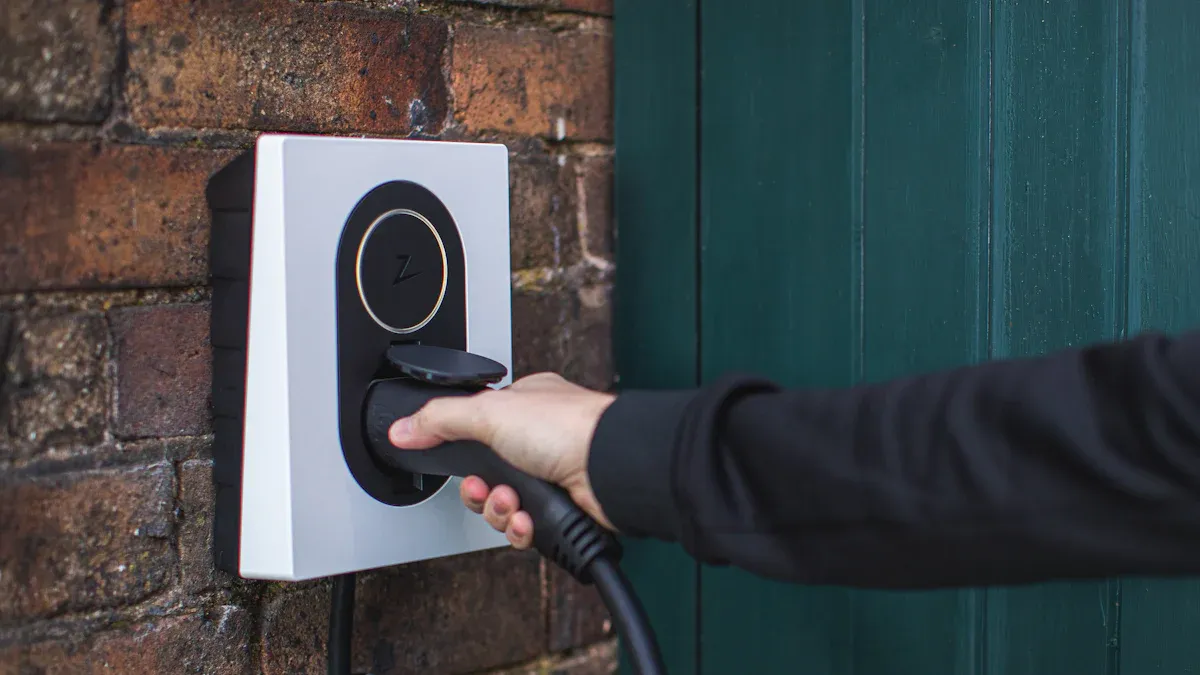
Knowing the sequence of events for an ev charger installation helps a homeowner prepare for a smooth and efficient process. From the initial remote survey to the final system test, each step is designed to ensure safety and functionality. The day typically involves finalizing plans, performing the physical installation, and commissioning the new equipment.
The Pre-Installation Home Survey
Most modern installation processes begin with a remote survey. This step allows the electrician to assess the property without an initial site visit, saving time and providing an accurate quote.
Sharing Photos of Your Panel and Location
A homeowner facilitates the remote survey by providing specific photos and information. This digital package gives the installer a clear picture of the electrical setup and proposed work area. Key items to send include:
- Photographs: Clear images of the main fuse box with the cover open, the electric meter, the main fuse cut-out, and any gas or water bonding clamps.
- Location Images: Pictures of the exact spot where the charger will be mounted and the intended path for the cable run from the panel.
- Vehicle Details: The make and model of the electric vehicle to ensure charger compatibility.
- Property Information: The distance from the fuse box to the charger location and details about any obstacles like walls or driveways.
This information allows the professional to perform a preliminary assessment of the project’s scope.
Finalizing the Plan with Your Installer
Using the survey details, the installer develops a comprehensive installation plan and a detailed quote. Before the installation day, the electrician will review this plan with the homeowner. This conversation confirms the charger location, the cable route, and the total cost. It is the perfect opportunity for the homeowner to ask questions and ensure all parties are in agreement before work begins.
O processo de instalação
On the scheduled day, the qualified electrician arrives to perform the physical installation. The process is methodical, focusing on safety and adherence to electrical codes.
Running the New Dedicated Circuit
The first major task is running a new, dedicated circuit from the fuse box to the charger’s location. The electrician inspects the fuse box to find a spare way for the new circuit breaker. If no space is available, they may need to install a small, separate fuse box. The professional will then carefully run the armored electrical cable along the agreed-upon route, clipping it securely in place.
Atenção: The home’s main power will need to be shut off temporarily while the electrician safely connects the new circuit to the fuse box. The installer will always provide advance notice before doing so.
Mounting the Charging Unit
Once the circuit is in place, the electrician mounts the charging unit. They will securely fasten the charger to the wall at the predetermined location. This involves drilling into the wall surface, whether it is brick, concrete, or another material, and ensuring the unit is level and stable. The professional then connects the newly run electrical cable to the terminals inside the charger.
Ligações finais e testes do sistema
With the unit mounted and wired, the electrician makes the final connections inside the fuse box. They then restore power to the house and begin a series of critical tests. These electrical checks verify that the circuit is safe, properly grounded, and delivering the correct voltage. For a smart charger, such as an advanced model from TPSON, the installer will connect the unit to the home’s Wi-Fi network. They will also help the homeowner set up the companion smartphone app, which allows them to schedule a charge and monitor energy usage.
Autorizações e inspecções
Navigating the regulatory requirements is a key part of the ev charger installation. The professional installer typically manages this process to ensure full compliance.
Determining if a Permit is Required
Whether a permit is needed often depends on the property type and location. In most cases, an installation on a private driveway does not require a permit from local authorities. However, a permit may be necessary for installations in shared parking areas or if a cable must cross a public pavement. The electrician will be familiar with local regulations and can advise if any special permissions are needed.
Scheduling the Final Electrical Inspection
After the work is complete, a final inspection may be required to certify the installation. The installer is responsible for completing an Electrical Installation Certificate (EIC) that confirms the work complies with all safety standards. In some jurisdictions, a third-party or local authority inspector must also review the work. This final check provides peace of mind that the system is safe, compliant, and ready to charge the vehicle reliably for years to come.
Understanding the Costs to Install an EV Home Charging Station
Budgeting is a crucial part of the plan to install an EV home charging station. The total cost is a combination of hardware, labor, and potential electrical system upgrades. A homeowner can anticipate these expenses by understanding each component of the final bill.
Breakdown of Expenses
The primary costs can be divided into three main categories: the charging unit, the installation labor, and any required government fees.
Custo da Unidade de Carregamento
The home ev charger itself represents a significant portion of the budget. Prices vary based on power level and features. Basic units are more affordable, while smart chargers with Wi-Fi connectivity and app control command a higher price. Technologically advanced providers like TPSON offer smart chargers that can save money over time by enabling off-peak charging schedules.

| Tipo de carregador | Gama de custos típica |
|---|---|
| 3kW Charger | $300 – $600 |
| Carregador de 7kW | $550 – $1,000 |
| Smart Home Charger | $1,100 – $1,350 |
Taxas de Instalação Padrão vs. Complexas
Labor costs depend on the complexity of the job. A standard installation, where the electrical panel is near the charger location with no obstructions, is the most affordable. A complex ev charger installation may involve long cable runs, drilling through concrete, or navigating difficult access points, which increases labor time and cost. The installer will clarify this after a site survey.
Permit and Inspection Fees
Many local jurisdictions require permits for this type of electrical work. The installer typically handles the paperwork. These permit and subsequent inspection fees are passed on to the homeowner and can add to the total project cost.
Custos Adicionais Potenciais
Sometimes, a home’s existing electrical system needs modifications to safely support the new load. These upgrades are a common source of additional expense.
Electrical Panel or Service Upgrades
An electrician may determine the main panel lacks the capacity for a new charger circuit. In this case, an upgrade is necessary for safety. This can range from adding a new fuse box to a full service upgrade.
| Electrical Upgrade | Custo estimado |
|---|---|
| New Consumer Unit | $550 – $625 |
| Isolator Switch | $125 – $250 |
| Three-Phase Supply (22kW) | $3,750 – $18,500+ |
Trenching for Outdoor Wiring
If the charger is located away from the house, such as in a detached garage, the installer must run the electrical cable underground. This process, known as trenching, involves digging a channel to bury the armored cable and adds significant labor and material costs.
Finding Rebates and Incentives
Government and utility programs can help offset the cost to install an EV home charging station. Homeowners should research available incentives.
Créditos fiscais federais para carregadores de veículos eléctricos
The Alternative Fuel Refueling Property Tax Credit offers significant savings. Homeowners can claim 30% of the cost of equipment and installation, up to a maximum of $1,000. This is a nonrefundable credit deducted from federal taxes owed. Eligibility often depends on living in a designated low-income or rural census area. A homeowner must file IRS Form 8911 to claim it.
State and Local Utility Programs
Many state governments and local utility companies offer their own rebates or incentives. These programs can further reduce the overall expense. A homeowner should check their utility provider’s website for specific details on available programs.
A structured process simplifies how homeowners instalar estação de carregamento doméstica para veículos elétricos. Avaliar as necessidades elétricas e escolher o carregador doméstico adequado são passos iniciais cruciais. Contratar um profissional certificado garante a segurança e confiabilidade do novo carregador doméstico para veículos elétricos. Os proprietários podem então desfrutar da conveniência e da significativa economia de custos ao carregarem em casa. Este processo para instalar estação de carregamento doméstica para veículos elétricos permite que os condutores carreguem seu veículo de forma confiável por anos.
FAQ
Posso instalar eu próprio um carregador de veículos eléctricos?
Um eletricista qualificado deve realizar a instalação. Este trabalho envolve eletricidade de alta tensão e requer expertise profissional. A autoinstalação é insegura, anula garantias e viola a maioria dos códigos elétricos. Um profissional garante uma configuração segura e em conformidade.
Quanto tempo demora uma instalação típica?
Uma instalação padrão geralmente leva de duas a quatro horas. O processo envolve a instalação de um novo circuito e a montagem da unidade. Trabalhos mais complexos, como aqueles que exigem atualização do quadro elétrico ou fiação extensa, podem levar mais tempo.
Preciso de um carregador específico para o meu modelo de veículo elétrico?
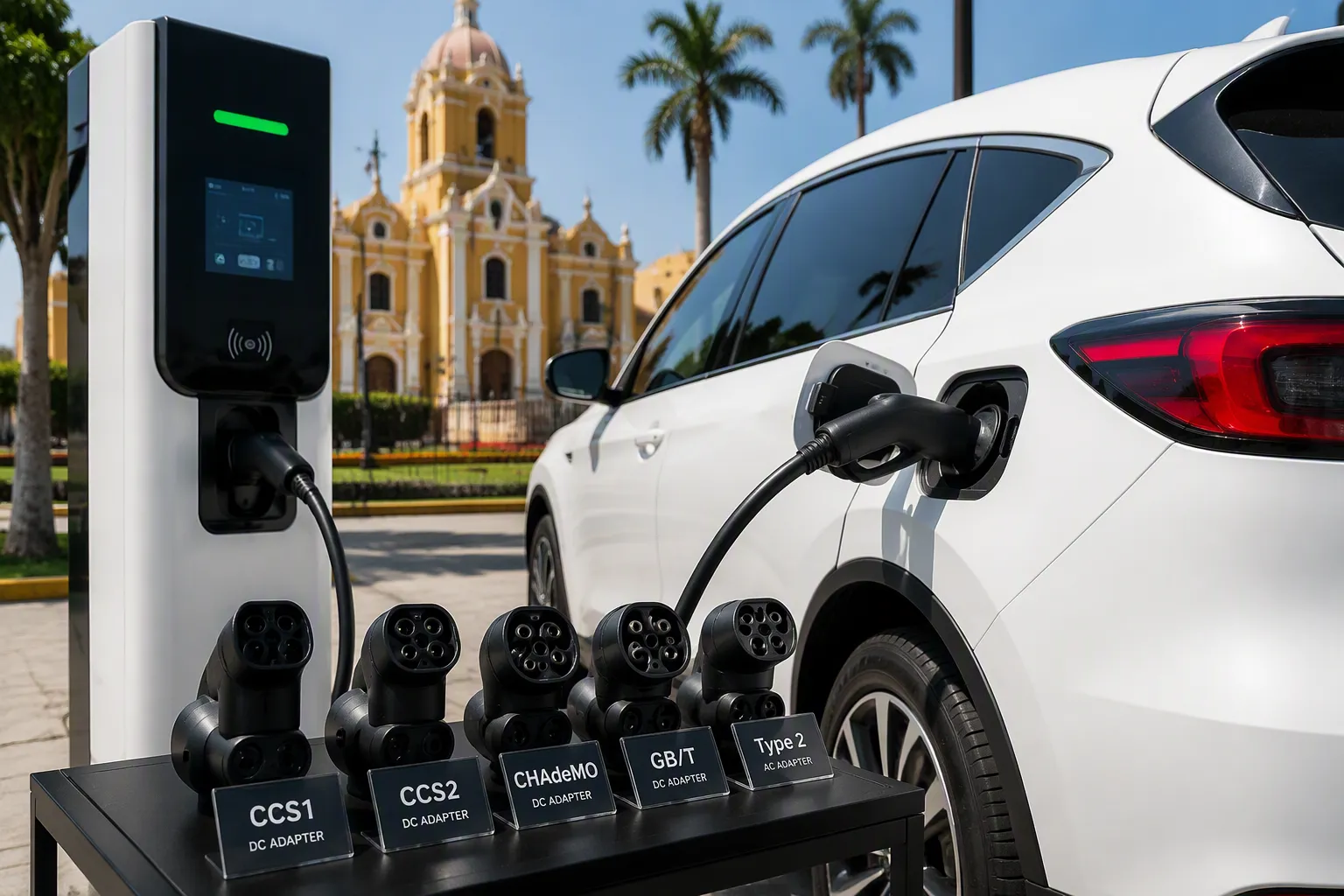
A maioria dos veículos elétricos modernos utiliza um conector universal para carregamento doméstico. A chave é compatibilizar o nível de potência (amperagem) do carregador com a velocidade máxima de carregamento do seu veículo. Um instalador pode ajudá-lo a selecionar o nível de potência correto para um carregamento eficiente.
Qual é a diferença entre carregadores com cabo fixo e sem cabo fixo?
Um carregador com cabo fixo possui um cabo permanentemente acoplado, oferecendo máxima conveniência. Um carregador sem cabo fixo possui uma tomada universal, exigindo que o proprietário utilize o cabo portátil do carro. Esta opção proporciona uma aparência mais arrumada quando não está em uso.
Um carregador doméstico aumentará significativamente minha conta de luz?
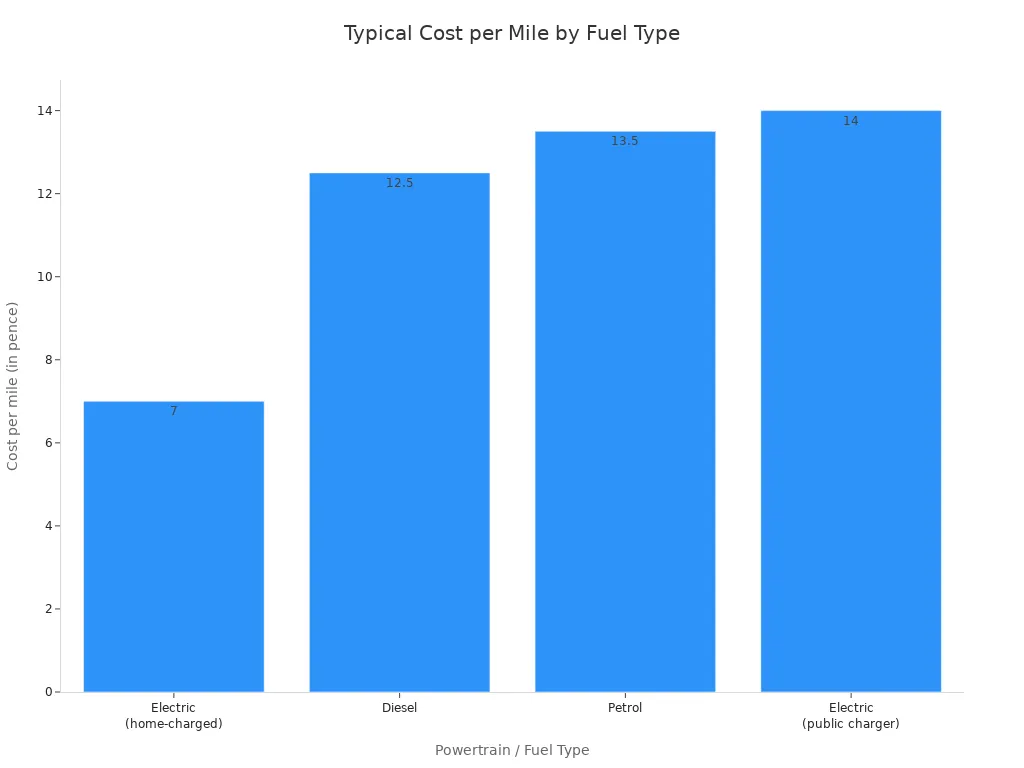
Carregar em casa é mais econômico do que usar carregadores públicos. Provedores tecnologicamente avançados, como a TPSON, oferecem carregadores inteligentes que permitem o agendamento durante horários de baixa demanda. Esta funcionalidade ajuda a gerenciar os custos de eletricidade utilizando tarifas mais baratas durante a noite.
Posso carregar dois veículos elétricos ao mesmo tempo?
Sim, é possível carregar dois veículos elétricos. Alguns carregadores inteligentes possuem recursos de balanceamento de carga que distribuem a energia com segurança entre dois veículos conectados. Um proprietário deve discutir as necessidades de carregamento para múltiplos veículos com seu instalador durante a fase de planejamento.