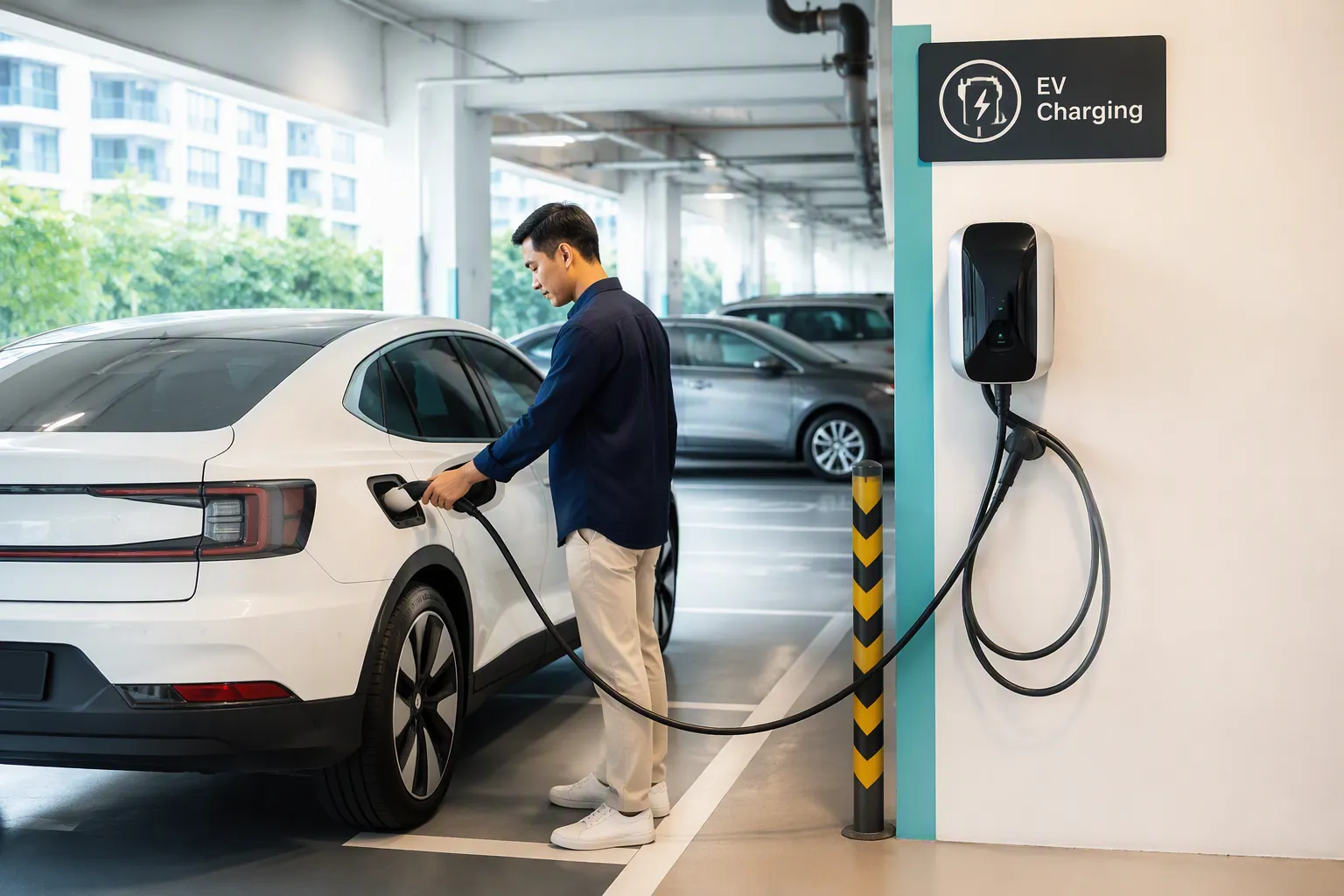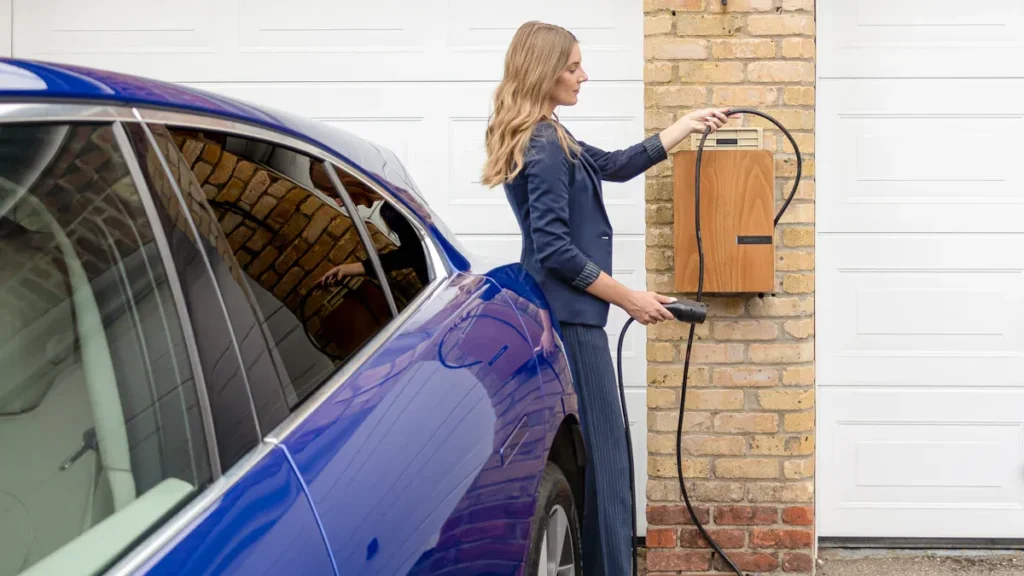
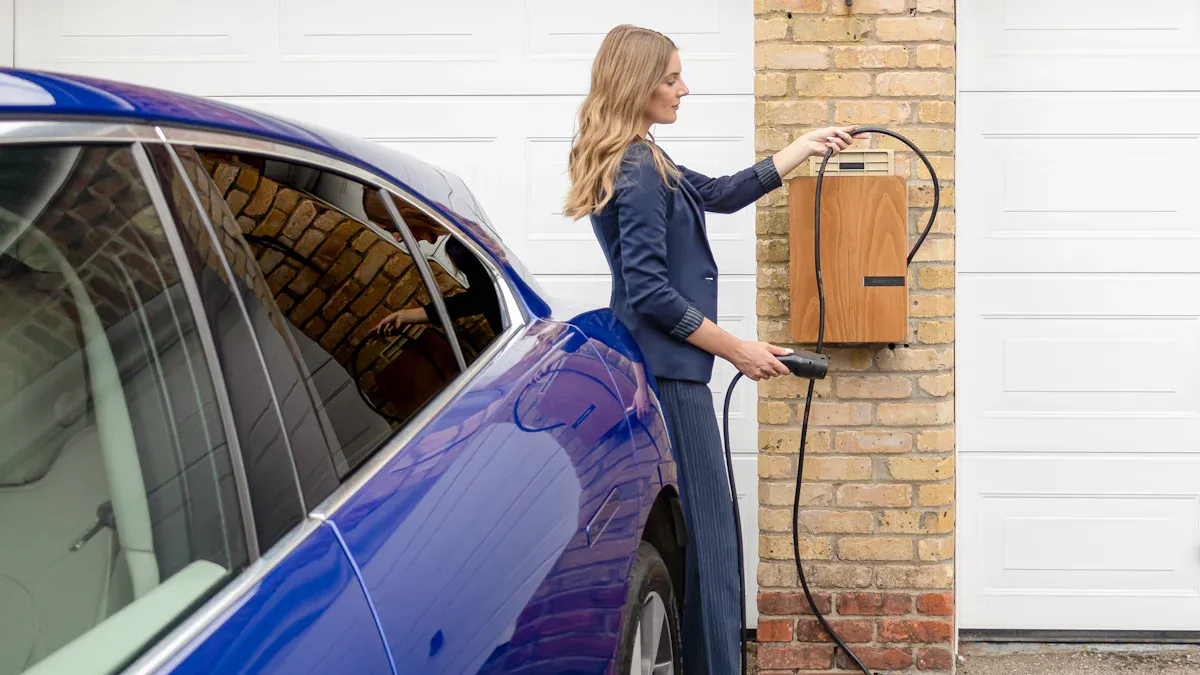
When you schedule a home Cargador EV installation process, you can expect a streamlined experience that prioritizes safety and efficiency. Licensed professionals from Fabricantes de cargadores para VE typically handle the installation, guiding you through each step. You may see them assess your electrical system, check the outlet, and ensure proper grounding before mounting the EV Charger. This process minimizes disruptions to your daily routine while ensuring your charging experience remains reliable. Understanding these steps helps you feel confident as you begin using your new EV charging solution.
Preparing for Your Home EV Charger Installation

Assessing Your Electrical System
Before you begin the installation process, you need to evaluate your home’s electrical system. This step ensures your home can safely support a home EV charger and helps you avoid unexpected delays or costs.
Checking Existing Wiring
You should start by examining your current wiring and electrical panel. Many homes, especially those built before the 1980s, have 100-amp panels. These panels often cannot handle the extra load of an electric car charger. If your home falls into this category, you may need to upgrade your panel to 150 or 200 amps. A 200-amp panel is ideal for supporting an EV charger, while a 100-amp panel may only work if your overall energy use is low.
Consejo: Consult a qualified electrician to review your wiring and panel. They can help you determine if your system meets the requirements for a home EV charger installation.
Determining Power Capacity
You must also check the available capacity in your electrical panel. Here are the key steps to follow:
Check the electrical panel for sufficient capacity (100, 150, or 200 amps).
Review circuit breakers to confirm a dedicated circuit is available for the charger.
Assess your home’s total energy use to avoid overloading the system.
Consult with a qualified electrician for advice on specific needs and local regulations.
A significant number of homes require upgrades before you install an EV charger. Load calculations play a crucial role in this assessment. If your panel cannot handle the additional load, you may need to factor in the cost of an upgrade as part of your installation process.
Selecting the Right Home EV Charger
Choosing the right charger for your electric vehicle ensures efficient and reliable charging at home. You need to consider charging speed, compatibility, and features that match your lifestyle.
Cargadores de nivel 1 frente a cargadores de nivel 2
The main difference between cargadores de Nivel 1 y Nivel 2 lies in their voltage and charging speed. The table below highlights these differences:
Tipo de cargador | Tensión | Velocidad de carga (kilómetros/hora) | Tiempo de carga completa (horas) |
|---|---|---|---|
Nivel 1 | 120V | 3-5 | 20+ |
Nivel 2 | 240V | 20-60 | 4-8 |
Level 1 chargers use a standard household outlet and provide slow charging, which may suit you if you drive short distances daily. Level 2 chargers require a 240V outlet and offer much faster charging, making them ideal for most EV owners who want to maximize convenience and flexibility.
Important Features to Consider
When selecting a home charger, you should look for features that enhance your charging experience and ensure long-term reliability. Experts recommend considering the following:
Charging speed for flexibility and efficiency.
Tethered chargers for convenience or untethered chargers for flexibility and cost savings.
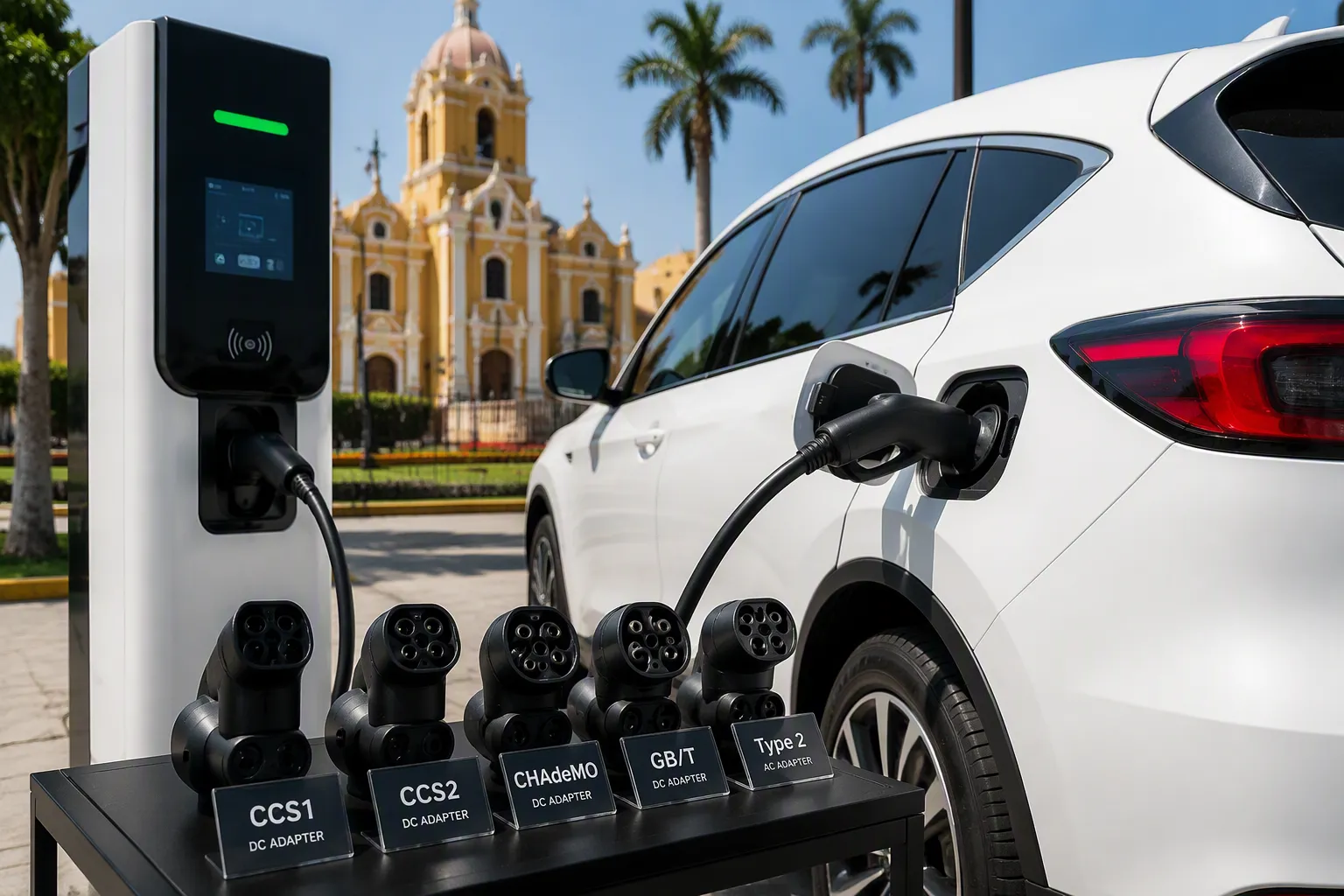
Compatibility with the most common connector types, such as Type 2.
Location suitability to ensure easy access and protection from the elements.
Compatibility with your home’s electrical system for safe operation.
Smart features like Wi-Fi connectivity and scheduling for better control.
Design and aesthetics to complement your home.
Nota: Advanced features such as Wi-Fi connectivity and scheduling can help you monitor and manage your charging points more efficiently.
Finding a Qualified Installer for Electric Vehicle Charger Installation
Selecting the right professional for your electric vehicle charger installation ensures safety, compliance, and peace of mind. You should always verify the credentials of your installer before starting the installation.
Licensed Electricians
A licensed electrician brings expertise and knowledge of local codes to your installation. They can assess your electrical system, recommend upgrades if needed, and ensure your home EV charger installation meets all safety standards. You should always ask for proof of licensing and insurance before hiring an electrician.
Certified EV Charger Installers
Some installers hold specialized certifications for EV charger installation, such as the Electric Vehicle Infrastructure Training Program (EVITP) certification in the U.S. These certifications show that the installer has received training in electrical theory, hands-on installation, and EV technology. The table below outlines key qualifications to look for:
Cualificación/Certificación | Descripción |
|---|---|
Certificación | Ensures quality and safety in installation, compliance with local codes. |
Certificación EVITP | Specific certification for EV charger installers in the U.S. |
Training | Involves electrical theory, hands-on experience, and knowledge of EV tech. |
Consejo: Always choose a professional installation provider with the right certifications and experience to install an EV charger safely and efficiently.
Scheduling the Installation Process
Availability and Lead Times
You should plan your home EV charger installation well in advance. Many professional installation providers experience high demand, especially during peak seasons when more drivers purchase electric vehicles. Lead times can range from a few days to several weeks, depending on your location and the installer’s schedule. Some areas may have a limited number of certified EV charger installers, which can extend the wait.
When you contact an installer, ask about their current availability. Provide details about your home, such as the type of electrical panel and the desired location for the charger. This information helps the installer estimate how long the installation process will take and whether any additional steps, like electrical upgrades, are necessary. If you need to install an EV charger quickly, consider reaching out to multiple providers to compare lead times.
Consejo: Schedule your installation as soon as you decide on a home charger model. Early booking gives you more flexibility and ensures your charging setup is ready when your EV arrives.
Preparing Your Home for the Appointment
Proper preparation ensures a smooth and efficient installation. Before the technician arrives, you should complete several important steps. These preparations help the installer work efficiently and reduce the risk of delays or unexpected costs.
Conduct a site assessment to review your electrical panel capacity.
Determine the optimal location for the charger, such as your garage, driveway, or carport.
Assess wiring needs and measure the distance from the breaker box to the charging point.
Discuss charger options with your installer, including Level 1, Level 2, or commercial-grade models.
Obtain necessary permits and confirm compliance with local regulations.
You should clear the area where the technician will work. Remove vehicles, storage items, or debris that could block access to the electrical panel or the planned charger location. Make sure the installer can easily reach both the panel and the charging points. If you live in a community with a homeowners association, check for any required approvals before the installation date.
Nota: Preparing your home in advance helps the professional installation team complete the process efficiently. It also minimizes disruptions to your daily routine and ensures your new charging system operates safely from day one.
A well-prepared home allows the installer to focus on mounting the charger, connecting it to your electrical system, and testing the charging functions. You gain peace of mind knowing your home EV charger will deliver reliable performance and long-term value.
Pre-Installation Process Steps
Site Assessment and Walkthrough
Before you begin the installation process, a professional installation team will conduct a thorough site assessment. This step ensures your home EV charger setup meets safety standards and fits your daily charging needs.
Choosing the Charger Location
You will work with your installer to select the best spot for your charger. The process often starts with a virtual or on-site assessment. The installer will review your electrical panel, evaluate load capacity, and determine the most convenient and safe location for your charger. You should consider your parking layout, the distance to your electrical panel, and how easily you can access the charging points. Discuss your specific needs, such as the type of home charger and any additional features you want.
Ensuring Accessibility and Safety
Safety and accessibility play a crucial role in the installation process. Your installer will check that the chosen location allows for easy access and meets all safety requirements. The following table outlines key safety standards that guide the installation of EV chargers:
Norma de seguridad | Descripción |
|---|---|
BS EN 61851 | Norma para los sistemas de carga conductiva de vehículos eléctricos. |
BS 7671 | IET Wiring Regulations para instalaciones eléctricas. |
Código de buenas prácticas de la IET | Recomendaciones para la instalación de equipos de recarga de vehículos eléctricos. |
Normativa de 2002 sobre seguridad, calidad y continuidad de la electricidad | Garantiza la seguridad y la calidad de las instalaciones eléctricas. |
BS 8300 | Accessibility requirements for disabled people. |
You should also ensure the area is free from obstructions and protected from weather if possible. This preparation helps guarantee a safe and reliable charging experience.
Permits and Permissions for Home EV Charger Installation
Códigos locales de edificación
You must comply with local building codes before you install an EV charger. Researching these codes and electrical regulations is essential. Consulting a professional installer familiar with your area’s requirements helps you avoid fines and ensures your installation meets all safety standards. Most cities require a permit for a new EV charging circuit. This process ensures your installation follows the National Electrical Code and local rules, which is crucial for the safety and reliability of your home EV charger.
HOA and Utility Approvals
If you live in a community with a homeowners association (HOA), you may need to secure approval before starting the installation. Some utility companies also require notification or approval, especially if your installation involves significant electrical upgrades. The table below shows common permit requirements for major metropolitan areas:
Type of Work | Permiso necesario |
|---|---|
Electrical System Upgrade | Sí |
Instalación de un nuevo circuito | Sí |
Construction for Charger | Sí |
Major Repairs to Walls | Sí |
Structural Changes | Sí |
Hardwired installations and new circuits for Level 2 chargers almost always require permits. Following these steps ensures your installation process runs smoothly and meets all legal requirements.
Cost Estimates for Electric Vehicle Charger Installation
Factores que influyen en el precio
Varios factors influence the installation cost for a home EV charger. The type of charging station, your existing electrical infrastructure, and the physical conditions at your site all play a role. The table below highlights the most common factors:
Factor | Descripción |
|---|---|
Tipo de estación de carga | Different chargers have varying installation costs. |
Infraestructura eléctrica | The current setup can affect complexity and cost. |
Site Conditions | Physical site conditions may increase labor and material costs. |
Local Demand | Electrician availability and demand can influence pricing. |
Local Codes | Stricter codes may lead to higher permit fees and longer timelines. |
Distancia al panel | Longer distances can increase wiring costs. |
What’s Included in the Quote
A professional installation quote typically covers all major components of the installation process. Here is a breakdown of typical costs in the United States:
Componente | |
|---|---|
Hardware del cargador | $400-$1.200 |
Mano de obra de instalación | $500-$1.500 |
Panel Upgrades (if needed) | $500-$2.500 |
Permisos e inspección | $50-$300 |
Coste total | $950-$5.500+ |
Your quote should include hardware, labor, permits, and any necessary upgrades. Always review the details with your installer to understand what is covered and to avoid unexpected expenses. This transparency helps you plan your budget and ensures you know the true cost to install a home EV charger.
Installation Day: What Happens When You Install an EV Charger

Technician Arrival and Introduction
What to Expect When the Installer Arrives
On installation day, you can expect a smooth and organized experience. The technician will usually call you about 30 minutes before arrival to confirm the appointment. When the technician arrives, you will notice a professional approach from the start. Here is what you can expect:
The technician arrives within the scheduled timeframe and greets you.
You review the installation plan together to confirm all details.
The technician sets up protective materials to keep your property clean.
A safe work area is established around all installation locations.
The technician answers any last-minute questions before beginning the work.
This approach ensures you feel informed and comfortable before the installation process begins.
Revisión del plan de instalación
The technician will walk you through the installation plan step by step. You will confirm the location for your home EV charger, review the path for electrical wiring, and discuss any unique requirements for your property. The technician will also explain the timeline for the installation and highlight any safety protocols. This review helps you understand what will happen and allows you to address any concerns before work starts.
Step-by-Step Installation Process
Preparing the Work Area
The technician will prepare the work area to ensure safety and efficiency. You will see protective coverings placed on floors and surfaces near the installation site. The technician will clear obstacles and set up barriers to keep the area secure. Personal protective equipment (PPE) such as hard hats, safety gloves, and insulated boots will be used throughout the process. These steps protect both your property and the technician.
Electrical Work and Mounting
The installation process for your home charger involves several key steps:
The technician mounts the charger securely to the wall at the chosen location.
Electrical wiring is run from your main panel to the charger, using insulated tools and proper grounding techniques.
A double circuit breaker is installed in your electrical panel to support the new charging points.
The technician ensures all connections are tight and that the system meets local electrical codes.
During this stage, the technician pays close attention to environmental factors. Weatherproofing and clear access are prioritized, especially if you install an EV charger outdoors. The technician also considers the aesthetics of your property, integrating the charger with your existing infrastructure.
Connecting the Home EV Charger
Once the charger is mounted and wired, the technician connects it to your electrical system. The technician follows the manufacturer’s setup procedures, configuring the charger for your specific EV. If your charger includes smart features, the technician will help you set up the app and connect the charger to your home network. You will receive guidance on how to use these features for efficient charging.
Safety Checks and Testing
Verifying Proper Installation
Safety is a top priority during every professional installation. The technician will conduct a series of safety checks to ensure your home EV charger operates reliably. These checks include:
Inspecting all connectors and cables for secure attachment and signs of wear.
Verifying that the system is free from obstructions that could block ventilation or access.
Ensuring proper grounding and that all components meet safety standards.
The technician will also perform electrical tests, such as earth loop impedance tests and RCD (Residual Current Device) tests, to confirm the installation meets regulatory requirements.
Initial Charger Test Run
After completing the safety checks, the technician will perform an initial test run of your charger. This test involves plugging in your EV and monitoring the first charging session. The technician will watch for any issues, such as power supply interruptions, faulty contactors, or component failures caused by humidity or dust. You may also see the technician check for network authentication and communication between the charger and your vehicle.
Testing protocols that simulate real-world conditions help identify potential issues early, ensuring your charging experience is smooth from the start.
If any problems arise, such as overheating or grounding issues, the technician will address them immediately. You will receive instructions on how to monitor your charger and what to do if you notice any unusual behavior during future charging sessions.
Final Setup and Homeowner Walkthrough
After the technician completes the installation, you move into the final setup and walkthrough phase. This part of the installation process ensures you understand your new home EV charger and feel confident using it. The technician will guide you through each step, answer your questions, and confirm that your charging points are ready for daily use.
Demonstrating Charger Use
You start with a thorough inspection of the entire setup. The technician checks every component, from the electrical connections to the mounting hardware. This inspection confirms that the installation meets safety standards and that your home charger is ready for operation.
The technician then reviews the installation with you. You see how the charger connects to your electrical system and how the wiring supports safe charging. The technician explains the charging process, showing you how to plug in your EV and monitor the charging status. You learn how to use any smart features, such as scheduling charging sessions or tracking energy usage through a mobile app.
Here is a summary of the steps covered during the final setup:
Paso | Descripción |
|---|---|
1 | Thorough inspection of the entire setup |
2 | Review of installation to ensure proper installation and functionality |
3 | Confirmation that the EV charger is safe and ready for use |
You also receive a demonstration of the initial charging session. The technician plugs in your EV, starts a charge, and walks you through the indicators on the charger. You see how to stop and start charging, check for error messages, and use any included safety features. If your charger supports smart features, the technician helps you connect the device to your home Wi-Fi and set up the app.
Tip: Take notes or record the demonstration on your phone. This helps you remember key steps when you use the charger on your own.
Answering Homeowner Questions
The walkthrough gives you a chance to ask questions about your new home EV charger. The technician encourages you to discuss any concerns about the installation or the charging process. You might ask about the best times to charge your EV, how to maintain the charger, or what to do if you notice unusual behavior.
Common topics you may want to cover include:
How to reset the charger if you experience a fault
What the different indicator lights mean
How to use the smart features for scheduling or monitoring charging
Steps to take if you need to install an EV charger at a new location in the future
Maintenance tips to keep your charger in top condition
The technician provides clear answers and practical advice. You receive printed or digital documentation that explains the installation, warranty, and troubleshooting steps. This information helps you feel prepared to handle routine charging and minor issues without stress.
Note: Keep your installation documents and warranty information in a safe place. You may need them for future reference or if you contact customer support.
By the end of the walkthrough, you know how to operate your home EV charger, use the charging points safely, and take advantage of all available features. You leave the installation process with confidence, ready to enjoy the convenience of charging your EV at home.
After Your Home EV Charger Installation
Understanding Your Home EV Charger Features
After the installation process, you should take time to understand the main features of your new home EV charger. Modern chargers offer a range of capabilities that make home charging more efficient and convenient.
Característica | Descripción |
|---|---|
Funciones inteligentes | Many chargers include Wi-Fi or mobile data connectivity for remote control and app integration. |
Solar Support | Some chargers can optimize charging based on solar panel output, which is beneficial for solar users. |
Earthing Compliance | New chargers may include PEN fault devices to avoid additional earthing work in older homes. |
Consideraciones económicas | Government grants can subsidize installation costs, with total costs ranging from £500-£1200. |
Main Fuse | Ensuring your main fuse is adequate (100 amps recommended) can enhance charging speed and safety. |
Circuito dedicado | A dedicated circuit and fuse are necessary for the installation of an EV charger. |
You can find budget-friendly options like Project EV Pro Earth, which offers essential smart features. If you want to optimize charging based on electricity rates, the Ohme Home Pro provides energy tariff integration. For advanced features such as voice control, the Wallbox Pulsar Plus stands out as a premium option.
Using Smart Functions
You can use smart features to schedule charging sessions, monitor energy usage, and control your charger remotely through a mobile app. Many chargers allow you to set charging times to take advantage of off-peak electricity rates. Some models integrate with solar panels, letting you use renewable energy for your electric vehicle. Connecting your charger to Wi-Fi or mobile data ensures you receive firmware updates and access to new features.
Maintenance Tips
Regular maintenance keeps your home charger operating safely and efficiently. You should:
Inspect the area around the charger for cleanliness and remove flammable objects.
Verifique el cuerpo del cargador en busca de luces indicadoras y signos de fallas.
Examine el cargador y sus partes en busca de daños o desgaste.
Evite colocar objetos pesados sobre el cable de alimentación y asegure la estanqueidad al agua durante la lluvia.
Siga estos pasos para el mantenimiento de rutina:
Desenchufa el cargador antes de limpiarlo.
Utilice un paño húmedo para limpiar la superficie, evitando materiales abrasivos.
Verifique que las rejillas de ventilación no estén obstruidas para prevenir el sobrecalentamiento.
Inspeccione el cable de carga en busca de grietas o dobleces.
Programe un servicio profesional cada 12 a 24 meses.. Un técnico certificado puede revisar el cableado, verificar el cuadro de interruptores y realizar reparaciones según sea necesario.
Solución de Problemas y Soporte para la Instalación de Cargadores de Vehículos Eléctricos
Problemas Comunes y Soluciones
Puede encontrar algunos problemas comunes después de instalar un cargador para vehículos eléctricos. Aquí hay pasos efectivos para la solución de problemas:
Si el cargador no se enciende, revise el cuadro eléctrico en busca de interruptores disparados y confirme que el cableado sea correcto.
Si el cargador no se conecta a su vehículo, asegúrese de que el cable esté completamente insertado y que el vehículo esté en el modo correcto.
Para velocidades de carga lentas, considere actualizar a un cargador de mayor capacidad..
Si ve mensajes de error, consulte el manual y verifique que la conexión a tierra sea adecuada.
Inspeccione el cable y el enchufe de carga en busca de daños y reemplácelos si es necesario.
Contactar al Servicio de Atención al Cliente
Si necesita soporte, hay varias opciones disponibles:
Contacte a su proveedor de energía si ellos realizaron la instalación o si tiene inquietudes sobre el cargador.
Comuníquese con el fabricante de su automóvil para problemas relacionados con la funcionalidad de carga del vehículo.
Para asistencia directa con el cargador, instalación, conectividad o soporte de la aplicación, contacte al equipo de atención al cliente de la marca de su cargador.
Consejo: Tenga a mano sus documentos de instalación al contactar al soporte. Esto ayuda a resolver los problemas más rápidamente.
Garantía y Documentación
Registro de su Cargador
Registrar su cargador doméstico para vehículos eléctricos activa su garantía y asegura que reciba soporte si es necesario. La mayoría de los fabricantes ofrecen garantías que cubren defectos de fabricación y materiales. Aquí hay un resumen de los términos típicos de garantía:
Fabricante | Periodo de garantía | Condiciones |
|---|---|---|
AUTEL | Libre de defectos de fabricación y materiales | |
Plug Me In | 3 años | Sujeto a la garantía del fabricante |
Ohme | 3 años | Garantía del fabricante |
Debe completar el proceso de registro poco después de la instalación para asegurar su cobertura.
Conservación de Registros para Referencia Futura
Guarde toda la documentación relacionada con su instalación, incluyendo recibos, tarjetas de garantía y registros de servicio. Conservar estos registros le ayuda a realizar un seguimiento del mantenimiento, reclamar el servicio de garantía y proporcionar información si se muda o actualiza sus puntos de carga en el futuro.
Nota: Los registros organizados facilitan la gestión de su configuración de carga doméstica y aseguran la confiabilidad a largo plazo.
Costos y Presupuesto para la Instalación de un Cargador Doméstico para Vehículos Eléctricos
Desglose de los costes de instalación
Mano de Obra y Materiales
Al planificar su proceso de instalación, necesita comprender los principales componentes del costo. El precio para instalar un cargador para vehículos eléctricos en casa depende del tipo de cargador,, la complejidad de la instalación y la configuración eléctrica de su hogar. Aquí hay un desglose de los costos típicos::
Componente de coste | Precios |
|---|---|
Precio del cargador de nivel 2 | $300-$1.200 |
Cargadores inteligentes (con Wi-Fi) | $100-$300 más |
Instalación de un nuevo circuito | $200-$800 |
Mejora del cuadro eléctrico | $500-$2.000 |
Costos de mano de obra (electricista) | $400-$1.500 |
Permisos e inspecciones | $50-$500 |
Instalación básica | $500-$1.000 |
Instalación estándar | $1,000–$1,500 |
Instalación compleja | $1,500–$2,500 |
Puede ver costos más altos si su hogar requiere una actualización del cuadro eléctrico o una trayectoria de cable más larga. Los cargadores inteligentes con funciones Wi-Fi generalmente aumentan el precio total.
Gastos Adicionales
Además de la mano de obra y los materiales, debe considerar gastos extra. Estos pueden incluir zanjas para puntos de carga exteriores, envolventes resistentes a la intemperie o dispositivos de seguridad adicionales. Algunos propietarios también optan por agregar protección contra sobretensiones o actualizar su fusible principal para un mejor rendimiento de carga. Siempre solicite a su instalador un presupuesto detallado para conocer el costo total de instalar su cargador doméstico para vehículos eléctricos.
Incentivos y Reembolsos para la Instalación de Cargadores de Vehículos Eléctricos
Programas federales y estatales
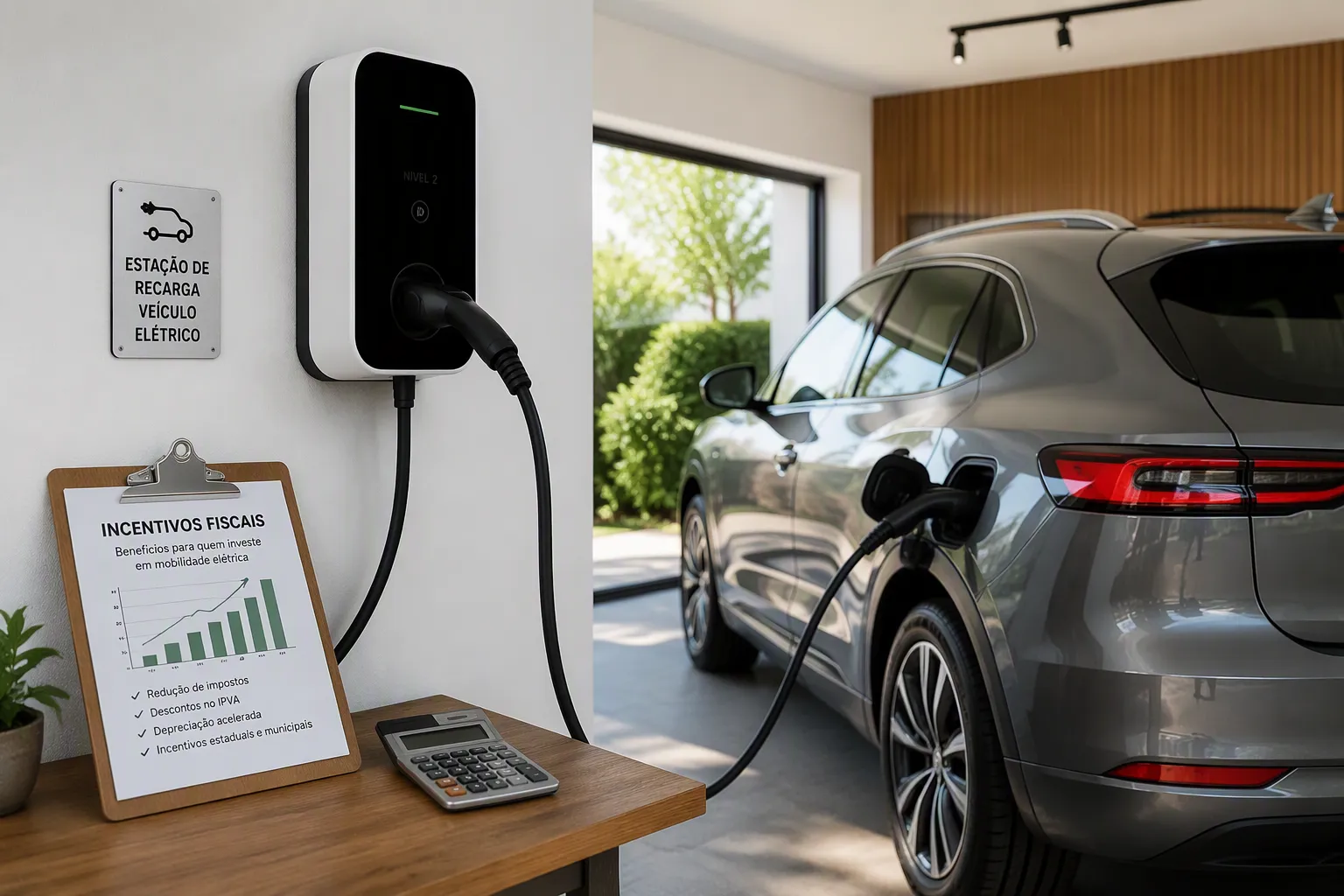
Puede reducir sus costos de instalación aprovechando los incentivos disponibles. El gobierno federal ofrece un crédito fiscal por la compra e instalación de equipos de carga domésticos para vehículos eléctricos. Puede reclamar hasta $1,000 por la compra e instalación de equipos de suministro para vehículos eléctricos domésticos (EVSE) como crédito fiscal. El crédito fiscal para Propiedad de Reabastecimiento de Combustible de Vehículos de Combustible Alternativo permanece disponible hasta el 30 de junio de 2026, especialmente para instalaciones en comunidades de bajos ingresos o no urbanas. Muchos estados también ofrecen incentivos en efectivo o créditos fiscales adicionales por instalar un cargador doméstico.
Ofertas de las compañías eléctricas
Las compañías de servicios públicos en todo Estados Unidos apoyan la adopción de vehículos eléctricos ofreciendo reembolsos y programas especiales. Puede calificar para reembolsos que van desde $400 a más de $1,000 por instalaciones de cargadores domésticos para vehículos eléctricos. Algunas empresas de servicios públicos también ofrecen tarifas eléctricas reducidas para la carga en horas de menor demanda en el hogar. Estos programas le ayudan a ahorrar dinero tanto en la instalación como en sus costos continuos de carga.
Consejo: Consulte con su empresa de servicios pública local y la oficina de energía estatal para encontrar las ofertas más recientes antes de comenzar su proceso de instalación.
Ahorros a Largo Plazo con un Cargador Doméstico para Vehículos Eléctricos
Cargar en casa o en estaciones públicas
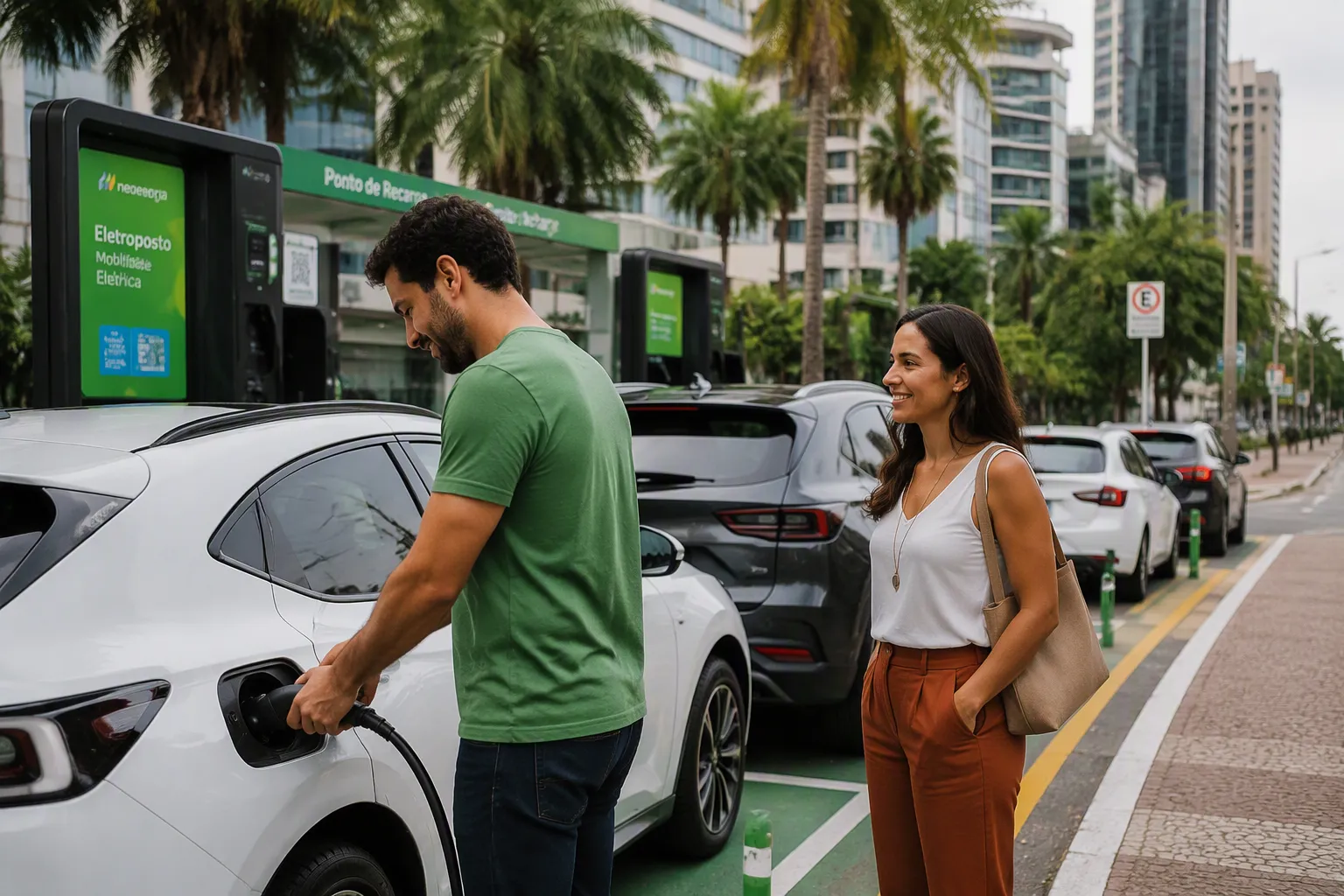
Cargar en casa le da más control sobre su uso de energía y costos. Las estaciones de carga públicas a menudo cobran tarifas más altas por kilovatio-hora. Cuando utiliza su propio cargador doméstico, se beneficia de las tarifas eléctricas residenciales más bajas y la conveniencia de cargar durante la noche. Con el tiempo, los ahorros por la carga doméstica se acumulan, especialmente si conduce su vehículo eléctrico a diario.
Consideraciones sobre Eficiencia Energética
Los cargadores modernos utilizan funciones inteligentes para optimizar los tiempos de carga y reducir el desperdicio de energía. Programar sus sesiones de carga durante las horas de menor demanda puede reducir su factura eléctrica. Algunos puntos de carga domésticos también se integran con paneles solares, permitiéndole utilizar energía renovable para su vehículo eléctrico. Estas características mejoran la eficiencia energética y le ayudan a maximizar el valor de su instalación.
Nota: Invertir en un cargador doméstico de calidad y utilizar los incentivos disponibles puede hacer que su instalación sea más asequible y eficiente a largo plazo.
Elegir el Proveedor Adecuado para la Instalación de Cargadores de Vehículos Eléctricos en el Hogar
Seleccionar el proveedor adecuado para la instalación de su cargador de vehículo eléctrico en el hogar garantiza una experiencia de carga segura y fiable. Necesita un equipo que comprenda el proceso de instalación y pueda ofrecer resultados de calidad. El instalador correcto le ayudará a maximizar los beneficios de su cargador doméstico y le brindará apoyo durante todo el proceso.
Comparar Instaladores para la Instalación de Cargadores de Vehículos Eléctricos
Reputación y Reseñas
Siempre debe investigar la reputación de cualquier instalador antes de proceder. Busque empresas con un historial sólido en instalación de cargadores para vehículos eléctricos. Los instaladores confiables suelen tener comentarios positivos en plataformas de confianza y sitios web del sector. Puede verificar certificaciones, años de experiencia y cualquier premio o reconocimiento. Un proveedor con buena reputación probablemente realizará una instalación sin contratiempos y atenderá sus inquietudes rápidamente.
Consejo: Pida recomendaciones a amigos o vecinos que hayan completado una instalación de cargador de vehículo eléctrico en el hogar. Sus experiencias pueden ayudarle a tomar una decisión informada.
Garantías de Servicio
Las garantías de servicio distinguen a los instaladores profesionales. Es importante saber que su proveedor respalda su trabajo. Muchas empresas reputadas ofrecen garantías tanto para el cargador como para la instalación. Estas garantías le protegen si surgen problemas después del proceso de instalación. Pregunte sobre la duración de la garantía, qué cubre y cómo solicitar servicio si es necesario. Una garantía sólida demuestra que el instalador valora la calidad y la satisfacción del cliente.
Característica de la Garantía de Servicio | En qué fijarse |
|---|---|
Duración de la Garantía | Al menos 1-3 años |
Cobertura | Tanto el cargador como la instalación |
Tiempo de respuesta | Soporte rápido para problemas urgentes |
Opciones de Mantenimiento | Revisiones o servicio periódicos |
Preguntas que Debe Hacer Antes de Instalar un Cargador de Vehículo Eléctrico
Experiencia con Cargadores de Vehículos Eléctricos para el Hogar
Antes de contratar a un instalador, pregunte sobre su experiencia con cargadores de vehículos eléctricos para el hogar. Necesita a alguien que comprenda los requisitos específicos de los puntos de carga para vehículos eléctricos y pueda manejar diferentes modelos de cargadores. Pregunte cuántas instalaciones han completado y si han trabajado con su marca específica de cargador. Los instaladores con experiencia pueden anticipar desafíos y garantizar que su configuración de carga cumpla con todos los estándares de seguridad.
Seguros y Licencias
Verifique siempre que su instalador tenga los seguros y licencias adecuados. Los profesionales licenciados cumplen con los códigos y regulaciones locales, lo que mantiene su instalación segura y conforme. El seguro le protege de responsabilidades si ocurren accidentes durante la instalación. Solicite pruebas de ambos antes de que comience el proceso de instalación. Este paso le brinda tranquilidad y le ayuda a evitar problemas costosos en el futuro.
Nota: Nunca omita este paso. La documentación adecuada es esencial para una instalación segura y legal.
Elegir el proveedor adecuado para la instalación de su cargador de vehículo eléctrico en el hogar le ayuda a disfrutar carga fiable de la carga en su conveniencia. Tómese el tiempo para comparar opciones, hacer las preguntas correctas y revisar todas las garantías. Se sentirá confiado sabiendo que sus puntos de carga están en manos expertas.
Ha aprendido qué esperar durante el proceso de instalación de su cargador de vehículo eléctrico en el hogar. Ahora puede abordar su nuevo cargador con confianza.
Revise las características de su cargador y programe un mantenimiento regular.
Mantenga su documentación organizada para futuras referencias.
Comuníquese con su instalador o fabricante para obtener soporte si necesita ayuda.
Consejo: Visite recursos oficiales de vehículos eléctricos y sitios web de fabricantes para obtener guías de solución de problemas y actualizaciones.
PREGUNTAS FRECUENTES
¿Cuánto tiempo típicamente toma la instalación de un cargador de vehículo eléctrico en el hogar?
La mayoría de las instalaciones toman entre dos y cuatro horas. El proceso puede llevar más tiempo si su hogar necesita una actualización del cuadro eléctrico o cableado adicional.
¿Necesito estar en casa durante la instalación?
Sí, debe estar presente. El instalador puede necesitar acceso a su cuadro eléctrico y revisará el plan de instalación con usted antes de comenzar.
¿Puedo instalar yo mismo un cargador EV?
No debe intentar la autoinstalación. Solo un electricista licenciado o un instalador certificado puede garantizar la seguridad y el cumplimiento de los códigos locales.
¿Instalar un cargador de vehículo eléctrico en el hogar aumentará mi factura de electricidad?
Cargar su vehículo eléctrico en el hogar aumentará su consumo de electricidad. Puede gestionar los costos cargando durante las horas de menor demanda o utilizando funciones de programación inteligente.
¿Qué mantenimiento requiere un cargador EV doméstico?
Debe inspeccionar regularmente el cargador y los cables en busca de daños. Limpie la unidad con un paño húmedo. Programe un servicio profesional cada uno o dos años.
¿Necesito un permiso para instalar un cargador de vehículo eléctrico en el hogar?
La mayoría de las áreas requieren un permiso para nuevas instalaciones de circuitos. Su instalador le ayudará a obtener los permisos necesarios y garantizará el cumplimiento de las regulaciones locales.
¿Qué debo hacer si mi cargador deja de funcionar?
Primero, verifique su interruptor automático y las conexiones. Si el problema persiste, contacte a su instalador o al fabricante del cargador para obtener soporte.