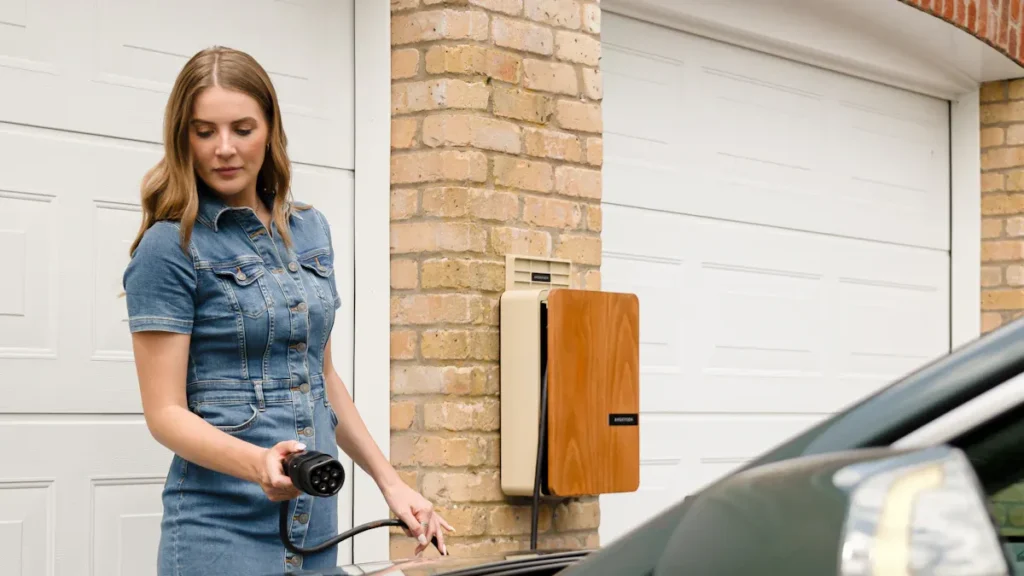

É muito provável que os proprietários de habitação possam instalar um carregador de 7kW. O fator-chave é garantir que o sistema elétrico da casa esteja preparado para a instalação. Esta atualização é popular, com pesquisas a mostrarem que mais de 90% dos condutores de veículos elétricos têm acesso a carregamento doméstico.
Um carregador potente reduz drasticamente o tempo de carregamento. Pode levar um veículo de vazio a cheio em 4-8 horas, comparado com 24+ horas com um carregador carregadores ev portáteis.
básico. Fabricantes de carregadores para veículos eléctricos Muitos Soluções de carregamento de veículos eléctricos. fornecedores carregador ev oferecem estes.
carregadores avançados.
Este.
circuito dedicado
é uma atualização significativa. Fornecedores tecnologicamente avançados como a TPSON oferecem este eficaz carregador doméstico.
Passo 1: Verifique o Fornecimento Elétrico da Sua Casa
Antes de um proprietário poder selecionar um potente carregador de 7kW, deve primeiro confirmar que o sistema elétrico da sua casa o suporta. Este passo inicial é o mais importante para uma instalação segura e bem-sucedida. Envolve compreender o tipo de energia que a casa recebe e a capacidade total que consegue suportar. Compreender a Sua Instalação Elétrica, A instalação elétrica de uma casa é a base para tudo, desde as luzes aos grandes eletrodomésticos. Para um carregamento potente de carro elétrico, é necessário um tipo específico de circuito. O que é um Circuito de 240 Volts?. As tomadas de parede padrão na América do Norte fornecem.
110-120 volts
- , o que é insuficiente para um carregador rápido Nível 2.
- . Um carregador de 7kW requer um circuito de 240 volts. Esta tensão mais elevada permite que mais energia flua para o veículo, reduzindo drasticamente o tempo de carregamento. A maioria das casas norte-americanas utiliza um sistema "monofásico com derivação central". Um transformador fora de casa fornece dois fios "vivos" de 120 volts e um fio neutro. Esta configuração fornece:.
120 volts.
| Caraterística | Estados Unidos | Europa (maior parte do continente) |
|---|---|---|
| Tensão | 110-120 Volts | 220-240 Volts |
| Frequência | 60 Hertz | 50 Hertz |
| para tomadas padrão (usando um fio vivo e o neutro). | 240 volts | para eletrodomésticos de alta potência (usando ambos os fios vivos). |
Isto difere dos sistemas noutras partes do mundo. Tomadas Comuns Tipo A (2 pinos, chatos), Tipo B (3 pinos, chatos).

O sistema
monofásico com derivação central.
- norte-americano é especificamente concebido para fornecer ambos os níveis de tensão a uma residência a partir de uma única fonte.
- Posso ter um carregador de 7kW em casa? 7
- Tem Acesso a 240 Volts?
- A maioria das casas modernas já tem acesso a 240 volts. Os proprietários podem procurar tomadas que alimentam grandes eletrodomésticos.
Secadores de roupa elétricos.
Fornos ou fogões elétricos
Unidades de ar condicionado central.
Aquecedores de água elétricos
A presença destes eletrodomésticos é um forte indicador de que o quadro elétrico da casa pode fornecer 240 volts. O próximo passo é ver se o quadro tem capacidade suficiente para outro dispositivo de alta potência, como um carregador de veículo elétrico.
- Encontrar o Seu Quadro Principal de Serviço
- O quadro principal de serviço, ou quadro de disjuntores, é o centro de controlo de todo o sistema elétrico de uma casa. Toda a energia da empresa de serviços públicos passa por esta caixa antes de ser distribuída por vários circuitos.
- Localizar o Seu Quadro de Disjuntores
- O quadro de disjuntores é tipicamente uma caixa metálica cinzenta montada numa parede. Localizações comuns incluem:
Garagens.
Cave
Armários de utilidades Corredores. Ao abrir a porta metálica, revelam-se as filas de disjuntores. Cada disjuntor é um interruptor que protege um circuito específico de consumir corrente elétrica em excesso. 100, 150, ou 200. Ler o Disjuntor Principal.
No topo ou na base do painel de disjuntores, há um grande disjuntor separado dos outros. Este é o
disjuntor principal.
. Controla toda a energia de toda a casa. Este único interruptor tem um número impresso, como
100, 150 ou 200.
Segurança em primeiro lugar: . Este número representa a amperagem total da casa, ou a sua capacidade elétrica máxima.
Determinar a Amperagem da Sua Casa
| A classificação de amperagem é o fator mais crítico para determinar se uma casa está preparada para um carregador de 7kW. Um carregador de 7kW consome continuamente cerca de 30-32 amperes e deve ser instalado num circuito dedicado com um disjuntor de 40 amperes por segurança. | São Suficientes 100 Amperes? |
|---|---|
| Uma casa com serviço de 100 amperes pode suportar um carregador de 7kW, mas muitas vezes é insuficiente. É necessário um cálculo de carga elétrica para ter certeza. O circuito de 40 amperes do carregador deve ser adicionado à carga dos outros grandes eletrodomésticos da casa. Se o total exceder a capacidade do quadro, a instalação não é segura. | 40 amperes |
| Aquecedores de água de grande capacidade | 30 ou 40 amperes |
| Aparelhos de ar condicionado centrais (4-5 toneladas) | 35-60 amperes |
| Secadores elétricos | 30 amperes |
Utilizar um ar condicionado e uma máquina de secar roupa elétrica enquanto o veículo elétrico está a carregar pode facilmente sobrecarregar uma ligação de 100 ampères, fazendo com que o disjuntor principal dispare.
Por que razão 200 amperes é o valor ideal
Um serviço de 200 ampères é o padrão moderno e é considerado ideal para residências com um veículo elétrico. Esta capacidade fornece energia mais do que suficiente para todas as necessidades domésticas, além de um circuito dedicado ao carregamento do carro elétrico. Os proprietários com um serviço de 200 ampères raramente enfrentam problemas de capacidade, o que torna a instalação de um ponto de carregamento muito simples. Além disso, prepara a casa para a chegada de futuros dispositivos elétricos. Fornecedores tecnologicamente avançados, como a TPSON, concebem os seus pontos de carregamento para veículos elétricos de forma a integrarem-se perfeitamente em sistemas elétricos domésticos robustos.
Como confirmar a sua classificação de serviço
Um proprietário pode verificar a classificação do seu serviço de várias formas:
- Verifique o disjuntor principal: O número no disjuntor principal (
100,200, etc.) é o indicador mais direto. - Inspecionar o contador de eletricidade: A base do contador ou a cablagem exterior da empresa de serviços públicos podem ter a intensidade nominal gravada.
- Ligue para a empresa de eletricidade: A empresa de serviços públicos dispõe de registos do serviço prestado ao imóvel e pode confirmar a amperagem.
Conhecer esta informação é o primeiro passo concreto para instalar uma estação de carregamento doméstica rápida e prática para o seu veículo.
Passo 2: Avaliar o seu quadro de disjuntores
Depois de confirmar a amperagem da habitação, o passo seguinte consiste numa inspeção detalhada do próprio quadro de disjuntores. O espaço físico do quadro e a carga elétrica existente são tão importantes quanto a capacidade total do serviço. Esta avaliação determina se o quadro tem capacidade para acomodar um novo circuito de alta potência para carregamento de carros eléctricos.
O seu painel tem espaço suficiente?
Um carregador de 7 kW requer um novo circuito dedicado de 240 volts. Este circuito necessita do seu próprio disjuntor bipolar, o que ocupa espaço físico no interior do quadro elétrico.
Identificação de ranhuras de disjuntores disponíveis
O proprietário pode fazer uma verificação visual do seu quadro elétrico. Abra a porta do quadro para ver as filas de disjuntores.
- Espaços ocupados ter um disjuntor a ocupar o espaço.
- Vagas disponíveis são espaços vazios, frequentemente cobertos por uma placa cega de plástico ou metal denominada “knockout”.”
Um disjuntor de 240 volts tem o dobro da altura de um disjuntor padrão de 120 volts. Por conseguinte, requer dois espaços livres, verticalmente adjacentes. Se não houver espaço disponível, a instalação torna-se mais complexa.
O que é um disjuntor em tandem?
Em alguns casos, um eletricista pode utilizar disjuntores “tandem” ou “slim” para libertar espaço. Um disjuntor em tandem permite que dois circuitos separados ocupem o espaço de um único disjuntor padrão. No entanto, nem todos os quadros os aceitam e existem limitações regulamentares quanto à sua utilização. Um eletricista deve verificar se esta é uma opção segura e em conformidade para um quadro específico. Não se trata de uma solução universal para um quadro cheio.
Calcular a sua carga elétrica
Mesmo que haja espaço físico suficiente, o painel deve ter capacidade elétrica suficiente. A cálculo da carga trata-se de uma análise sistemática destinada a garantir que o novo carregador não sobrecarregue a rede elétrica da habitação.
O que é um cálculo de carga?
Pense no cálculo da carga como a criação de um “orçamento elétrico” para a casa. Trata-se de uma avaliação profissional realizada por um eletricista. O cálculo soma o consumo de energia de todos os principais aparelhos elétricos, da iluminação e das tomadas de uso geral. A carga contínua do novo carregador de veículos elétricos é então adicionada a este total. O valor final não deve exceder 80% da capacidade nominal do disjuntor principal, para cumprir as normas de segurança.
A avaliação profissional é fundamental 💡 Um cálculo correto da carga não é uma tarefa para se fazer por conta própria. Exige conhecimento dos códigos elétricos nacionais e locais. Um eletricista poderá dar uma resposta definitiva sobre se o sistema atual da casa consegue suportar com segurança o novo ponto de carregamento.
Eletrodomésticos de grande porte a ter em conta
O cálculo deve incluir todas as cargas elétricas significativas da casa. O consumo de energia destes aparelhos aumenta rapidamente.
| A classificação de amperagem é o fator mais crítico para determinar se uma casa está preparada para um carregador de 7kW. Um carregador de 7kW consome continuamente cerca de 30-32 amperes e deve ser instalado num circuito dedicado com um disjuntor de 40 amperes por segurança. | Tamanho comum dos disjuntores |
|---|---|
| Ar condicionado central | 30-50 amperes |
| Aquecedor elétrico de água | 30 amperes |
| Fogão elétrico/Forno | 40-50 amperes |
| Secador de roupa elétrico | 30 amperes |
| Banheira de hidromassagem ou spa | 50-60 amperes |
O eletricista terá em conta estas cargas existentes antes de determinar se existe capacidade suficiente para o novo circuito de 40 ampères necessário para um carregador de 7 kW.
Por que razão este passo é fundamental para a segurança
A instalação de um dispositivo de elevado consumo, como um carregador de veículos elétricos, sem um cálculo da carga, representa um risco de segurança grave. Um quadro elétrico sobrecarregado pode conduzir a situações perigosas. A cablagem do sistema não foi concebida para suportar corrente excessiva, o que pode provocar o sobreaquecimento dos componentes e criar um risco de incêndio. É por isso que uma avaliação profissional é imprescindível para qualquer instalação de carregamento de carros elétricos.
Sinais de que poderá precisar de uma atualização do quadro elétrico
Por vezes, a instalação elétrica da casa apresenta sinais claros de que já atingiu ou está perto do seu limite. Reconhecer estes sintomas pode ajudar o proprietário a perceber se a modernização do quadro elétrico será uma parte necessária do seu projeto de carregamento de veículos. Fornecedores tecnologicamente avançados, como a TPSON, concebem as suas soluções de pontos de carregamento para se integrarem em instalações elétricas modernas e robustas.
Uma caixa de disjuntores completa
O sinal mais evidente é a falta de espaço físico. Se todas as ranhuras do quadro de disjuntores já estiverem ocupadas, não há espaço para instalar o novo disjuntor bipolar para o carregador. Esta situação requer, quase sempre, a intervenção de um eletricista para instalar um quadro principal de maiores dimensões ou um quadro secundário.
Luzes a piscar e disjuntores a disparar
Problemas frequentes podem indicar um sistema sobrecarregado que tem dificuldade em acompanhar a procura. Os proprietários devem estar atentos a estes sinais de alerta:
- Luzes que piscam ou ficam mais fracas quando um eletrodoméstico de grande porte (como um ar condicionado) é ligado.
- Disjuntores que disparam regularmente, cortando a energia em algumas partes da casa.
- Zumbidos ou ruídos provenientes das tomadas ou do quadro de disjuntores.
- Um cheiro fraco a queimado perto das tomadas ou do quadro elétrico, o que requer atenção imediata.
Estes problemas resultam frequentemente de questões subjacentes, tais como uma instalação elétrica obsoleta ou um número insuficiente de circuitos para as necessidades da habitação. Adicionar um carregador potente a um sistema que já apresenta estes sinais de sobrecarga não é seguro.
Caixas de fusíveis obsoletas
As casas mais antigas podem ter uma caixa de fusíveis em vez de um quadro elétrico moderno com disjuntores. As caixas de fusíveis utilizam fusíveis descartáveis que se queimam para proteger contra sobrecargas de corrente. Estes sistemas são considerados obsoletos e, geralmente, inadequados para as necessidades de uma casa moderna, especialmente uma que possua um veículo elétrico. Uma casa com uma caixa de fusíveis necessitará de uma atualização completa do painel para um sistema moderno de disjuntores antes de se poder instalar um carregador de 7 kW para o veículo.
Passo 3: Escolher o equipamento de carregamento adequado de 7 kW

Assim que o proprietário confirmar que a sua instalação elétrica está pronta, a fase seguinte consiste em escolher o carregador físico para veículos elétricos. O mercado oferece muitas opções, pelo que compreender as principais diferenças em termos de equipamento é essencial para tomar uma decisão informada. Esta escolha tem impacto na utilização diária, na instalação e no custo total.
Carregadores com fios vs. carregadores com ficha
A primeira decisão importante é escolher entre uma unidade com ligação fixa e um modelo com ficha. Cada tipo de carregador oferece vantagens distintas.
Vantagens de um aparelho com ligação fixa
Um carregador com ligação fixa liga-se diretamente à instalação elétrica da casa. Um eletricista instala a unidade de forma permanente, criando uma ligação perfeita e robusta. Esta configuração é frequentemente preferida para instalações no exterior, uma vez que a unidade selada oferece uma melhor proteção contra as intempéries, como a chuva e o pó. Um carregador com ligação fixa proporciona um aspeto elegante e permanente e elimina a necessidade de uma tomada de alta tensão.
Flexibilidade de um modelo de plug-in
Um carregador com ficha liga-se a uma tomada dedicada de 240 volts, semelhante à de uma máquina de secar roupa elétrica. A principal vantagem é a flexibilidade. O proprietário pode facilmente desligar o carregador da tomada e levá-lo consigo caso se mude de casa. Este tipo de carregador também permite uma substituição simples caso a unidade precise de ser atualizada ou submetida a manutenção, uma vez que não requer uma nova visita de um eletricista.
Principais funcionalidades do seu carregador doméstico para veículos elétricos
Os carregadores modernos para veículos elétricos oferecem mais do que apenas energia. Estão equipados com uma série de funcionalidades que melhoram a experiência de carregamento, aumentam a segurança e ajudam a gerir os custos energéticos.
Funcionalidades inteligentes e conectividade Wi-Fi
Um carregador doméstico inteligente para veículos elétricos liga-se à rede Wi-Fi da casa, disponibilizando funcionalidades avançadas acessíveis através de uma aplicação para smartphone. Estas funcionalidades permitem otimizar o carregamento dos veículos elétricos. Fornecedores tecnologicamente avançados, como a TPSON, concebem os seus carregadores com estas funções inteligentes. As funcionalidades inteligentes mais comuns incluem:
- Modos de carregamento inteligente: O carregador pode ajustar automaticamente as sessões de carregamento para evitar os picos das tarifas de eletricidade, ajudando a reduzir as contas de energia.
- Programação: Os utilizadores podem definir um horário de carregamento, geralmente durante a noite, para aproveitar as tarifas mais baixas fora dos horários de pico.
- Integração solar: Alguns carregadores avançados podem utilizar o excesso de energia proveniente dos painéis solares de uma casa para carregar o veículo elétrico, maximizando o autoconsumo de energia renovável.
- Controlo de aplicações: Uma aplicação móvel permite aos utilizadores controlar totalmente, de forma remota, o início, a interrupção e a monitorização das sessões de carregamento, bem como acompanhar o consumo de energia ao longo do tempo.
Comprimento e gestão de cabos
O comprimento do cabo de carregamento é um aspeto prático, mas fundamental. O cabo deve ser suficientemente comprido para alcançar confortavelmente a porta de carregamento do veículo elétrico, independentemente da forma como este estiver estacionado. Os comprimentos padrão dos cabos variam normalmente entre 18 e 25 pés (cerca de 5,5 a 7,6 metros). Um cabo mais comprido oferece maior flexibilidade, enquanto um mais curto pode ser mais fácil de manusear. Muitos modelos de carregadores incluem também suportes ou ganchos integrados para guardar o cabo, mantendo a garagem organizada.
Certificações de segurança (UL, ETL)
Um carregador de qualidade deve possuir certificações de segurança emitidas por um Laboratório de Ensaios Reconhecido a Nível Nacional (NRTL).
Sugestão de segurança 💡 Escolha sempre um carregador com certificação UL ou ETL. Estas certificações indicam que o produto foi submetido a testes rigorosos e cumpre as normas de segurança estabelecidas para a América do Norte. Um carregador não certificado representa um risco significativo de incêndio e de choque elétrico.
Marcas populares de carregadores de 7 kW
O mercado dos carregadores de 7 kW é competitivo, com várias marcas de renome a oferecerem produtos fiáveis e repletos de funcionalidades. Os modelos de empresas como a ChargePoint, a JuiceBox e a Wallbox são, de forma consistente, escolhas populares entre os consumidores. Estas marcas são conhecidas pela sua qualidade de construção robusta, pelas suas aplicações intuitivas e pelas funcionalidades avançadas de carregamento inteligente.
Ao comparar modelos, os proprietários podem consultar análises profissionais e avaliações dos consumidores para avaliar o desempenho e a fiabilidade.

Em última análise, a escolha do melhor carregador doméstico depende do orçamento de cada um, das funcionalidades pretendidas e das necessidades específicas do veículo. Pesquisar estas marcas de topo é um excelente ponto de partida para encontrar o carregador perfeito.
Passo 4: Planear o local de instalação física

Colocação estratégica do carregador doméstico é fundamental tanto em termos de comodidade como de relação custo-benefício. O proprietário deve ponderar cuidadosamente a localização antes do início da instalação. O local certo simplifica a utilização diária e pode reduzir significativamente as despesas de instalação.
Escolher o melhor local para carregar
A escolha do local ideal implica encontrar um equilíbrio entre vários fatores práticos. O melhor local é, muitas vezes, um compromisso entre o acesso à rede elétrica e os hábitos de estacionamento.
Proximidade do seu quadro elétrico
A distância entre o quadro elétrico e o ponto de carregamento tem um impacto direto no custo de instalação. Uma distância mais curta requer menos cablagem e condutas, reduzindo tanto as despesas com materiais como com mão-de-obra. Um eletricista irá instalar um cabo de secção grande desde o quadro até ao carregador, pelo que uma localização mais próxima é sempre mais económica.
Onde estacionar o seu veículo elétrico
O proprietário deve ter em conta o local onde costuma estacionar o seu veículo elétrico. O cabo do carregador tem de chegar facilmente à porta de carregamento do veículo. O local deve permitir uma maior flexibilidade de estacionamento, quer o veículo seja estacionado de frente ou de marcha-atrás. Isto garante uma experiência de carregamento sem complicações em todas as ocasiões.
Instalação interior vs. exterior
A instalação no interior, normalmente numa garagem, é frequentemente a opção mais simples e mais segura. O carregador fica protegido das intempéries, o que pode prolongar a sua vida útil. A instalação no exterior é uma alternativa viável para casas sem garagem. No entanto, requer um carregador resistente às intempéries e pode implicar uma instalação elétrica mais complexa para o proteger dos elementos.
Considerações sobre o traçado de cabos e condutas
O percurso que a cablagem elétrica segue desde o quadro até ao carregador é uma parte fundamental do plano de instalação. Um eletricista utilizará condutas para proteger a cablagem.
Passar cabos pelas paredes
Para um aspeto limpo e profissional, um eletricista pode passar a cablagem no interior das paredes. Este método oculta o canal de cabos à vista. É uma excelente opção para garagens com acabamentos ou quando o carregador é instalado numa parede interior. Esta abordagem pode implicar mais trabalho no que diz respeito ao corte e remendo de gesso-cartão.
Condutas de montagem à superfície
Um método mais simples consiste em fixar o canalete diretamente na superfície das paredes ou dos tetos. Esta abordagem é mais rápida e menos invasiva do que passar os fios através das paredes. Embora seja mais visível, é uma solução prática e económica para muitas instalações, especialmente em caves ou garagens ainda por acabar.
Proteção contra as intempéries para carregadores exteriores
Uma instalação ao ar livre exige um carregador concebido para resistir às condições ambientais. Uma proteção adequada contra as intempéries é essencial para a segurança e a durabilidade. Fornecedores tecnologicamente avançados, como a TPSON, concebem soluções robustas de carregamento de veículos elétricos para diversas condições.
Compreender as classificações NEMA
A Associação Nacional de Fabricantes de Equipamentos Elétricos (NEMA) disponibiliza um sistema de classificação para caixas elétricas. Esta classificação indica o nível de proteção contra fatores ambientais.
Caixas NEMA para carregadores de veículos elétricos 💡
- NEMA 3R: Protege contra a chuva, o granizo e a formação de gelo no exterior. É adequado para diversos locais ao ar livre.
- NEMA 4/4X: Oferece um nível de proteção superior. É estanque e protege contra jatos de água, tornando-o ideal para áreas expostas a chuva intensa ou lavagem com jato de alta pressão.
Proteger o seu investimento
Um carregador de qualidade representa um investimento significativo para qualquer instalação de carregamento de carros elétricos. Escolher um aparelho com a classificação NEMA adequada ao local onde será instalado protege o dispositivo da humidade e de detritos. Isto garante que o ponto de carregamento se mantenha seguro e funcional durante anos, protegendo o veículo e a instalação elétrica da habitação. Este passo final no planeamento garante uma instalação bem-sucedida e duradoura.
Passo 5: Contrate um profissional para a instalação
Uma instalação de carregamento doméstico segura e fiável depende inteiramente de uma instalação profissional. Embora possa parecer tentador poupar nos custos, a instalação de um carregador de veículos elétricos de alta potência é uma tarefa elétrica complexa. Contratar um eletricista qualificado garante que o trabalho seja realizado de forma correta e segura.
Por que precisa de um eletricista qualificado
Um profissional contribui com conhecimentos especializados essenciais que protegem a casa, o veículo e o proprietário. Este não é um projeto adequado para fazer por conta própria.
Segurança e conformidade com a legislação
Um eletricista garante que a instalação cumpre as normas normas rigorosas de segurança elétrica. Estas normas são complexas e abrangem muitos pormenores essenciais.
- Proteção Correta do Circuito: Cada circuito de carregador de veículo elétrico requer um tipo específico de Dispositivo de Corrente Residual (DCR) para proteção contra choque elétrico.
- Fiação Adequada: Um eletricista seleciona o tamanho correto do cabo para suportar a carga de 32 amperes de um carregador de 7kW, prevenindo superaquecimento.
- Gestão da carga: O profissional confirma que o sistema elétrico da residência pode suportar a carga adicional do carregamento.
Uma instalação conforme as normas é fundamental para uma operação segura e de longo prazo.
Garantia e seguro
A maioria dos fabricantes de carregadores exige instalação profissional para validar a garantia do produto. Uma autointalação defeituosa pode anular a garantia de um carregador caro. Além disso, apólices de seguro residencial podem não cobrir danos causados por trabalhos elétricos não conformes. Uma instalação certificada proporciona tranquilidade e protege o investimento.
Como Encontrar o Eletricista Certo
Encontrar um eletricista com experiência específica em instalação de carregadores de VE é crucial. Os proprietários devem buscar várias qualificações-chave.
Solicitar Experiência com Carregadores de VE
Um eletricista geral pode não conhecer os requisitos específicos para equipamentos de carregamento de VE. Os proprietários devem pedir comprovante de treinamento especializado.
Qualificações-Chave a Buscar 🎓 Certificado de Nível 3 em Instalação de Pontos de Carregamento para Veículos Elétricos. A filiação a um esquema de pessoa competente reconhecido também demonstra um alto nível de especialização e responsabilidade pela instalação.
Obter vários orçamentos
Um proprietário deve obter pelo menos duas ou três cotações detalhadas. Isso o ajuda a comparar custos e entender o escopo completo da instalação proposta. Uma cotação deve detalhar claramente os custos de mão de obra, materiais e quaisquer licenças necessárias.
Verificação de Licenças e Avaliações
Um instalador respeitável não terá problemas em fornecer comprovante de suas licenças e seguro de responsabilidade civil. Este seguro protege o proprietário no caso improvável de danos à propriedade durante a instalação. Verificar avaliações online também pode oferecer insights sobre o profissionalismo e a qualidade do trabalho de um eletricista.
O Processo de Instalação Passo a Passo
Uma instalação padrão segue um processo claro e estruturado, desde a consulta inicial até a entrega final.
Consulta Inicial e Cotação
O processo começa com uma visita ao local. O eletricista avalia o quadro elétrico da casa, discute a melhor localização para o carregador e planeja o trajeto do cabo. Após esta consulta, ele fornece uma cotação firme para a instalação completa.
Licenciamento e Inspeção
Em muitas áreas, o instalador deve notificar o Operador da Rede de Distribuição (DNO) local antes da instalação. Isso garante que a rede local possa suportar o novo ponto de carregamento. O eletricista trata de toda a papelada necessária, tornando o processo tranquilo para o proprietário.
O Dia da Instalação
No dia agendado, o eletricista realiza a instalação física. Isso envolve montar o carregador, puxar o circuito dedicado a partir do quadro e fazer as conexões finais. Provedores tecnologicamente avançados, como a TPSON, projetam seus carregadores para uma instalação direta por profissionais qualificados, garantindo que o sistema seja colocado em operação com segurança e eficiência.
Passo 6: Entender os Custos de um Carregador de 7kW
Orçar um ponto de carregamento doméstico envolve entender os custos tanto do hardware quanto da instalação profissional. Um proprietário pode criar um orçamento preciso detalhando essas despesas. O preço total depende do carregador escolhido e da complexidade da instalação.
Custo da Unidade do Carregador de 7kW
A primeira despesa é o carregador em si. Os preços variam conforme a marca e os recursos.
Faixa de Preço Média
O custo de uma unidade de carregador de 7kW normalmente começa em torno de £600. O preço total para comprar e instalar um ponto de carregamento doméstico geralmente varia entre £800 e £1,200. Alguns modelos avançados podem custar mais.
O que Influencia o Preço
Vários fatores afetam o preço de um carregador.
- Reputação da Marca: Marcas consolidadas podem ter um preço mais elevado.
- Caraterísticas inteligentes: Carregadores com Wi-Fi, controle por aplicativo e modos de carregamento inteligente geralmente custam mais. Fornecedores tecnologicamente avançados como a TPSON equipam suas unidades com essas funções inteligentes.
- Qualidade de Construção e Comprimento do Cabo: Uma construção mais robusta ou um cabo de carregamento mais longo também podem aumentar o preço da unidade.
Custos Padrão de Instalação
O custo de instalação é o segundo componente principal da despesa total. A cotação de um eletricista frequentemente se baseará em um pacote de “instalação padrão”.
O que uma Instalação “Padrão” Inclui
Uma instalação padrão normalmente cobre o trabalho essencial necessário para uma configuração direta. A cotação de um eletricista geralmente inclui:
- Puxada de cabo de até 10 metros do quadro elétrico para o carregador.
- Montagem da unidade do carregador em uma superfície adequada de tijolo ou reboco.
- Todos os componentes elétricos necessários para uma conexão segura.
- Testes elétricos completos e certificação da instalação.
Nota 📝 exceder o escopo de uma instalação padrão, o preço refletirá a mão de obra e os materiais adicionais.
Custo Típico para um Trabalho Simples
Para um trabalho simples, o custo de instalação costuma ser em torno de £400. Quando combinado com um carregador de £600, o total para um carregador de 7kW e sua instalação é aproximadamente £1.000. Este valor fornece uma boa base de referência para os proprietários.
Custos Adicionais Potenciais
Algumas propriedades exigem mais trabalho do que uma instalação padrão cobre. Essas situações aumentarão o custo final da instalação.
Melhorias no painel elétrico
Se o quadro elétrico existente na casa estiver desatualizado ou não tiver capacidade suficiente, será necessário proceder à sua modernização. Trata-se de um trabalho de grande envergadura que acarreta custos consideráveis para o projeto.
Trajetos longos de condutas
Uma instalação padrão inclui até 10 metros de cabo. Se o carregador estiver localizado a uma distância maior do quadro elétrico, o cabo adicional e a mão-de-obra aumentarão o preço da instalação.
Abordagem de valas para instalações no exterior
Um ponto de carregamento exterior localizado afastado da casa pode exigir a abertura de uma vala. Cavar uma vala para enterrar um cabo blindado é um trabalho que exige muito esforço e acrescenta um custo substancial à instalação global.
Descontos, créditos fiscais e incentivos
Os incentivos financeiros podem reduzir significativamente o custo total da aquisição e instalação de um carregador doméstico de 7 kW. Os proprietários podem informar-se sobre os vários programas disponibilizados por entidades federais, estaduais e locais. Estes programas tornam a transição para o carregamento doméstico mais acessível.
Créditos fiscais federais
O governo federal dos EUA oferece um crédito fiscal significativo para incentivar a instalação de pontos de carregamento domésticos. Este incentivo, conhecido como «Crédito Fiscal para Instalações de Abastecimento de Veículos a Combustíveis Alternativos», pode reduzir a obrigação fiscal do proprietário.
Um proprietário pode solicitar um crédito fiscal não reembolsável correspondente a 30% do custo total, até um máximo de $1 000. Este crédito abrange tanto o equipamento do carregador como as taxas de instalação. Os aspetos principais do crédito incluem:
- O crédito aplica-se à compra e instalação de equipamento de carregamento elegível.
- Agora abrange carregadores para veículos elétricos de duas e três rodas.
- O equipamento de carregamento bidirecional, que permite que a energia flua do veículo de volta para a rede, também é elegível.
A elegibilidade é fundamental 🗺️ Para se qualificar, o proprietário deve instalar o carregador na sua residência principal. O imóvel deve também estar localizado num setor censitário elegível, o que geralmente inclui comunidades de baixos rendimentos ou áreas não urbanas.
O proprietário do imóvel pode solicitar o crédito preenchendo o Formulário 8911 juntamente com a sua declaração anual de impostos federais. Deve guardar todos os recibos relativos ao equipamento e à instalação como comprovativo da despesa.
Programas estaduais e locais
Para além do âmbito federal, muitos governos estaduais e locais oferecem os seus próprios incentivos. Estes programas variam bastante consoante a localização, mas representam mais uma fonte de poupanças potenciais. Os proprietários devem informar-se sobre os programas específicos disponíveis no seu estado, concelho ou cidade. Estes incentivos podem assumir a forma de descontos diretos em dinheiro, créditos fiscais estatais ou taxas de licença reduzidas. Consultar os sites oficiais do governo dedicados à energia ou aos transportes é a melhor forma de descobrir as oportunidades atuais.
Descontos de empresas de serviços públicos
As empresas de eletricidade são outra excelente fonte de descontos. Muitos fornecedores oferecem incentivos financeiros aos clientes que instalam um carregador doméstico. Estes programas ajudam as empresas de eletricidade a gerir a procura na rede elétrica. Os descontos podem assumir a forma de um desconto inicial no próprio carregador ou de um crédito na fatura após a instalação. Algumas empresas de eletricidade oferecem tarifas especiais aos clientes que concordarem em carregar os seus veículos durante as horas de menor consumo. Fornecedores tecnologicamente avançados, como a TPSON, concebem carregadores inteligentes que se integram facilmente nestes programas das empresas de eletricidade, ajudando os proprietários a maximizar automaticamente as suas poupanças.
Um carregador de 7 kW constitui uma melhoria valiosa para a maioria das casas. O sucesso da instalação depende de alguns passos fundamentais. O proprietário deve, em primeiro lugar, avaliar a sua instalação elétrica para a instalação do carregador. Uma instalação realizada por um profissional garante uma configuração segura do carregamento doméstico. Esta instalação é fundamental para o veículo.
A instalação de um carregador doméstico de qualidade melhora a experiência de carregamento de um carro elétrico. A instalação de um carregador doméstico para veículos elétricos permite um carregamento mais rápido. Esta instalação de um carregador para veículos elétricos torna o carregamento de um veículo elétrico mais prático. A instalação final do carregador doméstico conclui o processo para um melhor carregamento do veículo.
FAQ
Quão mais rápido é um carregador de 7 kW?
Um carregador de 7 kW proporciona um aumento de autonomia de aproximadamente 25 a 30 milhas por hora de carregamento. Esta velocidade permite que a maioria dos veículos elétricos atinja uma carga completa durante a noite. Trata-se de uma melhoria significativa em relação a uma tomada doméstica normal.
Posso instalar eu mesmo um carregador de 7 kW?
Não, o proprietário não deve tentar fazer a instalação por conta própria. O carregador deve ser instalado por um eletricista qualificado.
A segurança em primeiro lugar! ⚡ A instalação profissional garante que o sistema é seguro, está em conformidade com as normas elétricas e preserva a garantia do produto.
Será que preciso mesmo de um carregador de 7 kW?
Um carregador de 7 kW é ideal para a maioria dos proprietários de veículos elétricos que procuram comodidade e rapidez. Os proprietários que fazem percursos diários muito curtos podem optar por métodos mais lentos. No entanto, uma unidade de 7 kW oferece flexibilidade para viagens inesperadas e prepara a casa para o futuro.
Qual é a principal diferença entre um carregador com ligação fixa e um carregador com ficha?
Um carregador com ligação fixa liga-se diretamente à instalação elétrica da casa, oferecendo uma solução permanente e resistente às intempéries. Um modelo com ficha utiliza uma tomada de alta potência. Isto proporciona flexibilidade, uma vez que o proprietário pode facilmente desligar e deslocar o aparelho.
O que são as funcionalidades de carregamento inteligente?
As funcionalidades inteligentes proporcionam aos utilizadores um maior controlo sobre o carregamento. Podem programar sessões para aproveitar a eletricidade mais barata fora dos horários de pico. Fornecedores tecnologicamente avançados, como a TPSON, oferecem controlo através de uma aplicação para monitorização remota e gestão de energia.
Um carregador de veículos eléctricos aumentará o valor do meu imóvel?
Sim, um ponto de carregamento doméstico instalado por profissionais pode aumentar o valor do imóvel. Trata-se de uma característica apelativa para potenciais compradores que possuam veículos elétricos. O carregador moderniza a casa e proporciona uma maior comodidade.