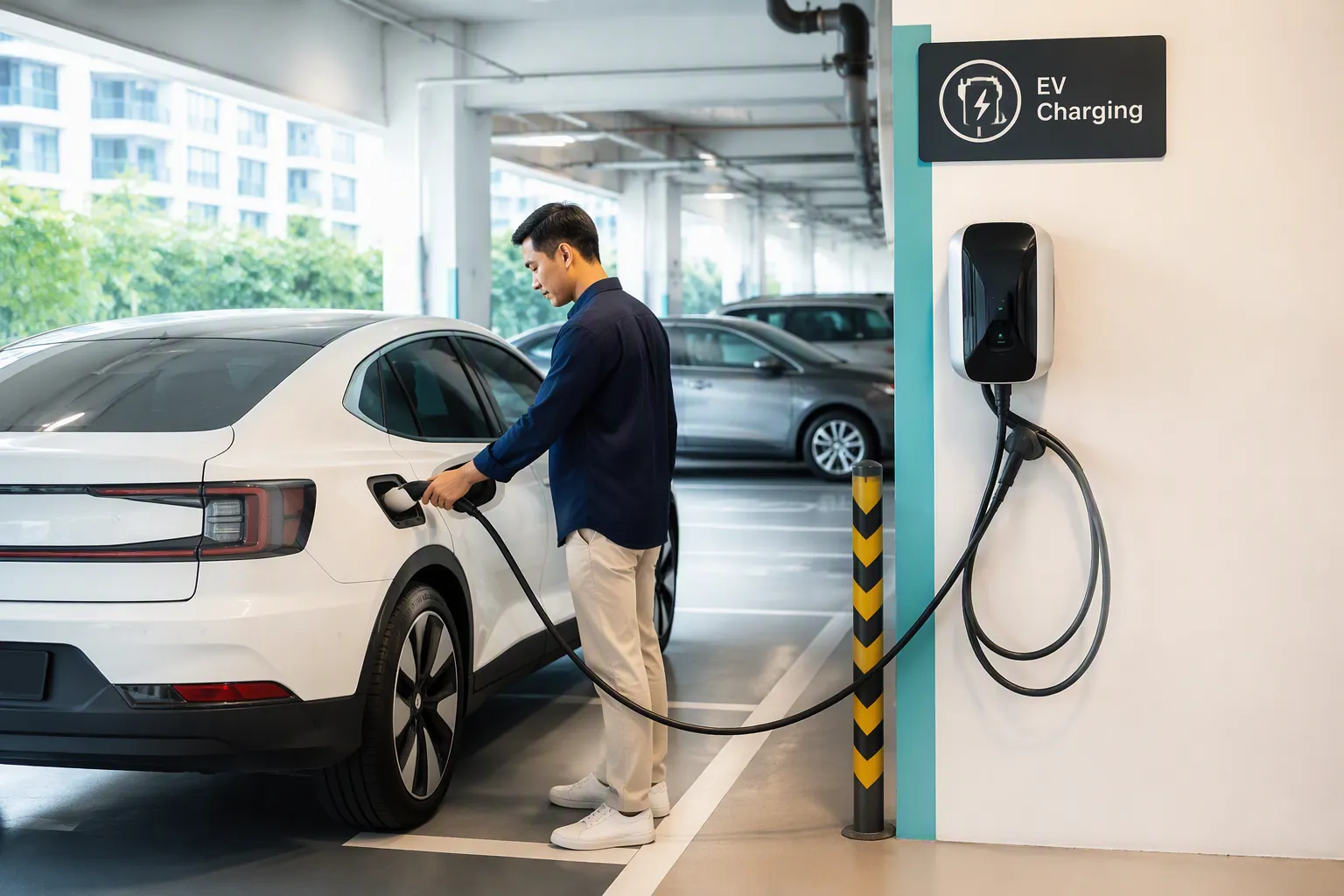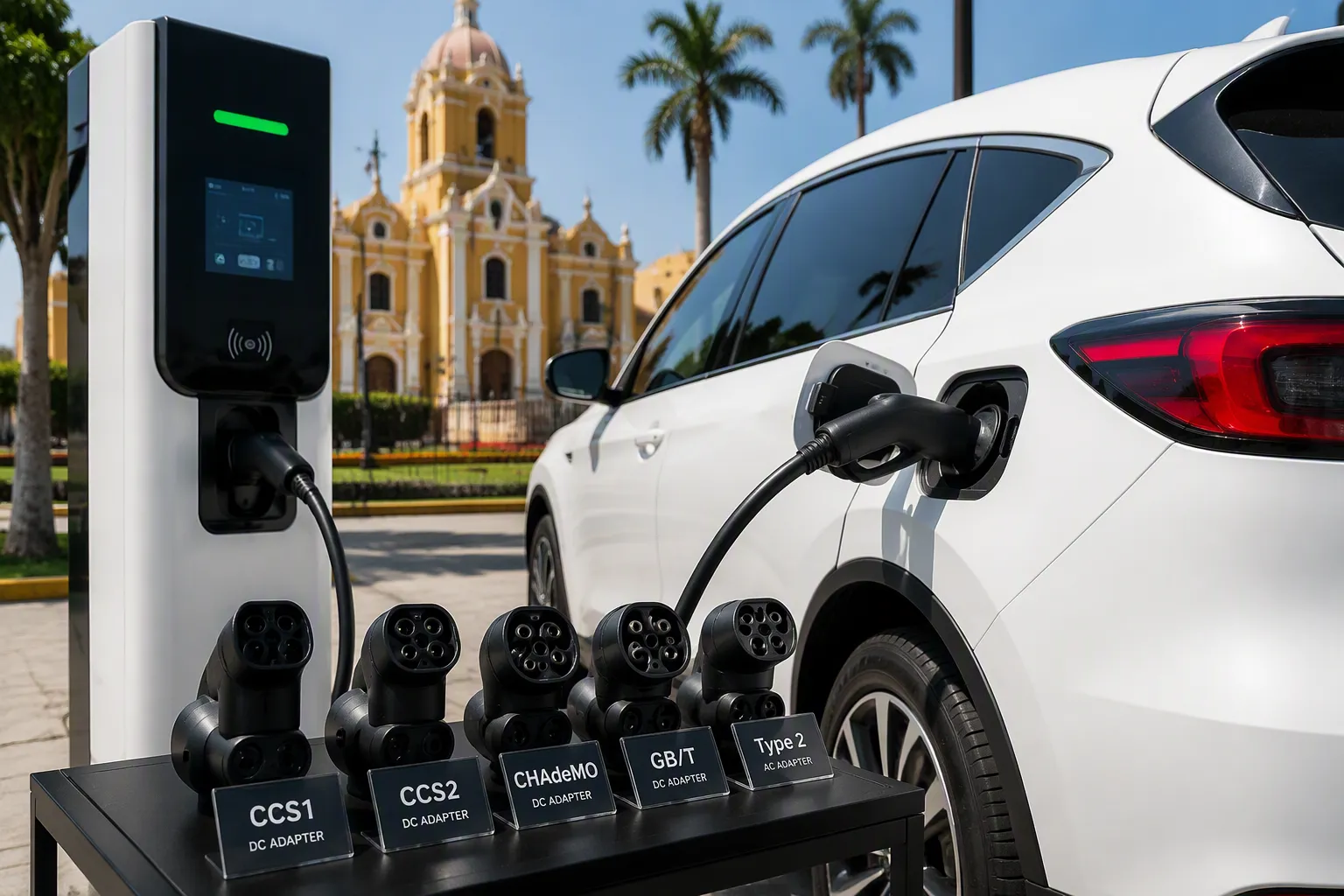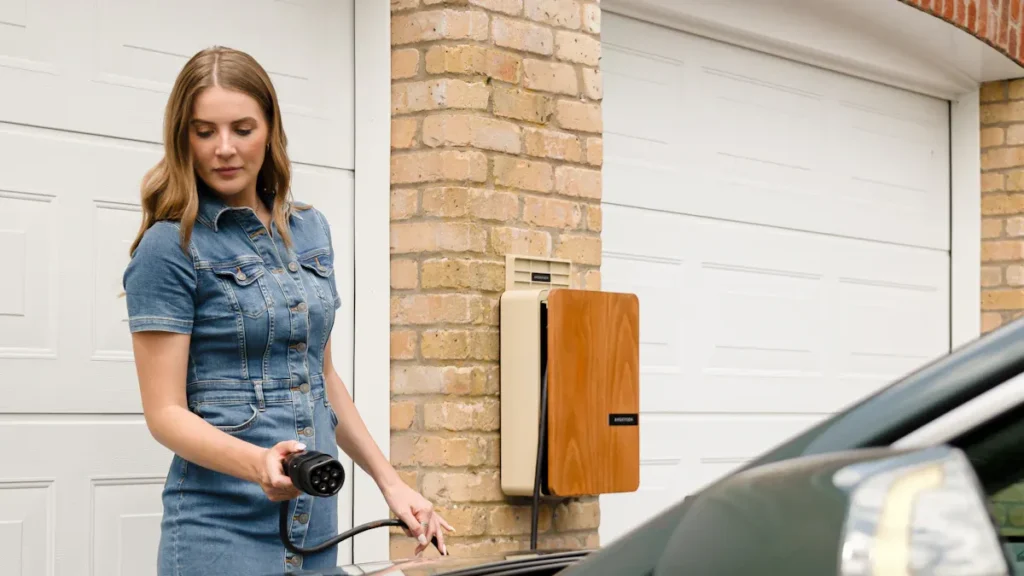

من المرجح أن يتمكن أصحاب المنازل من تركيب شاحن بقدرة 7 كيلوواط. العامل الرئيسي هو ضمان جاهزية النظام الكهربائي للمنزل للتركيب. يُعد هذا التطوير شائعًا، حيث تُظهر الدراسات أكثر من 90٪ من سائقي السيارات الكهربائية لديهم إمكانية الشحن المنزلي.
يقلل الشاحن القوي وقت الشحن بشكل كبير. يمكنه شحن مركبة من فارغة إلى ممتلئة في 4-8 ساعات, ، مقارنة بأكثر من 24 ساعة باستخدام شواحن السيارات الكهربائية المحمولة.
العديد من الشركات المصنعة لشاحن السيارة الكهربائية توفر هذه حلول شحن السيارات الكهربائية. المتقدمة شاحن ev . يُعد هذا.
الدائرة المخصصة
ترقية كبيرة. تقدم شركات متقدمة تقنيًا مثل TPSON هذا الشاحن المنزلي الفعال.
الخطوة 1: التحقق من إمداد الطاقة الكهربائي في المنزل
قبل أن يتمكن صاحب المنزل من اختيار شاحن قوي بقدرة 7 كيلوواط، يجب عليه أولاً التأكد من قدرة النظام الكهربائي للمنزل على دعمه. تُعد هذه الخطوة الأولية الأهم لتركيب آمن وناجح. وهي تتضمن فهم نوع الطاقة التي يستقبلها المنزل وإجمالي السعة التي يمكنه التعامل معها.
فهم خدمة الكهرباء الخاصة بك
خدمة الكهرباء المنزلية هي الأساس لكل شيء، من الإضاءة إلى الأجهزة الكبيرة. لشحن السيارات الكهربائية القوي، هناك حاجة إلى نوع محدد من الدوائر الكهربائية. ما هي دائرة 240 فولت؟, توفر منافذ الحائط القياسية في أمريكا الشمالية 110-120 فولت. ، وهو ما لا يكفي لـ.
شاحن سريع من المستوى 2
- 120 فولت . يتطلب شاحن 7 كيلوواط دائرة 240 فولت. يسمح هذا الجهد الأعلى بتدفق المزيد من الطاقة إلى المركبة، مما يقلل وقت الشحن بشكل كبير.
- 240 فولت تستخدم معظم المنازل في أمريكا الشمالية نظام "الطور المنقسم". يوفر المحول خارج المنزل سلكين "حارين" بجهد 120 فولت وسلكًا محايدًا واحدًا. يوفر هذا الإعداد:.
للمنافذ القياسية (باستخدام سلك حار واحد والسلك المحايد).
| الميزة | الولايات المتحدة الأمريكية | أوروبا (معظم القارة) |
|---|---|---|
| الفولتية | 110-120 فولت | 220-240 فولت |
| التردد | 60 هرتز | 50 هرتز |
| للأجهزة عالية الطاقة (باستخدام كلا السلكين الحارين). | يختلف هذا عن الأنظمة في أجزاء أخرى من العالم. | المقابس الشائعة |
النوع A (2 دبوس، مسطح)، النوع B (3 دبابيس، مسطح) النوع C (2 دبوس، دائري)، النوع F (2 دبوس، دائري، مؤرض) تم تصميم نظام.

في أمريكا الشمالية خصيصًا لتزويد المنزل بكلا مستويي الجهد من مصدر واحد.
هل يمكنني تركيب شاحن بقدرة 7 كيلوواط في المنزل؟ 7.
- هل لديك إمكانية الوصول إلى 240 فولت؟
- معظم المنازل الحديثة لديها بالفعل إمكانية الوصول إلى 240 فولت. يمكن لأصحاب المنازل البحث عن المنافذ التي تغذي الأجهزة الكبيرة.
- مجففات الملابس الكهربائية
- الأفران الكهربائية أو المواقد
وحدات تكييف الهواء المركزية.
سخانات المياه الكهربائية
وجود هذه الأجهزة هو مؤشر قوي على أن اللوحة الكهربائية للمنزل يمكنها توفير 240 فولت. الخطوة التالية هي معرفة ما إذا كانت اللوحة تحتوي على سعة كافية لجهاز عالي الطاقة آخر مثل شاحن سيارة كهربائية.
العثور على لوحة الخدمة الرئيسية
لوحة الخدمة الرئيسية، أو صندوق القواطع، هي مركز التحكم لنظام الكهرباء بالكامل في المنزل. تتدفق كل الطاقة من شركة المرافق عبر هذا الصندوق قبل توزيعها على الدوائر المختلفة.
- تحديد موقع صندوق القواطع
- عادةً ما يكون صندوق القواطع صندوقًا معدنيًا رماديًا مثبتًا على الحائط. المواقع الشائعة تشمل:
- المرائب
- الأقبية
خزائن الخدمات.
الممرات
عند فتح الباب المعدني، تظهر صفوف قواطع الدائرة. كل قاطع هو مفتاح يحمي دائرة معينة من سحب تيار كهربائي زائد. قراءة القاطع الرئيسي. في أعلى أو أسفل لوحة القواطع، يوجد قاطع كبير واحد منفصل عن الآخرين. هذا هو 100, 150, أو 200. القاطع الرئيسي.
. يتحكم في كل الطاقة الموجهة إلى المنزل بأكمله. يحتوي هذا المفتاح المنفرد على رقم مطبوع عليه، مثل
100 أو 200.
. يمثل هذا الرقم إجمالي التيار الكهربائي للمنزل، أو سعته الكهربائية القصوى.
تحديد التيار الكهربائي لمنزلك.
السلامة أولاً: تصنيف التيار الكهربائي هو العامل الأكثر أهمية في تحديد ما إذا كان المنزل جاهزًا لشاحن بقدرة 7 كيلوواط. يسحب شاحن 7 كيلوواط باستمرار حوالي 30-32 أمبير ويجب تركيبه على دائرة مخصصة مع قاطع 40 أمبير للسلامة.
هل 100 أمبير كافية؟
| قد يدعم المنزل الذي تبلغ خدمته 100 أمبير شاحن 7 كيلوواط، لكنه غالبًا ما يكون غير كافٍ. من الضروري إجراء حساب للحمل الكهربائي للتأكد. يجب إضافة دائرة الشاحن البالغة 40 أمبير إلى الحمل من الأجهزة الرئيسية الأخرى في المنزل. إذا تجاوز المجموع سعة اللوحة، فإن التركيب غير آمن. | تشكل اللوحة الكهربائية المثقلة بالحمل خطرًا جسيمًا لحدوث حريق. لا تقم أبدًا بتركيب شاحن عالي الطاقة دون التأكد من أن اللوحة لديها سعة كافية. |
|---|---|
| ضع في اعتبارك متطلبات الأجهزة الشائعة الأخرى: | 40 أمبير |
| الجهاز | متطلبات التيار الكهربائي النموذجية |
| المواقد الكهربائية | سخانات المياه الكبيرة |
| Electric Dryers | 30 أمبير |
Running an air conditioner and an electric dryer while the electric vehicle is charging could easily overload a 100-amp service, causing the main breaker to trip.
Why 200 Amps is Ideal
A 200-amp service is the modern standard and is considered ideal for homes with an electric vehicle. This capacity provides plenty of power for all household needs plus a dedicated circuit for electric car charging. Homeowners with 200-amp service rarely face issues with capacity, making the installation of a charging point straightforward. It also future-proofs the home for additional electric devices. Technologically advanced providers like TPSON design their electric vehicle charging points to integrate seamlessly with robust home electric systems.
How to Confirm Your Service Rating
A homeowner can confirm their service rating in a few ways:
- Check the Main Breaker: The number on the main breaker switch (
100,200, etc.) is the most direct indicator. - Inspect the Electric Meter: The meter base or the utility company’s wiring outside may have the amperage rating stamped on it.
- Call the Electric Utility: The utility company has records of the service supplied to the property and can confirm the amperage.
Knowing this information is the first concrete step toward installing a fast and convenient home charging station for your vehicle.
Step 2: Assess Your Circuit Breaker Panel
After confirming the home’s amperage, the next step is a detailed inspection of the circuit breaker panel itself. The panel’s physical space and existing electrical load are just as important as the total service capacity. This assessment determines if the panel can accommodate a new, high-power circuit for شحن السيارة الكهربائية.
Does Your Panel Have Enough Space?
A 7kW charger requires a new, dedicated 240-volt circuit. This circuit needs its own double-pole breaker, which takes up physical space inside the electric panel.
Identifying Open Breaker Slots
A homeowner can perform a visual check of their panel. Open the panel door to view the rows of breakers.
- Occupied slots have a breaker switch filling the space.
- Open slots are empty spaces, often covered by a plastic or metal blank plate called a “knockout.”
A 240-volt breaker is twice the height of a standard 120-volt breaker. Therefore, it requires two open, vertically adjacent slots. If no such space is available, the installation becomes more complex.
What is a Tandem Breaker?
In some cases, an electrician can use “tandem” or “slim” breakers to free up space. A tandem breaker allows two separate circuits to fit into the space of a single standard breaker. However, not all panels accept them, and there are code limitations on their use. An electrician must verify if this is a safe and compliant option for a specific panel. It is not a universal solution for a full box.
Calculating Your Electrical Load
Even with enough physical space, the panel must have sufficient electrical capacity. A حساب الحمولة is a systematic analysis to ensure the new charger will not overload the home’s electric system.
What is a Load Calculation?
Think of a load calculation as creating an “electrical budget” for the home. It is a professional assessment performed by an electrician. The calculation totals the power consumption of all major electric appliances, lighting, and general-use outlets. The continuous load of the new electric vehicle charger is then added to this total. The final number must not exceed 80% of the main breaker’s rating to meet safety codes.
Professional Assessment is Key 💡 A proper load calculation is not a DIY task. It requires knowledge of national and local electric codes. An electrician will provide a definitive answer on whether the home’s current system can safely support the new charging point.
Major Appliances to Account For
The calculation must include all significant electric loads in the home. The power demands of these devices add up quickly.
| قد يدعم المنزل الذي تبلغ خدمته 100 أمبير شاحن 7 كيلوواط، لكنه غالبًا ما يكون غير كافٍ. من الضروري إجراء حساب للحمل الكهربائي للتأكد. يجب إضافة دائرة الشاحن البالغة 40 أمبير إلى الحمل من الأجهزة الرئيسية الأخرى في المنزل. إذا تجاوز المجموع سعة اللوحة، فإن التركيب غير آمن. | Common Breaker Size |
|---|---|
| مكيف الهواء المركزي | 30-50 Amps |
| Electric Water Heater | 30 Amps |
| Electric Range/Oven | 40-50 Amps |
| Electric Clothes Dryer | 30 Amps |
| Hot Tub or Spa | 50-60 Amps |
The electrician will factor in these existing loads before determining if there is enough capacity for the new 40-amp circuit required for a 7kW charger.
Why This Step is Critical for Safety
Adding a high-draw device like an electric vehicle charger without a load calculation is a major safety risk. An overloaded electric panel can lead to dangerous situations. The system’s wiring is not designed to handle excessive current, which can cause components to overheat and create a fire hazard. This is why a professional assessment is non-negotiable for any electric car charging installation.
Signs You Might Need a Panel Upgrade
Sometimes, the home’s electric system shows clear signs that it is already at or near its limit. Recognizing these symptoms can help a homeowner understand if a panel upgrade will be a necessary part of their vehicle charging project. Technologically advanced providers like TPSON design their charging point solutions to integrate with modern, robust electrical systems.
A Full Breaker Box
The most obvious sign is a lack of physical space. If every slot in the breaker box is already filled, there is no room to add the new double-pole breaker for the charger. This situation almost always requires an electrician to install a larger main panel or a sub-panel.
Flickering Lights and Tripped Breakers
Frequent issues can indicate an overloaded system struggling to keep up with demand. Homeowners should be alert for these warning signs:
- Lights that flicker or dim when a large appliance (like an air conditioner) turns on.
- Circuit breakers that trip regularly, cutting power to parts of the home.
- Buzzing or humming sounds coming from outlets or the breaker panel.
- A faint burning smell near outlets or the panel, which requires immediate attention.
These problems often stem from underlying issues such as outdated wiring or an insufficient number of circuits for the home’s needs. Adding a powerful charger to a system already showing these signs of stress is unsafe.
Outdated Fuse Boxes
Older homes may have a fuse box instead of a modern circuit breaker panel. Fuse boxes use single-use fuses that burn out to protect against overcurrent. These systems are considered obsolete and are generally unsuitable for the demands of a modern household, especially one with an electric vehicle. A home with a fuse box will require a full panel upgrade to a modern breaker system before a 7kW charger can be installed for the vehicle.
Step 3: Choose the Right 7kW Charger Hardware

Once a homeowner confirms their electrical system is ready, the next phase is selecting the physical EV charger. The market offers many options, so understanding the key differences in hardware is essential for making an informed decision. This choice impacts daily use, installation, and overall cost.
الشواحن السلكية الصلبة مقابل الشواحن القابلة للتوصيل بالكهرباء
The first major decision is choosing between a hardwired unit and a plug-in model. Each type of charger offers distinct advantages.
Benefits of a Hardwired Unit
A hardwired charger connects directly to the home’s electrical wiring. An electrician permanently installs the unit, creating a seamless and robust connection. This setup is often preferred for outdoor installations because the sealed unit offers better protection against weather elements like rain and dust. A hardwired charger provides a clean, permanent look and eliminates the need for a high-voltage outlet.
Flexibility of a Plug-In Model
A plug-in charger connects to a dedicated 240-volt outlet, similar to an electric dryer. The primary benefit is flexibility. A homeowner can easily unplug the charger and take it with them if they move. This type of charger also allows for simple replacement if the unit ever needs to be upgraded or serviced, as it does not require another visit from an electrician.
Key Features for Your EV Home Charger
Modern EV chargers offer more than just power. They come with a range of features that enhance the charging experience, improve safety, and help manage energy costs.
Smart Features and Wi-Fi Connectivity
A smart EV home charger connects to a home’s Wi-Fi network, unlocking powerful features accessible through a smartphone app. These capabilities allow for optimized electric car charging. Technologically advanced providers like TPSON design their chargers with these intelligent functions. Common smart features include:
- Smart Charging Modes: The charger can automatically adjust charging sessions to avoid peak electricity rates, helping to lower energy bills.
- الجدولة: Users can set a charging schedule, often for overnight, to take advantage of lower off-peak tariffs.
- التكامل الشمسي: Some advanced chargers can use excess power from a home’s solar panels to charge the electric vehicle, maximizing self-consumption of renewable energy.
- التحكم في التطبيق: A mobile app gives users full control to start, stop, and monitor charging sessions remotely and track energy usage over time.
طول الكابل وإدارته
The length of the charging cable is a practical but critical consideration. The cable must be long enough to comfortably reach the charge port on the electric vehicle, regardless of how it is parked. Standard cable lengths typically range from 18 to 25 feet (about 5.5 to 7.6 meters). A longer cable offers more flexibility, while a shorter one can be easier to manage. Many charger models also include built-in cable holsters or hooks to keep the garage tidy.
شهادات السلامة (UL، ETL)
A quality charger must have safety certifications from a Nationally Recognized Testing Laboratory (NRTL).
تلميح أمان 💡 Always choose a charger that is UL Listed or ETL Listed. These marks indicate that the product has undergone rigorous testing and meets established safety standards for North America. An uncertified charger poses a significant risk of fire and electrical shock.
Popular 7kW Charger Brands
The market for the 7kW charger is competitive, with several reputable brands offering reliable and feature-rich products. Models from companies like ChargePoint, JuiceBox, and Wallbox are consistently popular choices among consumers. These brands are known for their robust build quality, user-friendly apps, and advanced smart charging features.
When comparing models, homeowners can look at professional reviews and consumer ratings to gauge performance and reliability.

Ultimately, the best home charger depends on an individual’s budget, desired features, and specific vehicle needs. Researching these top brands is an excellent starting point for finding the perfect charger.
Step 4: Plan the Physical Installation Location

Strategic placement of the الشاحن المنزلي is crucial for both convenience and cost-effectiveness. A homeowner should carefully consider the location before the installation begins. The right spot simplifies daily use and can significantly reduce installation expenses.
Selecting the Best Spot for Charging
Choosing the ideal location involves balancing several practical factors. The best spot is often a compromise between electrical access and parking habits.
Proximity to Your Breaker Panel
The distance from the breaker panel to the charging point directly impacts the installation cost. A shorter distance requires less wiring and conduit, reducing both material and labor expenses. An electrician will run a heavy-gauge cable from the panel to the charger, so a closer location is always more economical.
Where You Park Your EV
A homeowner must consider where they typically park their electric vehicle. The charger’s cable needs to reach the vehicle’s charging port easily. The location should allow for flexible parking, whether the vehicle is pulled in forward or backed in. This ensures a hassle-free charging experience every time.
التركيب الداخلي مقابل التركيب الخارجي
An indoor installation, usually in a garage, is often the simplest and most protected option. The charger is shielded from weather, which can extend its lifespan. An outdoor installation is a viable alternative for homes without a garage. However, it requires a weatherproof charger and may involve more complex wiring to protect it from the elements.
Considering Cable and Conduit Runs
The path the electrical wiring takes from the panel to the charger is a key part of the installation plan. An electrician will use conduit to protect the wiring.
Running Wires Through Walls
For a clean, professional look, an electrician can run the wiring inside walls. This method hides the conduit from view. It is an excellent choice for finished garages or when the charger is installed on an interior wall. This approach may involve more labor for cutting and patching drywall.
Surface-Mounted Conduits
A more straightforward method is mounting the conduit directly onto the surface of walls or ceilings. This approach is faster and less invasive than running wires through walls. While more visible, it is a practical and cost-effective solution for many installations, especially in unfinished basements or garages.
Weatherproofing for Outdoor Chargers
An outdoor installation demands a charger built to withstand the environment. Proper weatherproofing is essential for safety and durability. Technologically advanced providers like TPSON design robust electric vehicle charging solutions for various conditions.
Understanding NEMA Ratings
The National Electrical Manufacturers Association (NEMA) provides a rating system for electrical enclosures. This rating indicates the level of protection against environmental factors.
NEMA Enclosures for EV Chargers 💡
- NEMA 3R: Protects against falling rain, sleet, and external ice formation. It is suitable for many outdoor locations.
- NEMA 4/4X: Offers a higher level of protection. It is watertight and protects against hose-directed water, making it ideal for areas exposed to heavy rain or pressure washing.
Protecting Your Investment
A quality charger is a significant investment for any electric car charging setup. Choosing a unit with the correct NEMA rating for its location protects the device from moisture and debris. This ensures the charging point remains safe and functional for years, safeguarding the vehicle and the home’s electrical system. This final step in planning ensures a successful and durable installation.
Step 5: Hire a Professional for Installation
A safe and reliable home charging setup depends entirely on a professional installation. While it may seem tempting to save on costs, installing a high-power ev charger is a complex electrical task. Hiring a كهربائي مؤهل ensures the work is done correctly and safely.
Why You Need a Qualified Electrician
A professional brings essential expertise that protects the home, the vehicle, and the homeowner. This is not a suitable DIY project.
Safety and Code Compliance
An electrician ensures the installation adheres to strict electrical safety codes. These regulations are complex and cover many critical details.
- Correct Circuit Protection: Every ev charger circuit requires a specific type of Residual Current Device (RCD) للحماية من الصعق الكهربائي.
- التوصيلات السليمة: يختار الكهربائي حجم الكابل المناسب لتحمل حمل 32 أمبير الخاص بشاحن بقدرة 7 كيلووات, ، مما يمنع ارتفاع درجة الحرارة.
- إدارة الأحمال: يؤكد المحترف أن النظام الكهربائي للمنزل يمكنه تحمل الحمل الإضافي الناتج عن الشحن.
يعد التركيب المطابق للمعايير أساسياً للتشغيل الآمن على المدى الطويل.
الضمان والتأمين
تشترط معظم شركات تصنيع الشواحن التركيب الاحترافي للتحقق من صلاحية ضمان المنتج. قد يؤدي التركيب الذاتي المعيب إلى إبطال ضمان شاحن باهظ الثمن. علاوة على ذلك، قد لا تغطي بوالص التأمين المنزلي الأضرار الناجمة عن أعمال كهربائية غير مطابقة. يوفر التركيب المعتمد راحة البال ويحمي الاستثمار.
كيفية العثور على الكهربائي المناسب
يعد العثور على كهربائي لديه خبرة محددة في تركيب شواحن المركبات الكهربائية أمراً بالغ الأهمية. يجب على أصحاب المنازل البحث عن عدة مؤهلات رئيسية.
السؤال عن خبرة تركيب شواحن المركبات الكهربائية
قد لا يكون الكهربائي العام على دراية بالمتطلبات المحددة لمعدات شحن المركبات الكهربائية. يجب على أصحاب المنازل طلب إثبات على تدريب متخصص.
المؤهلات الرئيسية التي يجب البحث عنها 🎓 جائزة المستوى الثالث في تركيب نقاط شحن المركبات الكهربائية. كما يثبت العضوية في مخطط الأشخاص المؤهلين المعترف به مستوى عالٍ من الخبرة والمساءلة فيما يتعلق بالتركيب.
الحصول على عروض أسعار متعددة
يجب على صاحب المنزل الحصول على عرضين أو ثلاثة عروض أسعار مفصلة على الأقل. يساعده ذلك في مقارنة التكاليف وفهم النطاق الكامل للتركيب المقترح. يجب أن يفصل العرض بوضوح تكاليف العمالة والمواد وأي تصاريح ضرورية.
التحقق من التراخيص والتقييمات
لن يجد المثبت الموثوق مشكلة في تقديم إثبات على تراخيصه وتأمين المسؤولية العامة. يحمي هذا التأمين صاحب المنزل في الحالة غير المحتملة لحدوث ضرر بالممتلكات أثناء التركيب. يمكن أن يقدم التحقق من التقييمات عبر الإنترنت أيضاً نظرة حول احترافية الكهربائي وجودة عمله.
عملية التركيب خطوة بخطوة
يتبع التركيب القياسي عملية واضحة ومنظمة من الاستفسار الأولي حتى التسليم النهائي.
الاستشارة الأولية وعرض السعر
تبدأ العملية بزيارة ميدانية. يقيّم الكهربائي لوحة الكهرباء المنزلية، ويناقش أفضل موقع للشاحن، ويخطط لمسار الكابل. بعد هذه الاستشارة، يقدم عرض سعر ثابت للتركيب الكامل.
التصاريح والتفتيش
في العديد من المناطق، يجب على المثبت إخطار مشغل شبكة التوزيع المحلي (DNO) قبل التركيب. يضمن ذلك قدرة الشبكة المحلية على دعم نقطة الشحن الجديدة. يتولى الكهربائي جميع الأعمال الورقية اللازمة، مما يجعل العملية سلسة لصاحب المنزل.
يوم التركيب
في اليوم المحدد، ينفذ الكهربائي التركيب المادي. يتضمن ذلك تركيب الشاحن، وتمديد الدائرة المخصصة من اللوحة، وإجراء الوصلات النهائية. تصمم شركات متقدمة تقنياً مثل TPSON شواحنها لتكون سهلة التركيب من قبل المحترفين المؤهلين، مما يضمن تشغيل النظام بأمان وكفاءة.
الخطوة 6: فهم تكاليف شاحن 7 كيلووات
يتضمن وضع الميزانية لنقطة الشحن المنزلية فهم تكاليف كل من الأجهزة والتركيب الاحترافي. يمكن لصاحب المنزل إنشاء ميزانية دقيقة من خلال تحليل هذه النفقات. يعتمد السعر الإجمالي على الشاحن المختار وتعقيد التركيب.
تكلفة وحدة شاحن 7 كيلووات
النفقة الأولى هي الشاحن نفسه. تختلف الأسعار حسب العلامة التجارية والميزات.
نطاق السعر المتوسط
تبدأ تكلفة وحدة شاحن 7 كيلووات عادةً من حوالي 600 جنيه إسترليني. يتراوح السعر الإجمالي لشراء وتركيب نقطة شحن منزلية بشكل عام بين 800 جنيه إسترليني و1,200 جنيه إسترليني. قد تكلف بعض الموديلات المتقدمة أكثر.
ما الذي يؤثر على السعر
تؤثر عدة عوامل على سعر الشاحن.
- سمعة العلامة التجارية: قد يكون لعلامات التجارية الراسخة سعر أعلى.
- الميزات الذكية: غالباً ما تكلف الشواحن المزودة بـ Wi-Fi والتحكم بالتطبيق ووضعيات الشحن الذكية أكثر. مزودو الخدمات المتقدمة تكنولوجياً مثل TPSON تجهز وحداتها بهذه الوظائف الذكية.
- جودة التصنيع وطول الكابل: يمكن أن تزيد جودة التصنيع الأقوى أو كابل الشحن الأطول أيضاً من سعر الوحدة.
تكاليف التركيب القياسي
تعد تكلفة التركيب المكون الرئيسي الثاني للنفقة الإجمالية. غالباً ما يعتمد عرض سعر الكهربائي على حزمة “التركيب القياسي”.
ما يتضمنه التركيب “القياسي”
يغطي التركيب القياسي عادةً العمل الأساسي المطلوب للإعداد المباشر. يتضمن عرض سعر الكهربائي عادةً:
- مد الكابلات حتى 10 أمتار من اللوحة الكهربائية إلى الشاحن.
- تركيب وحدة الشاحن على سطح من الطوب أو الجبس المناسب.
- جميع المكونات الكهربائية اللازمة للتوصيل الآمن.
- الاختبار الكهربائي الكامل وإصدار شهادة للتركيب.
ملاحظة 📝 نطاق التركيب القياسي, ، فسيعكس السعر العمالة والمواد الإضافية.
التكلفة النموذجية للعمل البسيط
بالنسبة للعمل البسيط، تبلغ تكلفة التركيب غالباً حوالي 400 جنيه إسترليني. عند جمعها مع شاحن بقيمة 600 جنيه إسترليني, ، يصبح الإجمالي لشاحن 7 كيلووات وتركيبه حوالي 1000 جنيه إسترليني. يوفر هذا الرقم خط أساس جيد لأصحاب المنازل.
التكاليف الإضافية المحتملة
تتطلب بعض العقارات عملاً أكثر مما يغطيه التركيب القياسي. ستزيد هذه الحالات من تكلفة التركيب النهائية.
ترقيات اللوحات الكهربائية
إذا كانت اللوحة الكهربائية الحالية للمنزل قديمة أو تفتقر إلى السعة، فستحتاج إلى ترقية. هذا عمل كبير يضيف نفقات كبيرة للمشروع.
مسارات طويلة للقناوات
A standard installation includes up to 10 meters of cable. If the charger is located further from the electrical panel, the additional cable and labor will increase the installation price.
Trenching for Outdoor Installs
An outdoor charging point located away from the house may require trenching. Digging a trench to bury armored cable is labor-intensive and adds a substantial cost to the overall installation.
Rebates, Tax Credits, and Incentives
Financial incentives can significantly reduce the overall cost of purchasing and installing a 7kW home charger. Homeowners can explore various programs offered by federal, state, and local entities. These programs make the transition to home charging more affordable.
الإعفاءات الضريبية الفيدرالية
The U.S. federal government offers a significant tax credit to encourage home charging installations. This incentive, known as the Alternative Fuel Vehicle Refueling Property Credit, can lower a homeowner’s tax liability.
A homeowner can claim a nonrefundable tax credit for 30% of the total cost, up to a maximum of $1,000. This credit covers both the charger hardware and the installation fees. Key aspects of the credit include:
- The credit applies to the purchase and installation of qualified charging equipment.
- It now covers chargers for 2- and 3-wheeled electric vehicles.
- Bidirectional charging equipment, which allows power to flow from the vehicle back to the grid, is also eligible.
Eligibility is Key 🗺️ To qualify, a homeowner must install the charger at their primary residence. The property must also be located in an eligible census tract, which generally includes low-income communities or non-urban areas.
A homeowner claims the credit by filing Form 8911 with their annual federal tax return. They should keep all receipts for the equipment and installation as proof of the expense.
State and Local Programs
Beyond the federal level, many state and local governments provide their own incentives. These programs vary widely by location but offer another layer of potential savings. Homeowners should research the specific programs available in their state, county, or city. These incentives might come in the form of direct cash rebates, state tax credits, or reduced permit fees. Checking official government energy or transportation websites is the best way to find current opportunities.
خصومات شركات المرافق
Electric utility companies are another excellent source for rebates. Many providers offer financial incentives to customers who install a home charger. These programs help utilities manage electrical grid demand. Rebates may come as an upfront discount on the charger itself or as a bill credit after installation. Some utilities offer special rates for customers who agree to charge their vehicles during off-peak hours. Technologically advanced providers like TPSON design smart chargers that can easily integrate with these utility programs, helping homeowners maximize their savings automatically.
A 7kW charger is a valuable upgrade for most homes. A successful installation depends on key steps. A homeowner must first assess their electrical system for the installation. A professional installation ensures a safe home charging setup. This installation is critical for the vehicle.
The installation of a quality home charger enhances the electric car charging experience. The installation of an EV home charger provides faster charging. This EV charger installation makes charging an electric vehicle convenient. The final installation of the home charger completes the process for better vehicle charging.
الأسئلة الشائعة
How much faster is a 7kW charger?
A 7kW charger adds approximately 25-30 miles of range per hour of charging. This speed allows most electric vehicles to reach a full charge overnight. It is a significant improvement over a standard household outlet.
Can I install a 7kW charger myself?
No, a homeowner should not attempt a self-installation. A qualified electrician must install the charger.
السلامة أولاً! ⚡ Professional installation ensures the system is safe, compliant with electrical codes, and protects the product warranty.
Do I really need a 7kW charger?
A 7kW charger is ideal for most EV owners seeking convenience and speed. Homeowners with very short daily drives could use slower methods. However, a 7kW unit provides flexibility for unexpected trips and future-proofs the home.
What is the main difference between a hardwired and plug-in charger?
A hardwired charger connects directly to the home’s wiring, offering a permanent and weatherproof solution. A plug-in model uses a high-power outlet. This provides flexibility, as a homeowner can easily unplug and move the unit.
What are smart charging features?
Smart features give users greater control over their charging. They can schedule sessions to use cheaper off-peak electricity. Technologically advanced providers like TPSON offer app control for remote monitoring and energy management.
هل سيزيد شاحن السيارة الكهربائية من قيمة عقاري؟
Yes, a professionally installed home charging point can increase property value. It is a desirable feature for potential buyers with electric vehicles. The charger modernizes the home and adds a layer of convenience.