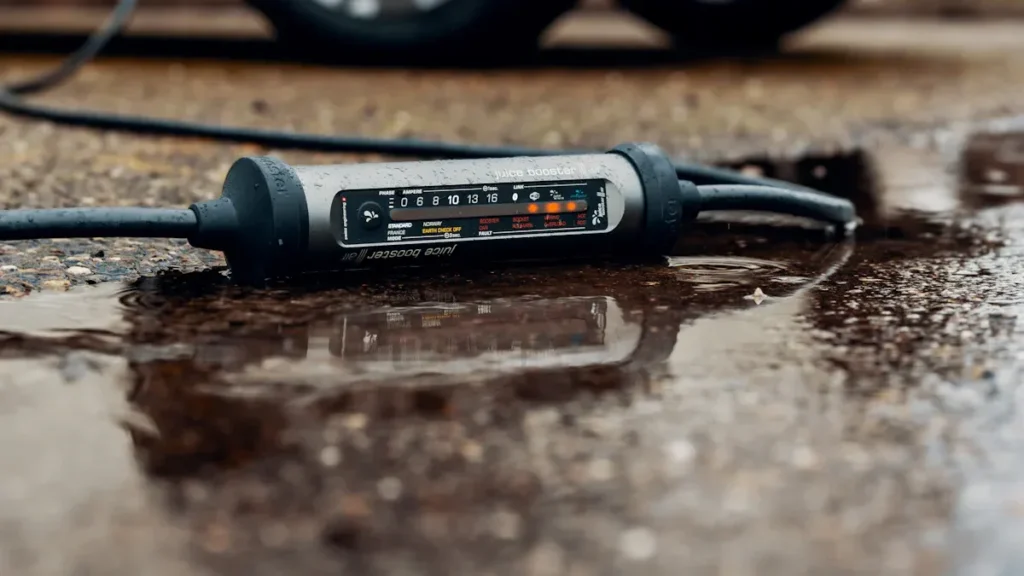

Owners can safely charge an EV in the rain. Electric vehicles and the entire Carregador de veículos eléctricos ecosystem, from carregadores ev portáteis to public stations, are engineered to be weatherproof. Fabricantes de carregadores para veículos eléctricos design systems where no electric current flows until a secure connection is made, making the charging process safe. This focus on safety during charging is paramount. The rapid growth in Soluções de carregamento de veículos eléctricos underscores this reliability.
| Métrica | Value (as of May 2025) |
|---|---|
| Carros totalmente eléctricos nas estradas do Reino Unido | Over 1.5 million |
| Total Public Charging Devices | 80,998 |
| Increase in Charging Points (past 12 months) | 30% |
This robust design makes charging your EV in the rain a non-issue. The common question of charging your EV in the rain is answered by this fundamental engineering, so drivers need not worry when they charge my ev.
The Core Safety Engineering Behind Charging Your EV in the Rain
The confidence for charging your EV in the rain comes from layers of sophisticated safety engineering. Manufacturers design every component with worst-case scenarios in mind. This ensures the entire process, from the wall outlet to the vehicle’s battery, remains secure. Two pillars support this robust system: intelligent communication protocols and essential protective hardware.
Built-in Standards and Communication Protocols
Before a single watt of electric power flows, a charger and an EV perform a series of checks. This process guarantees a safe and sealed connection, making the system inert until all conditions are met.
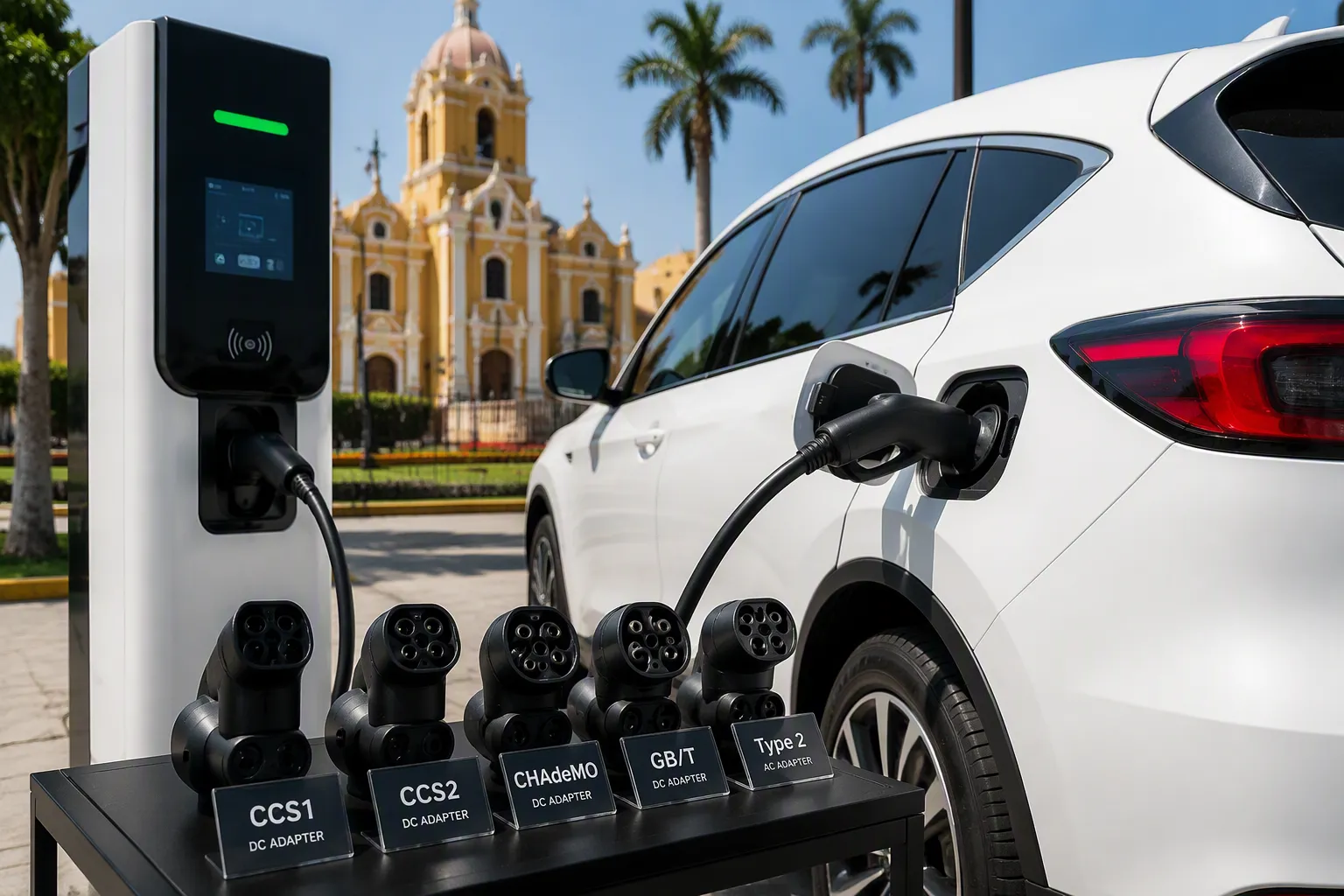
The J1772 and CCS “Digital Handshake”
The industry standard connectors, J1772 (for Level 1 and 2 charging) and CCS (for DC fast charging), facilitate more than just a physical link. They enable a “digital handshake” between the charger and the vehicle. The EV and the charger communicate continuously. They verify the connection is secure, check for faults, and agree on the maximum allowable electric current. This constant dialogue is a core safety feature.
How Power Flow is Prevented Until Secure
Power does not flow the moment a user plugs in the connector. The charging handle contains a proximity detection circuit and a control pilot pin. The vehicle detects when the plug is seated correctly. Only after the EV confirms a locked, sealed, and fault-free connection does it signal the charger to begin the flow of electric power. If the connection is compromised at any point, the vehicle immediately tells the charger to stop the charging session.
Essential Protective Hardware
Physical components provide a non-negotiable layer of protection. These hardware elements are designed to handle moisture and prevent electric hazards, forming the frontline defense for safely charging your EV.
Ground Fault Circuit Interrupters (GFCIs)
A Ground Fault Circuit Interrupter (GFCI) is a critical safety device built into charging equipment. Its sole purpose is to prevent electric shock. The GFCI provides constant protection by monitoring the flow of current.
Nota: If a GFCI detects even a minuscule imbalance—indicating a potential leak of electricity to the ground—it instantly cuts power in milliseconds. This action is far faster than a standard circuit breaker.
Key functions of a GFCI in EV chargers include:
- Detecting leaks of electricity and turning off power to prevent shocks.
- Protecting the car and the user from electric shocks caused by system faults.
- Shutting off power if it senses a ground fault, a mandatory feature for outdoor stations.
Waterproof and Insulated Components
Every part of the charging system exposed to the elements is built for durability. The charging cable and connector are heavily insulated and sealed against water ingress. This robust design is fundamental to charging your EV in the rain. The cables themselves contain multiple layers of insulation. These layers provide electrical insulation to prevent short circuits and thermal barriers to manage heat during charging.
Common materials used for this vital protection include:
- XLPE (Cross-Linked Polyethylene): Used for primary power cable insulation.
- PVC: Utilized for both insulation and the durable outer sheath.
- Rubber Compound Type EV1-2: Employed for heavy-duty insulation in specialized EV charging cables.
This combination of intelligent software and rugged hardware makes charging an EV in the rain a routine and safe activity.
Understanding Ingress Protection (IP) Ratings for EV Charging
The engineering that makes charging your EV in the rain safe is quantified by a global standard: the Ingress Protection (IP) rating. The International Electrotechnical Commission (IEC) establishes these codes under standard IEC 60529. This system provides a precise definition of an enclosure’s protection against solids and liquids. It replaces vague marketing terms with a clear, test-based classification, answering the question: are electric car chargers waterproof?
What Do IP Ratings Mean for Your Charger?
An IP rating gives consumers and technicians specific information about the durability of an electric device against environmental factors. Each number in the code has a distinct meaning.
Decoding the Numbers (e.g., IP44, IP55, IP67)
The IP code consists of two digits that define its level of protection. A higher number indicates a greater degree of defense against intrusion.
IPXY: What the Digits Mean
- First Digit (X): Protection Against Solids. This number ranges from 0 (no protection) to 6 (completely dust-tight). A rating of 4, for example, means the enclosure protects against solid objects larger than 1mm, like most wires or screws.
- Second Digit (Y): Protection Against Liquids. This number ranges from 0 (no protection) to 9 (high-pressure, high-temperature water jets). A rating of 4 signifies protection from water splashes from any direction, while a 7 means the device can be temporarily submerged in water.
An electric charger with an IP67 rating is therefore fully protected from dust and can withstand temporary immersion in water.
Common IP Ratings for Home and Public Chargers
EV charging equipment is built to meet or exceed the demands of its environment. The required IP rating varies based on whether the charger is for indoor, sheltered, or fully exposed use. Public chargers, which face constant exposure to the elements, have higher ratings than most home units.
| Equipment Type | Typical Environment | Common IP Rating |
|---|---|---|
| Carregadores de veículos eléctricos | Domestic wall-mounted (garage) | IP54 |
| Public or roadside | IP65 – IP66 | |
| Underground/Harsh outdoor | IP67 | |
| Outdoor Lighting | Sheltered areas (porch) | IP44 |
| Exposed to rain and snow | IP65 – IP66 |
How IP Ratings Guarantee Water Resistance
An IP rating is not just a label; it is a certification earned through rigorous, standardized testing. This process ensures that the equipment provides reliable performance in all weather conditions.
Certification Testing for Water and Dust
To achieve a specific IP rating, a product must pass a series of demanding tests in a controlled laboratory setting. For water resistance, these tests involve subjecting the equipment to everything from dripping water and powerful water jets to complete submersion for a set duration. The EV charger must remain fully functional and safe after the test to earn its rating. This testing validates the integrity of the seals, gaskets, and casing.
Ensuring Durability in All Weather
This certified protection guarantees that an EV charger can handle the elements. A properly rated charger prevents moisture from reaching sensitive electric components, eliminating the risk of short circuits or damage during a downpour. This durability is fundamental to the design, allowing for safe and effective charging. The robust construction ensures that the process of charging your EV in the rain is a routine event, not a cause for concern, whether it’s a light drizzle or a heavy storm.
Will Rain Damage Your EV or Charger?
Concerns about potential damage from rain are understandable, but modern electric vehicle systems are engineered for resilience. Both the EV and its charging equipment feature multiple layers of protection designed to withstand the elements, making the process of charging your EV in the rain exceptionally safe. Damage from normal weather conditions is highly unlikely due to robust design and materials.
Protecting Your Vehicle’s Charging Port and Battery
An electric vehicle’s most sensitive components, the charging port and the high-voltage battery, are meticulously sealed and protected from moisture. This engineering ensures long-term reliability.
The Weatherproof Design of the Charging Port
The vehicle’s charging port is the first line of defense. Designers equip these ports with rubber seals and drainage channels that guide water away from the electric contacts. The port’s cover adds another layer of protection when not in use. This robust design prevents water from compromising the connection during a charging session. For maximum protection, owners can take additional steps.
- IP67-certified charging cables offer superior waterproofing against heavy rain.
- Waterproof socket covers help prevent corrosion, a practice used by EV owners in damp coastal areas.
- Rinsing electric connectors with fresh water after exposure to sea air helps prevent salt build-up and potential faults.
How the High-Voltage Battery Stays Sealed
The high-voltage battery pack is arguably the most protected component in an EV. It resides within a completely sealed, airtight, and waterproof enclosure. This casing isolates the battery cells from the external environment entirely. The charging port and the battery are separate systems connected by heavily insulated, waterproof cabling. Water entering the charge port cannot reach the battery, ensuring the core of the electric powertrain remains secure.
Durability of Home and Public Charging Equipment
The durability extends beyond the vehicle to the equipamento de carregamento itself. Both home and public chargers are built to endure outdoor conditions, providing reliable service year-round.
Outdoor-Rated Home Chargers
Many homeowners install a wallbox or weatherproof EV charger outdoors. These units are specifically designed for this purpose and carry appropriate IP ratings for water resistance. While a quality charger is built to last, its longevity also depends on proper use. Manufacturers’ warranties typically cover manufacturing defects but not damage from misuse or neglect.
Owner Responsibility: A warranty may be voided if an owner fails to follow instructions. Actions like leaving a charging plug hanging or letting the cable sit in a puddle can lead to water damage and corrosion, which are not covered. Proper storage and handling are essential for maintaining the charger.
All-Weather Public Charging Stations
Public charging stations represent the pinnacle of durability. These units face constant exposure to rain, snow, and temperature fluctuations. As a result, they are constructed with extremely durable materials and boast high IP ratings for maximum protection. This robust engineering ensures that public charging infrastructure remains reliable for every electric vehicle user, making charging your EV in the rain a routine and worry-free activity.
Practical Safety Tips When You Charge an Electric Car in the Rain
While modern systems are inherently safe, observing simple precautions ensures every charging session is secure. There are special precautions when charging an ev that owners can take. These checks and best practices enhance overall safety and protect the equipment from unnecessary wear, making the process to charge an electric car in the rain completely routine. Following these guidelines helps maintain the integrity of both the vehicle and the charging station.
Pre-Charging Inspection Checklist
A quick visual inspection before plugging in is a fundamental safety habit. This simple routine takes only a few seconds. It can prevent potential issues before they arise, especially during wet weather.
Inspect Your Cable and Plug for Damage
Before each use, owners should quickly examine the electric charging cable and connector. Damage to these components can compromise the weatherproof seals. An operator should look for any clear signs of wear or damage.
- Cracked Outer Sheaths: Fissures in the cable’s protective layer.
- Exposed Wiring: Inner wires visible through the insulation.
- Bent or Corroded Pins: Deformed pins or green/white deposits on contacts.
- Plástico derretido: Discoloration or deformation around the connector housing.
- Burning Odors: Any smell of burnt plastic indicates thermal damage.
If any of these issues are present, the equipment should not be used.
Check the Connector for Debris
The connector end must be free of debris to form a perfect seal. Dirt, mud, or leaves can prevent a secure connection. This blockage might interrupt the safety handshake between the EV and the charger. An owner can use a puff of compressed air or a soft, dry brush to gently clean the connector. Never use metal objects, as they can damage the sensitive electric pins.
Best Practices During Wet Weather
Taking a few extra precautions during a downpour adds another layer of protection. These habits are crucial for long-term safety and equipment durability when you charge an electric car in the rain. The goal is to minimize direct exposure of the connection points to excessive water.
Avoid Submerging the Connector in Puddles
The charging connector and cable are water-resistant, not designed for submersion. An owner must never let the connector end sit in a puddle or deep standing water. This is one of the most important precautions. Keeping the plug off the wet ground prevents moisture from seeping into the contacts over time, which could lead to corrosion and connection faults. This is a key safety step when charging your EV in the rain.
Ensure a Secure and Clicked-in Connection
A firm, secure connection is essential for safe charging. The plug should be pushed in completely until it clicks into place. This action engages the physical lock and the weatherproof seal. It also allows the EV and charger to perform their digital safety handshake. Manufacturers like Honda affirm that it is perfectly safe to charge an electric car in the rain because charging stations meet stringent safety standards.
Key Safety Precautions EV manufacturers recommend several precautions for charging in the rain. An operator should avoid handling the cable with wet hands and never plug in a wet connector. Using a dedicated, properly installed charging point is another critical safety measure. Following these precautions makes charging your EV in the rain a worry-free task. I can confidently charge my ev knowing these systems are in place.
Does Rain Affect Charging Performance?
While safety is the primary concern, many drivers also wonder if weather affects charging speed. The presence of rain itself does not impact the performance or efficiency of an EV charging session. However, the ambient temperature that often accompanies certain weather conditions can play a significant role.
Charging Speed and Efficiency in the Rain
An owner can expect consistent performance when charging in wet conditions. The system is designed to be impervious to direct interference from water.
Why Rain Doesn’t Slow Down Charging
The flow of electric energy from a charger to a vehicle’s battery occurs within a completely sealed and insulated system. The digital handshake and secure physical connection create a closed loop. Rain falling on the car or the cable has no way to interact with the electric current. Therefore, it cannot slow down the rate of energy transfer. The charging speed is dictated by the charger’s output, the vehicle’s battery management system (BMS), and the battery’s current state of charge.
Consistent Performance, Rain or Shine
An EV will charge at its normal rate whether the sun is out or a downpour is underway. The engineering that ensures safety also guarantees performance reliability. Users will not experience a drop in charging speed simply because of rain. This consistency is a core benefit of the robust design standards governing electric vehicle technology.
How Extreme Weather Can Affect Charging
While rain is a non-factor for performance, extreme temperatures—both hot and cold—can influence charging speeds. This is due to the effect of temperature on the battery’s internal chemistry, not the weather itself. This is a key consideration for charging electric vehicles in bad weather.
The Impact of Cold and Heat on Batteries
A battery’s chemical reactions perform best in mild conditions. Extreme temperatures force the vehicle’s BMS to adjust the charging process to protect the battery’s health.
In cold weather, the electrochemical process inside the battery slows down, which can extend charging times. In hot weather, the BMS will deliberately reduce charging speed to prevent the battery from overheating and sustaining damage.
Key temperature-related impacts include:
- Frio: Can lower overall battery capacity and place strain on components, leading to premature wear.
- Heat: Weakens the battery over time, and the BMS may halt a charging session entirely if temperatures rise too quickly.
O papel do pré-condicionamento da bateria
Modern EV models include a feature called battery preconditioning to counteract the effects of cold. This system actively warms the battery to its ideal operating temperature before a fast charging session begins.
This intelligent process offers several advantages:
- It allows the EV to accept faster charging speeds immediately upon plugging in.
- It brings the battery to temperature slowly and safely, protecting its long-term health.
- An owner can often activate preconditioning while the vehicle is still plugged in, using power from the grid instead of the battery to maximize driving range.
Debunking Common Myths About EV Charging and Water
Misconceptions about electric vehicles and water are common. The combination of high-voltage systems and rain understandably raises questions. However, these fears are based on myths, not the reality of modern EV engineering. Multiple layers of protection make the entire system secure.
Myth: You Can Get an Electric Shock
The fear of electric shock is the most significant concern for many potential EV owners. This worry is unfounded due to redundant safety systems that prevent such an event.
The Role of Vehicle Grounding
Every EV charging system relies on a robust grounding mechanism for safety. An earthing system provides a low-resistance path for electricity to flow directly into the ground during a fault. This system is critical.
If a fault occurs, protective devices like GFCIs or RCDs detect the abnormal current flow to the ground. They instantly disconnect the power supply. This action prevents the vehicle’s metal chassis from becoming energized and eliminates any risk of electrocution.
Why the Safety Handshake Prevents Live Current
Power does not flow to the charging handle until a secure connection is confirmed. The “digital handshake” protocol verifies that the plug is fully seated and locked. Only then does the EV signal the charger to begin the flow of electric power. This intelligent control ensures no live current is ever exposed to the user or the environment. This makes charging your EV in the rain a fundamentally safe activity.
Myth: Water Can Easily Damage Components
Another common myth suggests that water can easily damage an EV’s sensitive electric components. In reality, manufacturers design and test vehicles to withstand significant water exposure.
Car Washes and Charging Port Safety
EVs undergo rigorous testing to ensure their durability. One such procedure is the “soak test,” where vehicles are submerged in water to verify the integrity of their seals. This test far exceeds the conditions of a standard car wash or a heavy downpour.
- The charging port has multiple seals and drainage channels.
- The battery pack is housed in a completely waterproof and airtight enclosure.
- These design features make it extremely unlikely that water gets inside an electric car charger port during normal use.
Driving Through Puddles vs. Charging
Some people believe an EV cannot drive through water. This is incorrect. An EV’s waterproofed components allow it to handle puddles just as well as a gasoline-powered car. The process of charging is similarly protected. While charging your EV in the rain is safe, owners should still exercise caution in extreme conditions. Experts advise against driving any vehicle through moving floodwater or water deeper than a few inches, as this can cause loss of control or engine damage.
How to Safely Charge My EV at Home in the Rain

Charging an electric vehicle at home during wet weather is a safe and routine process. Home charging setups, whether using a standard outlet or a dedicated wallbox, incorporate multiple safety features. Understanding these systems provides confidence when an owner needs to charge my ev during a downpour.
Level 1 Charging Safety (120V Outlet)
Level 1 charging uses a standard household outlet and a conetor móvel. This method offers convenience, but owners should follow specific safety practices, especially in the rain.
Using a Mobile Connector with a GFCI Outlet
O conector móvel, frequentemente fornecido com um VE, é projetado para ser resistente. No entanto, o principal recurso de segurança para esta configuração é a tomada com Interruptor de Circuito de Falha à Terra (GFCI). Um GFCI monitora constantemente a corrente elétrica. Ele desligará instantaneamente a energia se detectar qualquer desequilíbrio, prevenindo choques elétricos. Esta proteção é inegociável para carregamento ao ar livre.
Garantir que a Tomada esteja Coberta
Um proprietário deve usar uma capa de tomada à prova de intempéries e para uso contínuo ao carregar ao ar livre. Esta capa protege a conexão do plugue e da tomada da exposição direta à chuva.
- Ela impede que a água entre na tomada.
- Ela ajuda a manter uma conexão elétrica segura.
- Ela reduz o risco de o GFCI desarmar desnecessariamente.
Esta etapa simples é crucial para um carregamento confiável e seguro com um carregador móvel.
Segurança do Carregamento Nível 2 (Wallbox 240V)
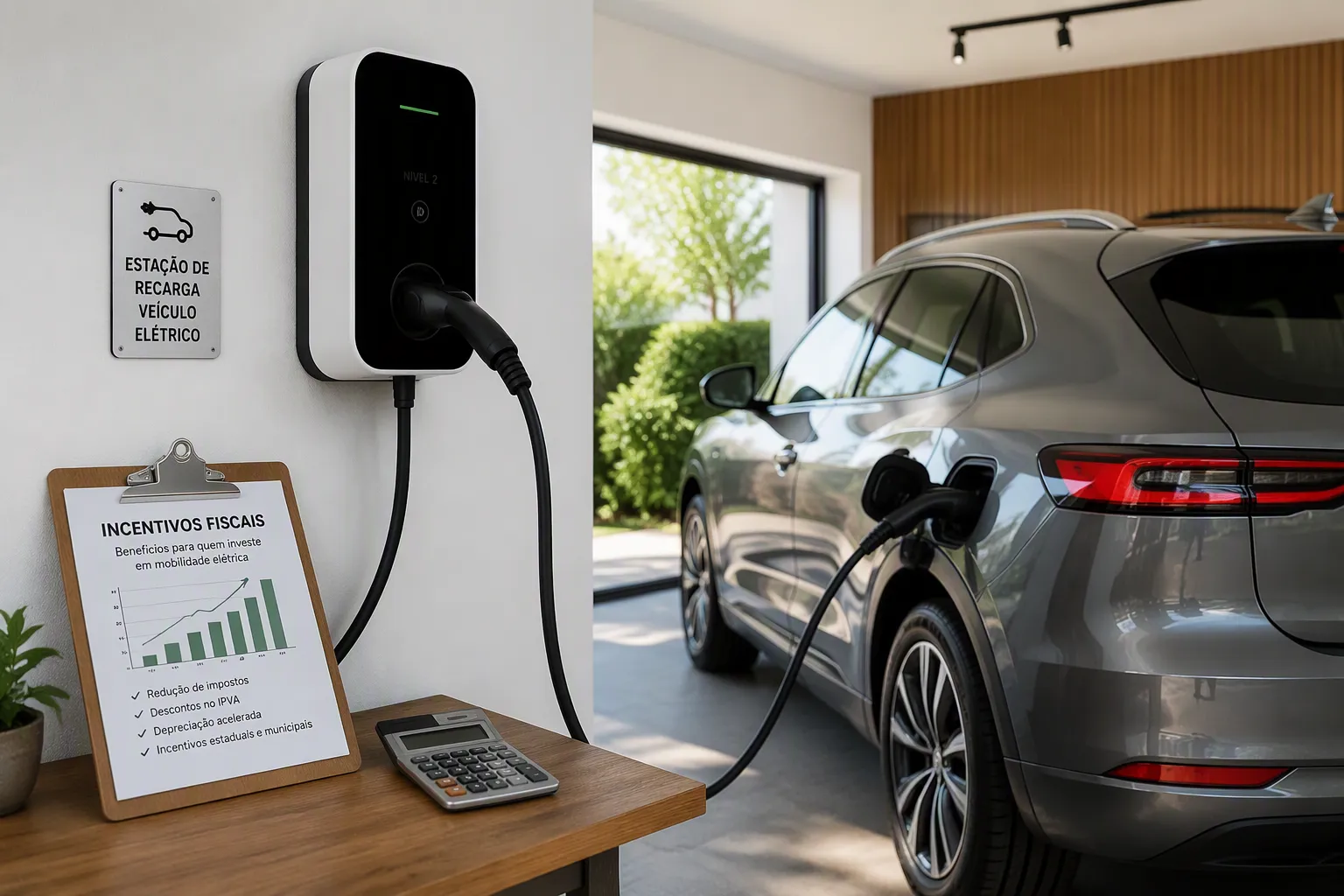
Os carregadores Nível 2 oferecem velocidades de carregamento mais rápidas e recursos de segurança aprimorados e integrados. Estas unidades de parede são a solução de carregamento doméstico preferida para a maioria dos motoristas de VE.
A Segurança Inerente dos Carregadores de Parede
Os carregadores Nível 2 dedicados são projetados como unidades seladas e à prova de intempéries. Provedores tecnologicamente avançados como a TPSON projetam suas soluções de carregamento de veículos elétricos para atender a altas classificações IP (Proteção contra Ingresso). Isso garante que os componentes internos estejam completamente protegidos contra água e poeira. A construção robusta desses carregadores os torna ideais para instalação externa. Um proprietário pode carregar meu veículo elétrico com confiança usando um carregador wallbox, independentemente do clima.
A Instalação Profissional é Fundamental
A garantia definitiva de segurança para um carregador Nível 2 é instalação profissional. Um eletricista qualificado garante que o carregador seja instalado corretamente e em conformidade com todos os códigos elétricos locais.
A instalação profissional verifica se o circuito pode suportar a carga, se a fiação está segura e se todos os mecanismos de aterramento e segurança estão funcionando perfeitamente. Esta etapa é essencial para a segurança e o desempenho de longo prazo do seu sistema de carregamento doméstico. Ela proporciona tranquilidade sempre que você carrega meu veículo elétrico.
Carregar seu VE na chuva é fundamentalmente seguro por projeto. Múltiplas camadas de engenharia de segurança sofisticada protegem cada usuário. Conectores selados, protocolos de comunicação inteligentes e Interruptores de Circuito de Falha à Terra (GFCIs) trabalham em conjunto. Este sistema elimina qualquer risco de choque elétrico ou dano durante uma sessão de carregamento. Esta proteção robusta torna o carregamento do seu VE na chuva uma atividade completamente rotineira.
Os proprietários podem conectar seu veículo para carregar com confiança sempre que necessário, independentemente das condições climáticas.
FAQ
É seguro tocar no cabo de carregamento na chuva?
Sim. O cabo de carregamento é altamente isolado. Nenhuma eletricidade flui até que o sistema confirme uma conexão segura e travada com o veículo. Este projeto evita qualquer risco de choque elétrico, tornando o processo seguro.
O que acontece se um raio cair enquanto meu VE está carregando?
Um raio direto pode danificar qualquer dispositivo eletrônico. Sistemas de carregamento doméstico com protetores contra surtos oferecem alguma defesa. Estações de carregamento públicas geralmente possuem sistemas de aterramento avançados para mitigar este risco raro.
Posso usar um cabo de extensão com meu carregador móvel na chuva?
Os fabricantes desaconselham fortemente o uso de cabos de extensão para carregamento de VE. Eles podem superaquecer e não possuem a integridade à prova de intempéries de um carregador de VE dedicado, criando um risco à segurança, especialmente em condições úmidas.
Devo cobrir meu carregador externo durante uma tempestade?
Não é necessário. Carregadores classificados para uso externo são construídos com altas classificações IP para resistir à chuva e tempestades. A unidade é selada, protegendo os componentes internos contra danos causados pela água. O carregador é projetado para uso em todas as condições climáticas.
O que devo fazer se meu equipamento for submerso em uma enchente?
Um proprietário nunca deve usar equipamento de carregamento que tenha sido submerso em água. Ele deve entrar em contato com um eletricista qualificado para inspecionar a unidade e a fiação quanto à segurança antes de tentar usá-lo novamente.
A chuva afeta o carregamento rápido DC de forma diferente do carregamento doméstico?
Não. Tanto os carregadores rápidos DC quanto as unidades domésticas usam os mesmos protocolos de segurança. O “aperto de mão digital” e os conectores à prova de intempéries garantem uma sessão segura, independentemente do nível de potência.